5 huge AI agent releases this week.
No, these are not about GPT-4.5, Claude 3.7 Sonnet, and Grok-3.
1. Mastra is a Typescript framework that gives you everything to build AI agents, RAG, automated workflows, and agent ops. Run it locally or deploy to a serverless cloud. 100% opensource.
No, these are not about GPT-4.5, Claude 3.7 Sonnet, and Grok-3.
1. Mastra is a Typescript framework that gives you everything to build AI agents, RAG, automated workflows, and agent ops. Run it locally or deploy to a serverless cloud. 100% opensource.
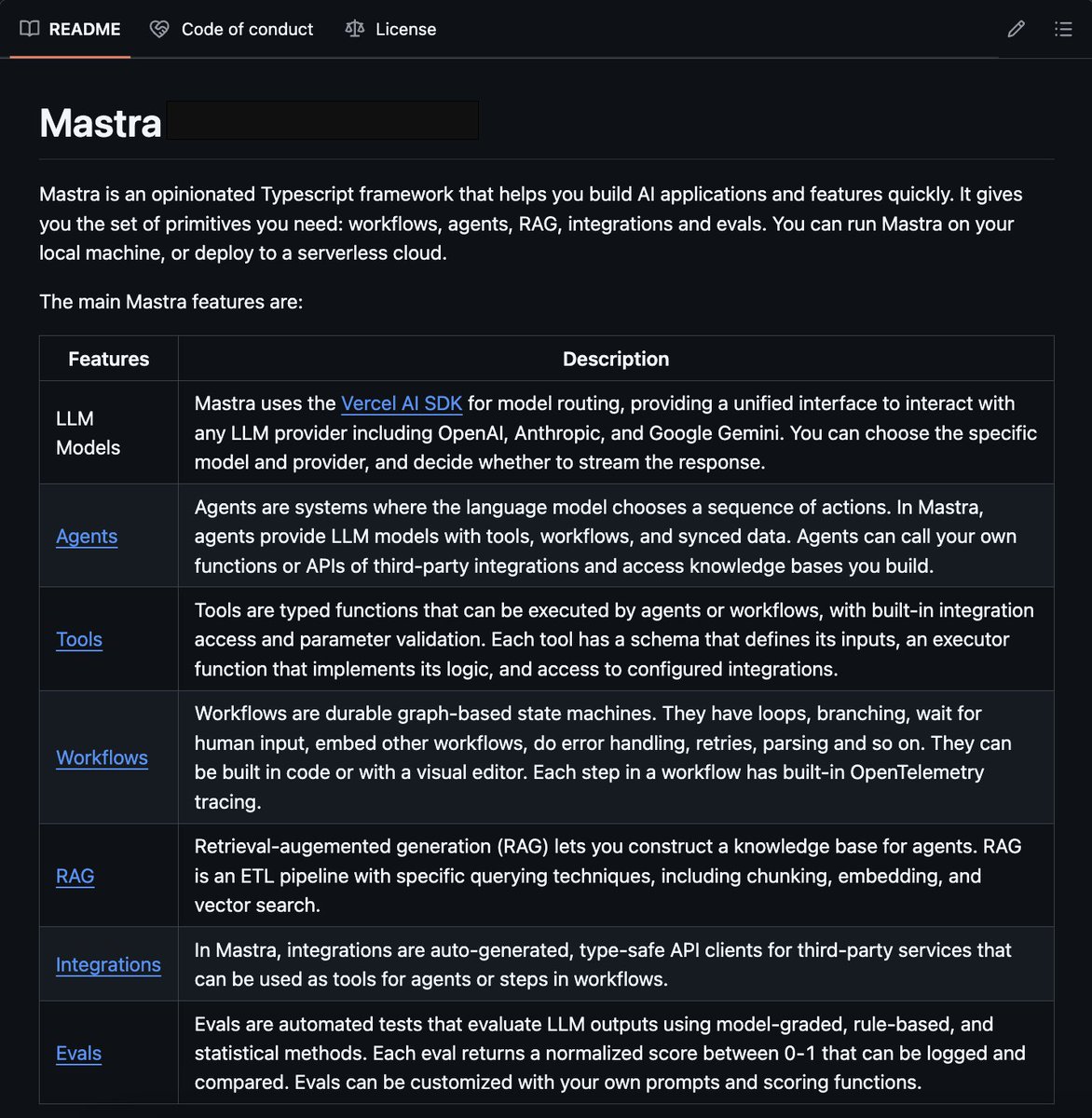
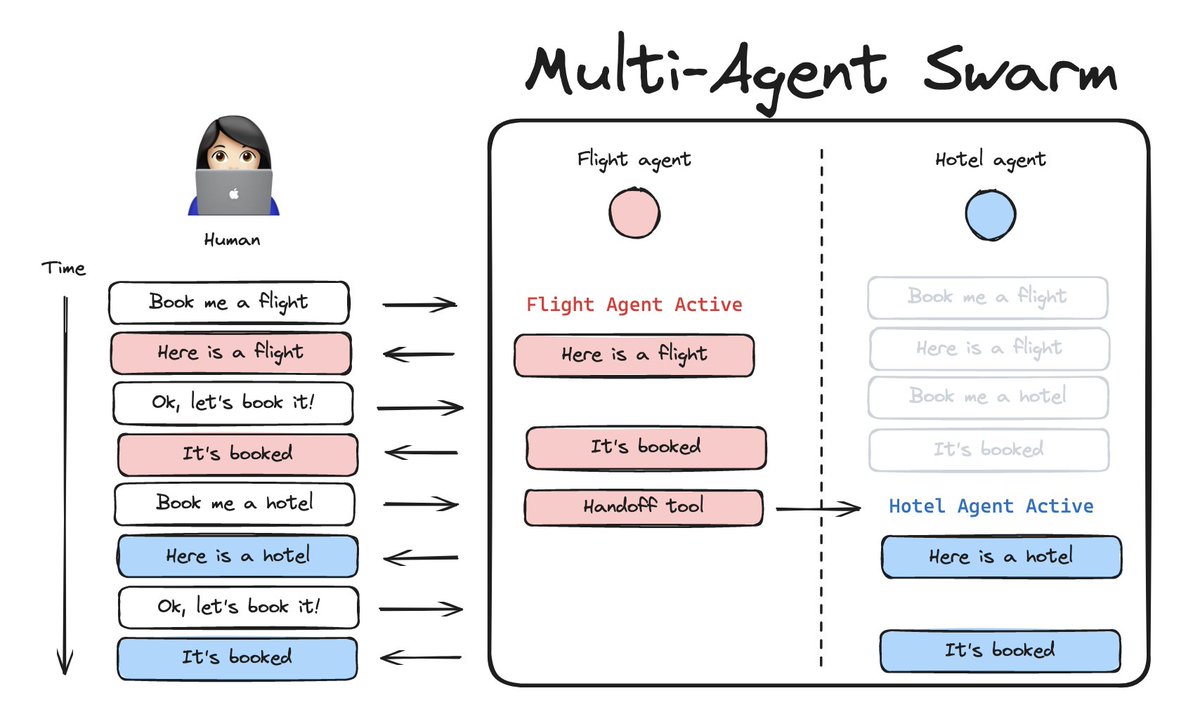
2. AI agents fail in production -- agents crashing, message coordination failing, and expensive LLM calls. Orra is a plan engine designed specifically for multi-agent AI applications that handles the complex orchestration between your AI agents and execution environment.
3. Replit released Replit Agent v2, a more autonomous AI coding agent powered by Claude 3.7 Sonnet, featuring an industry-first realtime app design preview that renders interfaces as they're being built. Available in early access to paid subscribers who opt for Explorer Mode.
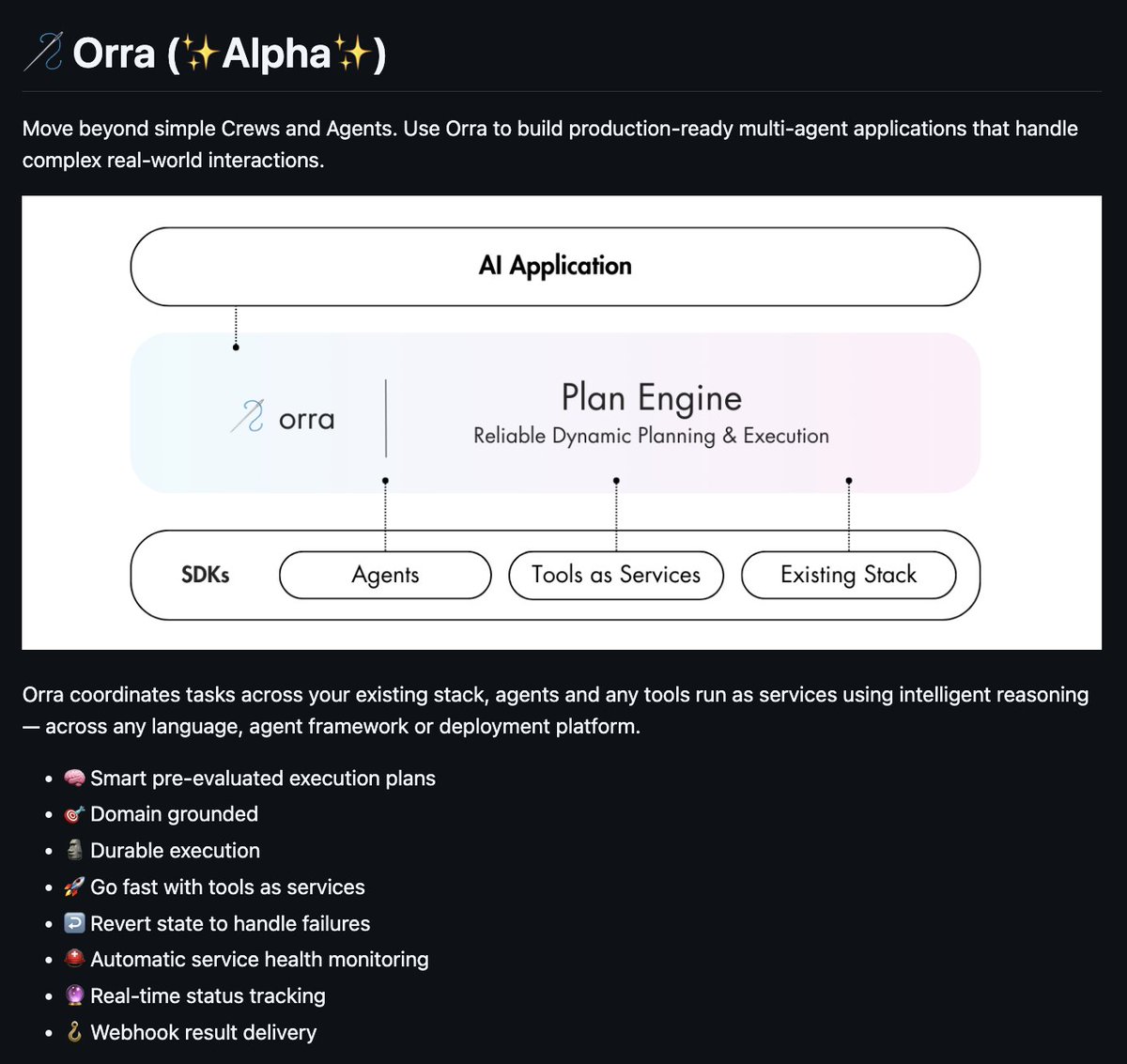
4. GenSX is a Typescript framework for building agents and workflows with reusable React-like components. Instead of graph-based approaches with nodes, edges, and global state, it uses JSX to define the flow of data, providing a visually clear, top-to-bottom structure.
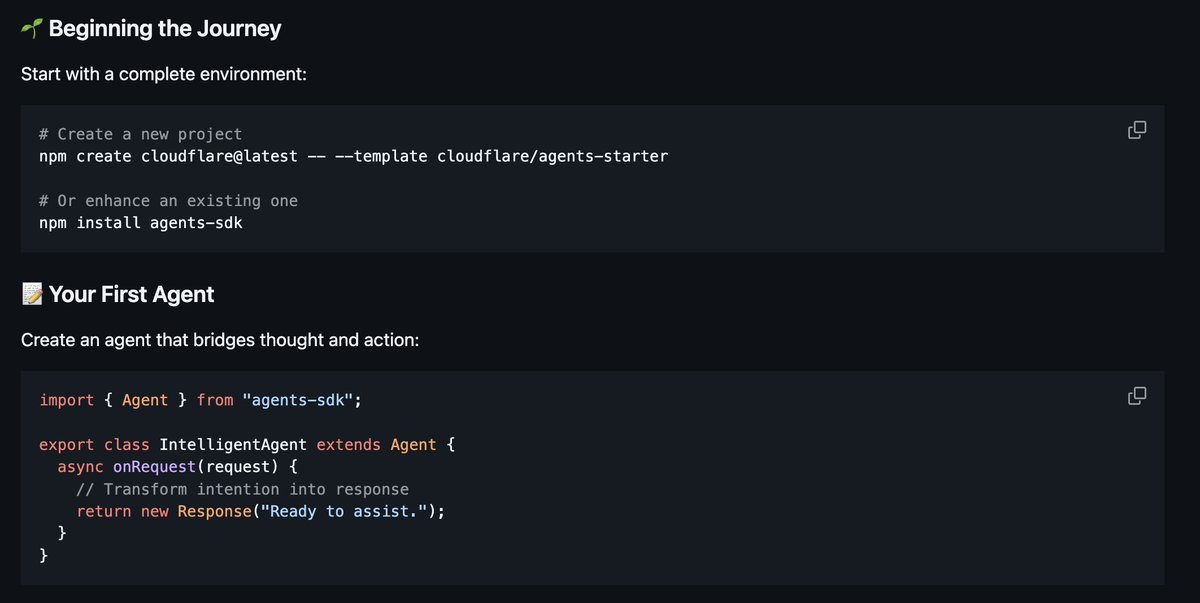
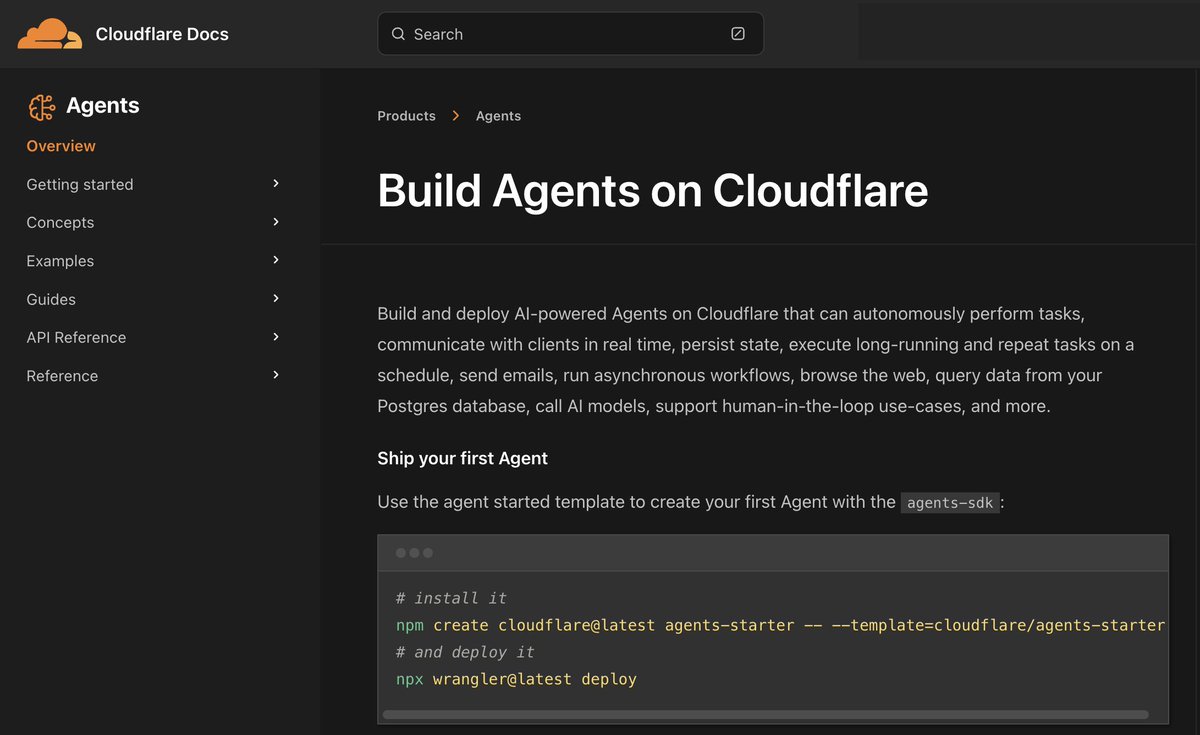
5. Cloudflare released an opensource AI Agent framework to build agents that persist state, execute tasks, browse the web, and call AI models in real-time. You can deploy theseAI agents directly on Cloudflare's Workers platform.
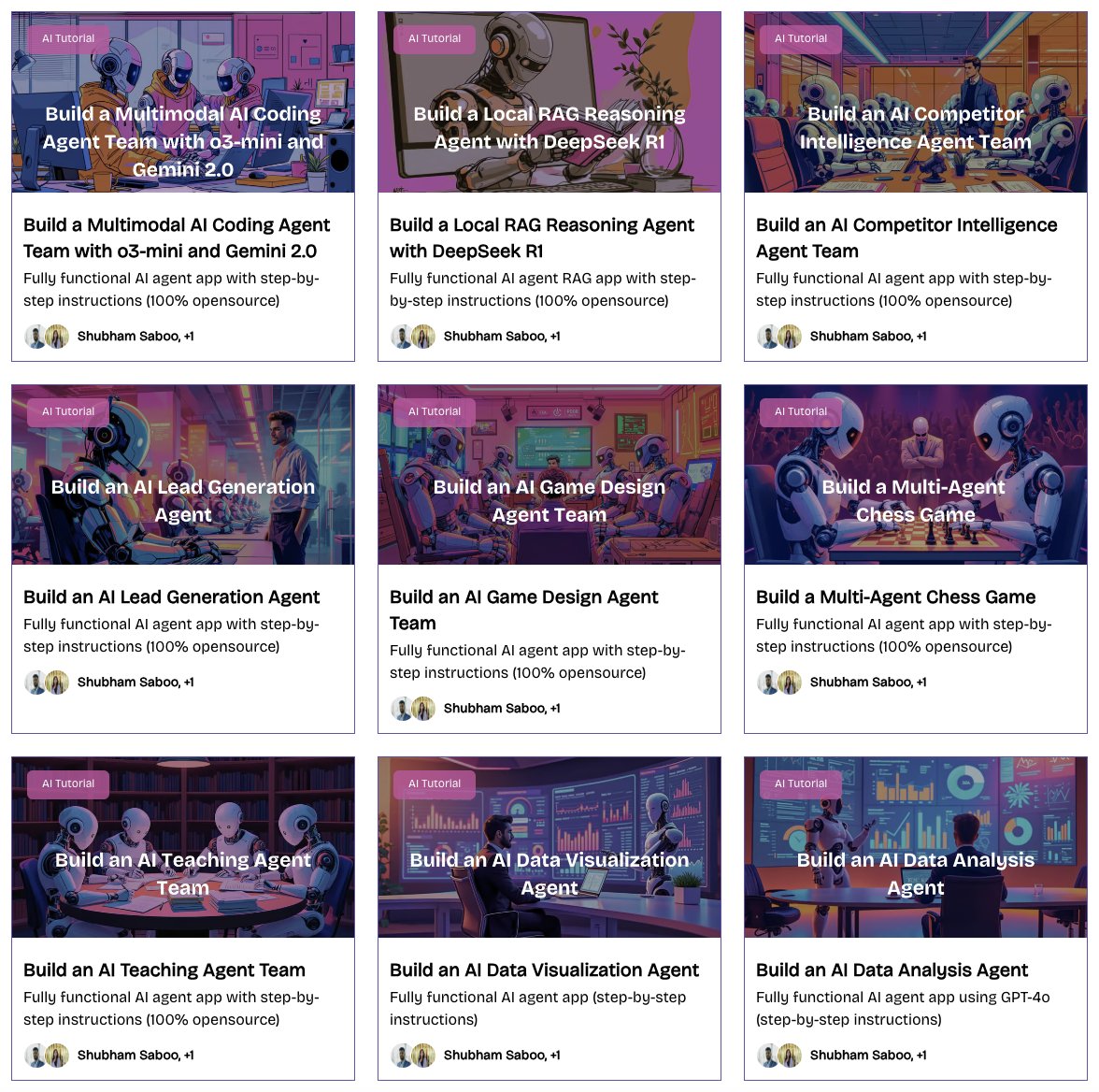
We have created 50+ AI Agents and RAG tutorials, 100% free and opensource.
Two simple steps to get started:
1. Subscribe to Unwind AI (for free): theunwindai.com
2. Star the repo: github.com/Shubhamsaboo/a…
New AI Agents and RAG tutorials added every week.
Two simple steps to get started:
1. Subscribe to Unwind AI (for free): theunwindai.com
2. Star the repo: github.com/Shubhamsaboo/a…
New AI Agents and RAG tutorials added every week.
Each release is covered in detail in our daily AI newsletter.
theunwindai.com
If you find this useful, RT to share it with your friends.
Don't forget to follow @unwind_ai_ for more such AI news, RAG and AI Agent tutorials and more.
x.com/unwind_ai_/sta…
theunwindai.com
If you find this useful, RT to share it with your friends.
Don't forget to follow @unwind_ai_ for more such AI news, RAG and AI Agent tutorials and more.
x.com/unwind_ai_/sta…
• • •
Missing some Tweet in this thread? You can try to
force a refresh