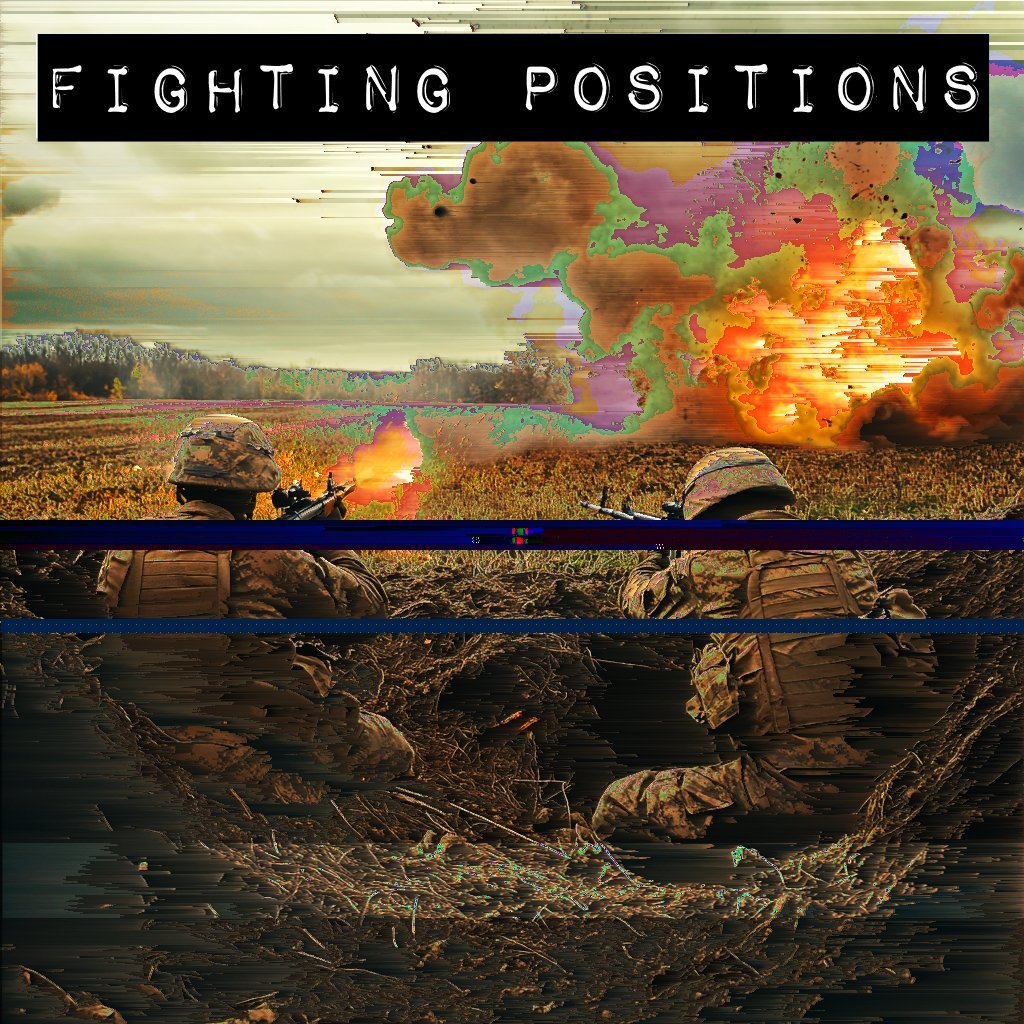
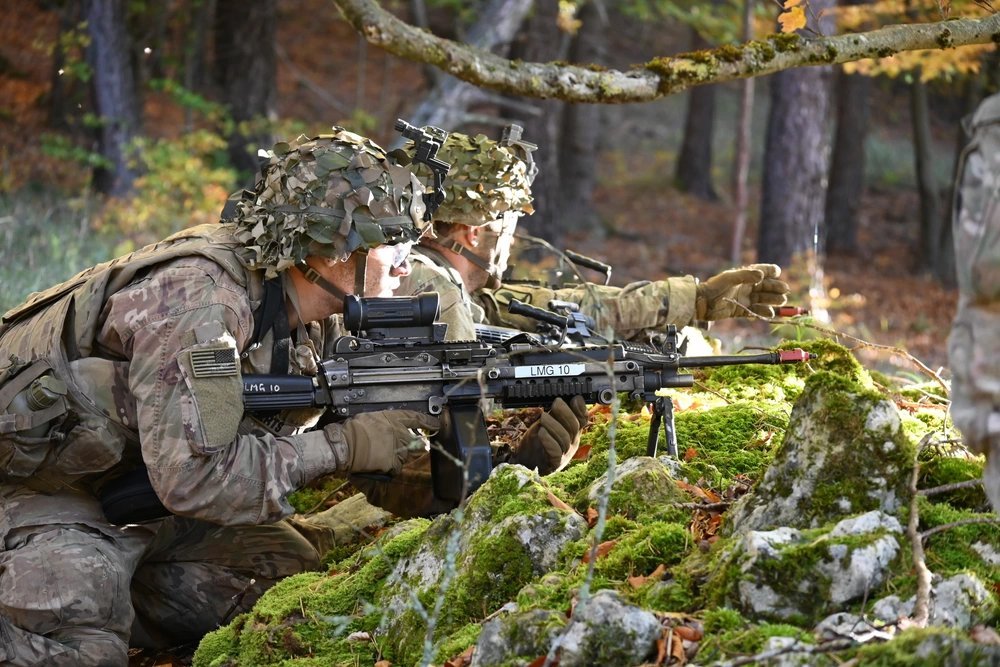
🧵Would you survive if you had to escape an ambush right now? Why or why not? How would you tryu?
Most people think they know what to do, but when bullets start flying, plans fall apart. Do you have a strategy for breaking contact, or are you just hoping for the best?
Most people think they know what to do, but when bullets start flying, plans fall apart. Do you have a strategy for breaking contact, or are you just hoping for the best?

Breaking Contact:
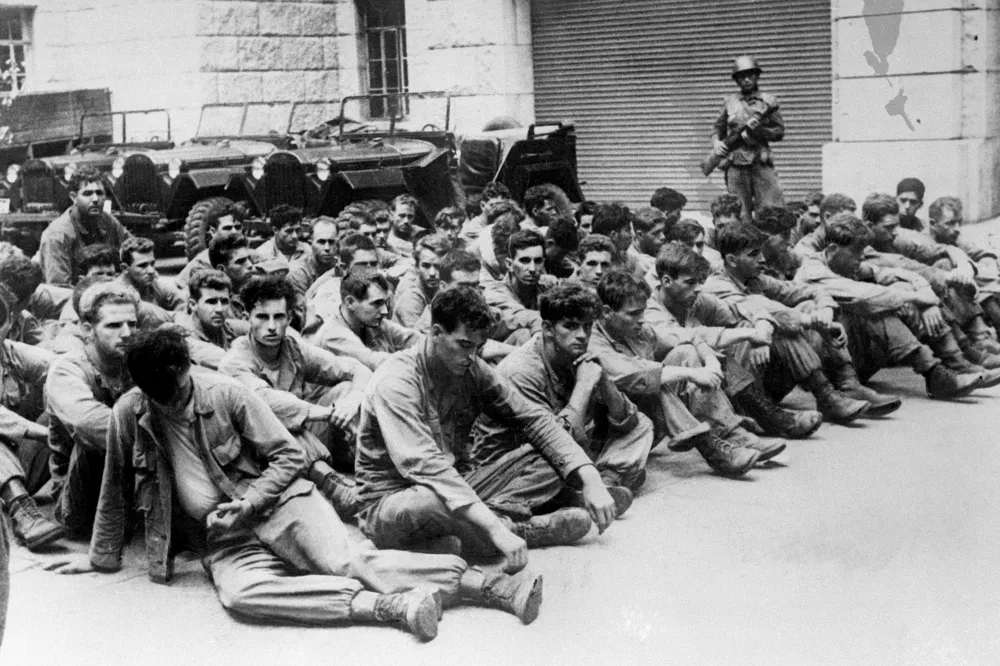
What happens when the mission doesn’t go to plan? Intelligence thought there was only a squad sized element in this grid square but it’s actually a platoon sized element and now you are in danger of being overrun, captured, or annihilated. What do you do? You break contact.
Breaking contact is when a unit identifies that their adversary is the superior force and that continuing their current engagement will not end in victory but instead almost certain defeat. Other factors that may influence a unit’s decision to break contact include unfavorable terrain that may trigger a sustained fight or being low on ammunition or supplies. Breaking contact can also be used in a hasty plan to setup an ambush or to reposition for a counterattack. Breaking contact is often mentioned in various manuals and handbooks but isn’t explained much beyond the statement of “create a plan to break contact,” even useful tool such as the Ranger Handbook only gives a single battle drill that boil down to saying, “use movement and fire to escape.” But how is that done, exactly?
The act of breaking contact is generally a reactive decision that may be part of a contingency plan but is not something deliberately planned ahead of time such as a tactical withdrawal. When breaking contact, the team attempts to completely leave the engagement and move to a different and more secure location.
What happens when the mission doesn’t go to plan? Intelligence thought there was only a squad sized element in this grid square but it’s actually a platoon sized element and now you are in danger of being overrun, captured, or annihilated. What do you do? You break contact.
Breaking contact is when a unit identifies that their adversary is the superior force and that continuing their current engagement will not end in victory but instead almost certain defeat. Other factors that may influence a unit’s decision to break contact include unfavorable terrain that may trigger a sustained fight or being low on ammunition or supplies. Breaking contact can also be used in a hasty plan to setup an ambush or to reposition for a counterattack. Breaking contact is often mentioned in various manuals and handbooks but isn’t explained much beyond the statement of “create a plan to break contact,” even useful tool such as the Ranger Handbook only gives a single battle drill that boil down to saying, “use movement and fire to escape.” But how is that done, exactly?
The act of breaking contact is generally a reactive decision that may be part of a contingency plan but is not something deliberately planned ahead of time such as a tactical withdrawal. When breaking contact, the team attempts to completely leave the engagement and move to a different and more secure location.

Techniques for Breaking Contact:
While there could potentially be an infinite number of ways to tactfully break contact, there are a handful of core techniques that have been battle tested and proven to be solid baselines of strategy to employ when breaking contact. While novelty can be prove to be the deciding factor in an engagement, using an established outline, rather than gambling on something completely untested, as the skeleton of the strategy can give a greater overall chance of success.
Bounding Overwatch Withdrawal.
The idea of a bounding overwatch withdrawal is actually very similar to standard bounding overwatch but in reverse. The idea is relatively simple, the element of whatever size, is split into two smaller elements. The first one lays down suppressing fire in an attempt to pin the enemy or at the very least, lessen their volume of fire. The secondary element them moves backwards to the next piece of cover or a predetermined point. Once they arrive, they begin suppressing the enemy and the first element moves backwards past the second and gets into cover behind them or gets to the rally point. The elements alternate and leapfrog until they have successfully disengaged from the enemy.
This strategy works by keeping constant pressure on the enemy, hindering their ability to move forward and advancing on the team’s position. It also ensures that the retreating elements are given continuous covering fire.
While effective, this strategy is one of the slower methods of breaking contact and is quite vulnerable to flanking if not executed properly. It also requires quite a bit of practice, training and coordination are going to be required for any semblance of success. Without it, elements may become confused and risk accidental friendly fire by crossing into fields of fire or mistaking covering fire for hostiles.
Peeling Maneuver.
The peeling maneuver is a rapid break contact tactic that involves continuous fallback movement from the element. In the element, the frontmost unit fires at the threat to suppress them and then moves backwards rapidly past the next man behind him. The man behind him is now the new frontmost unit and they take over suppression duties until the “peeling” man has repositioned and then he will retreat backwards as the man behind him takes over. This process is repeated until the element has disengaged with the enemy.
The peeling maneuver is fast and easy to execute and requires minimal training (but still requires it!) It works by providing constant suppressing fire that discourages enemy pursuit while also maintaining constant movement.
While the peeling maneuver is strong, it is best used for smaller groups, ideally fireteams and nothing larger than a squad element. They can also be difficult to coordinate in areas with dense terrain. Teams should also have practice with the peeling maneuver so as to avoid potential friendly fire incidents and minimize downtime between suppressing fire.
Smoke Concealment Based Withdrawal.
This is possibly the most straight forward strategy. Teams will break the enemy’s line of sight using some form of artificial obscurants (smoke, dust, vapor, etc). Generally this is done with smoke grenades. The process is very simple. Smoke grenades are deployed to obscure the location of the team in a way that obscures the enemy’s vision of themselves. Then they move quickly under the cover of the smoke away from the area, avoiding obvious routes to avoid any potential blind fire from the hostile force.
Obviously this strategy is effective because the enemy can’t see where the team is at and if they do attempt to engage, they risk wasting ammunition. This strategy can be further used to fake the team’s movement directions or make it appear that they split up by deploying a second wave of smoke so as to mislead pursuers. Wind direction is the biggest hazard to this strategy. Windy days or even days where the wind is blowing laterally can nullify the effectiveness of the deployed smoke. Hostiles may also be using IR or thermal optics that can see or partially see through smoke, making movement as hazardous as moving in the open. Smoke is concealment, not cover.
Feint and Deception Withdrawal.
Utilizing misdirection, the withdrawing force is able to trick the enemy into hesitating, shifting focus, and making mistakes. Options for deception include giving false movement orders such as stating “advance left” while the team is pulling back on the right, use of sound distractions such as flashbangs or throwing rocks. The use of harassment fire is also something that can be utilized, if the force is split into groups, the main group can withdraw backwards while the others engage the enemy to suppress and harass them. This works by exploiting enemy uncertainty, causing hesitation. It generally only works against undisciplined or overly aggressive adversaries and shouldn’t be employed against well-trained units.
This option also requires a degree of prior planning or some rapid thinking in the field as well as proper coordination. Teams utilizing this should be cohesive units that can operate according to a plan with minimal micromanagement.
Fighting Through to Break Contact.
I am putting this one at the end because it is an insanely high risk tactic and only will work if the enemy is not overwhelming in terms of men and firepower. It’s something that should only be employed if the element is being ambushed or flanked where retreat is not immediately possible and the element is facing certain doom otherwise.
The idea is simple, instead of immediately falling back, force the enemy into a defensive stance, and then fall back. It requires the team to rapidly identify weaknesses in the enemy’s formation and then launch a concentrated assault into it to push gain leverage over the situation. After disrupting the enemy’s cohesion, the team falls back immediately and withdraws.
By forcing the enemy into a reactive posture, the team gains a moment to disengage as they adjust to the perceived situation and orders are being given.
Once again this is basically a last resort type of strategy, the only other option that would be more desperate would be to actually assault through fully but this article is about withdrawing.
While there could potentially be an infinite number of ways to tactfully break contact, there are a handful of core techniques that have been battle tested and proven to be solid baselines of strategy to employ when breaking contact. While novelty can be prove to be the deciding factor in an engagement, using an established outline, rather than gambling on something completely untested, as the skeleton of the strategy can give a greater overall chance of success.
Bounding Overwatch Withdrawal.
The idea of a bounding overwatch withdrawal is actually very similar to standard bounding overwatch but in reverse. The idea is relatively simple, the element of whatever size, is split into two smaller elements. The first one lays down suppressing fire in an attempt to pin the enemy or at the very least, lessen their volume of fire. The secondary element them moves backwards to the next piece of cover or a predetermined point. Once they arrive, they begin suppressing the enemy and the first element moves backwards past the second and gets into cover behind them or gets to the rally point. The elements alternate and leapfrog until they have successfully disengaged from the enemy.
This strategy works by keeping constant pressure on the enemy, hindering their ability to move forward and advancing on the team’s position. It also ensures that the retreating elements are given continuous covering fire.
While effective, this strategy is one of the slower methods of breaking contact and is quite vulnerable to flanking if not executed properly. It also requires quite a bit of practice, training and coordination are going to be required for any semblance of success. Without it, elements may become confused and risk accidental friendly fire by crossing into fields of fire or mistaking covering fire for hostiles.
Peeling Maneuver.
The peeling maneuver is a rapid break contact tactic that involves continuous fallback movement from the element. In the element, the frontmost unit fires at the threat to suppress them and then moves backwards rapidly past the next man behind him. The man behind him is now the new frontmost unit and they take over suppression duties until the “peeling” man has repositioned and then he will retreat backwards as the man behind him takes over. This process is repeated until the element has disengaged with the enemy.
The peeling maneuver is fast and easy to execute and requires minimal training (but still requires it!) It works by providing constant suppressing fire that discourages enemy pursuit while also maintaining constant movement.
While the peeling maneuver is strong, it is best used for smaller groups, ideally fireteams and nothing larger than a squad element. They can also be difficult to coordinate in areas with dense terrain. Teams should also have practice with the peeling maneuver so as to avoid potential friendly fire incidents and minimize downtime between suppressing fire.
Smoke Concealment Based Withdrawal.
This is possibly the most straight forward strategy. Teams will break the enemy’s line of sight using some form of artificial obscurants (smoke, dust, vapor, etc). Generally this is done with smoke grenades. The process is very simple. Smoke grenades are deployed to obscure the location of the team in a way that obscures the enemy’s vision of themselves. Then they move quickly under the cover of the smoke away from the area, avoiding obvious routes to avoid any potential blind fire from the hostile force.
Obviously this strategy is effective because the enemy can’t see where the team is at and if they do attempt to engage, they risk wasting ammunition. This strategy can be further used to fake the team’s movement directions or make it appear that they split up by deploying a second wave of smoke so as to mislead pursuers. Wind direction is the biggest hazard to this strategy. Windy days or even days where the wind is blowing laterally can nullify the effectiveness of the deployed smoke. Hostiles may also be using IR or thermal optics that can see or partially see through smoke, making movement as hazardous as moving in the open. Smoke is concealment, not cover.
Feint and Deception Withdrawal.
Utilizing misdirection, the withdrawing force is able to trick the enemy into hesitating, shifting focus, and making mistakes. Options for deception include giving false movement orders such as stating “advance left” while the team is pulling back on the right, use of sound distractions such as flashbangs or throwing rocks. The use of harassment fire is also something that can be utilized, if the force is split into groups, the main group can withdraw backwards while the others engage the enemy to suppress and harass them. This works by exploiting enemy uncertainty, causing hesitation. It generally only works against undisciplined or overly aggressive adversaries and shouldn’t be employed against well-trained units.
This option also requires a degree of prior planning or some rapid thinking in the field as well as proper coordination. Teams utilizing this should be cohesive units that can operate according to a plan with minimal micromanagement.
Fighting Through to Break Contact.
I am putting this one at the end because it is an insanely high risk tactic and only will work if the enemy is not overwhelming in terms of men and firepower. It’s something that should only be employed if the element is being ambushed or flanked where retreat is not immediately possible and the element is facing certain doom otherwise.
The idea is simple, instead of immediately falling back, force the enemy into a defensive stance, and then fall back. It requires the team to rapidly identify weaknesses in the enemy’s formation and then launch a concentrated assault into it to push gain leverage over the situation. After disrupting the enemy’s cohesion, the team falls back immediately and withdraws.
By forcing the enemy into a reactive posture, the team gains a moment to disengage as they adjust to the perceived situation and orders are being given.
Once again this is basically a last resort type of strategy, the only other option that would be more desperate would be to actually assault through fully but this article is about withdrawing.

Environments:
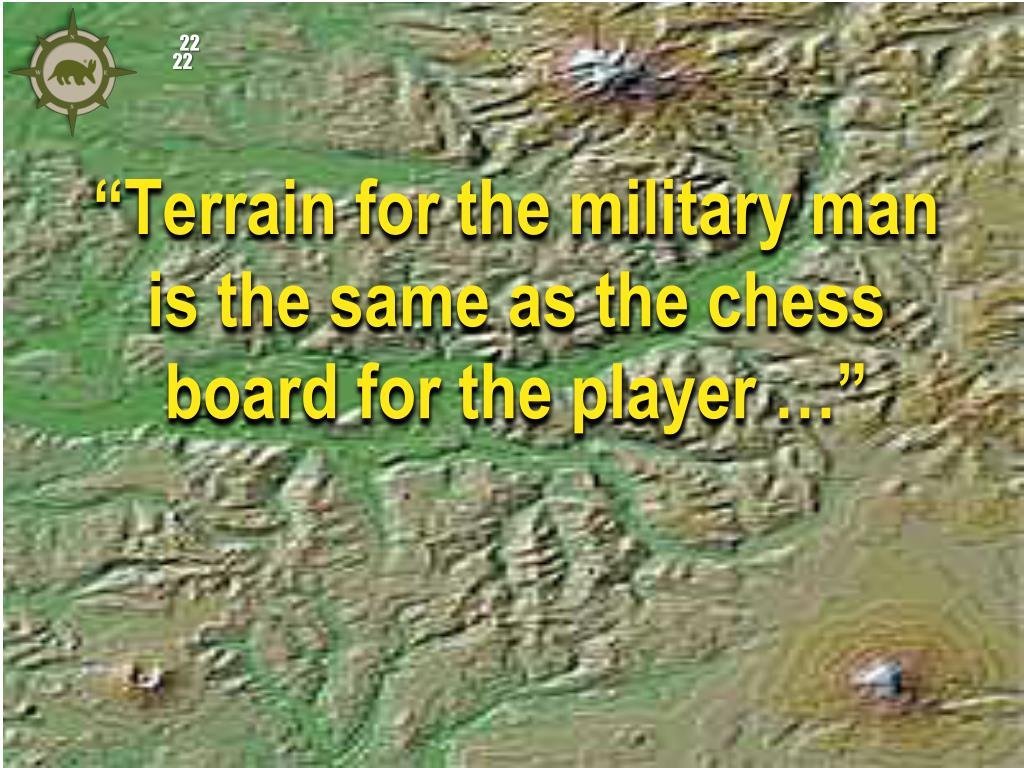
I briefly want to touch on how environments can really dictate the strategies selected for withdrawing and how they can also be exploited to assist the escaping team. This is going to be a short list to give ideas rather than hard facts but know that there is no one perfect strategy for every situation, every engagement is unique. With that in mind, let’s explore some environments:
Urban areas carry short sightlines and vertical threats. They also have limited escape routes and are mazelike. This makes them ideal areas for smoke-based withdrawals as the enemy has limited sight windows (unless you are on the street), this can then be coupled with deception tactics to obfuscate the team’s movements. This could involve breaking windows, tossing flashbangs in strange directions, and generally moving erratically under cover to misdirect pursuit.
More open areas such as plains, deserts, and tundras tend to have long engagement ranges and a distinct lack of cover. Smoke is almost a necessity in this type of environment to break line of sight, from there an extended bounding overwatch can be employed due to the generally large gaps between hard cover as team members move back cohesively. Ideally the team would want to rapidly sprint between cover positions because of how open it is.
Forests and jungles carry dense vegetation and limited visibility making seeing and moving a pain. Due to the reduced visibility, teams can use peeling more easily and effectively. Teams can then employ some basic area denial strategies such as setting tripwires behind them to slow their pursuers. Serious noise discipline is needed in these areas as both enemy and friendly forces will rely on their hearing due to the reduced visibility.
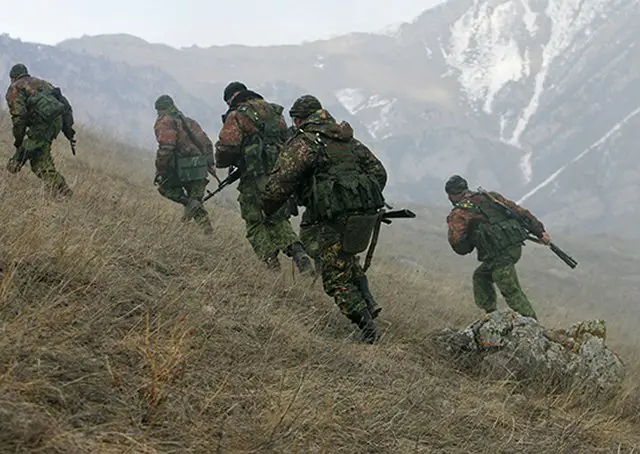
Finally in mountainous terrain, forces are forced to deal with slower movement and elevation differences during engagements. Bounding overwatch below the skyline can help teams avoid leaving silhouettes against the sky. Moving laterally or uphill while breaking contact will also allow teams to prevent facing an enemy at a greater elevation. Using the terrain folds and shadows to disappear from sight can help during withdrawals as well.
The terrain can be both a hinderance and something to be exploited by teams that need to withdraw from contact. Teams that understand that they can utilize the things hindering them and then using it against their enemy are more likely to succeed.
I briefly want to touch on how environments can really dictate the strategies selected for withdrawing and how they can also be exploited to assist the escaping team. This is going to be a short list to give ideas rather than hard facts but know that there is no one perfect strategy for every situation, every engagement is unique. With that in mind, let’s explore some environments:
Urban areas carry short sightlines and vertical threats. They also have limited escape routes and are mazelike. This makes them ideal areas for smoke-based withdrawals as the enemy has limited sight windows (unless you are on the street), this can then be coupled with deception tactics to obfuscate the team’s movements. This could involve breaking windows, tossing flashbangs in strange directions, and generally moving erratically under cover to misdirect pursuit.
More open areas such as plains, deserts, and tundras tend to have long engagement ranges and a distinct lack of cover. Smoke is almost a necessity in this type of environment to break line of sight, from there an extended bounding overwatch can be employed due to the generally large gaps between hard cover as team members move back cohesively. Ideally the team would want to rapidly sprint between cover positions because of how open it is.
Forests and jungles carry dense vegetation and limited visibility making seeing and moving a pain. Due to the reduced visibility, teams can use peeling more easily and effectively. Teams can then employ some basic area denial strategies such as setting tripwires behind them to slow their pursuers. Serious noise discipline is needed in these areas as both enemy and friendly forces will rely on their hearing due to the reduced visibility.
Finally in mountainous terrain, forces are forced to deal with slower movement and elevation differences during engagements. Bounding overwatch below the skyline can help teams avoid leaving silhouettes against the sky. Moving laterally or uphill while breaking contact will also allow teams to prevent facing an enemy at a greater elevation. Using the terrain folds and shadows to disappear from sight can help during withdrawals as well.
The terrain can be both a hinderance and something to be exploited by teams that need to withdraw from contact. Teams that understand that they can utilize the things hindering them and then using it against their enemy are more likely to succeed.
Closing Thoughts:
Breaking contact is a skill that must be trained, not assumed, and not learned only through reading. It requires coordination and discipline at minimum and ideally planning as well. Leaders and teams need to know the different tactical options they have so as to be robust and versatile about breaking contact in the field. The team that thoughtfully exploits the environment, their enemy, and their own equipment will take less casualties and outperform any team that has not practiced and studied the basics of breaking contact. Even individuals operating on their own should have an understanding of concealment, misdirection, and movement for scenarios in which they may need to escape and evade.
Act accordingly.
Breaking contact is a skill that must be trained, not assumed, and not learned only through reading. It requires coordination and discipline at minimum and ideally planning as well. Leaders and teams need to know the different tactical options they have so as to be robust and versatile about breaking contact in the field. The team that thoughtfully exploits the environment, their enemy, and their own equipment will take less casualties and outperform any team that has not practiced and studied the basics of breaking contact. Even individuals operating on their own should have an understanding of concealment, misdirection, and movement for scenarios in which they may need to escape and evade.
Act accordingly.
Thanks for checking this article out, I really appreciate it! I am super de-boosted in the X algorithm due to the topics I write on so interactions with the post (particularly comments, and quote RTs) mean a lot to me! Feel free to follow me, I try to release a full length article every week! The highlights tab in my profile features nearly 90 full length and free articles on many different topics including: tactics, prepping, historical lessons, philosophy, intelligence tradecraft, and more! Also check out my first two books on Amazon that cover an introduction to prepping in general and medical prepping! t.co/FenLlmmpmF

Just noted my typo in the OP. FML
• • •
Missing some Tweet in this thread? You can try to
force a refresh