[THREAD] This #WomensHistoryMonth, let's not forget how many of our rights were only won in recent decades, and weren’t given by asking nicely and waiting.
We need to fight for our rights.
Here's are a few examples:
We need to fight for our rights.
Here's are a few examples:

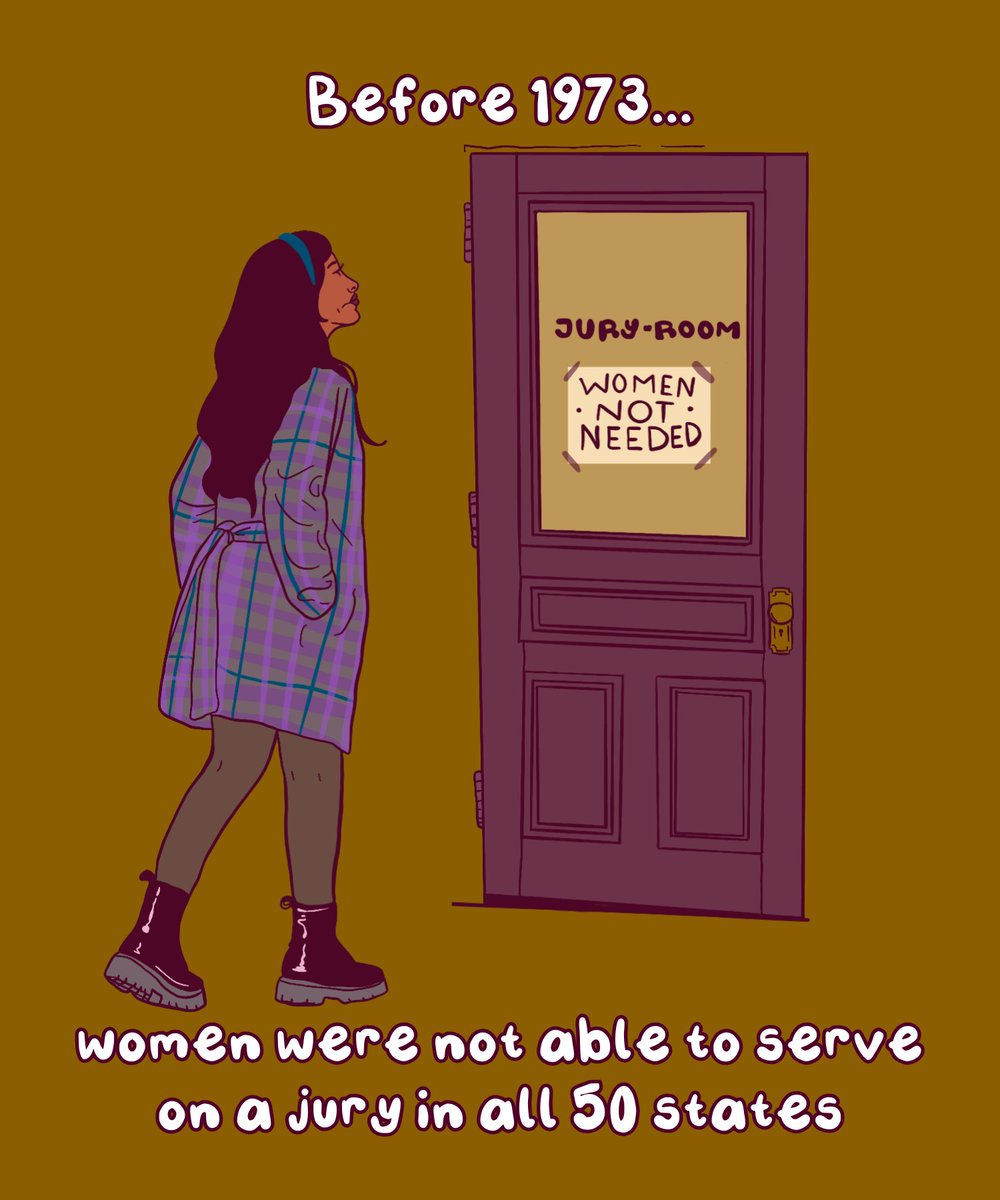
📍 Before 1973, women were not able to serve on a jury in all 50 states. The Civil Rights Act of 1957 gave women the right to serve on federal juries, though it wasn't until 1973 that all 50 states passed similar legislation
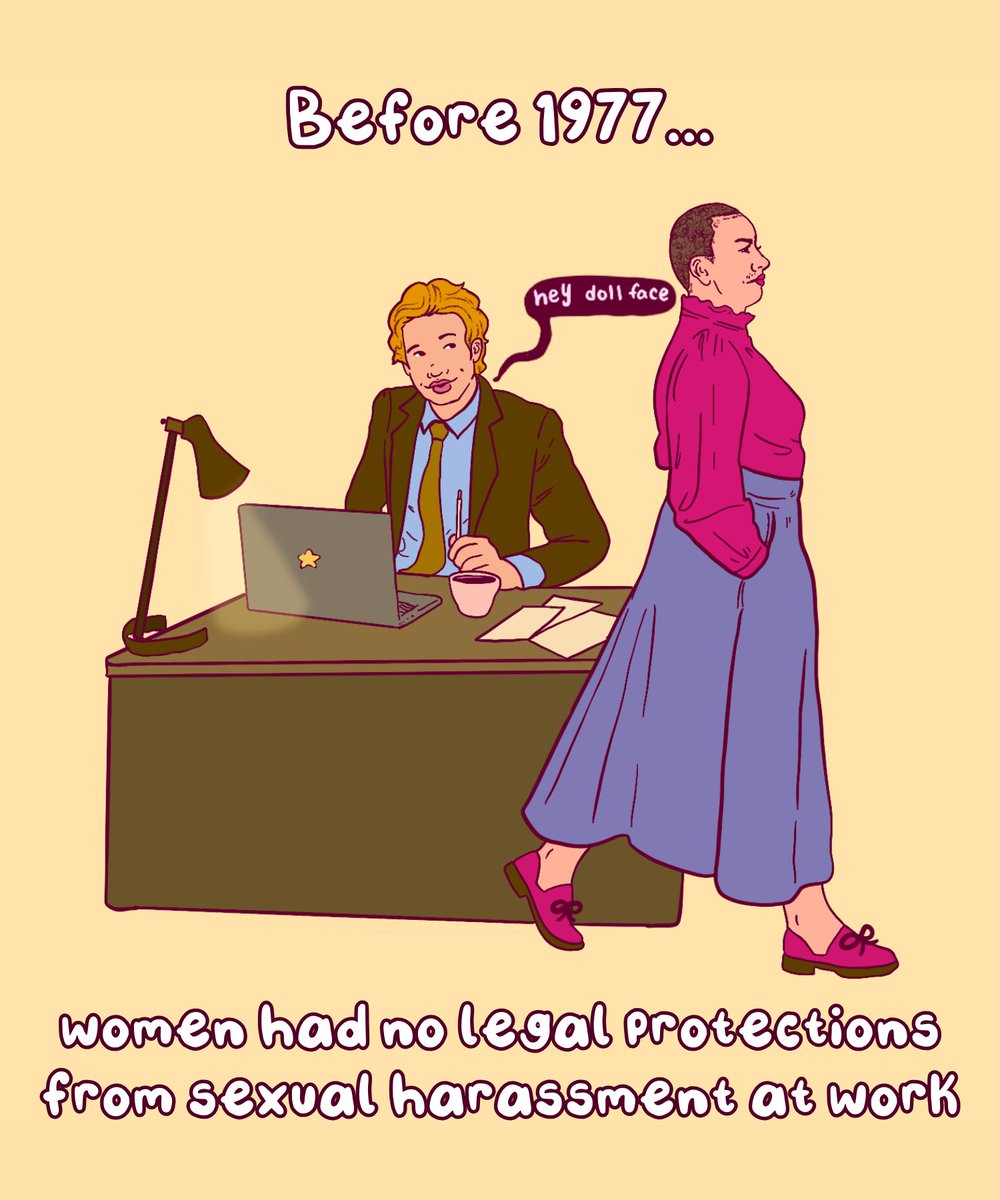
Before 1977, sexual harassment was not considered a legal offense. That changed when a woman brought her boss to court after she refused his sexual advances & was fired. The court stated that this violated the 1974 Civil Rights Act, which made employment discrimination illegal.
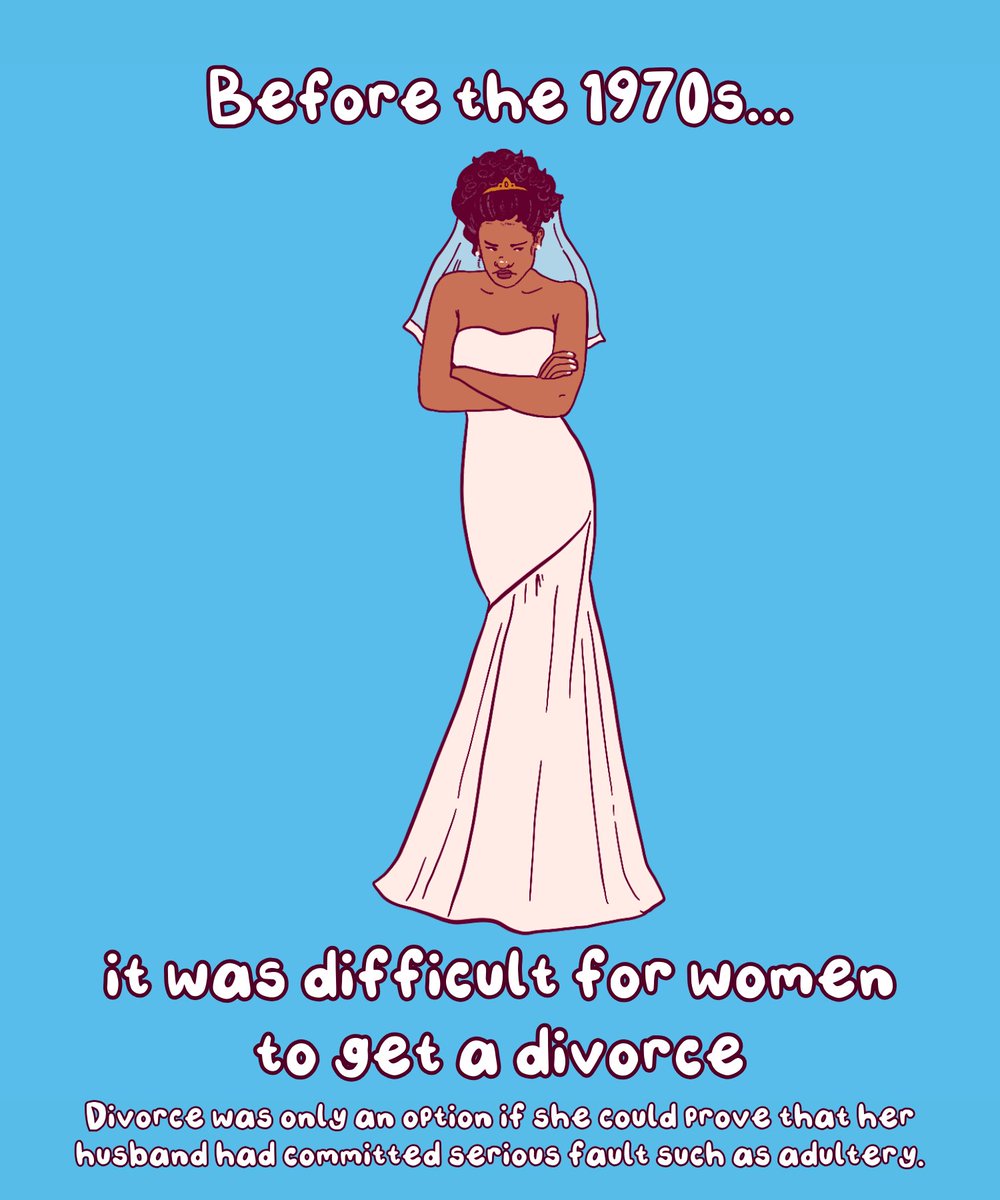
📍In 1969, California became the first to allow no-fault divorce. Before then, divorce could only be obtained if a woman could prove that her husband had committed serious fault. By 1977, 9 states had adopted no-fault divorce laws, and by late 1983, every state had but 2
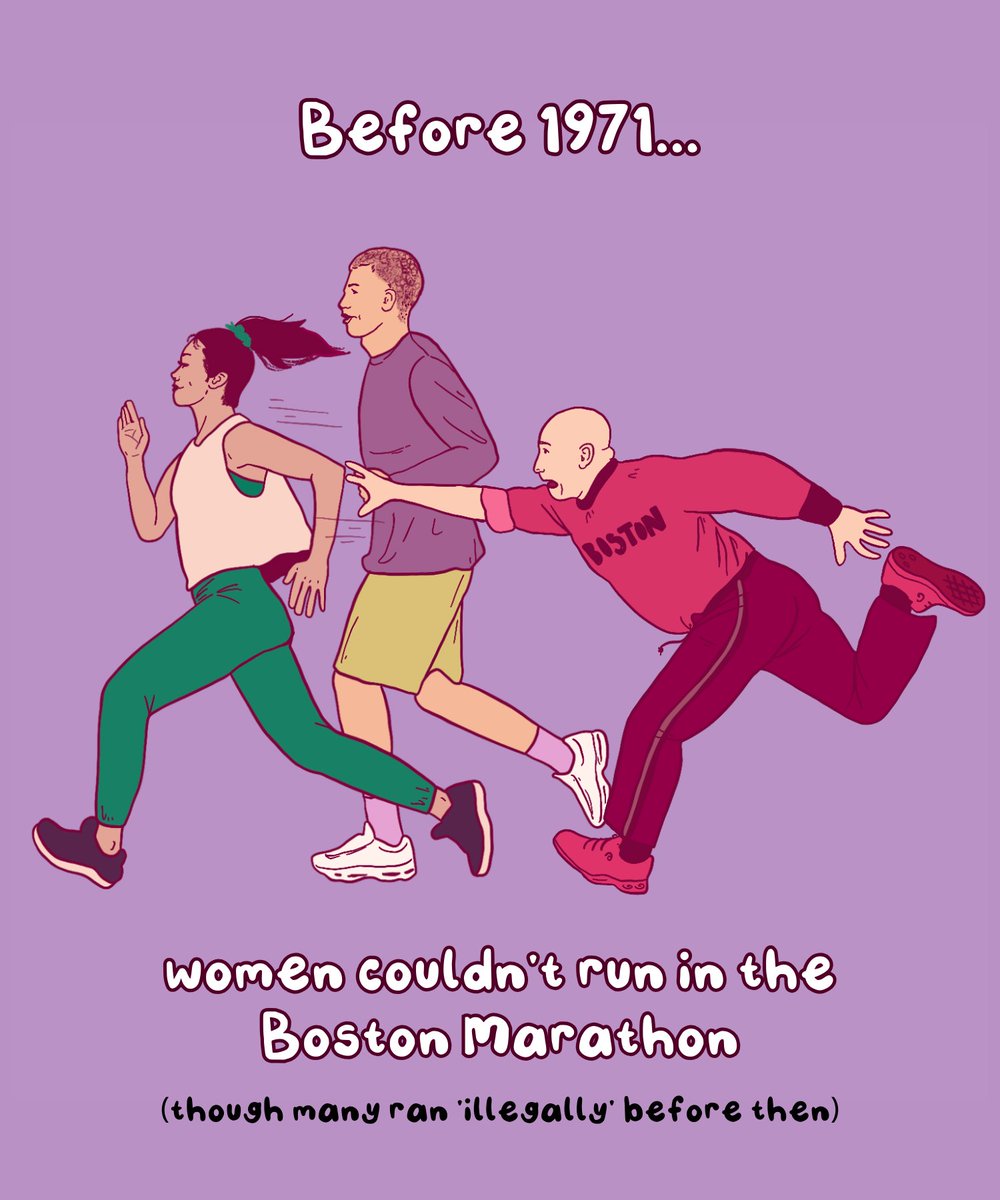
In 1967, Kathrine Switzer, entered the Boston Marathon under the name "K.V. Switzer." At the time, the Amateur Athletics Union didn't allow women. Once discovered, staff tried to remove Switzer from the race, but she finished. AAU did not formally accept women until fall 1971.
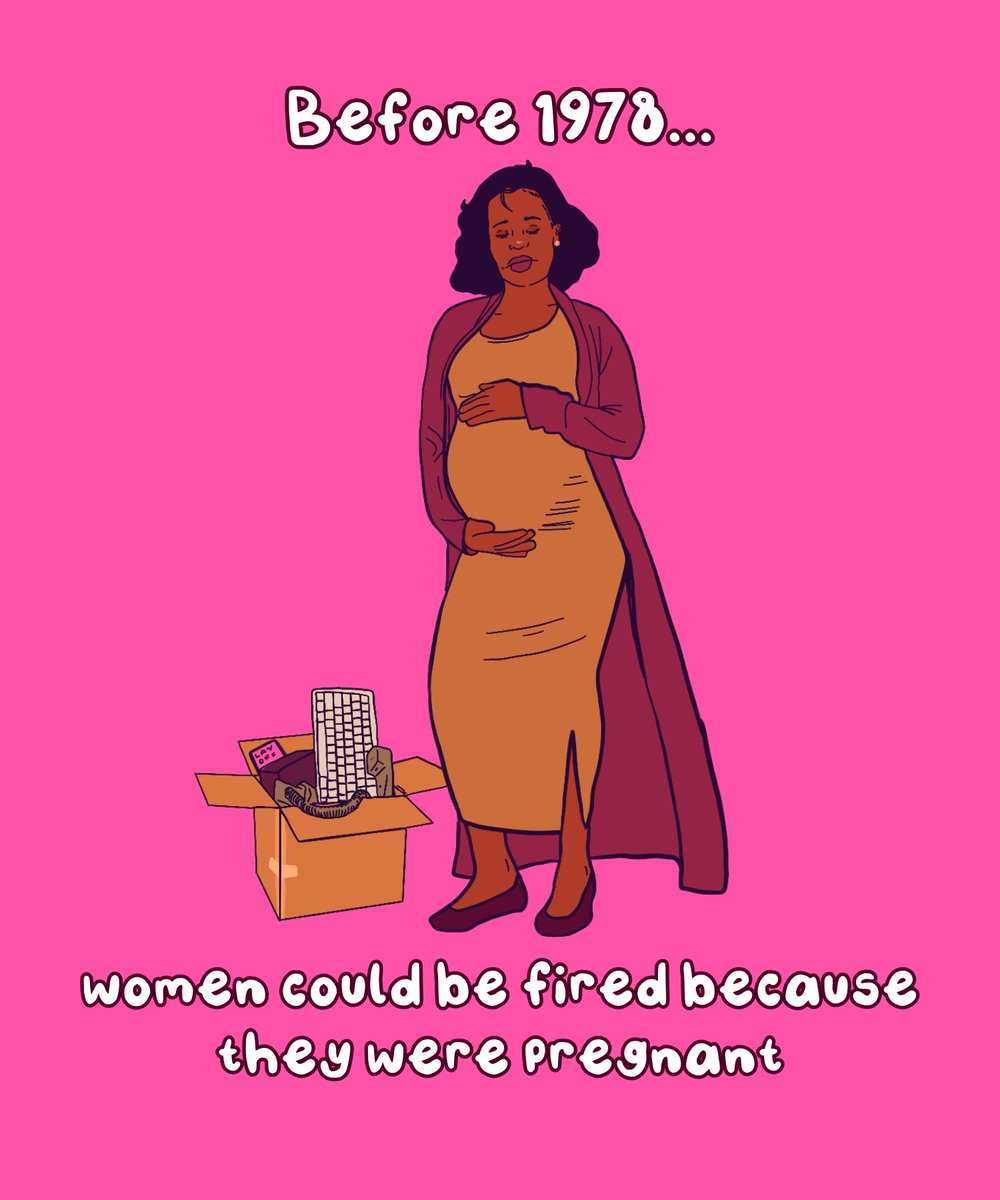
In 1972, Lillian Garland, a receptionist at a California bank, went on unpaid leave to have a baby and when she returned, her position was filled. Her lawsuit led to 1978's Pregnancy Discrimination Act, which found that discriminating against pregnant people is unlawful
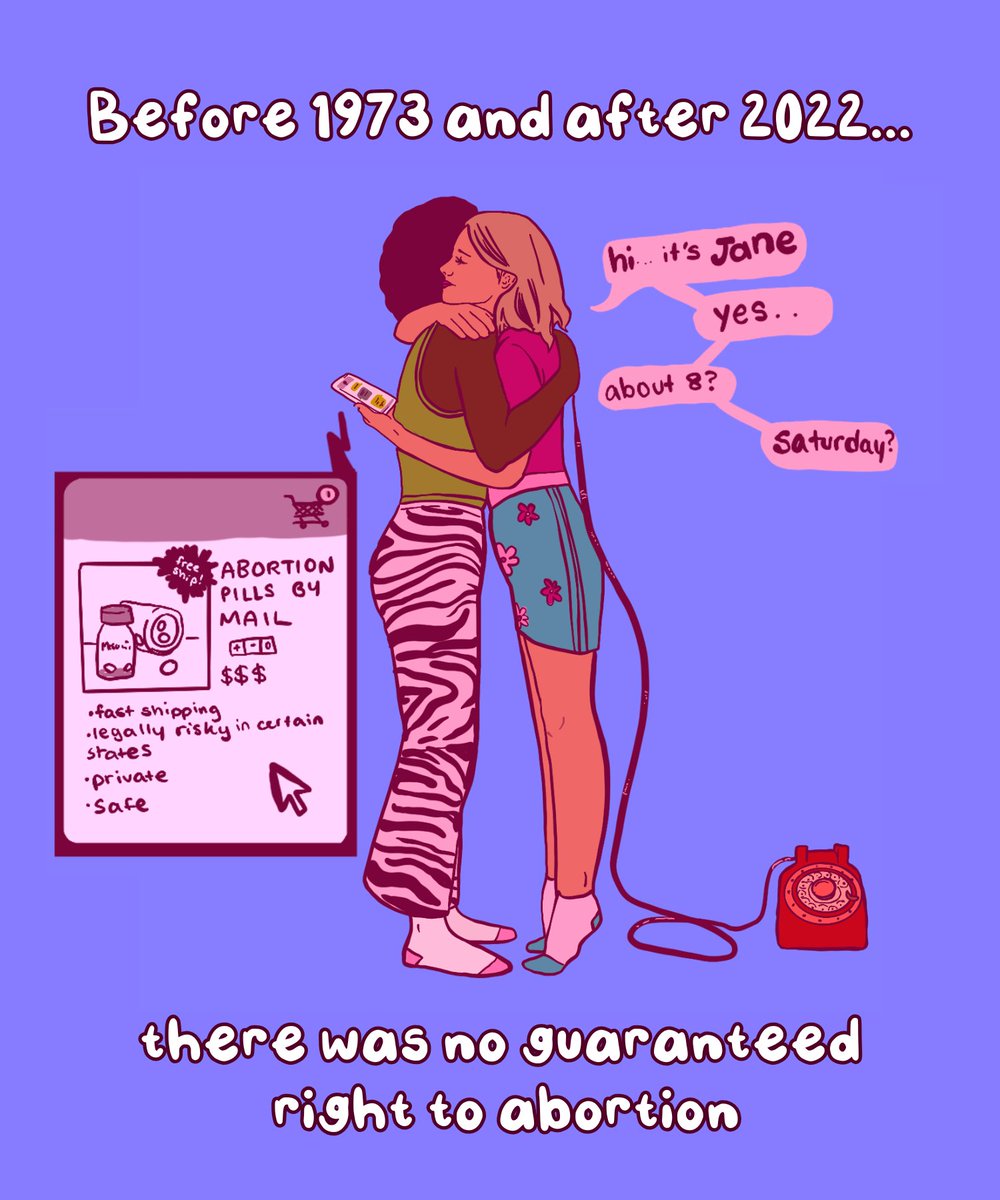
In 1973, the Supreme Court affirmed the right to safe legal abortion in Roe v. Wade. At the time of the decision, nearly all states outlawed abortion with few exceptions. Unfortunately after years of abortion restrictions and bans, the Supreme Court overturned Roe in 2022.
Before 1988, women were unable to get a business loan on their own. The Women's Business Ownership Act of 1988 allowed women to get loans without a male cosigner & removed other barriers. The number of women-owned businesses increased by 31x in the last 4 decades

Before 1965, married women had no right to birth control. In Griswold v. Connecticut (1965), the Supreme Court ruled that banning the use of contraceptives violated the right to marital privacy.

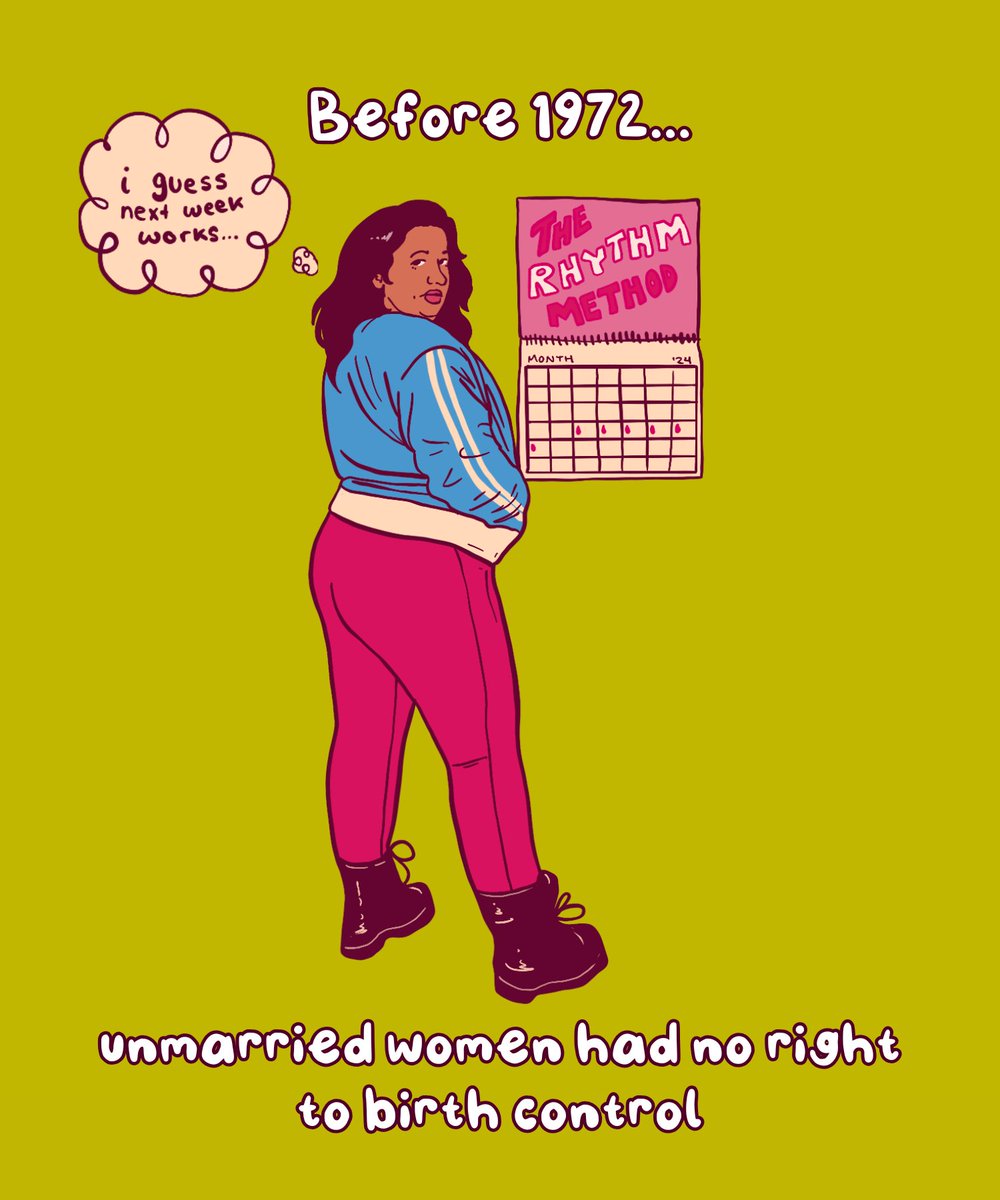
Before 1972, unmarried women didn’t have the right to birth control. While married couples gained the right in 1967, it wasn’t until Eisenstadt v. Baird seven years later, that the Supreme Court affirmed the right to contraception for unmarried people.
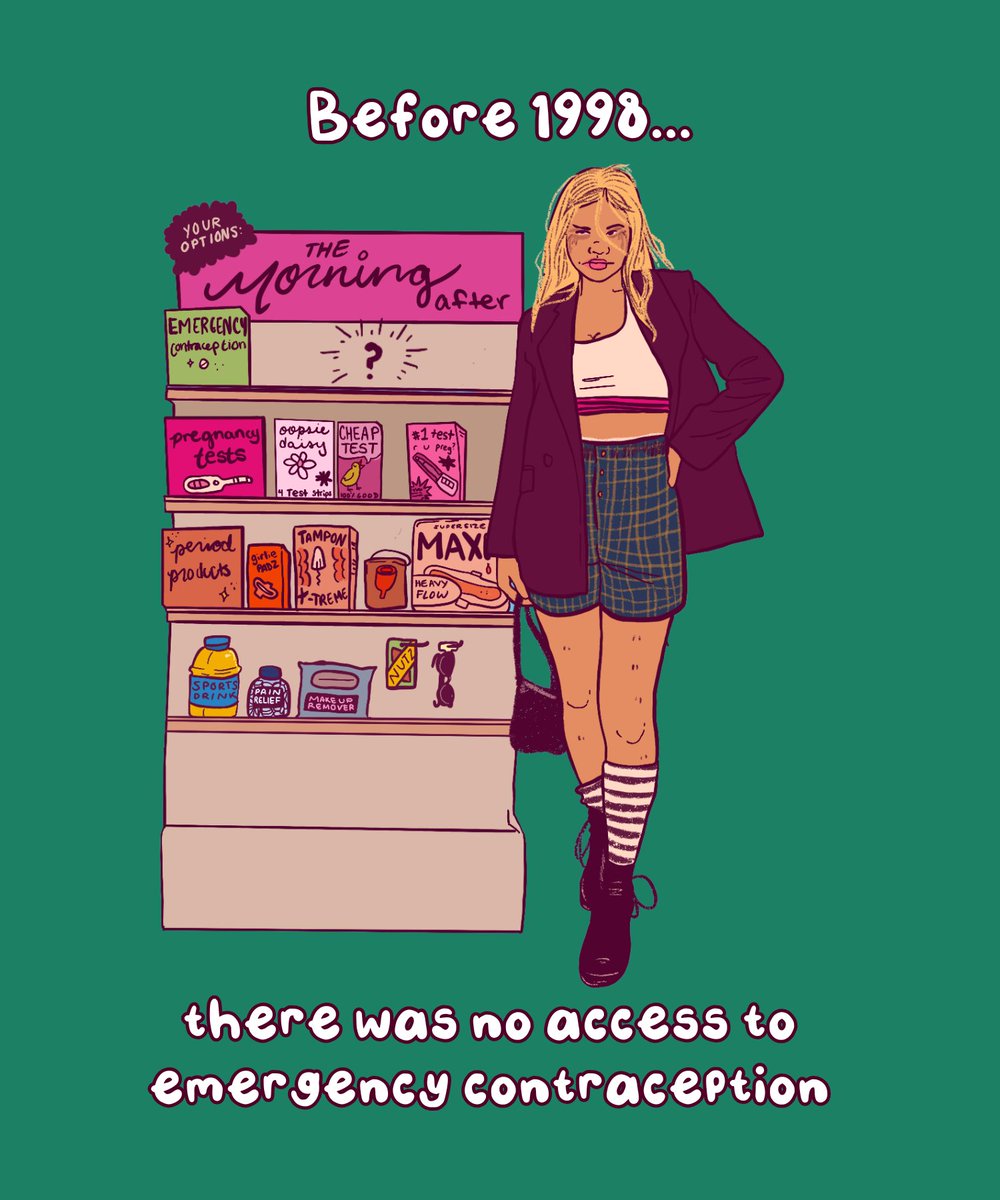
Emergency contraception (Plan B) wasn't approved by the FDA until 1998. While many can get emergency contraception at their local drugstore, back then it required a prescription. In 2013, the FDA removed age limits & allowed retailers to stock it on the shelf (tho many don’t)
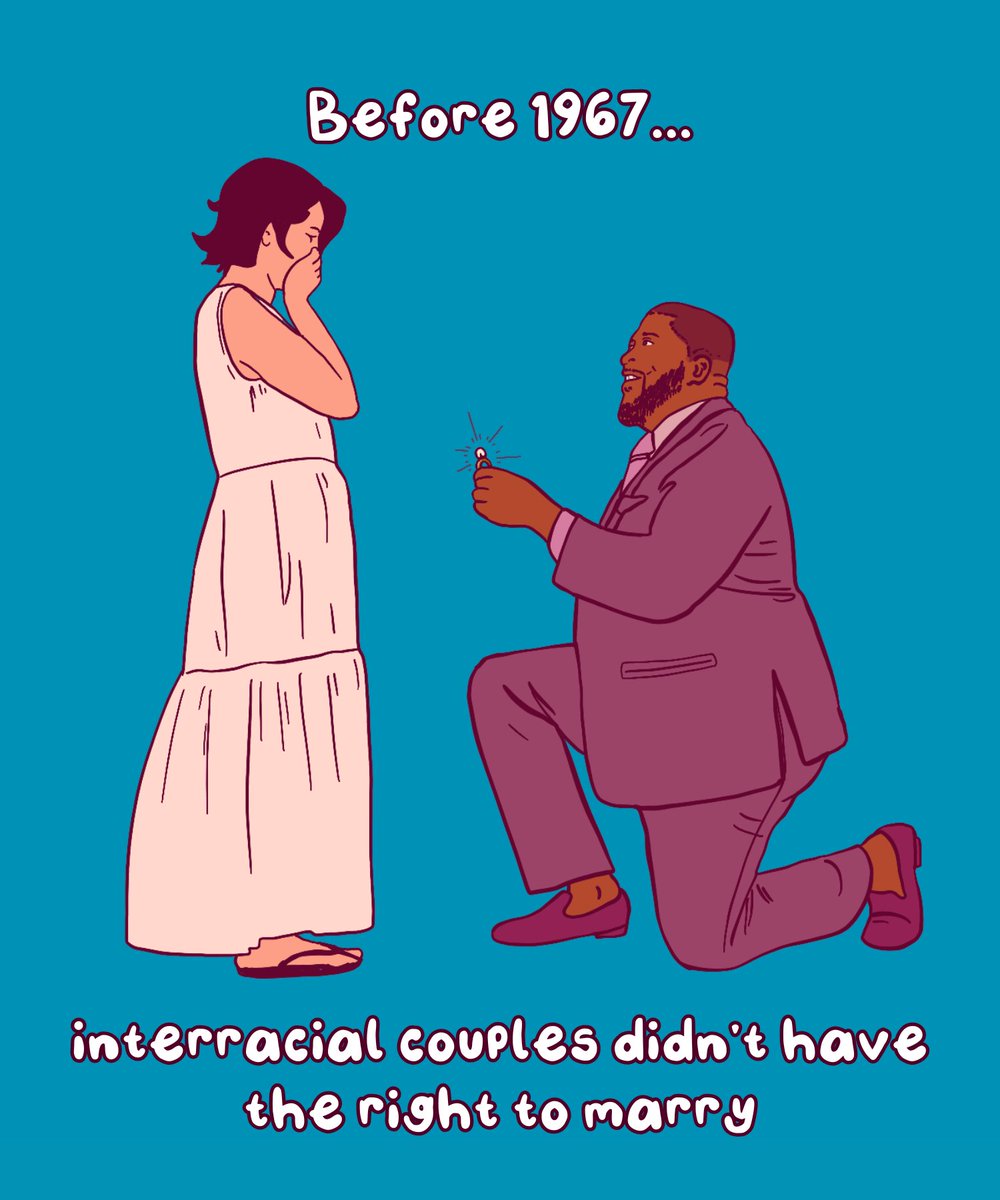
Before 1967, interracial couples didn’t have the right to marry. In Loving v. Virginia, the Supreme Court found that anti-miscegenation laws were unconstitutional. In 2000, Alabama was the last State to remove its anti-miscegenation laws from the books.
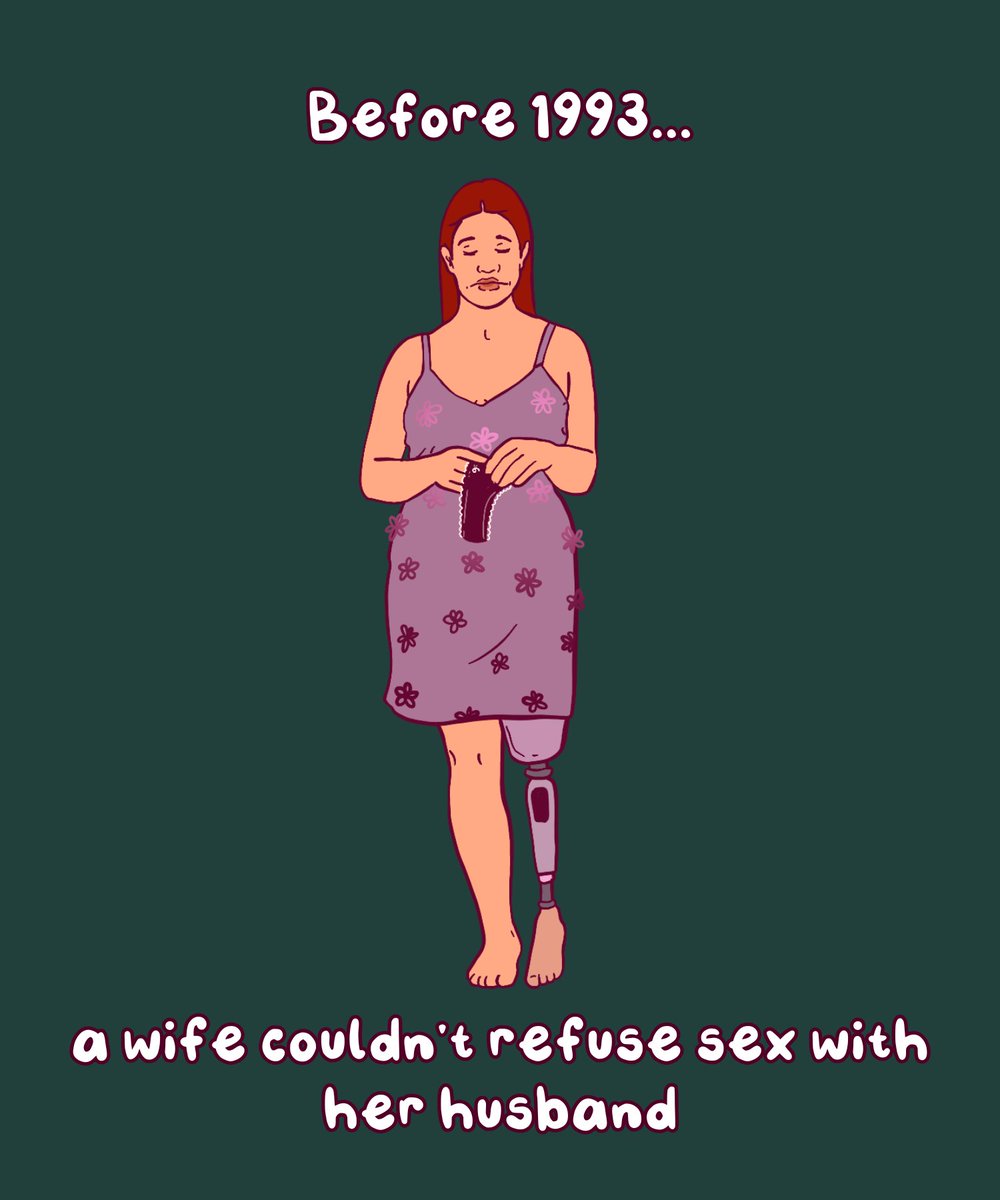
It wasn’t until 1993 that marital assault became a crime in all 50 states. Historically, intercourse within marriage was regarded as a “right” of spouses. Before 1974, in all fifty U.S. states, men had legal immunity for assault`ng their wives.
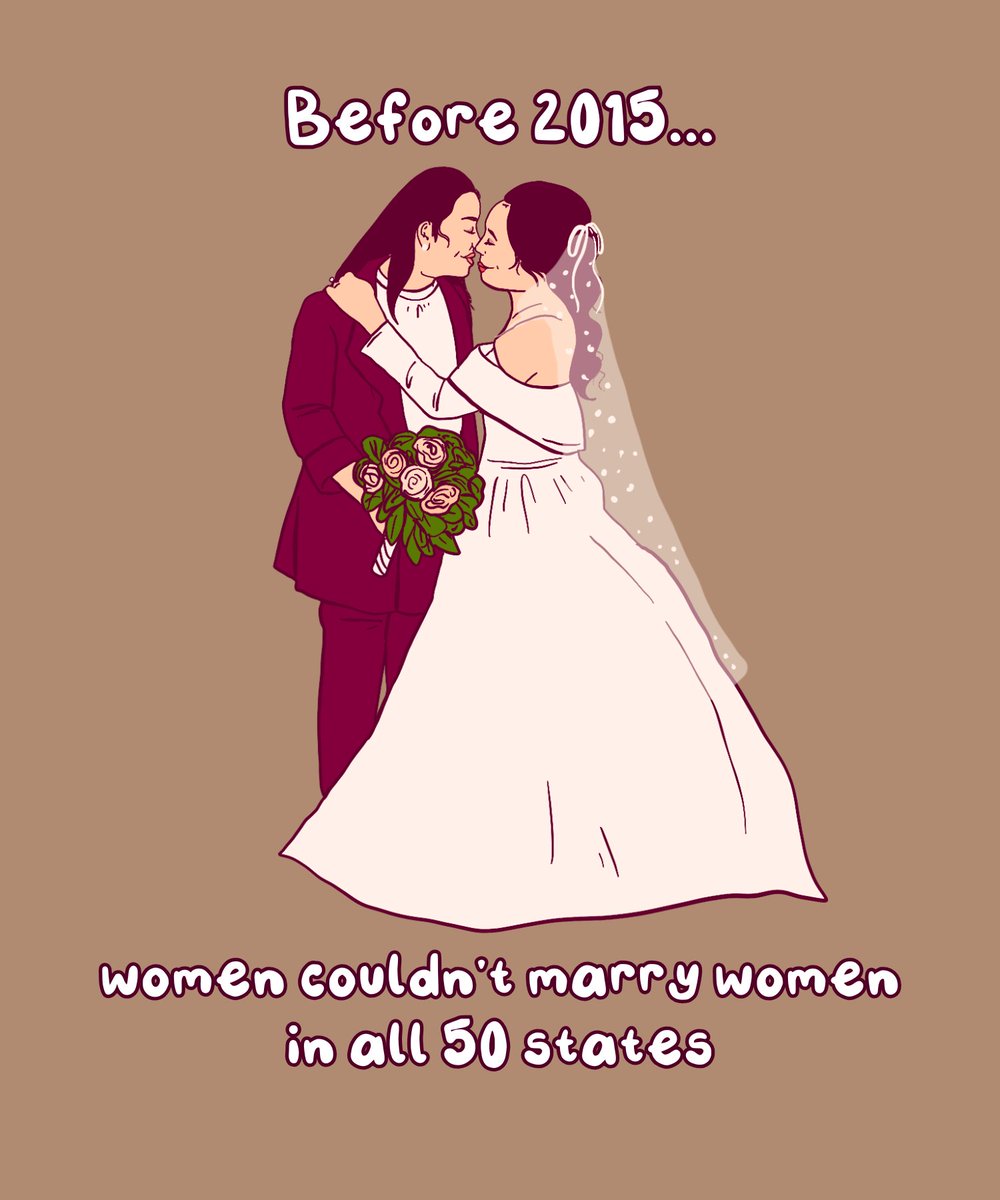
📍It wasn’t until 2015 that gay marriage was legal in all 50 states. Previously, laws varied by state, and while many states allowed for civil unions for same-sex couples, it created a separate but equal standard.
📍 In Lawrence v. Texas (2003), the Supreme Court ruled that anti-cohabitation laws were unconstitutional. Sometimes referred to as the ‘'Living in Sin' statute, anti-cohabitation laws criminalize living with a partner if the couple is unmarried.

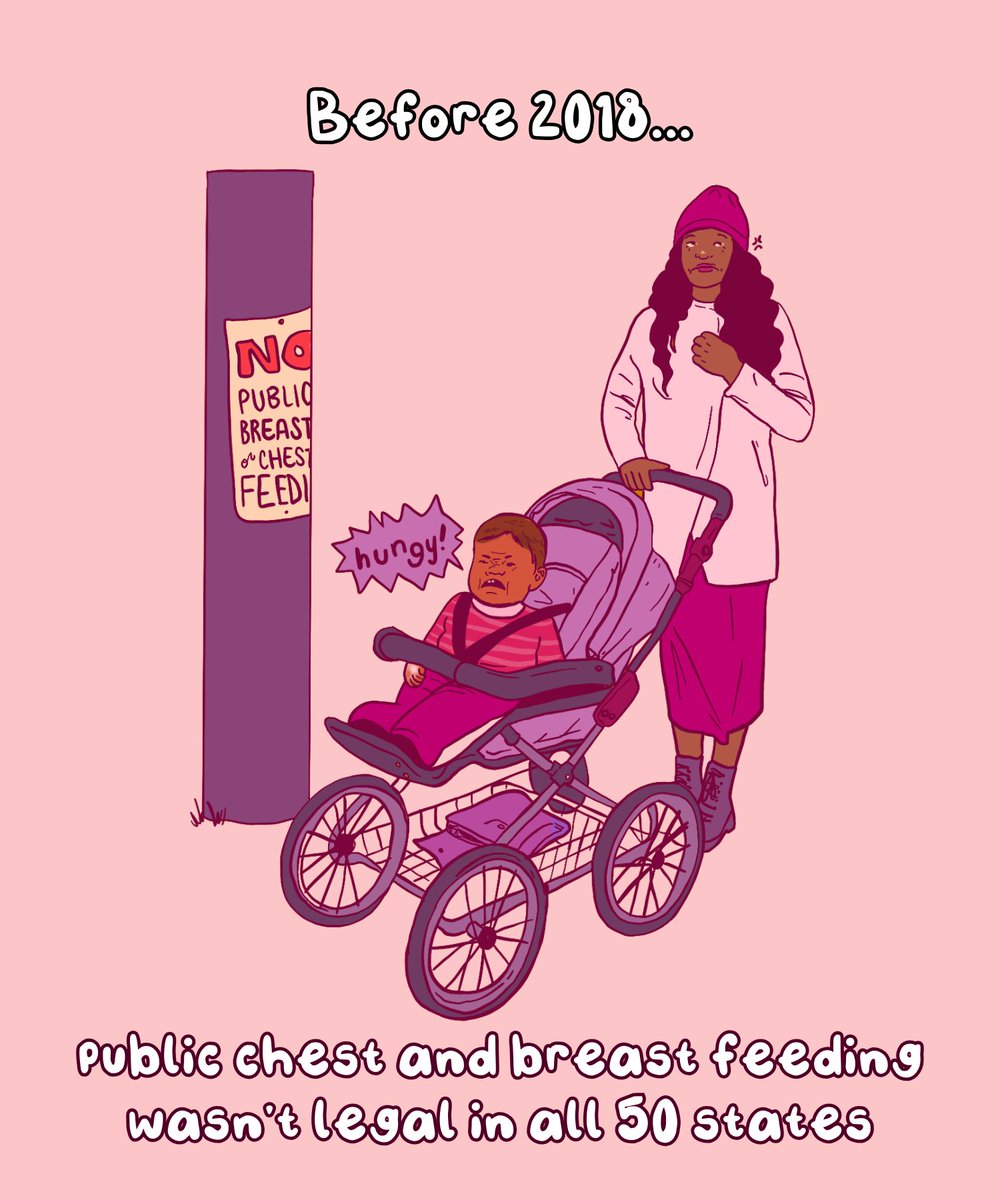
In 2018, Utah and Idaho were the last two states that lacked clear legislation protecting chest or breast feeding parents from obscenity laws. At the time, an Idaho congressman complained women would, "whip it out and do it anywhere,"
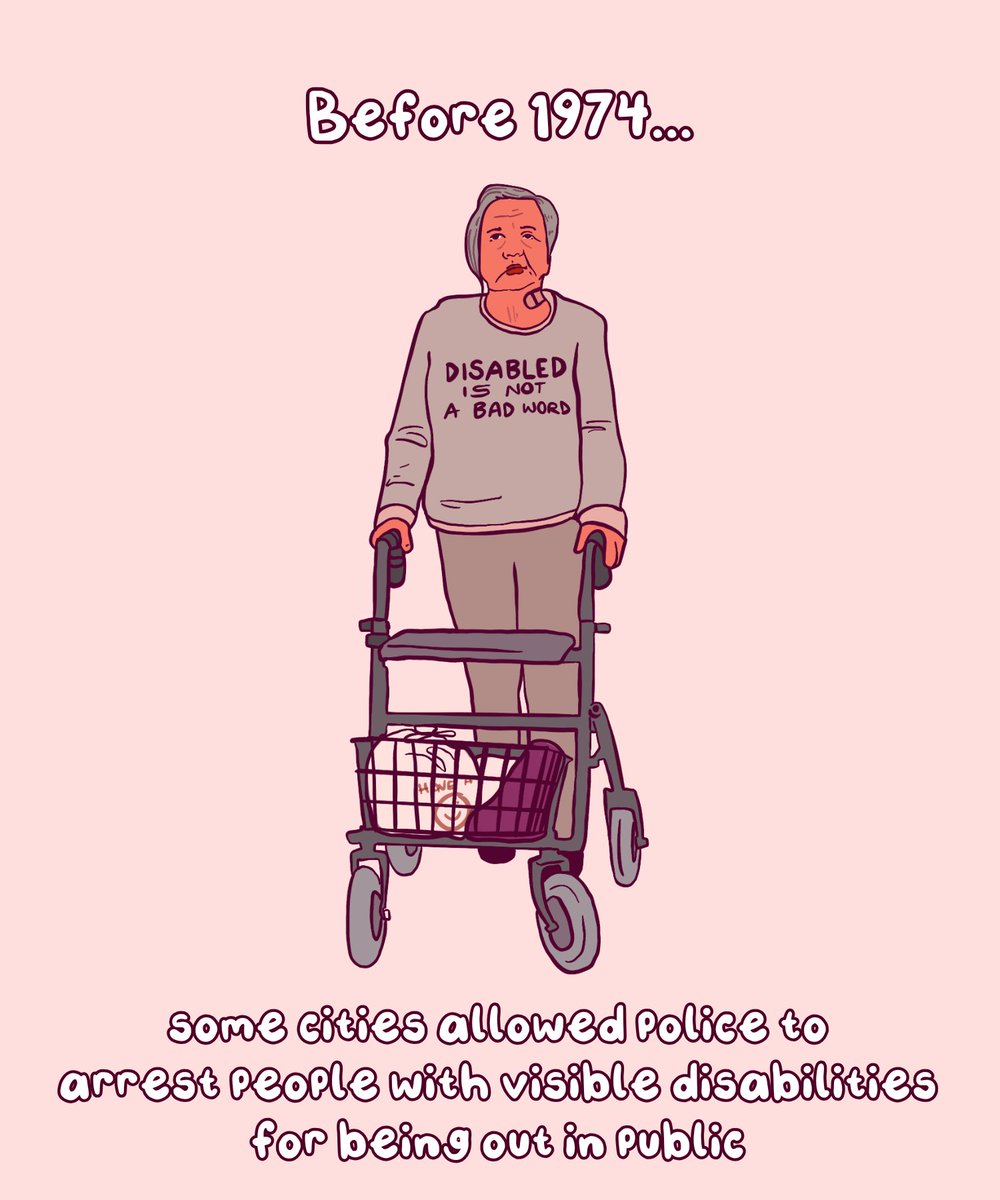
In 1974, the last “Ugly Laws” were repealed in Chicago. “Ugly Laws” allowed the police to arrest & jail people with visible disabilities for being seen in public. People charged with ugly laws were either charged a fine or held in jail.
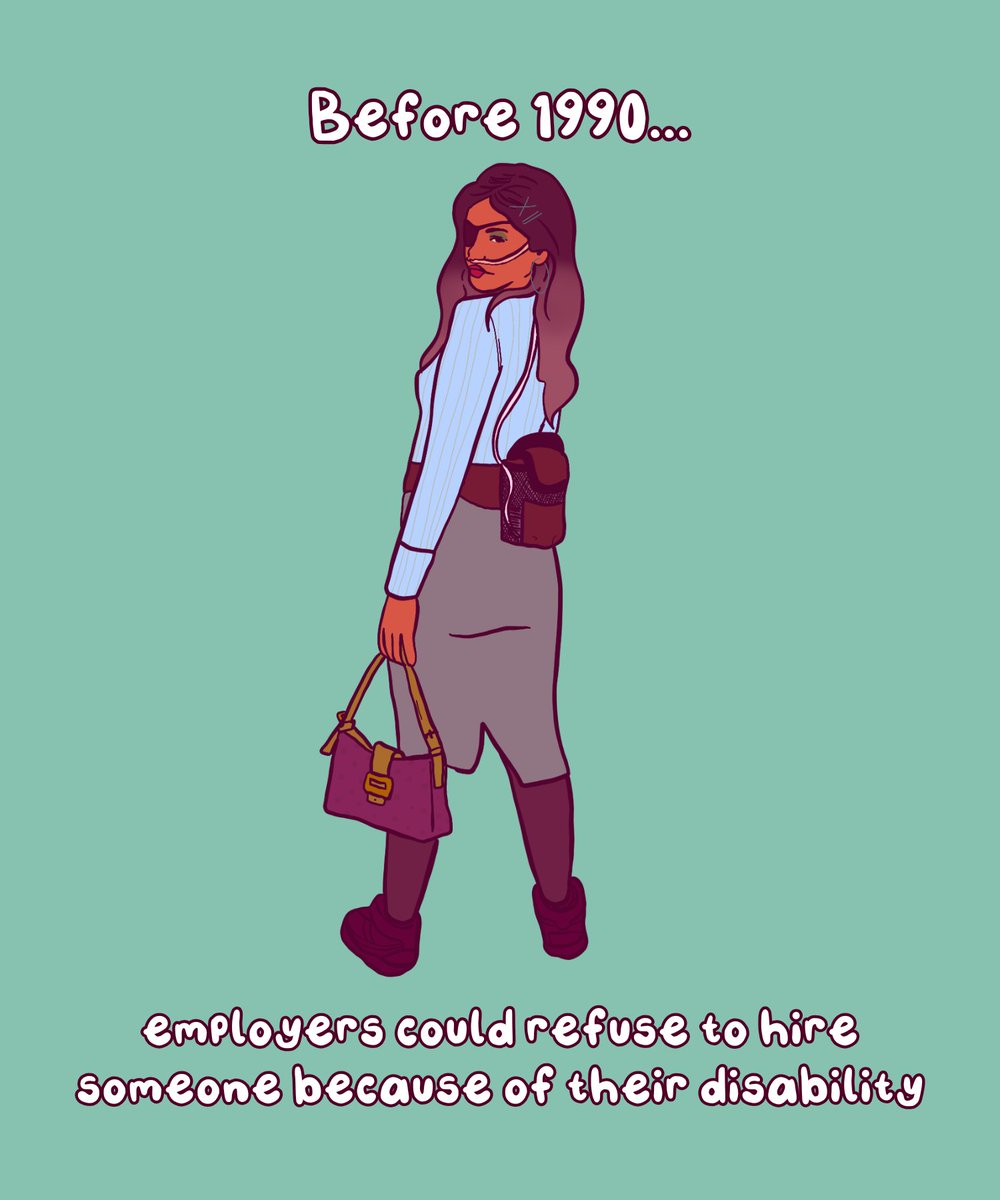
In 1990, the Americans with Disability Act (ADA) – most comprehensive disability rights legislation in U.S. history was passed. The ADA protected disabled people from employment discrimination. Previously, an employer could refuse to hire someone just because of their disability
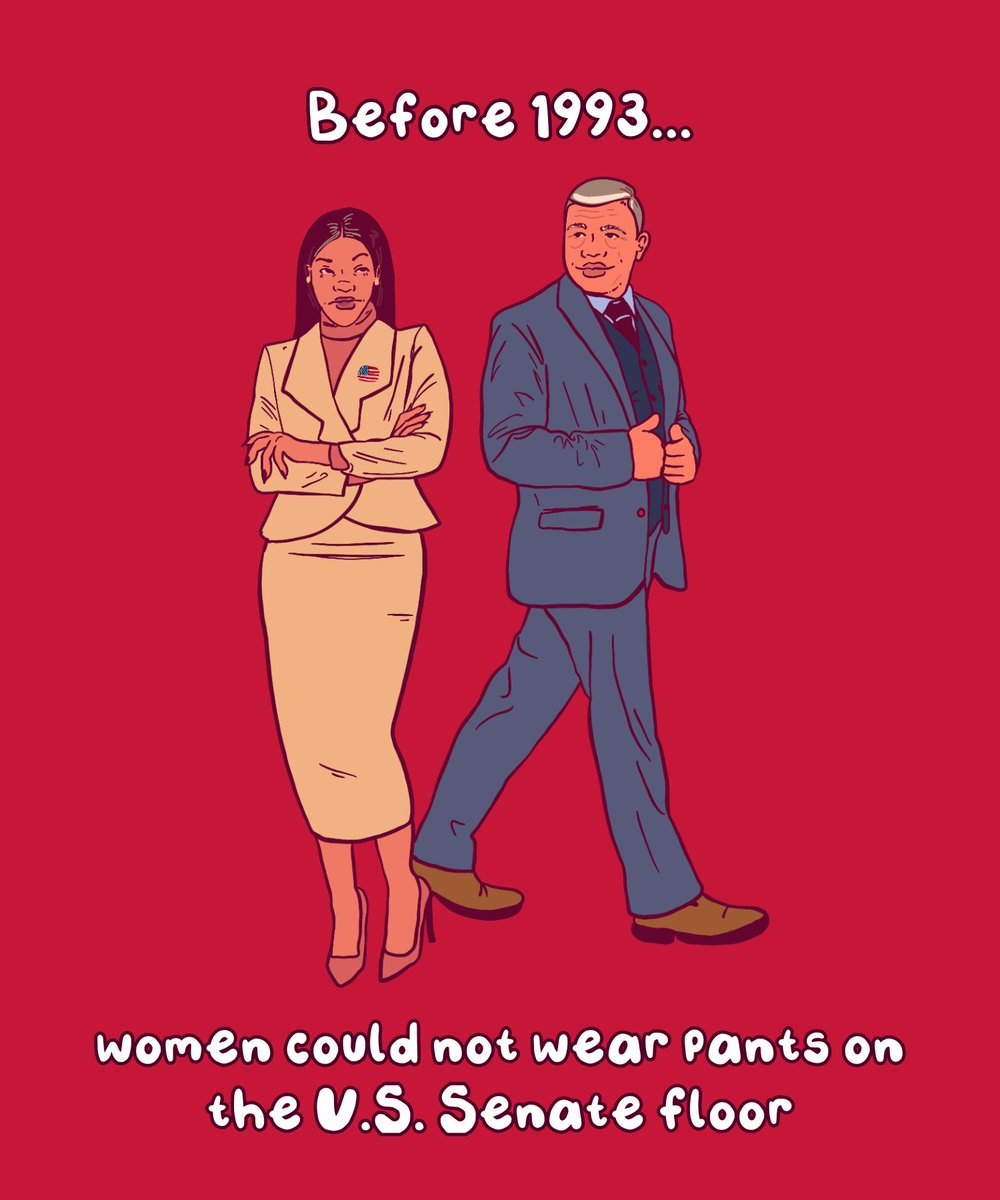
Before 1993, women weren’t allowed to wear pants on the Senate floor. That changed when Sen. Moseley Braun (D-IL), & Sen. Barbara Mikulski (D-MD) wore trousers - shocking the male-dominated Senate. Their fashion statement ultimately led to the dress code being changed.
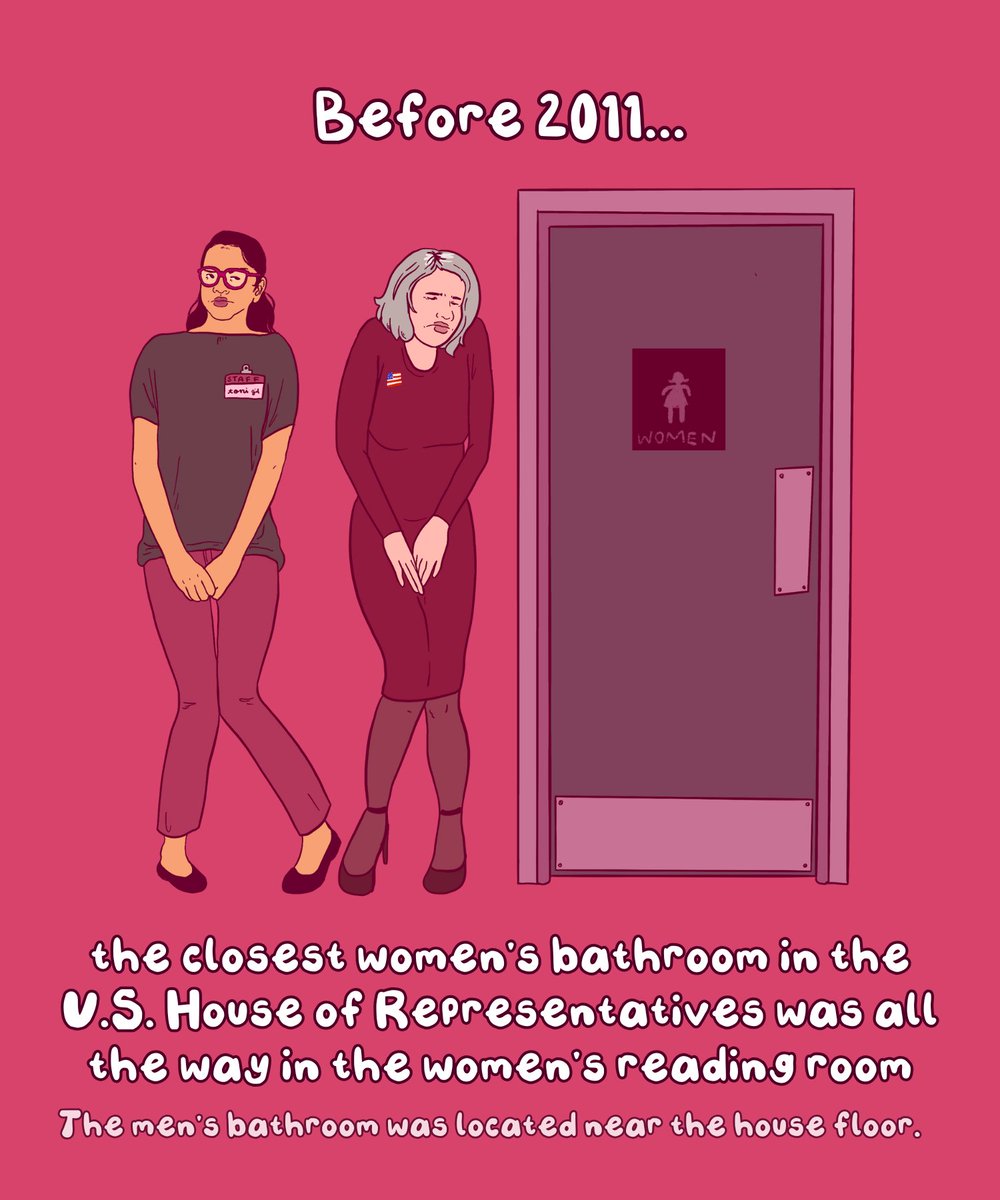
📍 In June 2011, the 76 women of the House of Representatives finally got a bathroom off the chamber's floor. Previously, women would have to walk to the women’s reading room to access the bathroom.
📍 In 2022, Congress created a federal civil cause of action for victims of explicit revenge materials. The action was a part of the reauthorization of VAWA.

• • •
Missing some Tweet in this thread? You can try to
force a refresh