One-woman defied emperors, outwitted popes, and shaped the modern world as we know it.
Without her, society, education, and medicine would look completely different.
Here’s how Empress Theodora built the legal foundations that still protect millions today. 🧵👇
Without her, society, education, and medicine would look completely different.
Here’s how Empress Theodora built the legal foundations that still protect millions today. 🧵👇
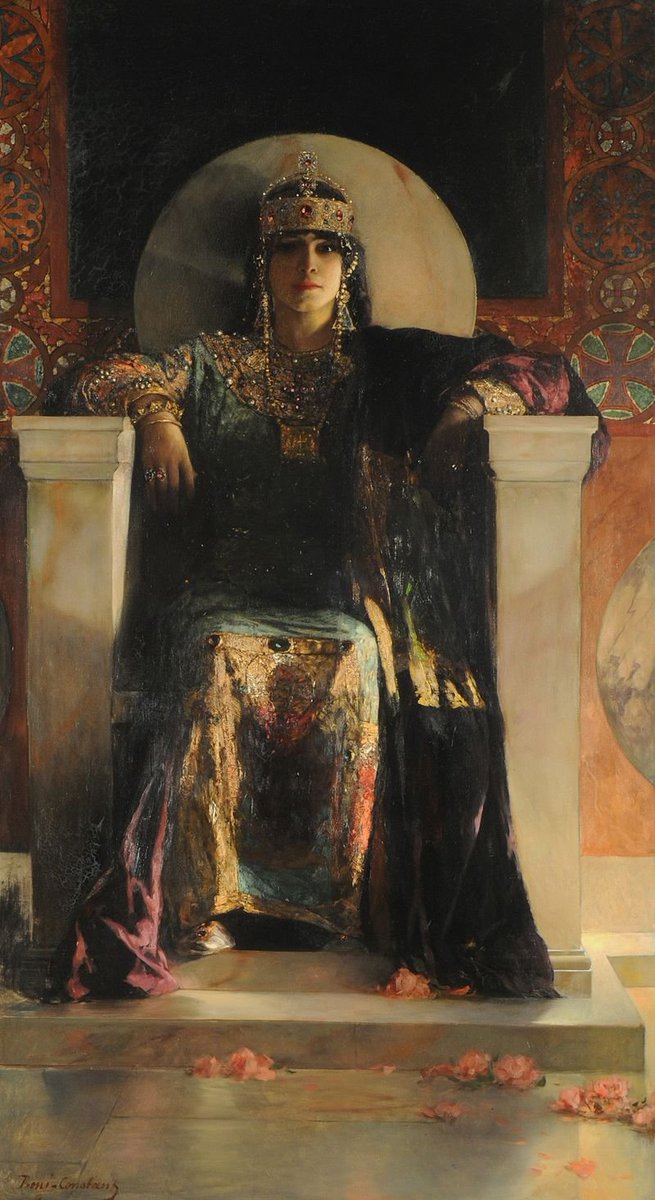
Theodora wasn’t born into power. She was born into poverty.
Her father was a bear trainer. When he died, she and her sisters were left destitute. In Constantinople, that meant one thing—survival by any means necessary.
But Theodora was more than just a survivor. She was a strategist.
Her father was a bear trainer. When he died, she and her sisters were left destitute. In Constantinople, that meant one thing—survival by any means necessary.
But Theodora was more than just a survivor. She was a strategist.
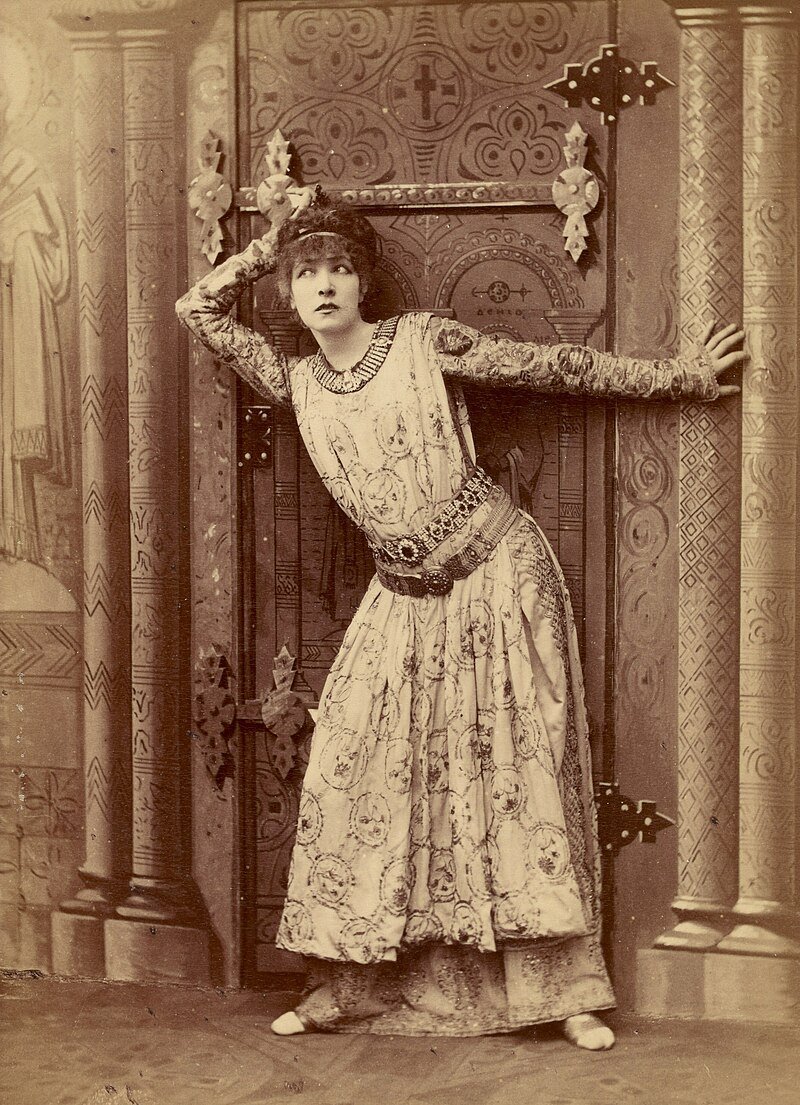
She became an actress, a profession that, at the time, was seen as scandalous—many actresses were forced into sex work.
But Theodora didn’t just survive in this world. She used it as a training ground—learning politics, persuasion, and power.
Then, she met Justinian.
But Theodora didn’t just survive in this world. She used it as a training ground—learning politics, persuasion, and power.
Then, she met Justinian.
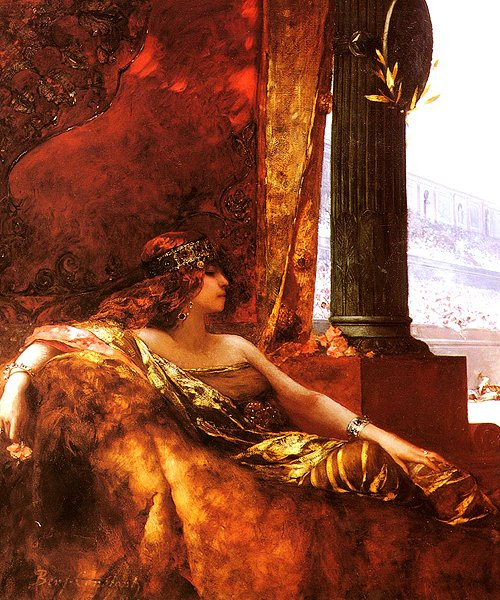
Justinian was the heir to the Byzantine throne. And he fell hard for Theodora.
The problem? A strict law banned government officials from marrying actresses. But Justinian was so determined that he got the law changed.
When he became emperor, she became empress.
The problem? A strict law banned government officials from marrying actresses. But Justinian was so determined that he got the law changed.
When he became emperor, she became empress.
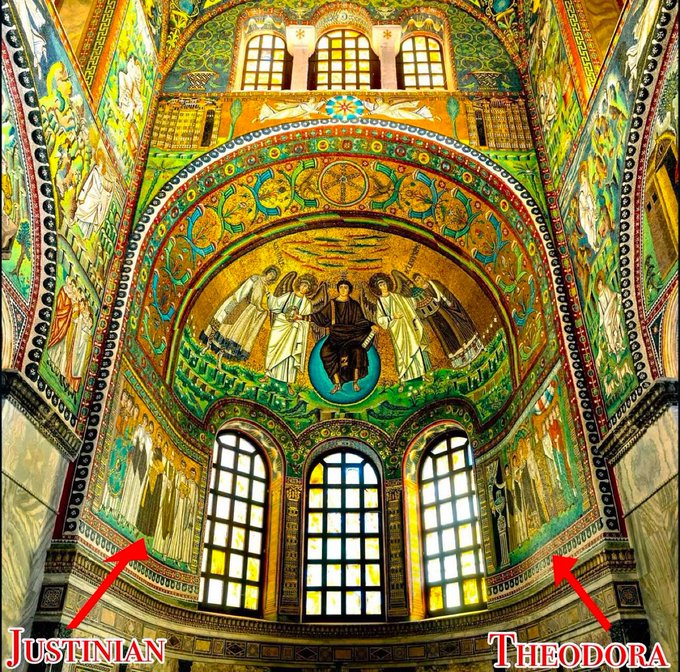
Most empresses played a ceremonial role. Theodora? She ran the empire with Justinian.
Foreign dignitaries feared her. The church tried to undermine her. But she didn’t back down.
And when a crisis threatened the empire itself, she proved she was the real power behind the throne.
Foreign dignitaries feared her. The church tried to undermine her. But she didn’t back down.
And when a crisis threatened the empire itself, she proved she was the real power behind the throne.
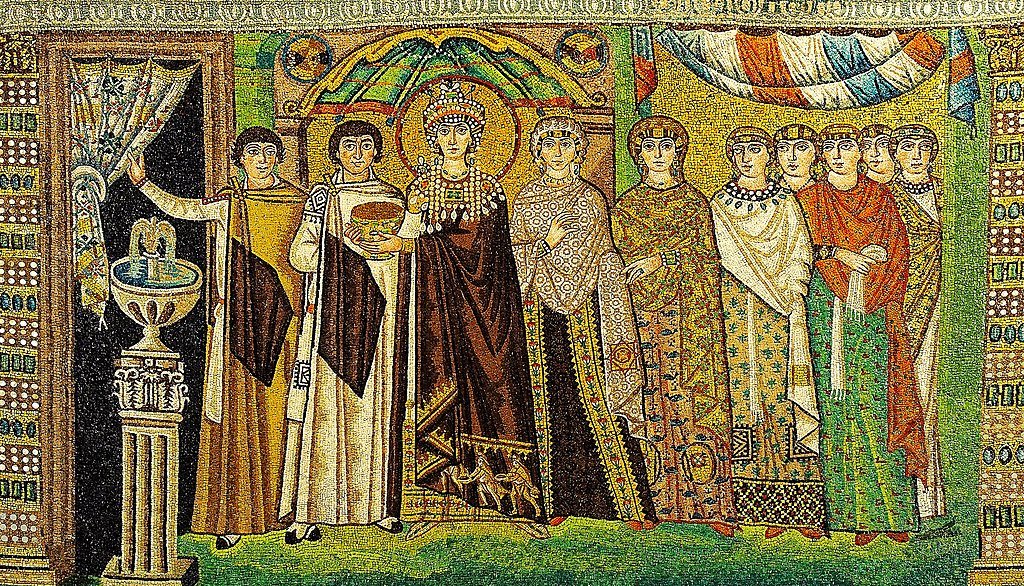
In 532, a massive revolt shook Constantinople. The Nika Riots.
Tens of thousands flooded the streets, burning buildings and demanding Justinian’s removal. His advisors begged him to flee.
Justinian almost did—until Theodora stopped him cold.
Tens of thousands flooded the streets, burning buildings and demanding Justinian’s removal. His advisors begged him to flee.
Justinian almost did—until Theodora stopped him cold.
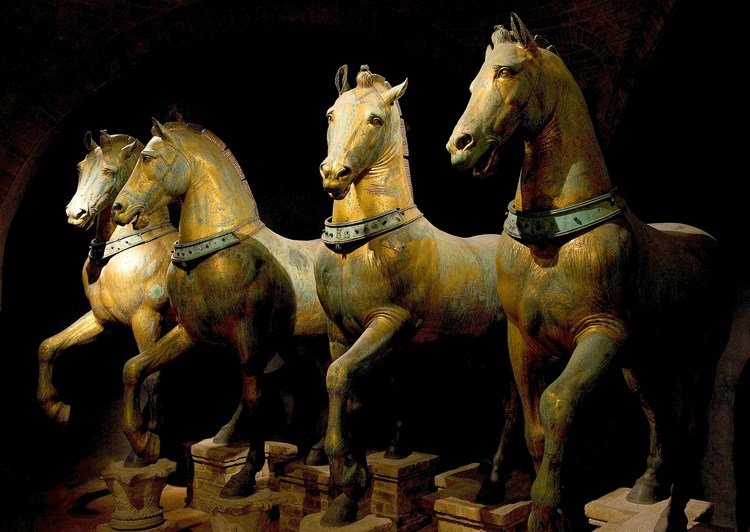
Her words were legendary:
"Royalty is a fine burial shroud."
She refused to run. She would not be a deposed empress.
Inspired (or maybe just afraid of her), Justinian stayed. And with Theodora’s backing, he crushed the revolt—securing his empire.
But she wasn’t done.
"Royalty is a fine burial shroud."
She refused to run. She would not be a deposed empress.
Inspired (or maybe just afraid of her), Justinian stayed. And with Theodora’s backing, he crushed the revolt—securing his empire.
But she wasn’t done.
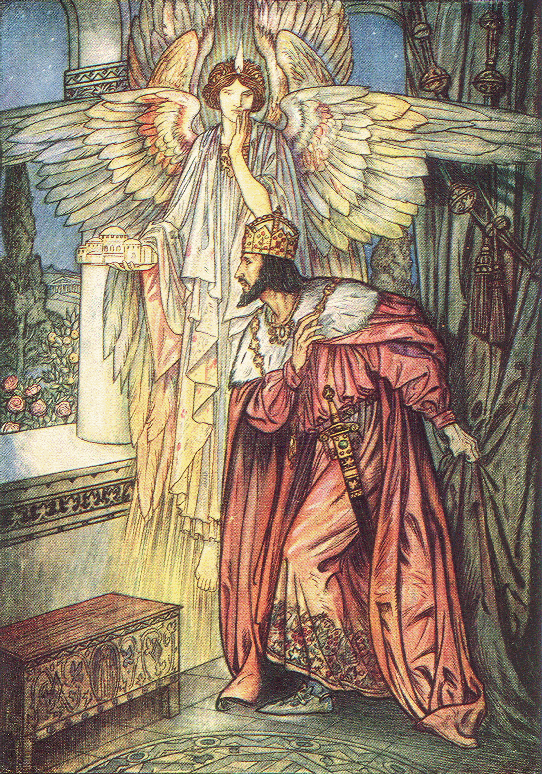
Theodora had power, and she used it.
She reformed laws to protect women and the poor:
Banned forced prostitution
Expanded women’s rights to own and inherit property independent of their husbands or fathers
Made divorce laws fairer
Built safe houses for women escaping abuse
Penalized heavily false accusations against women
Her reforms were centuries ahead of their time.
She reformed laws to protect women and the poor:
Banned forced prostitution
Expanded women’s rights to own and inherit property independent of their husbands or fathers
Made divorce laws fairer
Built safe houses for women escaping abuse
Penalized heavily false accusations against women
Her reforms were centuries ahead of their time.
But she didn’t just fight for women—she reshaped the empire itself.
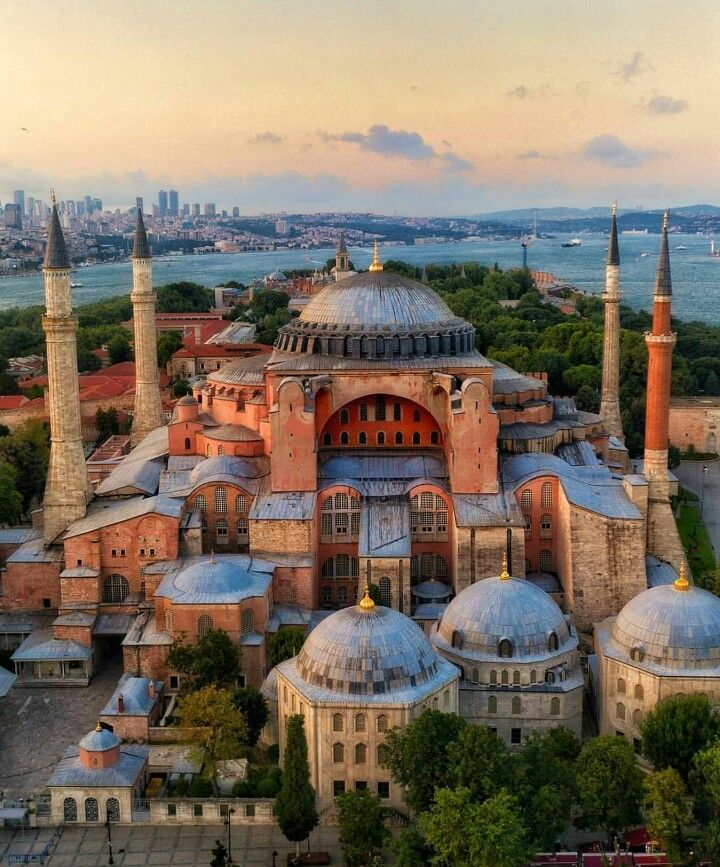
She helped build the Hagia Sophia, one of the greatest churches in history.
She championed religious tolerance, protecting persecuted groups.
She expanded hospitals and welfare for the poor.
Her fingerprints are everywhere in Byzantine law.
She helped build the Hagia Sophia, one of the greatest churches in history.
She championed religious tolerance, protecting persecuted groups.
She expanded hospitals and welfare for the poor.
Her fingerprints are everywhere in Byzantine law.
Theodora also faced constant attacks from the elite.
Writers slandered her as a “shameless” woman who had no right to rule. But she didn’t care.
She won by outmaneuvering them at every turn—using politics the way she once used the stage.
Writers slandered her as a “shameless” woman who had no right to rule. But she didn’t care.
She won by outmaneuvering them at every turn—using politics the way she once used the stage.
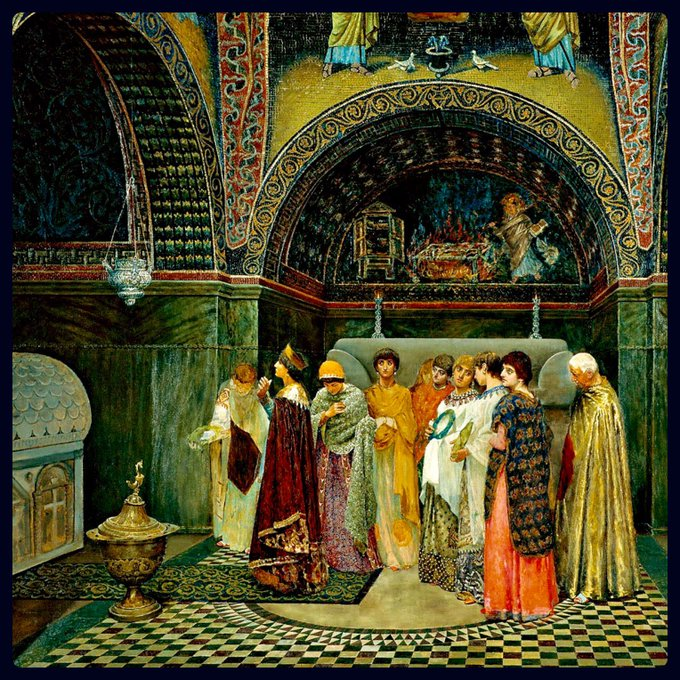
When Theodora died in 548, Justinian never remarried.
But her influence didn’t die with her. The laws she helped pass shaped Byzantine society for centuries—some even influencing later European legal codes.
And without her, Justinian might have lost his empire.
But her influence didn’t die with her. The laws she helped pass shaped Byzantine society for centuries—some even influencing later European legal codes.
And without her, Justinian might have lost his empire.
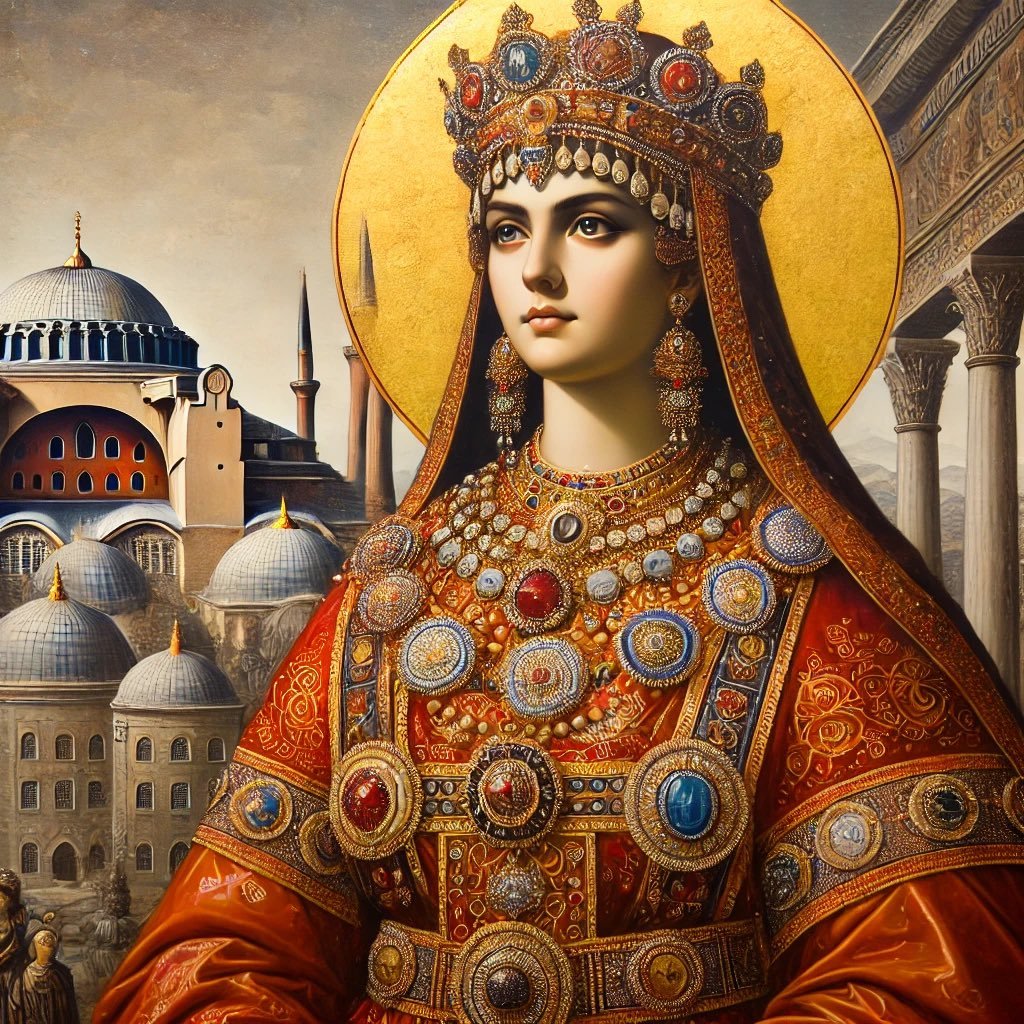
Most people remember Justinian. Few realize his reign only succeeded because of Theodora.
She built systems that protected women, the poor, and religious minorities.
Without her, our legal and social structures may have looked very different today.
She built systems that protected women, the poor, and religious minorities.
Without her, our legal and social structures may have looked very different today.
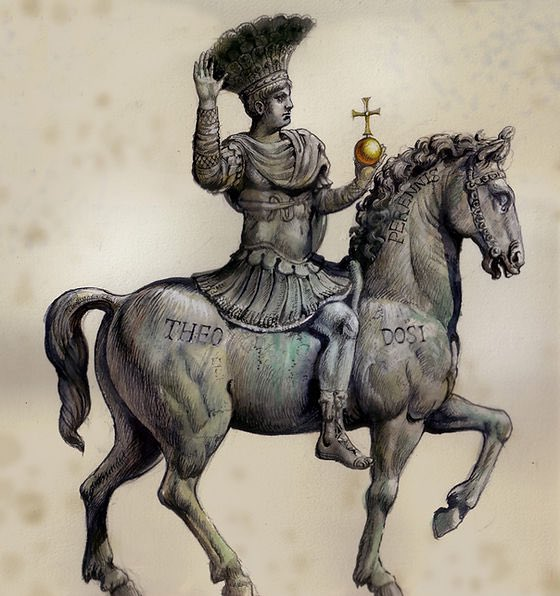
From a bear trainer’s daughter to an empress who shaped the modern world—Theodora’s story is one of survival, power, and lasting change.
Who are the other women who defied the odds and left an impact that still shapes our lives today.?
Who are the other women who defied the odds and left an impact that still shapes our lives today.?
• • •
Missing some Tweet in this thread? You can try to
force a refresh