Thread of surreal sculpture details 🧵
1. There is no rope in this image... it's marble.
1. There is no rope in this image... it's marble.

Francesco Queirolo spent 7 years carving this intricate net from a single marble block.
No apprentice dared to touch the sculpture, fearing the delicate net would crumble in their hands.
It's called "Release from Deception" and is housed in the Sansevero Chapel in Naples.
No apprentice dared to touch the sculpture, fearing the delicate net would crumble in their hands.
It's called "Release from Deception" and is housed in the Sansevero Chapel in Naples.

2. In Canova’s magnum opus, Cupid’s wings are so exquisitely thin that they shimmer with a warm peach glow when kissed by sunlight.
"I can't read or write, but with these two tools, I can create poetry," he used to say, as he held his hammer and chisel.
"I can't read or write, but with these two tools, I can create poetry," he used to say, as he held his hammer and chisel.

3. This is arguably one of the most iconic and breathtaking details in art history — when Bernini transformed stone into flesh.
The legendary Italian sculptor was only 23 years old when he completed "The Abduction of Proserpina".
The legendary Italian sculptor was only 23 years old when he completed "The Abduction of Proserpina".
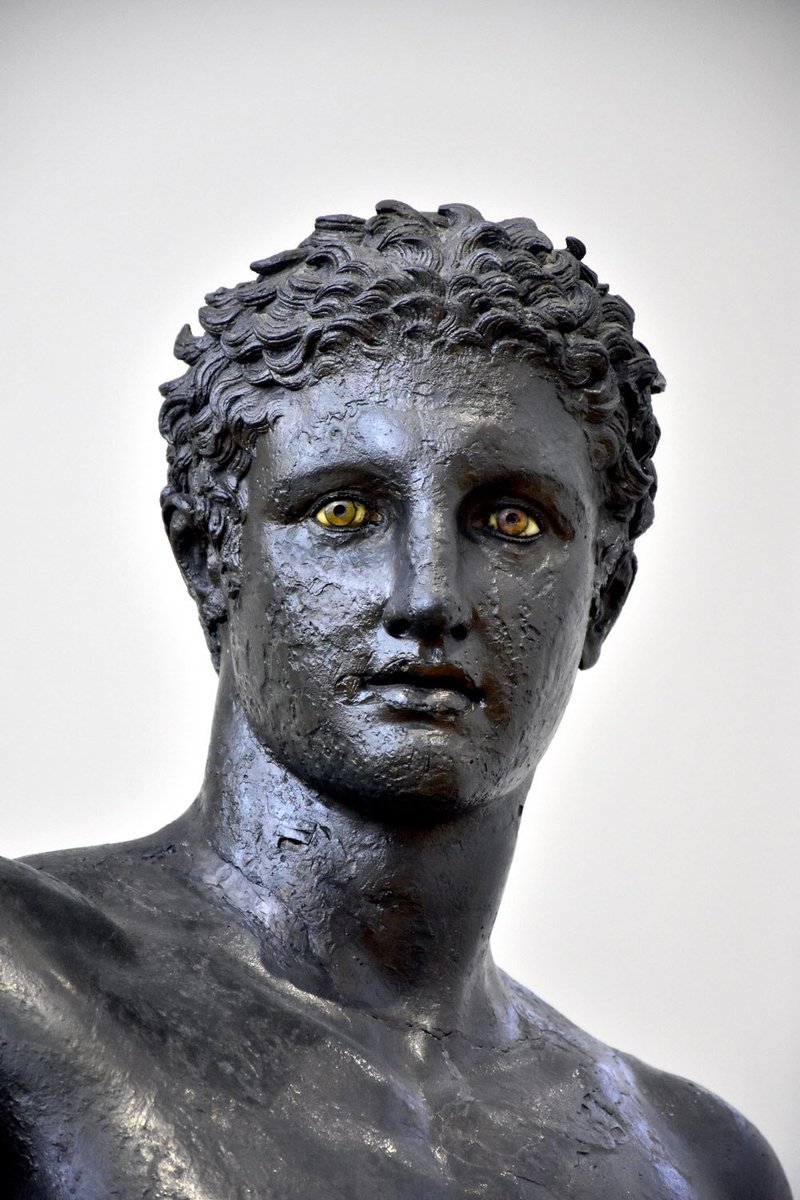
4. The Ancient Greek bronze head of Seuthes III is over 2,300 years old.
It's one of my favorites on this list because it's both one of the oldest and most detailed:
The eyes are made of alabaster and glass paste, and the eyelashes and eyebrows are crafted from copper strips.
It's one of my favorites on this list because it's both one of the oldest and most detailed:
The eyes are made of alabaster and glass paste, and the eyelashes and eyebrows are crafted from copper strips.

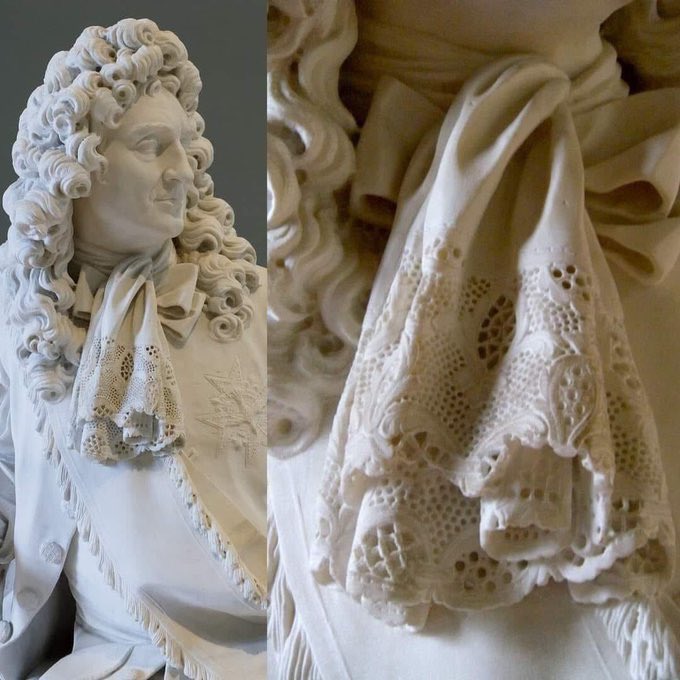
5. The handkerchief detail of the Duc de Montausier's marble statue.
Commissioned as a posthumous tribute to the Duke, French sculptor Louis-Philippe Mouchy masterfully sculpted the statue in 1781, with an astonishing level of realism that seems to defy reality.
Commissioned as a posthumous tribute to the Duke, French sculptor Louis-Philippe Mouchy masterfully sculpted the statue in 1781, with an astonishing level of realism that seems to defy reality.
6. The intricate winged sandals of "Perseus with the Head of Medusa" by Antonio Canova.
The sheer depth of research and the impeccable craftsmanship involved in bringing this breathtaking sculpture to life is beyond belief.
The sheer depth of research and the impeccable craftsmanship involved in bringing this breathtaking sculpture to life is beyond belief.
7. A drapery detail on "The West Wind" by American 19th-century sculptor Thomas Ridgeway Gould.

8. Veins flowing through the marble by Riccardo Gatti

9. The Boxer at Rest is over 2000-year-old
This piece captures the essence of a boxer with astonishing realism — from his cauliflower ears to his intense eyes, battered nose, and scarred face.
Another example of the incredible skill of ancient Hellenistic Greek sculptors.
This piece captures the essence of a boxer with astonishing realism — from his cauliflower ears to his intense eyes, battered nose, and scarred face.
Another example of the incredible skill of ancient Hellenistic Greek sculptors.

10. A cotton yarn? Not quite...
This is a marble sculpture crafted by Greek artist Argiris Rallias.
This is a marble sculpture crafted by Greek artist Argiris Rallias.

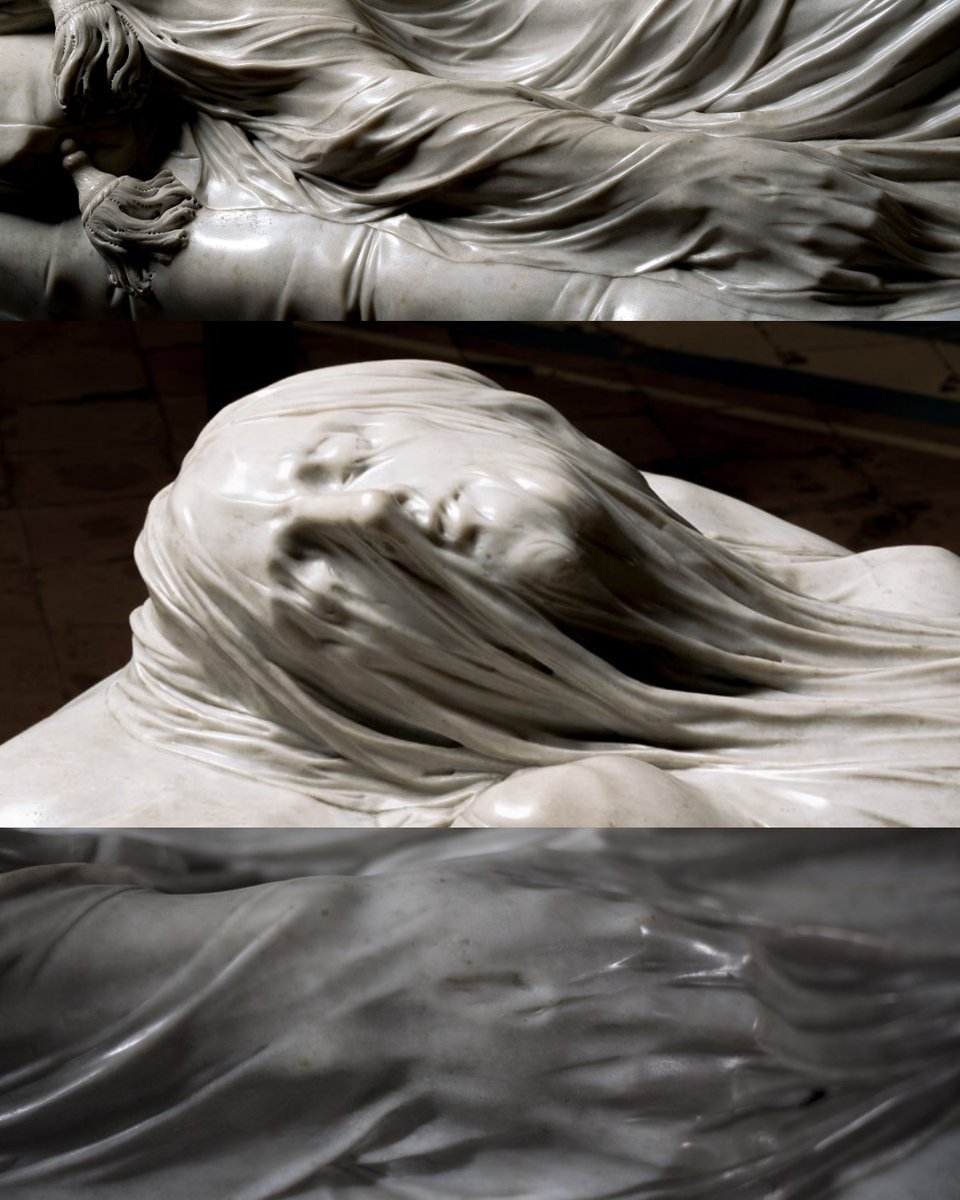
11. Giuseppe Sanmartino mastered the craft of sculpting translucent drapery, allowing the veins in Christ’s hands and the nail wounds to emerge subtly beneath the ethereal veil.
Some even accused him of alchemy, claiming he turned a real veil into marble.
Some even accused him of alchemy, claiming he turned a real veil into marble.
12. The extraordinary way Giovanni Strazza makes stone seem almost translucent in his bust of the Virgin Mary

13. Jesus' facial expression in Michelangelo's Pietà

14. The "Calcei of Mars," the remarkable footwear adorned with intricate designs of 2nd century AD Colossal Statue of Mars at the Capitoline Museums.

15. The marble mattress sculpted by Gian Lorenzo Bernini for the "Sleeping Hermaphroditus."
It is so realistic that visitors often feel compelled to touch it...
It is so realistic that visitors often feel compelled to touch it...

16. Close-up of the lips in this marble sculpture by Riccardo Gatti

17. The "Veiled Truth" by Antonio Corradini

18. The piercing glass eyes of the Antikythera Ephebe, crafted by an unknown Greek sculptor.
It was found in 1900 by sponge-divers in the area of the ancient Antikythera shipwreck off the island of Antikythera, Greece.
The statue has been dated to roughly 340–330 BC.
It was found in 1900 by sponge-divers in the area of the ancient Antikythera shipwreck off the island of Antikythera, Greece.
The statue has been dated to roughly 340–330 BC.
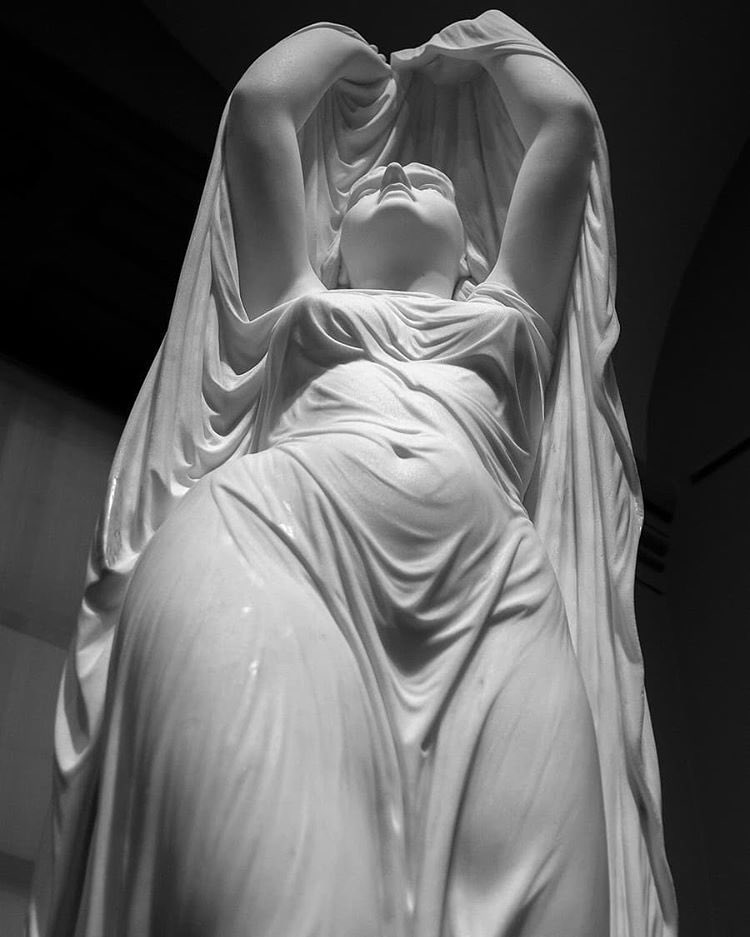
19. In "Undine Rising From the Waters" (1880), Chauncey Bradley Ives transformed stone into wet silk.
20. The meticulous depiction of muscle tension in Michelangelo's Moses.
One notable detail of this masterpiece is a small forearm muscle that only contracts when lifting the pinky, remaining hidden otherwise.
Since Moses is lifting his pinky, this tiny muscle is visible.
One notable detail of this masterpiece is a small forearm muscle that only contracts when lifting the pinky, remaining hidden otherwise.
Since Moses is lifting his pinky, this tiny muscle is visible.

Thanks for reading! If you enjoyed this, please share the first post and follow me for more art threads: @JamesLucasIT
https://twitter.com/jameslucasit/status/1900269057271881786
One more: the hands of Daphne transforming into laurel branches and leaves in Bernini's "Apollo and Daphne."

For more examples and a deeper dive, check out my latest FREE article:
james-lucas.com/p/the-surreal-…
james-lucas.com/p/the-surreal-…
• • •
Missing some Tweet in this thread? You can try to
force a refresh