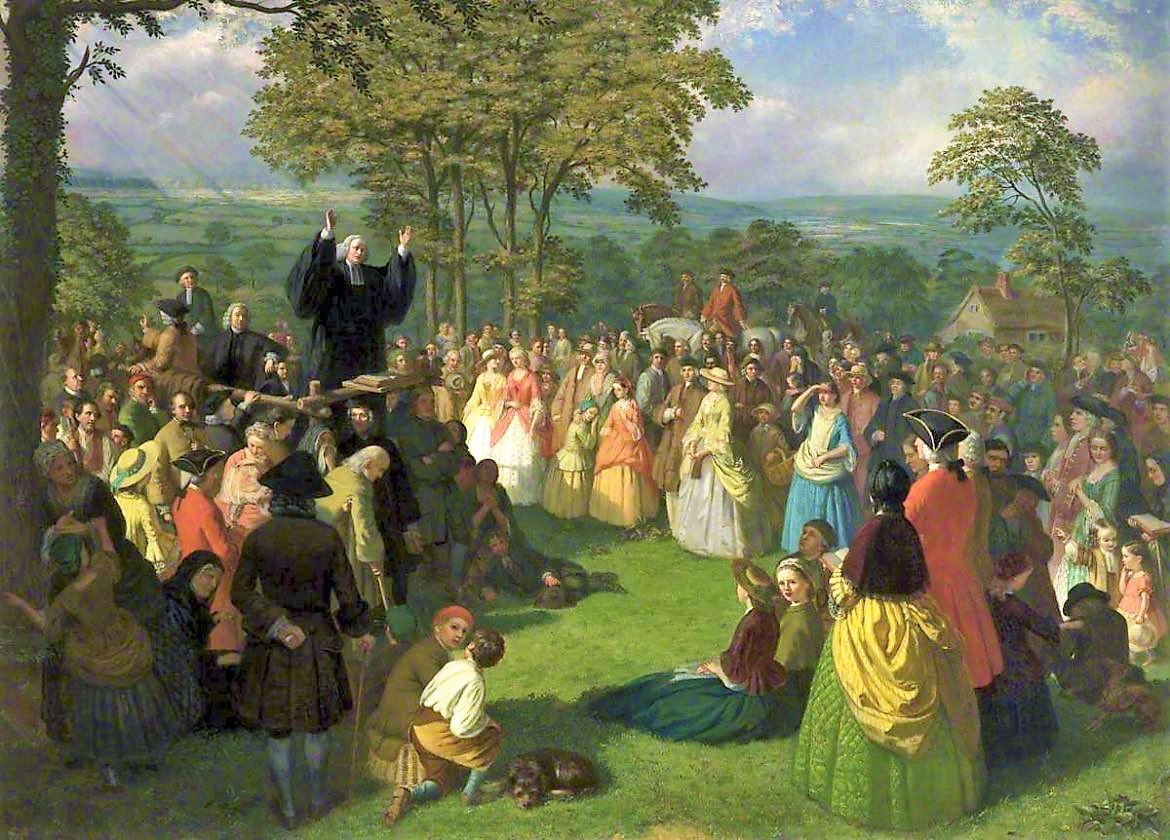
It’s St. Patrick’s Day Weekend, so let’s celebrate the Irish contributions to the American Revolution. Many Irish-born and Irish-American figures played key roles in securing American independence.
Here are some of the most famous. 🧵🇺🇸☘️ #AmRev #StPatricksDay
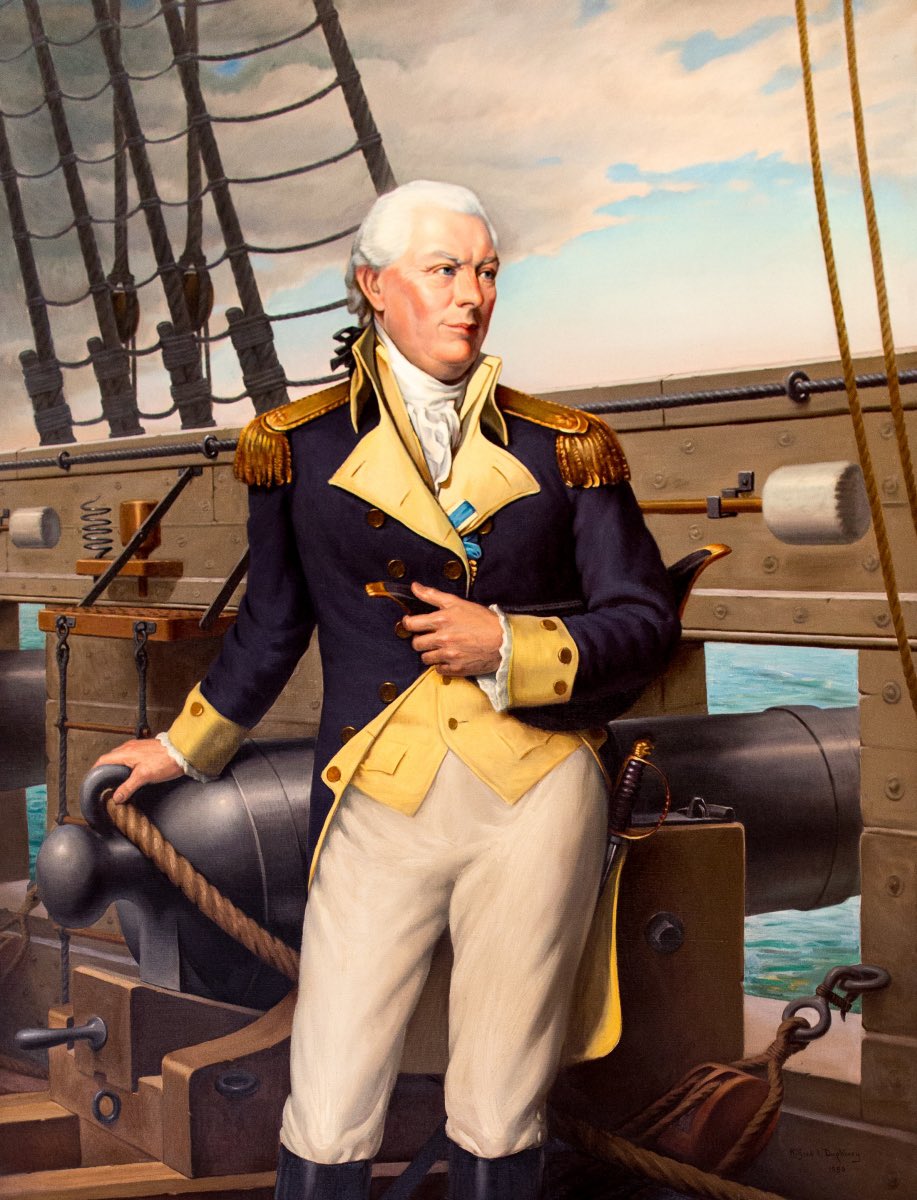
Born in Dublin, Ireland, Richard Montgomery (1738-1775) was a British officer-turned-Patriot general. He led the invasion of Canada and captured Montreal but was killed at Quebec—becoming one of the first great martyrs of the Revolution.
Born in County Wexford, Ireland, John Barry (1745-1803) is known as the “Father of the U.S. Navy.” He captained Patriot warships, captured British vessels, and helped train America’s first naval officers. Washington personally trusted him with vital missions.
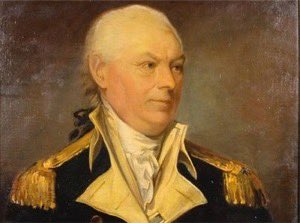
Born in County Offaly, Ireland, Edward Hand (1744-1802) was a doctor turned military officer. He commanded troops at Long Island, Trenton, and Saratoga, later serving as Adjutant General under Washington. His strategic retreats saved Patriot forces multiple times.
An Irish-born tailor in New York, Hercules Mulligan (1740-1825) was one of Washington’s key spies. He gained intelligence from British officers while making their clothes and warned Washington of assassination plots, saving his life multiple times.
Born in County Antrim, Ireland, James McHenry (1753-1816) served as a military surgeon and later became Washington’s Secretary of War. Fort McHenry, which inspired “The Star-Spangled Banner,” is named in his honor.
Born in Cork, Ireland, Stephen Moylan (1737-1811) was one of Washington’s top aides. He helped organize the Continental cavalry, was a key diplomat to Spain, and later fought in Pennsylvania and New Jersey.
The son of Irish immigrants, Matthias Ogden (1754-1791) served as a lieutenant colonel and led a daring raid on Staten Island. He fought at Quebec, Brandywine, and Monmouth and was a close confidant of Washington.
The son of Irish immigrants, John Sullivan (1740-1795) was a major general in the Continental Army. He led the Sullivan Expedition, devastating British-allied Iroquois forces. He also fought at Long Island, Trenton, and Rhode Island.
Ethan Allen’s family was of Irish descent, and he became one of the most famous frontier leaders of the Revolution. As the leader of the Green Mountain Boys, he helped capture Fort Ticonderoga, securing key artillery for Washington’s army.
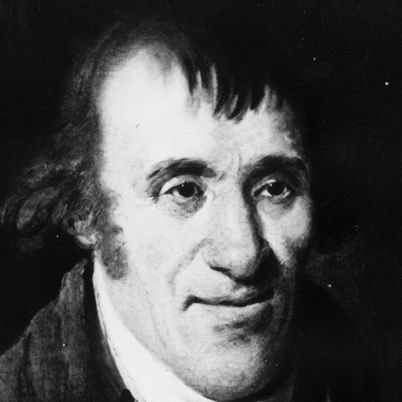
Many Irishmen saw parallels between American and Irish struggles against British rule. Irish soldiers, merchants, and laborers played key roles, and thousands of Irish immigrants fought for independence.
Which Irish-born Patriot had the biggest impact on the Revolution? How did Irish contributions shape early America? ☘️🇺🇸 #AmRev #StPatricksDay
• • •
Missing some Tweet in this thread? You can try to
force a refresh

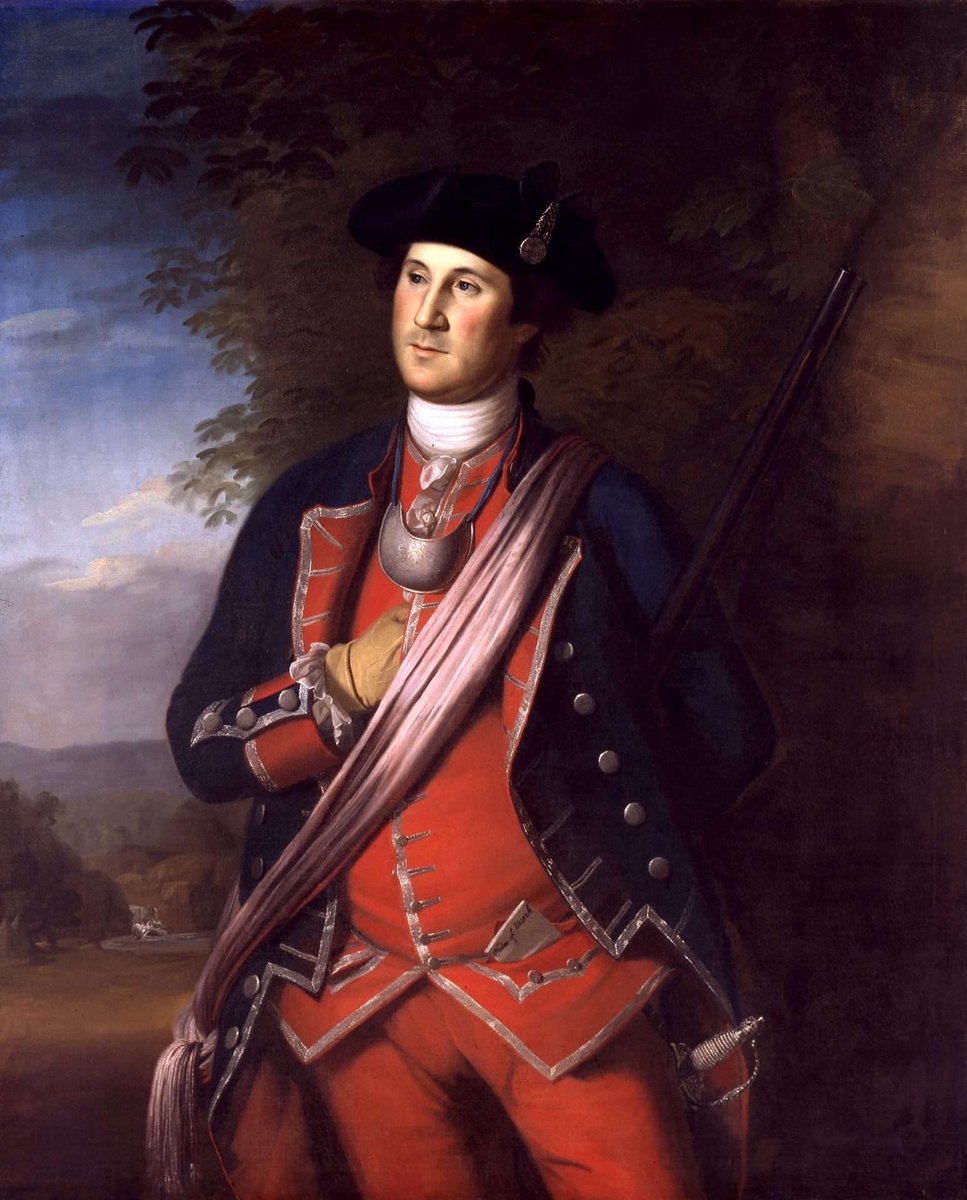
He was in the Shenandoah Valley. Alone in the wilderness. Learning to read land the way a scholar reads a text.
Here's what that education produced🧵🇺🇸 #AmRev
He slept on the ground. Forded rivers chest-deep in snowmelt. Managed men older than himself who had no reason to defer to a boy from Tidewater Virginia.
The man who commanded the Continental Army, presided over the Constitutional Convention, and served as the first President was formed in a wilderness before anyone gave him a title. The surveyor's education.
America was not born as a mere “country.” It was a revolt against empire, a wager that free men, under God, could govern themselves without kings, courts, or creditors ruling from afar.
Let’s dive in. 🇺🇸 #AmRev
From the start, two visions wrestled for the future. One saw America as a republic of virtue, rooted in natural law, local self-rule, and productive labor. The other saw America as a tool of empire, managed by elites, debt, and distant power.
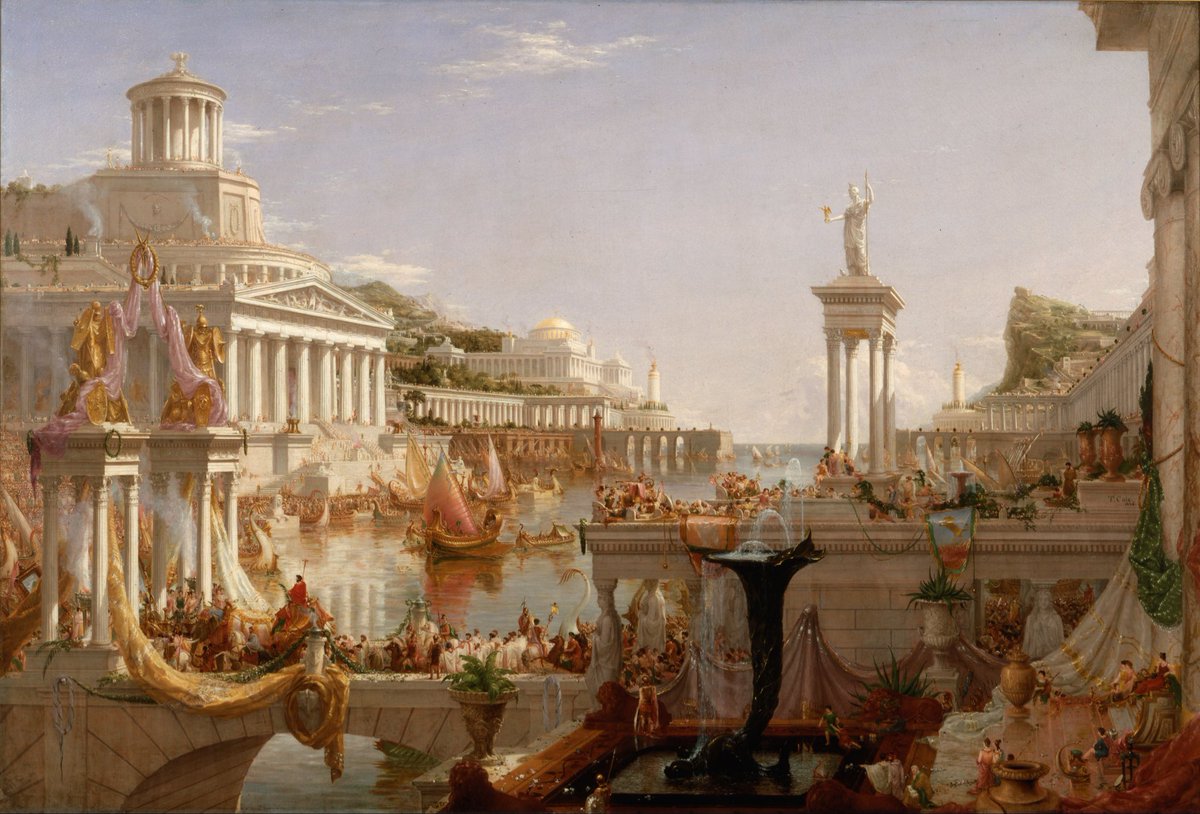
The Founders read Rome like a warning label. A republic can conquer a tyrant, and then become one. The same people who feared Redcoats feared something worse: our own appetite for power, luxury, and control.
The American Revolution’s first battlefield was the conscience. Before rifles, Americans wrestled with a holy question: when does obedience to men become disobedience to God? That question, once answered, lit the fuse of 1776.
Let’s dive in. 🇺🇸 #AmRev
The colonists were not ignorant of order. They revered lawful authority. But they believed authority is ministerial, not divine, delegated for justice, bounded by law, accountable to Heaven. Power is not sacred. Truth is.
Romans 13 was not a muzzle in early America, it was a measure. Rulers are “not a terror to good works, but to the evil.” When a ruler punishes the good and rewards the corrupt, he inverts his office and breaks the moral contract.
January 1, 2026. We stand at the threshold of America’s 250th year. This is not a countdown to fireworks. It is a summons to memory, duty, and renewal. The Revolution was not inevitable. It was forged, by faith, sacrifice, and resolve.
Let’s dive in. 🇺🇸 #AmRev
The American Revolution was not born in rage. It was born in conscience. Long before muskets fired, men wrestled with Scripture, law, and moral obligation. They asked a dangerous question: when does obedience to God require resistance to men?
These were not anarchists or mobs. They were farmers, pastors, merchants, and fathers steeped in classical learning and biblical truth. They believed liberty was not invented by governments, but granted by God, and therefore defended by men.
Trenton wasn’t just a victory, it was a moral turning point. It exposed pride. Vindicated sacrifice. And proved that faith-backed courage can shake empires.
This was the soul of the Revolution in motion.
Let’s dive in. 🇺🇸 #AmRev
The Hessians at Trenton were elite. Hardened. But overconfident. Their commander, Col. Johann Rall, dismissed multiple warnings, including a written one he never read. It was found later… folded in his coat.
Washington’s men struck at dawn. They had marched 9 miles in snow and sleet, many with soaked powder and no boots. Some died before reaching Trenton.
But the attack came like thunder through the fog: swift, cold, and unstoppable.