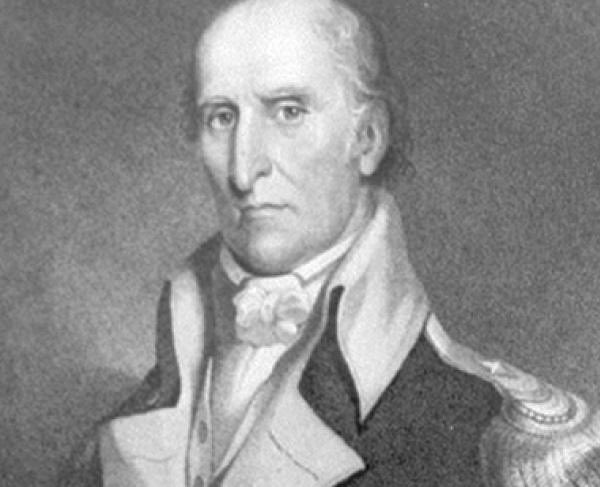
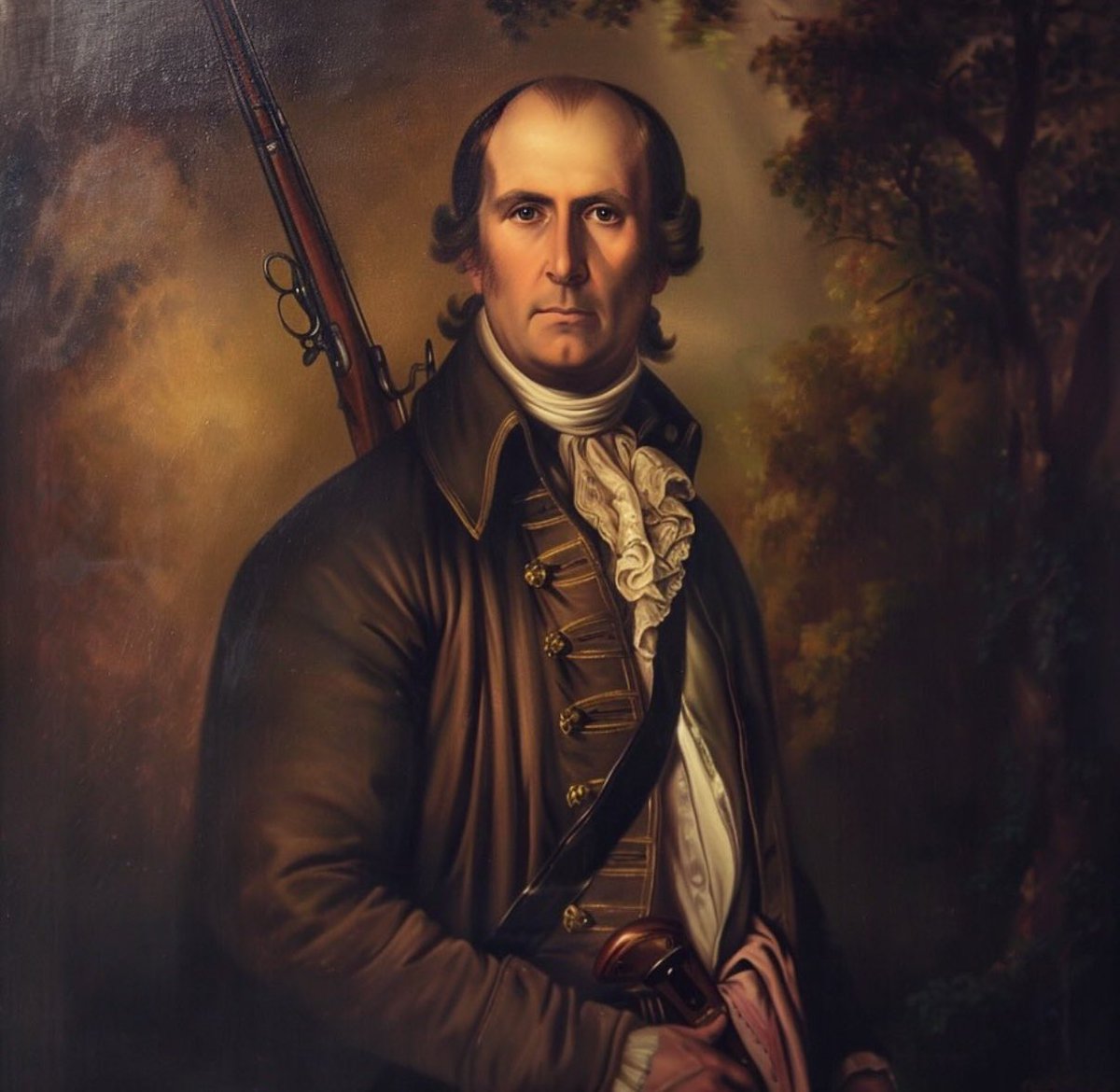
It’s St. Patrick’s Day Weekend, so let’s celebrate the Irish contributions to the American Revolution. Many Irish-born and Irish-American figures played key roles in securing American independence.
Here are some of the most famous. 🧵🇺🇸☘️ #AmRev #StPatricksDay
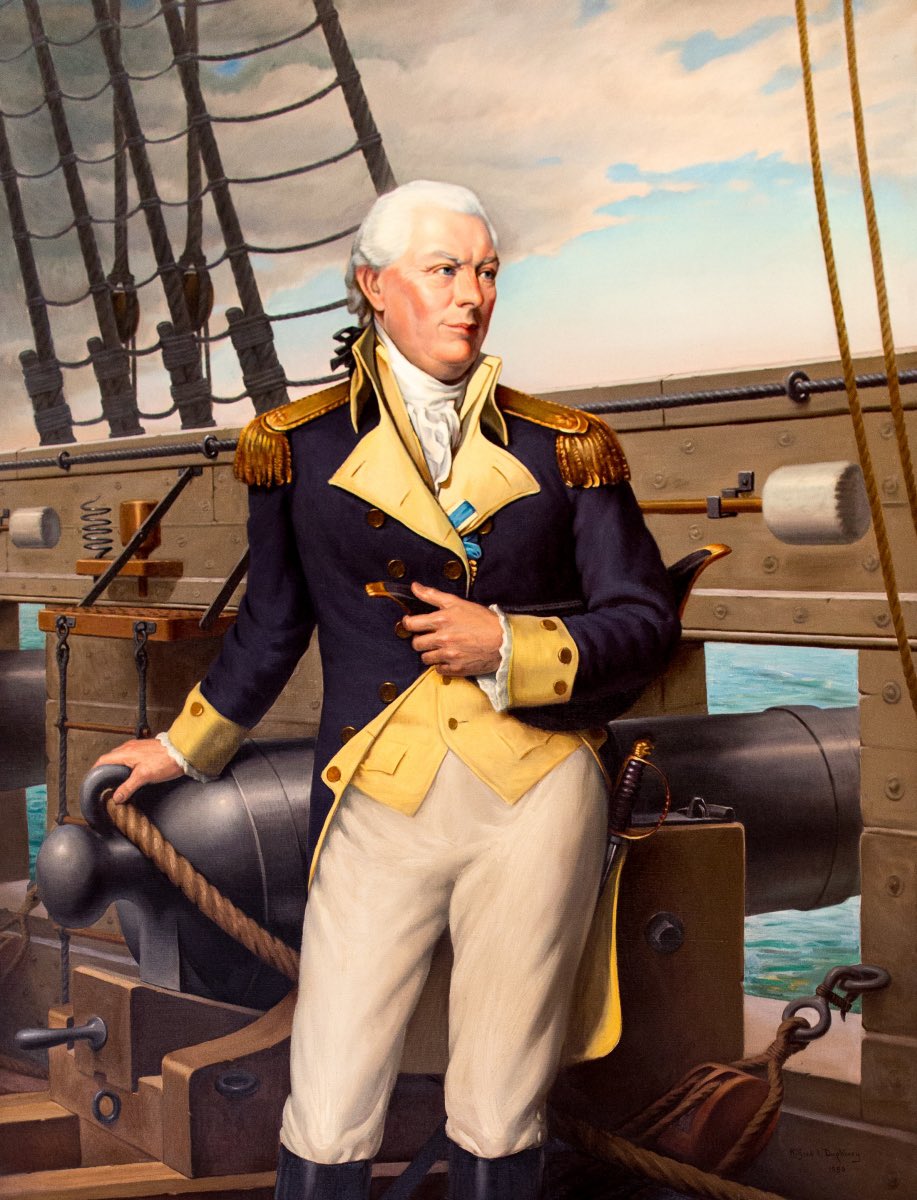
Born in Dublin, Ireland, Richard Montgomery (1738-1775) was a British officer-turned-Patriot general. He led the invasion of Canada and captured Montreal but was killed at Quebec—becoming one of the first great martyrs of the Revolution.
Born in County Wexford, Ireland, John Barry (1745-1803) is known as the “Father of the U.S. Navy.” He captained Patriot warships, captured British vessels, and helped train America’s first naval officers. Washington personally trusted him with vital missions.
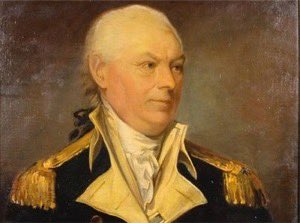
Born in County Offaly, Ireland, Edward Hand (1744-1802) was a doctor turned military officer. He commanded troops at Long Island, Trenton, and Saratoga, later serving as Adjutant General under Washington. His strategic retreats saved Patriot forces multiple times.
An Irish-born tailor in New York, Hercules Mulligan (1740-1825) was one of Washington’s key spies. He gained intelligence from British officers while making their clothes and warned Washington of assassination plots, saving his life multiple times.
Born in County Antrim, Ireland, James McHenry (1753-1816) served as a military surgeon and later became Washington’s Secretary of War. Fort McHenry, which inspired “The Star-Spangled Banner,” is named in his honor.
Born in Cork, Ireland, Stephen Moylan (1737-1811) was one of Washington’s top aides. He helped organize the Continental cavalry, was a key diplomat to Spain, and later fought in Pennsylvania and New Jersey.
The son of Irish immigrants, Matthias Ogden (1754-1791) served as a lieutenant colonel and led a daring raid on Staten Island. He fought at Quebec, Brandywine, and Monmouth and was a close confidant of Washington.
The son of Irish immigrants, John Sullivan (1740-1795) was a major general in the Continental Army. He led the Sullivan Expedition, devastating British-allied Iroquois forces. He also fought at Long Island, Trenton, and Rhode Island.
Ethan Allen’s family was of Irish descent, and he became one of the most famous frontier leaders of the Revolution. As the leader of the Green Mountain Boys, he helped capture Fort Ticonderoga, securing key artillery for Washington’s army.
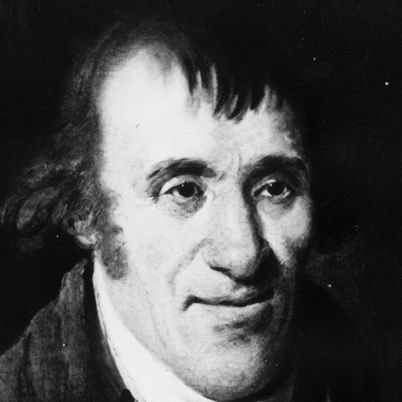
Many Irishmen saw parallels between American and Irish struggles against British rule. Irish soldiers, merchants, and laborers played key roles, and thousands of Irish immigrants fought for independence.
Which Irish-born Patriot had the biggest impact on the Revolution? How did Irish contributions shape early America? ☘️🇺🇸 #AmRev #StPatricksDay
• • •
Missing some Tweet in this thread? You can try to
force a refresh

Before the Revolution, Irish immigrants, both Catholic & Scots-Irish Presbyterians, helped shape the American colonies. By 1775, they made up a quarter of Washington’s army and played key roles on both sides of the war.
Let’s dive in. 🧵🇺🇸☘️ #AmRev #StPatricksDay
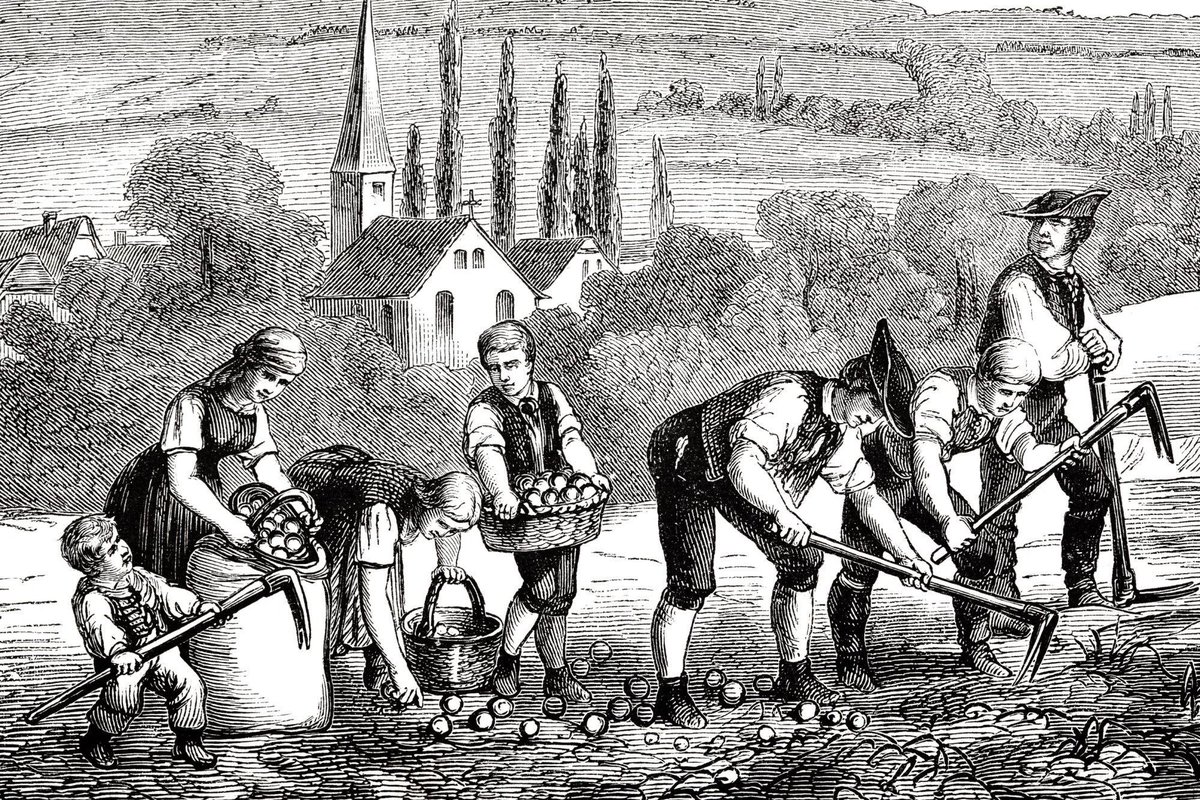
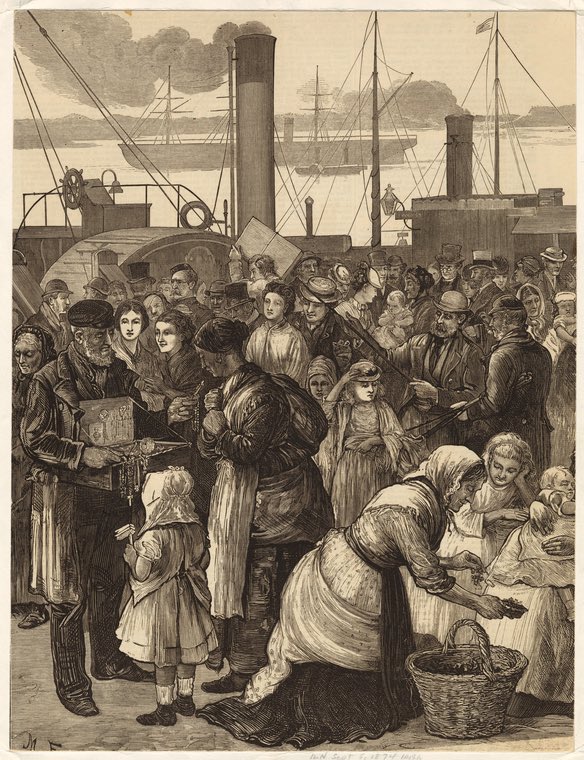
Between 1717–1775, over 200,000 Scots-Irish (Ulster Presbyterians) left Ireland, fleeing high rents, famine & religious persecution. Most landed in Pennsylvania before pushing inland into the Appalachian frontier.
Irish Catholics, though fewer, also arrived—often as indentured servants or exiles. Many settled in Maryland, a Catholic-friendly colony. Charles Carroll, whose grandfather emigrated from Dublin, would later sign the Declaration of Independence.
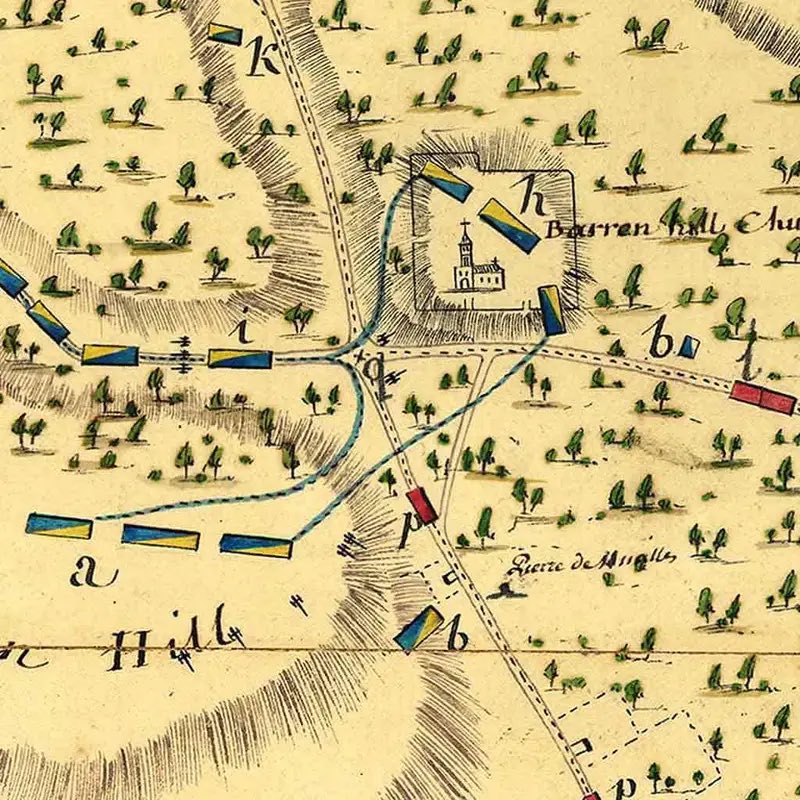
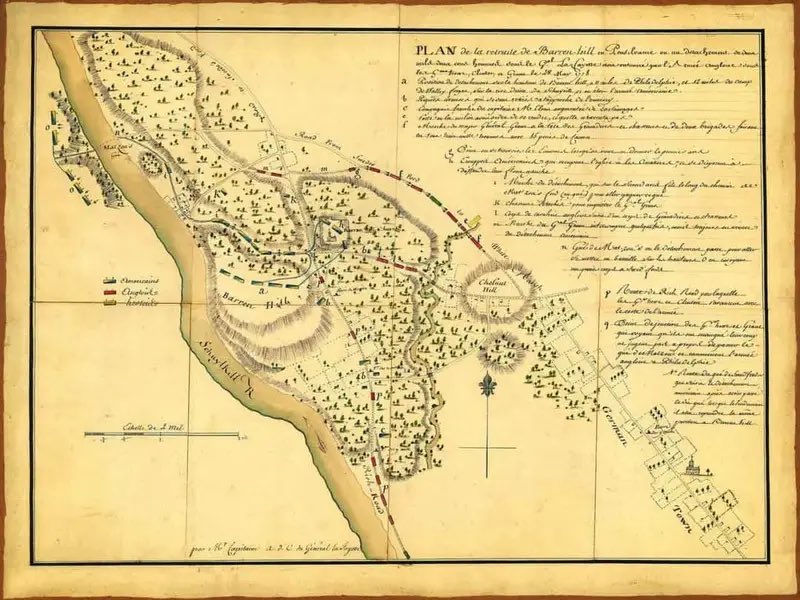
On May 20, 1778, British forces tried to trap and destroy the young Marquis de Lafayette and his 2,200-man force at Barren Hill, Pennsylvania. Instead, Lafayette outmaneuvered them in a daring escape that saved his men.
Let’s dive in. 🧵🇺🇸 #AmRev
With the British occupying Philadelphia, Washington sent Lafayette with 2,200 troops, including militia, Continental soldiers, and Oneida warriors, to observe enemy movements near the city. But the British saw an opportunity to crush him.
General Sir William Howe and General James Grant devised a trap to surround and destroy Lafayette’s force. Three columns of British and Hessian troops, totaling 5,000 men, marched to cut off every escape route at Barren Hill.
On November 25, 1777, a young Marquis de Lafayette led a daring Patriot counterattack against Hessian forces near Gloucester, New Jersey. This battle proved his leadership, boosted Patriot morale, and kept Washington’s army alive.
Let’s dive in. 🧵🇺🇸 #AmRev
After the British captured Philadelphia in September 1777, they struggled to get supplies. General Sir William Howe sent a foraging force of Hessians and British troops across the Delaware River into New Jersey to raid farms for food and resources.
At just 20 years old, Lafayette was eager to prove himself. Washington sent him with 350 Continental troops to observe and harass the British forces under General Lord Cornwallis, who had stationed Hessian troops at Gloucester for supplies.
Andrew Pickens was one of the most effective guerrilla commanders of the Revolutionary War. A South Carolina frontiersman, he fought in some of the war’s most crucial battles and outwitted the British and Loyalists in the Southern Campaign.
Let’s dive in. 🧵🇺🇸 #AmRev
Born in Pennsylvania in 1739, Pickens moved to the South Carolina backcountry, where he became a skilled woodsman and fighter. He fought in the French and Indian War, gaining experience in frontier warfare that he would later use against the British.
During the Revolution, Pickens fought in the Cherokee-American War (1776), where he defeated the Cherokee, who had allied with the British. He respected his enemies, and after his victory, the Cherokee gave him the warrior name “Skyagunsta” (Wizard Owl).
On October 22, 1777, a small force of Patriots at Fort Mercer on the Delaware River faced a massive Hessian assault. Against all odds, they held their ground, dealing a devastating blow to the British war effort.
Let’s dive into the Battle of Red Bank. 🧵🇺🇸 #AmRev
With the British occupying Philadelphia, they needed control of the Delaware River to supply their army. But Patriot forts—Mercer (NJ) and Mifflin (PA)—blocked the river, preventing crucial reinforcements and supplies from reaching British troops.
British General Sir William Howe ordered 2,000 Hessian troops, led by Colonel Carl von Donop, to capture Fort Mercer at Red Bank, NJ. Von Donop boasted he’d take the fort easily, but he underestimated the Patriots.
As the British marched on Philadelphia, one of America’s most iconic symbols of freedom was in danger. The Liberty Bell, which had rung for the first public reading of the Declaration of Independence, had to be hidden before the British could seize it.
Let’s dive in.🧵🇺🇸 #AmRev
The British captured Philadelphia in September 1777, and Patriots feared they would melt down the bell for cannonballs. The Continental Congress fled to York, PA, and local leaders scrambled to protect the city’s valuable bells—including the Liberty Bell.
A group of Patriots, led by Colonel Benjamin Flower, devised a daring plan. They would smuggle the Liberty Bell—along with other church bells—from Philadelphia to Allentown, PA, where it could be safely hidden until the British left the city.