
Hidden in English place names is a secret code of invasion and conquest.
Vikings, Romans, Saxons, and Normans all stamped their languages onto the landscape.
Here's how to decode any English place name — and instantly know who conquered that spot 1,000+ years ago... 🧵
Vikings, Romans, Saxons, and Normans all stamped their languages onto the landscape.
Here's how to decode any English place name — and instantly know who conquered that spot 1,000+ years ago... 🧵

The Romans arrived first in 43 AD, building forts across England.
Their word “castra” (military camp) evolved into place names ending in:
“-chester” (Manchester, Winchester)
“-cester” (Leicester, Gloucester)
“-caster” (Lancaster, Doncaster)
But these are just the first layer..
Their word “castra” (military camp) evolved into place names ending in:
“-chester” (Manchester, Winchester)
“-cester” (Leicester, Gloucester)
“-caster” (Lancaster, Doncaster)
But these are just the first layer..

After Roman rule collapsed around 410 AD, Anglo-Saxons took over.
Their place names:
“-ham” (Birmingham) = homestead/village
“-ton” (Brighton) = settlement
“-ford” (Oxford) = river crossing
“-bury” (Canterbury) = fortified place
But other invaders would leave their mark.
Their place names:
“-ham” (Birmingham) = homestead/village
“-ton” (Brighton) = settlement
“-ford” (Oxford) = river crossing
“-bury” (Canterbury) = fortified place
But other invaders would leave their mark.
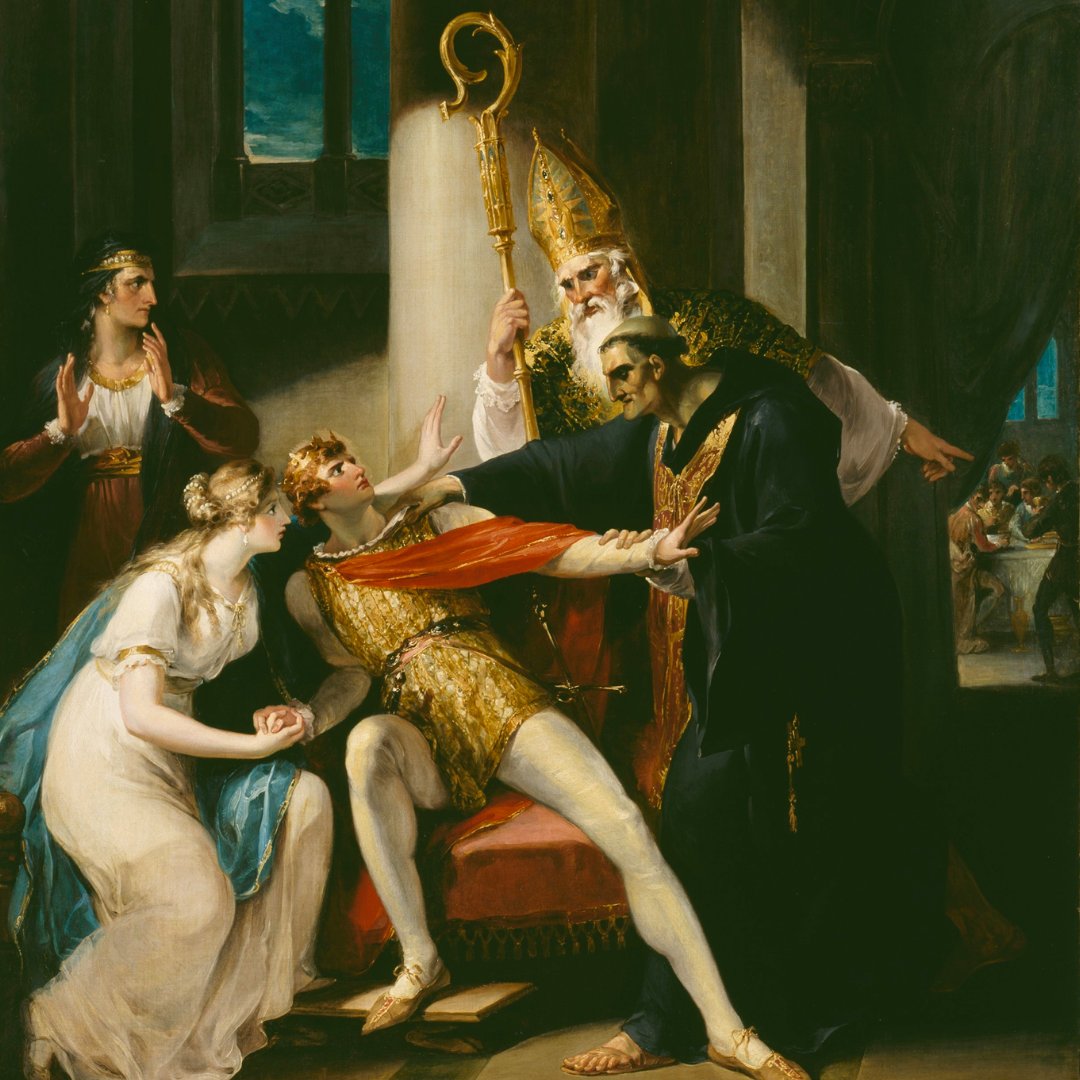
Viking invaders started settling in 865 AD and left Norse fingerprints on the landscape.
Look for:
“-by” (Grimsby, Whitby) = farm/village
“-thorp” (Scunthorpe) = village
“-toft” (Lowestoft) = homestead
“-thwaite” (Braithwaite) = clearing
But they weren’t the last to conquer.
Look for:
“-by” (Grimsby, Whitby) = farm/village
“-thorp” (Scunthorpe) = village
“-toft” (Lowestoft) = homestead
“-thwaite” (Braithwaite) = clearing
But they weren’t the last to conquer.

Many English places have two names.
After 1066, Norman invaders added French identifiers to existing Saxon or Viking names.
Settlements like “Ashby de la Zouch” and “Stoke Mandeville” reveal the final wave of conquest.
These stories of conquest survive even in major cities…
After 1066, Norman invaders added French identifiers to existing Saxon or Viking names.
Settlements like “Ashby de la Zouch” and “Stoke Mandeville” reveal the final wave of conquest.
These stories of conquest survive even in major cities…
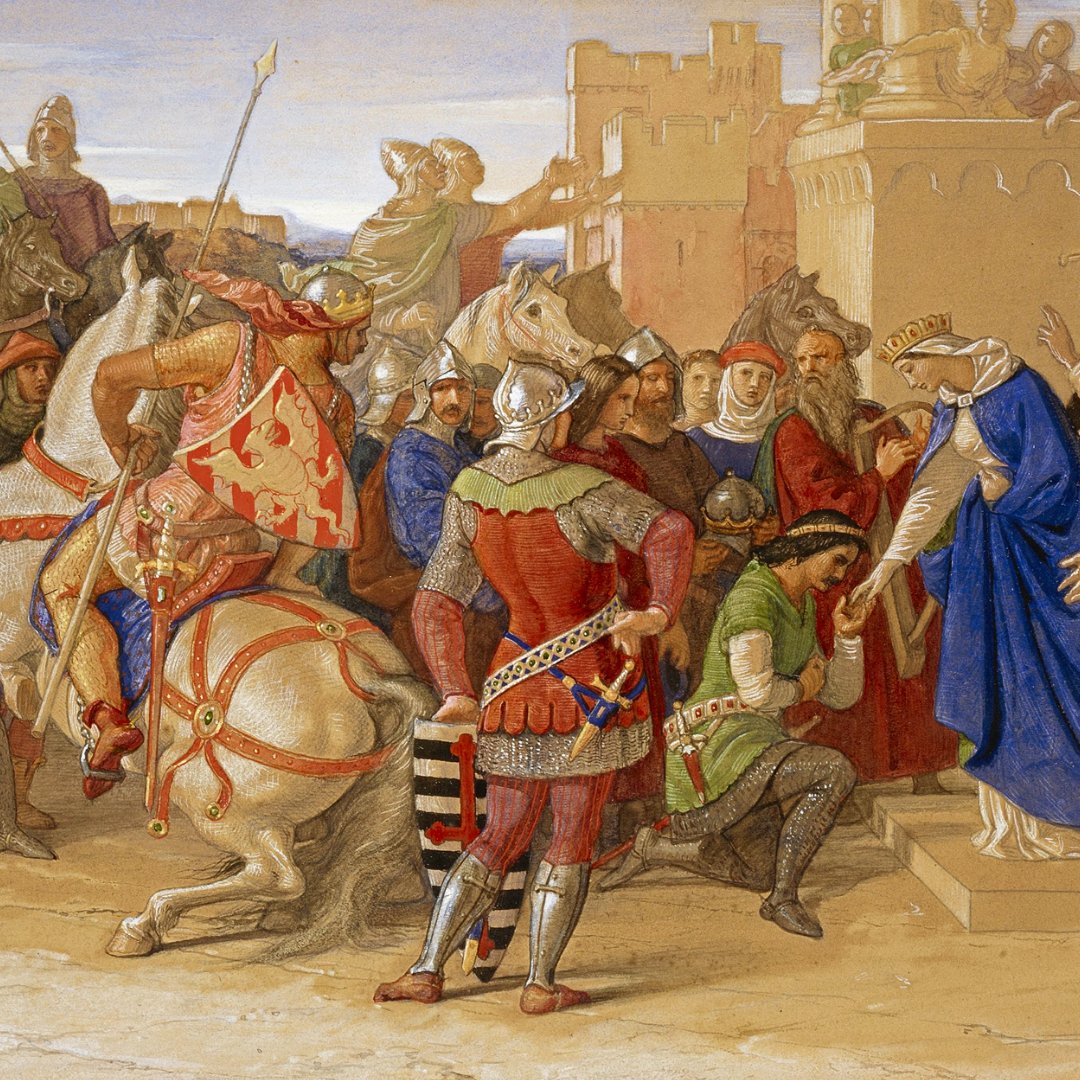
Consider the place names of London:
- London = Celtic, and then Roman, “Londinium”
- Westminster = Anglo-Saxon “west monastery”
- Belsize Park = Norman French "bel assis" (beautifully situated)
All within miles of each other, leaving evidence of those who once ruled there…
- London = Celtic, and then Roman, “Londinium”
- Westminster = Anglo-Saxon “west monastery”
- Belsize Park = Norman French "bel assis" (beautifully situated)
All within miles of each other, leaving evidence of those who once ruled there…
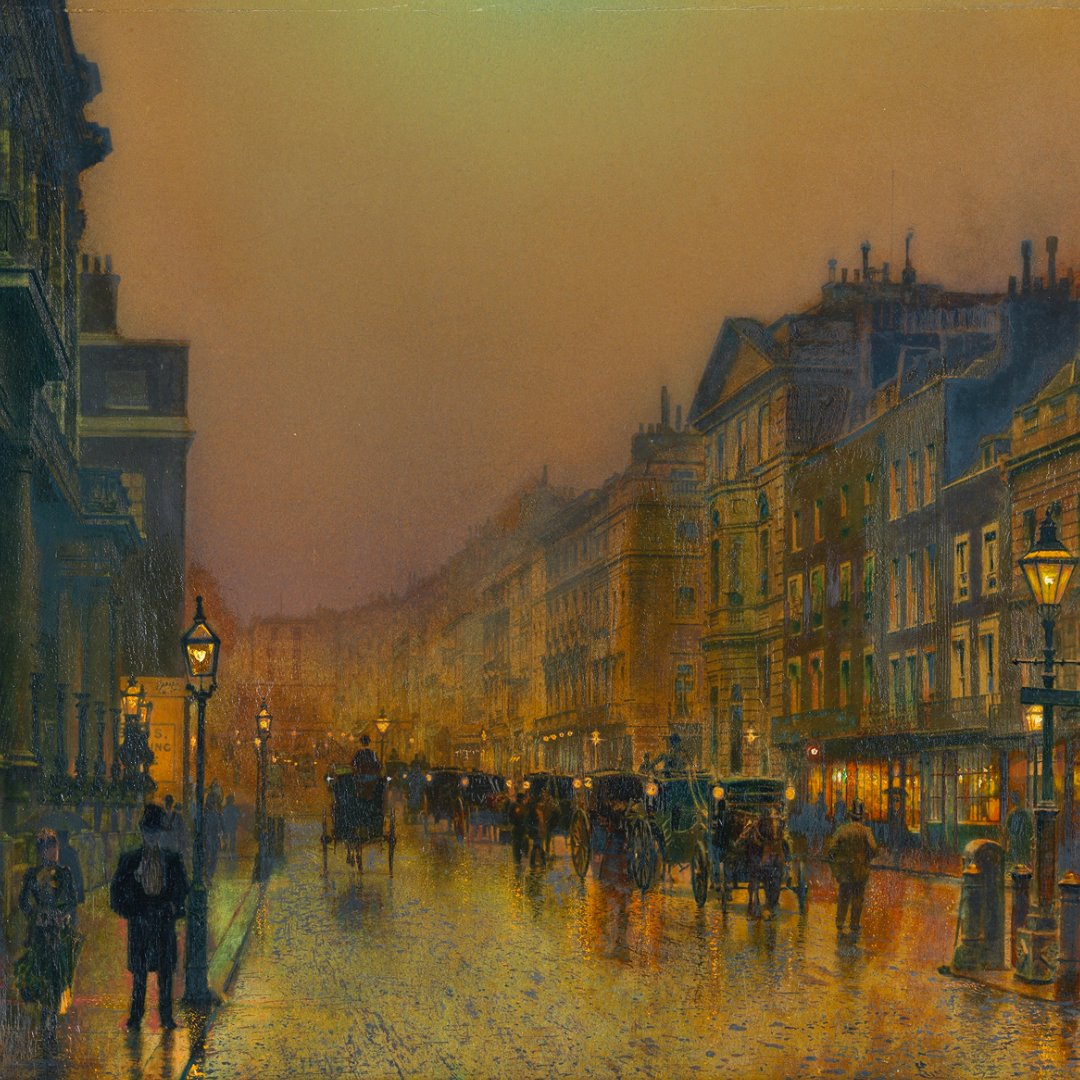
The name “England” itself tells a similar story.
It means “land of the Angles,” one of the Germanic tribes that came after Roman control fell.
The Welsh language doesn’t use this name at all — in Welsh, England is “Lloegr.”
Like many place names, this has Celtic origins:
It means “land of the Angles,” one of the Germanic tribes that came after Roman control fell.
The Welsh language doesn’t use this name at all — in Welsh, England is “Lloegr.”
Like many place names, this has Celtic origins:
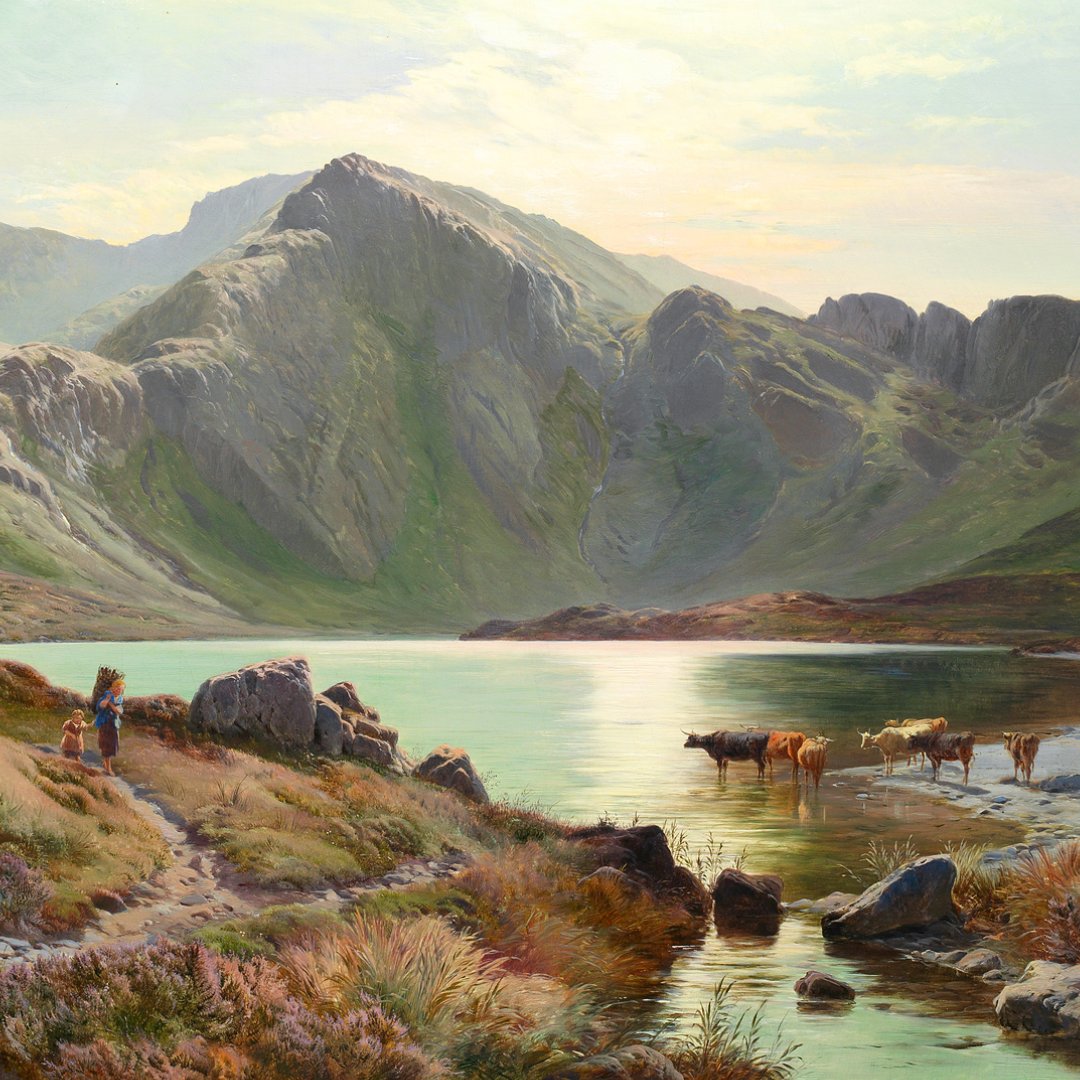
Natural features often have the oldest names, dating back to the Celtic Britons who lived in England before all these invasions.
Rivers like Avon, Thames, Trent, and Severn all have Celtic origins.
Celtic names survived even as the Celtic languages were pushed westward.
Rivers like Avon, Thames, Trent, and Severn all have Celtic origins.
Celtic names survived even as the Celtic languages were pushed westward.
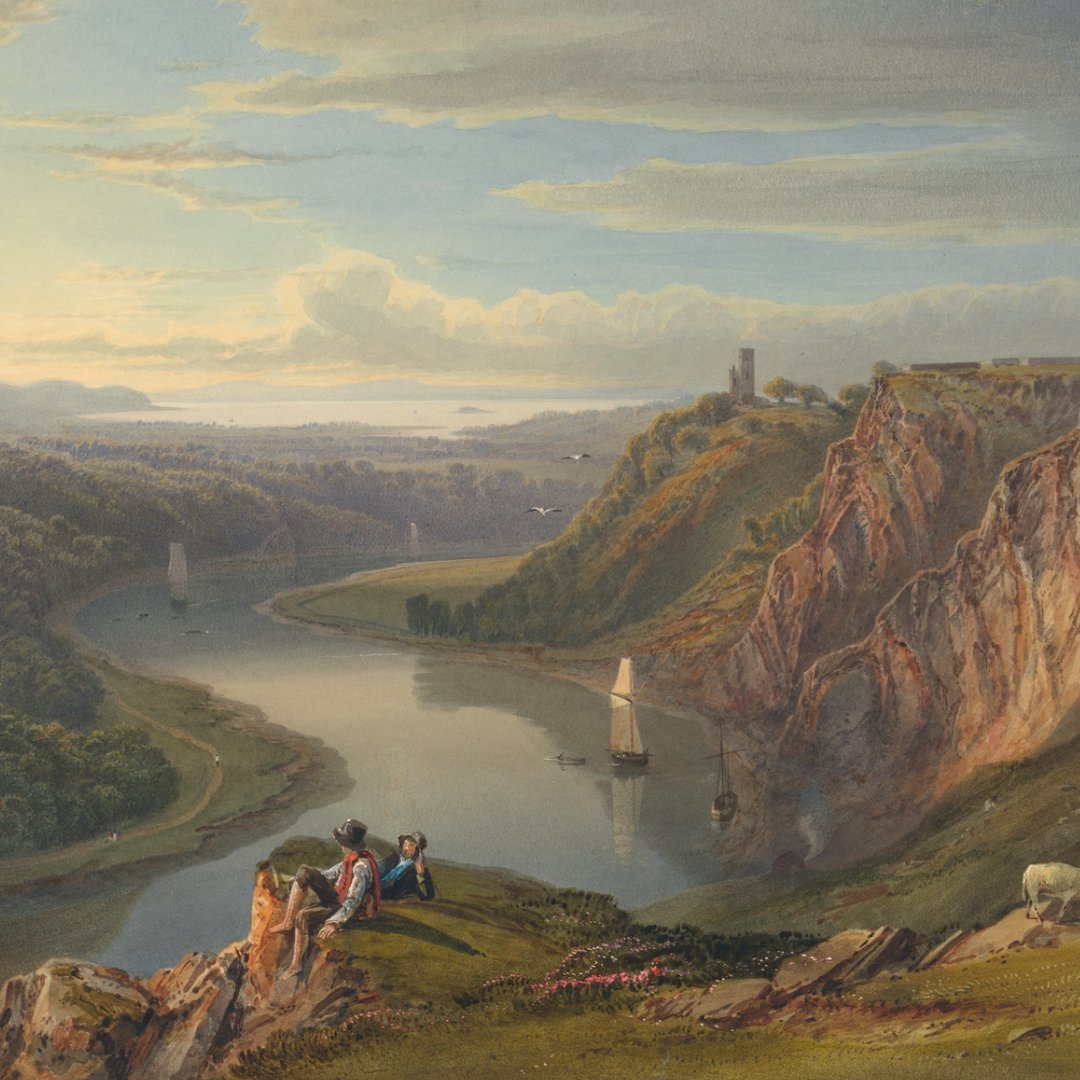
The places where these Celtic (Welsh) speakers lived are often named with the element “Wal-” (like Walton).
Other Celtic survivals include names with “Eccles-”, which mark Celtic church sites.
This element comes from Greek “ekklesia” (church) via Latin and Celtic languages.
Other Celtic survivals include names with “Eccles-”, which mark Celtic church sites.
This element comes from Greek “ekklesia” (church) via Latin and Celtic languages.

This layering of languages — plus the erosion of sounds over time — is why English place names can seem so bizarre.
Each wave of conquerors imposed their names while preserving elements of what came before.
It's a linguistic layer cake that reveals centuries of invasion.
Each wave of conquerors imposed their names while preserving elements of what came before.
It's a linguistic layer cake that reveals centuries of invasion.
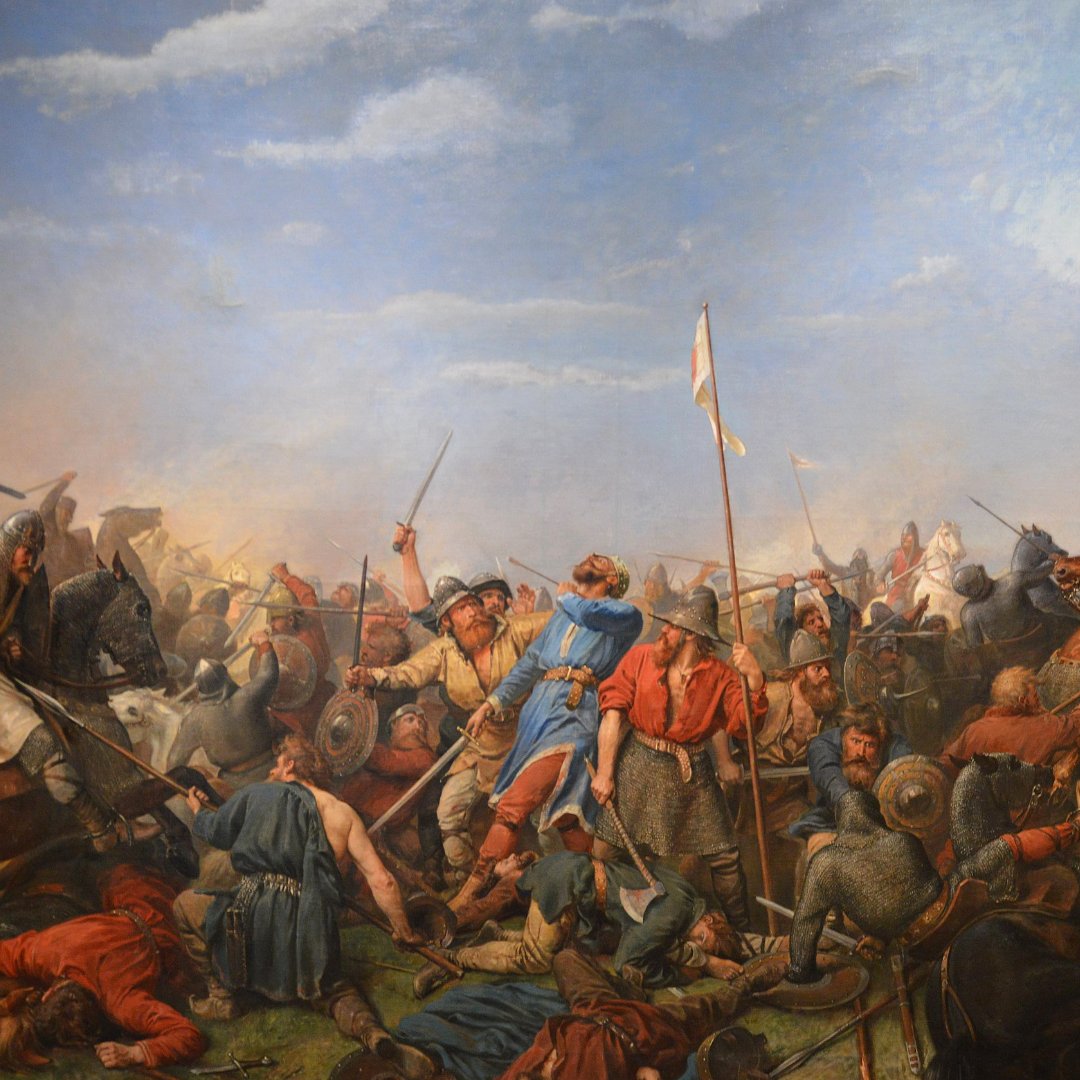
When you next look at a map of England, peel back the layers:
- “-chester” = Romans camped here
- “-ham/-ton” = Anglo-Saxons settled here
- “-by/-thorp” = Vikings raided here
- Double-barreled names = Normans claimed ownership
The names tell the story of 2000 years of conflict.
- “-chester” = Romans camped here
- “-ham/-ton” = Anglo-Saxons settled here
- “-by/-thorp” = Vikings raided here
- Double-barreled names = Normans claimed ownership
The names tell the story of 2000 years of conflict.

If you enjoyed this thread:
1) Please retweet the original post (linked below)
2) Follow me for more threads about language, history, and culture
1) Please retweet the original post (linked below)
2) Follow me for more threads about language, history, and culture
https://x.com/colingorrie/status/1903067806708441526
• • •
Missing some Tweet in this thread? You can try to
force a refresh






