Emmanuel Tsekleves Profile picture
Mar 22 β€’ 11 tweets β€’ 2 min read β€’ Read on X
Step-by-step guide to write an introduction that engages and convinces your audience of your research's value πŸ‘‡ Image
1️⃣ Importance: Start by highlighting why your research is vital.
β†’ What makes this topic significant in your field?
β†’ How does it contribute to broader conversations?
2️⃣ Background: Provide context that sets the scene.
β†’ What has been done before?
β†’ Where does your research fit in the existing body of work?
3️⃣ Problem Statement: Clearly identify the problem your research addresses.
β†’ What gap does it fill?
β†’ Why is this problem worth solving?
4️⃣ Research Gap: Every compelling story has a twist.
β†’ What is missing in current research?
β†’ Where is there room for exploration?
5️⃣ Evidence: Back your claims with concrete evidence.
β†’ What data or findings support the significance of your topic?
6️⃣ Local Context: Add depth by relating your study to local or specific contexts.
β†’ How does the research impact local communities or specific groups?
7️⃣ Study Objectives and Paper Aim: Finally, connect all these elements by outlining your study's objectives and the aim of your paper.
β†’ What do you hope to achieve?
β†’ What questions do you intend to answer?
Writing an introduction is more than just a formality;

The introduction is your first handshake with the readerβ€”make it firm and confident.

What challenges have you faced while writing your introduction section?

#acwri #phd #postdoc #academia
πŸ”„ repost to help a friend :)

--------------------

Found this valuable?

Join The Academic Pathfinder newsletter where I share proven strategies to help PhDs and Postdocs navigate the academic journey and land competitive tenure-track positions.

Get actionable insights every Wednesday: phdtoprof.systeme.io/newsletter
πŸ”„ repost to help a friend :)

------------------------------

If you want more tips on effective academic writing download:
my Academic Writing Guide & Template
and my Publication Strategy Template: phdtoprof.gumroad.com/l/kicdb

β€’ β€’ β€’

Missing some Tweet in this thread? You can try to force a refresh

γ€€

Keep Current with Emmanuel Tsekleves

Emmanuel Tsekleves Profile picture

Stay in touch and get notified when new unrolls are available from this author!

Read all threads

This Thread may be Removed Anytime!

PDF

Twitter may remove this content at anytime! Save it as PDF for later use!

Try unrolling a thread yourself!

how to unroll video
  1. Follow @ThreadReaderApp to mention us!

  2. From a Twitter thread mention us with a keyword "unroll"
@threadreaderapp unroll

Practice here first or read more on our help page!

More from @PhDtoProfMentor

Jan 3
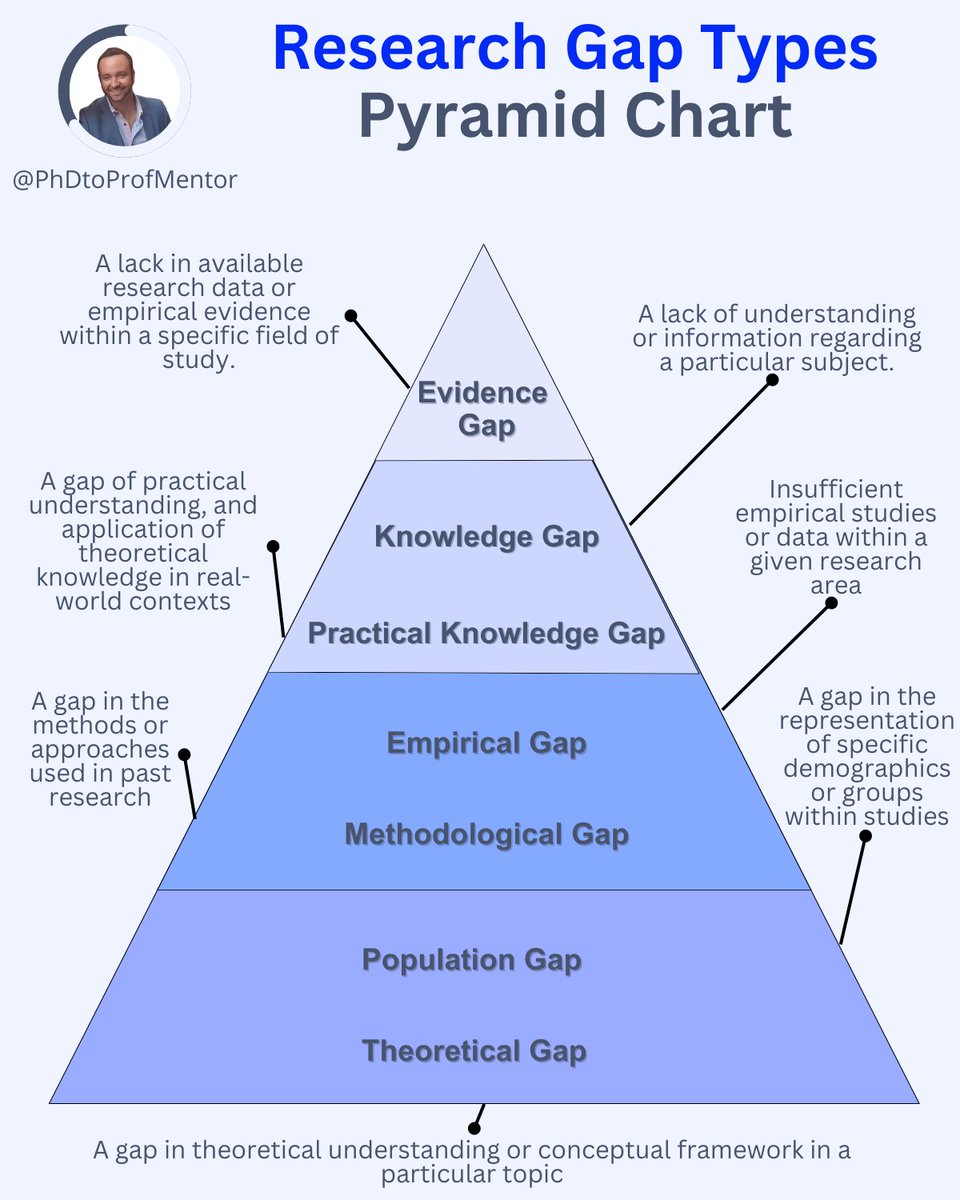
7 types of research gaps to help you identify your research topic.

Grab my 'Research Gap' Pyramid Chart Image
Identifying research gaps is your first step toward discovering what's been explored and uncovering new territories begging for inquiry.

Let's dive into the 7 essential types of research gaps that could pave the way for your pioneering study:
1) Evidence Gap - The craving for more data or empirical backing.

2) Knowledge Gap - Questions yearning for deeper insights or information.
Read 8 tweets
Dec 4, 2024
PhDs feeling absolutely stuck starting your Literature Review?

Let me show you 5 steps to go from blank page to full outline with @teampaperpal...
Here's how you can overcome writer's block and generate a full outline using Paperpal:

1) Build Your Literature Foundation
β†’ Import PDFs of key papers into Paperpal.
β†’ Start with 2 recent review papers in your field.
β†’ Select 3 most cited references from each review paper and import them.
@teampaperpal 2) Get Insights from Your Literature
β†’ Use the 'extract key takeaways' prompt.
β†’ Select the 'make it concise' prompt.
β†’ Insert into the Paperpal web document.
β†’ Paperpal will generate detailed key takeaways, which you can further summarize using the 'make shorter' prompt.
Read 9 tweets
Aug 12, 2024
Want to know how to strengthen your research paper?

Mastering the right literature review is crucial. Learn the 5 types with me.

Here are the 5 main types of literature reviews and how to master them. Image
1️⃣ Argumentative:

An argumentative literature review critically examines selected literature to support or refute a particular viewpoint or hypothesis.
β†’ Choose a clear stance.
β†’ Select relevant literature that aligns with your argument.
β†’ Critically analyse each source, highlighting strengths and weaknesses.
β†’ Conclude by reinforcing your stance with the strongest evidence.
Read 14 tweets
Jul 12, 2024
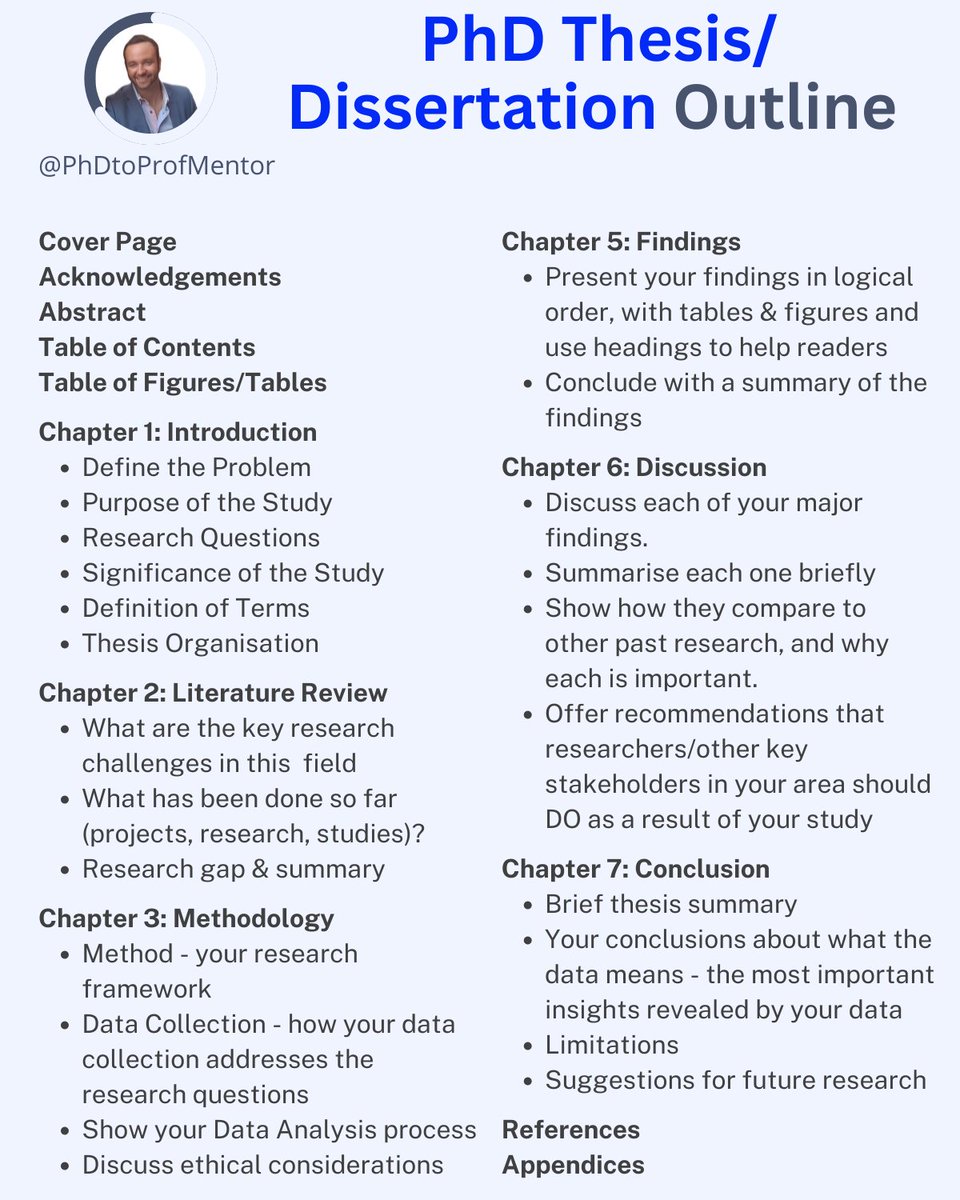
Crafting a PhD Thesis/Dissertation?

Here's Your Roadmap to Success.

Every PhD journey is unique, yet the blueprint to navigating this monumental task is surprisingly universal. Image
Chapter Insights:

Chapter 1: Setting the Stage
- Define the Problem: Illuminate the unknown for a compelling start.
- Why This Journey: The purpose of your study paves the road for discovery.
- The Compass: Research questions are your guiding stars.
- Why It Matters: Highlight the significance.
- Decoding the Quest: Definitions matter. Clarity is your ally.
- Thesis organisation tells your reader what to expect.
Read 12 tweets
Jun 21, 2024
Feeling stuck on your journal paper?

Here's how to use AI tools for your next paper:

Unlock the Power of AI for Your Next Journal Paper: Image
πŸ“š Literature Search
πŸ‘ˆ Traditional: Hours spent on database searches, manual sorting of relevant papers.
πŸ‘‰ AI Revolution: @LitmapsApp
@RsrchRabbit @elicitorg @ConnectedPapers @SemanticScholar
πŸ’‘ Instantly map out the landscape of your research area, uncovering connections you never knew existed.
Read 11 tweets
Jun 7, 2024
Stop sending tons of emails to Profs.

Most go straight to the bin.

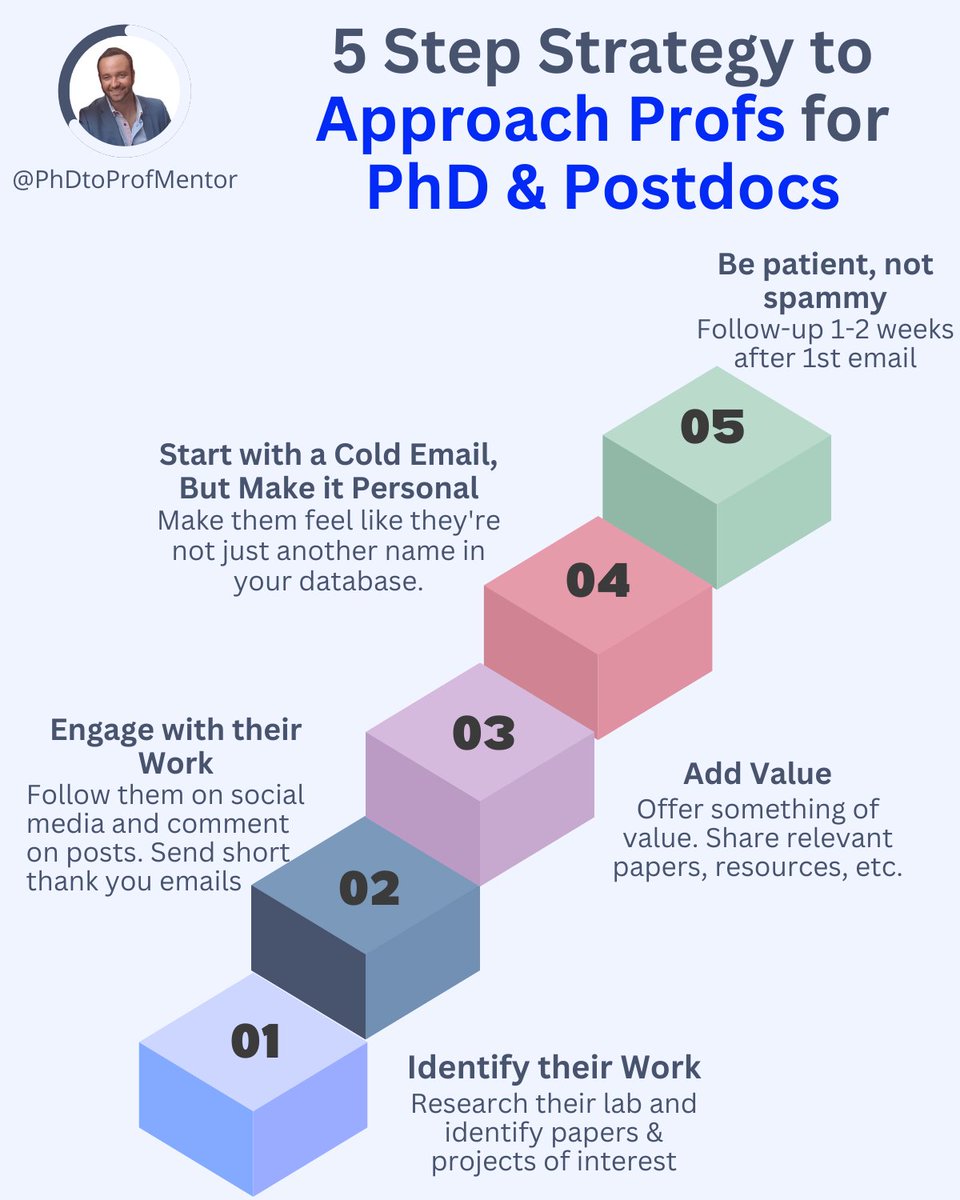
There's a better way to approach profs for PhD & postdoc positions

Here's a 5-step strategy I wish someone had shared with me when I was contacting profs:πŸ‘‡ Image
1️⃣ Identify Their Work
Dig deeper than the surface.
Skimming the lab webpage isn't enough.
Dive into their latest papers and projects.
Understand the nuances of their research.
Only then can you genuinely grasp the value you could add to their team.
2️⃣ Engage With Their Work
Liking a tweet or post isn't engagement. Take it further.
Thoughtful comments on posts, sharing insightful views,
sending a brief email to express genuine gratitude for their work
This sets you apart. It shows you're invested, not just interested.
Read 9 tweets

Did Thread Reader help you today?

Support us! We are indie developers!


This site is made by just two indie developers on a laptop doing marketing, support and development! Read more about the story.

Become a Premium Member ($3/month or $30/year) and get exclusive features!

Become Premium

Don't want to be a Premium member but still want to support us?

Make a small donation by buying us coffee ($5) or help with server cost ($10)

Donate via Paypal

Or Donate anonymously using crypto!

Ethereum

0xfe58350B80634f60Fa6Dc149a72b4DFbc17D341E copy

Bitcoin

3ATGMxNzCUFzxpMCHL5sWSt4DVtS8UqXpi copy

Thank you for your support!

Follow Us!

:(