The Disappeared: Trump’s Mass Deportation Machine and the Shadow Prison in El Salvador
A Knock at the Door, Then Nothing
🧵1/10: Imagine waking up one morning to discover that your brother is gone.
Not missing—disappeared.
No phone call. No charges. No lawyer.
And days later, a message appears—he’s been deported to a country he’s never been to, locked in a concrete hell designed for gang leaders and killers.
That’s not a story from Argentina’s Dirty War or Stalin’s gulags.
It happened in the United States—in 2025.
And it’s still happening, as you read this.
This is the story of The Disappeared—238 Venezuelan men secretly deported by the Trump administration to El Salvador’s most notorious prison, CECOT—a facility condemned by the United Nations, Amnesty International, and Human Rights Watch for crimes against human dignity.
theintellectualist.com/the-disappeare…
A Knock at the Door, Then Nothing
🧵1/10: Imagine waking up one morning to discover that your brother is gone.
Not missing—disappeared.
No phone call. No charges. No lawyer.
And days later, a message appears—he’s been deported to a country he’s never been to, locked in a concrete hell designed for gang leaders and killers.
That’s not a story from Argentina’s Dirty War or Stalin’s gulags.
It happened in the United States—in 2025.
And it’s still happening, as you read this.
This is the story of The Disappeared—238 Venezuelan men secretly deported by the Trump administration to El Salvador’s most notorious prison, CECOT—a facility condemned by the United Nations, Amnesty International, and Human Rights Watch for crimes against human dignity.
theintellectualist.com/the-disappeare…

Not Criminals—Targets of Vulnerability
2/10: They weren’t taken because they were criminals.
They were taken because they were vulnerable—asylum seekers, migrants, dissidents—fleeing persecution, hoping for protection under American law.
Instead, they were swept up under a statute from 1798—the Alien Enemies Act, a wartime relic once used by John Adams to jail immigrants.
The Trump administration revived it and reinterpreted it to enable a deportation machine without trial, judge, or oversight.
This wasn’t a crackdown on MS-13.
Most had no criminal records.
Some were flagged only for tattoos—like Jefferson José Laya Freites, deported because of a lion on his forearm. It was assumed to be gang-related. It was actually a tribute to his Christian faith.
Or Arturo Suárez Trejo, a Venezuelan singer living in Houston, legally awaiting an asylum hearing. One morning, ICE agents came to his door.
“He’s being transferred to finish processing,” they told his daughter.
He never came home.
His family later identified him in a prison photo—head shaved, shackled, kneeling in the white uniform of El Salvador’s mega-prison.
theintellectualist.com/the-disappeare…
2/10: They weren’t taken because they were criminals.
They were taken because they were vulnerable—asylum seekers, migrants, dissidents—fleeing persecution, hoping for protection under American law.
Instead, they were swept up under a statute from 1798—the Alien Enemies Act, a wartime relic once used by John Adams to jail immigrants.
The Trump administration revived it and reinterpreted it to enable a deportation machine without trial, judge, or oversight.
This wasn’t a crackdown on MS-13.
Most had no criminal records.
Some were flagged only for tattoos—like Jefferson José Laya Freites, deported because of a lion on his forearm. It was assumed to be gang-related. It was actually a tribute to his Christian faith.
Or Arturo Suárez Trejo, a Venezuelan singer living in Houston, legally awaiting an asylum hearing. One morning, ICE agents came to his door.
“He’s being transferred to finish processing,” they told his daughter.
He never came home.
His family later identified him in a prison photo—head shaved, shackled, kneeling in the white uniform of El Salvador’s mega-prison.
theintellectualist.com/the-disappeare…

Black Saturday: The Collapse of Judicial Authority
3/10: This was the reality on March 15, 2025—Black Saturday—the day the Trump administration defied a federal court order and deported a large number of these men to CECOT.
A judge had ruled the deportations unconstitutional and ordered the flights turned around. The planes were in the air. The White House ignored the ruling. They kept going.
It was the day the United States crossed a line no constitutional democracy should ever cross.
CECOT: A Modern Gulag
Because CECOT is not a prison.
It is a modern gulag.
No windows.
No sunlight.
No visitors.
No phone calls.
Prisoners are held in stress positions, denied food, beaten with batons, and stripped of all identity.
They sleep on concrete in crowded cells—100 men to a room.
Their heads are shaved. Their movements are choreographed by armed guards.
The United Nations Special Rapporteur on Torture condemned CECOT as a site of systematic abuse.
El Salvador’s president, Nayib Bukele, presents it as a symbol of authoritarian control.
But it is also a dumping ground—for prisoners deported by foreign governments looking to disappear them without scrutiny.
And that’s where the United States sent people who had done nothing wrong.
Not back to Venezuela.
But to a third country—with no legal jurisdiction, no treaty obligation, and no accountability.
Photojournalist Philip Holsinger captured their arrival: shackled men, trembling, forced to kneel.
An ICE agent was present at the plane. The transfer was coordinated by American officials.
Detainees were offloaded rapidly—processed like inventory, not people.
One man clutched a broken rosary. The crucifix had snapped off.
He held it anyway.
This wasn’t deportation.
This was disappearance.
The Legal Definition—and the Human Cost
And the difference matters.
Deportation is a legal process.
Disappearance is a crime against humanity.
The International Convention for the Protection of All Persons from Enforced Disappearance—signed by the United States in 2000—defines it as:
“The arrest, detention, or abduction of persons by agents of the state… followed by a refusal to acknowledge the deprivation of liberty or by concealment of the fate or whereabouts of the disappeared person.”
That is what happened here.
Families were told nothing.
Some were lied to.
Legal representation was severed.
Communication ceased.
We do know the names of the 238 men.
CBS News published the full list.
Among them:
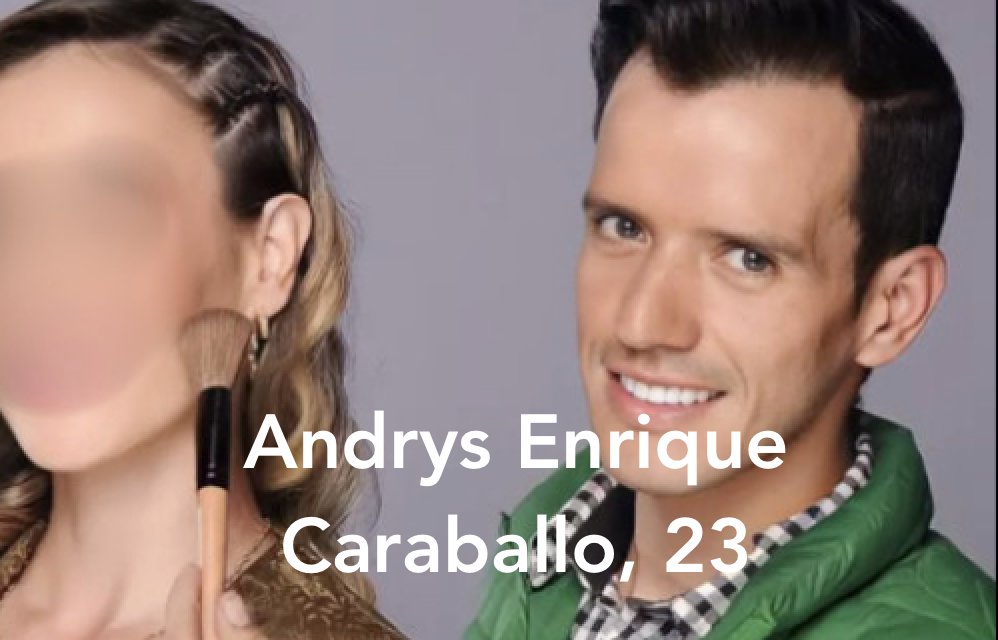
Andrys Caraballo, a makeup artist last seen in ICE custody.
David Larez, a father of three, awaiting asylum processing.
Luis Molina, a diabetic who needed daily insulin.
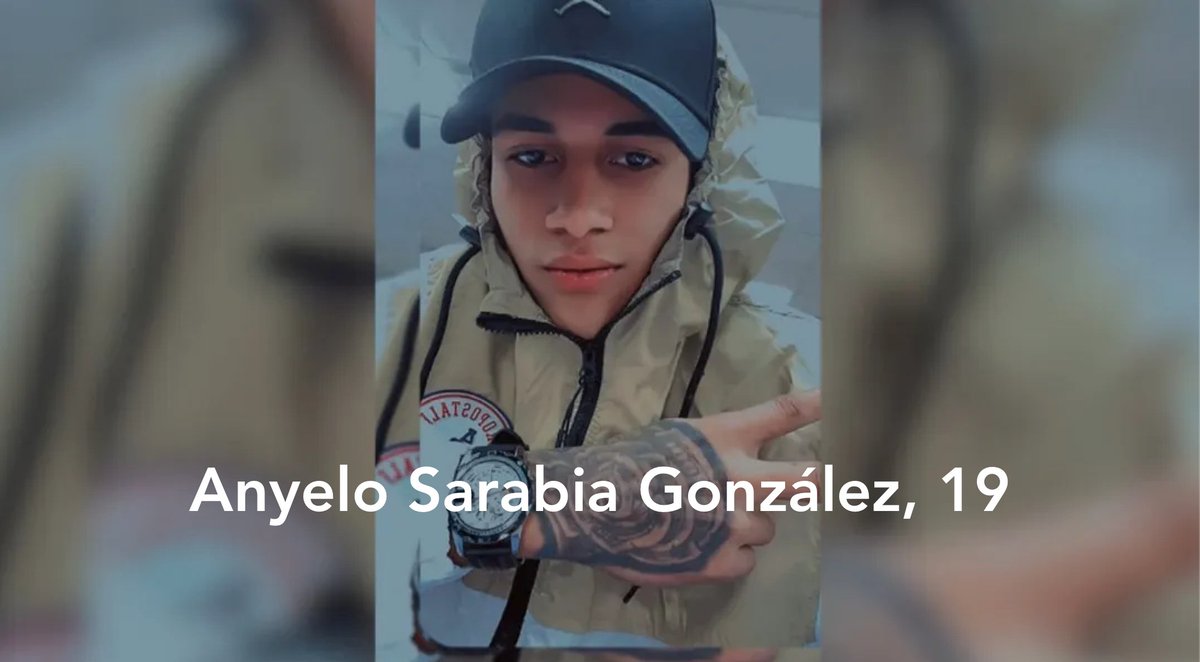
Anyelo José Sarabia González, 19, deported for a rose tattoo.
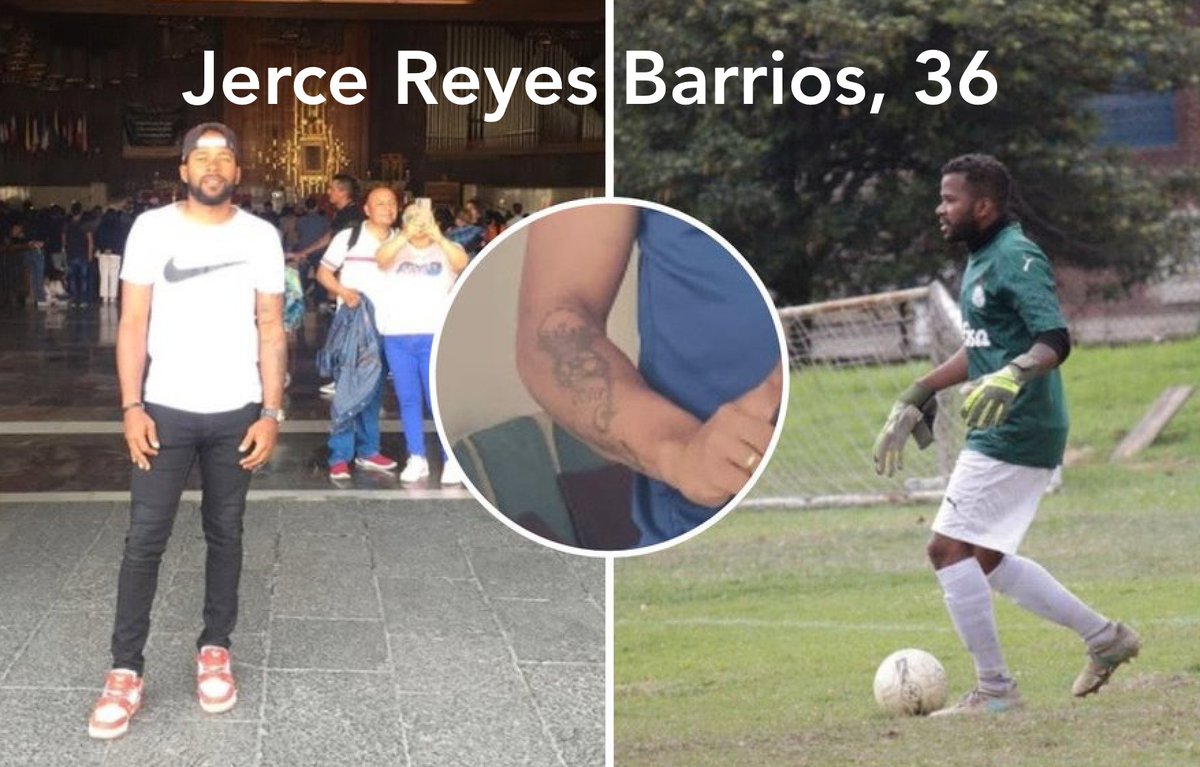
Jerce Reyes Barrios, 36, a former Venezuelan soccer player flagged for a rosary and a soccer ball.
We don’t know where most are now—or if they’re still alive.
But we know this violated a federal court order.
This was not a miscommunication.
It was a deliberate act of executive defiance.
Stephen Miller and senior DHS officials orchestrated the flights in secret. Internal documents reviewed by CBS and Axios confirm the operation was timed to outrun judicial oversight.
But at 6:51 p.m. ET, Judge James Boasberg issued a legal injunction.
He ordered that the planes be turned around.
He told DOJ lawyers: “You need to ensure compliance immediately.”
They didn’t comply.
The planes kept flying.
Thus came Black Saturday: the first time in modern U.S. history that a president defied a federal court order—and faced no consequence.
theintellectualist.com/the-disappeare…
3/10: This was the reality on March 15, 2025—Black Saturday—the day the Trump administration defied a federal court order and deported a large number of these men to CECOT.
A judge had ruled the deportations unconstitutional and ordered the flights turned around. The planes were in the air. The White House ignored the ruling. They kept going.
It was the day the United States crossed a line no constitutional democracy should ever cross.
CECOT: A Modern Gulag
Because CECOT is not a prison.
It is a modern gulag.
No windows.
No sunlight.
No visitors.
No phone calls.
Prisoners are held in stress positions, denied food, beaten with batons, and stripped of all identity.
They sleep on concrete in crowded cells—100 men to a room.
Their heads are shaved. Their movements are choreographed by armed guards.
The United Nations Special Rapporteur on Torture condemned CECOT as a site of systematic abuse.
El Salvador’s president, Nayib Bukele, presents it as a symbol of authoritarian control.
But it is also a dumping ground—for prisoners deported by foreign governments looking to disappear them without scrutiny.
And that’s where the United States sent people who had done nothing wrong.
Not back to Venezuela.
But to a third country—with no legal jurisdiction, no treaty obligation, and no accountability.
Photojournalist Philip Holsinger captured their arrival: shackled men, trembling, forced to kneel.
An ICE agent was present at the plane. The transfer was coordinated by American officials.
Detainees were offloaded rapidly—processed like inventory, not people.
One man clutched a broken rosary. The crucifix had snapped off.
He held it anyway.
This wasn’t deportation.
This was disappearance.
The Legal Definition—and the Human Cost
And the difference matters.
Deportation is a legal process.
Disappearance is a crime against humanity.
The International Convention for the Protection of All Persons from Enforced Disappearance—signed by the United States in 2000—defines it as:
“The arrest, detention, or abduction of persons by agents of the state… followed by a refusal to acknowledge the deprivation of liberty or by concealment of the fate or whereabouts of the disappeared person.”
That is what happened here.
Families were told nothing.
Some were lied to.
Legal representation was severed.
Communication ceased.
We do know the names of the 238 men.
CBS News published the full list.
Among them:
Andrys Caraballo, a makeup artist last seen in ICE custody.
David Larez, a father of three, awaiting asylum processing.
Luis Molina, a diabetic who needed daily insulin.
Anyelo José Sarabia González, 19, deported for a rose tattoo.
Jerce Reyes Barrios, 36, a former Venezuelan soccer player flagged for a rosary and a soccer ball.
We don’t know where most are now—or if they’re still alive.
But we know this violated a federal court order.
This was not a miscommunication.
It was a deliberate act of executive defiance.
Stephen Miller and senior DHS officials orchestrated the flights in secret. Internal documents reviewed by CBS and Axios confirm the operation was timed to outrun judicial oversight.
But at 6:51 p.m. ET, Judge James Boasberg issued a legal injunction.
He ordered that the planes be turned around.
He told DOJ lawyers: “You need to ensure compliance immediately.”
They didn’t comply.
The planes kept flying.
Thus came Black Saturday: the first time in modern U.S. history that a president defied a federal court order—and faced no consequence.
theintellectualist.com/the-disappeare…
What Happens Next Defines Us
4/10: This wasn’t a separation of powers.
It was the collapse of one.
Because courts don’t have armies.
They rely on compliance.
And a ruling that can be ignored isn’t a ruling.
It’s a suggestion.
What followed was silence.
No mass protests. No emergency hearings. No breaking news banners.
The noise of American life rolled on.
But the families haven’t moved on.
Mateo, Arturo’s 6-year-old son, still places his father’s shoes by the door each night.
His mother hasn’t told him the truth.
Only that Daddy had to leave before sunrise.
María Suárez, Andrys’s mother, wakes each morning not knowing if her son is dead or alive.
She keeps his room untouched.
The makeup brushes are still in the drawer.
Administration officials insist these men were “gang members.”
But no court ever said so.
Even accused criminals have rights.
This was punishment without trial.
Exile without crime.
And now—erasure.
This is how democracies fall:
Outsource cruelty.
Reinterpret law.
Abandon oversight.
Silence the victims.
The gulag was not just a place.
It was a method—a logic of unchecked power and dehumanization.
CECOT is a gulag.
And the United States used it.
This is not partisan.
It’s constitutional.
It’s spiritual.
We are not supposed to disappear people.
Not in secret. Not abroad. Not ever.
There are things that cannot be undone.
But there are things that must be documented, remembered, and resisted.
Congress must launch emergency oversight hearings.
The international community must demand access to CECOT.
A Truth Commission—like South Africa’s—must be formed.
There must be a record.
There must be accountability.
Because when a democracy starts disappearing people, it is no longer a democracy.
And when its people stop noticing,
it is already gone.
Black Saturday was not the beginning.
It was the moment we crossed the line.
We know the names of the 238.
And one day,
history will ask what we did with them.
theintellectualist.com/the-disappeare…
4/10: This wasn’t a separation of powers.
It was the collapse of one.
Because courts don’t have armies.
They rely on compliance.
And a ruling that can be ignored isn’t a ruling.
It’s a suggestion.
What followed was silence.
No mass protests. No emergency hearings. No breaking news banners.
The noise of American life rolled on.
But the families haven’t moved on.
Mateo, Arturo’s 6-year-old son, still places his father’s shoes by the door each night.
His mother hasn’t told him the truth.
Only that Daddy had to leave before sunrise.
María Suárez, Andrys’s mother, wakes each morning not knowing if her son is dead or alive.
She keeps his room untouched.
The makeup brushes are still in the drawer.
Administration officials insist these men were “gang members.”
But no court ever said so.
Even accused criminals have rights.
This was punishment without trial.
Exile without crime.
And now—erasure.
This is how democracies fall:
Outsource cruelty.
Reinterpret law.
Abandon oversight.
Silence the victims.
The gulag was not just a place.
It was a method—a logic of unchecked power and dehumanization.
CECOT is a gulag.
And the United States used it.
This is not partisan.
It’s constitutional.
It’s spiritual.
We are not supposed to disappear people.
Not in secret. Not abroad. Not ever.
There are things that cannot be undone.
But there are things that must be documented, remembered, and resisted.
Congress must launch emergency oversight hearings.
The international community must demand access to CECOT.
A Truth Commission—like South Africa’s—must be formed.
There must be a record.
There must be accountability.
Because when a democracy starts disappearing people, it is no longer a democracy.
And when its people stop noticing,
it is already gone.
Black Saturday was not the beginning.
It was the moment we crossed the line.
We know the names of the 238.
And one day,
history will ask what we did with them.
theintellectualist.com/the-disappeare…
5/10: If you’ve ever wanted to support independent media, now is the time.
The Intellectualist aims to build an initial base of 1,000 subscribers, and we still have a long way to go. Your support would make all the difference in allowing us to continue.
buymeacoffee.com/theintellectua…
The Intellectualist aims to build an initial base of 1,000 subscribers, and we still have a long way to go. Your support would make all the difference in allowing us to continue.
buymeacoffee.com/theintellectua…
The Disappeared
6/10: IN this video, we review how 238 Venezuelan men—most with no criminal record—were forcibly disappeared by the US to El Salvador without due process, triggering Black Saturday—an ongoing constitutional crisis.
6/10: IN this video, we review how 238 Venezuelan men—most with no criminal record—were forcibly disappeared by the US to El Salvador without due process, triggering Black Saturday—an ongoing constitutional crisis.
7/10: Please subscribe to The Intellectualist's new YouTube channel, where we present insightful videos analyzing the current events shaping the world.
Turn on notifications to receive the latest updates from the channel.
youtube.com/@TheIntellectu…
Turn on notifications to receive the latest updates from the channel.
youtube.com/@TheIntellectu…
8/10: The Disappeared
IN this essay, we review how 238 Venezuelan men—most with no criminal record—were forcibly disappeared by the US to El Salvador without due process, triggering Black Saturday—an ongoing constitutional crisis.
theintellectualist.com/the-disappeare…
IN this essay, we review how 238 Venezuelan men—most with no criminal record—were forcibly disappeared by the US to El Salvador without due process, triggering Black Saturday—an ongoing constitutional crisis.
theintellectualist.com/the-disappeare…
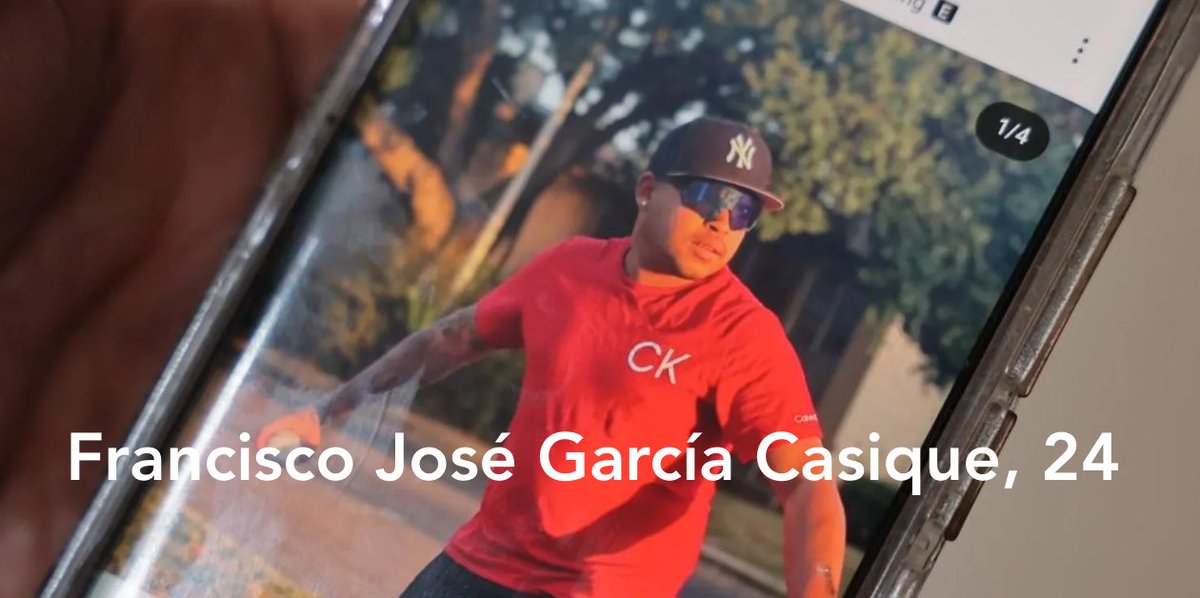
9/10: Here are the names of the Venezuelans deported by the U.S. to El Salvador (via @CBSNews, @camiloreports, @annabellehanflg)
The names of Venezuelans deported to El Salvador
Agelviz Sanguino, Widmer Josneyder
Aguilar Rodriguez, Nolberto Rafael
Aguilera Aguero, Gustavo Adolfo
Albornoz-Quintero, Henrry
Alvarado Borges, Neri
Angulo-Aparicio, Jinder
Aray-Cardona, Jose
Arregoces Rincon, Jose
Azuaje Perez, Nixon Jose
Barreto Villegas, Rolando
Bastidas Venegas, Jose
Basulto-Salinas, Marcos
Batista-Arias, Elvis
Belloso Fuenmayor, Alirio
Benavides Rivas, Yornel Santiago
Blanco-Bonilla, Andry
Blanco-Marin, Angel
Bolivar Cruz, Angel
Bracho Gomez, Victor
Brazon-Lezama, Javiar
Briceno-Gonzalez, Jose
Briceno-Gonzalez, Jean
Bustamante-Dominguez, Robert
Cabrera-Rico, David
Canizalez Arteaga, Carlos
Caraballo Tiapa, Franco
Cardenas-Silva, Johan
Carmona Bastista, Yorbi
Carmona Hernandez, Jose
Cedeno Contreras, Bruce Embelgert
Cedeno-Gil, Andrys
Chacin Gomez, Jhon
Chirinos Romero, Wild
Chivico Medina, Carlos
Colina Arguelles, Rosme
Colina Caseres, Miguel
Colina-Suarez, Alejandro
Colmenares Solorzano, Leonardo Jose
Colmenarez Abreu, Aldo
Contreras-Gonzalez, Yordano
Cornejo Pulgar, Frizgeralth De Jesus
Corrales-Moreno, Emilio
Davila Fernanadez, Luis
Delgado Pina, Aldrin
Depablos Requena, Jheison
Diaz-Lugo, Kleiver
Duarte Rodriguez, Richard
Duran Perez, Joseph Gregory
Echavez-Paz, Leonel
Elista-Jimenez, Robert
Escalona Carrizo, Yender
Escalona Sevilla, Angelo
Escobar Blanco, Pedro
Escobar Falcon, Yolfran
Fernandez Sanchez, Julio Rafael
Fernandez, Yohan
Fernandez-Subero, Mikael
Flores Jimenez, Wilken Rafael
Flores Rodriguez, Jose
Flores-Lopez, Jose
Fonseca Daboin, Cristhofer
Fuenmayor-Crespo, Roneil
Garcia Casique, Francisco
Garcia Prado, Leonardo
Giron Maurera, Richard
Gonzalez Troconis, Julio
Gonzalez Frailan, Jose Leon
Gonzalez Fuenmayor, Angel Jesus
Gonzalez Pineda, Oscar
Gonzalez-Rodriguez, Charlie
Graterol-Farias, Winder
Gualdron Gualdron, Luis
Gualtero Quiroz, Deibin
Guerrero Padron, Keivy
Guevara Munoz, Wilvenson
Guiterrez-Sierra, Wilker
Gutierrez Flores, Merwil
Hernandez Carache, Yeison
Hernandez Carache, Darwin Gerardo
Hernandez Herrera, Edwuar Jose
Hernandez-Hernandez, Jhonnael
Hernandez Gonzalez, Manuel
Hernandez Hernandez, Angel
Hernandez Juarez, Yorby
Hernandez Romero, Andry
Hueck Escobar, Jesus
Hung Mendoza, Jordan
Hurtado Quevedo, Eddie Adolfo
Indriago-Alvarez, Donovan
Izaguirre-Granado, Randy
Jaimes-Rincon, Yeison
Jerez-Hernandez, Yohendry
Justo Garcia, Jose
Laya-Freites, Jefferson
Leal-Bautista, Keiber
Leal-Estrada, Kervin
Lemus Cagua, Diego
Lizcano-Basto, Josue
Lopez Bolivar, Jose
Lopez Lizano, Maikol
Lopez-Rodriguez, Geomar
Lozada Sanchez, Wuilliam
Lozano-Camargo, Daniel
Lugo Zavala, Johendry
Lugo-Acosta, Yermain
Machado Martinez, Onaiker
Machado-Rodriguez, Jose
Manrique, Edson
Manzo Lovera, Lainerke
Marcano Silva, Luis
Marea-Medina, Ronald
Marin Zambrano, Jhonervi Josue
Marquez Pena, Jose
Marrufo Hernandez, Uriel David
Martinez Vargas, Kerbin
Martinez Vegas, Rafael
Martinez-Borrego, Tito
Martinez-Gonzalez, Yohangel
Mata Fornerino, Wilfredo Jose
Mata-Ribeiro, Yoswaldo
Mathie Zavala, Hotsman Ricardo
Medina-Martinez, Alexis
Melendez Rojas, Edwin
Mendez Boyer, Alex
Mendez Mejias, Angel
Mendez-Gomez, Luis
Mendoz Nunez, Carlos
Mendoza Ortiz, Maikol Solier
Mendoza Pina, Jean Claude
Mendoza Ramirez, Jonathan
Mogollon Herrera, Henry
Molina-Acevedo, Roger
Montero Espinoza, Ervinson
Montilla-Rivas, Jose
Mora-Balzan, Jose
Morales-Rolon, Andres
Moreno-Camacho, Cristopher
Moreno-Ramirez, Maikel
Morillo-Pina, Luis
Moron Cabrera, Yuber
Munoz Pinto, Luis
Navas Vizcaya, Ali
Navas-Diaz, Obed
Nieto Contreras, Kevin
Nunez-Falcon, Luis
Olivera Rojas, Maikel
Orta-Campos, Junior
Ortega Garcia, Felix
Otero Valestrines, Luis
Palacios-Rebolledo, Leoner
Palencia-Benavides, Brayan
Parra Urbina, Eduard
Paz-Gonzalez, Daniel
Pena Mendez, Jose Antonio
Penaloza Chirinos, Ysqueibel Yonaiquer
Perez Perez, Cristian
Perez-Llovera, Juan
Perfecto La Rosa, Moises
Perozo-Colina, Carlos
Perozo-Palencia, Andy
Petit Findlay, Andersson Steven
Petterson Torres, Christean
Pineda Lezama, Jesus
Pinto Velasquez, Cristhian
Plaza-Carmona, Jonathan
Primoschitz Gonzalez, Albert
Querales Martinez, Anderson Jose
Quintero Chacon, Edicson
Ramirez Ramirez, Jonathan Miguel
Ramos Bastidas, Jose
Ramos Ramos, Juan Jose
Reyes Barrios, Jerce Egbunik
Reyes Mota, Frengel
Reyes Ollarvides, Ronald
Reyes-Villegas, Arlinzon
Rincon Bohorquez, Omar
Rincon-Rincon, Ringo
Rios Andrade, Jesus
Rivera Gonzalez, Luis
Rivero-Coroy, Jean
Rodriguez, Edwin
Rodriguez Goyo, Alejandro
Rodriguez Lugo, Luis Gustavo
Rodriguez Parra, Alber
Rodriguez Rojas, Kenlyn
Rodriguez-Da Silva, Fernando
Rojas, Deibys
Rojas-Mendoza, Miguel
Romero Chirinos, Ildemar Jesus
Romero Rivas, Erick
Roos Ortega, Jesus
Rosal-Gelvez, Hector
Rubio-Petrola, Jose
Saavedra-Caruci, Robinson
Salazar-Cuervo, Pedro Luis
Sanchez Bigott, Yorbis
Sanchez Paredes, Idenis
Sanchez-Arteaga, Fernando
Sanchez-Bermudez, Marco
Santiago Ascanio, Ronald
Sarabia Gonzalez, Anyelo
Semeco Revilla, Darwin Xavier
Sierra Cano, Anyelo
Silva Casares, Jason Alfredo
Silva Freites, Carlos Julio
Silva-Ramirez, Aaron
Soto Manzana, Omar
Suarez-Fuentes, Joen
Suarez-Nunez, Luis
Suarez-Salas, Nery
Suarez-Trejo, Arturo
Tapia Colina, Jesus
Teran Aguilar, Carlos
Testa Leon, Orlando Jesus
Toro Noguera, Yonel
Torrealba Torrealba, Yonathan
Torres Archila, Amber
Torres Herrera, Euder Jose
Torres-Polanco, Carlos
Tortosa Guedez, Jorge
Tovar-Marcano, Cesar
Travieso Gonzalez, Kleiver
Troconis Gonzalez, Yhon Deivis
Uzcategui Vielma, Carlos
Vaamondes Barrios, Miguel
Vargas Lugo, Henry
Vazquez Morillo, Nicola
Vega Sandia, Wilmer
Vera Villamizar, Wladimir
Villa-Montano, Enson
Villafranca Rincones, Carlos Eduardo
Villegas-Frites, Ilels
Yamarte-Fernandez, Mervin
Yanez-Arangure, Luis
Zabaleta-Morillo, Keiber
Zambrano Perez, Julio
Zambrano Torrealba, Gabriel
Zarraga Rosales, Jorge
The names of Venezuelans deported to El Salvador
Agelviz Sanguino, Widmer Josneyder
Aguilar Rodriguez, Nolberto Rafael
Aguilera Aguero, Gustavo Adolfo
Albornoz-Quintero, Henrry
Alvarado Borges, Neri
Angulo-Aparicio, Jinder
Aray-Cardona, Jose
Arregoces Rincon, Jose
Azuaje Perez, Nixon Jose
Barreto Villegas, Rolando
Bastidas Venegas, Jose
Basulto-Salinas, Marcos
Batista-Arias, Elvis
Belloso Fuenmayor, Alirio
Benavides Rivas, Yornel Santiago
Blanco-Bonilla, Andry
Blanco-Marin, Angel
Bolivar Cruz, Angel
Bracho Gomez, Victor
Brazon-Lezama, Javiar
Briceno-Gonzalez, Jose
Briceno-Gonzalez, Jean
Bustamante-Dominguez, Robert
Cabrera-Rico, David
Canizalez Arteaga, Carlos
Caraballo Tiapa, Franco
Cardenas-Silva, Johan
Carmona Bastista, Yorbi
Carmona Hernandez, Jose
Cedeno Contreras, Bruce Embelgert
Cedeno-Gil, Andrys
Chacin Gomez, Jhon
Chirinos Romero, Wild
Chivico Medina, Carlos
Colina Arguelles, Rosme
Colina Caseres, Miguel
Colina-Suarez, Alejandro
Colmenares Solorzano, Leonardo Jose
Colmenarez Abreu, Aldo
Contreras-Gonzalez, Yordano
Cornejo Pulgar, Frizgeralth De Jesus
Corrales-Moreno, Emilio
Davila Fernanadez, Luis
Delgado Pina, Aldrin
Depablos Requena, Jheison
Diaz-Lugo, Kleiver
Duarte Rodriguez, Richard
Duran Perez, Joseph Gregory
Echavez-Paz, Leonel
Elista-Jimenez, Robert
Escalona Carrizo, Yender
Escalona Sevilla, Angelo
Escobar Blanco, Pedro
Escobar Falcon, Yolfran
Fernandez Sanchez, Julio Rafael
Fernandez, Yohan
Fernandez-Subero, Mikael
Flores Jimenez, Wilken Rafael
Flores Rodriguez, Jose
Flores-Lopez, Jose
Fonseca Daboin, Cristhofer
Fuenmayor-Crespo, Roneil
Garcia Casique, Francisco
Garcia Prado, Leonardo
Giron Maurera, Richard
Gonzalez Troconis, Julio
Gonzalez Frailan, Jose Leon
Gonzalez Fuenmayor, Angel Jesus
Gonzalez Pineda, Oscar
Gonzalez-Rodriguez, Charlie
Graterol-Farias, Winder
Gualdron Gualdron, Luis
Gualtero Quiroz, Deibin
Guerrero Padron, Keivy
Guevara Munoz, Wilvenson
Guiterrez-Sierra, Wilker
Gutierrez Flores, Merwil
Hernandez Carache, Yeison
Hernandez Carache, Darwin Gerardo
Hernandez Herrera, Edwuar Jose
Hernandez-Hernandez, Jhonnael
Hernandez Gonzalez, Manuel
Hernandez Hernandez, Angel
Hernandez Juarez, Yorby
Hernandez Romero, Andry
Hueck Escobar, Jesus
Hung Mendoza, Jordan
Hurtado Quevedo, Eddie Adolfo
Indriago-Alvarez, Donovan
Izaguirre-Granado, Randy
Jaimes-Rincon, Yeison
Jerez-Hernandez, Yohendry
Justo Garcia, Jose
Laya-Freites, Jefferson
Leal-Bautista, Keiber
Leal-Estrada, Kervin
Lemus Cagua, Diego
Lizcano-Basto, Josue
Lopez Bolivar, Jose
Lopez Lizano, Maikol
Lopez-Rodriguez, Geomar
Lozada Sanchez, Wuilliam
Lozano-Camargo, Daniel
Lugo Zavala, Johendry
Lugo-Acosta, Yermain
Machado Martinez, Onaiker
Machado-Rodriguez, Jose
Manrique, Edson
Manzo Lovera, Lainerke
Marcano Silva, Luis
Marea-Medina, Ronald
Marin Zambrano, Jhonervi Josue
Marquez Pena, Jose
Marrufo Hernandez, Uriel David
Martinez Vargas, Kerbin
Martinez Vegas, Rafael
Martinez-Borrego, Tito
Martinez-Gonzalez, Yohangel
Mata Fornerino, Wilfredo Jose
Mata-Ribeiro, Yoswaldo
Mathie Zavala, Hotsman Ricardo
Medina-Martinez, Alexis
Melendez Rojas, Edwin
Mendez Boyer, Alex
Mendez Mejias, Angel
Mendez-Gomez, Luis
Mendoz Nunez, Carlos
Mendoza Ortiz, Maikol Solier
Mendoza Pina, Jean Claude
Mendoza Ramirez, Jonathan
Mogollon Herrera, Henry
Molina-Acevedo, Roger
Montero Espinoza, Ervinson
Montilla-Rivas, Jose
Mora-Balzan, Jose
Morales-Rolon, Andres
Moreno-Camacho, Cristopher
Moreno-Ramirez, Maikel
Morillo-Pina, Luis
Moron Cabrera, Yuber
Munoz Pinto, Luis
Navas Vizcaya, Ali
Navas-Diaz, Obed
Nieto Contreras, Kevin
Nunez-Falcon, Luis
Olivera Rojas, Maikel
Orta-Campos, Junior
Ortega Garcia, Felix
Otero Valestrines, Luis
Palacios-Rebolledo, Leoner
Palencia-Benavides, Brayan
Parra Urbina, Eduard
Paz-Gonzalez, Daniel
Pena Mendez, Jose Antonio
Penaloza Chirinos, Ysqueibel Yonaiquer
Perez Perez, Cristian
Perez-Llovera, Juan
Perfecto La Rosa, Moises
Perozo-Colina, Carlos
Perozo-Palencia, Andy
Petit Findlay, Andersson Steven
Petterson Torres, Christean
Pineda Lezama, Jesus
Pinto Velasquez, Cristhian
Plaza-Carmona, Jonathan
Primoschitz Gonzalez, Albert
Querales Martinez, Anderson Jose
Quintero Chacon, Edicson
Ramirez Ramirez, Jonathan Miguel
Ramos Bastidas, Jose
Ramos Ramos, Juan Jose
Reyes Barrios, Jerce Egbunik
Reyes Mota, Frengel
Reyes Ollarvides, Ronald
Reyes-Villegas, Arlinzon
Rincon Bohorquez, Omar
Rincon-Rincon, Ringo
Rios Andrade, Jesus
Rivera Gonzalez, Luis
Rivero-Coroy, Jean
Rodriguez, Edwin
Rodriguez Goyo, Alejandro
Rodriguez Lugo, Luis Gustavo
Rodriguez Parra, Alber
Rodriguez Rojas, Kenlyn
Rodriguez-Da Silva, Fernando
Rojas, Deibys
Rojas-Mendoza, Miguel
Romero Chirinos, Ildemar Jesus
Romero Rivas, Erick
Roos Ortega, Jesus
Rosal-Gelvez, Hector
Rubio-Petrola, Jose
Saavedra-Caruci, Robinson
Salazar-Cuervo, Pedro Luis
Sanchez Bigott, Yorbis
Sanchez Paredes, Idenis
Sanchez-Arteaga, Fernando
Sanchez-Bermudez, Marco
Santiago Ascanio, Ronald
Sarabia Gonzalez, Anyelo
Semeco Revilla, Darwin Xavier
Sierra Cano, Anyelo
Silva Casares, Jason Alfredo
Silva Freites, Carlos Julio
Silva-Ramirez, Aaron
Soto Manzana, Omar
Suarez-Fuentes, Joen
Suarez-Nunez, Luis
Suarez-Salas, Nery
Suarez-Trejo, Arturo
Tapia Colina, Jesus
Teran Aguilar, Carlos
Testa Leon, Orlando Jesus
Toro Noguera, Yonel
Torrealba Torrealba, Yonathan
Torres Archila, Amber
Torres Herrera, Euder Jose
Torres-Polanco, Carlos
Tortosa Guedez, Jorge
Tovar-Marcano, Cesar
Travieso Gonzalez, Kleiver
Troconis Gonzalez, Yhon Deivis
Uzcategui Vielma, Carlos
Vaamondes Barrios, Miguel
Vargas Lugo, Henry
Vazquez Morillo, Nicola
Vega Sandia, Wilmer
Vera Villamizar, Wladimir
Villa-Montano, Enson
Villafranca Rincones, Carlos Eduardo
Villegas-Frites, Ilels
Yamarte-Fernandez, Mervin
Yanez-Arangure, Luis
Zabaleta-Morillo, Keiber
Zambrano Perez, Julio
Zambrano Torrealba, Gabriel
Zarraga Rosales, Jorge
10/10: If you are not following us, please do. We would appreciate it. Thank you. 🧵

• • •
Missing some Tweet in this thread? You can try to
force a refresh