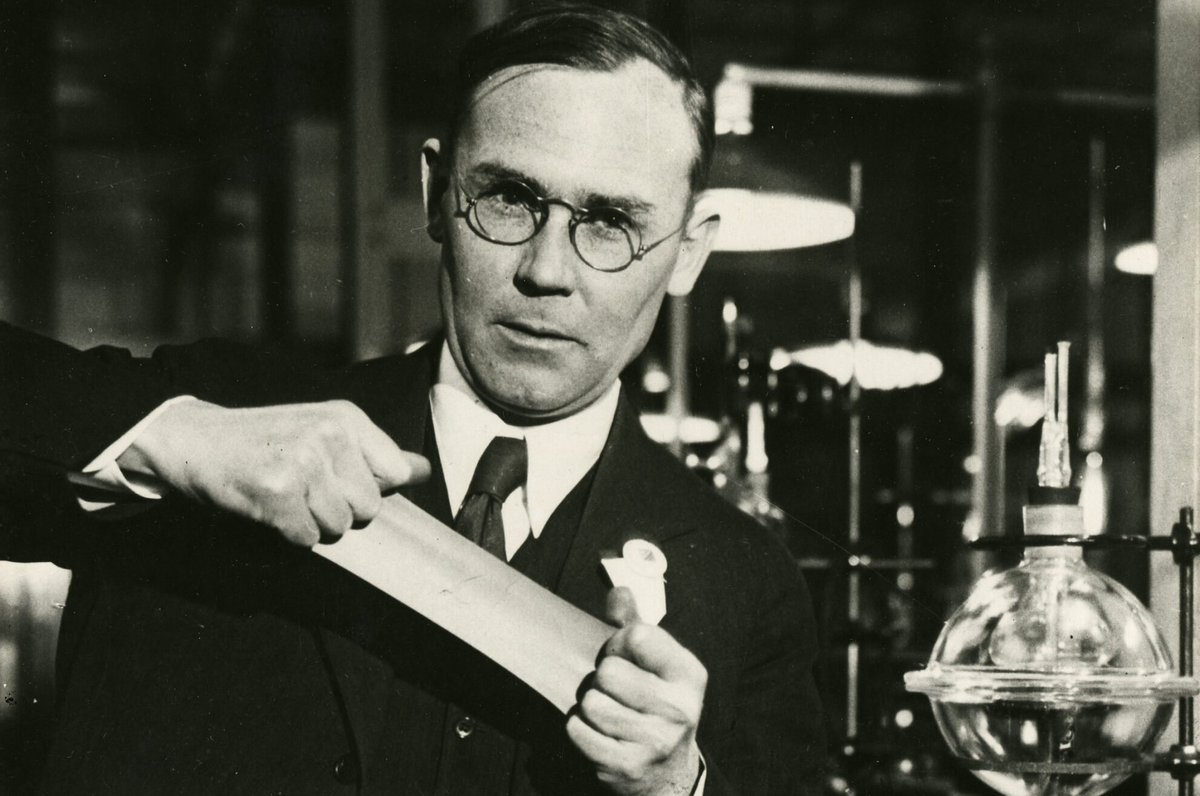
In 1919, a silent killer swept through New York.
Scientists warned: one teaspoon causes blindness - one glass brings death.
But people continued to drink it.
Here's how the U.S. government created the most lethal poison epidemic in history (killing 10.000):
Scientists warned: one teaspoon causes blindness - one glass brings death.
But people continued to drink it.
Here's how the U.S. government created the most lethal poison epidemic in history (killing 10.000):
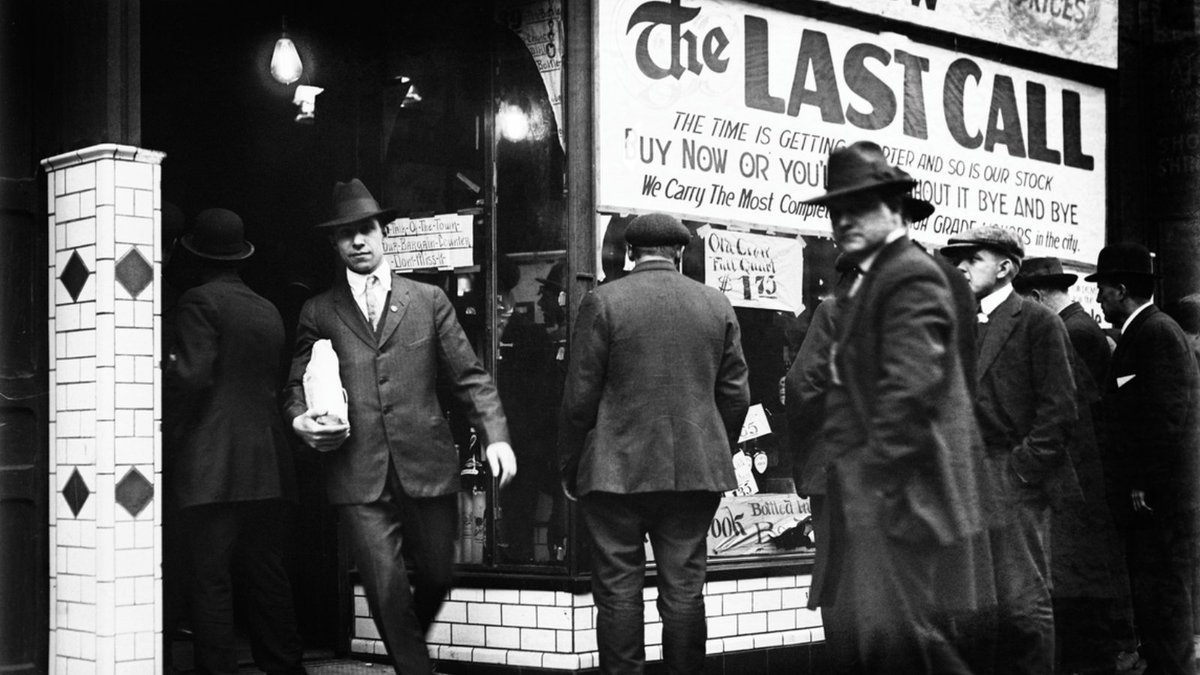
In January 1919, the 18th Amendment was ratified.
It prohibited alcohol production and sales across America.
But demand remained strong.
This created a massive black market for bootleg liquor...
It prohibited alcohol production and sales across America.
But demand remained strong.
This created a massive black market for bootleg liquor...
With legal sources gone, bootleggers turned to industrial alcohols, like wood alcohol.
But wood alcohol (methanol) turns into formaldehyde and formic acid in the body.
These lead to blindness, organ failure and death.
Why were so many drinking this poison?
But wood alcohol (methanol) turns into formaldehyde and formic acid in the body.
These lead to blindness, organ failure and death.
Why were so many drinking this poison?
Industrial alcohol was still legal - used for manufacturing, cleaning, and other purposes.
Bootleggers bought this alcohol, redistilled it (to remove toxic additives) and then sold it.
In 1926 the U.S. Treasury made a fateful decision that would cost thousands of lives:
Bootleggers bought this alcohol, redistilled it (to remove toxic additives) and then sold it.
In 1926 the U.S. Treasury made a fateful decision that would cost thousands of lives:
They deliberately increased the toxicity of industrial alcohols to discourage their consumption.
By adding toxic chemicals like benzene, kerosene and even formaldehyde.
Their goal wasn't just to sicken – but to kill...
By adding toxic chemicals like benzene, kerosene and even formaldehyde.
Their goal wasn't just to sicken – but to kill...
A Treasury official coldly stated:
"The person who drinks this industrial alcohol...is a deliberate suicide."
But this did not stop bootleggers - in 1926, they diverted about 60 million gallons of alcohol.
The results were catastrophic:
"The person who drinks this industrial alcohol...is a deliberate suicide."
But this did not stop bootleggers - in 1926, they diverted about 60 million gallons of alcohol.
The results were catastrophic:
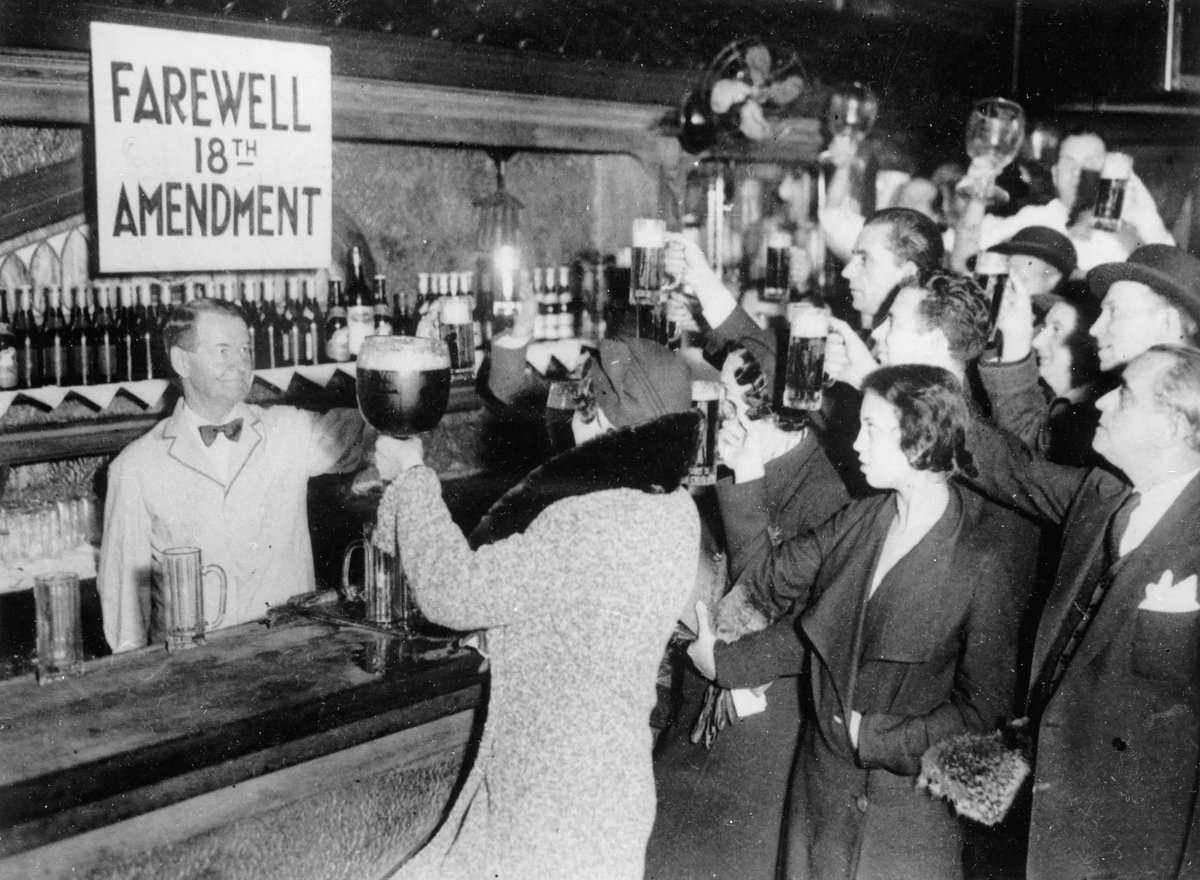
In 1926 alone, poisoned alcohol sickened 1,200 New Yorkers and killed 400.
The following year, NYC deaths rose to 700.
Christmas 1926 was devastating, with 23 deaths in just two days.
Here's where the story turns even darker...
The following year, NYC deaths rose to 700.
Christmas 1926 was devastating, with 23 deaths in just two days.
Here's where the story turns even darker...
When confronted with the death toll, the government did not retract - it doubled down.
"Government isn't obligated to furnish drinkable alcohol when the Constitution prohibits it."
They saw these deaths as necessary deterrents...
"Government isn't obligated to furnish drinkable alcohol when the Constitution prohibits it."
They saw these deaths as necessary deterrents...
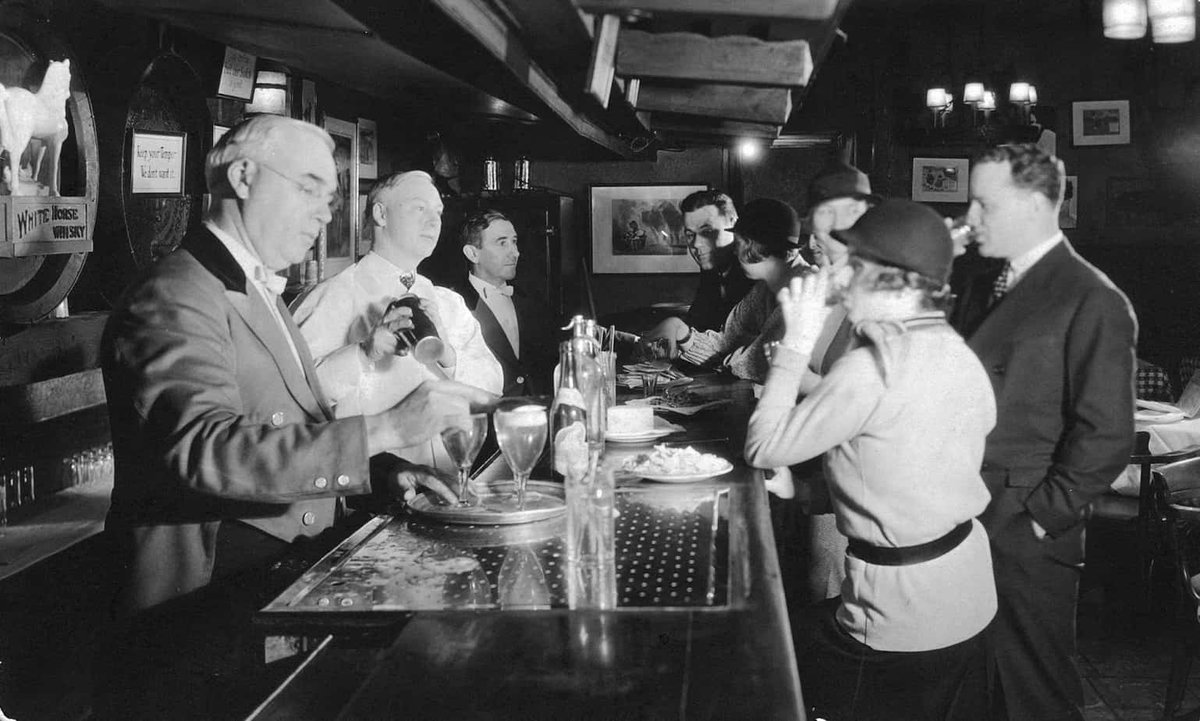
Meanwhile, the chemical industry boomed:
• Industrial alcohol production jumped from 28M gallons in 1920 to 90M by 1925
• Companies profited selling to both industry and denaturing programs
The human stories are heartbreaking:
• Industrial alcohol production jumped from 28M gallons in 1920 to 90M by 1925
• Companies profited selling to both industry and denaturing programs
The human stories are heartbreaking:
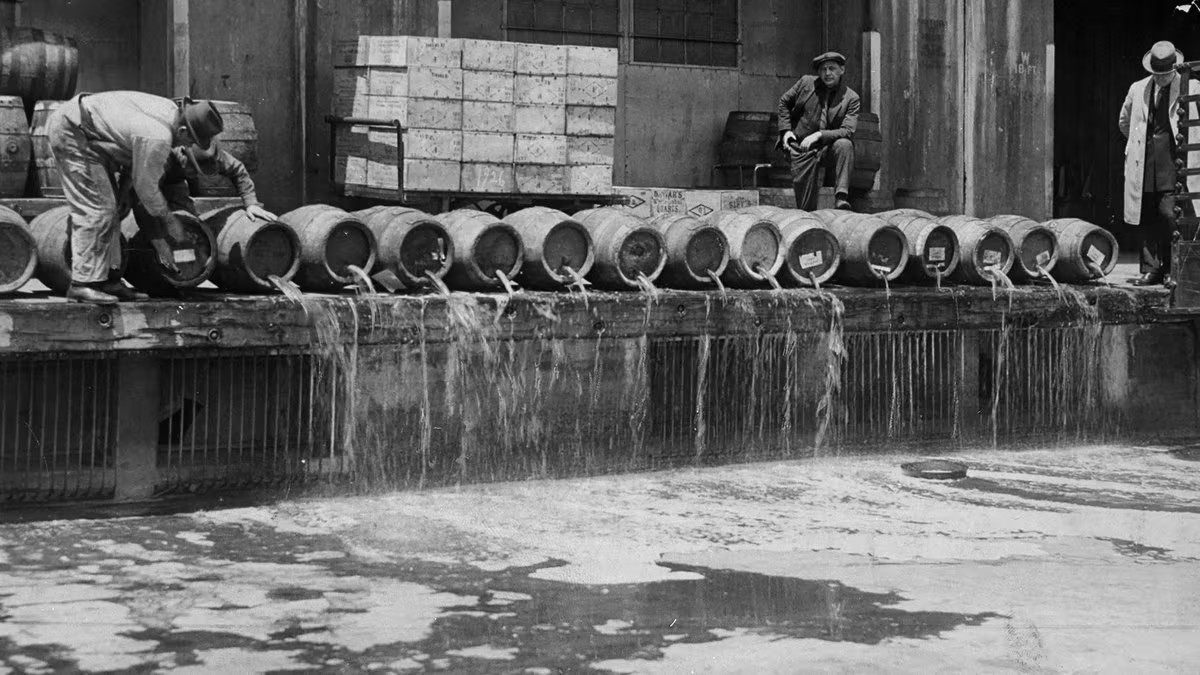
Jazz legend Bix Beiderbecke drank poisoned alcohol in 1928 and never recovered.
He survived initially, but his weakened body succumbed to pneumonia two years later.
Working class communities suffered most...
He survived initially, but his weakened body succumbed to pneumonia two years later.
Working class communities suffered most...
They were consuming cheaper bootleg liquor.
By 1933 Prohibition ended.
The government-endorsed poisoning had claimed over 10,000 American lives.
This tragedy led to stronger regulations:
By 1933 Prohibition ended.
The government-endorsed poisoning had claimed over 10,000 American lives.
This tragedy led to stronger regulations:
The Federal Alcohol Administration Act of 1935 established strict standards for alcohol production.
The Food, Drug, and Cosmetic Act of 1938 gave FDA broader powers to ensure consumer safety.
While prohibition's poisonings represent a stunning failure of government policy...
The Food, Drug, and Cosmetic Act of 1938 gave FDA broader powers to ensure consumer safety.
While prohibition's poisonings represent a stunning failure of government policy...
They offer a powerful lesson.
When we ignore scientific expertise in favor of misguided policies - the consequences can be devastating.
This resonates deeply with me, as I work to transform one of the most important industries that exist today:
When we ignore scientific expertise in favor of misguided policies - the consequences can be devastating.
This resonates deeply with me, as I work to transform one of the most important industries that exist today:
The $6T chemicals industry is the invisible backbone of modern civilization.
It's in every product you touch, every building you enter, and every vehicle you ride.
And we now have the technology to reinvent this critical sector...
It's in every product you touch, every building you enter, and every vehicle you ride.
And we now have the technology to reinvent this critical sector...
At Solugen, we're revolutionizing how essential chemicals are made.
Our enzymatic reactions achieve 96% yields (vs. 60% industry average) while eliminating toxic byproducts.
It's the difference between 1919's wood alcohol and today's precision manufacturing...
Our enzymatic reactions achieve 96% yields (vs. 60% industry average) while eliminating toxic byproducts.
It's the difference between 1919's wood alcohol and today's precision manufacturing...
But chemical manufacturing processes is just one challenge - next there's outdated logistics.
Huge factories far from customers.
We're solving this problem in the same way mini-mills revolutionized steel manufacturing:
Huge factories far from customers.
We're solving this problem in the same way mini-mills revolutionized steel manufacturing:
Solugen's Bioforges - a network of smaller, cleaner chemical facilities that allows us to:
• slash costs
• increase efficiency, and
• speed up product delivery
This is how we're bringing critical manufacturing back to American soil...
• slash costs
• increase efficiency, and
• speed up product delivery
This is how we're bringing critical manufacturing back to American soil...
Follow me @GaurabC for insights on:
• Building the Tesla of chemicals
• Industrial innovation opportunities
• Bringing manufacturing back to the U.S.
Let's strengthen America's backbone: the chemicals industry.
• Building the Tesla of chemicals
• Industrial innovation opportunities
• Bringing manufacturing back to the U.S.
Let's strengthen America's backbone: the chemicals industry.
https://twitter.com/18433952/status/1907828600931537345
Learn how @solugen is reinventing the $6T chemicals industry.
I sat down with @BaillieGifford to discuss:
• Building carbon-negative cities
• The path to cleaner, safer materials
• The future of distributed manufacturing
Full episode:
I sat down with @BaillieGifford to discuss:
• Building carbon-negative cities
• The path to cleaner, safer materials
• The future of distributed manufacturing
Full episode:
Video credits (YouTube):
• Prohibition: America on the Rocks | Historical Documentary | Lucasfilm
• What happened when the United States banned alcohol - Rod Phillips
• U.S. Prohibition (1920-33)
• A Man Drank 2 Liters Moonshine In 2 Hours. This Is What Happened To His Eyes.
• Prohibition: America on the Rocks | Historical Documentary | Lucasfilm
• What happened when the United States banned alcohol - Rod Phillips
• U.S. Prohibition (1920-33)
• A Man Drank 2 Liters Moonshine In 2 Hours. This Is What Happened To His Eyes.
• • •
Missing some Tweet in this thread? You can try to
force a refresh