🚨 Just released: @RadiantEnergyG 's latest polling on U.S. public attitudes toward clean energy surveyed over 20,000 people across 23 states.
The most striking divide in nuclear energy opinion? Gender.
In our data, the gap between men and women’s views on nuclear power is larger than the differences found between political affiliation, age, education, or race.
The most striking divide in nuclear energy opinion? Gender.
In our data, the gap between men and women’s views on nuclear power is larger than the differences found between political affiliation, age, education, or race.

Men's support for nuclear energy varies widely depending on factors like:
- Income
- Party affiliation
- Age
- Race
- Education level
But women? Far less-divided demographically. Across the board, they just don’t like it.
- Income
- Party affiliation
- Age
- Race
- Education level
But women? Far less-divided demographically. Across the board, they just don’t like it.


To put this into perspective:
🔹 Net support for nuclear among Republicans: +26%
🔹 Among Democrats: +4%
Yet Republican women have lower support than Democratic men. That’s how deep the gender divide runs.
🔹 Net support for nuclear among Republicans: +26%
🔹 Among Democrats: +4%
Yet Republican women have lower support than Democratic men. That’s how deep the gender divide runs.

Many are quick to attribute the gap to a lack of information — or even widespread misinformation.
However, previous research testing the “knowledge gap” hypothesis suggests it doesn’t actually explain the difference in support.
I have my hypotheses, but without deeper inquiry, they remain guesses. Regardless, something is going on here, and it needs careful, thoughtful exploration.
However, previous research testing the “knowledge gap” hypothesis suggests it doesn’t actually explain the difference in support.
I have my hypotheses, but without deeper inquiry, they remain guesses. Regardless, something is going on here, and it needs careful, thoughtful exploration.
Why does this matter? Because women make up 50% of the population. And public sentiment matters a lot.
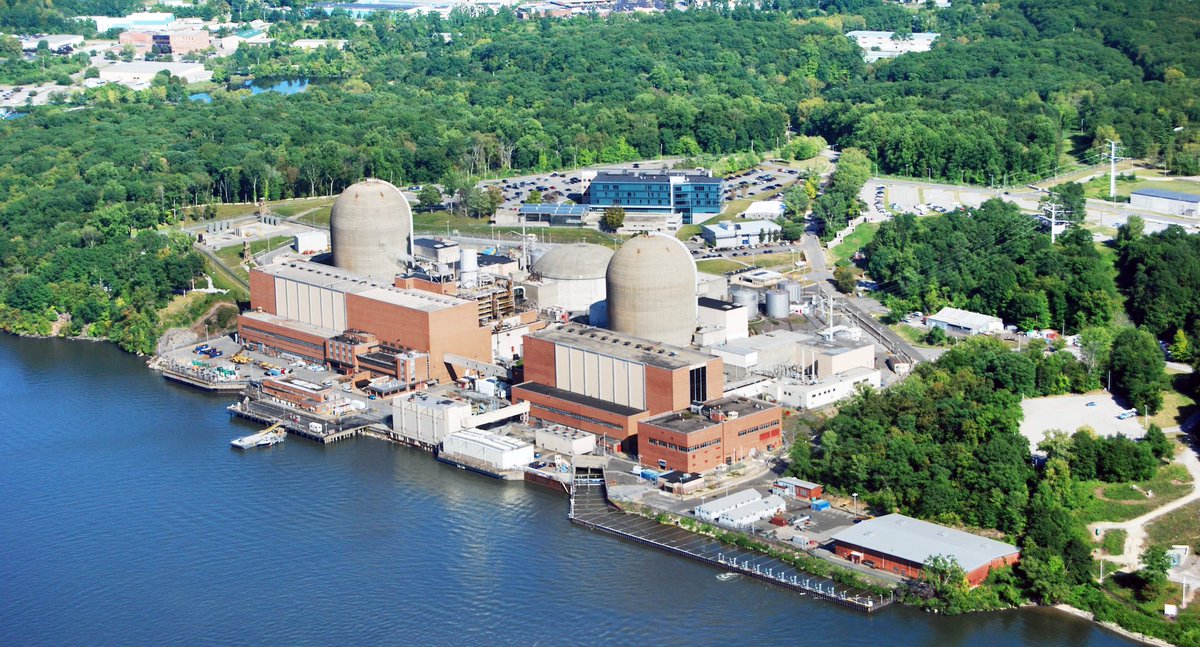
Public opposition can derail new projects and force the early shutdown of economical, operational nuclear plants (as seen with Indian Point).
Policymakers closely watch public sentiment to gauge which energy policies are politically viable — and which are too toxic to touch.
Without broad support, even the best ideas can stall.
Public opposition can derail new projects and force the early shutdown of economical, operational nuclear plants (as seen with Indian Point).
Policymakers closely watch public sentiment to gauge which energy policies are politically viable — and which are too toxic to touch.
Without broad support, even the best ideas can stall.
Big tech companies like Amazon, Google, Meta, and NVIDIA are starting to pursue nuclear power to meet the soaring energy demands of AI and new data centers. In response, states are overturning nuclear moratoria to position themselves for these investments.
But without broad public support, these plans remain precarious.
More work is needed to understand the factors shaping women's views on nuclear energy — and how to meaningfully engage with their concerns to build broader support.
Nuclear stakeholders and advocates can’t afford to ignore this divide.
But without broad public support, these plans remain precarious.
More work is needed to understand the factors shaping women's views on nuclear energy — and how to meaningfully engage with their concerns to build broader support.
Nuclear stakeholders and advocates can’t afford to ignore this divide.
Visit our website to read the full report, explore the data with interactive charts, see what people in your ZIP code think about clean energy — and try the survey yourself!
radiantenergygroup.com/reports/us-pub…
radiantenergygroup.com/reports/us-pub…
• • •
Missing some Tweet in this thread? You can try to
force a refresh