
"They don't build them like they used to."
X is filled with takes on the quality of modern residential construction, with the assertion typically being that it was better in the past.
I think that this is partially true, mostly wrong, and misses some key points.
🧵
X is filled with takes on the quality of modern residential construction, with the assertion typically being that it was better in the past.
I think that this is partially true, mostly wrong, and misses some key points.
🧵

1. Survivorship Bias
The houses from the past that people see today are the ones that have survived depreciation, aging, abandonment, and natural disaster. Their owners over the years have felt that they were worth the effort and cost to maintain them.
The houses from the past that people see today are the ones that have survived depreciation, aging, abandonment, and natural disaster. Their owners over the years have felt that they were worth the effort and cost to maintain them.

These homes are usually timelessly beautiful and in enduringly desirable locations, creating emotional bonds with owners over generations who feel a responsibility to maintain them.
A lot of these houses were also the homes of the Top 1% of society who could afford quality.
A lot of these houses were also the homes of the Top 1% of society who could afford quality.

Most houses throughout history did not enjoy this fate. The general rule of thumb is that roughly 1% of housing stock is demolished or abandoned per year, roughly turning over once per century.
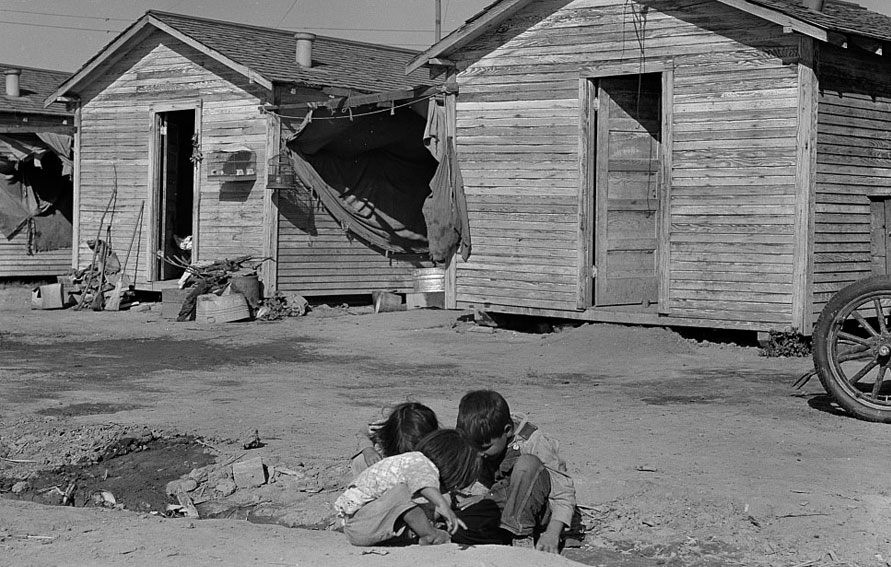
Homes from the past that are gone were usually of very, very poor quality.
Homes from the past that are gone were usually of very, very poor quality.
2. Building Science
Just like in the auto industry, the performance of houses has increased a hundredfold on every conceivable metric in the last hundred years. They are safer, more efficient, more durable, easier to maintain, more comfortable, and have longer lifespans.
Just like in the auto industry, the performance of houses has increased a hundredfold on every conceivable metric in the last hundred years. They are safer, more efficient, more durable, easier to maintain, more comfortable, and have longer lifespans.

2.1 Safety
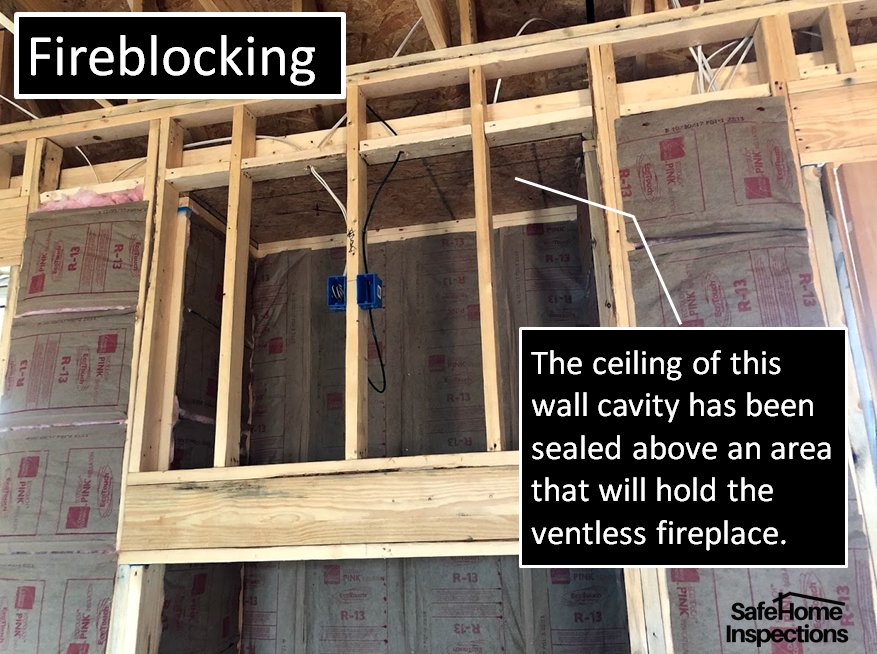
New framing methods like fireblocking prevent fires from quickly spreading between floors. Smoke alarms, sprinklers, egress requirements, and fire-rated partition walls have led to dramatic reductions in fire deaths.
New framing methods like fireblocking prevent fires from quickly spreading between floors. Smoke alarms, sprinklers, egress requirements, and fire-rated partition walls have led to dramatic reductions in fire deaths.
Both passive and active radon mitigation is built into many new homes. Furnaces and water heaters are vented better, reducing risk of carbon monoxide poisoning. We don't put lead or asbestos into building materials anymore. Tempered doors and windows reduce glass injuries.
2.2 Efficiency
The most complex part of a home is the building envelope, which needs to control for 1) water 2) air 3) vapor and 4) heat, while also allowing for light and ingress/egress.
We've seen dramatic improvements in building envelope construction over the years.
The most complex part of a home is the building envelope, which needs to control for 1) water 2) air 3) vapor and 4) heat, while also allowing for light and ingress/egress.
We've seen dramatic improvements in building envelope construction over the years.

Homes are much more airtight now than they were in the past. The most common complaint of people who live in old houses is how drafty they are. This makes them uncomfortable to live in and expensive to condition. Builders perform air tightness checks as part of code compliance.
2.3 Durability
Improvements in flashing and materials science has made the control of water and vapor much better as well.
Vapor movement between walls was poorly understood in the past, leading to rot and mold. Roofs and windows leak much less often now than they used to.
Improvements in flashing and materials science has made the control of water and vapor much better as well.
Vapor movement between walls was poorly understood in the past, leading to rot and mold. Roofs and windows leak much less often now than they used to.

2.4 Maintenance and Lifespan
New materials need less maintenance and have longer lifespans. We don't have to treat our wood shingles or clean coal soot off our walls every spring. There are dozens of examples of modern methods that don't need regular attention like in the past.
New materials need less maintenance and have longer lifespans. We don't have to treat our wood shingles or clean coal soot off our walls every spring. There are dozens of examples of modern methods that don't need regular attention like in the past.
Even the most entry level homes are better constructed from a performance perspective than they were in the past. But that's not what people mean when they criticize new construction.
What people correctly sense and are dismayed by are 1) bad aesthetics and 2) mass-production.
What people correctly sense and are dismayed by are 1) bad aesthetics and 2) mass-production.

3. Good Aesthetics
Very few production home builders have the knowledge of timeless architectural principles necessary to create a pleasing, beautiful single family home.
This also goes for the vast majority of low cost architects and home designers that the builders hire.
Very few production home builders have the knowledge of timeless architectural principles necessary to create a pleasing, beautiful single family home.
This also goes for the vast majority of low cost architects and home designers that the builders hire.

The men who run home building companies come from construction or business management backgrounds.
I would argue that they would *like* to build more beautiful entry level homes, but they believe that they are constrained by cost. Beauty to them is a function of cost.
I would argue that they would *like* to build more beautiful entry level homes, but they believe that they are constrained by cost. Beauty to them is a function of cost.
In reality, I think that they've largely strayed from the first principles of beautiful residential architecture that have been developed over centuries. Vernacular and simple local styles are cherished by homeowners for reasons that they don't completely understand.

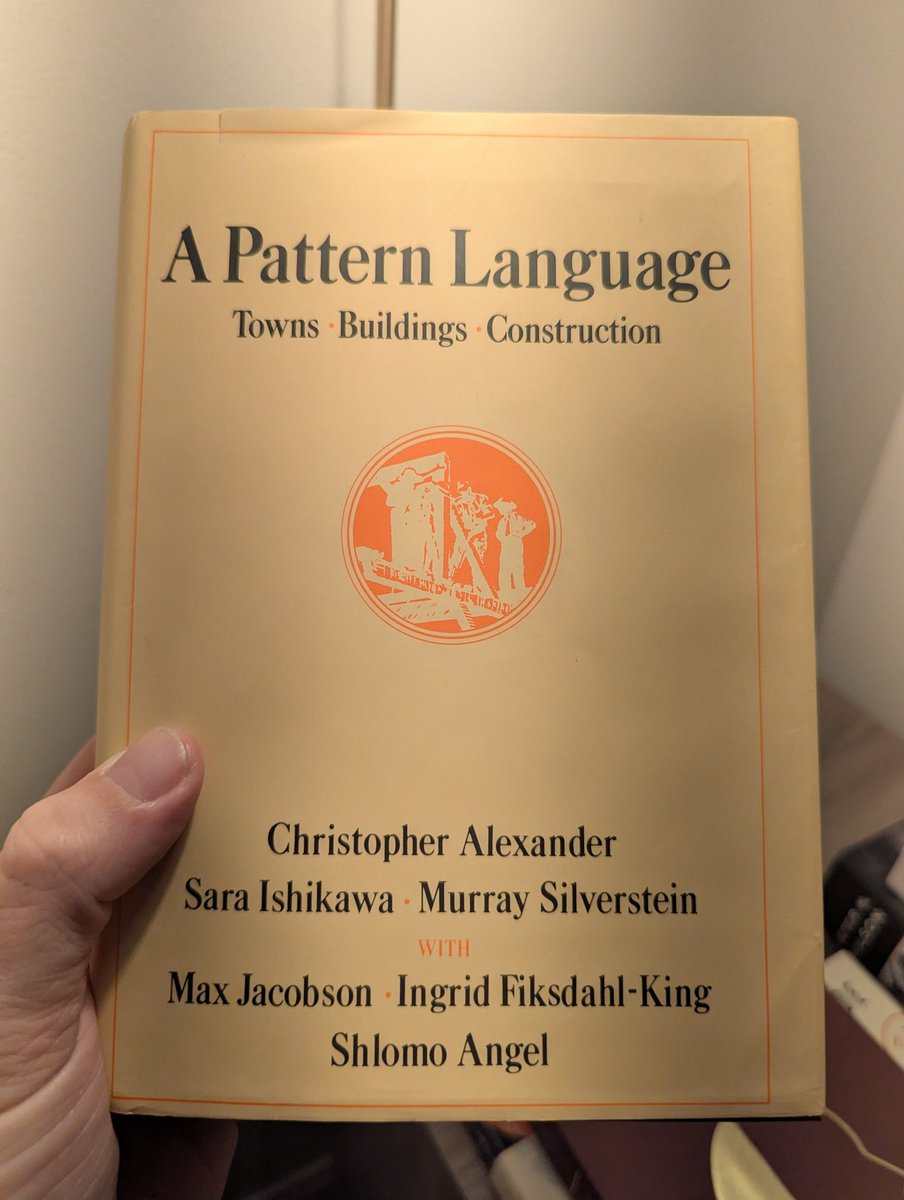
The book that really opened my eyes to this is A Pattern Language by Christopher Alexander. He lists hundreds of little rules, or patterns, that humans throughout history have naturally followed when building houses that make them delightful to the eye and pleasant to be in.
And most importantly, these things don't usually cost more. This is the essence of good aesthetics that is mostly missing in production home building.
Here are just a few examples I've turned to at random:
Here are just a few examples I've turned to at random:
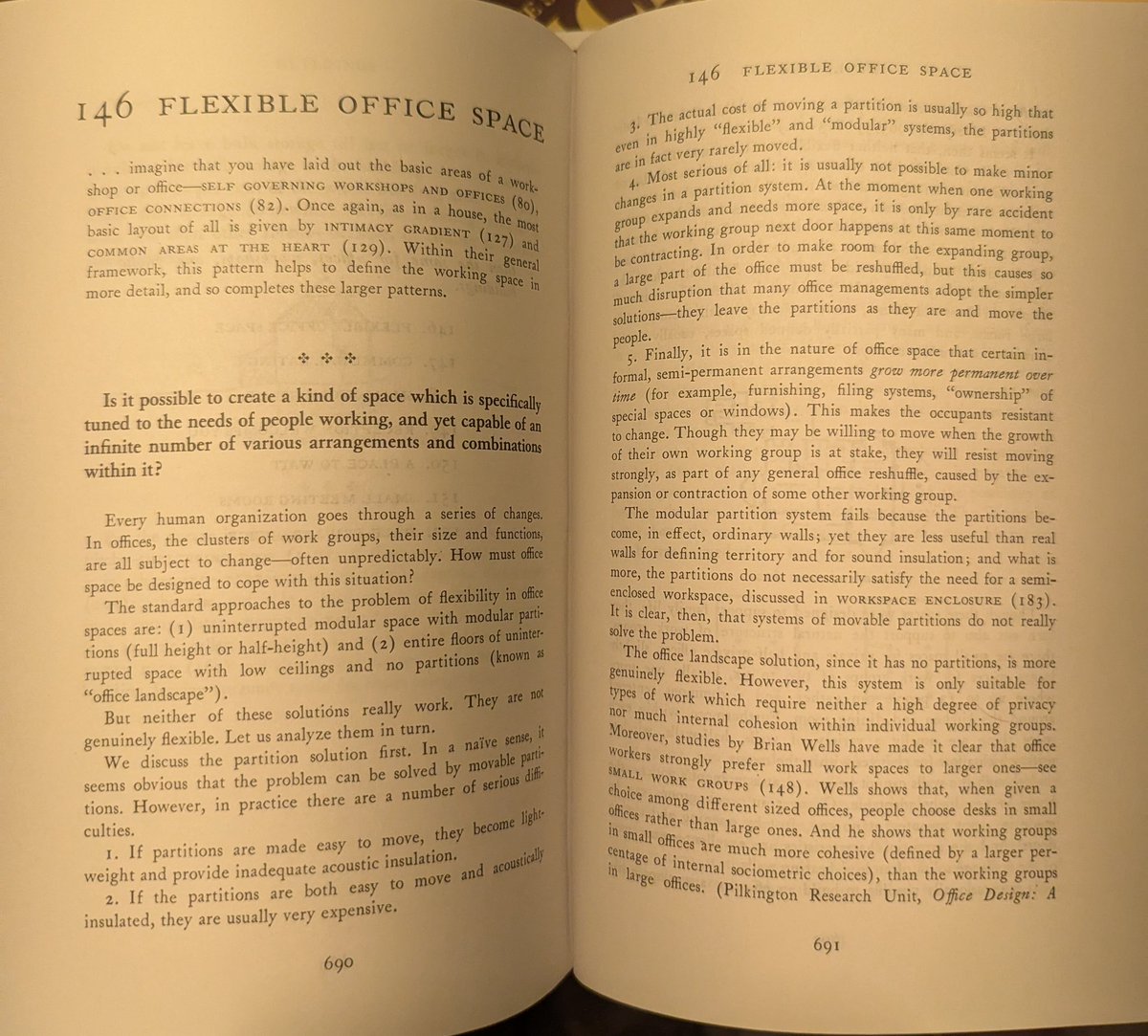


For example, one thing that immediately cheapens a house is a window with a flange that is screwed into the exterior sheathing, as is common in all new construction. Houses used to have thick walls and recessed windows. The flanged window is not timeless and it belies thin walls.


Roof pitches should be simple. Garages should be hidden or pushed as far to the rear as is practical. The 90s McMansion is mostly defined by its insane roofing made possible by prefabricated trusses held together by Simpson truss plates.
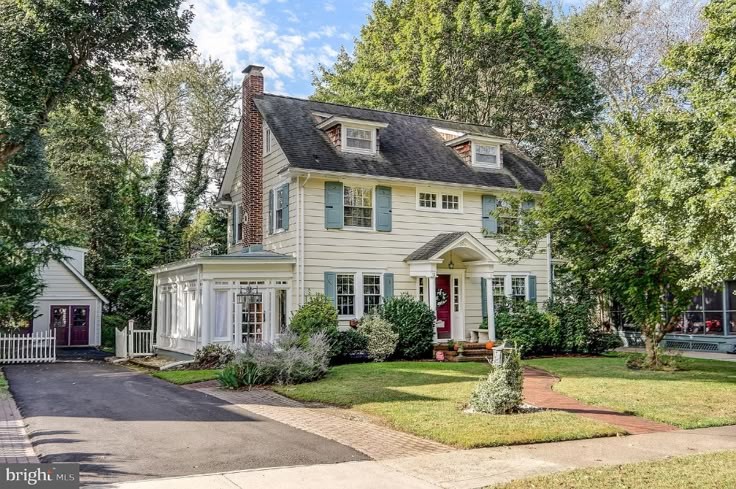

Really, a return to traditional and timeless architectural styles is all that's needed. Simple forms are better aesthetically. A production builder that can provide modern building performance paired with timeless American styles will dominate his competition.

4. Mass Production
Homes used to be built entirely by hand. If the goal is to build an affordable entry level house, then the hardest criticism to avoid is the mass produced nature of our homes. Here are my tips:
Select organic materials that have natural variation in them.
Homes used to be built entirely by hand. If the goal is to build an affordable entry level house, then the hardest criticism to avoid is the mass produced nature of our homes. Here are my tips:
Select organic materials that have natural variation in them.

Spend your budget on low cost, highly visible craftsmanship. Hands down the best place to do this is in finish carpentry. All sorts of interesting and customized designs can add charm and interest to a home for not very much money. Use paint! No gray!


Minimize your exposed drywall. Cover it up with panelling or wallpaper. Ceilings of different materials can make a huge difference. Wall finishes will give your home that handmade feel. If budget constrained, consider shrinking your square feet to accomodate these items.


We can still build affordable, high performance, highly custom homes. It just takes some effort.
Incorporate the latest building science.
Stick to simple traditional forms.
Follow ancient home building patterns.
Use organic materials.
Cover drywall.
Spend budget on finish work.
Incorporate the latest building science.
Stick to simple traditional forms.
Follow ancient home building patterns.
Use organic materials.
Cover drywall.
Spend budget on finish work.
• • •
Missing some Tweet in this thread? You can try to
force a refresh






