🔱 Is there a language so perfect it maps sound to the cosmos?
So logical, it works like code?
So sacred it's called the language of the gods?🛕
Yes. It’s Sanskrit.🕉️
A 🧵that might change how you see language forever👇
From NASA labs to Himalayan chants, here’s the story.
[1/10]
So logical, it works like code?
So sacred it's called the language of the gods?🛕
Yes. It’s Sanskrit.🕉️
A 🧵that might change how you see language forever👇
From NASA labs to Himalayan chants, here’s the story.
[1/10]

Sanskrit isn’t just a language—it’s a living vibration.
It wasn’t “invented” like English or French.
It was revealed that Brahman is a śabda, or sound, as a divine principle.
Spoken by sages, chanted in mantras, and mapped to the cosmos. 🌌
#Sanskrit
[2/10]
It wasn’t “invented” like English or French.
It was revealed that Brahman is a śabda, or sound, as a divine principle.
Spoken by sages, chanted in mantras, and mapped to the cosmos. 🌌
#Sanskrit
[2/10]

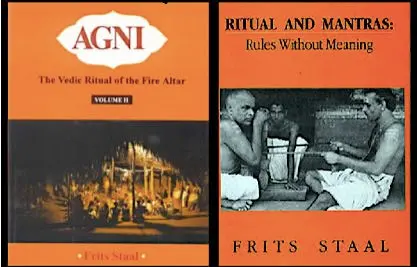
🚨 FACT: Sanskrit is the only human language arranged by place of articulation in the mouth.
Each letter is placed scientifically:
-> Guttural: क
-> Palatal: च
-> Cerebral: ट
-> Dental: त
-> Labial: प
A phonetic periodic table. 🎙️
Ref: Staal, Agni, 1983
[3/10]
Each letter is placed scientifically:
-> Guttural: क
-> Palatal: च
-> Cerebral: ट
-> Dental: त
-> Labial: प
A phonetic periodic table. 🎙️
Ref: Staal, Agni, 1983
[3/10]
Panini’s Aṣṭādhyāyī (~500 BCE) is the world’s earliest known generative grammar.
It uses nearly 4,000 rules—essentially a linguistic algorithm.
Some say it anticipates modern programming logic. 🧠
Ref: [Staal, 2006; Kiparsky, 2009]
#AI #Sanskrit
[4/10]
It uses nearly 4,000 rules—essentially a linguistic algorithm.
Some say it anticipates modern programming logic. 🧠
Ref: [Staal, 2006; Kiparsky, 2009]
#AI #Sanskrit
[4/10]
![Paul Kirpasky's [Stanford University] paper: https://web.stanford.edu/~kiparsky/Papers/hyderabad.pdf?utm_source=chatgpt.com](https://pbs.twimg.com/media/Go6GCf4aoAEHRAW.png)
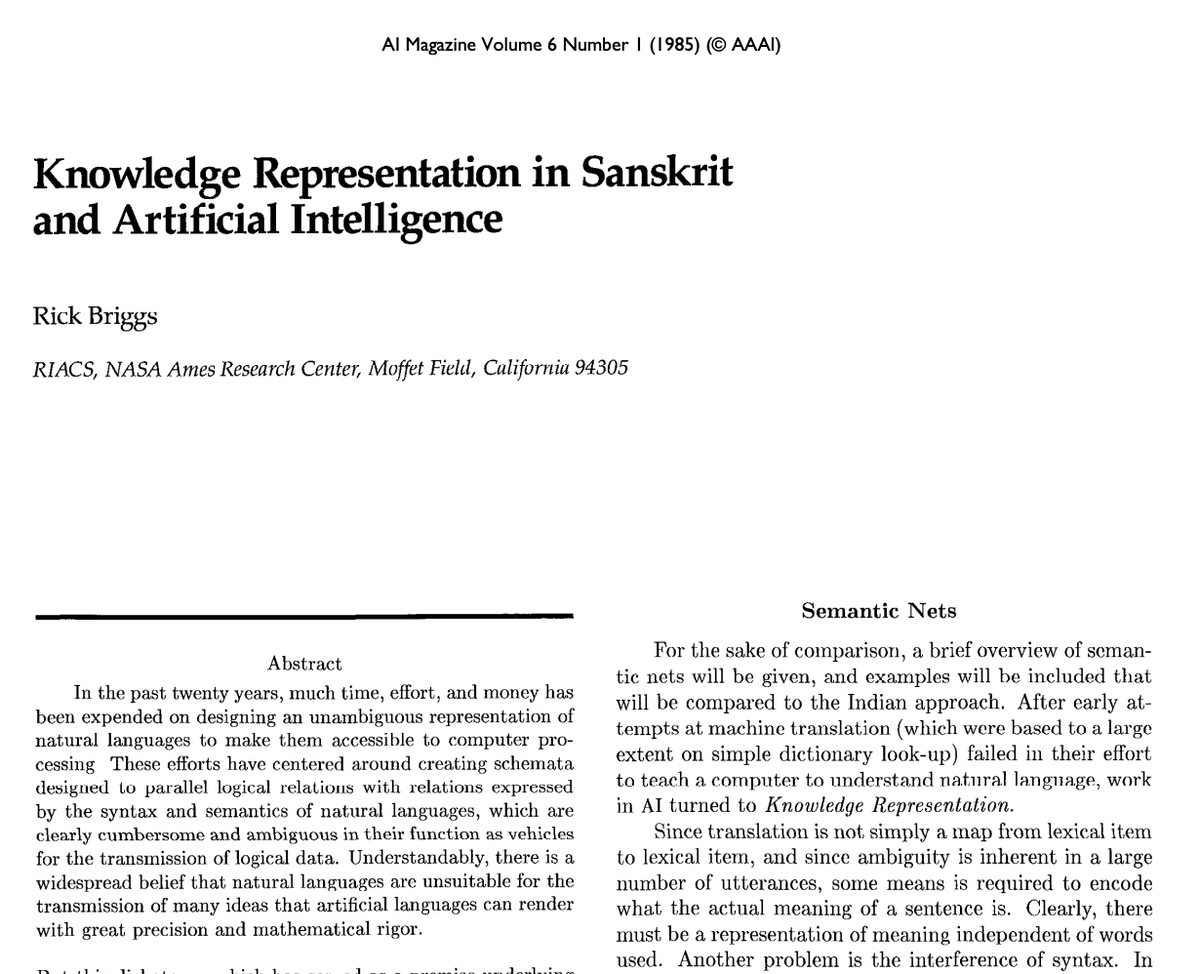
Even NASA once considered using Sanskrit for machine translation due to its "unambiguous structure".
Why?
Because syntax clarity + zero redundancy
= perfect for logic-based systems.
Ref: AI Magazine (Rick Briggs, 1985)
📎
[5/10]ojs.aaai.org/aimagazine/ind…
Why?
Because syntax clarity + zero redundancy
= perfect for logic-based systems.
Ref: AI Magazine (Rick Briggs, 1985)
📎
[5/10]ojs.aaai.org/aimagazine/ind…
Ask yourself: Can a language be spiritual tech?
Sanskrit mantras aren't just words—they’re frequency codes.
🕉️ "Om" isn’t symbolic—it’s a resonant frequency.
Sound in Sanskrit = Energy = Consciousness.
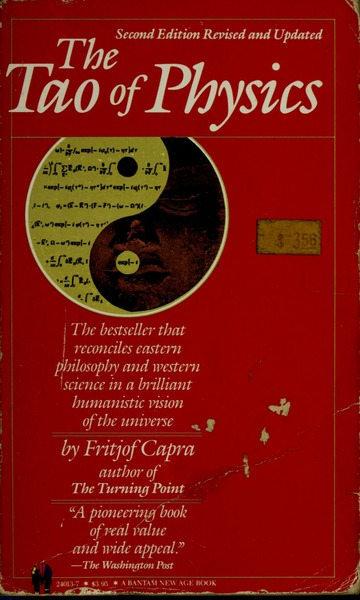
Ref: Fritjof Capra, The Tao of Physics (1975)
[6/10]
Sanskrit mantras aren't just words—they’re frequency codes.
🕉️ "Om" isn’t symbolic—it’s a resonant frequency.
Sound in Sanskrit = Energy = Consciousness.
Ref: Fritjof Capra, The Tao of Physics (1975)
[6/10]
Sanskrit gave rise to a whole family:
Hindi, Bengali, Marathi, Nepali, Sinhalese...
But did you know:
🪷 Sanskrit inscriptions are found in Cambodia, Bali, Thailand & Vietnam?
It shaped civilisations without a sword.
#IndicCivilization
[7/10]
Hindi, Bengali, Marathi, Nepali, Sinhalese...
But did you know:
🪷 Sanskrit inscriptions are found in Cambodia, Bali, Thailand & Vietnam?
It shaped civilisations without a sword.
#IndicCivilization
[7/10]
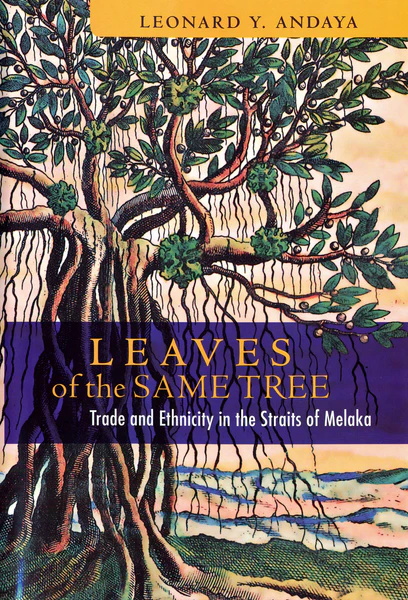
Words like karma, guru, nirvāṇa, yoga—they're all Sanskrit. 🪷
Even Japanese esoteric Buddhism uses Sanskrit mantras.
Example: "Shingon" mantras like "Om Mani Padme Hum"—Sanskrit at heart. 🛕🕉️
Ref: Paul Williams, Mahayana Buddhism, 1989
#SanskritGlobal
[8/10]
Even Japanese esoteric Buddhism uses Sanskrit mantras.
Example: "Shingon" mantras like "Om Mani Padme Hum"—Sanskrit at heart. 🛕🕉️
Ref: Paul Williams, Mahayana Buddhism, 1989
#SanskritGlobal
[8/10]
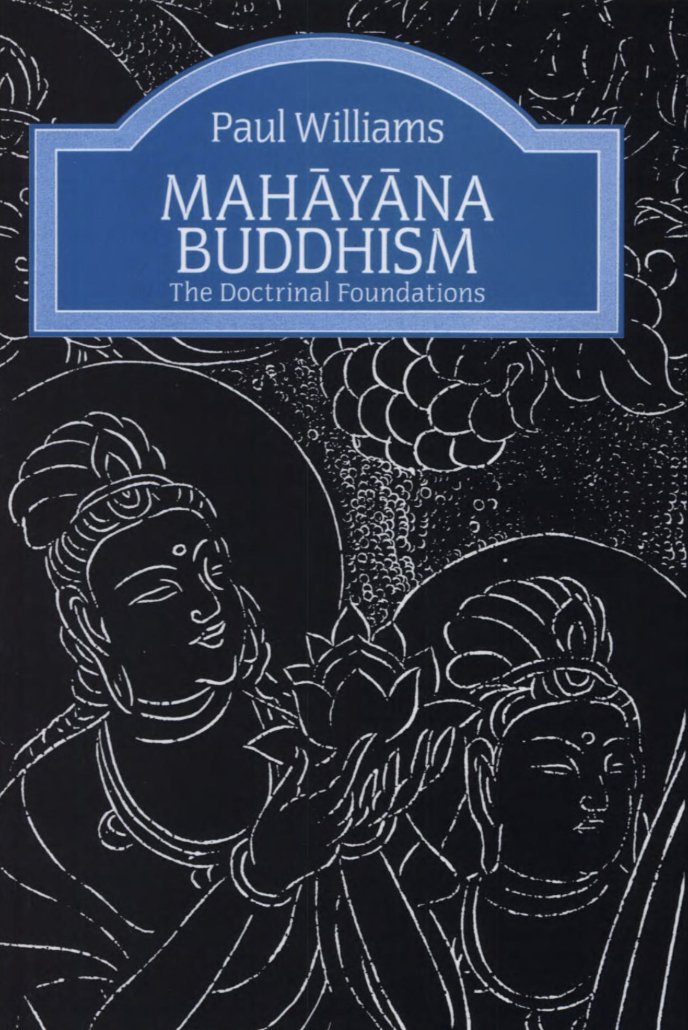
Sanskrit🕉️ isn’t dead. It’s sleeping.
It lives in chants, rituals, Vedas, Ayurveda, Yoga, and even your Google search when you type "Namaste."
Time to revive it—not just in temples but in homes, schools, and hearts. 🫶
🪔 #ReviveSanskrit #SanskritIsEternal
[9/10]
It lives in chants, rituals, Vedas, Ayurveda, Yoga, and even your Google search when you type "Namaste."
Time to revive it—not just in temples but in homes, schools, and hearts. 🫶
🪔 #ReviveSanskrit #SanskritIsEternal
[9/10]
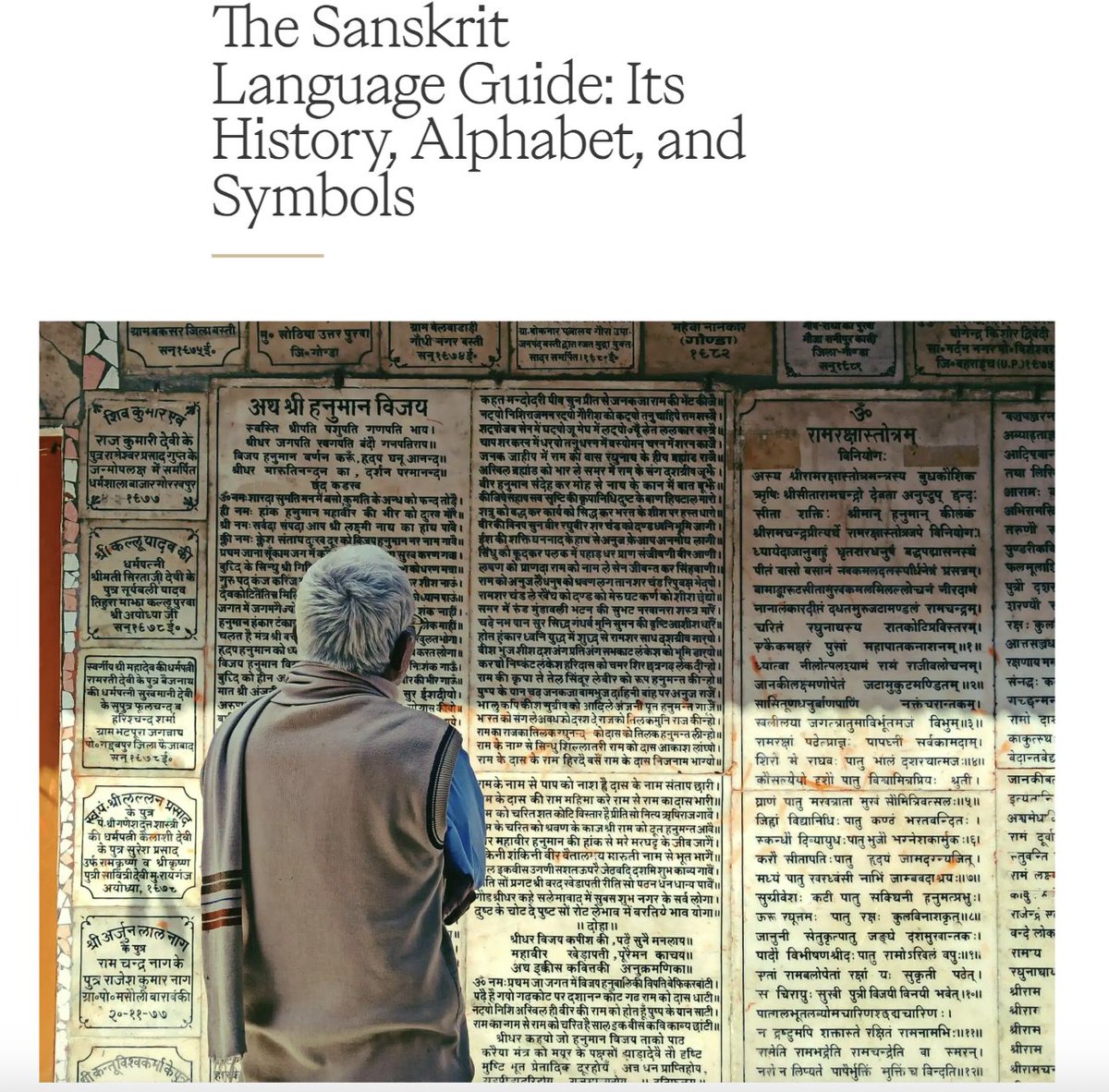
What if we taught Sanskrit as coding the mind?
What if we saw it not as “ancient”, but as future-ready?
What if we spoke it again? 🛕
"Saṃskṛtaṃ nāma devānām vāṇī"
Sanskrit is the language of the gods. 🕉️
🔁 RT & 🧵share to keep it alive.
[10/10]
What if we saw it not as “ancient”, but as future-ready?
What if we spoke it again? 🛕
"Saṃskṛtaṃ nāma devānām vāṇī"
Sanskrit is the language of the gods. 🕉️
🔁 RT & 🧵share to keep it alive.
[10/10]
@threadreaderapp Namaste. Unroll, please. 🙏
• • •
Missing some Tweet in this thread? You can try to
force a refresh