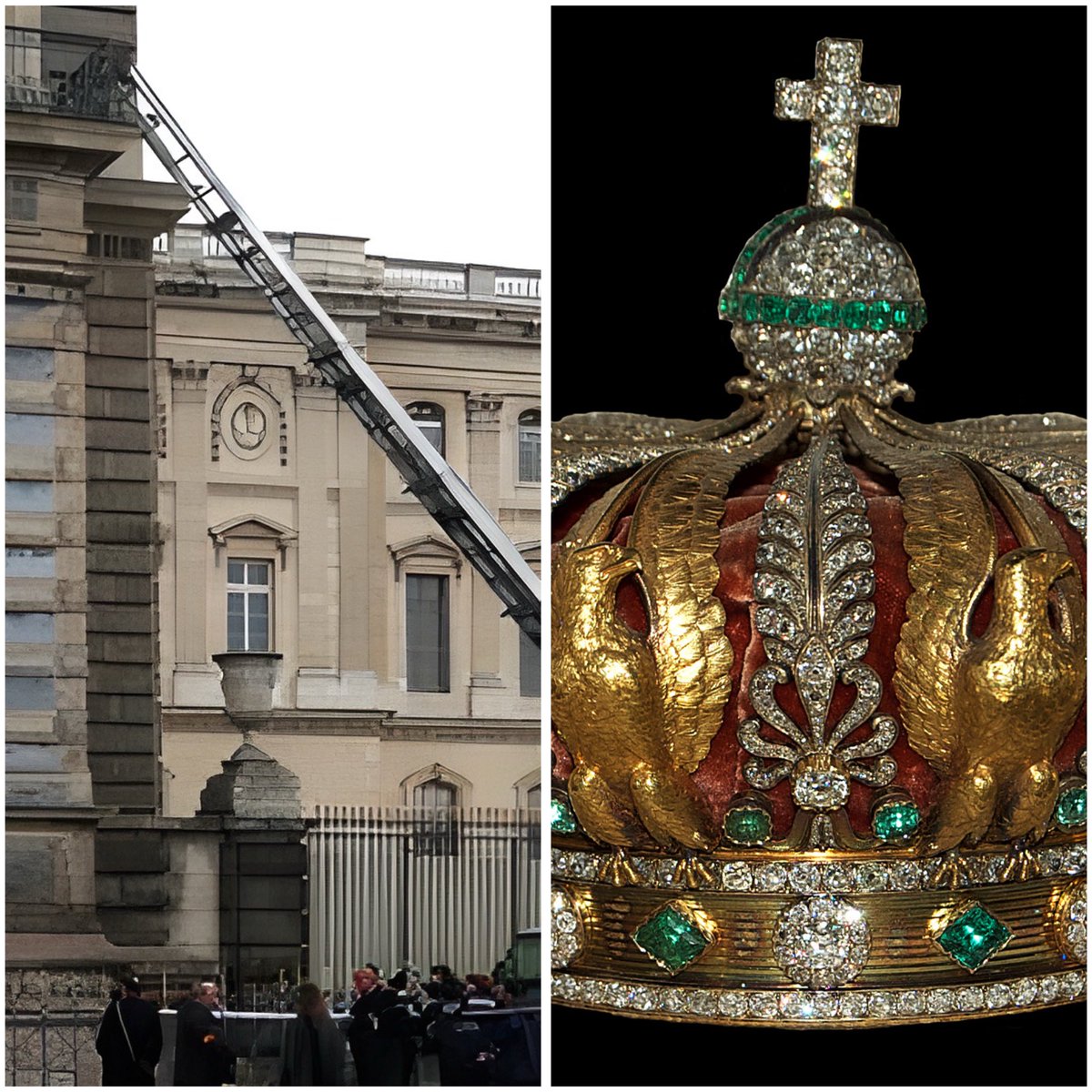
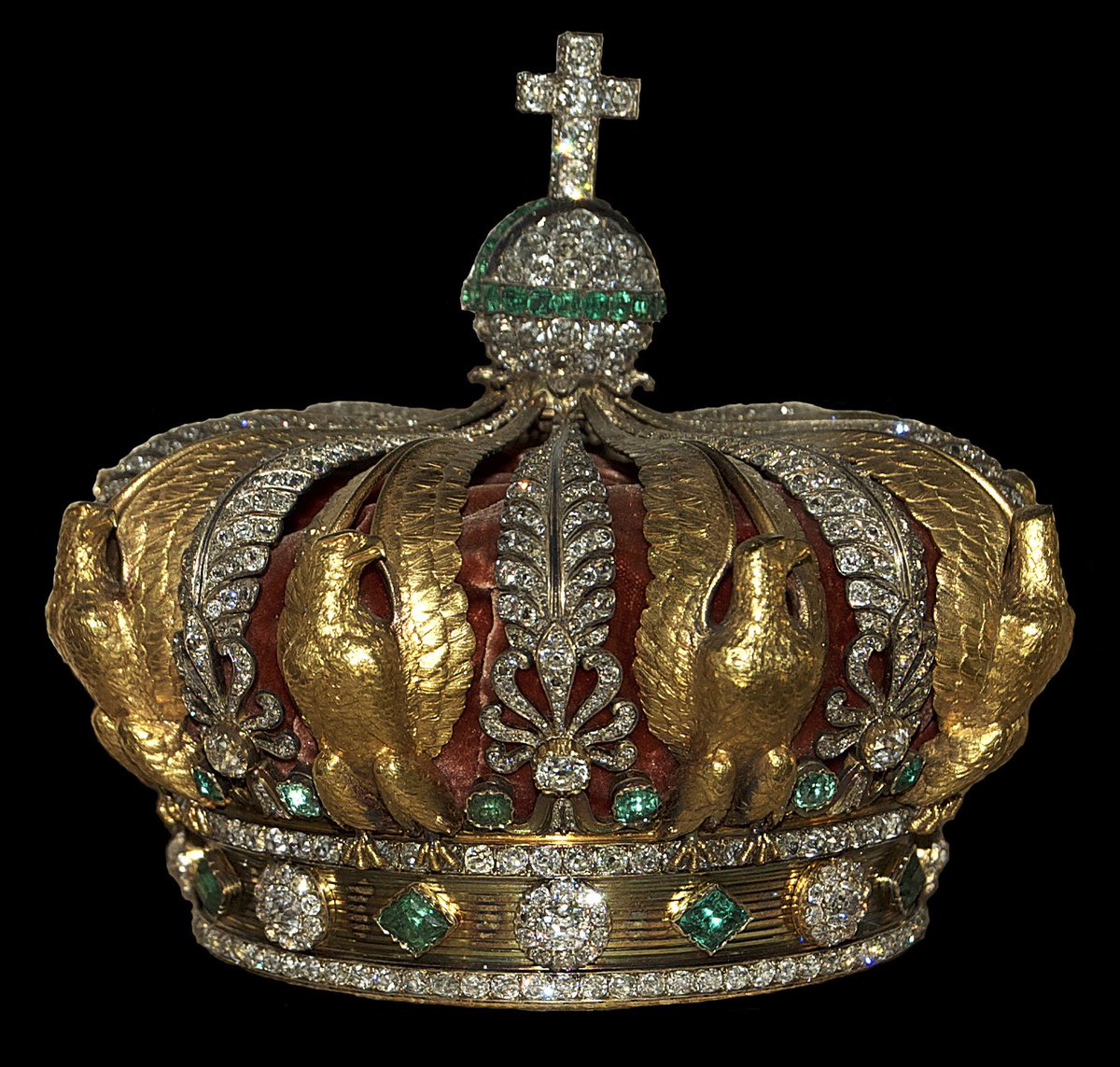
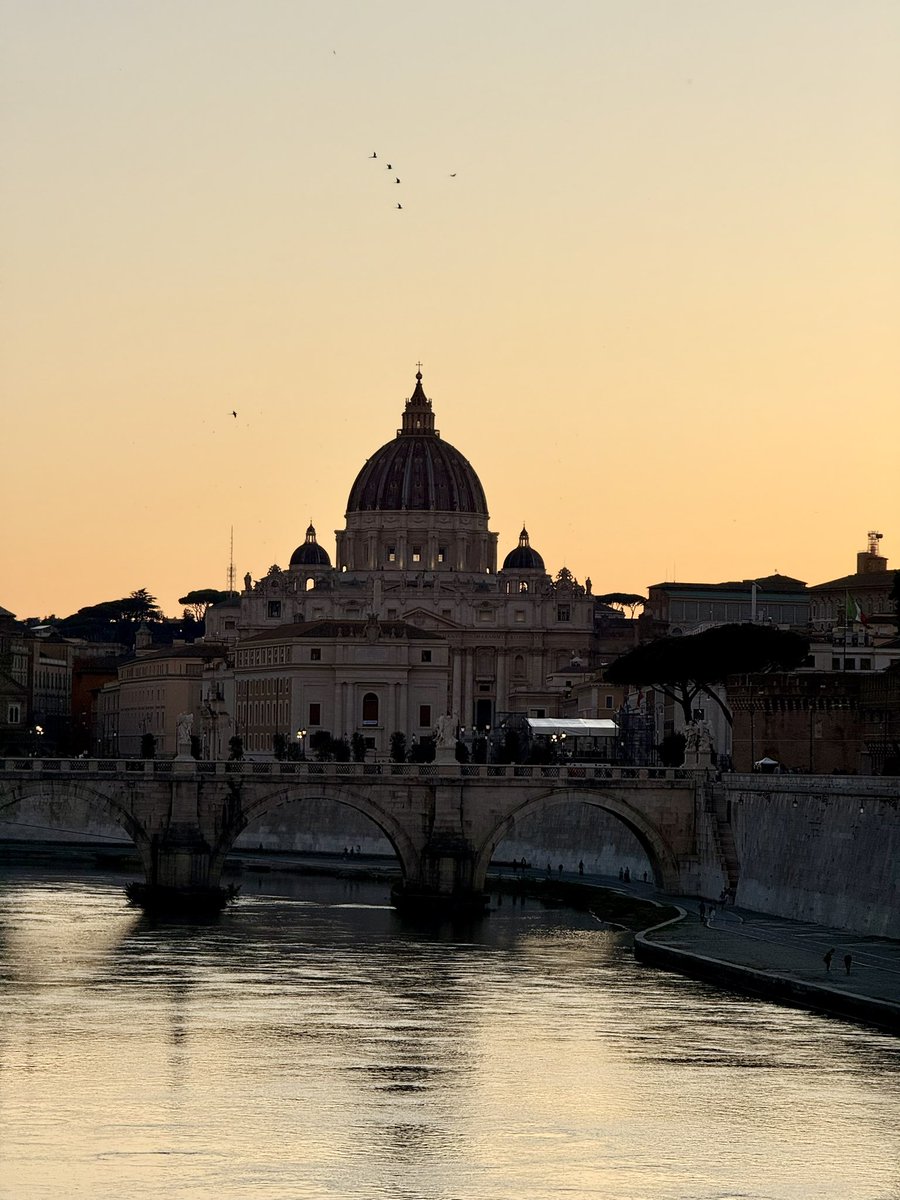
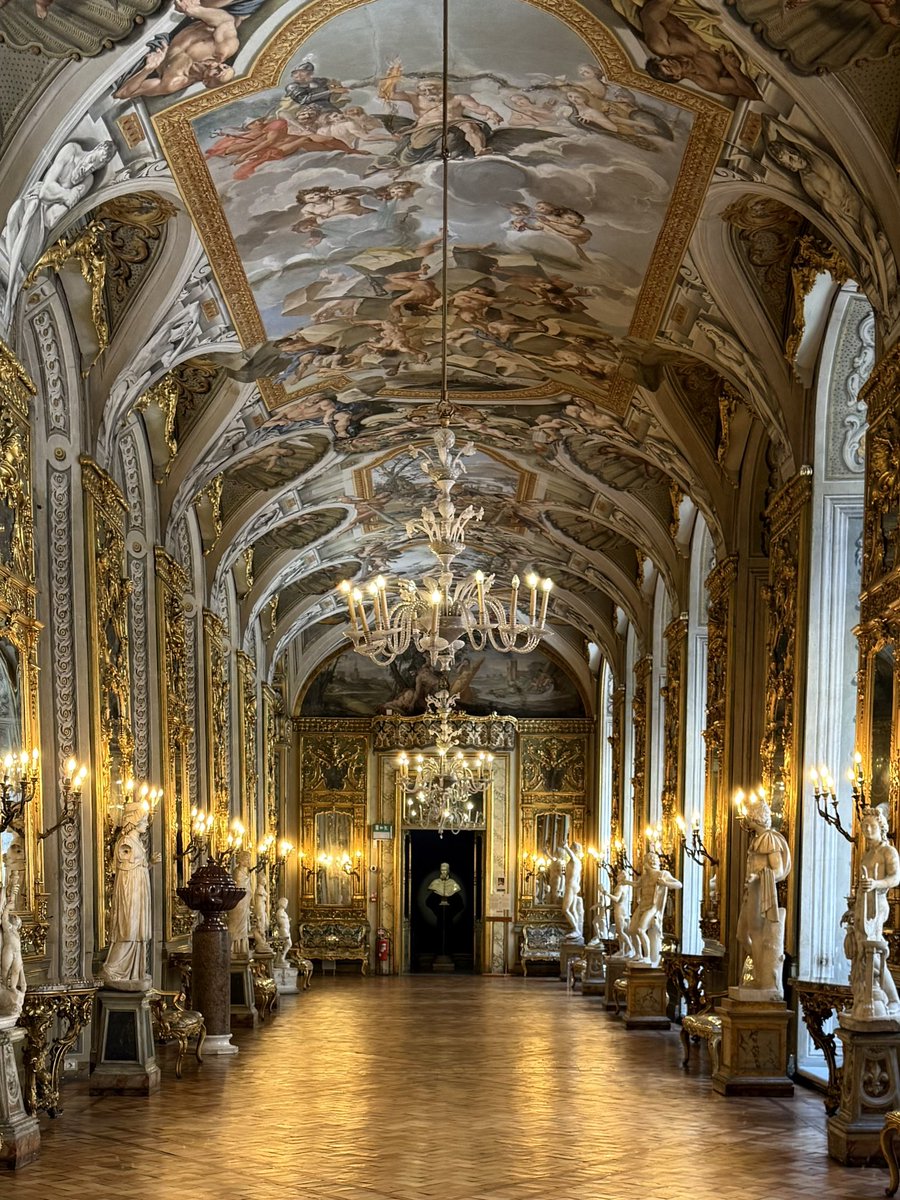
None of them were born royal.
No titles. No palaces.
Yet they gave the world four popes. Two queens. Dozens of dukes.
They used faith to justify power.
Gold to buy the future.
And art to immortalize their name.
This is how the Medici saga begins. 🧵👇
No titles. No palaces.
Yet they gave the world four popes. Two queens. Dozens of dukes.
They used faith to justify power.
Gold to buy the future.
And art to immortalize their name.
This is how the Medici saga begins. 🧵👇

They rose from the hills of Mugello…
— Farmers turned merchants, merchants turned bankers.
By the 1300s, they were weaving cloth.
By the 1400s, they were shaping kingdoms.
No crowns yet.
But the world was already bending around them.
— Farmers turned merchants, merchants turned bankers.
By the 1300s, they were weaving cloth.
By the 1400s, they were shaping kingdoms.
No crowns yet.
But the world was already bending around them.

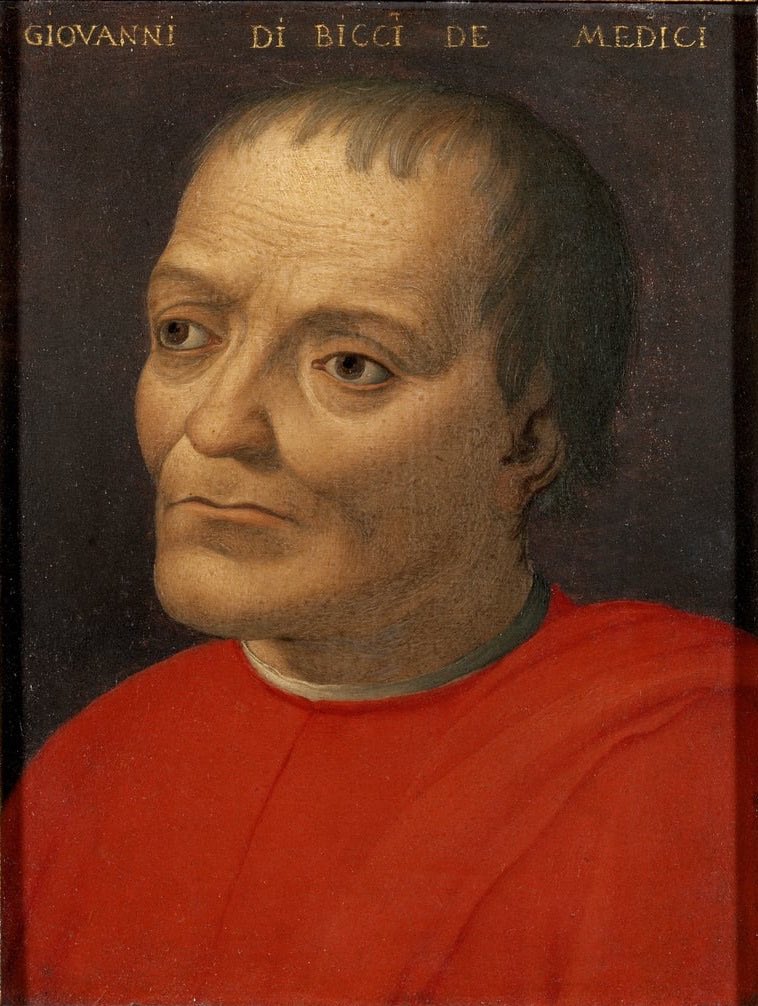
Giovanni di Bicci built the Medici Bank in 1397.
He didn’t want power.
Just influence. Quiet, loyal, profitable.
He funded a Pope
— And became the Vatican’s banker.
That’s how a dynasty begins:
Not with war. With credit.
He didn’t want power.
Just influence. Quiet, loyal, profitable.
He funded a Pope
— And became the Vatican’s banker.
That’s how a dynasty begins:
Not with war. With credit.
Cosimo de’ Medici didn’t just inherit a fortune
— He inherited leverage.
He ruled Florence from the shadows.
Paid off debts. Bought alliances.
They called it a republic.
But everyone knew who ran the city.
— He inherited leverage.
He ruled Florence from the shadows.
Paid off debts. Bought alliances.
They called it a republic.
But everyone knew who ran the city.
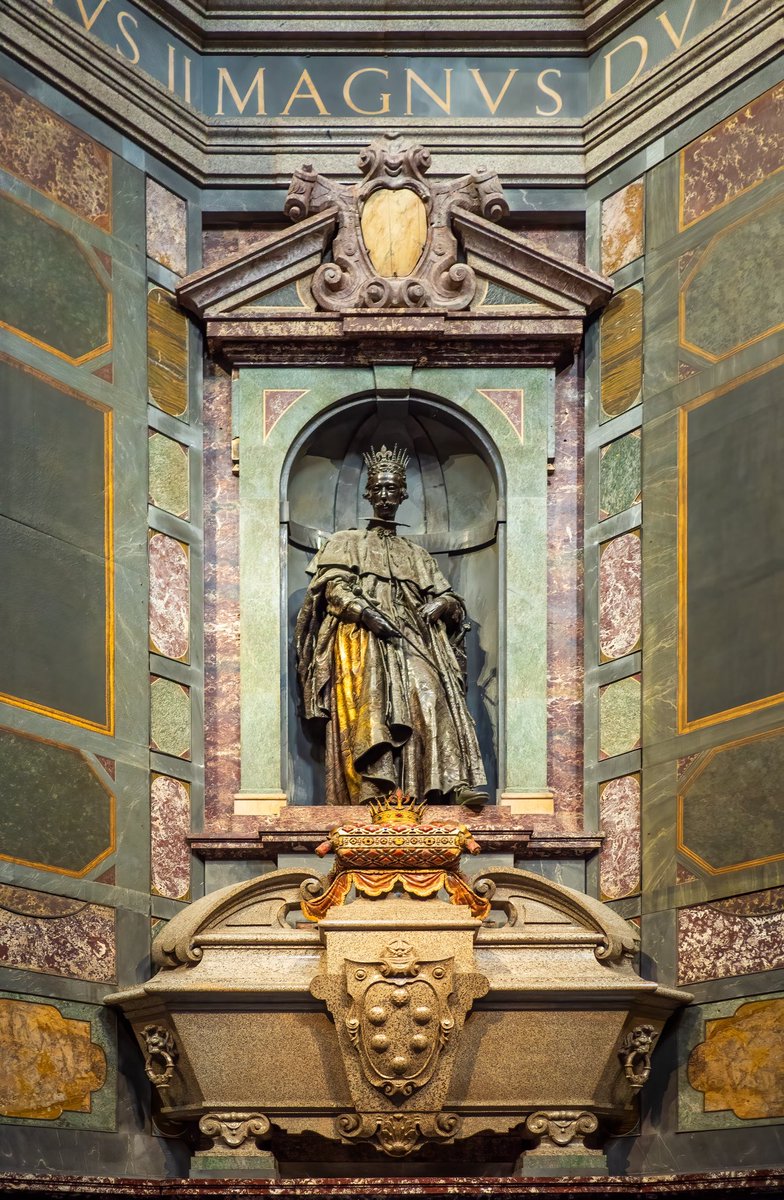
In 1433, rivals exiled Cosimo.
One year later, he returned more powerful than ever.
He had bankers, popes, and public opinion.
They called him Pater Patriae, a Father of the Nation.
Not bad for a man who never held office.
One year later, he returned more powerful than ever.
He had bankers, popes, and public opinion.
They called him Pater Patriae, a Father of the Nation.
Not bad for a man who never held office.
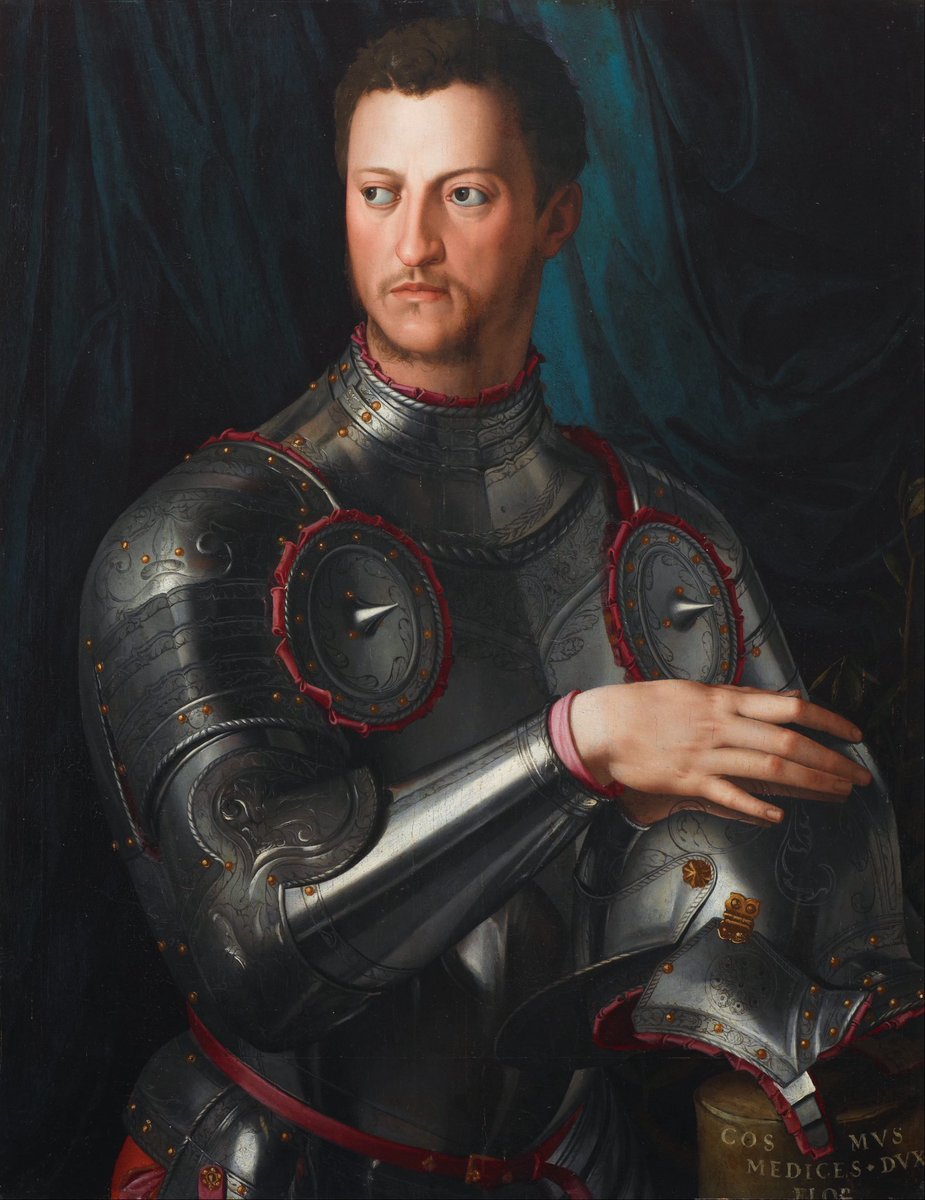
Cosimo didn’t conquer with armies.
He conquered with beauty.
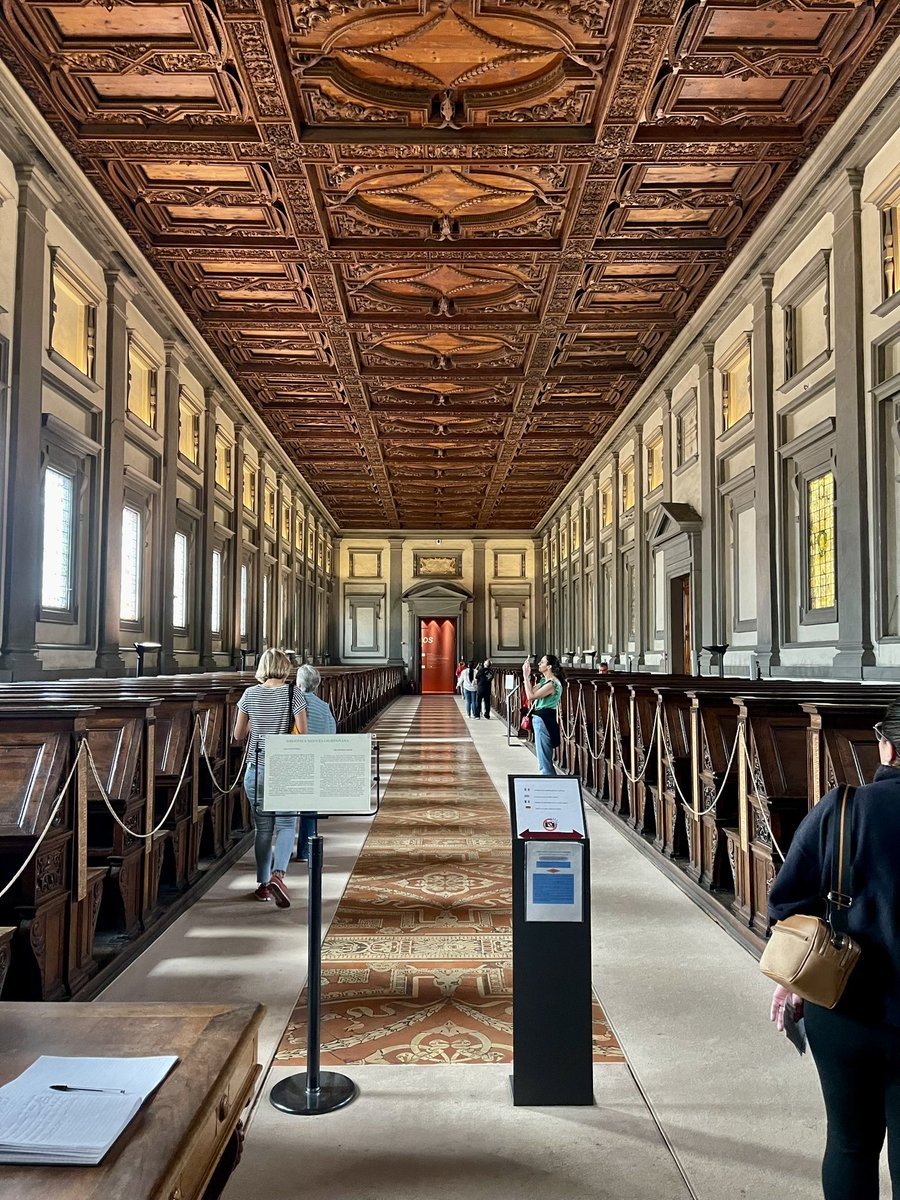
He funded Donatello. Fra Angelico. Brunelleschi.
He built libraries, convents, chapels
— And filled them with meaning.
Florence became the capital of wonder.
📸:Abs
He conquered with beauty.
He funded Donatello. Fra Angelico. Brunelleschi.
He built libraries, convents, chapels
— And filled them with meaning.
Florence became the capital of wonder.
📸:Abs
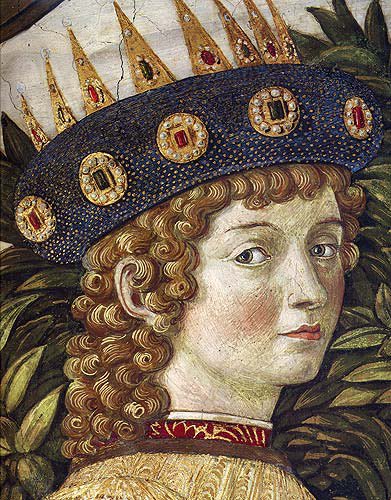
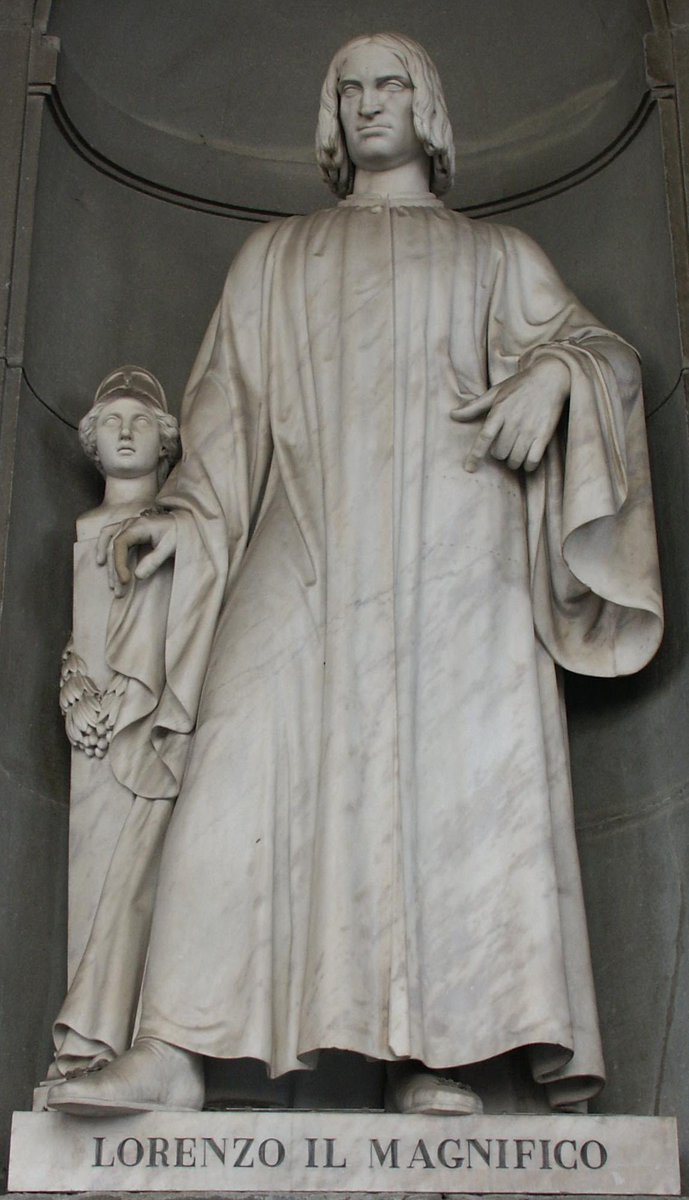
Then came Lorenzo.
Il Magnifico.
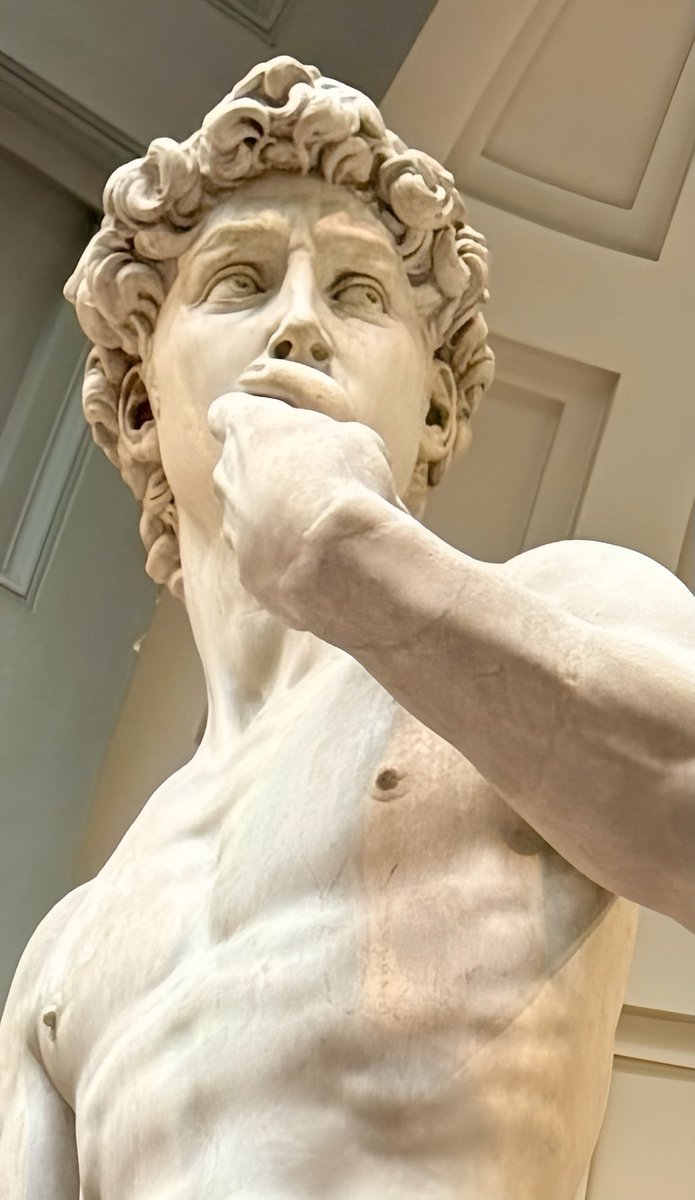
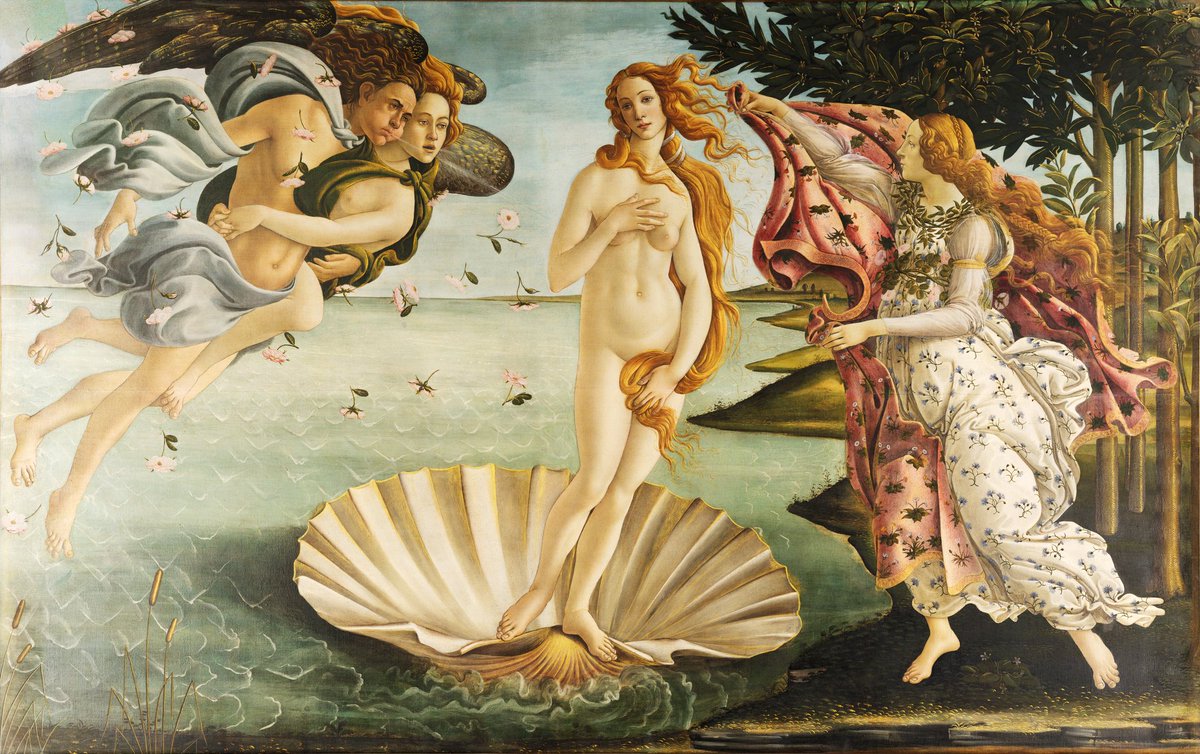
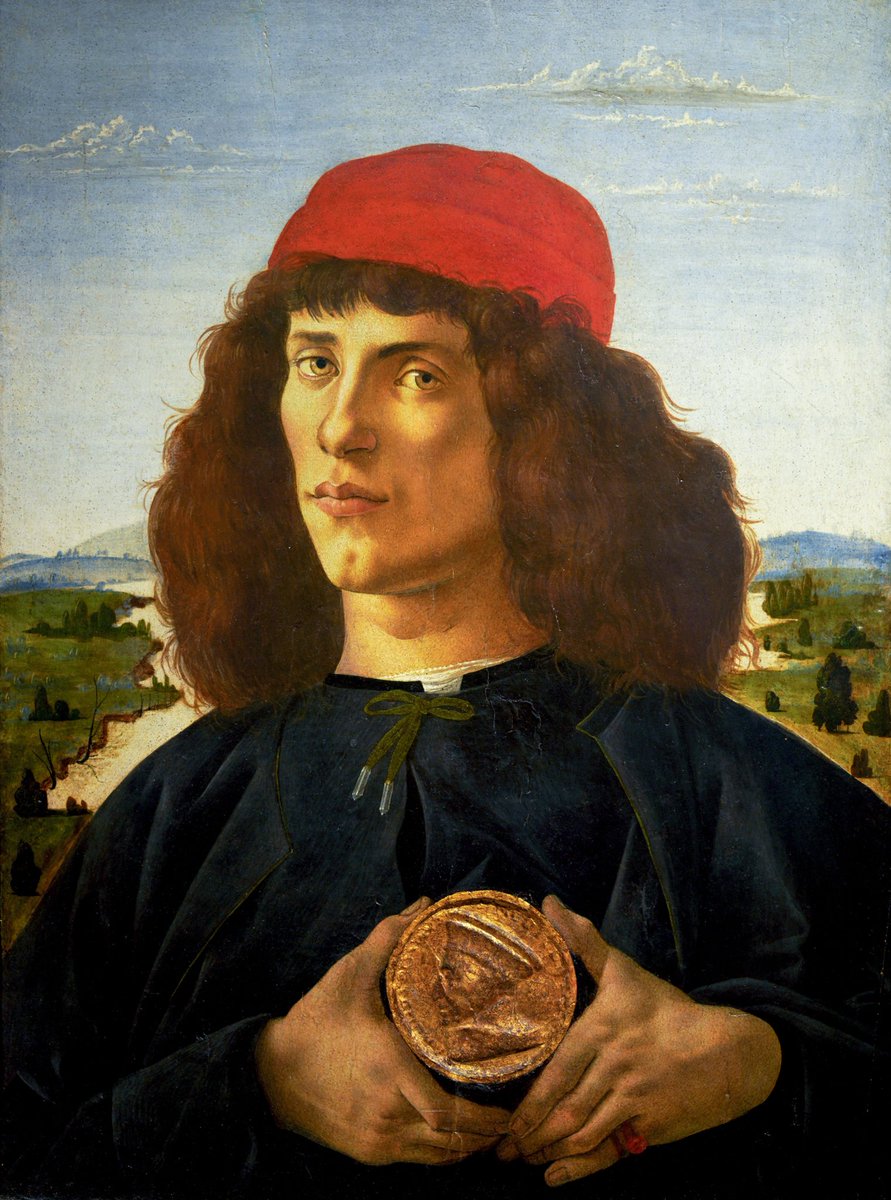
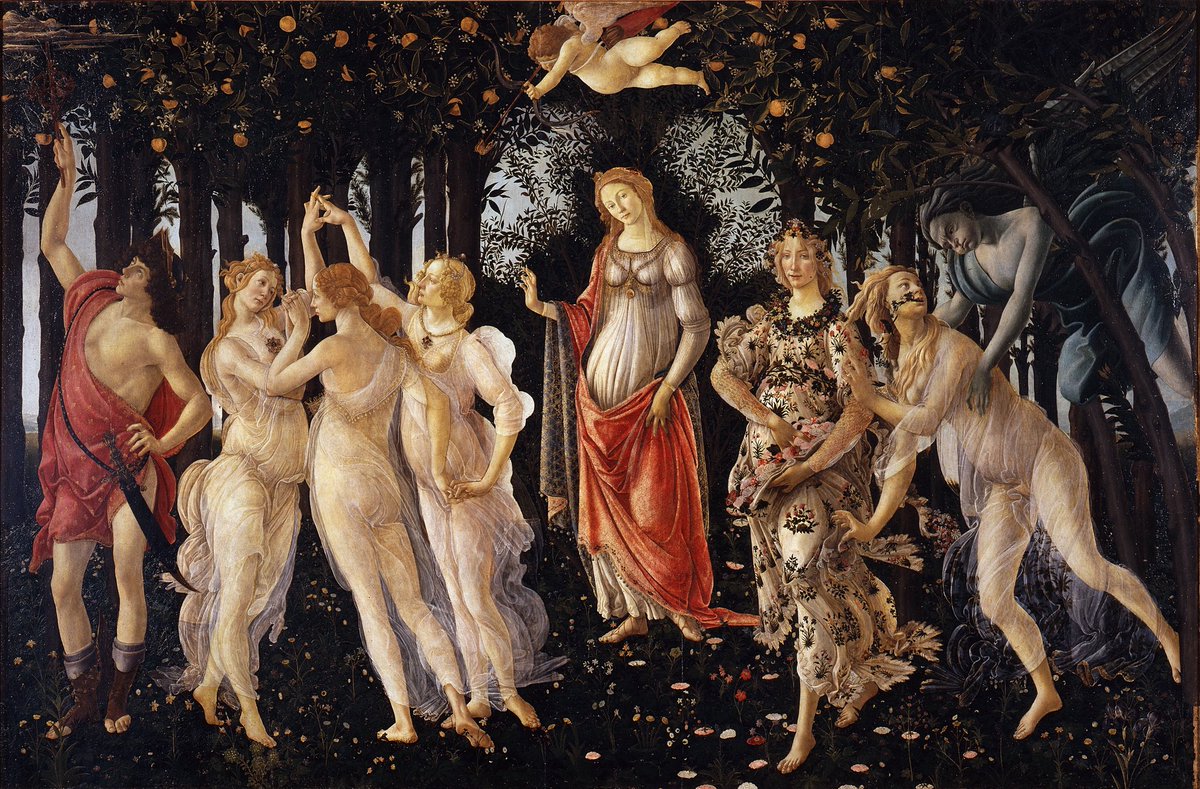
Poet. Diplomat. Patron of Botticelli and Michelangelo.
He ruled Florence in gold and verse, until daggers were drawn.
A plot was set in the cathedral itself.
Il Magnifico.
Poet. Diplomat. Patron of Botticelli and Michelangelo.
He ruled Florence in gold and verse, until daggers were drawn.
A plot was set in the cathedral itself.
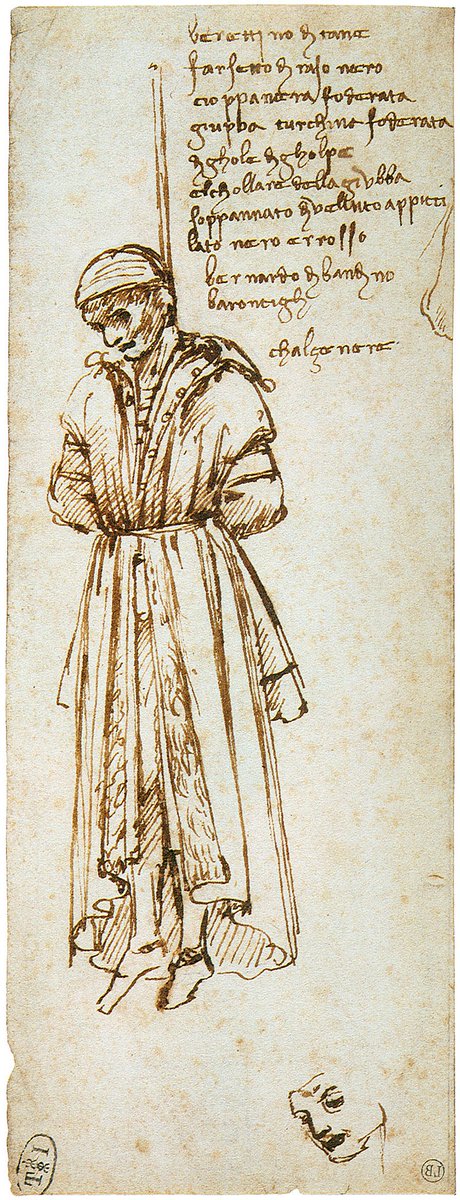
1478.
Lorenzo and his brother Giuliano are attacked during Mass.
Giuliano is stabbed to death.
Lorenzo survives.
And in days…
— he executes or exiles every last conspirator.
Florence is no longer a republic.
Lorenzo and his brother Giuliano are attacked during Mass.
Giuliano is stabbed to death.
Lorenzo survives.
And in days…
— he executes or exiles every last conspirator.
Florence is no longer a republic.
He surrounded himself with art.
But ruled with steel.
His palace hosted debates, sculptures, songs.
But also surveillance.
The Medici charm was real.
So was the fear.
But ruled with steel.
His palace hosted debates, sculptures, songs.
But also surveillance.
The Medici charm was real.
So was the fear.
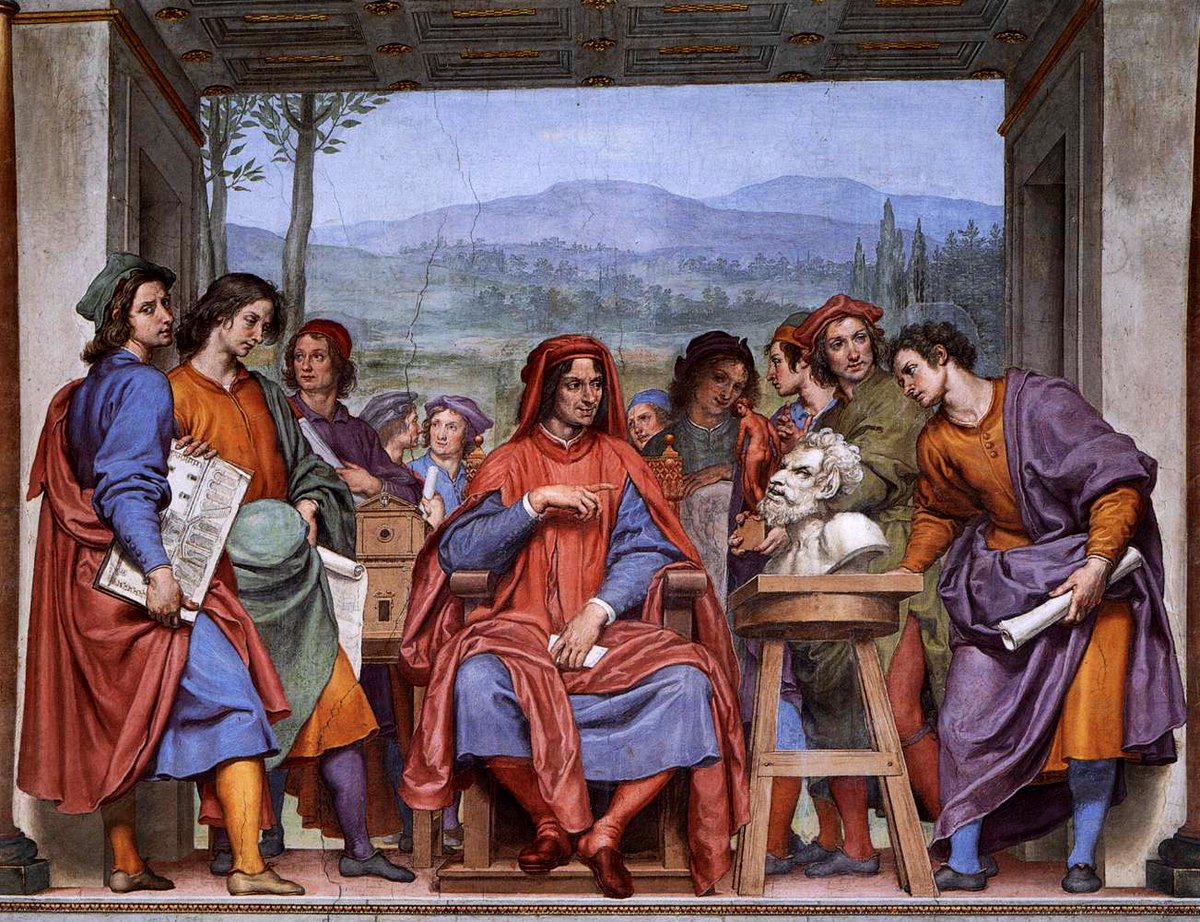
After Lorenzo’s death, chaos returns.
The Medici fall.
A monk named Savonarola rises.
Books are burned. Paintings destroyed.
The Renaissance itself is under threat.
But art survives.
And so do the Medici.
The Medici fall.
A monk named Savonarola rises.
Books are burned. Paintings destroyed.
The Renaissance itself is under threat.
But art survives.
And so do the Medici.
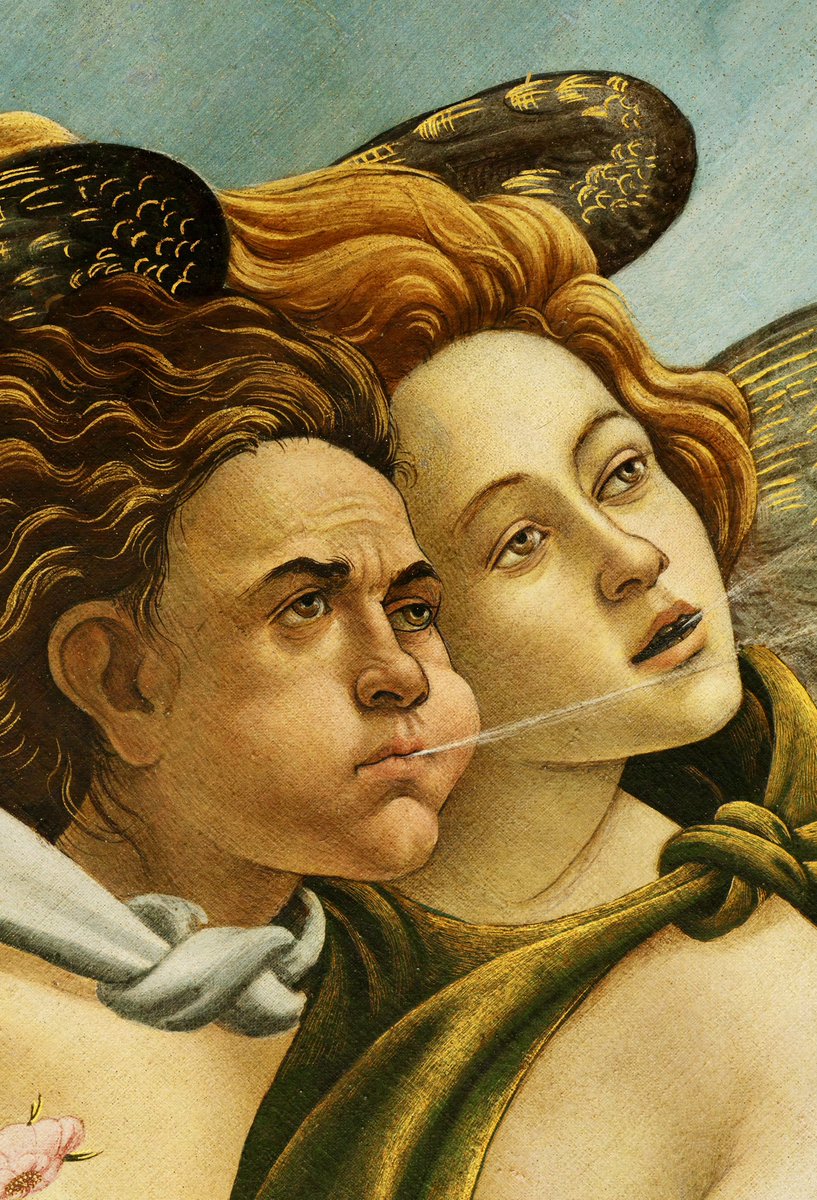
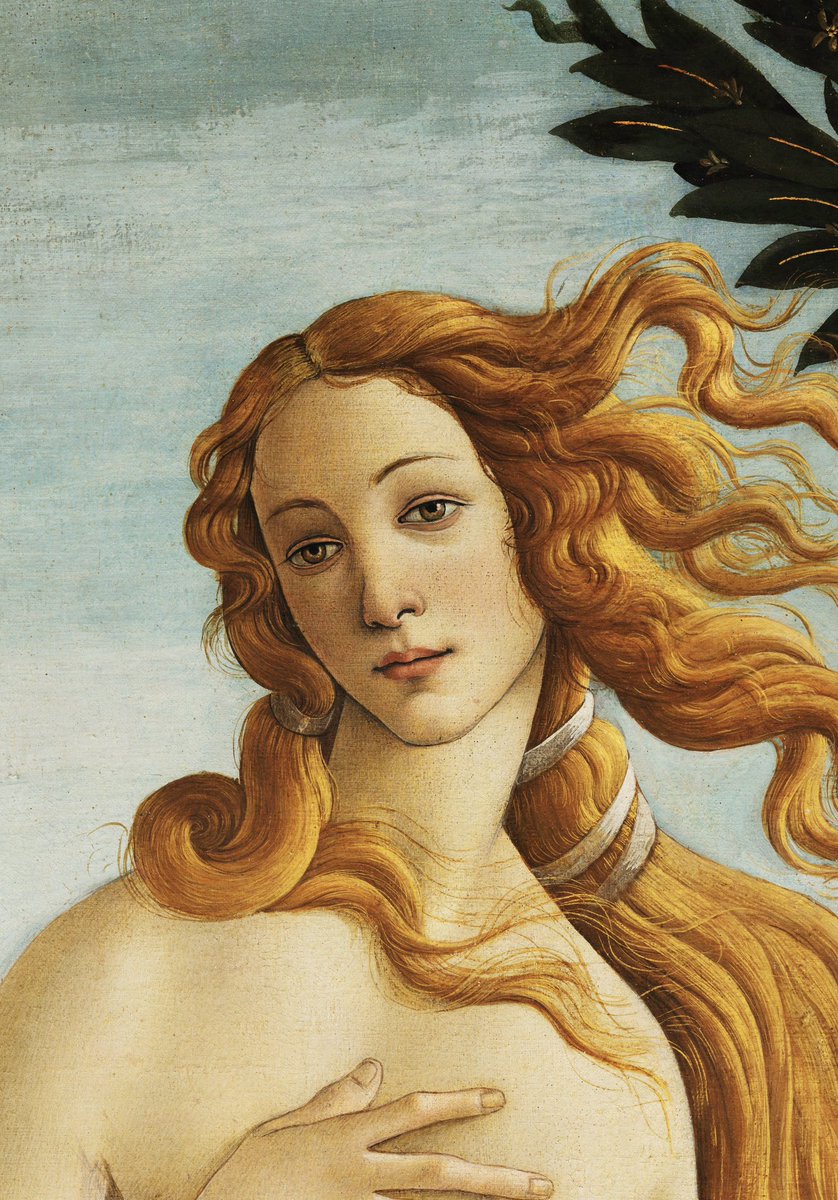
They return—again.
And this time, they wear crowns.
In 1531, the Republic ends.
Florence becomes a duchy.
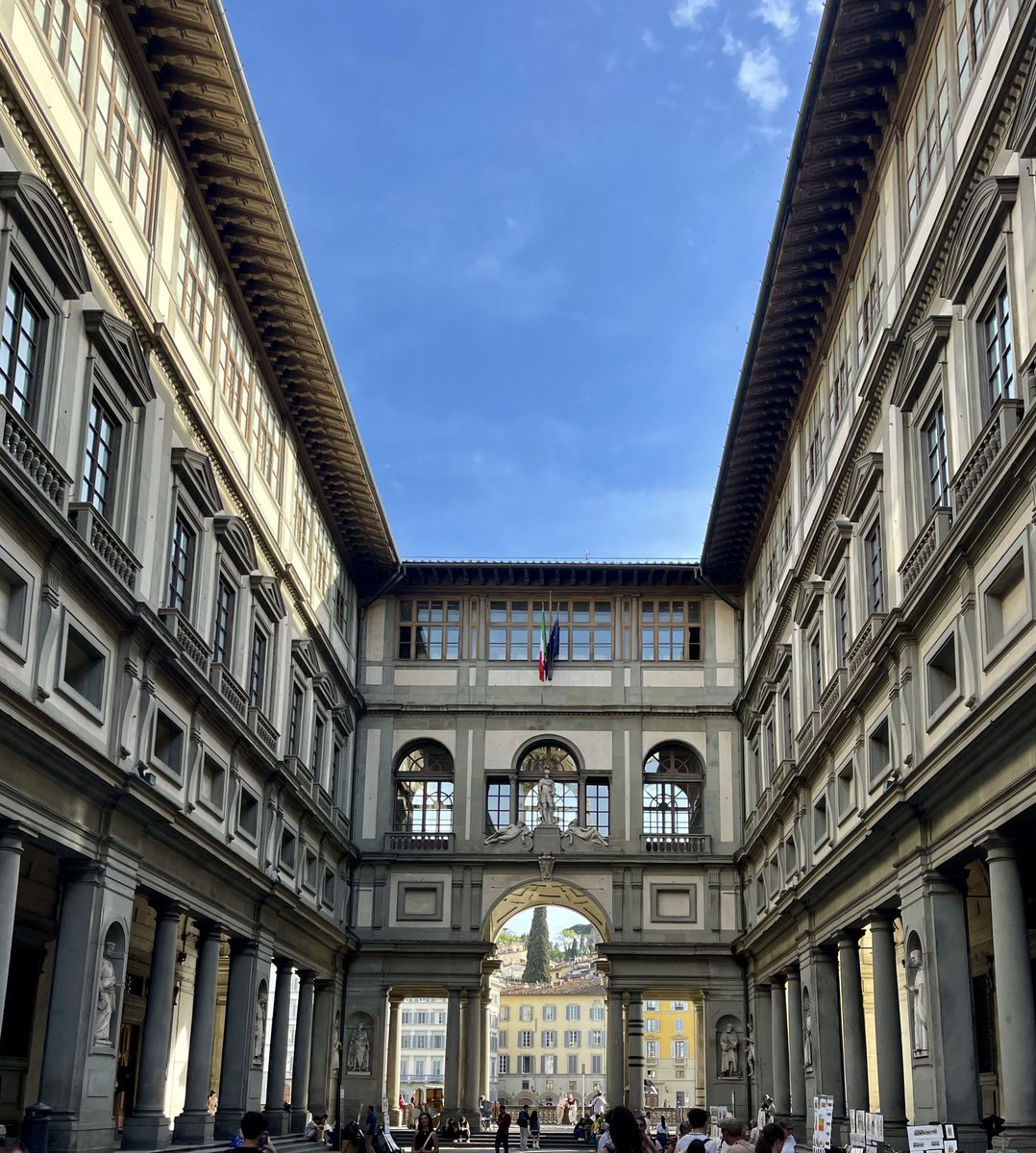
Cosimo I becomes Grand Duke.
He builds the Uffizi, reorganizes the army, and centralizes power like never before. 📸:Abs
And this time, they wear crowns.
In 1531, the Republic ends.
Florence becomes a duchy.
Cosimo I becomes Grand Duke.
He builds the Uffizi, reorganizes the army, and centralizes power like never before. 📸:Abs
Power was absolute.
And scandals followed.
Francis I dies suddenly, along with his wife.
Rumors of poison.
Bianca Cappello is blamed.
The family that ruled with elegance
was now tainted by shadows.
And scandals followed.
Francis I dies suddenly, along with his wife.
Rumors of poison.
Bianca Cappello is blamed.
The family that ruled with elegance
was now tainted by shadows.
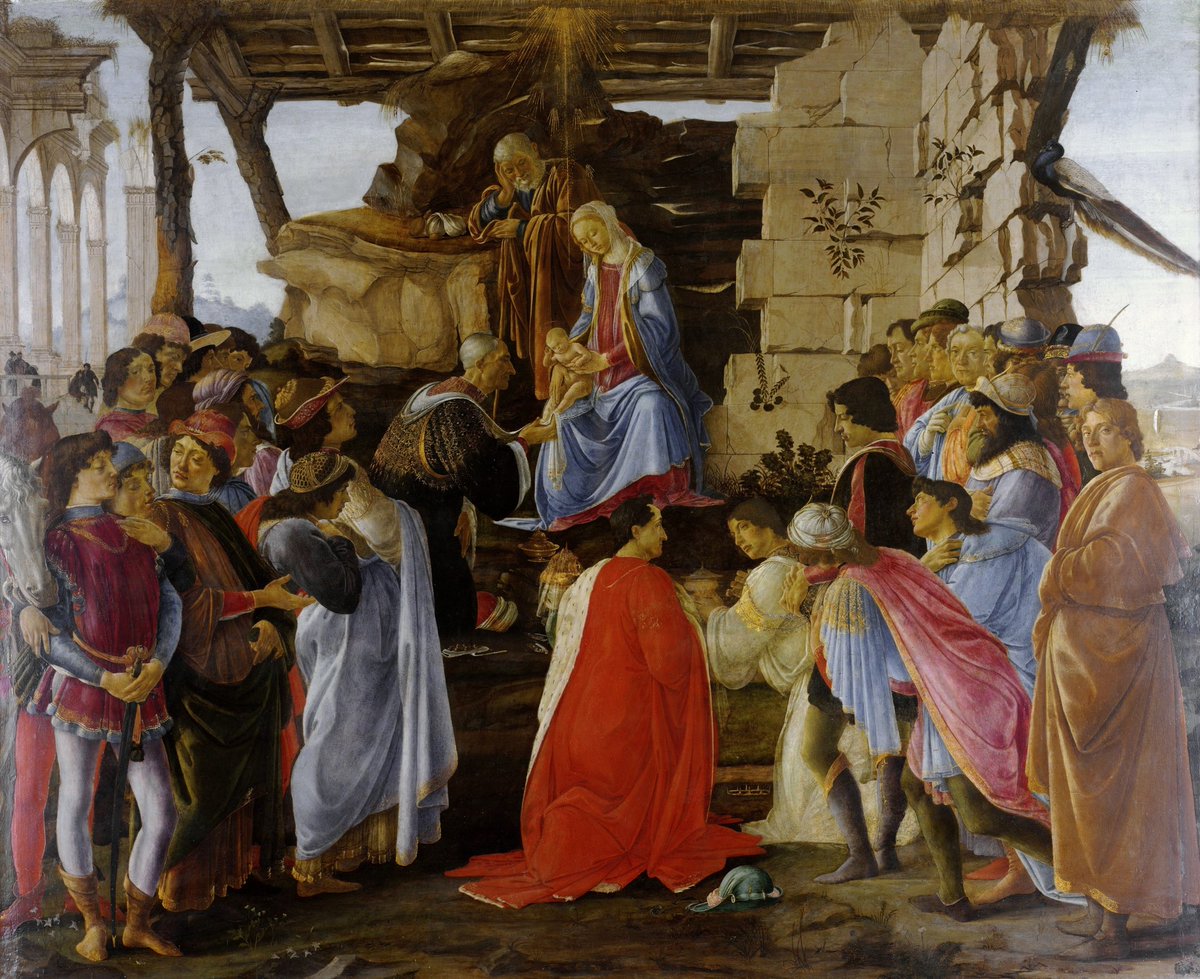
Even the Church bore their name.
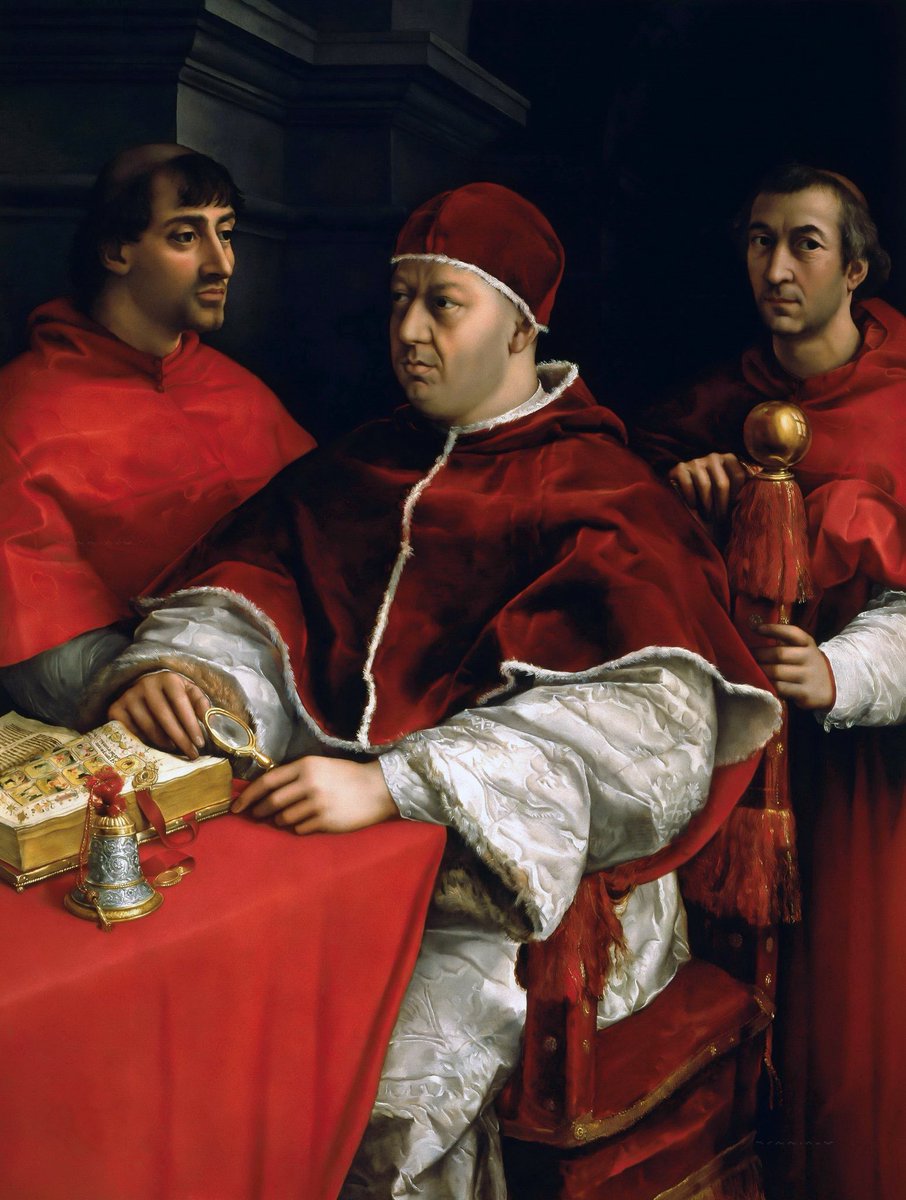
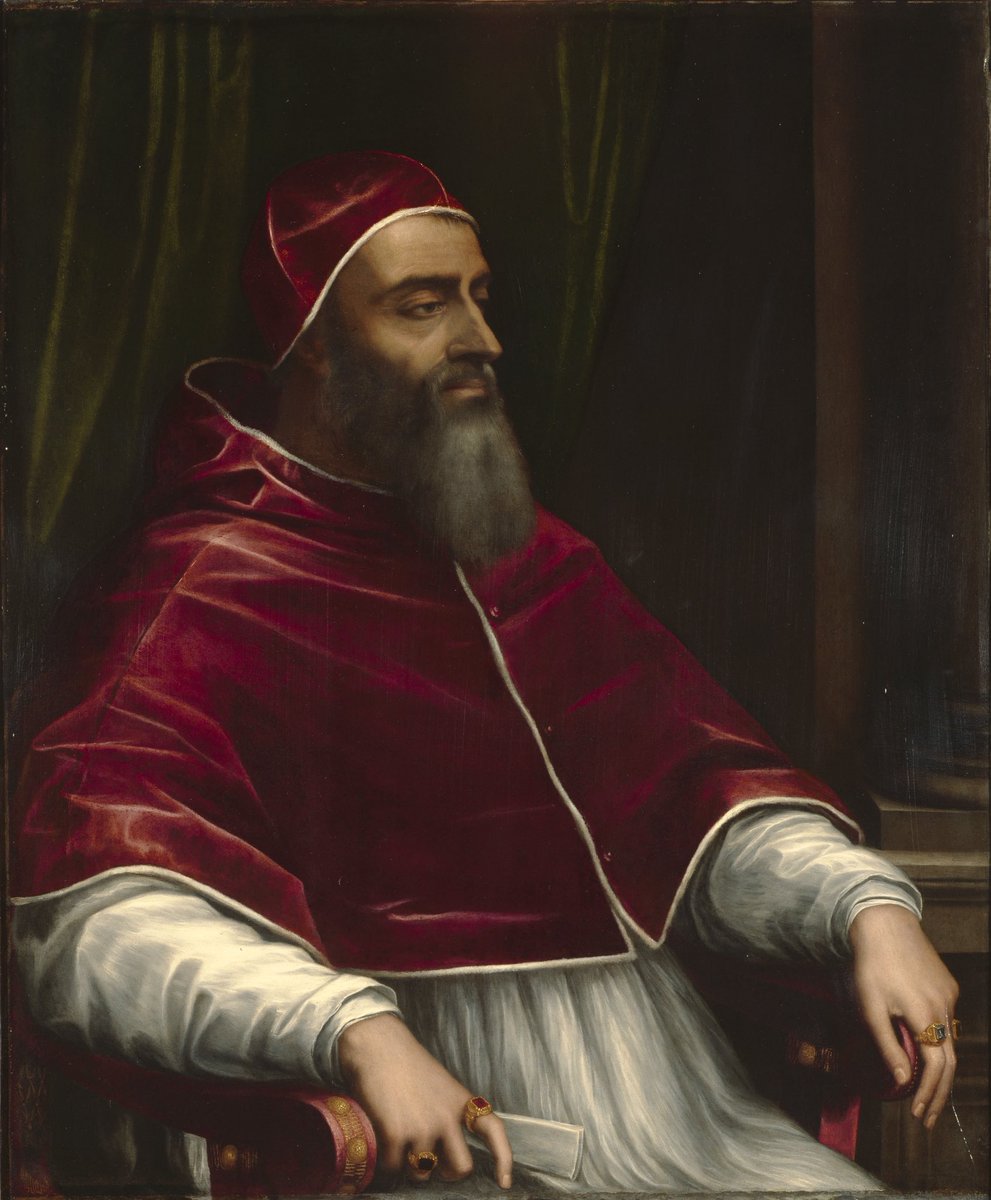
Giovanni became Pope Leo X.
Giulio became Clement VII.
One presided over the height of indulgence.
The other witnessed Rome being sacked.
Divine authority.
Earthly consequences.
Giovanni became Pope Leo X.
Giulio became Clement VII.
One presided over the height of indulgence.
The other witnessed Rome being sacked.
Divine authority.
Earthly consequences.
They gave the world Michelangelo’s David.
Botticelli’s Venus.
The Uffizi. The Laurentian Library.
But also:
wars, executions, exiles, secrets.
The Medici were never just one thing.
Botticelli’s Venus.
The Uffizi. The Laurentian Library.
But also:
wars, executions, exiles, secrets.
The Medici were never just one thing.
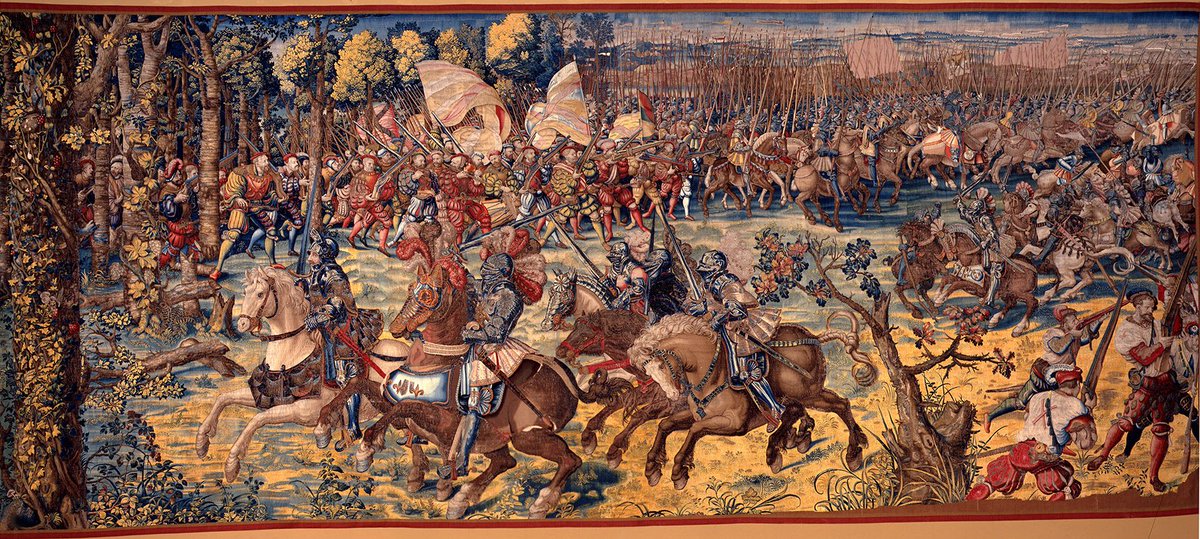
By 1737, the line ends.
No heirs.
No more dukes.
But their legacy is everywhere
— in every gallery, every manuscript, every fresco.
The Medici are dead.
But their world is still alive.
🎥:@MADadTrips top Video
No heirs.
No more dukes.
But their legacy is everywhere
— in every gallery, every manuscript, every fresco.
The Medici are dead.
But their world is still alive.
🎥:@MADadTrips top Video
The Medicis are more present than ever and forever. Eternalized by art, music and science.
Follow @JScotteswood !
for more stories of power, art, betrayal, and beauty.
Sources:
Medici Patronage and the Italian Renaissance
The Medici & the Catholic Church
The Pazzi Conspiracy
Power Struggles in Florence
📸 : Abs and Wikipedia
Follow @JScotteswood !
for more stories of power, art, betrayal, and beauty.
Sources:
Medici Patronage and the Italian Renaissance
The Medici & the Catholic Church
The Pazzi Conspiracy
Power Struggles in Florence
📸 : Abs and Wikipedia
Video I made in the Medici Chapel.
🎥:Abs
🎥:Abs
• • •
Missing some Tweet in this thread? You can try to
force a refresh