Culture Explorer Profile picture
Apr 20 14 tweets 5 min read Read on X
“Beauty perishes in life, but is immortal in art.” – Leonardo da Vinci

But what does immortal beauty look like?

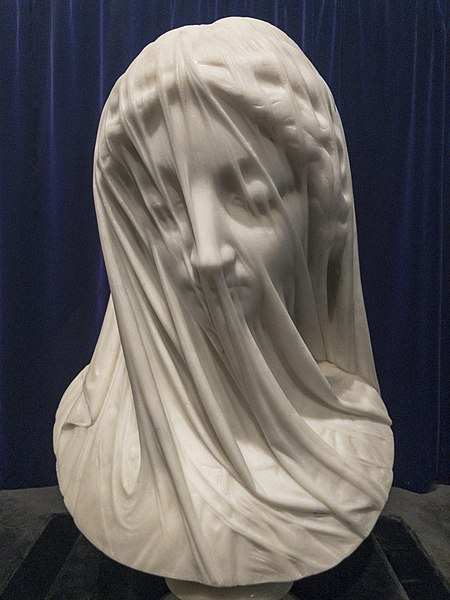
Here are ten soul-piercing sculptures that will haunt you or will leave you breathless. 🧵👇 “Modesty” by Antonio Corradini
1. Michelangelo’s Pietà

It is Easter Sunday. And only befitting to start with Michelangelo's masterpiece.

She doesn’t scream.

She cradles him—broken, lifeless—her face frozen in grace. Carved from marble before Michelangelo turned 25.

One block. One chisel. One mother’s eternal grief.
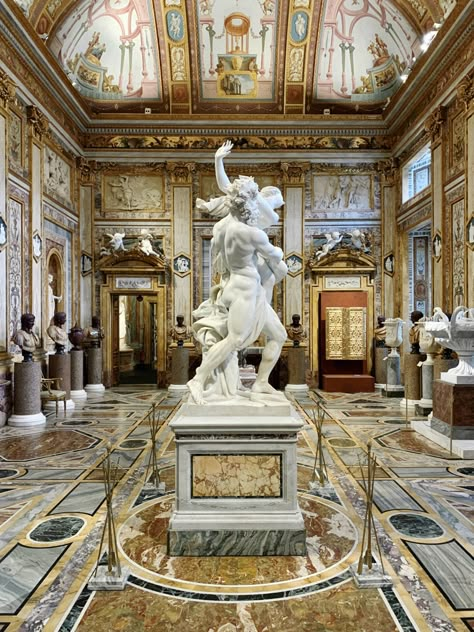
2. Bernini’s Abduction of Proserpina

Fingers grip flesh. Marble bends like skin.

This isn’t just sculpture. It’s a moment of terror, power, and desperation—frozen forever.

Bernini was only 23.
3. The Veiled Christ by Giuseppe Sanmartino

Christ's dead body. Veiled. Still breathing.

That’s how real it looks.

Carved in 1753, and to this day no one agrees how he did it.
4. Nike of Samothrace

Wings stretched wide. Headless, yet defiant.

She’s not a victim of time. She defies time. Found in pieces, now commanding a staircase in the Louvre.

Victory never looked so fierce.
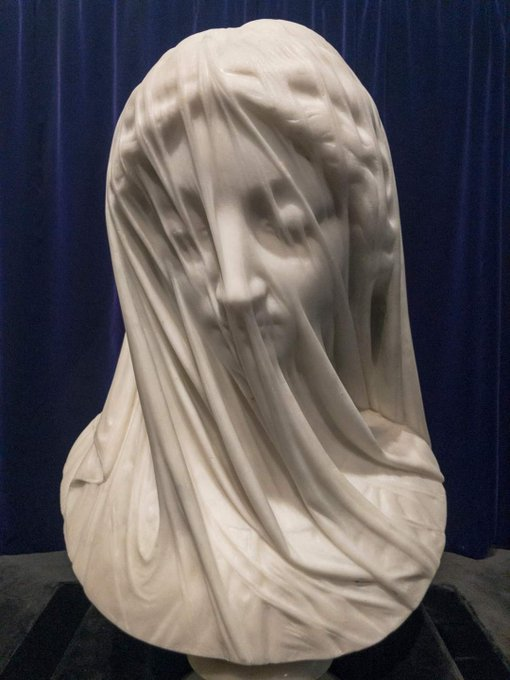
5. Corradini’s Modesty

She’s veiled, but nothing is hidden.

One of the greatest illusions in art—marble turned to sheer silk.

You can feel the breath beneath it.
6. Perseus with the Head of Medusa by Benvenuto Cellini

Triumph and terror in one strike.

Medusa’s face contorts in her last moment. Perseus—cold, calculating.

This isn’t heroism. It’s raw, divine justice.
7. Narciso by Jago

A modern sculpture with ancient power.

A man gazes into his own reflection, forever in love with himself—until he’s destroyed by it.

Beauty weaponized. Narciso by JAGO (Jago; actual name Jacopo Cardillo)
If this thread moved you even a little ...

I share the world’s most powerful art and stories every week.

Subscribe free → thecultureexplorer.beehiiv.com/subscribeThe Veiled Virgin, masterly created out of Carrara marble, a material derived from Tuscany, by Italian sculptor Giovanni Strazza.  Credit: @Ticiaverveer
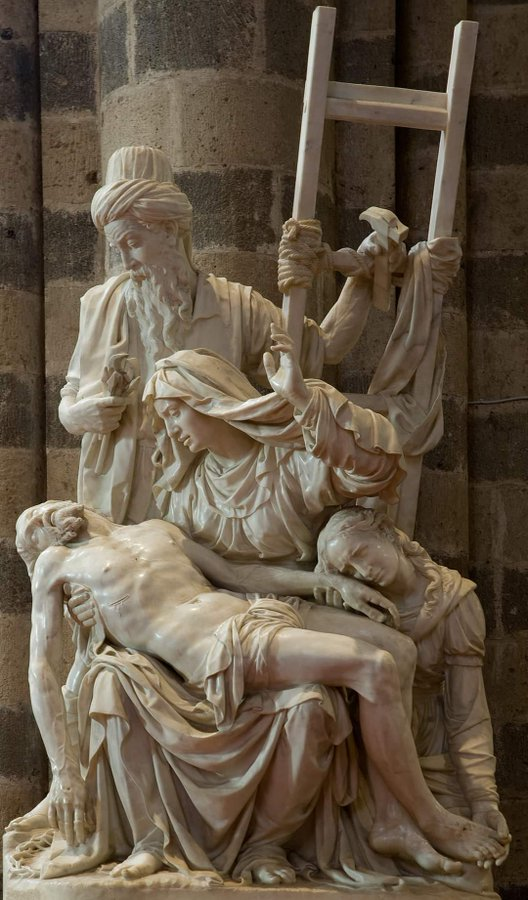
8. Ippolito Scalza’s Pietà

Mary doesn’t just mourn. She pleads.

Her son’s body slumps. The silence is unbearable.

This version of the Pietà feels heavier.

Closer. Human. Image
9. Apollo and Daphne by Bernini

She runs. He chases.

Just as he grabs her, she turns into a tree—bark swallowing her fingers, hair turning to leaves.

Desire meets horror.
10. The Ecstasy of Saint Teresa by Bernini

She’s pierced by divine love.

Eyes closed. Mouth parted. Her body caught in a moment between agony and ecstasy.

Bernini made marble breathe.
For more content like this, follow my account @CultureExploreX.

Which of these 10 stunned you the most?

If your favorite sculpture isn’t on the list, drop it below—I want to see it. Veiled Virgin is a Carrara marble statue carved in Rome by Italian sculptor Giovanni Strazza (1818–1875). Credit: @archeohistories
Bonus: Saint Bartholomew Flayed
Duomo di Milano.

He holds his own skin like a cloak.

Art doesn’t get darker—or more unforgettable.

• • •

Missing some Tweet in this thread? You can try to force a refresh

 

Keep Current with Culture Explorer

Culture Explorer Profile picture

Stay in touch and get notified when new unrolls are available from this author!

Read all threads

This Thread may be Removed Anytime!

PDF

Twitter may remove this content at anytime! Save it as PDF for later use!

Try unrolling a thread yourself!

how to unroll video
  1. Follow @ThreadReaderApp to mention us!

  2. From a Twitter thread mention us with a keyword "unroll"
@threadreaderapp unroll

Practice here first or read more on our help page!

More from @CultureExploreX

Apr 21
“Men did not love Rome because she was great.
She was great because they had loved her.”
– G. K. Chesterton

That love wasn’t abstract. It was carved in marble, painted in fresco, and built into domes.

Rome’s architecture doesn’t just impress—it overwhelms. 🧵👇 Borghese Gallery Credit: italysegreta
From secret palaces to churches that play tricks on your eyes...

Rome isn't just ancient ruins.

It’s an art installation built across centuries.

Once you see this, you’ll never look at the city the same again. Palazzo Altemps Credit: Italy Segreta
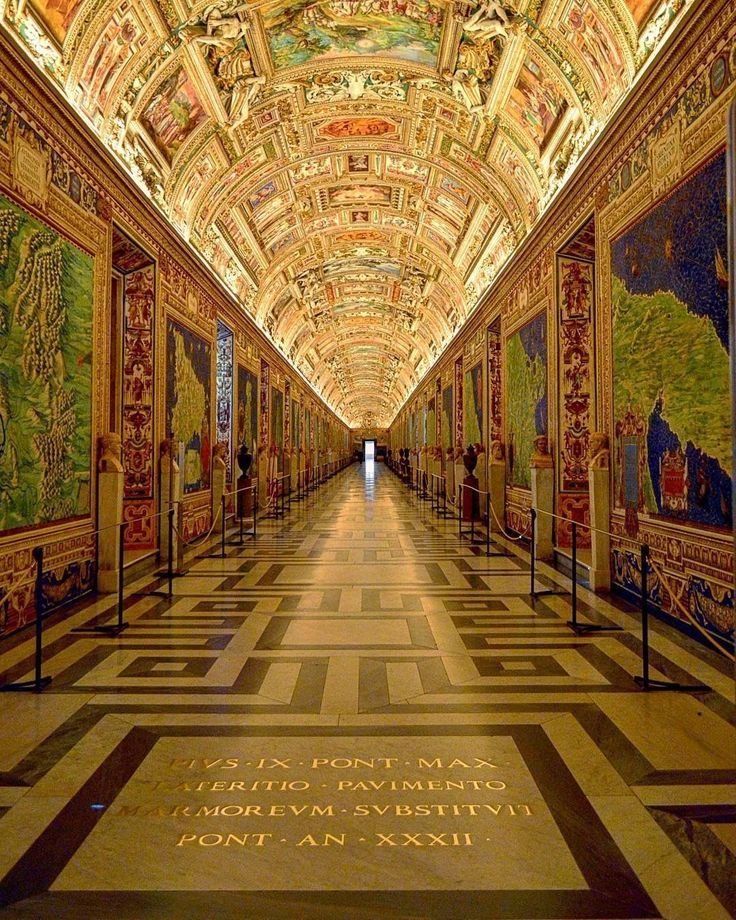
1. Vatican Museums

Each hallway is a visual delight.

Especially the Gallery of Maps and the Raphael Rooms.

The ceilings alone are more ambitious than most modern buildings. Image
Read 18 tweets
Apr 18
It’s Good Friday. Jesus was crucified.

But what happened to the 12 who followed Him? They didn’t fade into silence.

They were hunted, tortured, and killed—one by one.

And yet, they never turned back.

Their final moments will wreck you. 🧵👇 The Pieta by Michelangelo original file by Stanislav Traykov • CC BY 2.5
You’ve heard of the 12 apostles.
But you probably don’t know how they died.

After the resurrection, the apostles gathered in Jerusalem.

They shared everything. Prayed together.
Then came Pentecost.

The Holy Spirit filled them with fire—and they began preaching with fearless power.

But they were crucified, flayed, beheaded, speared. All for refusing to stay silent.

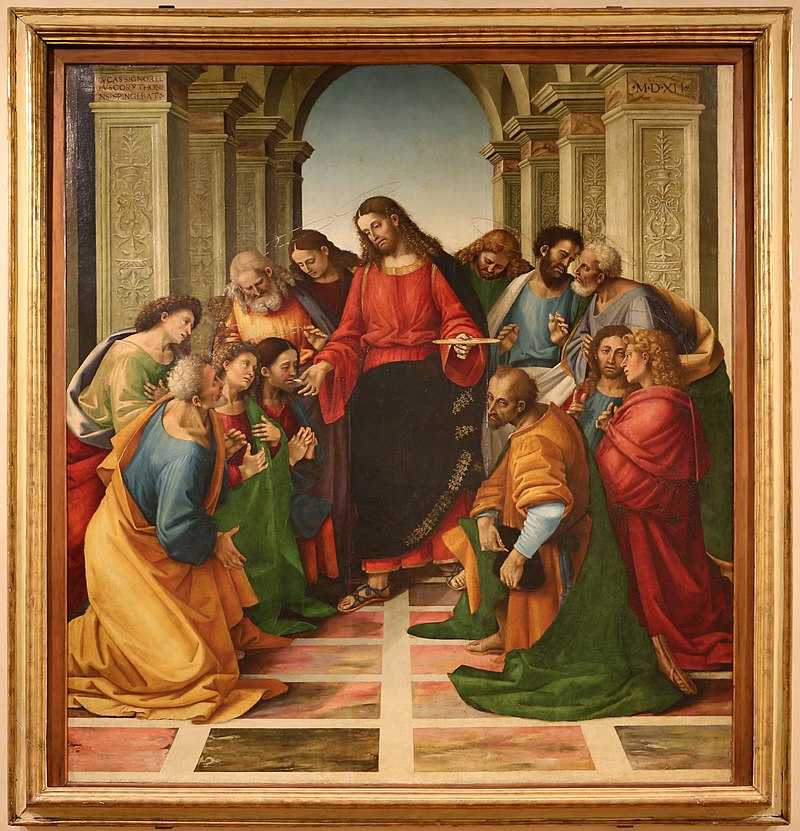
This is the untold story of what became of Jesus’ closest followers...Luca Signorelli, Communion of the Apostles. 1512.
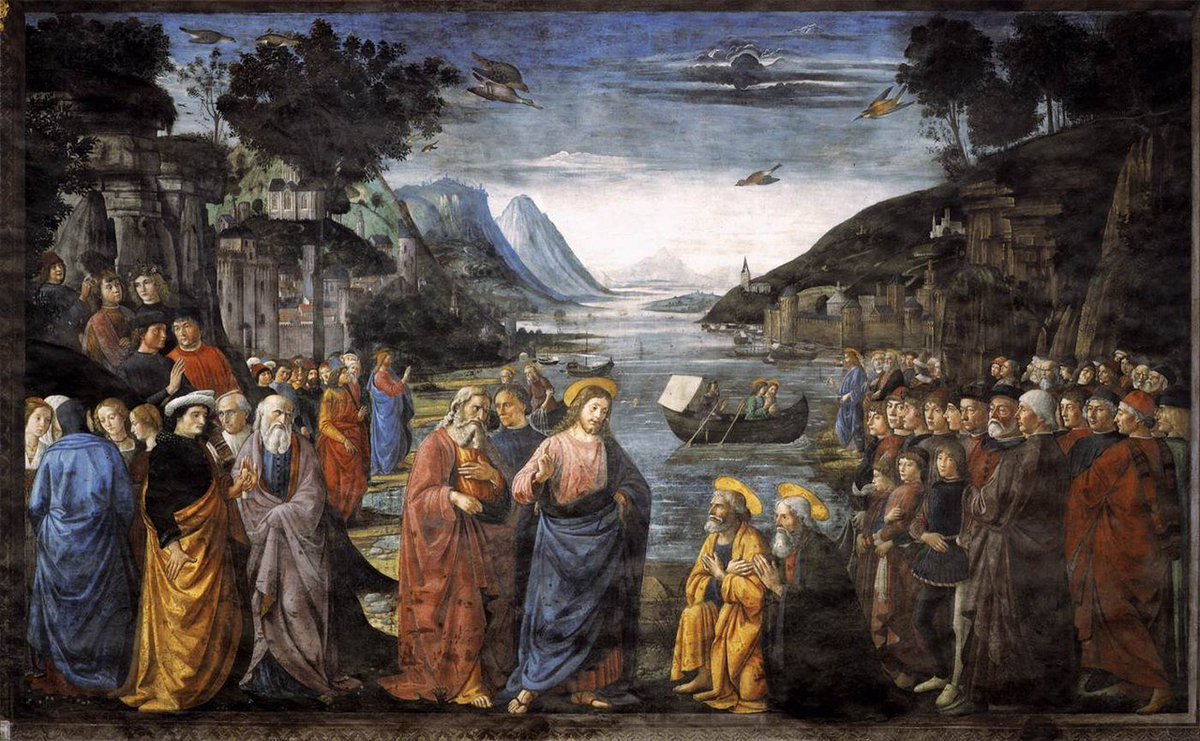
Domenico Ghirlandaio, fresco in The Sistine Chapel, The Vocation of the Apostles. 1481–1482.
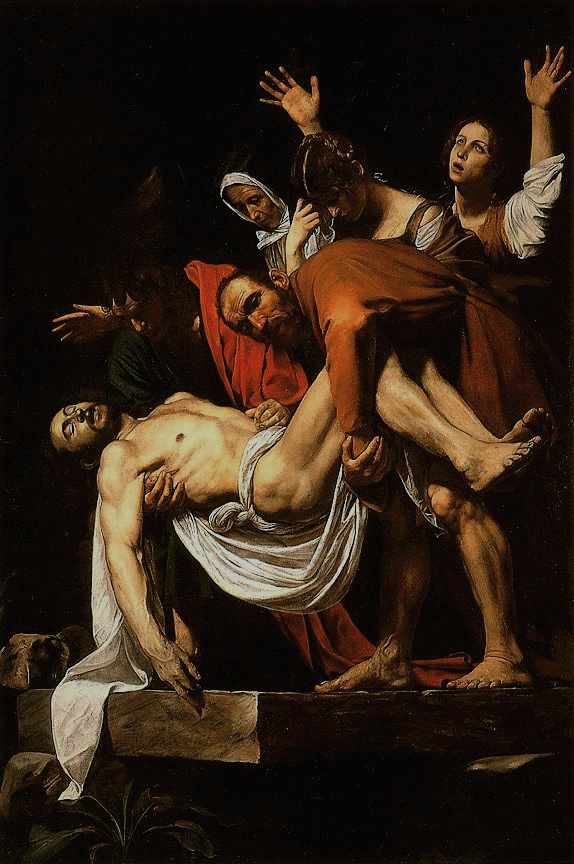
Entombment of Christ by Caravaggio
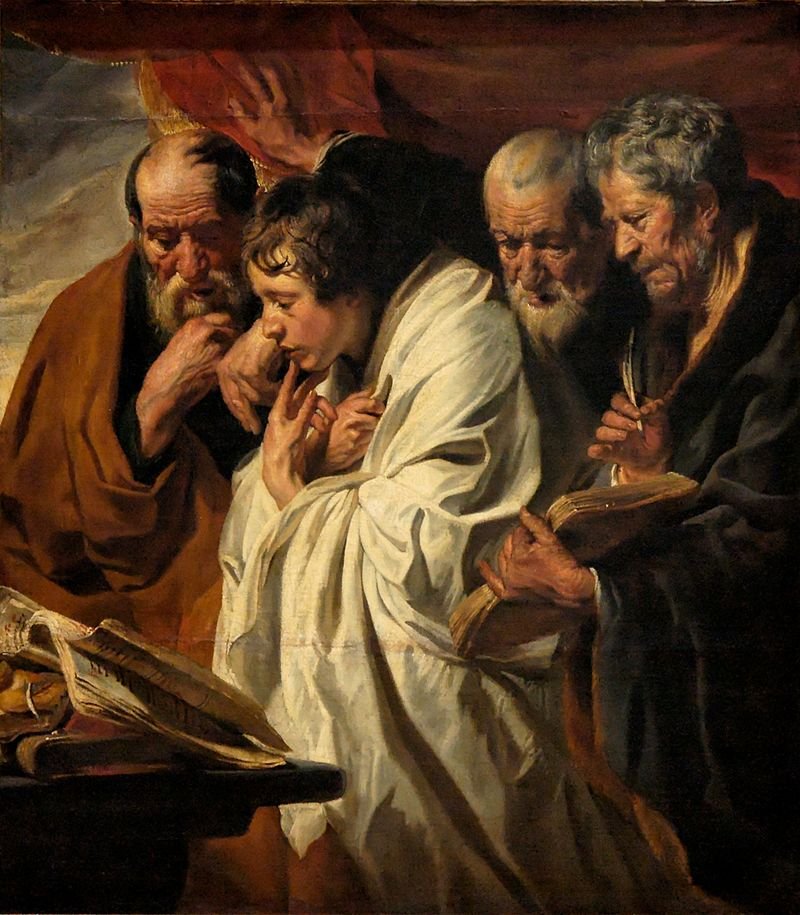
Jacob Jordaens, Four apostles. c. 1627.
Peter

Once a fisherman, then the rock of the Church.

He denied Jesus three times—but spent the rest of his life making up for it.

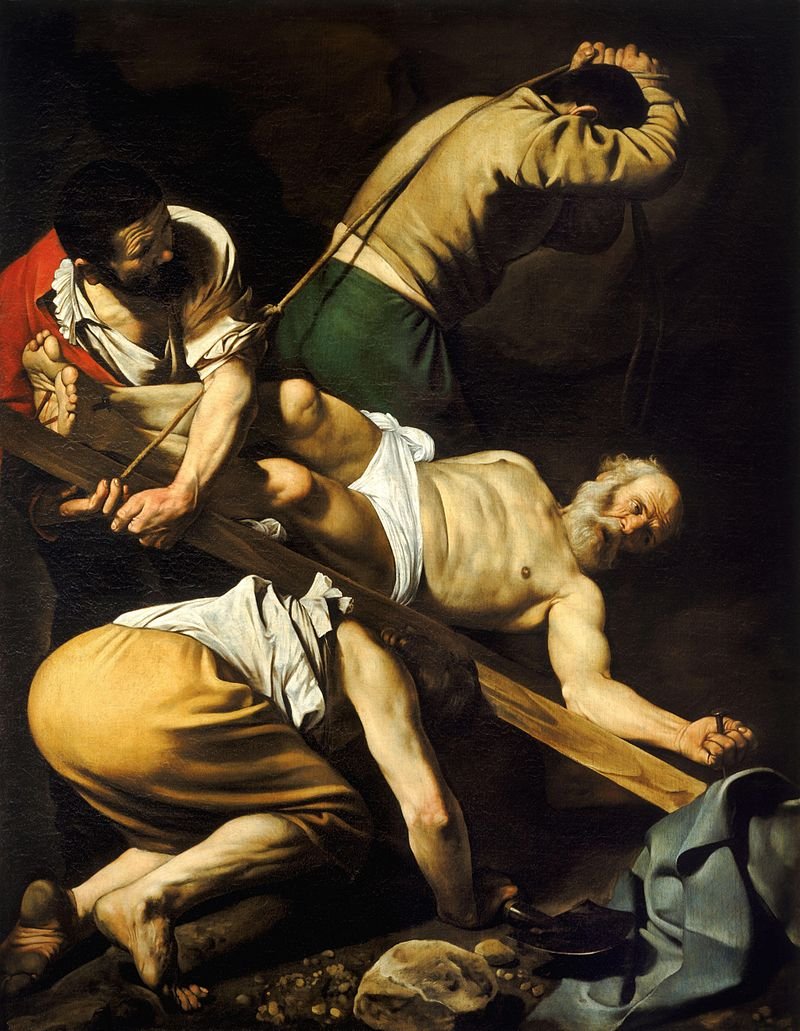
He built the Church in Rome… and was crucified upside down.

He said he wasn’t worthy to die like his Lord. Crucifixion of Saint Peter By Caravaggio (1601) at the Santa Maria del Popolo, Rome
Read 20 tweets
Apr 17
You think you know ancient history?
Greece. Rome. Egypt.

But what about the civilizations we forgot?

They built wonders, ruled empires, and shaped the world… Only to vanish.

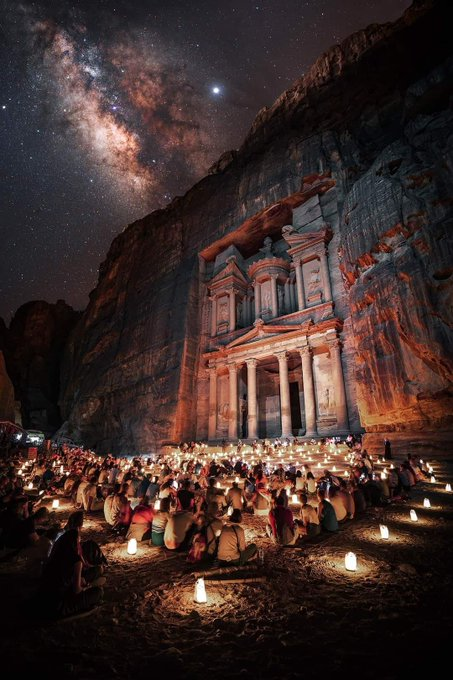
Let me show you 15 ancient cultures you’ve never heard of—but should have. 🧵👇 "Al-Khazneh" Photo by Stefan Liebermann  Credit: @archeohistories
Let’s begin…

1. The Nabataeans (Jordan)

Yes, Petra. But they weren’t just stonemasons.
They hacked the desert—building hidden cisterns, channels, and reservoirs that still function.

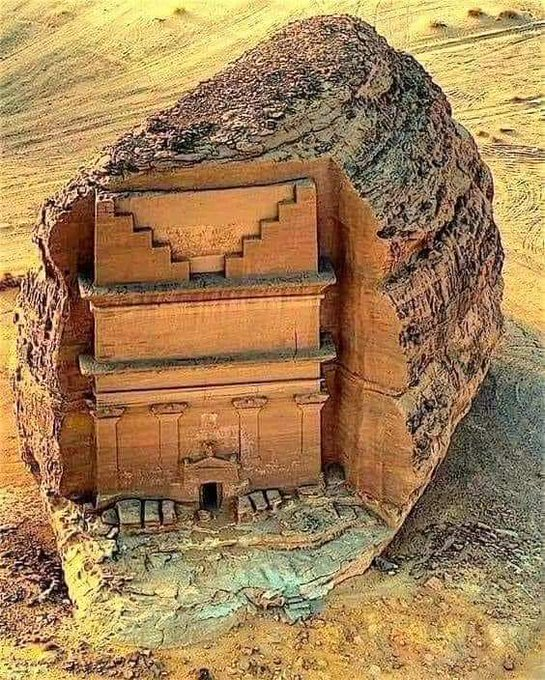
Water was power. They mastered it. Hegra, also known as Mada’in Salih, is Saudi Arabia’s first UNESCO World Heritage Site, carved into rock by the Nabataeans before the 1st century AD. Once a bustling trade hub, its 111 rock-cut tombs and unique blend of Greek, Roman, and Egyptian influences now captivate travelers seeking its mysteries. Credit: @histories_arch
A Nabatean sculpture of Atargatis Credit: By Dennis G. Jarvis - flickr/photos/archer10/2217600108/, CC BY-SA 2.0
2. The Kingdom of Elam (Iran)

Long before Persia, Elam built ziggurats like Chogha Zanbil—older than most pyramids.

They wrote clay tablets with laws, recipes, and love letters.

It was a city of stories. The Ziggurat of Chogha Zanbil is an ancient temple complex located in the Khuzestan province of southwestern Iran. Photo Credit: @johnlopez2nd John the Alchemist
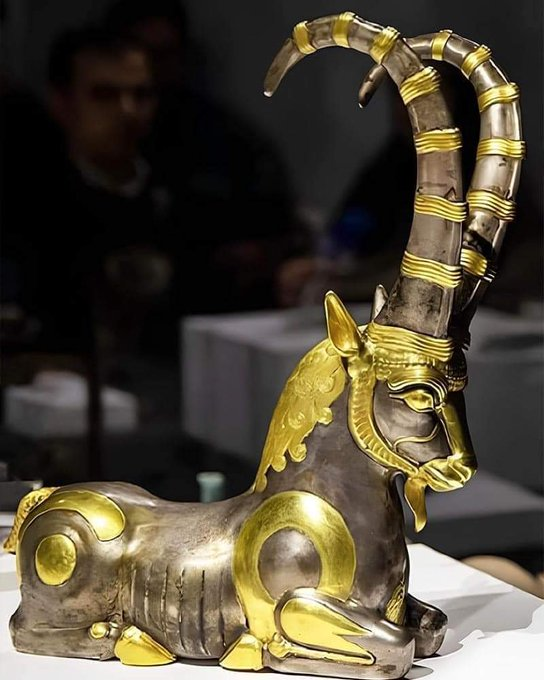
Elamite Ibex Statue from 2nd Millennium BC, Persia (ancient Iran). Photo credit: @Dr_TheHistories
Read 18 tweets
Apr 16
You walk into a Gothic cathedral thinking it’s just another old church.

But what if I told you, it was once the most advanced structures ever built?

A place where light was engineered, sound was weaponized, and stone was used to tell stories.

Let me show you. 🧵👇 Basilica of Saint-Denis, Saint-Denis. The Basilica of Saint-Denis is the first Gothic cathedral and the burial place of French kings and queens. Its innovative architecture marked the beginning of Gothic art. Credit: Gothic Churches @GothicChurches
These weren’t just places of worship.

They were power statements. Engineering marvels.

And France built more of them than anywhere else on earth.

But the reason why? That’s where the story gets wild. Interior of Chatres Cathedral
Start in Strasbourg—for over 200 years, its cathedral was the tallest structure in the world.

It’s not just big. It’s precise.

Every statue, every arch, serves a purpose: to control light, space, and the mind. Image
Read 16 tweets
Apr 15
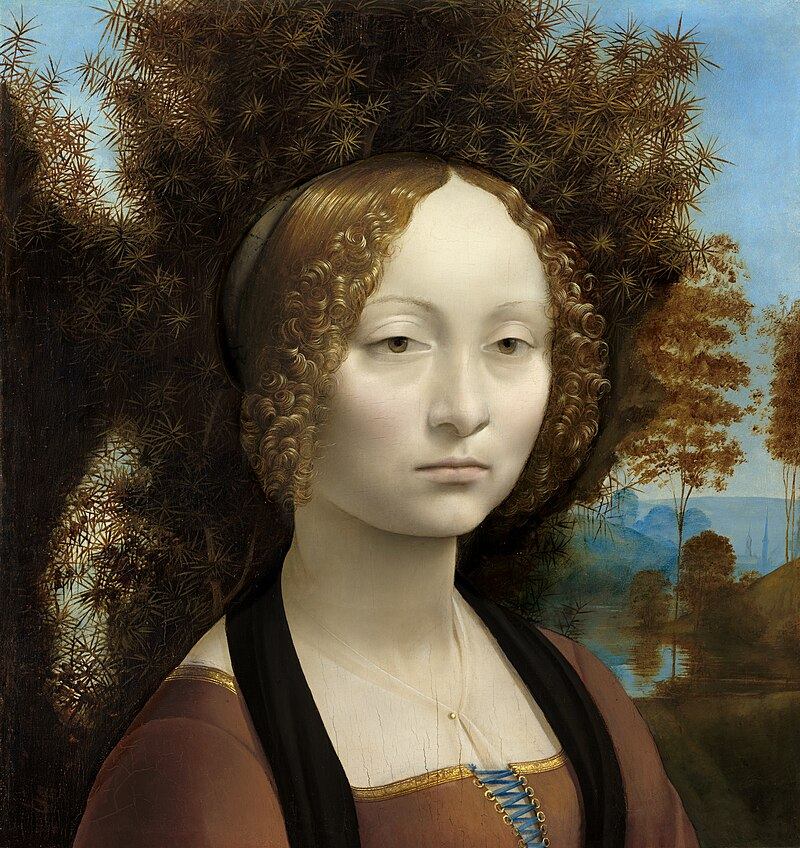
Most people know Leonardo da Vinci as a painter. But the truth is far more complicated.

He was a bastard child, accused of a crime that could have killed him, and nearly erased by history.

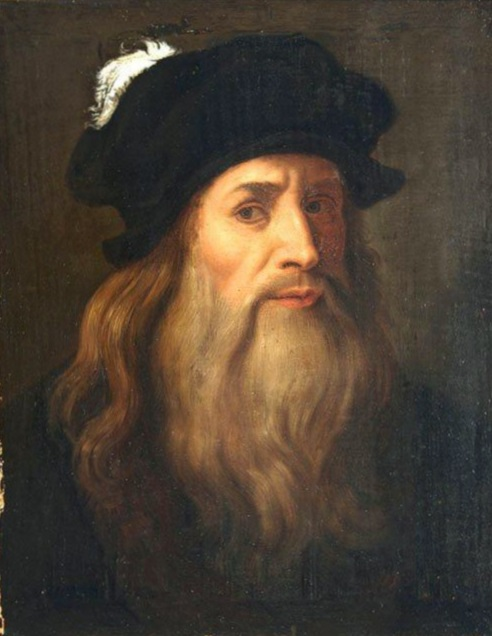
Today is his birthday. Here is what no one teaches you in school about him. 🧵 Lucan Portrait of Da Vinci at the Museo delle Antiche Genti di Lucania, Vaglio Basilicata  A painting discovered in 2008 near Naples, which closely resembles the Uffizi's 17th-century copy of the "Self-portrait of Leonardo da Vinci", is currently undergoing restoration and investigation. - Wikimedia Creative Commons
Born April 15, 1452, Leonardo was the illegitimate son of the Florentine notary Piero di Antonio da Vinci and the orphan girl Caterina di Meo Lippi

He grew up in his father’s house—but never fully belonged.

No formal education. No noble title.

Just raw talent, relentless curiosity, and something to prove.La Scapigliata, c. 1506–1508 (unfinished), Galleria Nazionale di Parma, Parma
He didn’t even write like other people.

Leonardo wrote from right to left, in mirror script.
For centuries, scholars believed he was hiding his secrets.

The truth? He was left-handed.

That writing style kept his hand from smudging the ink. Image
Read 16 tweets
Apr 14
Europe wasn’t just built by kings and armies.

It was carved by stories.

Ink, not iron, shaped its soul.

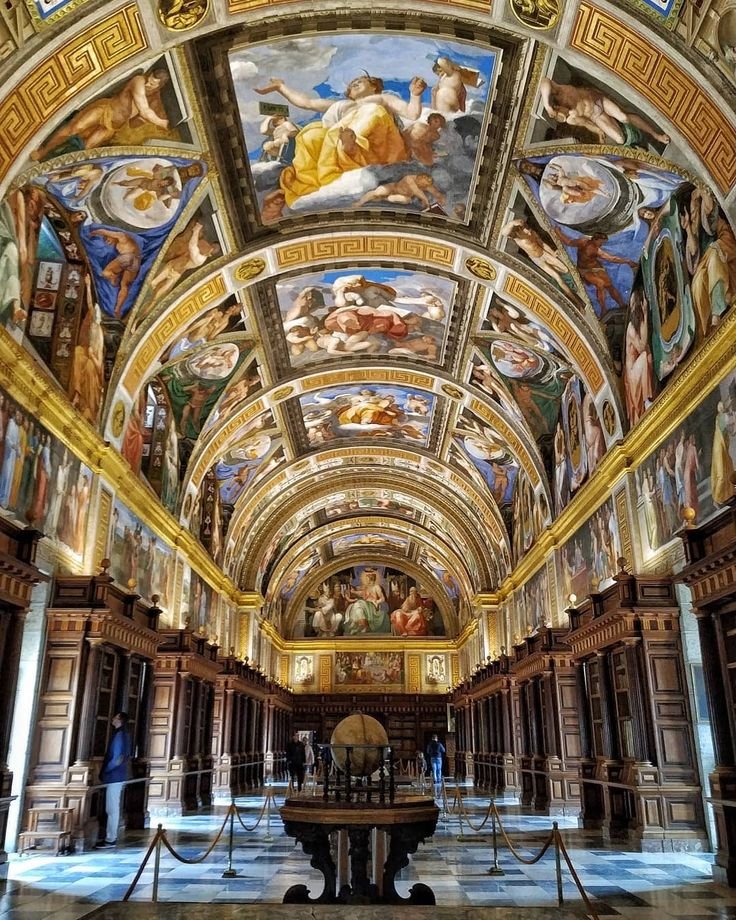
Here are the 15 books that made Europe what it is and we should read them at least once in our lives. 🧵👇 Biblioteca de El Escorial, Spain
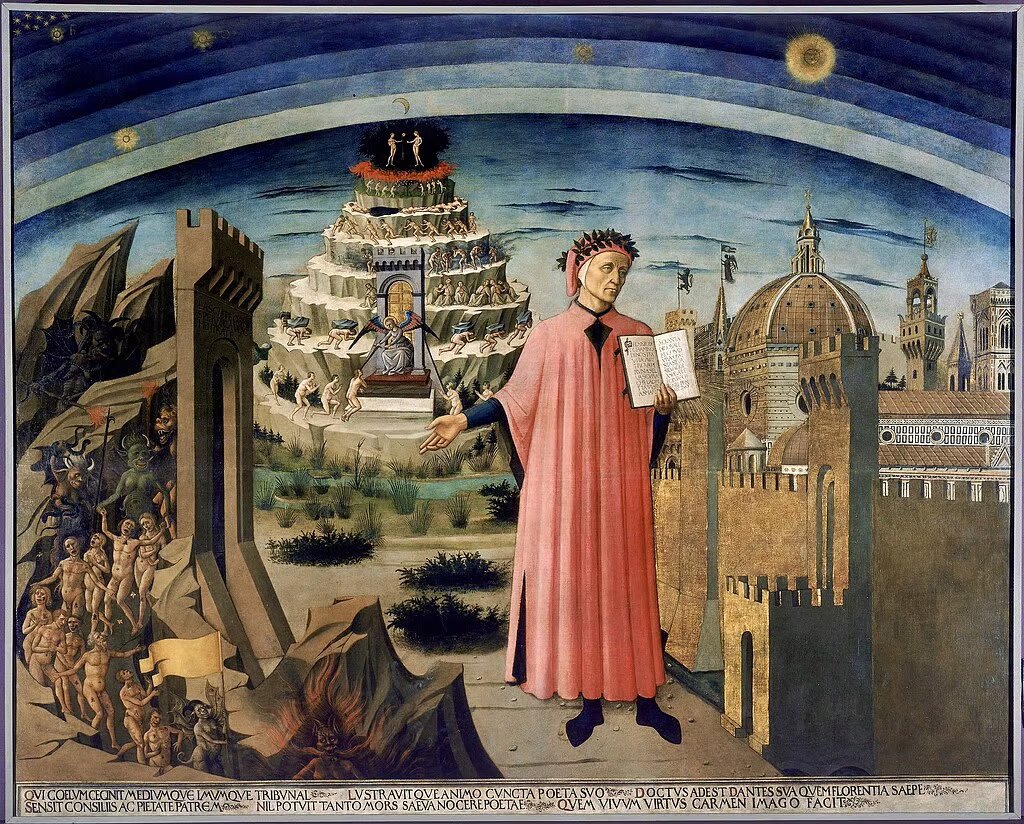
Dante wasn’t just a poet.

The Divine Comedy dragged a broken man through hell and gave the world a vision of paradise.

He turned personal exile into the foundation of European literature—and made the afterlife feel real. Dante shown holding a copy of the Divine Comedy, next to the entrance to Hell, the seven terraces of Mount Purgatory and the city of Florence, with the spheres of Heaven above, in Domenico di Michelino's 1465 fresco.
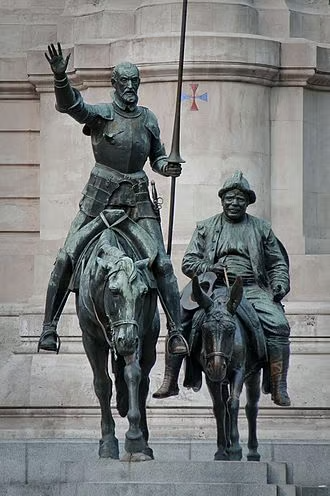
Cervantes watched his world lose faith in heroes.

So he gave us Don Quixote—a madman who sees beauty in a world gone cold.

The book begins as satire, but ends in sorrow. It laughs at knights and then weeps for their absence. Bronze statues of Don Quixote and Sancho Panza, at the Plaza de España in Madrid. Photo By רנדום - Wikimedia, CC BY-SA 3.0.
Read 18 tweets

Did Thread Reader help you today?

Support us! We are indie developers!


This site is made by just two indie developers on a laptop doing marketing, support and development! Read more about the story.

Become a Premium Member ($3/month or $30/year) and get exclusive features!

Become Premium

Don't want to be a Premium member but still want to support us?

Make a small donation by buying us coffee ($5) or help with server cost ($10)

Donate via Paypal

Or Donate anonymously using crypto!

Ethereum

0xfe58350B80634f60Fa6Dc149a72b4DFbc17D341E copy

Bitcoin

3ATGMxNzCUFzxpMCHL5sWSt4DVtS8UqXpi copy

Thank you for your support!

Follow Us!

:(