🧵 How is a Pope Elected?
The election of a pope is one of the oldest and most fascinating rituals, blending faith, politics, and pageantry in the Vatican.
Let’s dive into the Conclave, step by step. 👇
The election of a pope is one of the oldest and most fascinating rituals, blending faith, politics, and pageantry in the Vatican.
Let’s dive into the Conclave, step by step. 👇
1. When a pope dies or resigns (like Benedict XVI in 2013), the Church enters Sede Vacante — the vacant seat.
The Camerlengo, a cardinal, manages affairs temporarily.
Preparations for the Conclave begin.
The Camerlengo, a cardinal, manages affairs temporarily.
Preparations for the Conclave begin.
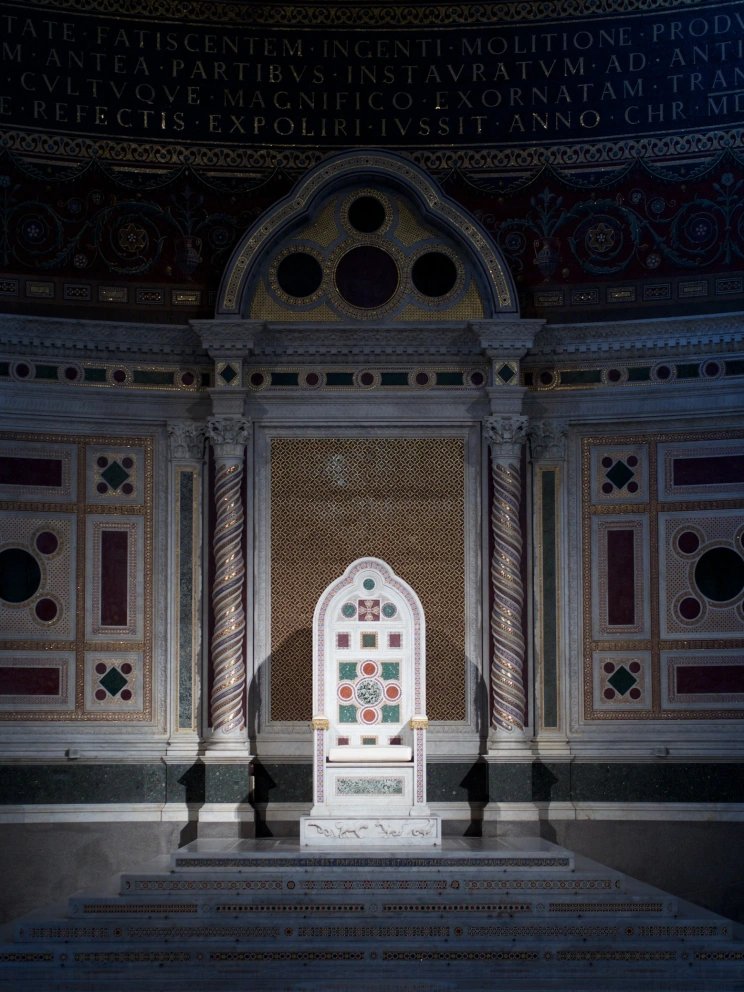
2. Who Elects the Pope?
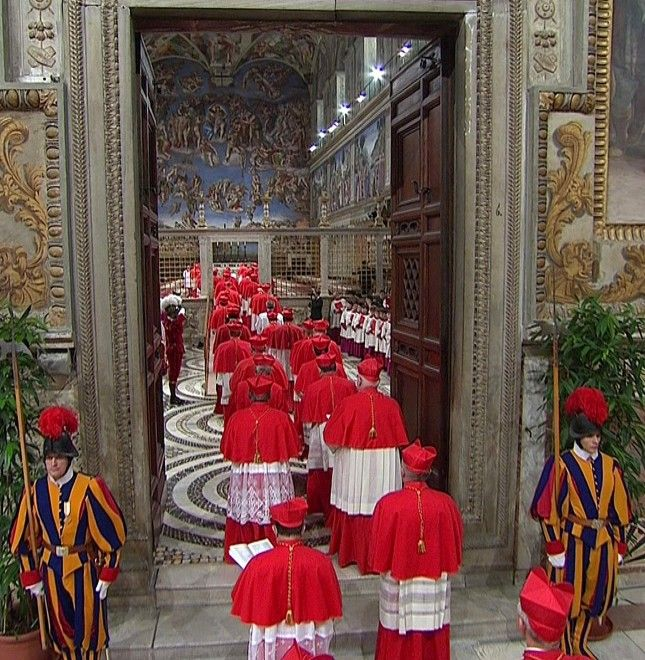
The College of Cardinals elects the pope, but only those under 80 vote. Around 120 cardinals, representing the global Church, gather in Vatican City for secrecy and focus.
No phones, no outside world.
The College of Cardinals elects the pope, but only those under 80 vote. Around 120 cardinals, representing the global Church, gather in Vatican City for secrecy and focus.
No phones, no outside world.
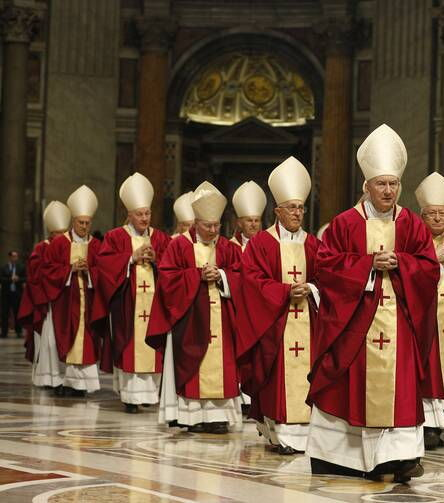
3. The Conclave Begins
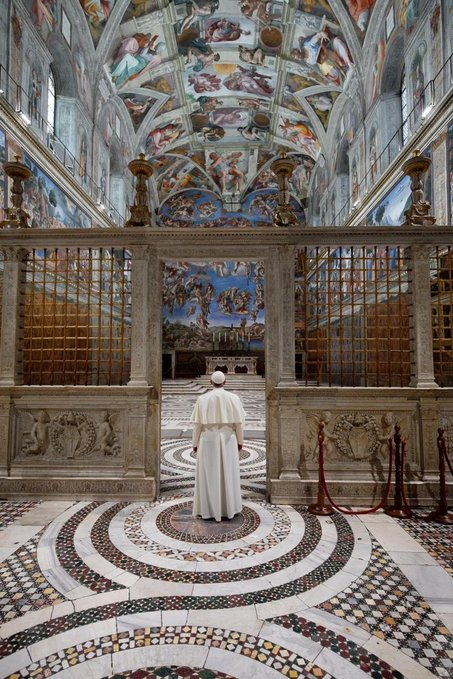
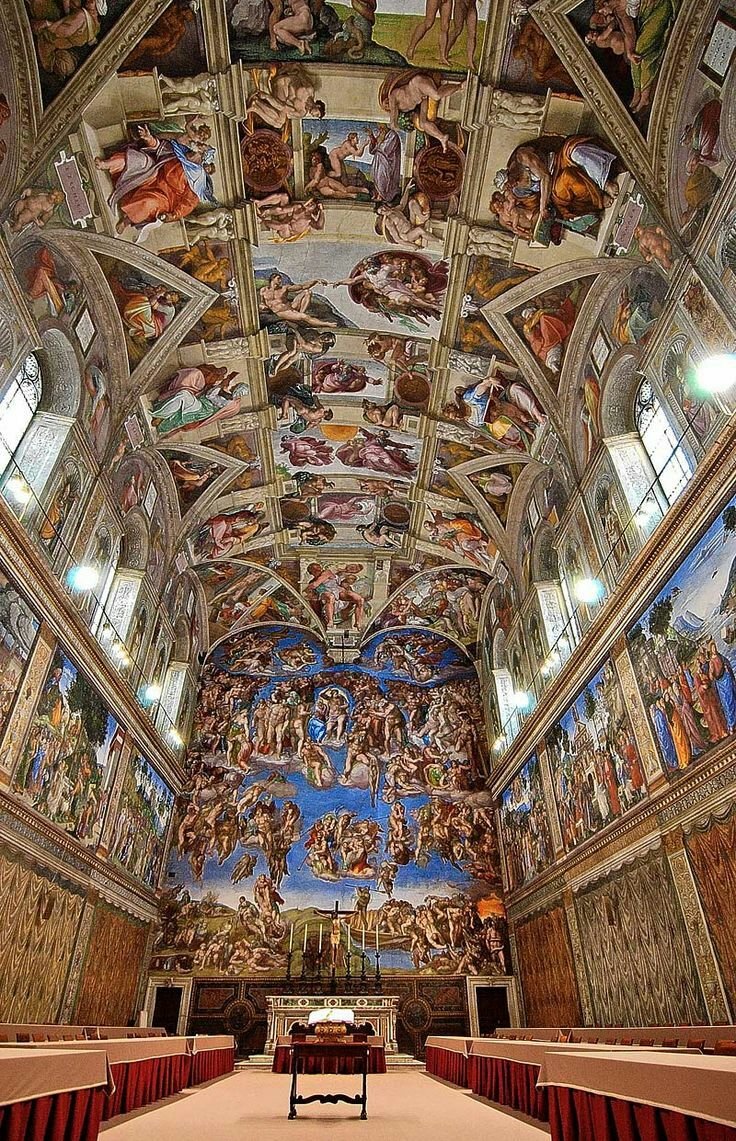
'Conclave' means locked with a key (Latin: cum clave). Cardinals are secluded in the Sistine Chapel under Michelangelo’s frescoes, swearing secrecy.
The cry Extra Omnes! (Everyone out!) clears the room.
'Conclave' means locked with a key (Latin: cum clave). Cardinals are secluded in the Sistine Chapel under Michelangelo’s frescoes, swearing secrecy.
The cry Extra Omnes! (Everyone out!) clears the room.
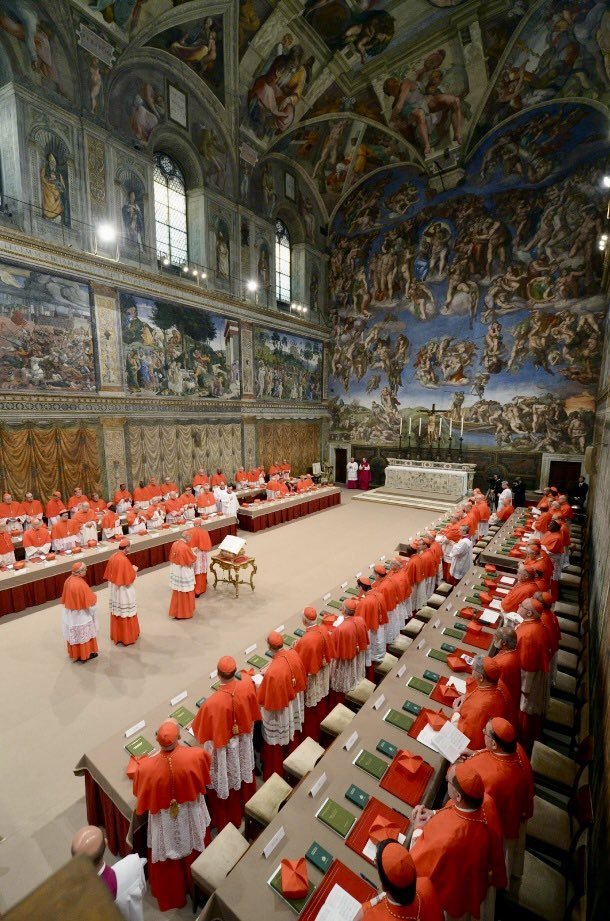
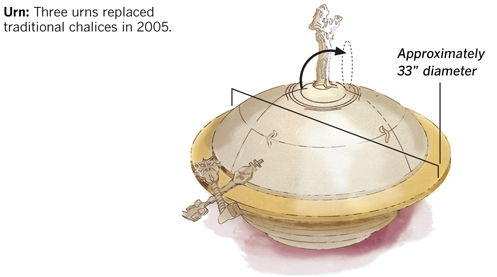
4. Voting Process
The voting is silent, with handwritten ballots placed in an urn. A two-thirds majority elects the pope.
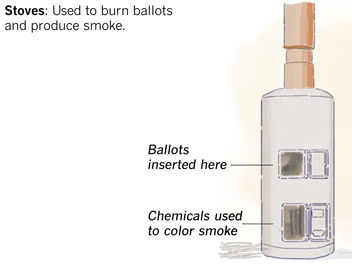
If no one wins, ballots are burned with a chemical for black smoke — no pope yet.
The voting is silent, with handwritten ballots placed in an urn. A two-thirds majority elects the pope.
If no one wins, ballots are burned with a chemical for black smoke — no pope yet.
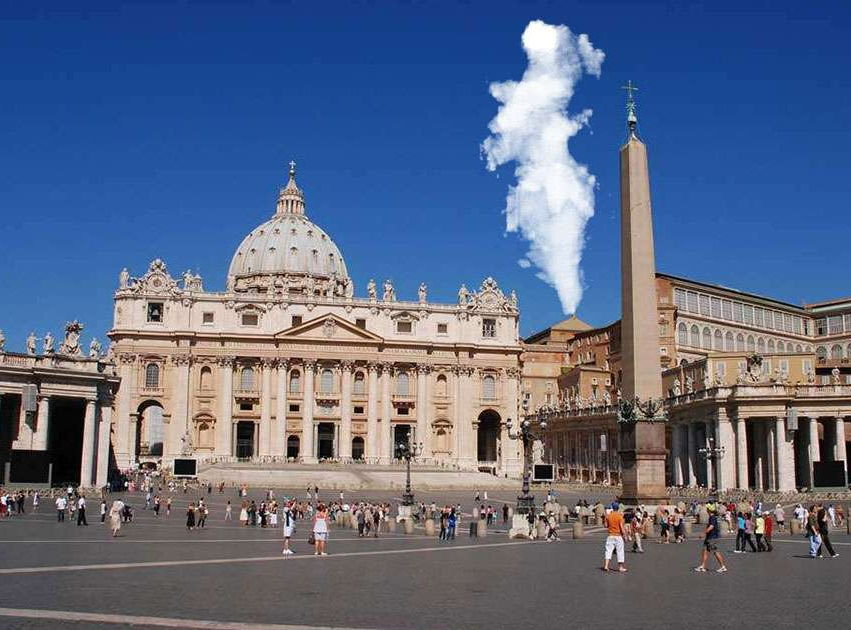
5. Up to four ballots daily — two morning, two afternoon. After each, smoke signals the result:
Black for no pope, White for a new one.
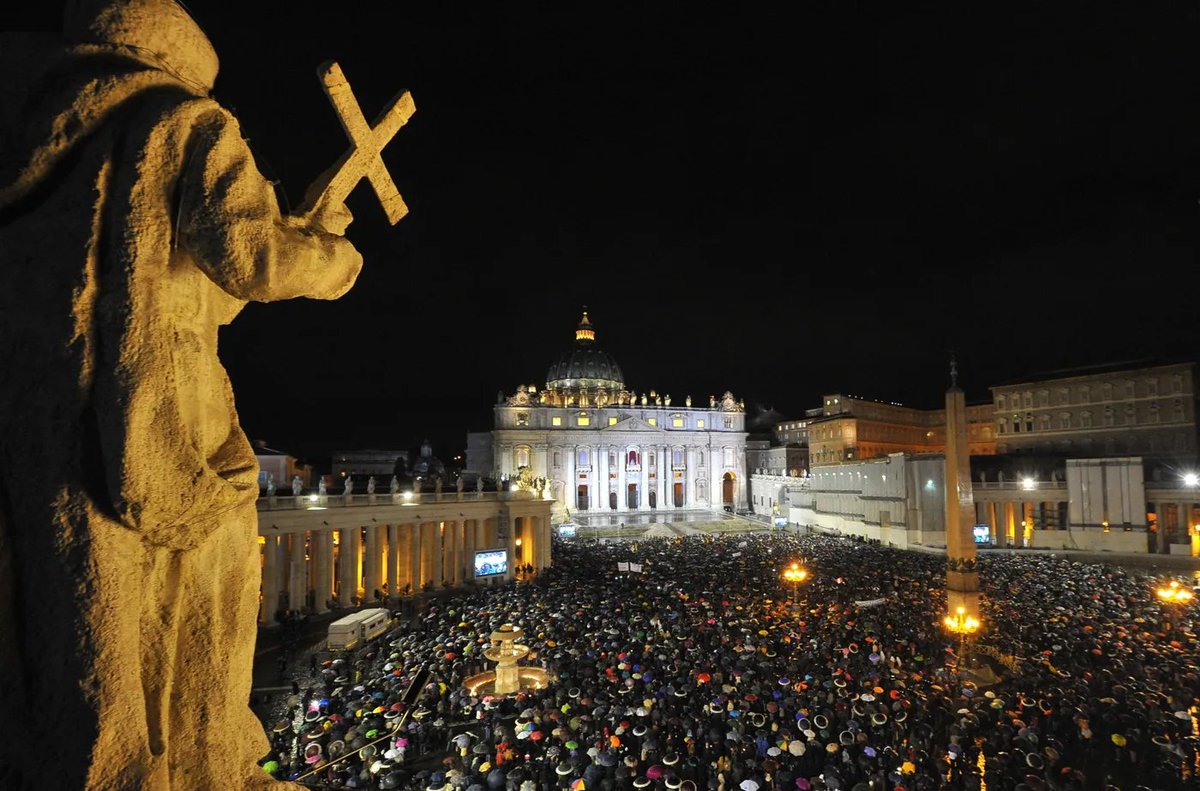
Crowds in St. Peter’s Square watch the chimney.
Black for no pope, White for a new one.
Crowds in St. Peter’s Square watch the chimney.
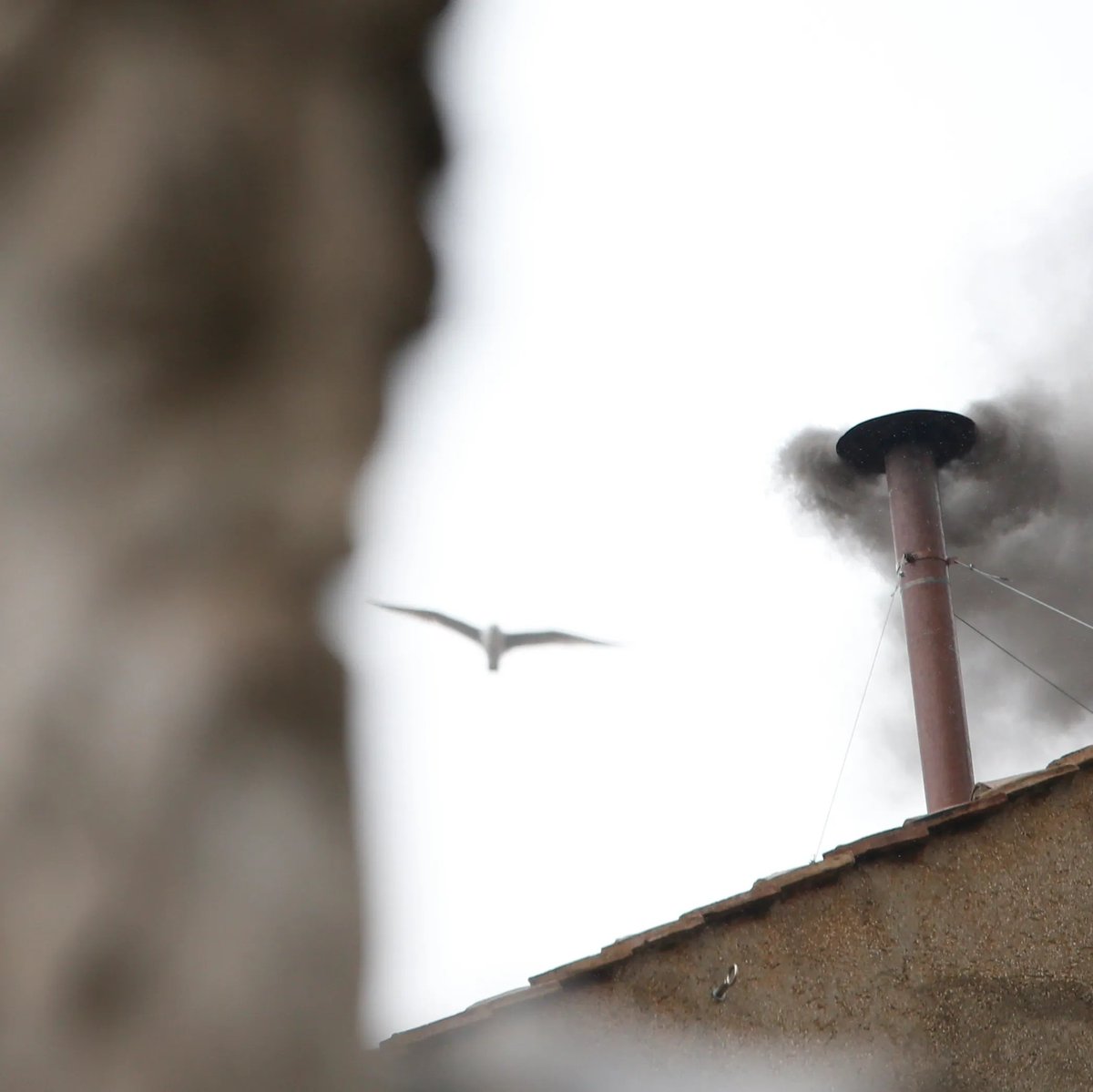
6. When a candidate gets two-thirds, ballots burn with a chemical for white smoke. Bells ring, crowds cheer. The new pope is chosen, but one step remains before he’s revealed.
7. “Habemus Papam!”
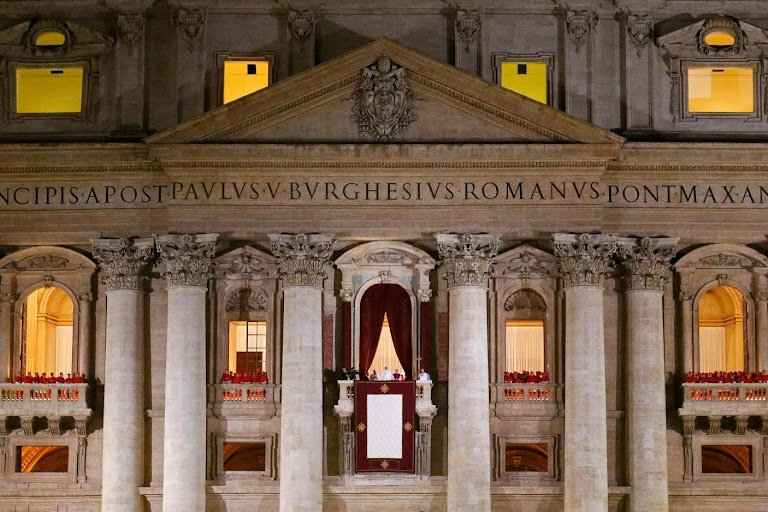
The Dean of Cardinals steps onto St. Peter’s balcony, announcing “Habemus Papam!” — We have a pope! He shares the pope’s name and chosen title, then the pope blesses the crowd.
The Dean of Cardinals steps onto St. Peter’s balcony, announcing “Habemus Papam!” — We have a pope! He shares the pope’s name and chosen title, then the pope blesses the crowd.
8. Choosing a Name
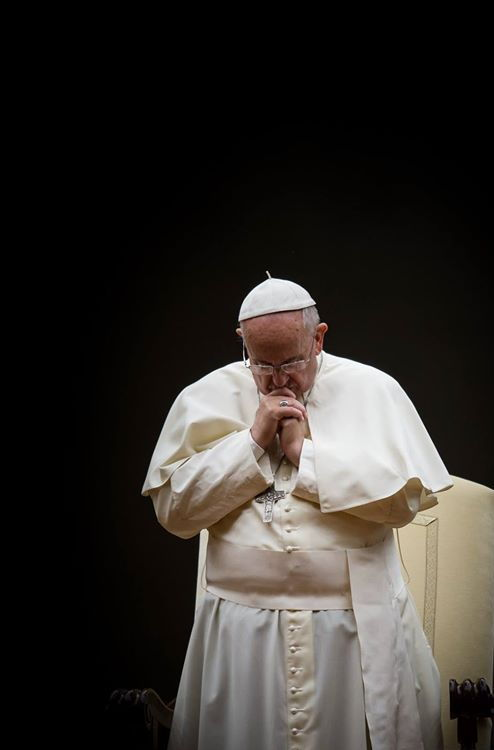
The papal name reflects vision or homage. Pope Francis chose his for St. Francis of Assisi, signaling humility.
This choice is a new pope’s first symbolic act.
The papal name reflects vision or homage. Pope Francis chose his for St. Francis of Assisi, signaling humility.
This choice is a new pope’s first symbolic act.
9. The Conclave’s secrecy ensures free voting. The Sistine Chapel’s Last Judgment reminds cardinals of divine stakes.
It’s human politics meeting spiritual weight.
It’s human politics meeting spiritual weight.
10. It is a global moment. The papal election captivates the world, transcending borders. From smoke to blessing, this ancient ritual feels timeless in our instant-news age.
11. The Conclave is continuity in action. For 2,000 years, the Church has chosen its leader, adapting yet preserving tradition.
Next white smoke, you’ll know the story.
Next white smoke, you’ll know the story.
Thanks for reading! Follow @xmuse_ for more threads on the traditions, art, and ideas that shape our world.
📩 Discover art, history & culture — beyond algorithms & gatekeepers. Subscribe for exclusive articles.
What’s a ritual you’d like to explore next? 🧵
📩 Discover art, history & culture — beyond algorithms & gatekeepers. Subscribe for exclusive articles.
What’s a ritual you’d like to explore next? 🧵
• • •
Missing some Tweet in this thread? You can try to
force a refresh