🧵1/ Garage Land: How Ukraine’s wartime defense tech startup scene is changing the future of warfare.
The war triggered a mobilization in garages and workshops across Ukraine, spawning cutting-edge innovations and hundreds of defense tech startups.
The war triggered a mobilization in garages and workshops across Ukraine, spawning cutting-edge innovations and hundreds of defense tech startups.

2/ For Americans Justin Zeefe and Deborah Fairlamb, the war was a wake-up call.
They met in early 2022 and launched Green Flag Ventures (GFV), a VC fund backing Ukraine’s wartime tech startups—and taking them global.
They met in early 2022 and launched Green Flag Ventures (GFV), a VC fund backing Ukraine’s wartime tech startups—and taking them global.

3/ Ukraine can sustain itself through innovation, Zeefe said. These companies develop and battle-test technologies faster than anyone.
GFV funds early-stage firms needing $100K–$600K.
Ex:
— Kara Dag (drone countermeasures)
— Himera (tactical comms)
— Swarmer (drone swarms)
GFV funds early-stage firms needing $100K–$600K.
Ex:
— Kara Dag (drone countermeasures)
— Himera (tactical comms)
— Swarmer (drone swarms)
4/ Zeefe, a former US intel officer, and Fairlamb, embedded in Ukraine’s tech scene since 2004.
“Our skills just clicked,” said Zeefe. "Deborah brought deep financial and local knowledge, I brought ops and intel. Together, we could help these founders survive and grow.”
“Our skills just clicked,” said Zeefe. "Deborah brought deep financial and local knowledge, I brought ops and intel. Together, we could help these founders survive and grow.”

5/ The two see echoes of 1990s Israel: a culture of ingenuity, a surplus of engineering talent, and innovations tested under extreme conditions. “Wartime creates clarity. These startups move fast and build things that work,” Zeefe said.

6/ Ukraine’s defense sector is booming: $1B output in 2022 is expected to reach $15B this year.
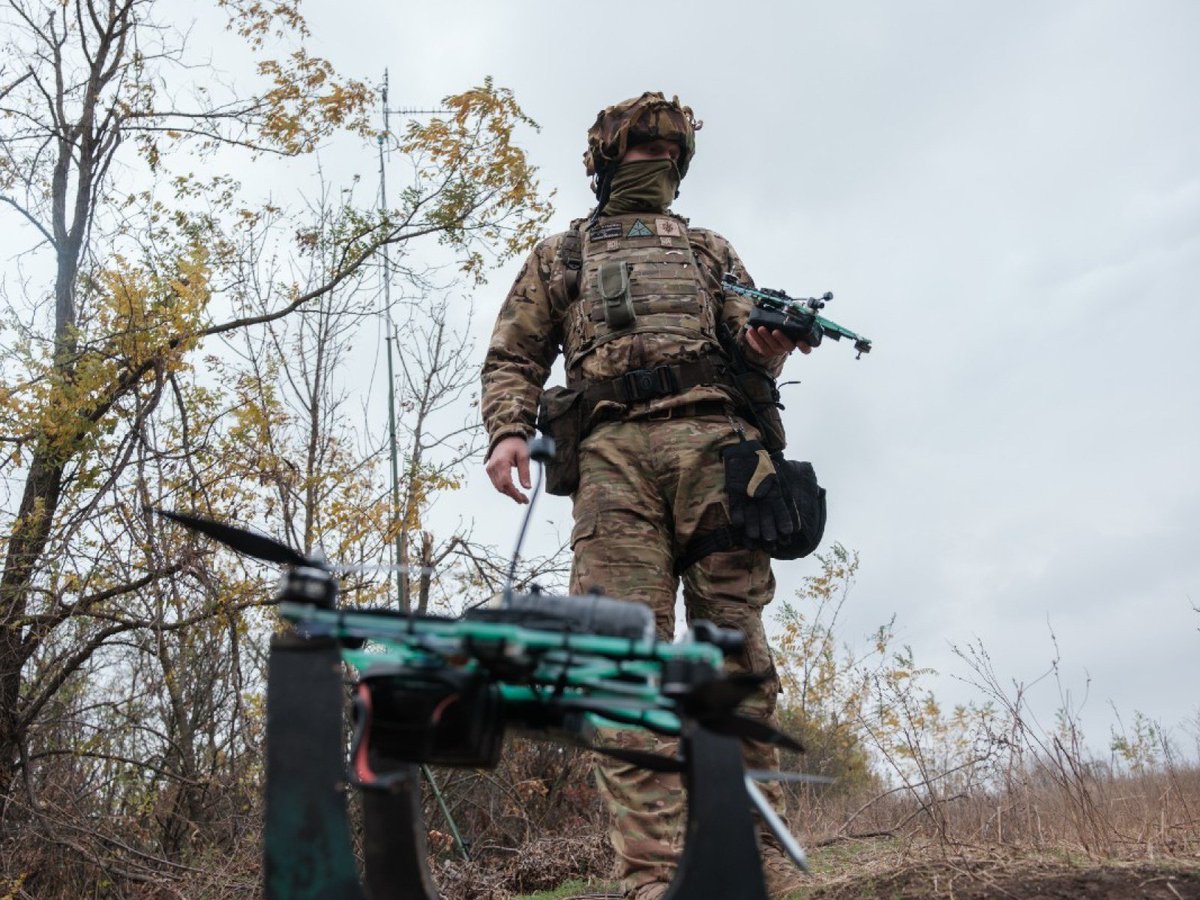
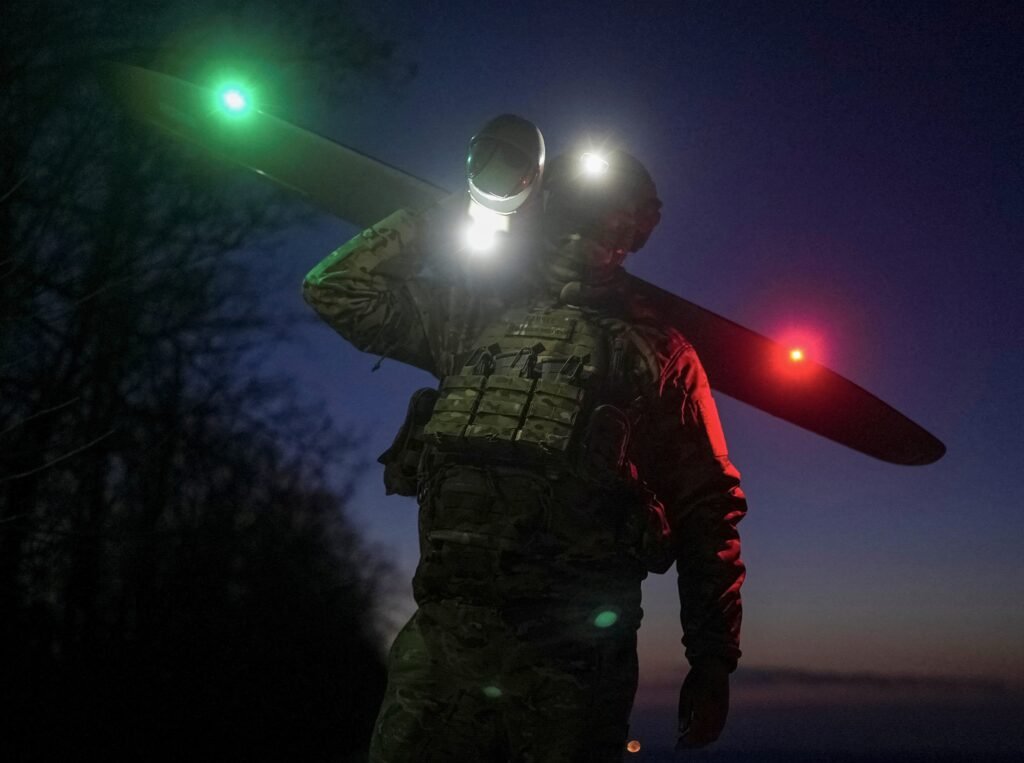
Hundreds of startups are now working alongside state firms to build drones, artillery, and smart weapons.
Hundreds of startups are now working alongside state firms to build drones, artillery, and smart weapons.
7/ But while Ukraine innovates, allies lag behind.
Ukrainian firms iterate weekly. U.S. defense startups spend billions—and struggle to get prototypes off the ground.
WSJ reported many U.S.-built drones can’t even fly reliably.
Ukrainian firms iterate weekly. U.S. defense startups spend billions—and struggle to get prototypes off the ground.
WSJ reported many U.S.-built drones can’t even fly reliably.

8/ Drones in Ukraine are also upgraded every few weeks, far faster than the Pentagon’s years-long budgeting cycle. Californian startup CX2 says no US company is matching Ukraine’s pace.

9/ In 2023, Ukraine launched Brave1, a national platform to fast-track defense tech.
Now supporting 1,500+ startups with grants and technical aid, Brave1 helped push defense tech investment from $5M to $40M in one year.
Now supporting 1,500+ startups with grants and technical aid, Brave1 helped push defense tech investment from $5M to $40M in one year.

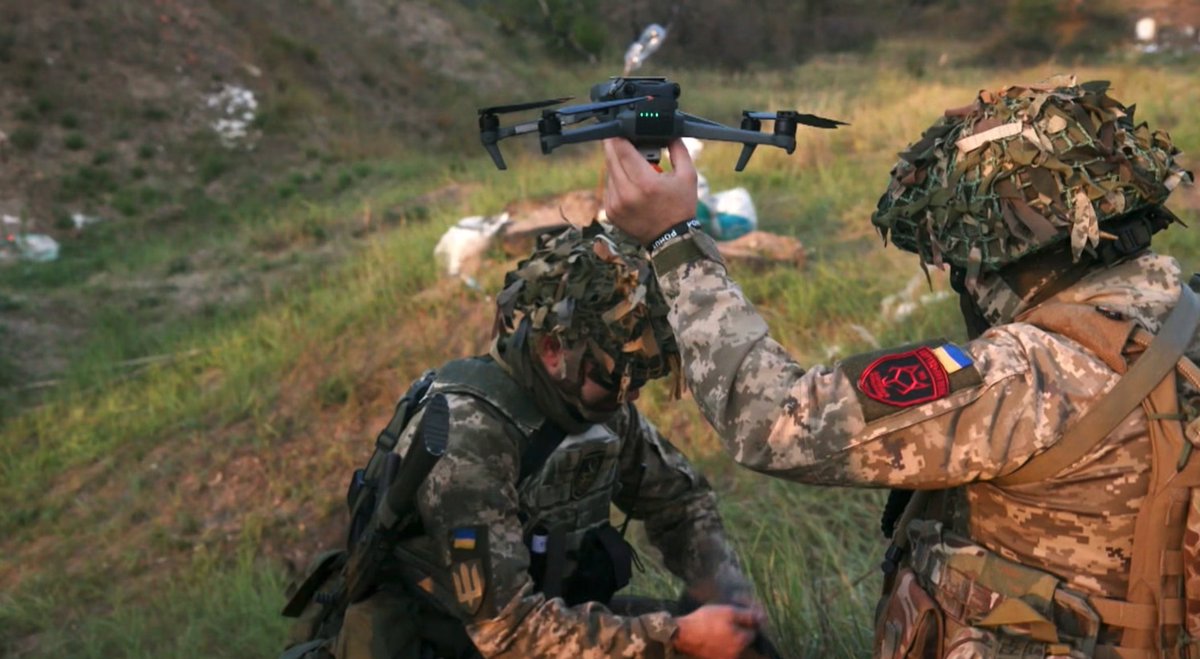
10/ Ukraine’s decentralized model creates intense competition. Dozens of drone models are fielded and improved constantly.
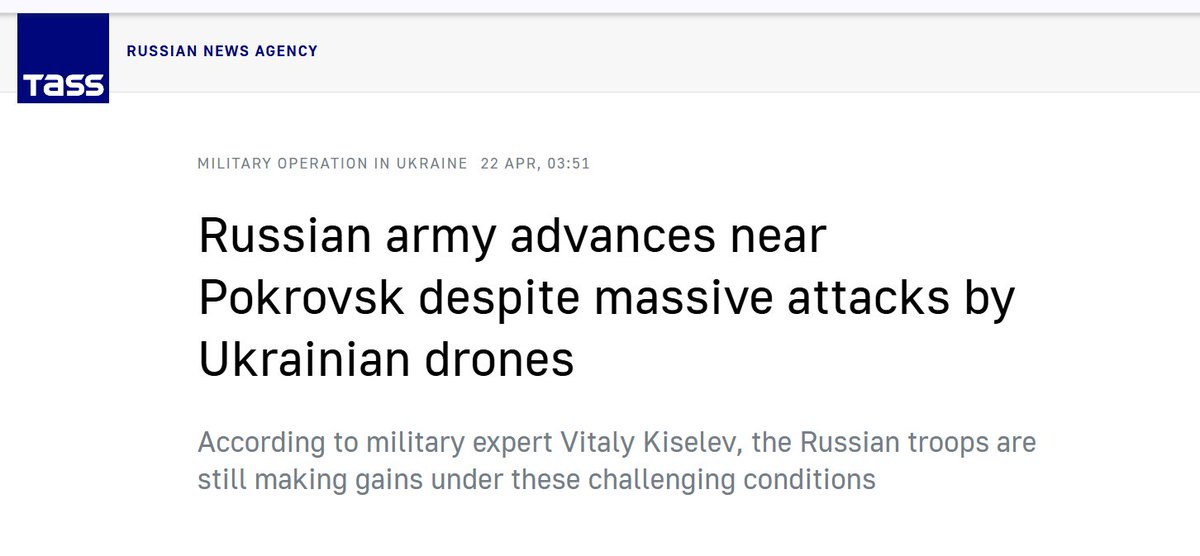
Russian state media admitted that their forces near Pokrovsk are facing “massive attacks by Ukrainian drones.”
Russian state media admitted that their forces near Pokrovsk are facing “massive attacks by Ukrainian drones.”
11/ With European support, Ukraine now produces 40% of its military needs domestically.
The UK, Denmark, Sweden, and the Netherlands are pouring funds into Ukrainian drone tech—knowing they’ll benefit too.
The UK, Denmark, Sweden, and the Netherlands are pouring funds into Ukrainian drone tech—knowing they’ll benefit too.

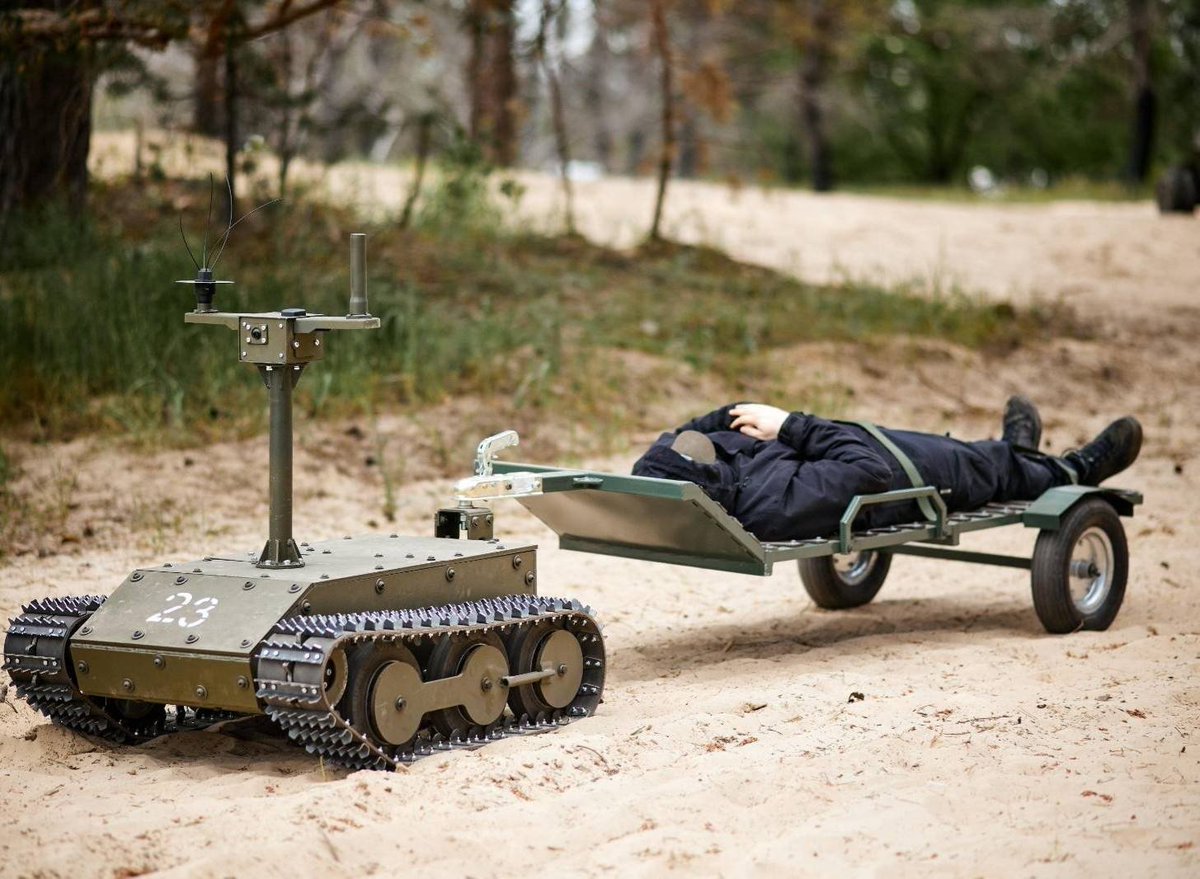
12/ Lyuba Shipovich, CEO of Dignitas, which runs the @VictoryDrones project, said her team collaborates directly with Ukrainian soldiers on the frontline. This allows them to receive instant feedback, quickly improve technologies, and redeploy them to the battlefield.
@VictoryDrones 13/ Yet, despite the battlefield success, Ukraine’s defense innovators still face major funding gaps. Of the $3bn invested globally in defense tech in 2024, only $100m went to Ukrainian companies, Zeefe said.

@VictoryDrones 14/ But interest is growing. In just six weeks, GFV raised $2m, bringing its total to $5.2m of a $20m target. Europeans, particularly in Scandinavia, are showing strong interest, and other NATO countries want to place direct orders with Ukrainian companies.

@VictoryDrones 15/ The GFV fund expects to deploy all capital by the end of 2026 and launch a larger second fund in early 2026. Zeefe is also betting that the world’s reliance “on Ukrainian experience and leadership in defensive readiness capabilities” will grow.

@VictoryDrones 16/ Ukraine’s resilience is showing that wartime innovation can attract investment and bring real results. As Europe scrambles to rearm for a potential future conflict with Russia, Ukraine’s tech will become an important part of the continent’s security architecture.

@VictoryDrones Bonus:
https://x.com/sambendett/status/1915782610069971398?s=46
• • •
Missing some Tweet in this thread? You can try to
force a refresh