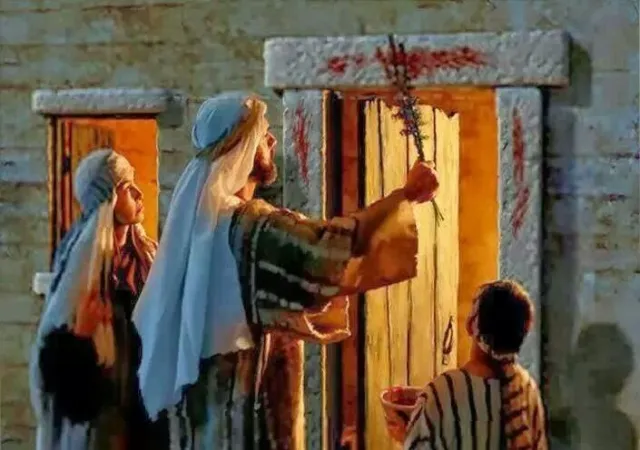
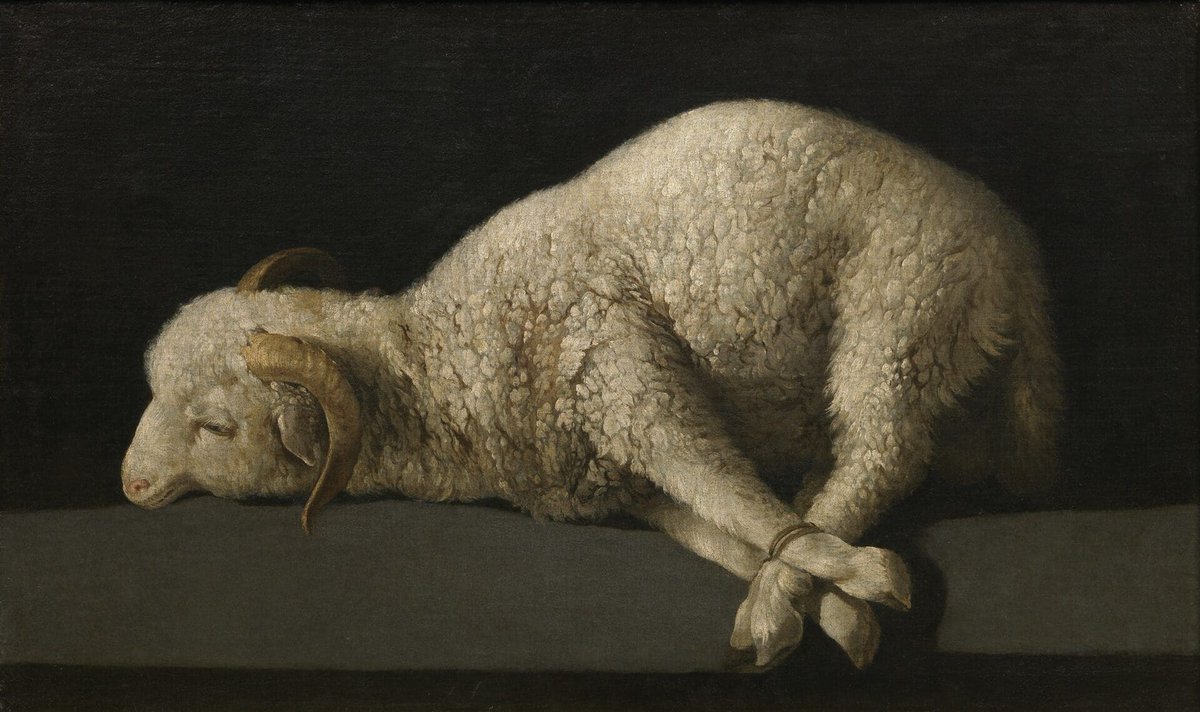
Take a lamb on the 10th of Nisan.
Inspect it for 4 days.
Sacrifice it on the 14th.
๐๐ข๐ต ๐ช๐ต ๐ข๐ด ๐ข ๐ค๐ฐ๐ท๐ฆ๐ฏ๐ข๐ฏ๐ต ๐ฎ๐ฆ๐ข๐ญ.
If the lamb wasnโt eaten, the sacrifice was incomplete.
The lamb ๐ฉ๐ข๐ฅ ๐ต๐ฐ ๐ฃ๐ฆ ๐ค๐ฐ๐ฏ๐ด๐ถ๐ฎ๐ฆ๐ฅ.
Centuries later, Jews coming to Jerusalem for Passover had 2 options:
โข Bring a lamb from home (often impractical)
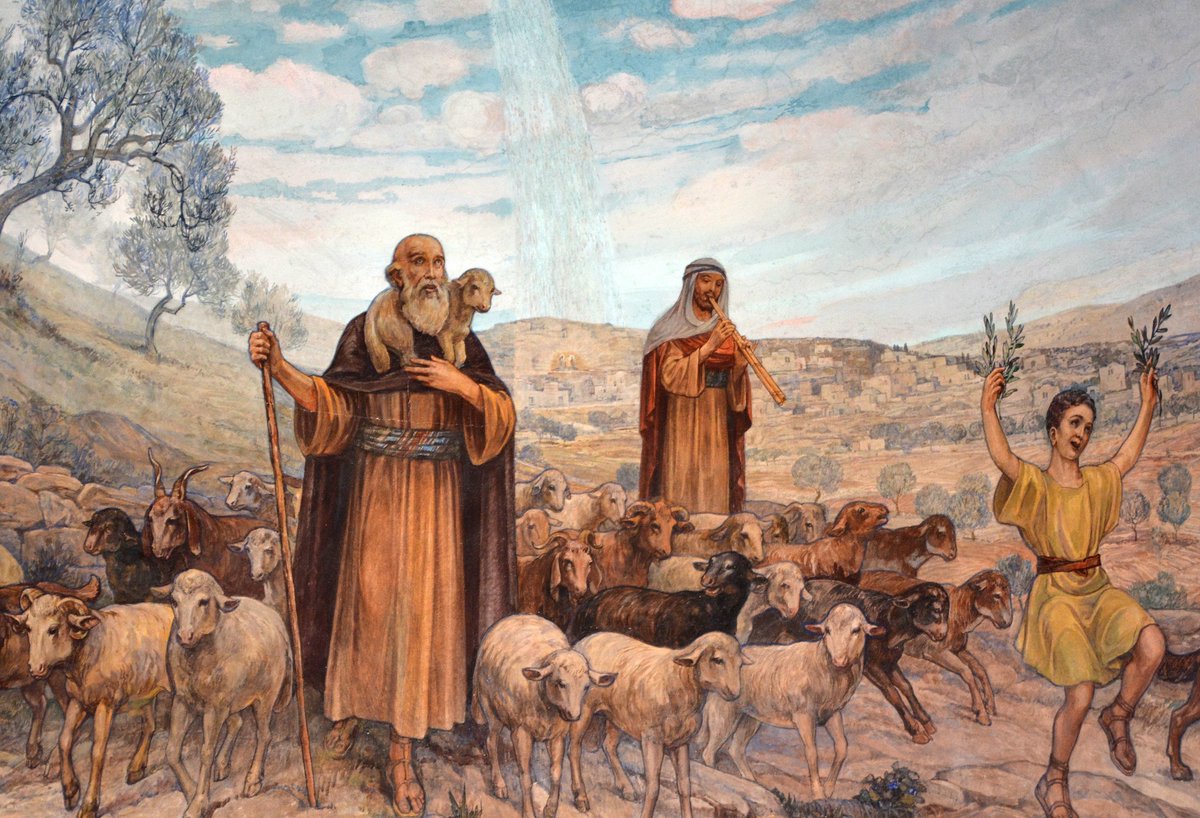
โข Buy from the ๐๐ฎ๐ฐ๐ฟ๐ถ๐ณ๐ถ๐ฐ๐ถ๐ฎ๐น ๐ณ๐น๐ผ๐ฐ๐ธโlambs raised near Bethlehem, just for this purpose
These lambs were brought into the city on the ๐ญ๐ฌ๐๐ต ๐ผ๐ณ ๐ก๐ถ๐๐ฎ๐ป.
Centuries later, Jews coming to Jerusalem for Passover had 2 options:
โข Bring a lamb from home (often impractical)
โข Buy from the ๐๐ฎ๐ฐ๐ฟ๐ถ๐ณ๐ถ๐ฐ๐ถ๐ฎ๐น ๐ณ๐น๐ผ๐ฐ๐ธโlambs raised near Bethlehem for this purpose
These lambs were brought into Jerusalem on the ๐ญ๐ฌ๐๐ต ๐ผ๐ณ ๐ก๐ถ๐๐ฎ๐ป.
That same dayโ๐ฃ๐ฎ๐น๐บ ๐ฆ๐๐ป๐ฑ๐ฎ๐โ๐๐ฆ๐ด๐ถ๐ด, the true Lamb, enters too.
Now watch what happens:
On the ๐ญ๐ฌ๐๐ต ๐ผ๐ณ ๐ก๐ถ๐๐ฎ๐ปโPalm SundayโJesus enters Jerusalem.
The same day the Passover lambs are brought in.
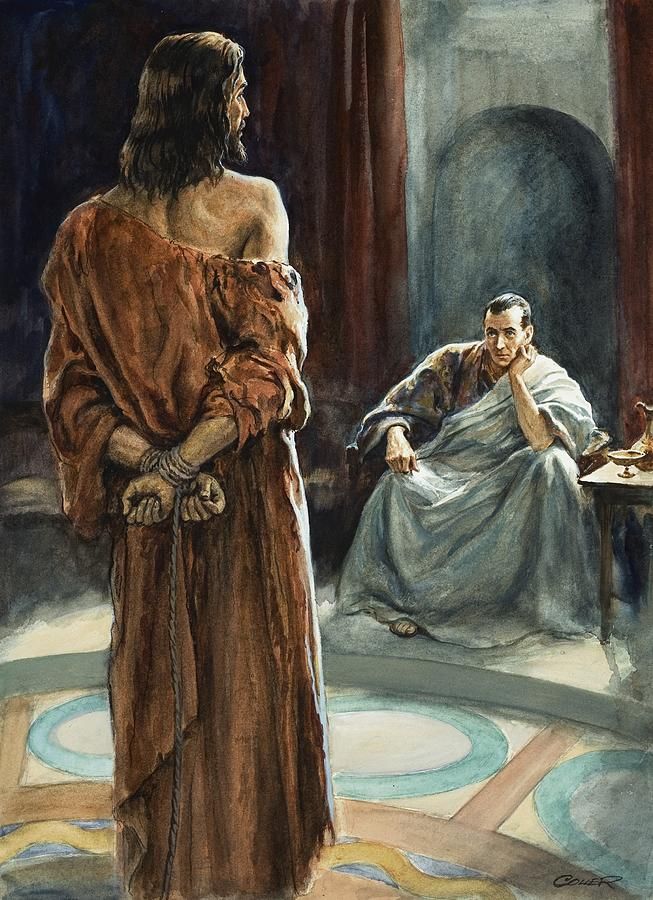
For the next 4 days, He is tested by Pharisees, Sadducees, and Pilate.
He is being ๐ช๐ฏ๐ด๐ฑ๐ฆ๐ค๐ต๐ฆ๐ฅโjust like the lambs.
And then Pilate declares:
โI find no fault in Him.โ (John 18:38; 19:4,6)
Just as the Passover lamb had to be spotless,
Jesusโthe Lamb of Godโis declared blameless.
This is not poetry.
This is precision.
Prophecy being fulfilled in real time.
At the exact time the lambs were being slaughtered for the Passover,
๐๐ฒ๐๐๐ ๐ถ๐ ๐ฐ๐ฟ๐๐ฐ๐ถ๐ณ๐ถ๐ฒ๐ฑ.
But hereโs the key:
In Exodus, the lamb had to be ๐ฆ๐ข๐ต๐ฆ๐ฏ.
Sacrifice alone wasnโt enough.
The ๐บ๐ฒ๐ฎ๐น ๐๐ฒ๐ฎ๐น๐ฒ๐ฑ ๐๐ต๐ฒ ๐ฐ๐ผ๐๐ฒ๐ป๐ฎ๐ป๐.
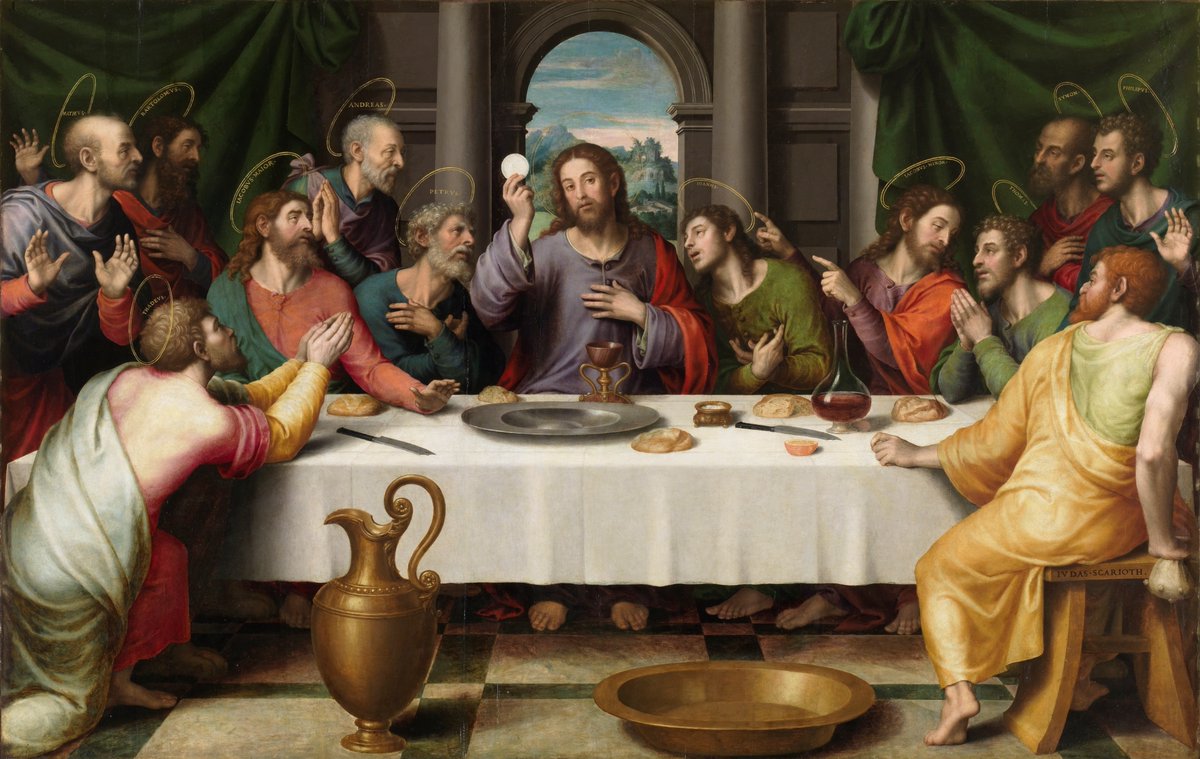
โTake, eat; this is my bodyโฆ Drink, this is my blood.โ
Heโs not offering a ๐ด๐บ๐ฎ๐ฃ๐ฐ๐ญ.
Heโs instituting the ๐ก๐ฒ๐ ๐ฃ๐ฎ๐๐๐ผ๐๐ฒ๐ฟ.
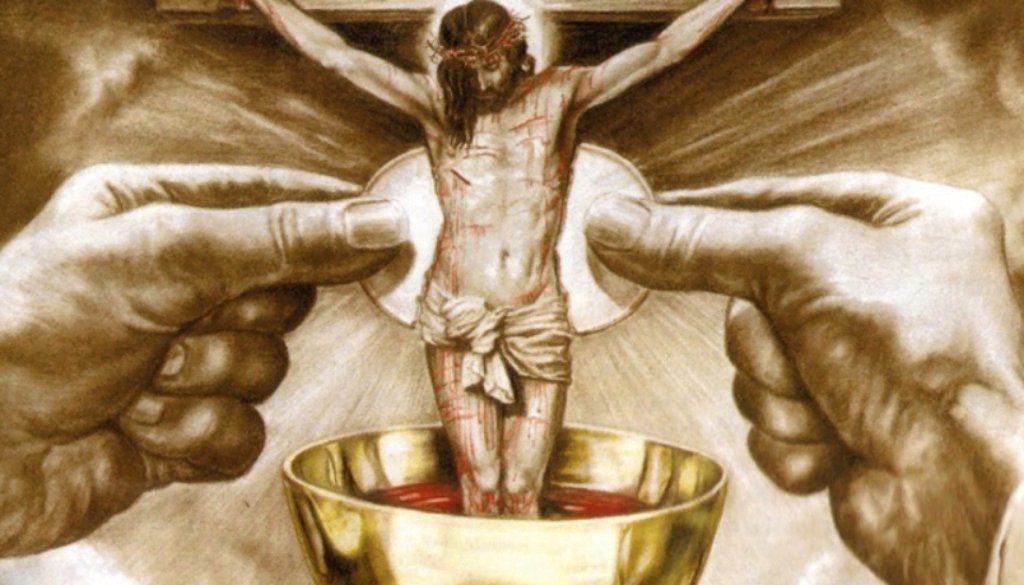
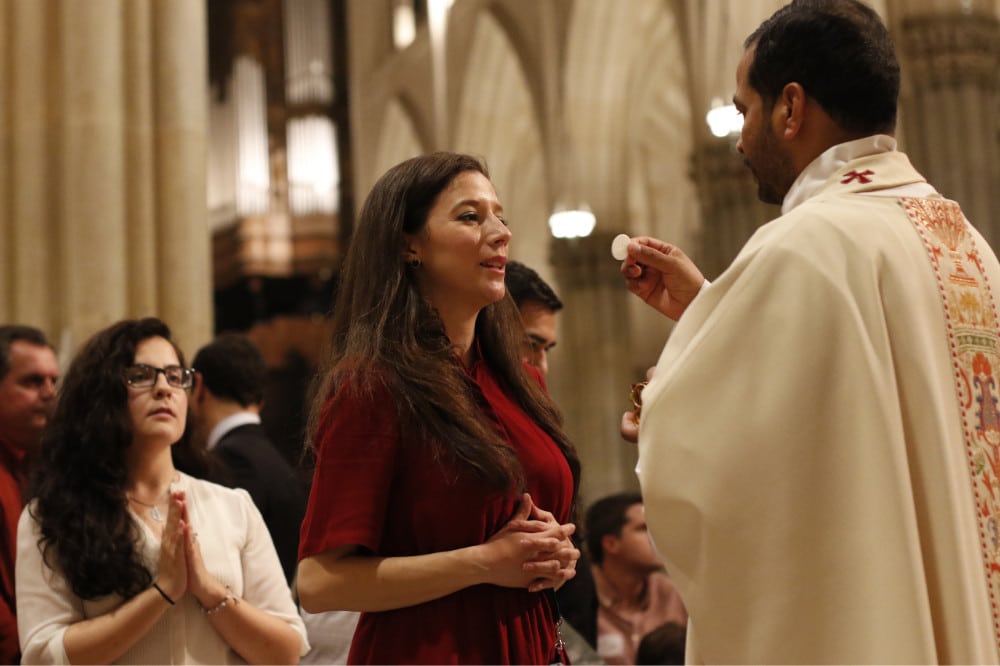
The Eucharist ๐ช๐ด the Lamb.
And just like in Exodusโฆ
We must ๐ฐ๐ผ๐ป๐๐๐บ๐ฒ the sacrifice.
If Jesus is the Lamb of God,
then the Eucharist cannot be a metaphor.
Itโs the fulfillment of Exodus.
Itโs the New Covenant meal.
Itโs His Body and Bloodโgiven for you.
๐โ๐๐ฒ ๐๐ฟ๐ฎ๐ฐ๐ธ๐ฒ๐ฑ ๐ผ๐๐ฒ๐ฟ ๐ญ๐ฌ ๐๐ฒ๐ฎ๐ฟ๐ ๐ผ๐ณ ๐ฑ๐ฎ๐ถ๐น๐ ๐ ๐ฎ๐๐๐ฒ๐ ๐ฎ๐ป๐ฑ ๐ฝ๐ฟ๐ฎ๐๐ฒ๐ฟ๐โ๐ฎ๐ป๐ฑ ๐ถ๐ ๐ฐ๐ต๐ฎ๐ป๐ด๐ฒ๐ฑ ๐บ๐ ๐น๐ถ๐ณ๐ฒ.
๐๐ฒ๐ฟ๐ฒโ๐ ๐ต๐ผ๐ ๐๐ผ๐ ๐ฐ๐ฎ๐ป ๐๐ผ๐ผโ๐๐ค๐ง ๐๐ง๐๐. ๐งต
In 2012, I began logging my Masses and prayers using Google Forms. What started as a simple habit became a transformative journeyโone that strengthened my repentance, prayer life, and good works.
Let me show you how you can build your own spiritual tracker and grow closer to God. ๐
2/ Like many Catholics, I pray the ๐ฅ๐ผ๐๐ฎ๐ฟ๐, the ๐๐ต๐ฎ๐ฝ๐น๐ฒ๐ ๐ผ๐ณ ๐๐ถ๐๐ถ๐ป๐ฒ ๐ ๐ฒ๐ฟ๐ฐ๐, attend ๐๐ผ๐น๐ ๐ ๐ฎ๐๐, and go to ๐๐ผ๐ป๐ณ๐ฒ๐๐๐ถ๐ผ๐ป. But I wanted a way to ๐ด๐ต๐ข๐บ ๐ค๐ฐ๐ฏ๐ด๐ช๐ด๐ต๐ฆ๐ฏ๐ต and ๐ฅ๐ฆ๐ฆ๐ฑ๐ฆ๐ฏ ๐ฎ๐บ ๐ฅ๐ฆ๐ท๐ฐ๐ต๐ช๐ฐ๐ฏ๐ดโso I built custom forms for each one.
๐๐ฒ๐ฟ๐ฒโ๐ ๐ต๐ผ๐ ๐๐ต๐ฒ๐ ๐๐ผ๐ฟ๐ธ:
3/ The ๐ฅ๐ผ๐๐ฎ๐ฟ๐ ๐๐ผ๐ฟ๐บ ๐ฟ
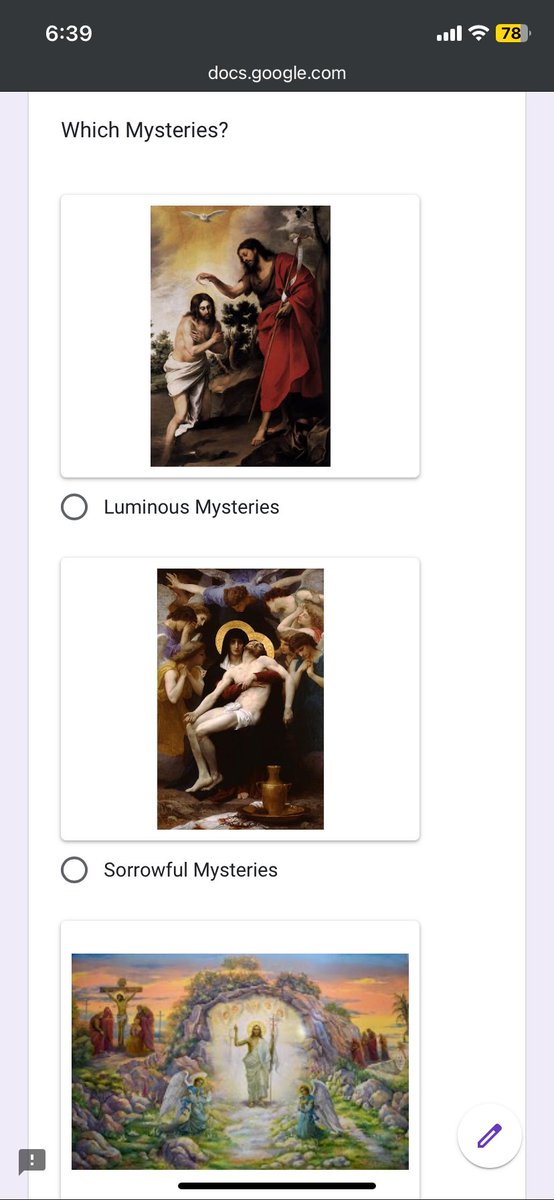
โข Add the mysteries as radio buttons.
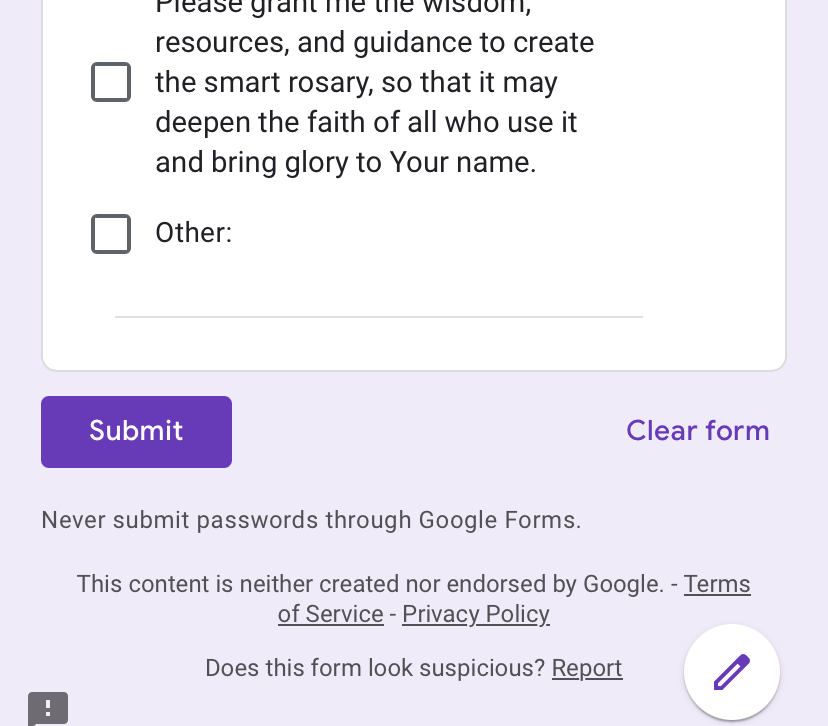
โข Include petitions as checkboxes, so nothing gets forgotten.
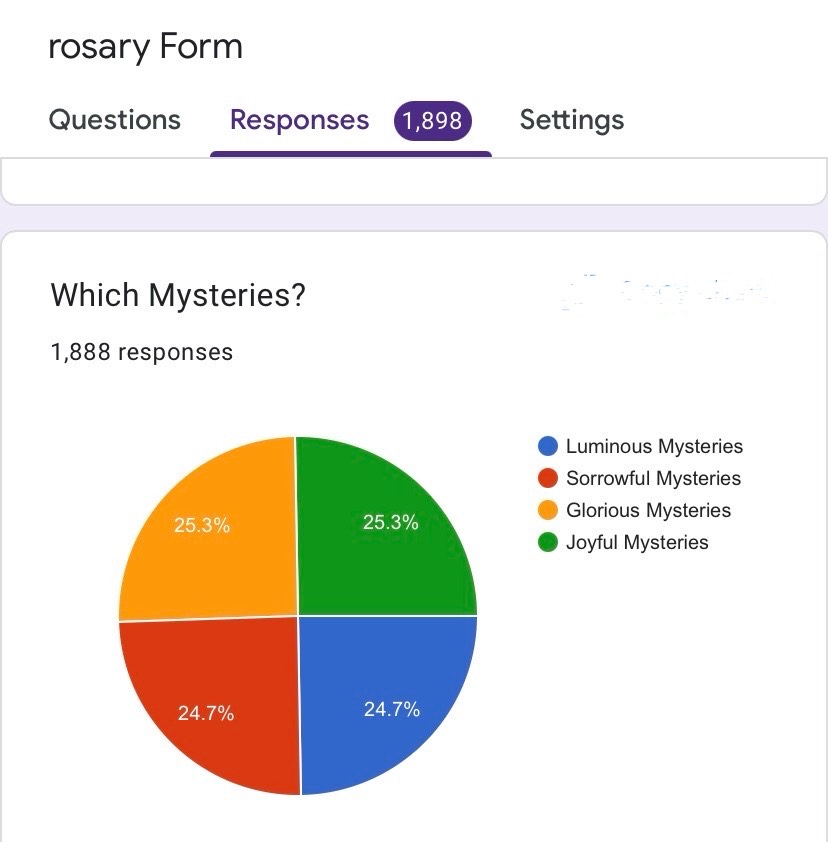
โข Every day, I check off the intentions I pray forโsome for over ๐ญ๐ฌ ๐๐ฒ๐ฎ๐ฟ๐.
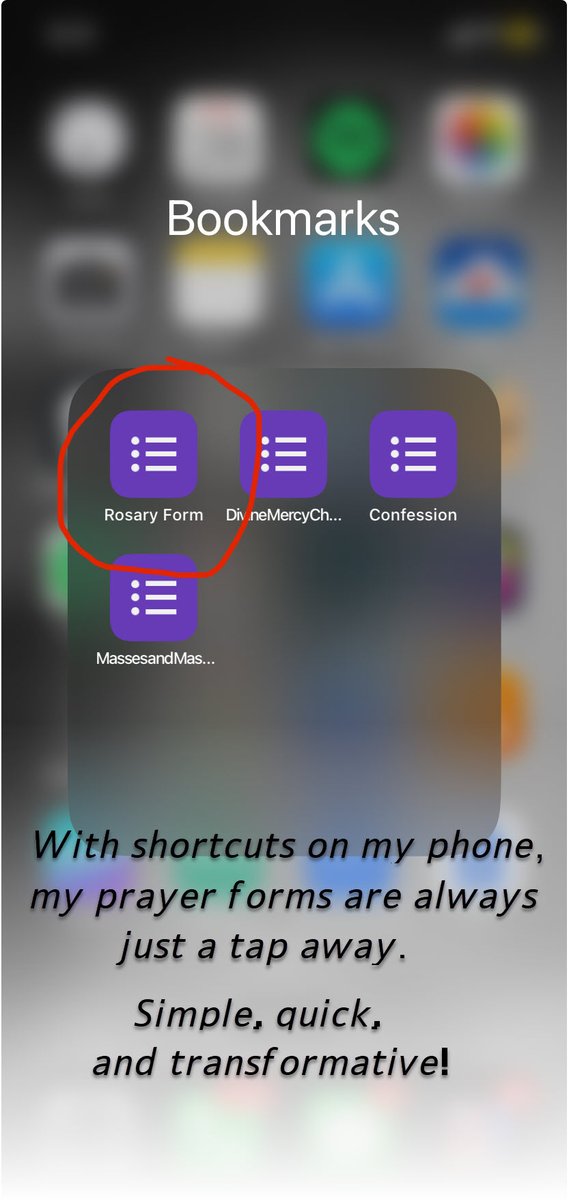
Once customized, I saved the form's shortcut to my phoneโs home screen. My prayers are just a tap away! ๐ฑ
Based on weeks of conversations, locking horns with the various objections and misunderstandings about the Catholic faith, here is an initial compiled list of Objections and Refutations. ๐งต
๐๐ฆ๐ง๐ถ๐ต๐ข๐ต๐ช๐ฐ๐ฏ: The Catholic Church's doctrines are deeply rooted in Scripture and are the result of the Church's Spirit-guided reflection on the Word of God over time. While not every teaching is explicitly stated in the Bible, they are organic developments of the apostolic faith.
๐๐ฆ๐ง๐ถ๐ต๐ข๐ต๐ช๐ฐ๐ฏ: Catholics do not worship Mary or the saints, but rather venerate them and ask for their intercession. This is based on the biblical understanding of the communion of saints and the efficacy of intercessory prayer. The Church distinguishes between the adoration due to God alone (latria) and the honor given to saints (dulia).
๐๐ฆ๐ง๐ถ๐ต๐ข๐ต๐ช๐ฐ๐ฏ: Christ established His Church on the foundation of the apostles, with Peter as the rock (Matt 16:18). The authority of the Pope and bishops is rooted in apostolic succession and is exercised in service to the Gospel. The Magisterium's role is to faithfully interpret and safeguard the deposit of faith.
๐๐ฆ๐ง๐ถ๐ต๐ข๐ต๐ช๐ฐ๐ฏ: Jesus' words at the Last Supper, "๐๐ฉ๐ช๐ด ๐ช๐ด ๐ฎ๐บ ๐ฃ๐ฐ๐ฅ๐บ... ๐๐ฉ๐ช๐ด ๐ช๐ด ๐ฎ๐บ ๐ฃ๐ญ๐ฐ๐ฐ๐ฅ" (Matt 26:26-28), are a literal enactment of His teaching in John 6 about eating His flesh and drinking His blood. The unanimous witness of the early Church Fathers confirms this literal understanding.
๐๐ฆ๐ง๐ถ๐ต๐ข๐ต๐ช๐ฐ๐ฏ: The doctrine of purgatory is rooted in the Jewish practice of offering prayers and sacrifices for the dead (2 Macc 12:38-46) and Paul's reference to a purification after death (1 Cor 3:15). The Church's practice of praying for the deceased is an expression of belief in the communion of saints.
๐๐ฆ๐ง๐ถ๐ต๐ข๐ต๐ช๐ฐ๐ฏ: While not explicitly stated in Scripture, these doctrines are the result of the Church's reflection on Mary's unique role in salvation history. They are based on biblical themes such as Mary's identity as the New Eve and the Ark of the New Covenant.
๐๐ฆ๐ง๐ถ๐ต๐ข๐ต๐ช๐ฐ๐ฏ: The core doctrines of the Catholic faith (the Trinity, the Incarnation, the Real Presence of Christ in the Eucharist, apostolic succession, etc.) can be traced back to the earliest centuries of the Church. They are not later additions but the development of what was implicit in the apostolic Tradition from the beginning.
๐๐ฆ๐ง๐ถ๐ต๐ข๐ต๐ช๐ฐ๐ฏ: The New Testament clearly depicts the Church as a visible community with a hierarchical structure (bishops, priests, deacons). The imagery of the Body of Christ includes both charismatic gifts and appointed offices for the building up of the Church.
๐๐ฆ๐ง๐ถ๐ต๐ข๐ต๐ช๐ฐ๐ฏ: The Bible itself does not teach sola scriptura. Scripture and Tradition are not in opposition but are two complementary modes of transmitting the one Gospel. The Church's Magisterium, guided by the Holy Spirit, provides the authoritative interpretation of God's Word.
๐๐ฆ๐ง๐ถ๐ต๐ข๐ต๐ช๐ฐ๐ฏ: While some Catholic practices may have external similarities to pagan customs, their meaning and significance are entirely different in the Christian context. The Church has always sought to evangelize cultures by expressing the Gospel in ways that resonate with the people, without compromising the integrity of the faith.
These are just a few examples to begin with. More will be forthcoming.
But they illustrate the main lines of defense against common attacks and misunderstandings. The key is to show how Catholic teachings are rooted in Scripture, are consistent with the apostolic Tradition, and are the result of the Church's Spirit-guided reflection over time.
Follow these and my important posts from now along the hashtag #littleonelife
๐๐ฆ๐ง๐ถ๐ต๐ข๐ต๐ช๐ฐ๐ฏ: The Church teaches that salvation is a free gift of God's grace, not merited by our works (Eph 2:8-9). However, faith must be expressed through love (Gal 5:6). Good works are the fruit of the Holy Spirit and a necessary response to God's grace, not a means of earning salvation (Jas 2:14-26).
๐๐ฆ๐ง๐ถ๐ต๐ข๐ต๐ช๐ฐ๐ฏ: The Church condemns idolatry and teaches that sacred images are venerated, not worshipped. God Himself commanded the crafting of religious images for the Tabernacle and Temple (Ex 25:18-22; 1 Kgs 6:23-35). The Incarnation reveals that matter can be a means of conveying spiritual realities.
๐๐ฆ๐ง๐ถ๐ต๐ข๐ต๐ช๐ฐ๐ฏ: Jesus founded the Catholic Church on Peter (Matt 16:18-19) and promised that the gates of hell would never prevail against it. Despite human sins and failings, the Church's indefectibility is guaranteed by Christ's promise and the Holy Spirit's guidance. ๐๐ฐ ๐ฅ๐ฆ๐ฏ๐บ ๐ต๐ฉ๐ช๐ด ๐ช๐ด ๐ต๐ฐ ๐ค๐ข๐ญ๐ญ ๐๐ฉ๐ณ๐ช๐ด๐ต ๐ข ๐ญ๐ช๐ข๐ณ.
๐๐ฆ๐ง๐ถ๐ต๐ข๐ต๐ช๐ฐ๐ฏ: The Old Testament canon used by the Catholic Church (including the "๐ฅ๐ฆ๐ถ๐ต๐ฆ๐ณ๐ฐ๐ค๐ข๐ฏ๐ฐ๐ฏ๐ช๐ค๐ข๐ญ" books) was the canon used by Jesus and the apostles. It was also the canon of the early Church and was confirmed by the Councils of Hippo (393) and Carthage (397). The Protestant Reformers removed these books in the 16th century.
๐๐ฆ๐ง๐ถ๐ต๐ข๐ต๐ช๐ฐ๐ฏ: The Mass does not re-sacrifice Christ but makes His one sacrifice on the Cross present to us sacramentally (1 Cor 11:26). Christ's priesthood is eternal (Heb 7:24-25), and He continues to offer Himself to the Father in heaven (Rev 5:6). The Mass participates in this heavenly liturgy, applying the fruits of the Cross to our lives.
๐๐ฆ๐ง๐ถ๐ต๐ข๐ต๐ช๐ฐ๐ฏ: Jesus gave His apostles the authority to forgive or retain sins in His name (John 20:21-23). In confession, the priest acts in ๐ฑ๐ฆ๐ณ๐ด๐ฐ๐ฏ๐ข ๐๐ฉ๐ณ๐ช๐ด๐ต๐ช, as an instrument of Christ's forgiveness. The sacrament of reconciliation restores our relationship with God and the Church, which is wounded by sin.
๐๐ฆ๐ง๐ถ๐ต๐ข๐ต๐ช๐ฐ๐ฏ: The Bible teaches that baptism saves us (1 Pet 3:21) and gives us new birth in the Spirit (John 3:5; Titus 3:5). It is not a human work but the work of God, who uses physical means to confer spiritual grace. Baptism is the sacrament of faith, the instrumental cause of our justification.
๐๐ฆ๐ง๐ถ๐ต๐ข๐ต๐ช๐ฐ๐ฏ: The Church teaches that we are justified by God's grace, which is infused into us and makes us truly righteous (Rom 5:19). Our good works are meritorious only because they are the fruit of God's work in us (Phil 2:12-13). The doctrine of imputation, on the other hand, is not clearly taught in Scripture.
๐๐ฆ๐ง๐ถ๐ต๐ข๐ต๐ช๐ฐ๐ฏ: The Church's laws and precepts are meant to guide us in living out the Gospel, not to burden us (Matt 11:28-30). They are expressions of God's loving plan for our lives and help us grow in holiness. Obedience to proper authority is a virtue praised in Scripture (Heb 13:17).
๐๐ฆ๐ง๐ถ๐ต๐ข๐ต๐ช๐ฐ๐ฏ: The sins of its members do not negate the holiness of the Church herself. Christ promised that the gates of hell would not prevail against His Church (Matt 16:18), despite the failings of individuals. The Church is both human and divine, with a treasure in earthen vessels (2 Cor 4:7). The Church's saints are proof of her divine origin and mission.
๐๐ฆ๐ง๐ถ๐ต๐ข๐ต๐ช๐ฐ๐ฏ: The heart of Catholic spirituality is a deep, personal relationship with Christ. The sacraments, especially the Eucharist, are intimate encounters with Jesus. Catholics are called to know, love, and serve God with all their heart, soul, mind, and strength (Deut 6:5; Matt 22:37). The saints model this radical love for Christ.
๐๐ฆ๐ง๐ถ๐ต๐ข๐ต๐ช๐ฐ๐ฏ: The Church teaches that we are saved by grace through faith (Eph 2:8), but that faith must be accompanied by works (Jas 2:24). Works are not the cause of our salvation but the necessary fruit and evidence of a living faith (Gal 5:6). We cannot "earn" heaven, but we must cooperate with God's grace and allow it to transform us.
๐๐ฆ๐ง๐ถ๐ต๐ข๐ต๐ช๐ฐ๐ฏ: Asking the saints in heaven to pray for us is no different than asking our brothers and sisters on earth to pray for us, which Paul encourages (Eph 6:18; 1 Tim 2:1). The saints are not dead but alive in Christ (Mk 12:26-27), and their prayers are powerful and effective (Jas 5:16; Rev 5:8). Devotion to the saints is ultimately directed to God, who is glorified in His holy ones.
๐๐ฆ๐ง๐ถ๐ต๐ข๐ต๐ช๐ฐ๐ฏ: The Catholic Church venerates Scripture as the inspired Word of God and encourages the faithful to read it daily (CCC 141, 2653). The Church produced the Bible, discerned the canon of Scripture, and has preserved and proclaimed it for nearly 2,000 years. Any alleged "๐ฑ๐ณ๐ฐ๐ฉ๐ช๐ฃ๐ช๐ต๐ช๐ฐ๐ฏ" of Bible reading was a disciplinary measure in response to heresy as a distortion of God's Word, not a denial of Scripture's value.
๐๐ฆ๐ง๐ถ๐ต๐ข๐ต๐ช๐ฐ๐ฏ: Indulgences are not a means of "๐ฃ๐ถ๐บ๐ช๐ฏ๐จ" salvation or forgiveness but are a way of applying the merits of Christ and the saints to the temporal consequences of sin (CCC 1471-1479). They presuppose repentance and conversion, and they are a participation in the Church's ministry of loosing and binding granted by Christ (Matt 16:19; 18:18). The penitential practices associated with indulgences are modeled on the Bible (eg, almsgiving, prayer, fasting).
๐๐ฆ๐ง๐ถ๐ต๐ข๐ต๐ช๐ฐ๐ฏ: The Church has not changed the Ten Commandments but has traditionally numbered them differently than Protestants. Both versions contain the same content, just arranged differently (CCC 2066). Any alleged "๐ค๐ฉ๐ข๐ฏ๐จ๐ฆ๐ด" are either a misunderstanding of Catholic teaching or a disciplinary practice that does not alter the Church's doctrinal commitment to the moral law.
๐๐ฆ๐ง๐ถ๐ต๐ข๐ต๐ช๐ฐ๐ฏ: While not explicitly called a "๐ด๐ข๐ค๐ณ๐ข๐ฎ๐ฆ๐ฏ๐ต" in Scripture, marriage is presented as a sacred union instituted by God (Gen 2:24; Matt 19:6) that signifies the mystery of Christ's love for the Church (Eph 5:31-32). The sacramentality of marriage flows from the sacramentality of the Church as the Bride of Christ (CCC 1601-1617). Marriage is a means of grace that enables spouses to love each other with Christ's self-sacrificial love.
๐๐ฆ๐ง๐ถ๐ต๐ข๐ต๐ช๐ฐ๐ฏ: While priestly celibacy is a discipline rather than a doctrine (CCC 1579), it is a biblical practice modeled on Jesus and Paul (Matt 19:12; 1 Cor 7:32-35) that enables priests to give themselves fully to God and His people. The Church has the authority to require celibacy for priests in the Latin Rite as a radical witness to the Kingdom and a prophetic sign of the world to come (CCC 1618-1620).
๐๐ฆ๐ง๐ถ๐ต๐ข๐ต๐ช๐ฐ๐ฏ: The Church's teaching on the indissolubility of marriage is based on the words of Jesus Himself (Matt 19:3-9; Mk 10:2-12;
๐๐ฆ๐ง๐ถ๐ต๐ข๐ต๐ช๐ฐ๐ฏ: The Church's teaching on contraception is rooted in a consistent ethic of life that respects the integrity of the sexual act and the dignity of human procreation (CCC 2370). It reflects God's plan for marriage and family as revealed in Scripture (Gen 1:28; Ps 127:3-5) and natural law. While challenging, this teaching safeguards the unitive and procreative dimensions of conjugal love and promotes openness to God's gift of life.