
Nixon's most controversial decision had nothing to do with Watergate.
It was made during a secret meeting at Camp David in 1971.
The dollar has lost 85% of its purchasing power since then.
Here's how this one decision is still destroying your ability to build wealth:
It was made during a secret meeting at Camp David in 1971.
The dollar has lost 85% of its purchasing power since then.
Here's how this one decision is still destroying your ability to build wealth:

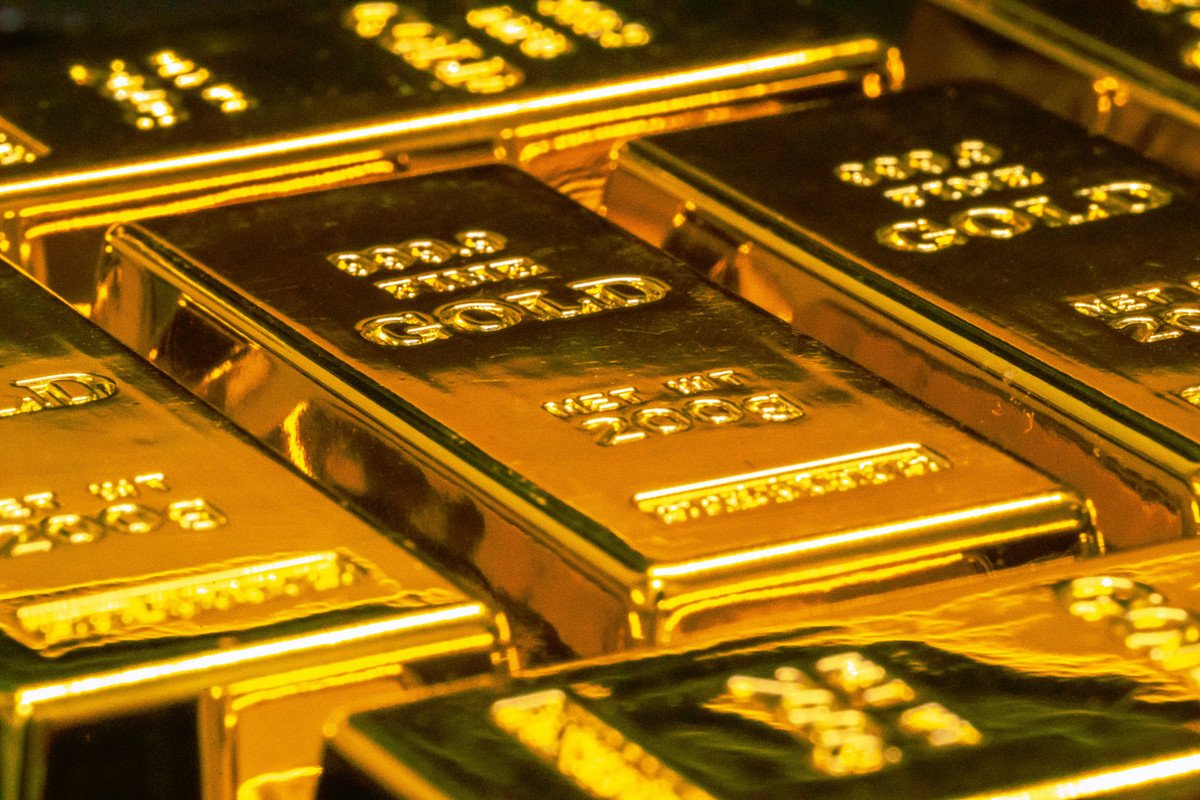
The story of the gold standard actually starts back in 1933.
FDR ended the domestic gold standard, making it illegal for private citizens to exchange dollars for gold.
But it didn't apply to foreign governments and central banks...
FDR ended the domestic gold standard, making it illegal for private citizens to exchange dollars for gold.
But it didn't apply to foreign governments and central banks...
Foreign governments could exchange $35 for one ounce of American gold.
In theory, this created monetary discipline. You couldn't print more money than you had gold.
But Nixon faced an impossible situation that had been brewing for decades:
In theory, this created monetary discipline. You couldn't print more money than you had gold.
But Nixon faced an impossible situation that had been brewing for decades:

US gold reserves were vanishing fast.
In 1950, America held 20,000 tons of gold.
By 1971, just 8,500 tons remained.
Foreign governments held dollar claims exceeding our entire gold supply.
We couldn't honor our obligations if everyone cashed in at once:
In 1950, America held 20,000 tons of gold.
By 1971, just 8,500 tons remained.
Foreign governments held dollar claims exceeding our entire gold supply.
We couldn't honor our obligations if everyone cashed in at once:
The situation hit critical mass in August 1971.
Britain requested $3 billion in gold - nearly a third of our remaining reserves.
Nixon had to act fast.
He gathered his economic team at Camp David for a secret meeting that would change global finance forever.
Britain requested $3 billion in gold - nearly a third of our remaining reserves.
Nixon had to act fast.
He gathered his economic team at Camp David for a secret meeting that would change global finance forever.
On Sunday, August 15, 1971, Nixon announced on TV:
"I have directed the Secretary of Treasury to suspend temporarily the convertibility of the dollar into gold."
That "temporary" move has lasted 54 years.
The market reaction revealed how momentous this truly was:
"I have directed the Secretary of Treasury to suspend temporarily the convertibility of the dollar into gold."
That "temporary" move has lasted 54 years.
The market reaction revealed how momentous this truly was:
Gold jumped from $35 to over $40 per ounce within days.
Within 5 years, it topped $150.
By 1980, gold hit $800 - a 2,200% increase.
The dollar lost 95% of its gold value in under a decade.
But bigger consequences for everyday Americans were just beginning...
Within 5 years, it topped $150.
By 1980, gold hit $800 - a 2,200% increase.
The dollar lost 95% of its gold value in under a decade.
But bigger consequences for everyday Americans were just beginning...
The 1970s brought the impossible: stagflation.
• Inflation reaching 14% by 1980
• Unemployment peaking at 9%
• Stagnant economic growth
Gas lines stretched for blocks during the 1973 and 1979 oil shocks.
The true cost of abandoning gold became clear:
• Inflation reaching 14% by 1980
• Unemployment peaking at 9%
• Stagnant economic growth
Gas lines stretched for blocks during the 1973 and 1979 oil shocks.
The true cost of abandoning gold became clear:
Without gold's constraint, America began unprecedented debt expansion.
In 1971, national debt was $398 billion.
Today, it exceeds $36 trillion - an 85-fold increase.
This removed natural limits on government borrowing.
It fundamentally transformed who controls your money:
In 1971, national debt was $398 billion.
Today, it exceeds $36 trillion - an 85-fold increase.
This removed natural limits on government borrowing.
It fundamentally transformed who controls your money:
Before 1971, the Fed's main job was maintaining the gold peg.
After, it gained extraordinary powers over the entire economy.
Interest rates, money creation, stimulus - all became tools for manipulation.
This created winners and losers that still shape society:
After, it gained extraordinary powers over the entire economy.
Interest rates, money creation, stimulus - all became tools for manipulation.
This created winners and losers that still shape society:
The playing field tilted toward those with financial assets.
• Asset owners saw values skyrocket
• Wage earners watched purchasing power decline
• Financial institutions gained enormous influence
• Governments spent far beyond tax revenues
• Asset owners saw values skyrocket
• Wage earners watched purchasing power decline
• Financial institutions gained enormous influence
• Governments spent far beyond tax revenues
The post-gold era enabled bigger booms and busts.
Central banks gained flexibility to rescue the system during crises (2008, 2020).
But this same flexibility allowed debt bubbles to grow enormously.
These consequences continue unfolding before our eyes:
Central banks gained flexibility to rescue the system during crises (2008, 2020).
But this same flexibility allowed debt bubbles to grow enormously.
These consequences continue unfolding before our eyes:
The dollar has lost 85% of its purchasing power since Nixon's decision.
What cost $1 in 1971 costs ~$7.90 today.
Yet the dollar remains the world's reserve currency.
This creates the "exorbitant privilege":
But that privilege comes with hidden costs...
What cost $1 in 1971 costs ~$7.90 today.
Yet the dollar remains the world's reserve currency.
This creates the "exorbitant privilege":
But that privilege comes with hidden costs...
America can borrow in its own currency and run trade deficits.
We can print dollars to meet obligations, while others cannot.
This asymmetry fuels global imbalances, causing financial instability.
So what emerged in response to this system?
We can print dollars to meet obligations, while others cannot.
This asymmetry fuels global imbalances, causing financial instability.
So what emerged in response to this system?
Bitcoin appeared in 2009 as a direct response to post-gold standard instabilities.
Its creator designed it to resist monetary manipulation made possible after 1971.
Other cryptocurrencies followed, each solving different problems.
But a critical problem remained unsolved:
Its creator designed it to resist monetary manipulation made possible after 1971.
Other cryptocurrencies followed, each solving different problems.
But a critical problem remained unsolved:

These digital assets couldn't interact programmatically.
Similar to how international trade agreements still need enforcement after gold's abandonment, blockchains need programmable connections.
Basic interoperability protocols exist, but they're highly limited.
Similar to how international trade agreements still need enforcement after gold's abandonment, blockchains need programmable connections.
Basic interoperability protocols exist, but they're highly limited.
I was shocked to find that even IBC, the gold standard of blockchain interoperability, couldn't move assets programmatically.
That's why we built Valence. We enable true programmable interoperability, allowing you to move assets cross-chain based on conditions you set.
That's why we built Valence. We enable true programmable interoperability, allowing you to move assets cross-chain based on conditions you set.
If you're navigating cross-chain assets or automating your crypto strategy, I'd love to connect.
Valence is live today, enabling programmable interoperability between blockchains.
DM me or check out @ValenceZone if you want to learn more.
Valence is live today, enabling programmable interoperability between blockchains.
DM me or check out @ValenceZone if you want to learn more.
Video/Image Credits:
Was Dropping The Gold Standard A Mistake? | Economics Explained -
youtube.com/watch?v=S-6WNm…
August 15, 1971 - Richard Nixon Closes the Gold Window - youtu.be/7_Xw5tWsOQo?si…
NBC News
Hook images:
Library of Congress - Unsplash
Jingming Pang - Unsplash
Was Dropping The Gold Standard A Mistake? | Economics Explained -
youtube.com/watch?v=S-6WNm…
August 15, 1971 - Richard Nixon Closes the Gold Window - youtu.be/7_Xw5tWsOQo?si…
NBC News
Hook images:
Library of Congress - Unsplash
Jingming Pang - Unsplash
I hope you've found this thread helpful.
Follow me @max_einhorn for more.
Like/Repost the quote below if you can:
Follow me @max_einhorn for more.
Like/Repost the quote below if you can:
https://twitter.com/881979968200228864/status/1919786271523930148
• • •
Missing some Tweet in this thread? You can try to
force a refresh






