The 15 Most Successful Family Businesses Ever:
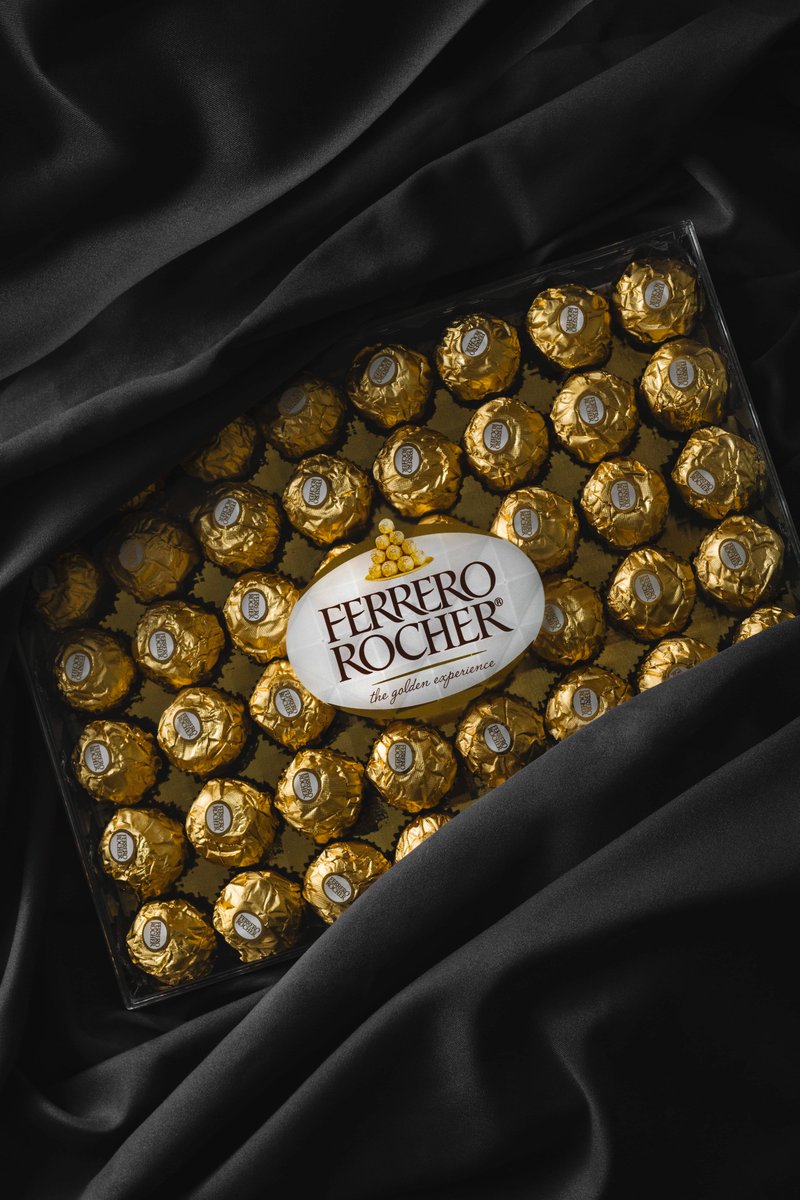
1. Ferrero Group—the most powerful chocolate brand in the world
1. Ferrero Group—the most powerful chocolate brand in the world

Founded: 1946 by Pietro Ferrero
Now Run By: Giovanni Ferrero (2nd generation)
Revenue: $17+ billion
Highlight: Makers of Ferrero Rocher, Nutella, Kinder — iconic global confectionery brand.
Status: 100% family-owned, tightly held and massively profitable.
Now Run By: Giovanni Ferrero (2nd generation)
Revenue: $17+ billion
Highlight: Makers of Ferrero Rocher, Nutella, Kinder — iconic global confectionery brand.
Status: 100% family-owned, tightly held and massively profitable.
2. BMW (Germany)
Founded: 1916
Family Stake: Quandt family (Stefan Quandt & Susanne Klatten)
Revenue: $160+ billion
Highlight: Majority stake controlled by heirs of Herbert Quandt, who saved BMW in the 1950s.
Status: Public company, Quandt family holds ~47% voting power
Founded: 1916
Family Stake: Quandt family (Stefan Quandt & Susanne Klatten)
Revenue: $160+ billion
Highlight: Majority stake controlled by heirs of Herbert Quandt, who saved BMW in the 1950s.
Status: Public company, Quandt family holds ~47% voting power
Before we continue, I want to thank @MeetGamma for partnering with me on this post.
50M+ users are already using Gamma not only to create AI presentations, but also websites, social media content, documents, and more.
🔗 gamma.app
50M+ users are already using Gamma not only to create AI presentations, but also websites, social media content, documents, and more.
🔗 gamma.app
3. Tata Group (India)
Founded: 1868 by Jamsetji Tata
Now Run By: Tata family (via charitable trusts)
Revenue: $150+ billion
Highlight: India’s most respected conglomerate, operating in over 100 countries.
Status: Public holding companies, controlled by Tata Trusts (66% ownership)
Founded: 1868 by Jamsetji Tata
Now Run By: Tata family (via charitable trusts)
Revenue: $150+ billion
Highlight: India’s most respected conglomerate, operating in over 100 countries.
Status: Public holding companies, controlled by Tata Trusts (66% ownership)
4. Cargill (USA)
Founded: 1865 by William Wallace Cargill
Now Run By: Cargill-MacMillan family
Revenue: ~$165 billion
Highlight: One of the largest privately held firms in the U.S., dominant in agriculture.
Status: 100% privately owned by family
Founded: 1865 by William Wallace Cargill
Now Run By: Cargill-MacMillan family
Revenue: ~$165 billion
Highlight: One of the largest privately held firms in the U.S., dominant in agriculture.
Status: 100% privately owned by family


5. Aldi (Germany)
Founded: 1946 by Karl and Theo Albrecht
Now Run By: Albrecht family (via two separate entities: Aldi Nord and Aldi Süd)
Revenue: $120+ billion (combined)
Highlight: Pioneered the global discount supermarket model with 12,000+ stores in 20+ countries
Status: 100% privately owned by the Albrecht family through foundations and family trusts
Founded: 1946 by Karl and Theo Albrecht
Now Run By: Albrecht family (via two separate entities: Aldi Nord and Aldi Süd)
Revenue: $120+ billion (combined)
Highlight: Pioneered the global discount supermarket model with 12,000+ stores in 20+ countries
Status: 100% privately owned by the Albrecht family through foundations and family trusts
6. IKEA (Sweden)
Founded: 1943 by Ingvar Kamprad
Now Run By: Kamprad family (via foundations)
Revenue: ~$50 billion
Highlight: Global leader in affordable, flat-pack furniture
Status: Privately owned by Kamprad family through INGKA & Interogo foundations
Founded: 1943 by Ingvar Kamprad
Now Run By: Kamprad family (via foundations)
Revenue: ~$50 billion
Highlight: Global leader in affordable, flat-pack furniture
Status: Privately owned by Kamprad family through INGKA & Interogo foundations

7. Reliance Industries (India)
Founded: 1966 by Dhirubhai Ambani
Now Run By: Mukesh Ambani and family
Revenue: $110+ billion
Highlight: India's largest conglomerate spanning energy, telecom, and retail
Status: Public company, Ambani family holds majority control
Founded: 1966 by Dhirubhai Ambani
Now Run By: Mukesh Ambani and family
Revenue: $110+ billion
Highlight: India's largest conglomerate spanning energy, telecom, and retail
Status: Public company, Ambani family holds majority control

8. Ford Motor Company - The Ford Family
Founded: 1903 by Henry Ford
Now Run By: Ford family (through special voting shares)
Revenue: $160+ billion
Highlight: One of the oldest and most iconic car companies.
Status: Public company, family retains control through Class B shares
Founded: 1903 by Henry Ford
Now Run By: Ford family (through special voting shares)
Revenue: $160+ billion
Highlight: One of the oldest and most iconic car companies.
Status: Public company, family retains control through Class B shares

9. Samsung (South Korea)
Founded: 1938 by Lee Byung-chul
Now Run By: Lee family (Jay Y. Lee)
Revenue: ~$250 billion
Highlight: Leading global innovator in electronics and semiconductors
Status: Public company, family control via shareholdings and cross-ownership.
Today, it controls 20% of South Korea’s GDP.
Founded: 1938 by Lee Byung-chul
Now Run By: Lee family (Jay Y. Lee)
Revenue: ~$250 billion
Highlight: Leading global innovator in electronics and semiconductors
Status: Public company, family control via shareholdings and cross-ownership.
Today, it controls 20% of South Korea’s GDP.
10. Walmart (USA)
Founded: 1962 by Sam Walton
Now Run By: Walton family
Revenue: $600+ billion
Highlight: World's largest retailer; redefining global supply chains
Status: Public company, family holds ~50% via Walton Enterprises
Founded: 1962 by Sam Walton
Now Run By: Walton family
Revenue: $600+ billion
Highlight: World's largest retailer; redefining global supply chains
Status: Public company, family holds ~50% via Walton Enterprises

11. Mars Inc. (USA)
Founded: 1911 by Frank C. Mars
Now Run By: Mars family
Revenue: $47+ billion
Highlight: Makers of Snickers, M&Ms, and Pedigree pet food
Status: 100% privately owned by Mars family
Founded: 1911 by Frank C. Mars
Now Run By: Mars family
Revenue: $47+ billion
Highlight: Makers of Snickers, M&Ms, and Pedigree pet food
Status: 100% privately owned by Mars family


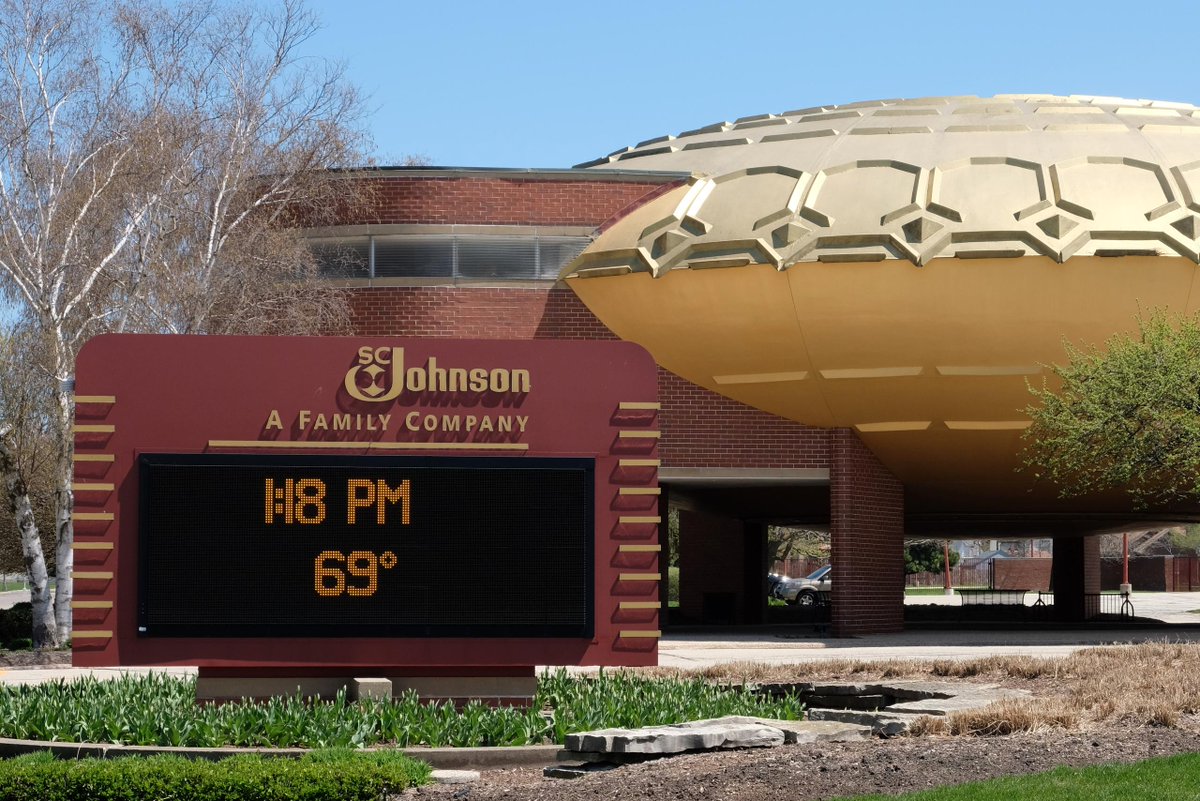
12. SC Johnson (USA)
Founded: 1886 by Samuel Curtis Johnson
Now Run By: 5th generation Johnson family
Revenue: ~$11 billion
Highlight: Global leader in household products like Windex, Glade, and OFF!
Status: 100% privately owned by Johnson family
Founded: 1886 by Samuel Curtis Johnson
Now Run By: 5th generation Johnson family
Revenue: ~$11 billion
Highlight: Global leader in household products like Windex, Glade, and OFF!
Status: 100% privately owned by Johnson family
13. Dell Technologies (USA)
Founded: 1984 by Michael Dell
Now Run By: Michael Dell (Chairman & CEO)
Revenue: ~$90 billion
Highlight: Transformed personal computing and cloud infrastructure globally
Status: Public company, Michael Dell retains majority control through MSD Capital and shareholding
Founded: 1984 by Michael Dell
Now Run By: Michael Dell (Chairman & CEO)
Revenue: ~$90 billion
Highlight: Transformed personal computing and cloud infrastructure globally
Status: Public company, Michael Dell retains majority control through MSD Capital and shareholding

14. Estée Lauder Companies (USA)
Founded: 1946 by Estée & Joseph Lauder
Run By: Lauder family (William P. Lauder as Executive Chairman)
Revenue: ~$17B
Highlight: Global beauty giant behind MAC, Clinique, Bobbi Brown, The Ordinary
Status: Public company; family holds ~38% voting power
Founded: 1946 by Estée & Joseph Lauder
Run By: Lauder family (William P. Lauder as Executive Chairman)
Revenue: ~$17B
Highlight: Global beauty giant behind MAC, Clinique, Bobbi Brown, The Ordinary
Status: Public company; family holds ~38% voting power
15. TVS Group (India)
Founded: 1911 by T. V. Sundaram Iyengar
Run By: Fourth-generation members of the TVS family
Revenue: ~$12B (across TVS Motor, Sundaram Clayton, etc.)
Highlight: One of India’s oldest and most respected industrial groups; key player in automotive and logistics
Status: Public companies, managed and controlled by various branches of the founding family
Founded: 1911 by T. V. Sundaram Iyengar
Run By: Fourth-generation members of the TVS family
Revenue: ~$12B (across TVS Motor, Sundaram Clayton, etc.)
Highlight: One of India’s oldest and most respected industrial groups; key player in automotive and logistics
Status: Public companies, managed and controlled by various branches of the founding family


That's wrap
If you found this thread helpful:
Follow me @thetripathi58 for more such content.
If you found this thread helpful:
Follow me @thetripathi58 for more such content.
• • •
Missing some Tweet in this thread? You can try to
force a refresh