I promised to be back with the @IAF_MCC and Sargodha love affair.
Yes, @akshaykumar's Sky Force showed 1965 — but let me tell you about 1971.
This time, it was India’s newly formed Top Gun school — TCDTS — that painted the skies above Sargodha.
Buckle up. 🧵👇
Yes, @akshaykumar's Sky Force showed 1965 — but let me tell you about 1971.
This time, it was India’s newly formed Top Gun school — TCDTS — that painted the skies above Sargodha.
Buckle up. 🧵👇

What’s TCDTS?
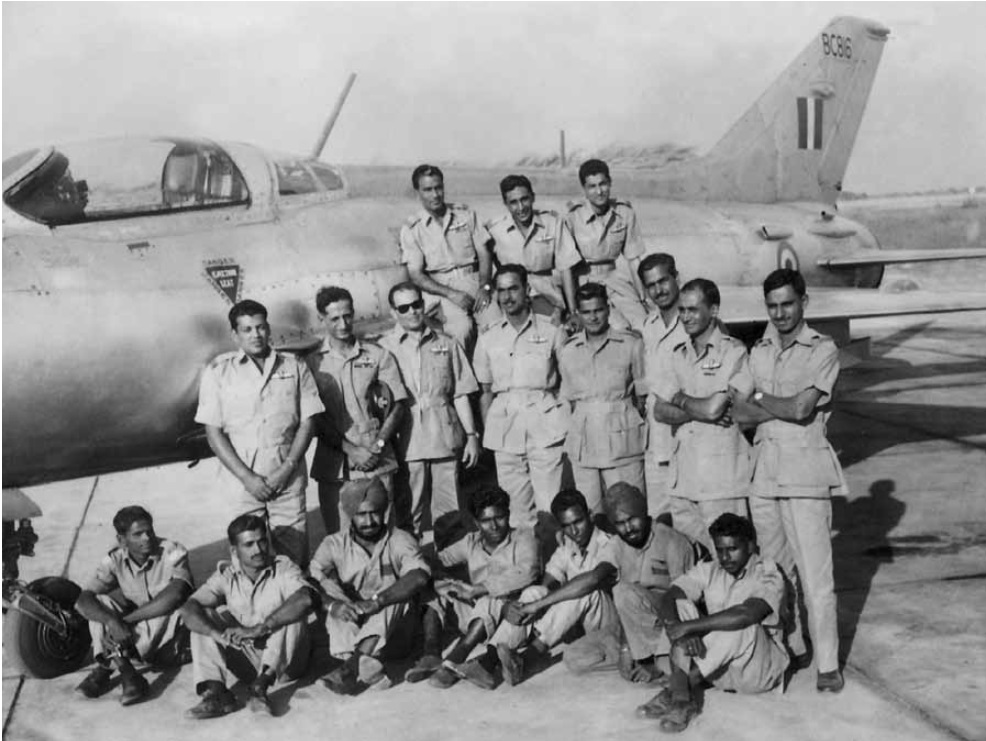
Formed in 1971, the Tactics and Combat Development & Training Squadron was the IAF’s brainchild for fighter combat.
Based at Adampur, it was packed with the crème de la crème — handpicked MiG-21 and Su-7 pilots who’d go on to rewire enemy expectations.
Formed in 1971, the Tactics and Combat Development & Training Squadron was the IAF’s brainchild for fighter combat.
Based at Adampur, it was packed with the crème de la crème — handpicked MiG-21 and Su-7 pilots who’d go on to rewire enemy expectations.

Before war broke out, these elite pilots were already tasked with rewriting air combat playbooks.
But in December 1971, they were ordered to do something unheard of:
Fly low-level night strikes on heavily defended PAF bases — including the crown jewel: Sargodha.
But in December 1971, they were ordered to do something unheard of:
Fly low-level night strikes on heavily defended PAF bases — including the crown jewel: Sargodha.
Why was this insane?
MiG-21s and Su-7s weren’t designed for night ops
No night flying aids
Pilots had zero prior night-strike experience
But the order was clear: “Use what you have. Be ready.”
And they were.
MiG-21s and Su-7s weren’t designed for night ops
No night flying aids
Pilots had zero prior night-strike experience
But the order was clear: “Use what you have. Be ready.”
And they were.
Leading from the front was Sqn Ldr DK "Dice" Dhiman, Su-7 Flight Commander.
He flew 7 night missions in 3 days. His aircraft of choice? Tail no. 909, loaded with:
2×500kg bombs
2×83 rounds of cannon fire
His targets? Some of the best-defended bases in Pakistan.
He flew 7 night missions in 3 days. His aircraft of choice? Tail no. 909, loaded with:
2×500kg bombs
2×83 rounds of cannon fire
His targets? Some of the best-defended bases in Pakistan.
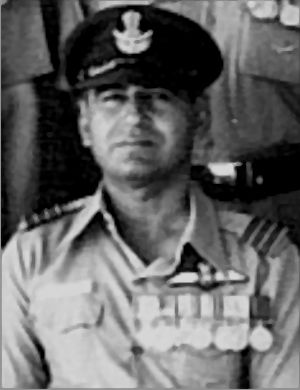
Here’s Dice’s strike log:
Night 1: Hit Chander airfield — twice.
Night 2: Sargodha, Kirana Hills, and Lahore.
Night 3: Back to Sargodha and Chander.
Dec 9: A daylight bombing of Risalewala.
Then came close support missions near Kasur–Lahore. Tireless.
Night 1: Hit Chander airfield — twice.
Night 2: Sargodha, Kirana Hills, and Lahore.
Night 3: Back to Sargodha and Chander.
Dec 9: A daylight bombing of Risalewala.
Then came close support missions near Kasur–Lahore. Tireless.
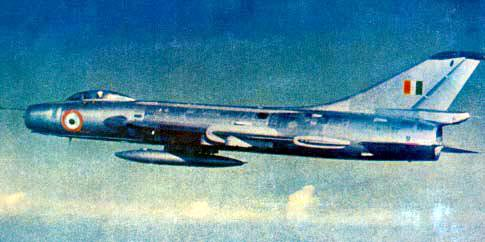
The really scary part of the mission was launch and recovery. Pilots would taxi by moonlight and ask for runway lights to be put on only after lining up and selecting full power with afterburner. For landing, controllers put on the lights only after pilots called short finals.
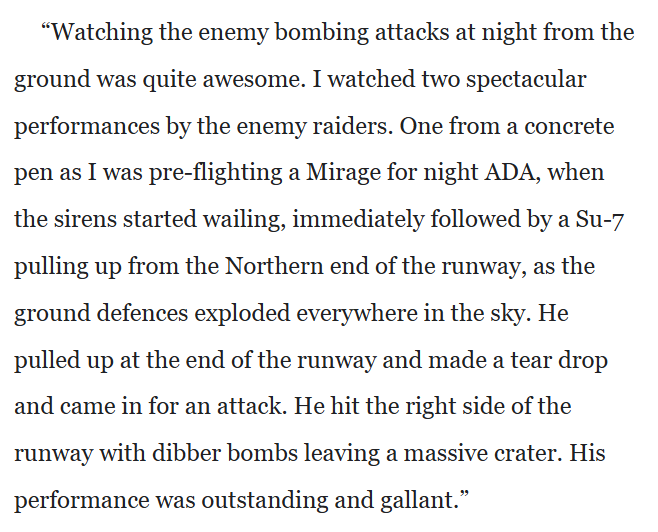
PAF’s own Group Captain S Sajad Haidar, Chief of Ops at Sargodha, later wrote:
“Indian reprisal came in relentless waves...
I saw a Su-7 dive in from the north, under withering fire, and hit the runway with dibber bombs. The impact was massive. Gallant.”
“Indian reprisal came in relentless waves...
I saw a Su-7 dive in from the north, under withering fire, and hit the runway with dibber bombs. The impact was massive. Gallant.”
The Pakistanis expected Canberras for night bombing.
They got MiG-21s and Su-7s instead.
And that’s what made the difference.
Fast, agile fighters — flown by India’s best — crashing into enemy expectations and rewriting the very rules of air warfare.
They got MiG-21s and Su-7s instead.
And that’s what made the difference.
Fast, agile fighters — flown by India’s best — crashing into enemy expectations and rewriting the very rules of air warfare.
TCDTS may have been just a year old in 1971.
But in those three nights, it proved it could punch way above its weight.
Sargodha wasn’t just attacked. It was shaken.
And the IAF showed the world what audacity with skill looks like.
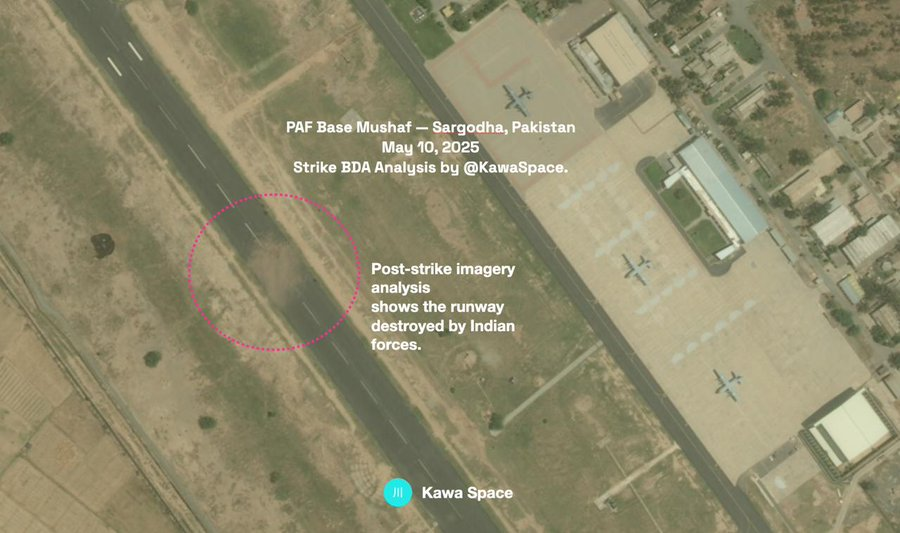
In 2025 - Did we repeat it?
But in those three nights, it proved it could punch way above its weight.
Sargodha wasn’t just attacked. It was shaken.
And the IAF showed the world what audacity with skill looks like.
In 2025 - Did we repeat it?
• • •
Missing some Tweet in this thread? You can try to
force a refresh