You’ve seen their faces. But you’ve never looked into them.
These 20 portraits don’t just show beauty, they reveal madness, power, obsession, fear.
One even stayed hidden in a Paris apartment for 70 years.
Let me show you why these paintings still haunt us:
🧵
These 20 portraits don’t just show beauty, they reveal madness, power, obsession, fear.
One even stayed hidden in a Paris apartment for 70 years.
Let me show you why these paintings still haunt us:
🧵
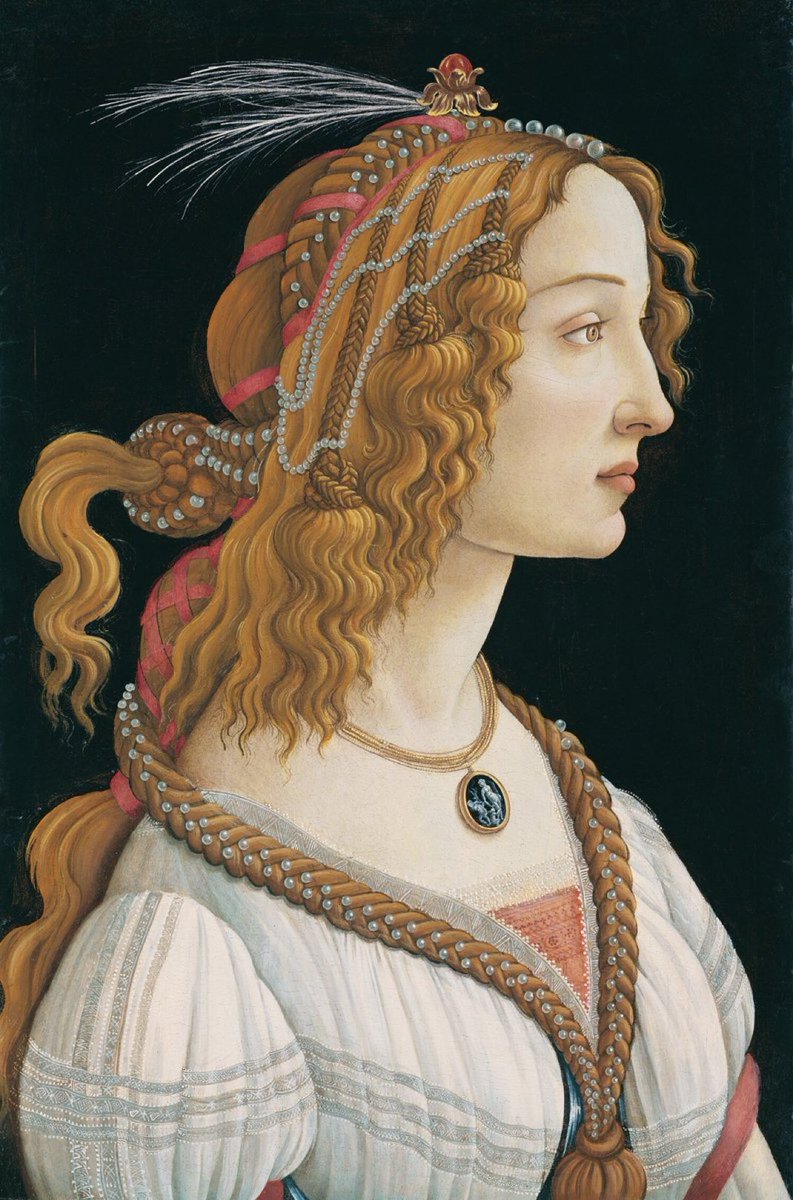
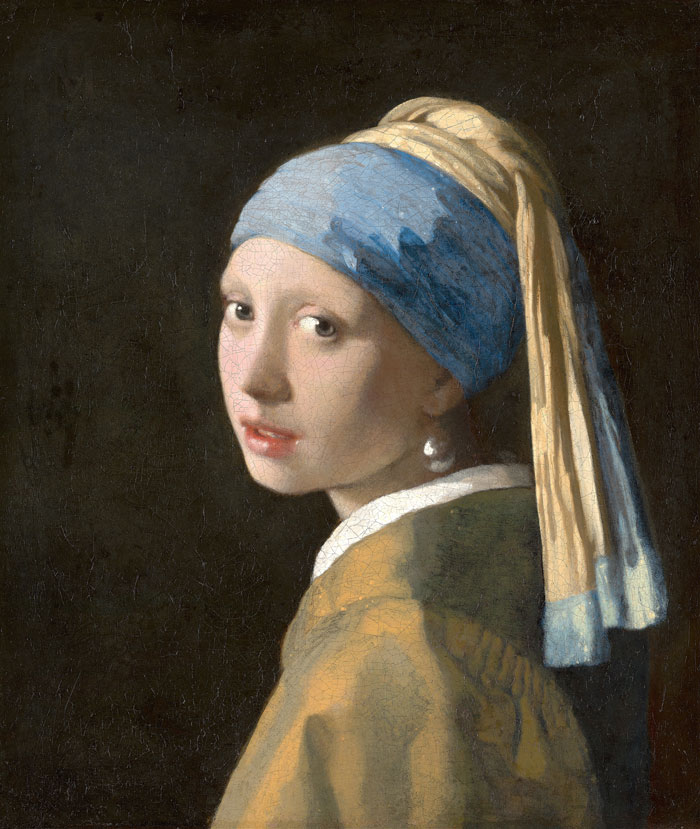
Start with Vermeer’s Girl with a Pearl Earring.
She doesn’t speak. She doesn’t move. But you can’t look away.
No background. No story. Just a turning glance that hits you like a secret.
She’s not just a girl.
She’s a question that never got answered.
She doesn’t speak. She doesn’t move. But you can’t look away.
No background. No story. Just a turning glance that hits you like a secret.
She’s not just a girl.
She’s a question that never got answered.
Now jump to Lady Agnew of Lochnaw by John Singer Sargent.
She lounges, not posed, but alive.
The white silk makes a statement. Her eyes study you, not the other way around.
It’s intimate, relaxed, almost dangerous.
Sargent didn’t paint a portrait. He painted confidence with a pulse.
She lounges, not posed, but alive.
The white silk makes a statement. Her eyes study you, not the other way around.
It’s intimate, relaxed, almost dangerous.
Sargent didn’t paint a portrait. He painted confidence with a pulse.

Then came scandal.
Madame X was too much for 1880s Paris.
That bare shoulder? A social disaster.
The original strap fell off. Sargent had to repaint it.
But the damage was done. Her reputation shattered.
The painting? Immortal.
Madame X was too much for 1880s Paris.
That bare shoulder? A social disaster.
The original strap fell off. Sargent had to repaint it.
But the damage was done. Her reputation shattered.
The painting? Immortal.

Princess Albert de Broglie isn’t moving.
But her silk shimmers like it might.
Ingres painted fabric like it breathed.
Her eyes? Calm, detached. You’re beneath her gaze.
Power doesn’t shout, it stares.
But her silk shimmers like it might.
Ingres painted fabric like it breathed.
Her eyes? Calm, detached. You’re beneath her gaze.
Power doesn’t shout, it stares.

Courbet’s Desperate Man didn’t just break rules.
He smashed the idea of self-portrait.
He’s wide-eyed, fingers clenching.
This isn’t vanity. It’s panic. It’s confession.
He didn’t paint himself, he exposed himself.
He smashed the idea of self-portrait.
He’s wide-eyed, fingers clenching.
This isn’t vanity. It’s panic. It’s confession.
He didn’t paint himself, he exposed himself.

Élisabeth Vigée Le Brun, a woman painting herself—in 1772.
She smiles. That’s rare for portraits of the time.
She holds a brush. She’s working. She’s in control.
Before feminism had a name, she lived it.
She smiles. That’s rare for portraits of the time.
She holds a brush. She’s working. She’s in control.
Before feminism had a name, she lived it.

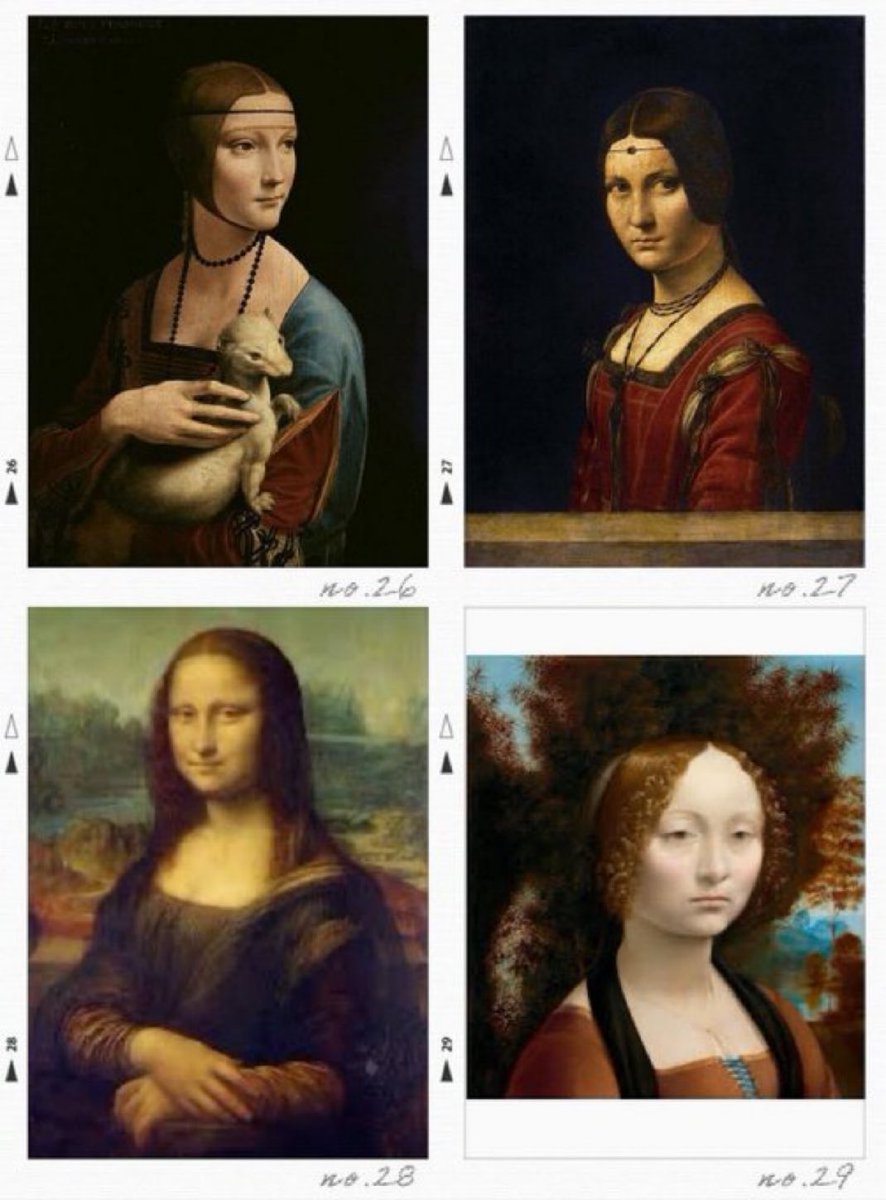
The Mona Lisa? Yes, you’ve seen her.
But in person, she’s unsettling.
She knows something. You don’t.
Her smile isn’t warm. It’s loaded.
That’s why Da Vinci’s portrait survives. She doesn’t answer, she asks.
But in person, she’s unsettling.
She knows something. You don’t.
Her smile isn’t warm. It’s loaded.
That’s why Da Vinci’s portrait survives. She doesn’t answer, she asks.

Garshin was a Russian writer who battled depression.
Ilya Repin didn’t hide it.
Look at the tension in his hands. The broken stillness in his face.
This isn’t a tribute. It’s a warning.
Ilya Repin didn’t hide it.
Look at the tension in his hands. The broken stillness in his face.
This isn’t a tribute. It’s a warning.

The Laughing Cavalier isn’t laughing.
He’s smirking. Arrogant. Confident. Almost smug.
Frans Hals used brushwork that looks like it was done yesterday.
This is swagger on canvas.
He’s smirking. Arrogant. Confident. Almost smug.
Frans Hals used brushwork that looks like it was done yesterday.
This is swagger on canvas.

If you are enjoying this thread, then you will want to look into my FREE newsletter also. Subscribe at:
thecultureexplorer.beehiiv.com/subscribe
thecultureexplorer.beehiiv.com/subscribe
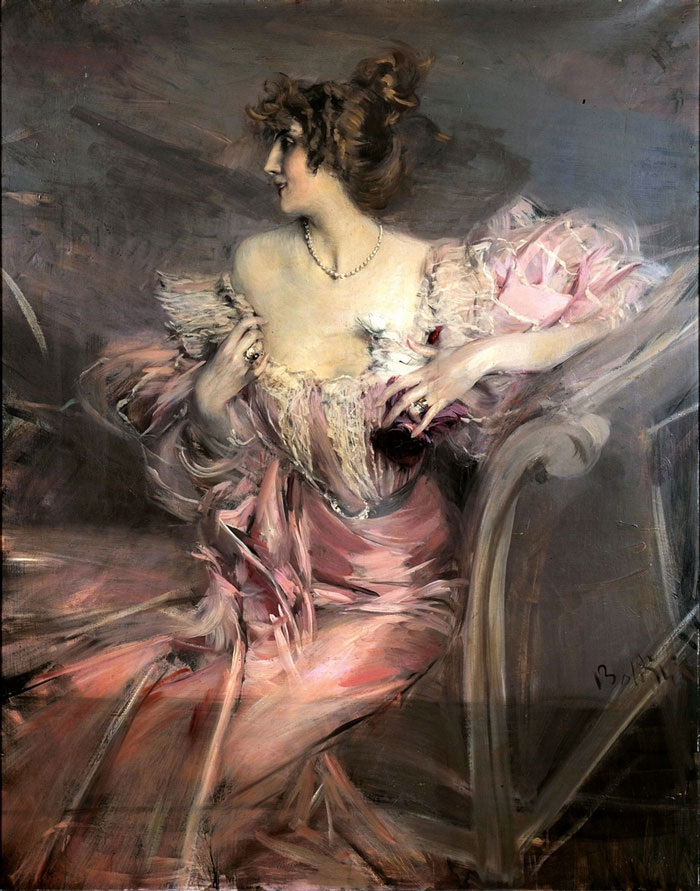
Madame de Florian sat for Boldini in 1910.
Then her apartment was locked and left untouched for 70 years.
In 2010, they opened it and found this portrait.
She hadn’t aged. But the world had.
Then her apartment was locked and left untouched for 70 years.
In 2010, they opened it and found this portrait.
She hadn’t aged. But the world had.
Eleonora di Toledo and her son weren’t just a family.
They were propaganda.
Bronzino painted them like royalty: rich clothes, distant eyes, frozen affection.
Even the toddler looks like he rules something.
They were propaganda.
Bronzino painted them like royalty: rich clothes, distant eyes, frozen affection.
Even the toddler looks like he rules something.

Leonardo’s Salvator Mundi sold for $450 million.
But look closely: the orb in Christ’s hand doesn’t reflect light properly.
Leonardo knew optics. This “mistake” might be a symbol.
Or a trick. Or a message.
But look closely: the orb in Christ’s hand doesn’t reflect light properly.
Leonardo knew optics. This “mistake” might be a symbol.
Or a trick. Or a message.

Van Gogh, 1887.
You see the stare.
But look at the background. Look at the brushstrokes.
It’s as if his mind is collapsing behind him.
He’s not painting his face. He’s painting his fight.
You see the stare.
But look at the background. Look at the brushstrokes.
It’s as if his mind is collapsing behind him.
He’s not painting his face. He’s painting his fight.

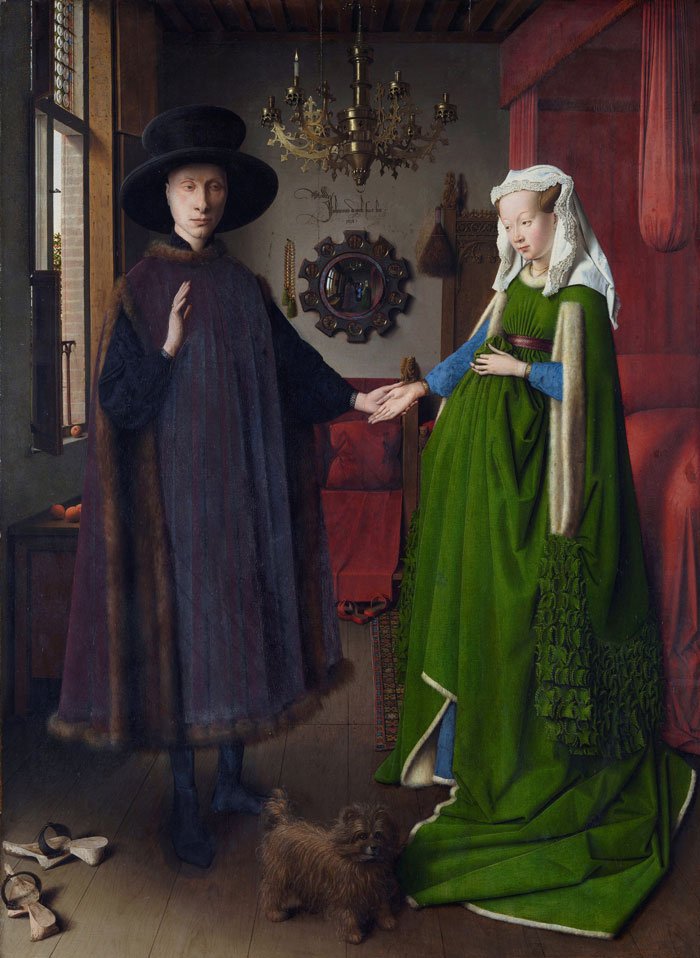
The Arnolfini Portrait isn’t a portrait.
It’s a contract. A marriage. A witness.
Van Eyck signs it: “I was here.”
A dog. A mirror. A window. Every object speaks.
This is symbolism turned into surveillance.
It’s a contract. A marriage. A witness.
Van Eyck signs it: “I was here.”
A dog. A mirror. A window. Every object speaks.
This is symbolism turned into surveillance.
Beethoven in 1820, composing the Missa Solemnis.
He’s deaf. But look at his eyes, they are stormy. Focused.
Karl Stieler doesn’t give us the “mad genius.”
He gives us a man working through silence.
He’s deaf. But look at his eyes, they are stormy. Focused.
Karl Stieler doesn’t give us the “mad genius.”
He gives us a man working through silence.

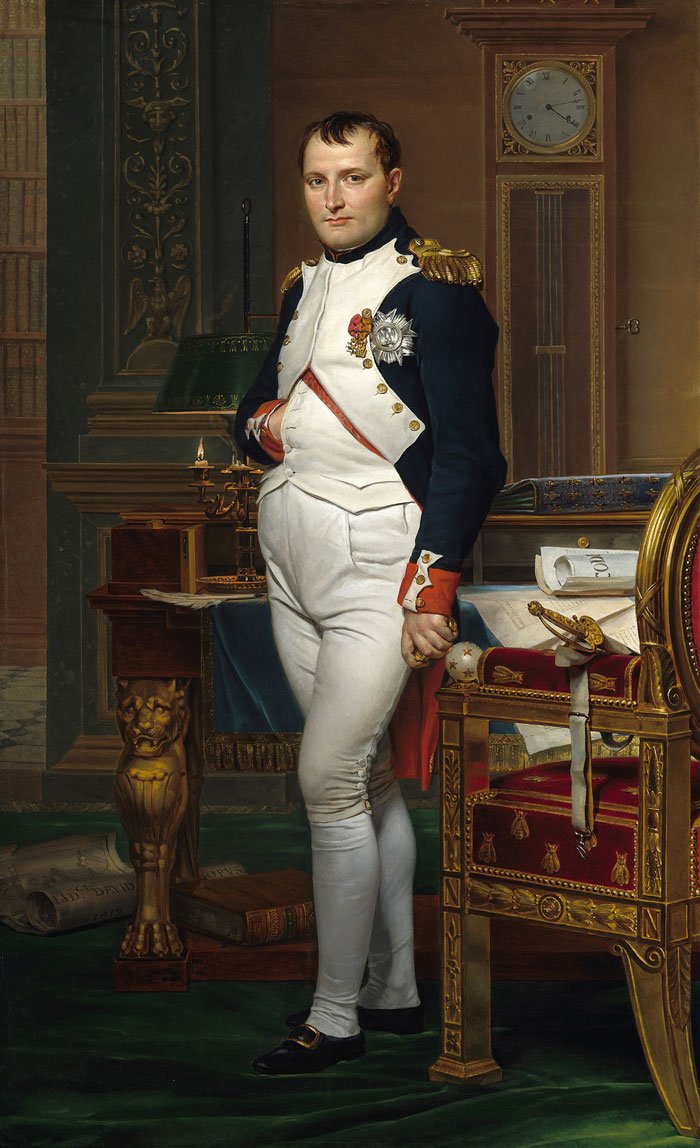
Napoleon in his study.
Clock reads 4:13 AM. Papers everywhere.
David paints the myth: The tireless leader. The thinker.
But his sword is off. His face is pale.
Even legends get tired.
Clock reads 4:13 AM. Papers everywhere.
David paints the myth: The tireless leader. The thinker.
But his sword is off. His face is pale.
Even legends get tired.
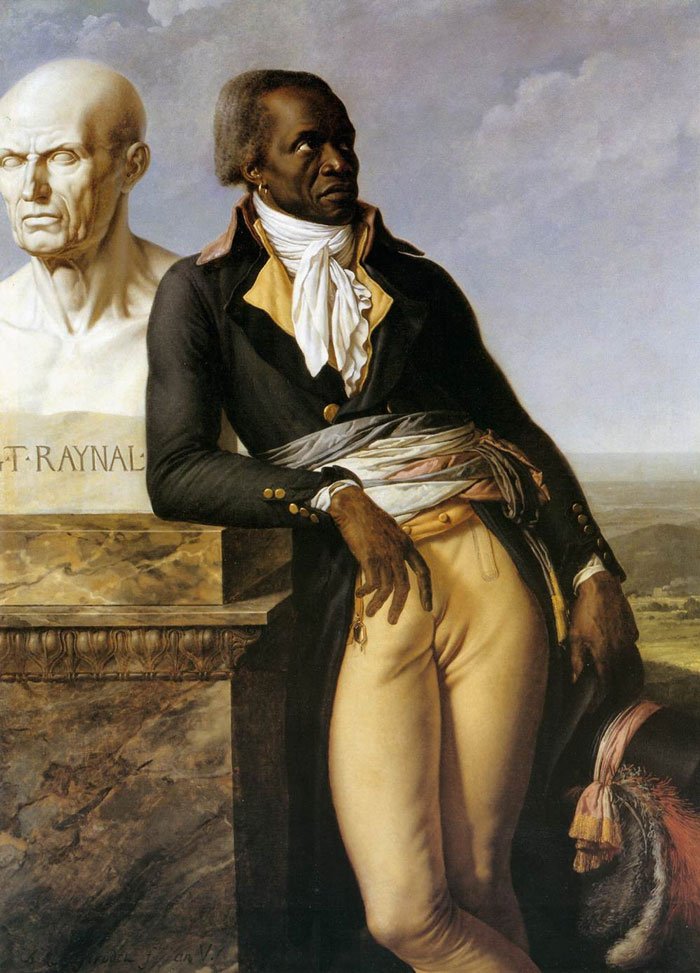
Jean-Baptiste Belley was a former enslaved man turned revolutionary.
This isn’t just a portrait.
It’s a declaration.
He leans on a bust of a philosopher who fought slavery.
Dignity, intellect, defiance, all in one pose.
This isn’t just a portrait.
It’s a declaration.
He leans on a bust of a philosopher who fought slavery.
Dignity, intellect, defiance, all in one pose.
Sofonisba Anguissola paints herself painting.
She looks at you.
You’re being watched by the painter and the subject—who are the same.
A 16th-century power move.
She looks at you.
You’re being watched by the painter and the subject—who are the same.
A 16th-century power move.

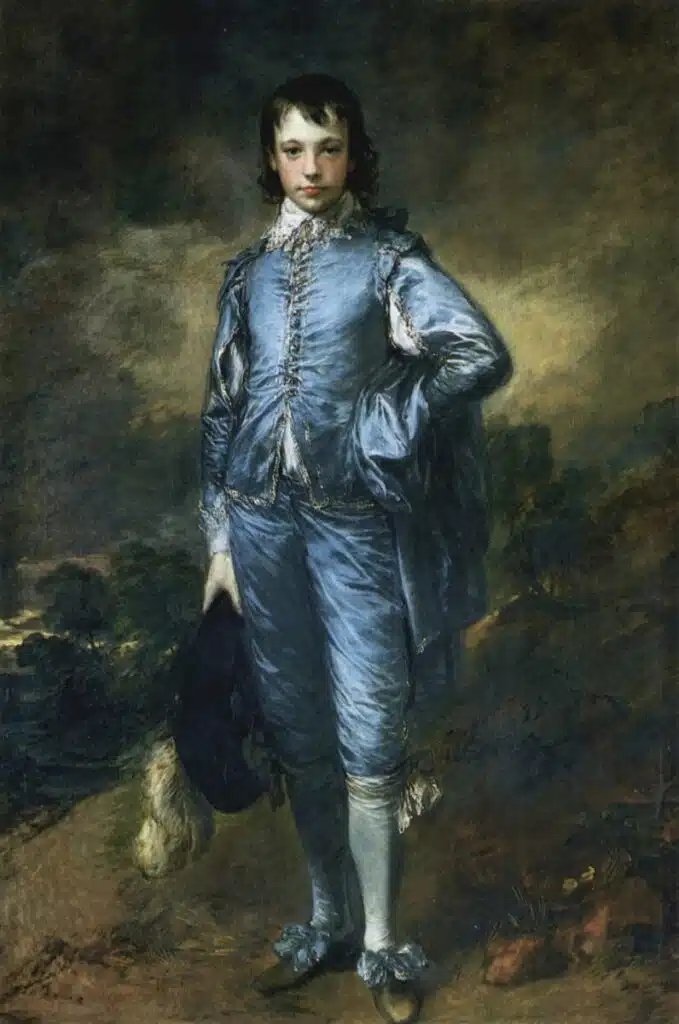
Gainsborough’s Blue Boy owns the room.
The clothes shimmer. The boy holds his posture like a general.
This isn’t a child. It’s status wrapped in satin.
A masterpiece of performance.
The clothes shimmer. The boy holds his posture like a general.
This isn’t a child. It’s status wrapped in satin.
A masterpiece of performance.
Artemisia Gentileschi—abused, dismissed, erased.
But she painted herself, brush in hand, jaw tight.
Not as a victim. As an artist. As truth.
This portrait? Her comeback.
But she painted herself, brush in hand, jaw tight.
Not as a victim. As an artist. As truth.
This portrait? Her comeback.

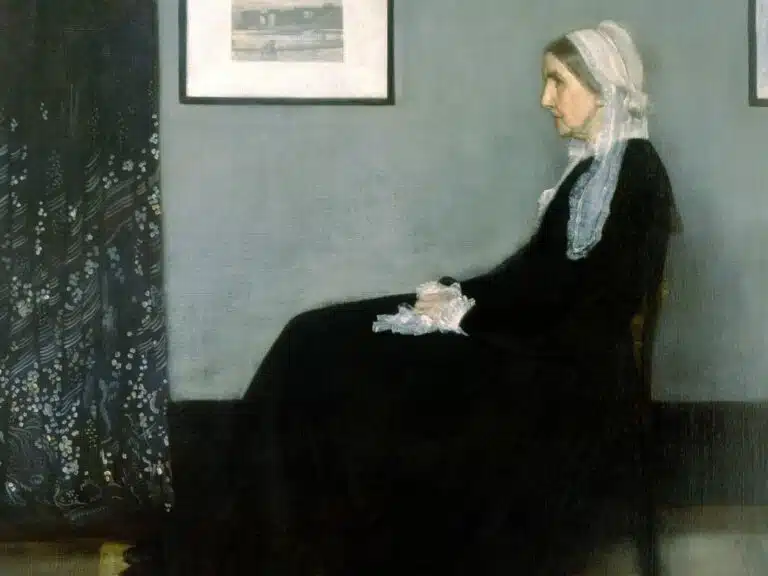
You’ve seen Whistler’s Mother as a meme.
But it’s not funny.
She’s solemn. Still. Dignified.
This is not sentiment. It’s restraint.
It’s love that says nothing, but stays.
But it’s not funny.
She’s solemn. Still. Dignified.
This is not sentiment. It’s restraint.
It’s love that says nothing, but stays.
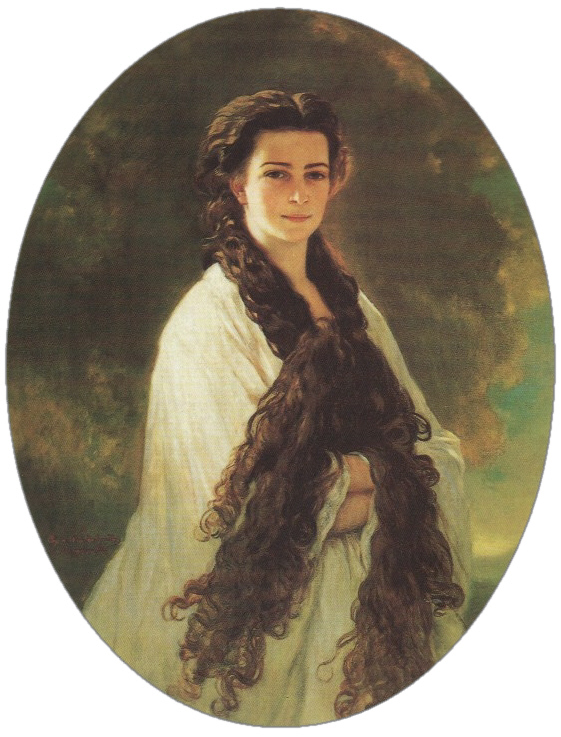
And finally, Elisabeth of Austria, painted with her legendary hair.
Winterhalter made her ethereal. But she hated this portrait.
Why?
Because she knew, once a woman’s image is captured, it stops being hers.
Winterhalter made her ethereal. But she hated this portrait.
Why?
Because she knew, once a woman’s image is captured, it stops being hers.
These portraits aren’t just beautiful.
They speak.
They speak of power, sorrow, rage, control, silence, love.
You just have to look long enough.
Which one grabbed your attention the most?
Follow @CultureExploreX for more timeless beauty and the stories behind it.
They speak.
They speak of power, sorrow, rage, control, silence, love.
You just have to look long enough.
Which one grabbed your attention the most?
Follow @CultureExploreX for more timeless beauty and the stories behind it.

• • •
Missing some Tweet in this thread? You can try to
force a refresh