
In the 1970s, a quiet revolution began in northern Spain.
Led by young chefs with bold ideas — and a deep respect for tradition.
Today, it's a culinary capital of the world. And its movement is only getting started... 🧵
Led by young chefs with bold ideas — and a deep respect for tradition.
Today, it's a culinary capital of the world. And its movement is only getting started... 🧵

Spain's Basque Country isn’t just beautiful. It’s obsessed.
With food. With flavor. With getting it just right.
“There’s a mania for food here,” Anthony Bourdain said. “A secret society all centered around eating, cooking, and talking about eating and cooking.”
With food. With flavor. With getting it just right.
“There’s a mania for food here,” Anthony Bourdain said. “A secret society all centered around eating, cooking, and talking about eating and cooking.”

That “secret society” is no exaggeration.
In Basque towns and cities, you’ll find txokos — private gastronomic societies where friends gather to cook, compete, and pass down recipes.
No menus. No waiters. Just tradition, camaraderie, and damn good food.
In Basque towns and cities, you’ll find txokos — private gastronomic societies where friends gather to cook, compete, and pass down recipes.
No menus. No waiters. Just tradition, camaraderie, and damn good food.
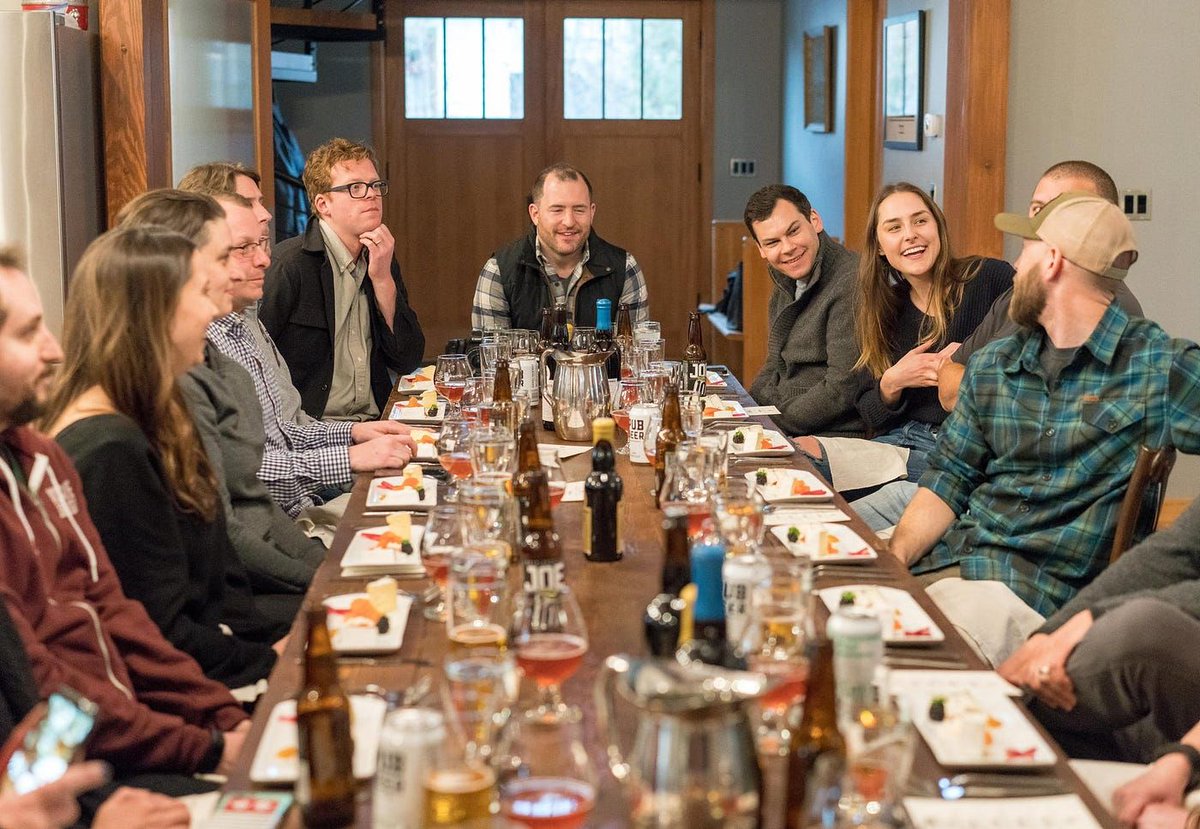
Txokos are more than clubs — they’re institutions.
They helped preserve Basque culture under Franco.
And sparked the culinary revolution of the 1970s… when a group of chefs dared to imagine something new.
They helped preserve Basque culture under Franco.
And sparked the culinary revolution of the 1970s… when a group of chefs dared to imagine something new.

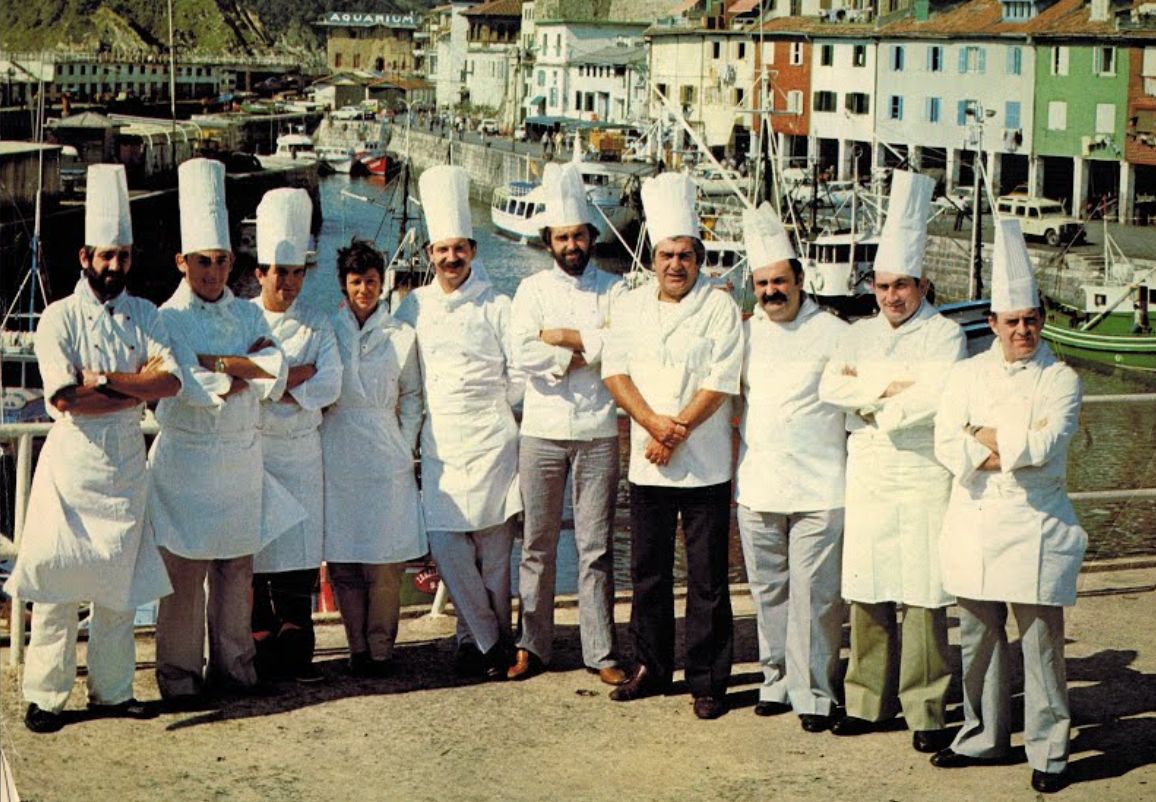
It began with Juan Mari Arzak — the Grandfather of Modern Basque Cuisine.
Inspired by French Nouvelle Cuisine, Arzak gathered fellow chefs and asked:
Why not elevate Basque food?
Why not experiment?
Why not innovate — without forgetting our roots?
Inspired by French Nouvelle Cuisine, Arzak gathered fellow chefs and asked:
Why not elevate Basque food?
Why not experiment?
Why not innovate — without forgetting our roots?
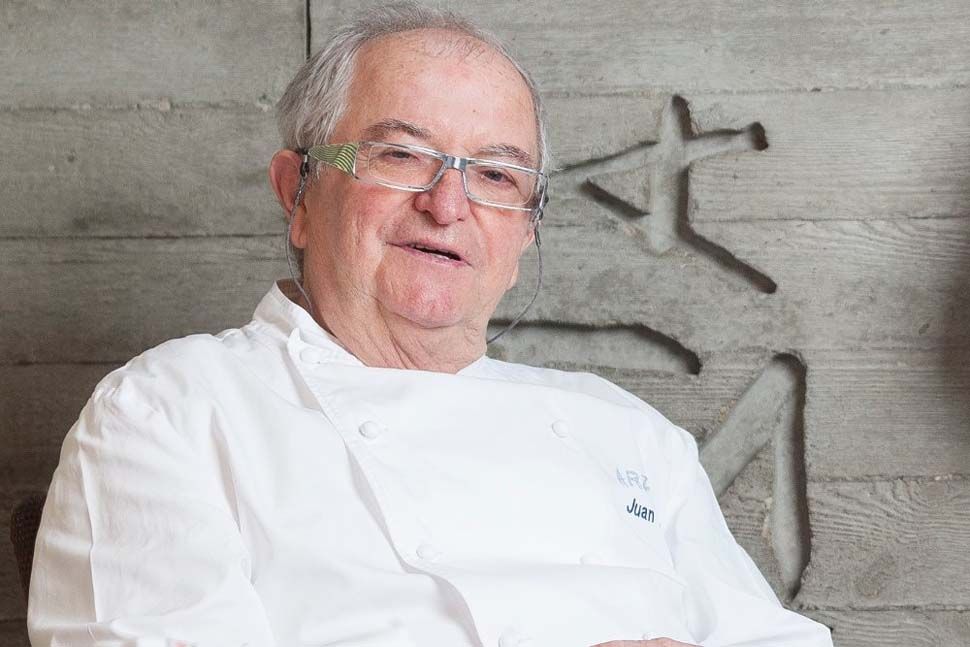
This movement became the Nueva Cocina Vasca — the New Basque Cuisine.
Rooted in tradition, but fearless in technique: Seasonal. Local. Imaginative. And deeply Basque.
It transformed humble ingredients — anchovies, peppers, cod, and more — into haute cuisine.
Rooted in tradition, but fearless in technique: Seasonal. Local. Imaginative. And deeply Basque.
It transformed humble ingredients — anchovies, peppers, cod, and more — into haute cuisine.
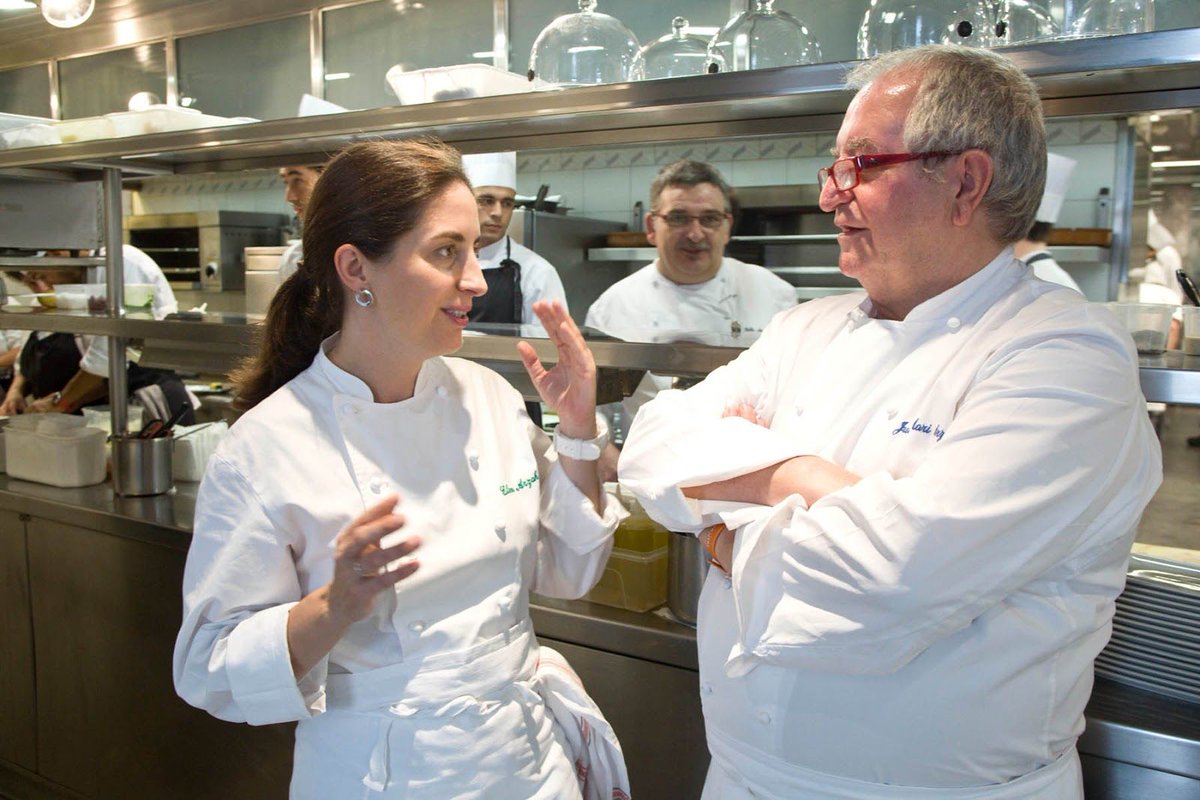
Arzak led the way from his family restaurant on the hillside of San Sebastián.
Today, he shares the kitchen with his daughter Elena Arzak — voted the World’s Best Female Chef in 2012.
They hold 3 Michelin stars and the heart of the city.
Today, he shares the kitchen with his daughter Elena Arzak — voted the World’s Best Female Chef in 2012.
They hold 3 Michelin stars and the heart of the city.
Another disciple of the movement? Victor Arguinzoniz — the quiet genius behind Asador Etxebarri.
Tucked into the hills of Atxondo, he grills everything — and I mean everything — over custom-made coals.
From caviar to milk, smoke is his spice.
🎥: the.hungry.tourist
Tucked into the hills of Atxondo, he grills everything — and I mean everything — over custom-made coals.
From caviar to milk, smoke is his spice.
🎥: the.hungry.tourist
Etxebarri is currently ranked #2 restaurant in the world.
No foam. No theatrics. Just purity, product, and fire.
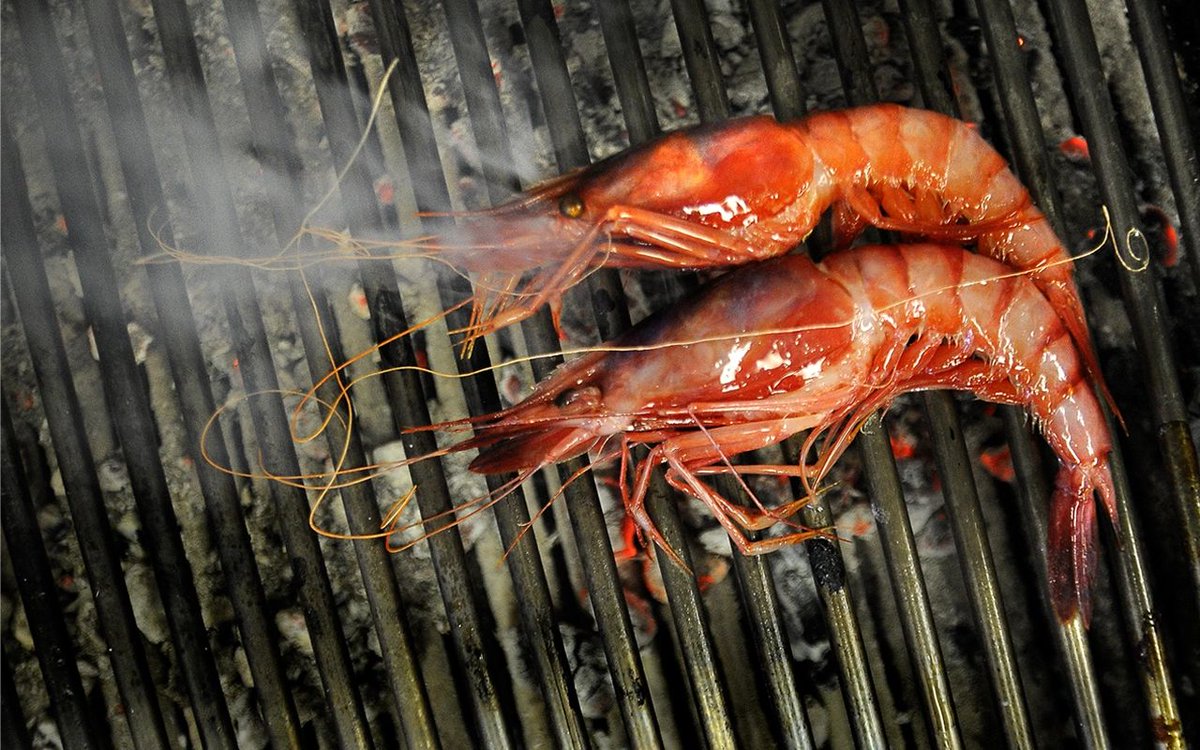
If you’re lucky, you’ll try his grilled Palamós prawns — considered by some to be the best bite in Europe.
No foam. No theatrics. Just purity, product, and fire.
If you’re lucky, you’ll try his grilled Palamós prawns — considered by some to be the best bite in Europe.
Then there’s Elkano, in the fishing town of Getaria.
Founded by Pedro Arregui and now run by his son Aitor, it’s famed for one thing: turbot, grilled whole over open flame.
Bourdain said, “That turbot… it’s so good it made me angry.”
🧵: dvirshastel
Founded by Pedro Arregui and now run by his son Aitor, it’s famed for one thing: turbot, grilled whole over open flame.
Bourdain said, “That turbot… it’s so good it made me angry.”
🧵: dvirshastel
All of this — Arzak, Etxebarri, Elkano — grew from the same soil.
A culture that values seasonality. Simplicity. Pride in product.
Whether it’s line-caught hake or Idiazabal cheese — you know exactly where you are. You can taste it in every bite.
A culture that values seasonality. Simplicity. Pride in product.
Whether it’s line-caught hake or Idiazabal cheese — you know exactly where you are. You can taste it in every bite.

And it’s not just fine dining.
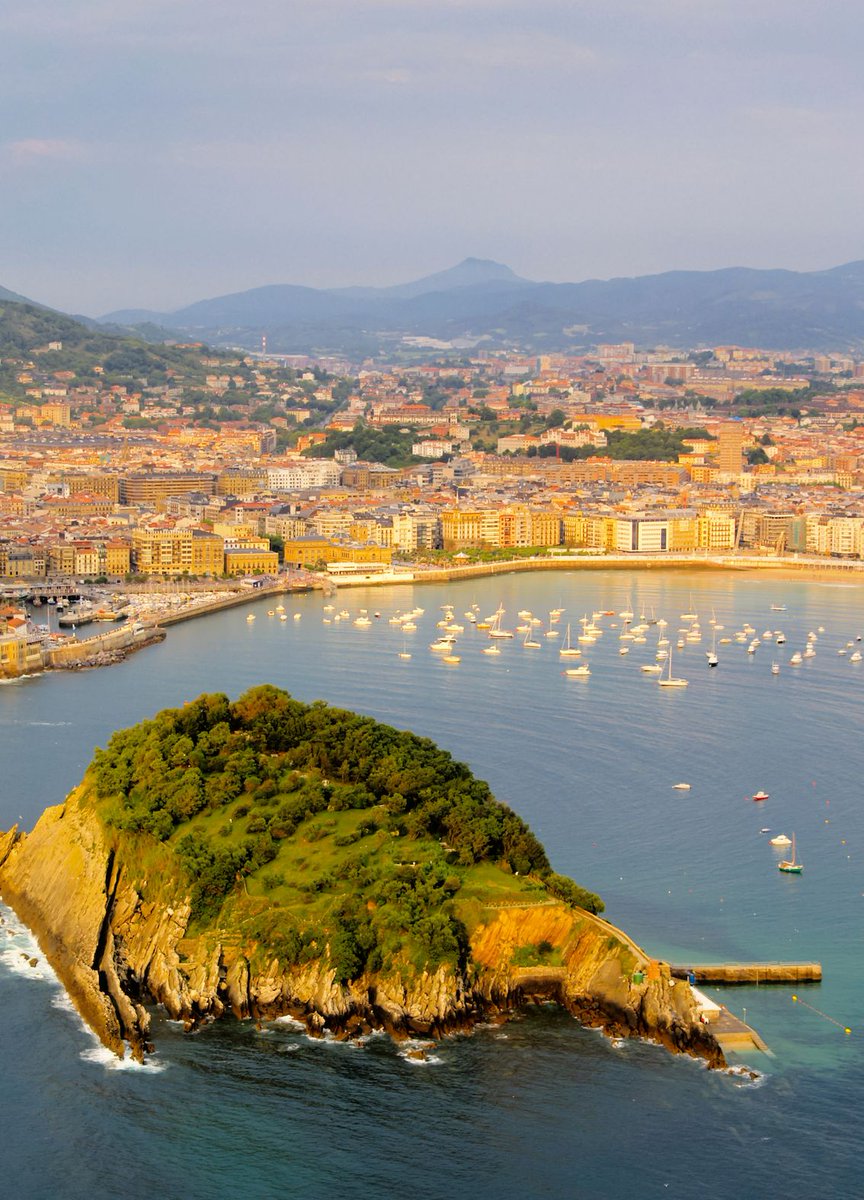
San Sebastián may have the second-highest concentration of Michelin stars per capita in the world — but pintxos bars in Spain's Basque Country are just as legendary.
Tiny bites. Big flavor. Each bar a temple to some sacred snack.
San Sebastián may have the second-highest concentration of Michelin stars per capita in the world — but pintxos bars in Spain's Basque Country are just as legendary.
Tiny bites. Big flavor. Each bar a temple to some sacred snack.
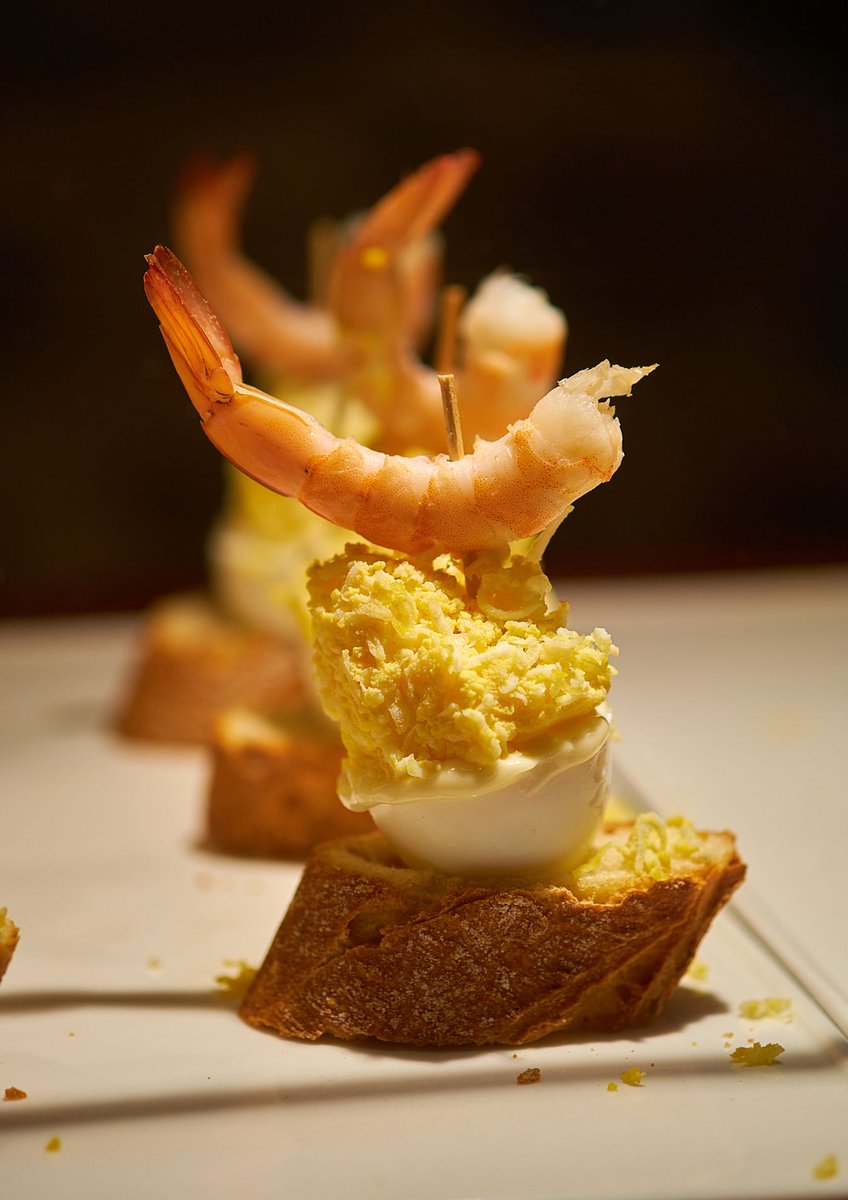
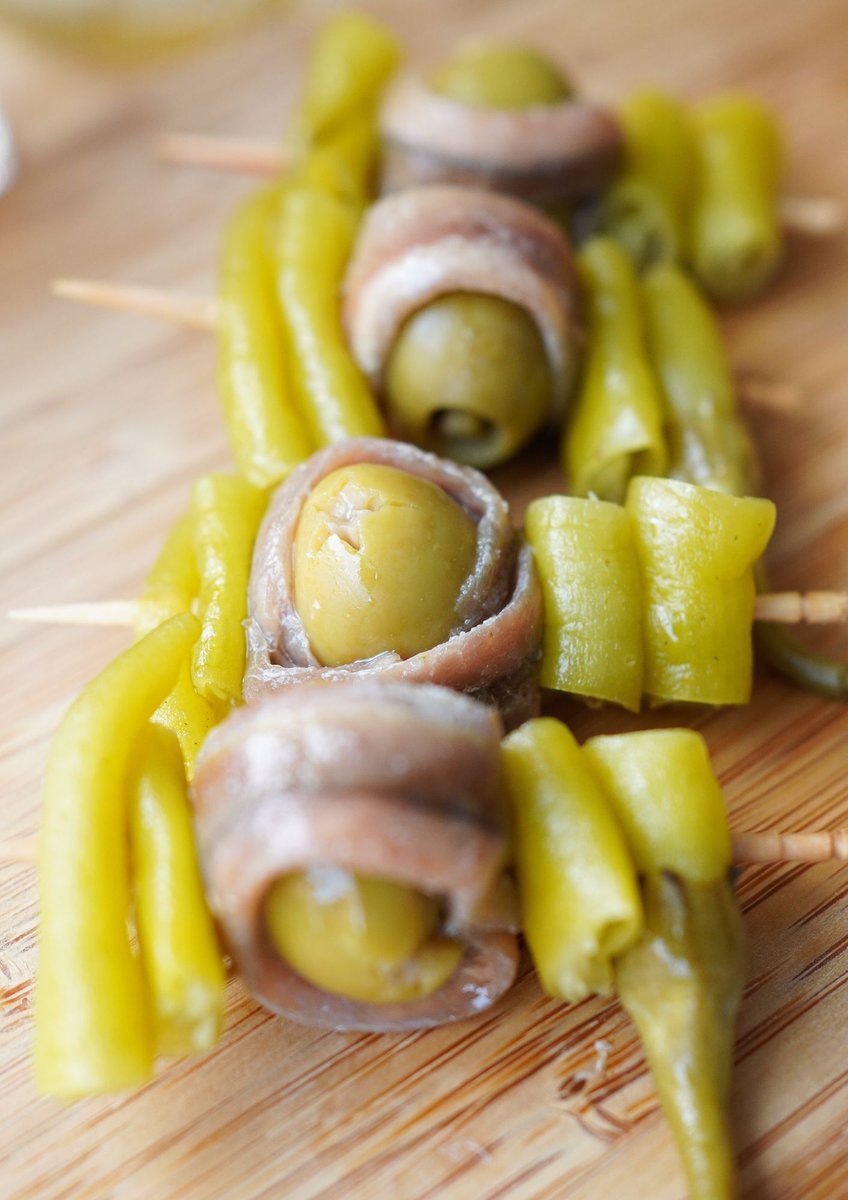
There's Gilda. Foie a la Plancha. Txangurro. Bacalao al Pil Pil.
And then there's Basque Cheesecake — born in a restaurant in San Sebastián called La Viña.
And then there's Basque Cheesecake — born in a restaurant in San Sebastián called La Viña.
Behind every dish is an attitude.
A sense of play. A refusal to compromise.
“He’s always looked at food with a child’s eye,” David Chang said of Arzak. “Always asking why. Always trying to improve.”
A sense of play. A refusal to compromise.
“He’s always looked at food with a child’s eye,” David Chang said of Arzak. “Always asking why. Always trying to improve.”

That curiosity didn’t just change the Basque Country.
It shaped the culinary world.
French Laundry, Noma, Eleven Madison Park — massive restaurants across the world — all owe a debt to the Basques who dared to mix their ancestor's recipes with fine dining precision.
It shaped the culinary world.
French Laundry, Noma, Eleven Madison Park — massive restaurants across the world — all owe a debt to the Basques who dared to mix their ancestor's recipes with fine dining precision.

Even today, the new guard is rising:
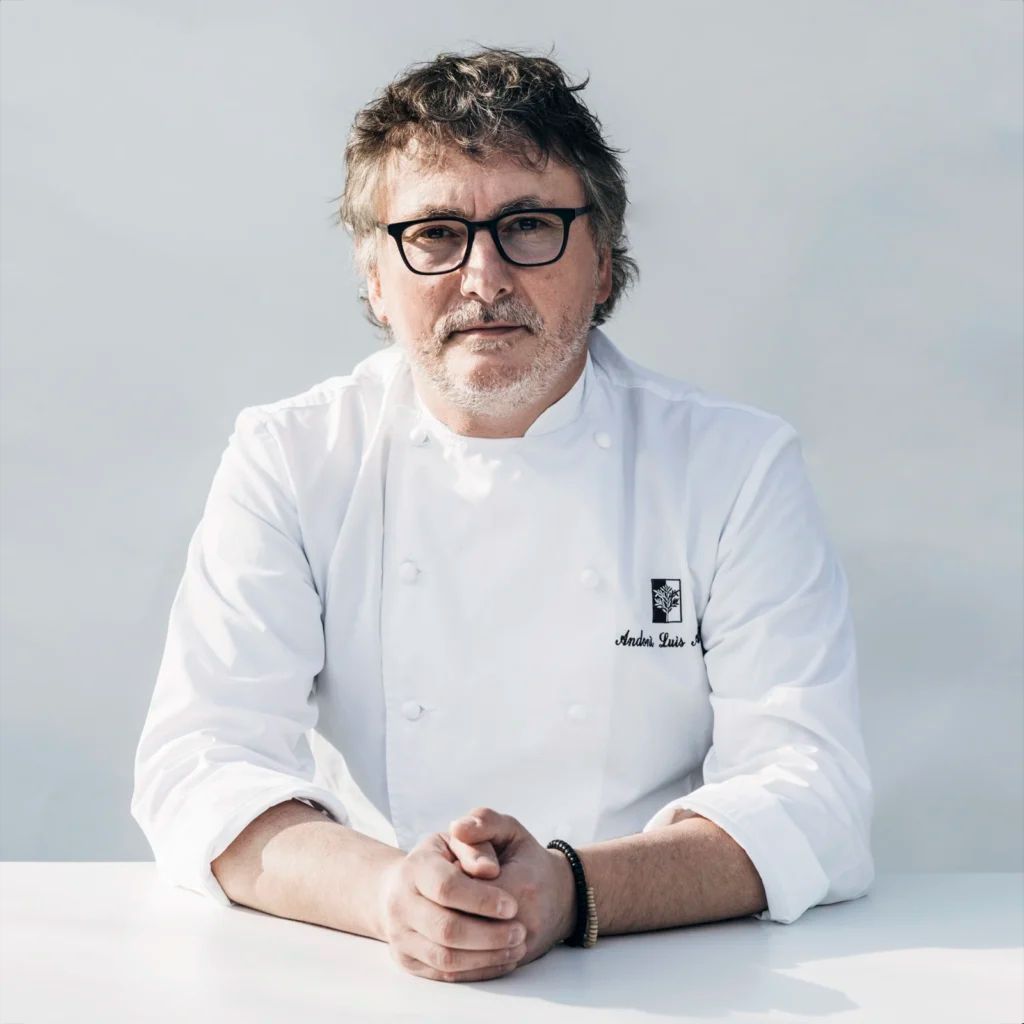
– Andoni Luis Aduriz at Mugaritz
– Josean Alija at Nerua
– Paulo Airaudo at Amelia
All rooted in Basque sensibility. All pushing boundaries.
– Andoni Luis Aduriz at Mugaritz
– Josean Alija at Nerua
– Paulo Airaudo at Amelia
All rooted in Basque sensibility. All pushing boundaries.
Still, the magic of Basque Country is more than stars and rankings.
It’s the markets. The sea. The smell of grilled fish. The hum of txokos behind closed doors.
It’s the sense that food isn’t just sustenance — it’s identity.
It’s the markets. The sea. The smell of grilled fish. The hum of txokos behind closed doors.
It’s the sense that food isn’t just sustenance — it’s identity.
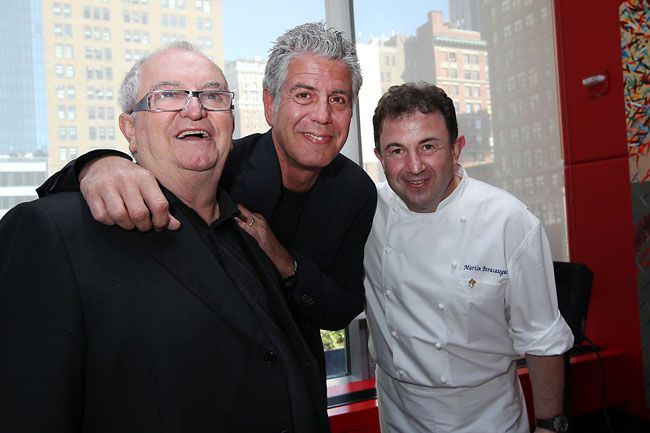
The best explanation came when Bourdain turned to a Basque local and asked him sincerely: “Why is the food so good?”
The answer? “Because we like eating.”
Perhaps that’s Basque cuisine in one line — no pretension, only passion.
The answer? “Because we like eating.”
Perhaps that’s Basque cuisine in one line — no pretension, only passion.
Basque Country didn’t try to be the best food region in the world. It just kept asking:
How can we do this better? How can we make this more delicious? How can we honor who we are?
And, inevitably, the world came hungry.
How can we do this better? How can we make this more delicious? How can we honor who we are?
And, inevitably, the world came hungry.

Cheers, everybody! I hope you enjoyed 🇪🇸✨
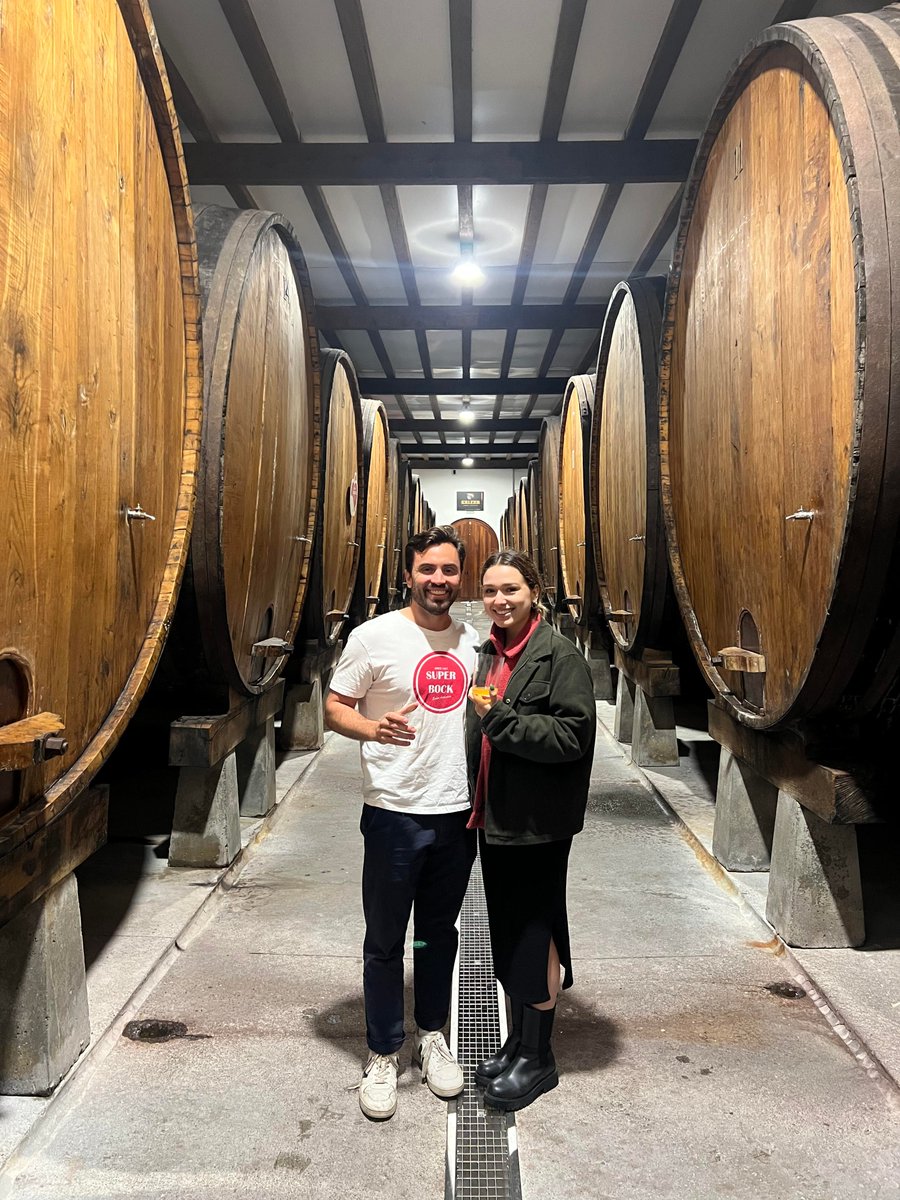
Here's Kylie and me at a Sagardotegi (Basque cider house) outside San Sebastián.
If you enjoyed this thread, it would be an honor if you followed me @NickLovesSpain ❤️
Here's Kylie and me at a Sagardotegi (Basque cider house) outside San Sebastián.
If you enjoyed this thread, it would be an honor if you followed me @NickLovesSpain ❤️
• • •
Missing some Tweet in this thread? You can try to
force a refresh






