Divorce is the choice we’ve been told not to question.
That must end.
A massive new study tracked over 1 million children across 50 years. The results are devastating.
If you’re a parent or policymaker, you need to see what divorce really does to kids: 🧵
That must end.
A massive new study tracked over 1 million children across 50 years. The results are devastating.
If you’re a parent or policymaker, you need to see what divorce really does to kids: 🧵

After divorce, kids face:
- 60% higher risk of teen pregnancy
- 40% higher risk of jail time
- 45% higher risk of early death
- 9–13% lower adult wages
- Lower chances of going to college
All compared to the kids whose parents stayed married.
- 60% higher risk of teen pregnancy
- 40% higher risk of jail time
- 45% higher risk of early death
- 9–13% lower adult wages
- Lower chances of going to college
All compared to the kids whose parents stayed married.

Some will say “an unhappy household is worse than divorce” but this study found zero evidence that divorce helps kids.
In fact, the younger a child is at divorce, the worse the outcomes.
Post-divorce life is the real damage.
In fact, the younger a child is at divorce, the worse the outcomes.
Post-divorce life is the real damage.

What causes this damage?
Not just the divorce but the chain reaction that comes after:
• Income drops
• Parents live apart
• Kids move to worse neighborhoods
• Stepparents enter
• Stability shatters
These aren’t minor shifts.
They blow up a child’s entire world.
Not just the divorce but the chain reaction that comes after:
• Income drops
• Parents live apart
• Kids move to worse neighborhoods
• Stepparents enter
• Stability shatters
These aren’t minor shifts.
They blow up a child’s entire world.
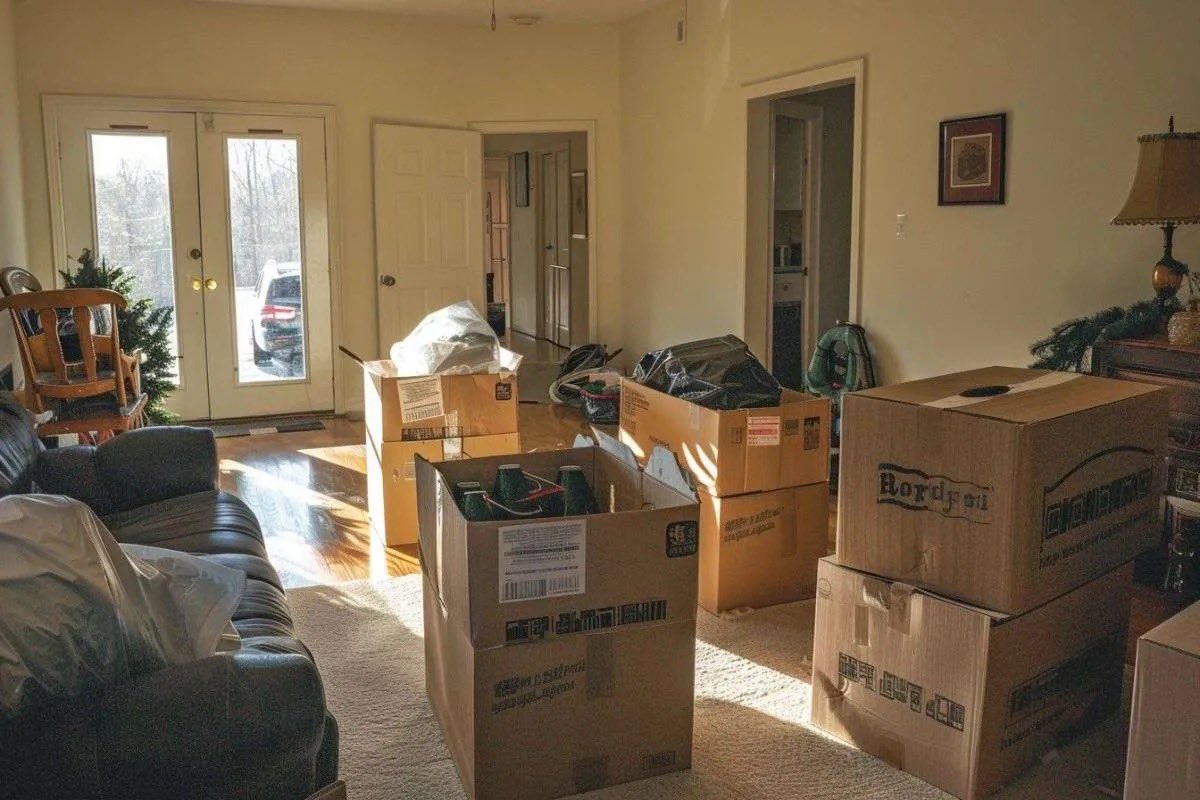
The study found that the loss of income, worse neighborhoods, and time away from each parent explained up to 60% of the harm.
But unseen factors like emotional stress and family breakdown carry deep consequences.
But unseen factors like emotional stress and family breakdown carry deep consequences.

Half of all divorced parents remarry within five years, introducing step-parents and step-siblings into the home.
All these household changes further disrupt a child’s sense of belonging, trust, and long-term stability.
All these household changes further disrupt a child’s sense of belonging, trust, and long-term stability.
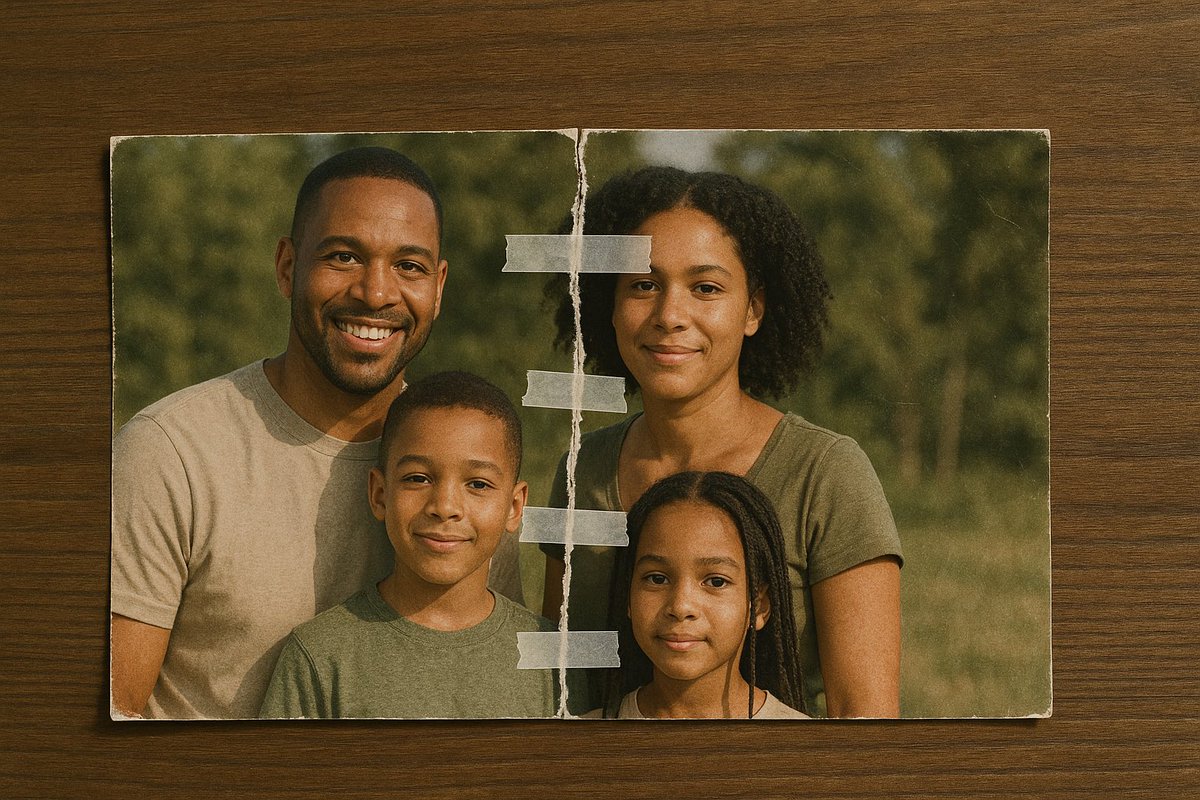
Abuse is a tragedy and in those cases, protecting the spouse and child is paramount.
But most divorces don’t involve violence. They’re low-conflict. And in those cases, divorce doesn’t rescue kids it robs them.
Marriage remains the most reliable way we’ve found to provide children with the safety and stability they need to thrive.
But most divorces don’t involve violence. They’re low-conflict. And in those cases, divorce doesn’t rescue kids it robs them.
Marriage remains the most reliable way we’ve found to provide children with the safety and stability they need to thrive.

Bottom line: Divorce isn’t just a decision affecting parents, it’s a life altering event for children.
The impact is real, measurable, and lasting.
We must build a society that puts the well-being of children before the desires of adults.
One where divorce is tragic and rare.
The impact is real, measurable, and lasting.
We must build a society that puts the well-being of children before the desires of adults.
One where divorce is tragic and rare.

Study findings linked here: 👇🏻
nber.org/papers/w33776
nber.org/papers/w33776
• • •
Missing some Tweet in this thread? You can try to
force a refresh