1/ We are entering a post-progressive era. The cultural left-liberalism which emerged a century ago and took off in the late 1960s is exhausted. This ‘vibe shift’doesn’t just repudiate the last decade, but the last 60 years. My latest @WSJ
2/ Ideas are often downstream of events, rather than the reverse. The origins of postmodernism and critical theory lie in decolonization, Civil Rights and the ‘new social movements’ of minorities, feminists and gays. 

3/ As with postmodernism, events spurred post-progressivism: the illiberalism and irrationality of cancel culture & transactivism, endemic populism and polarization, family and community breakdown (including birthrate collapse)

4/ Trump is illiberal, corrupt, narcissistic. But his war on DEI strikes a chord: even critics admit he has a point. His repudiation of affirmative action (1965), disparate impact (1971) and speech codes (1987) goes well beyond rejecting the Awokening of the 2010s

5/ Left-liberalism is moderate on economics but has no guardrails on culture. Cultural left-liberals believed in constant upward movement towards ever more diversity, equity and inclusion. This became a grand narrative of progress toward utopia

6/ Equal outcomes and emotional harm protection for sacred race, gender and sexual identity groups (woke) was the unassailable End of History. The only question was mobilizing activists & capturing institutions
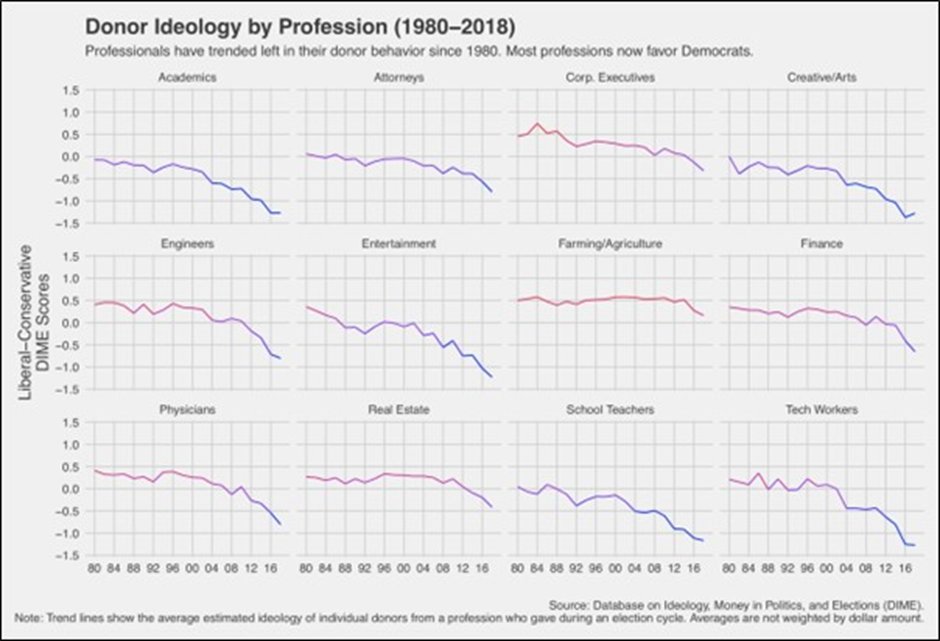
7/ The progressive dream focused on winning the young and the educated while capturing the meaning-making institutions. It worked. Attitudes held only by artists and sociologists in the 1960s spread. The professions all shifted left, as Adam Bonica shows:
8/ According to value change theorists like Ron Inglehart, affluence and security were producing a new left-liberal generation, one birth, one funeral and one college degree at a time. This held true for 60 years
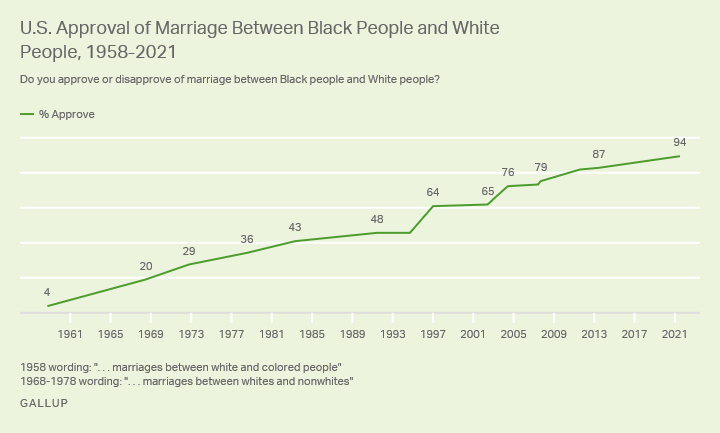
9/ But as the cultural left pushed to the next level: from individual equality to group equality of outcome, rights for citizens to rights across borders, gay rights to trans rights, it ran into the sands of polarization. The progressive escalator stalled
10/ Stunningly, attitudes on trans went ‘backwards’ after 2022, the first cultural reversal for the liberal left in a century. For a movement used to being in the vanguard of history, this is an existential crisis (UK data via @YouGov, points for years 2021-24)

11/ Today, what Daniel Bell calls the left’s ‘chiliastic hopes’ are over. Mainstream media outlets openly criticize the excesses of woke, and moderate left politicians and pundits argue that it helped put Trump in office. Progressive activism has lost confidence and energy
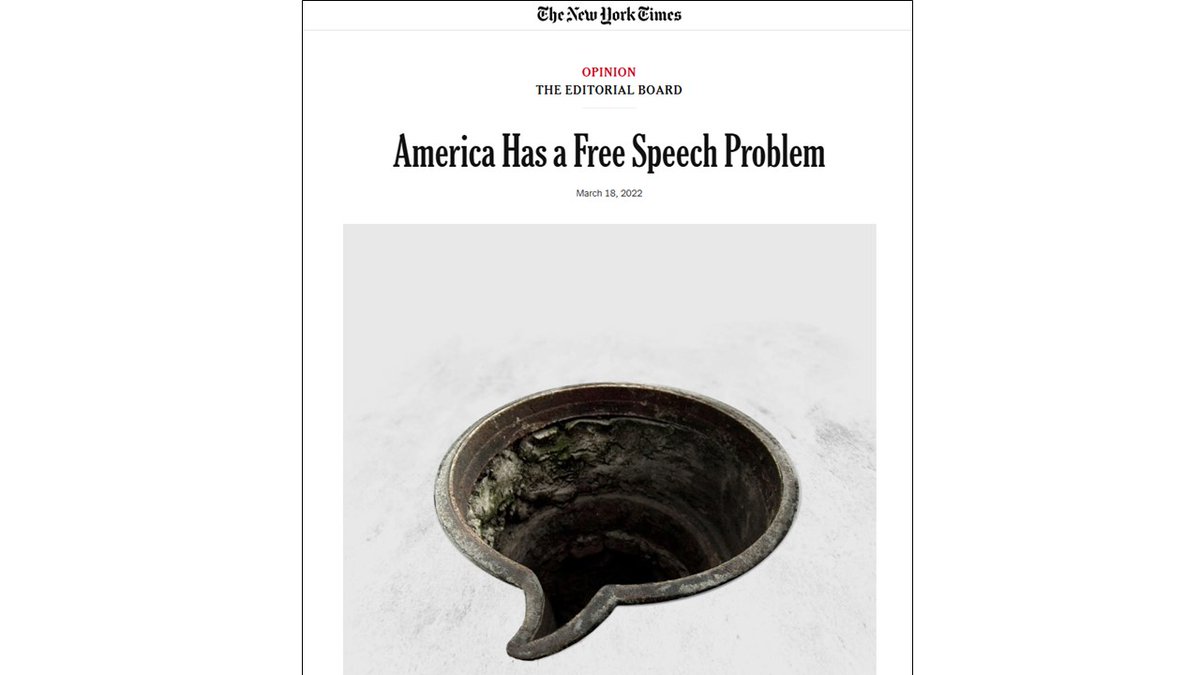
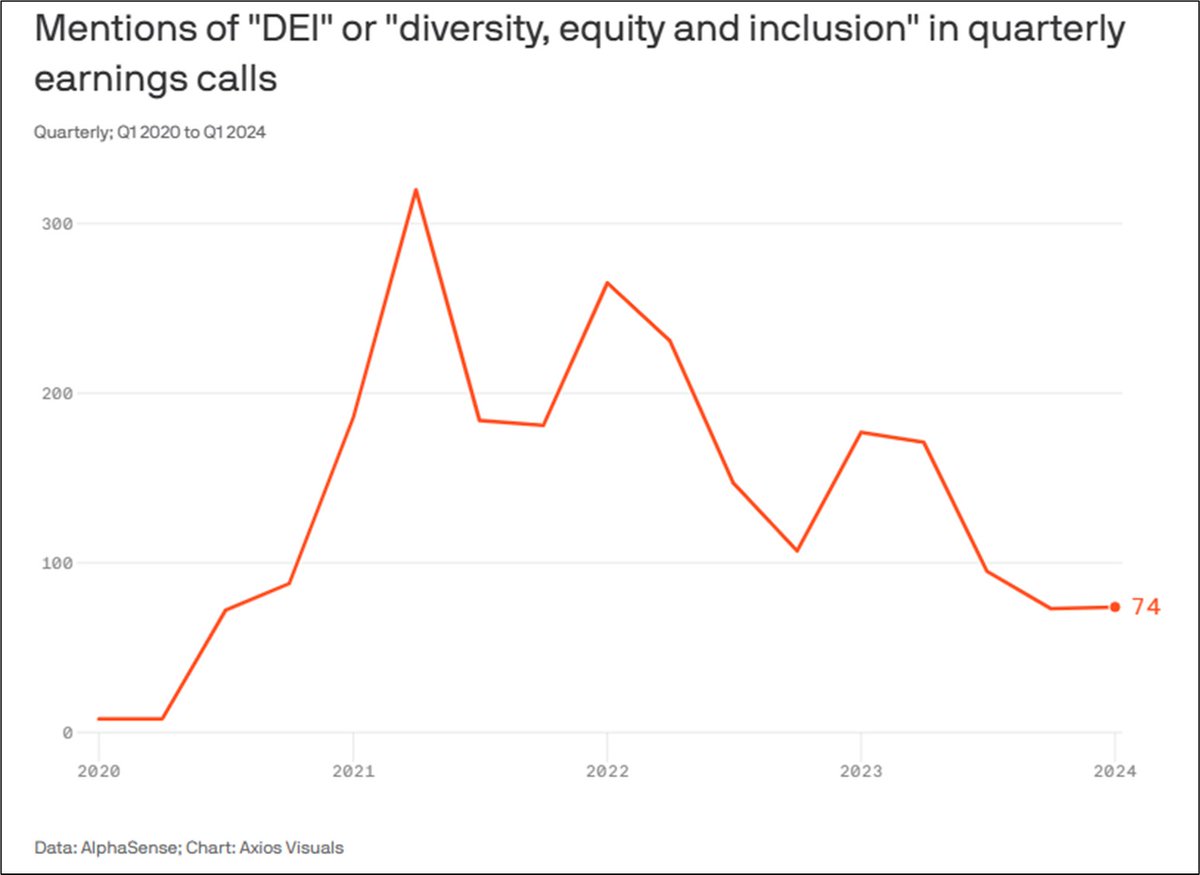
12/ The rise of anti-woke politicians like Ron DeSantis and the aftermath of the October 7 Hamas attacks rocked elite institutions. DEI ideas of the past 50 years have lost power in corporate America while universities are backing away
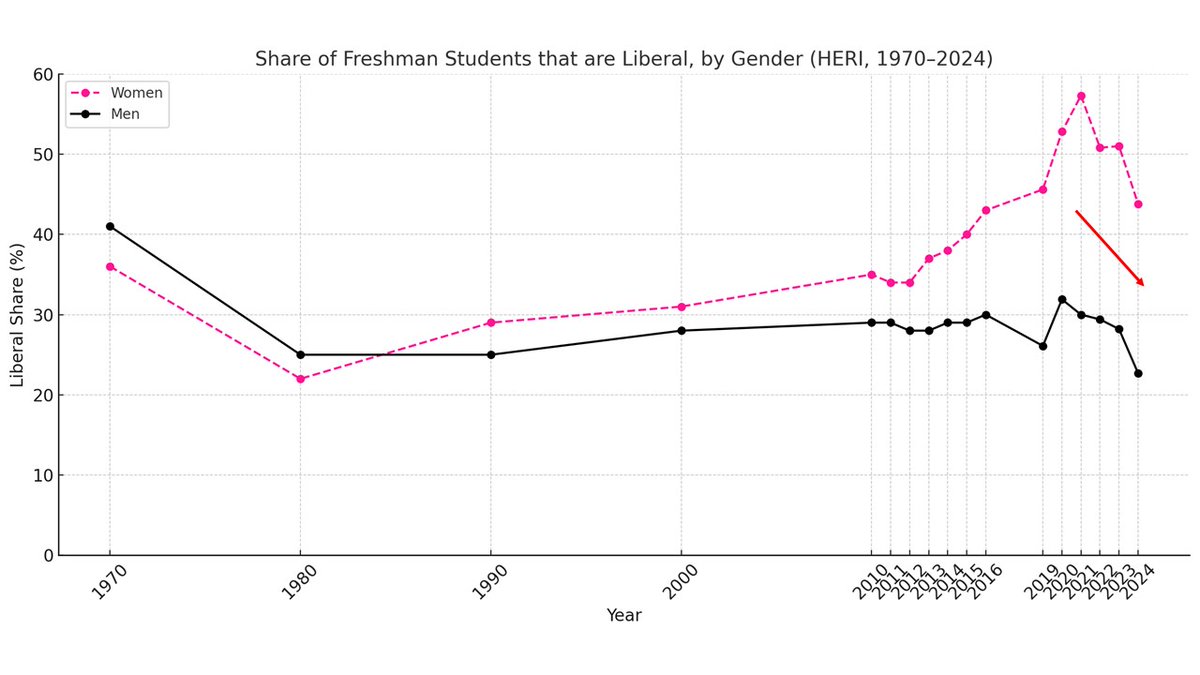
13/ The progressive dream focused on winning the young and educated. Young people are more woke on average. But a growing anti-woke tendency among formerly moderate young people has shifted young college students to the right since 2022 (HERI freshman data):
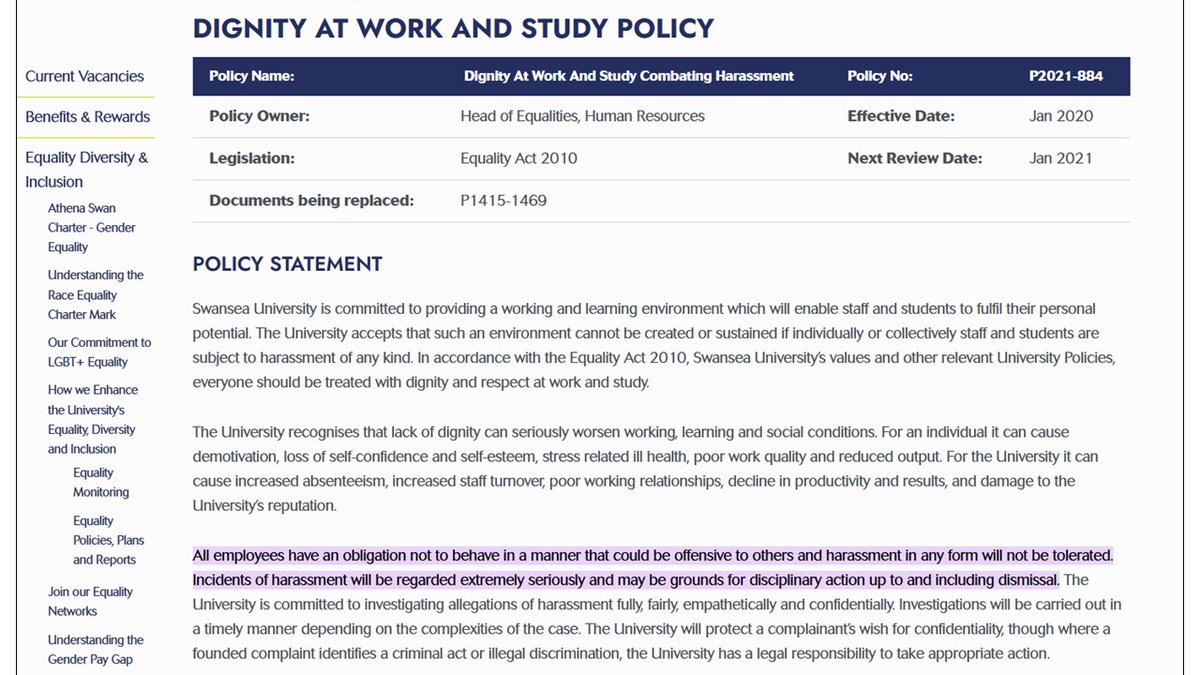
14/ Postmodernism argued that new times required an unmasking of techno-scientific modernism. Post-progressivism means we need to deconstruct the progressive moral backcloth to public life that presents itself as natural and consensual, adopting a critical view of its motivation
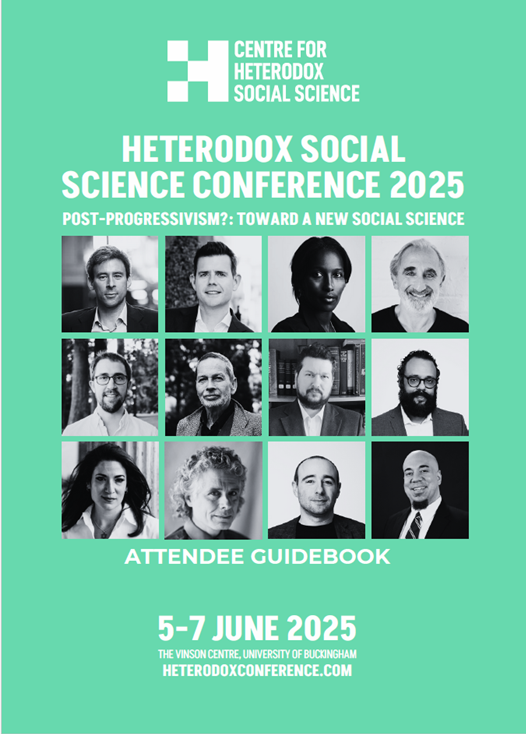
15/ Postmodernism asserted that the end of the grand narrative of modernism meant a new scholarly paradigm of relativism. Post-progressivism argues that the end of the progressive grand narrative demands a new social science
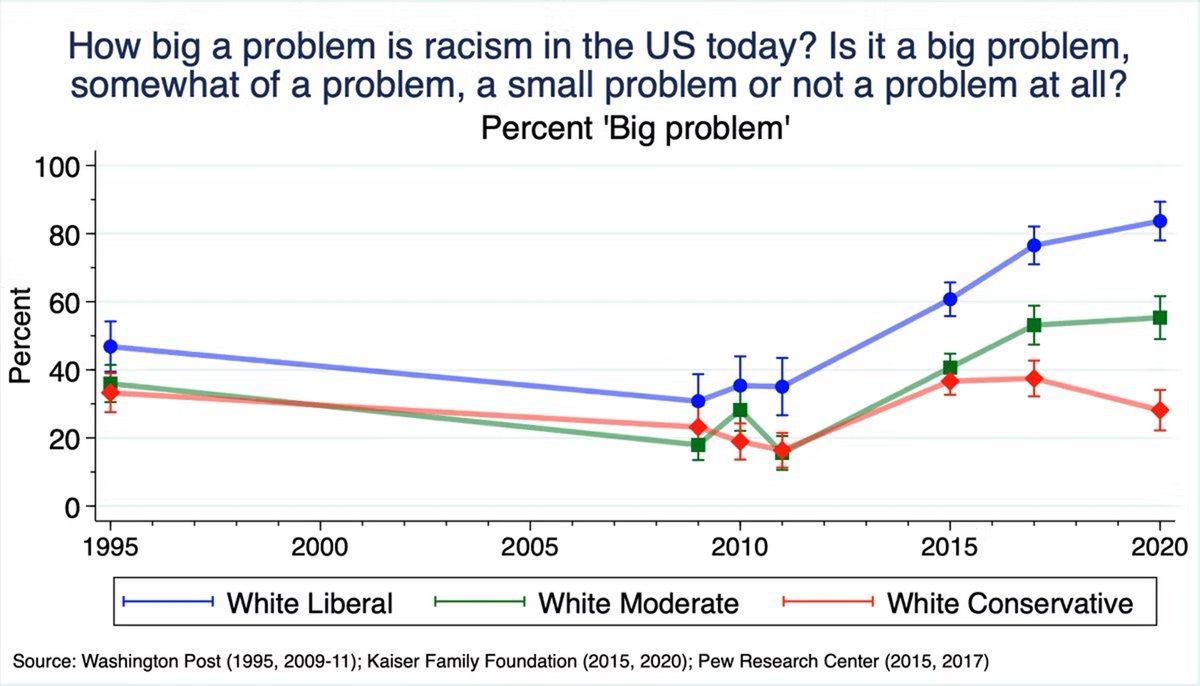
16/ Where critical theory critiqued race or sex as social constructs, post-progressivism uses a meta-critical theory that critiques the critics. Racism and sexism are (in part) social constructs whose meanings are deliberately inflated
20/ We are leaving the progressive era, c. 1964-2022. The failure of woke was its Waterloo. Elite culture is in transition. What will replace it?
• • •
Missing some Tweet in this thread? You can try to
force a refresh