Culture Explorer Profile picture
May 18, 2025 22 tweets 7 min read Read on X
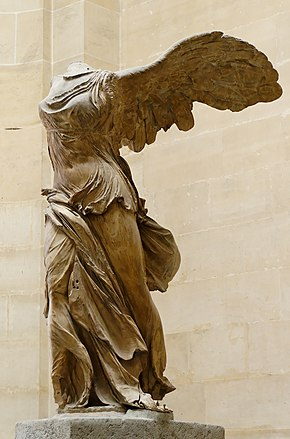
Before 3D scanning. Before power tools. Master sculptors carved stone with their bare hands and somehow, made it breathe.

These sculptures look so real, you'll question if marble can bleed. 🧵 Modesty (La Pudicizia) by Antonio Corradini
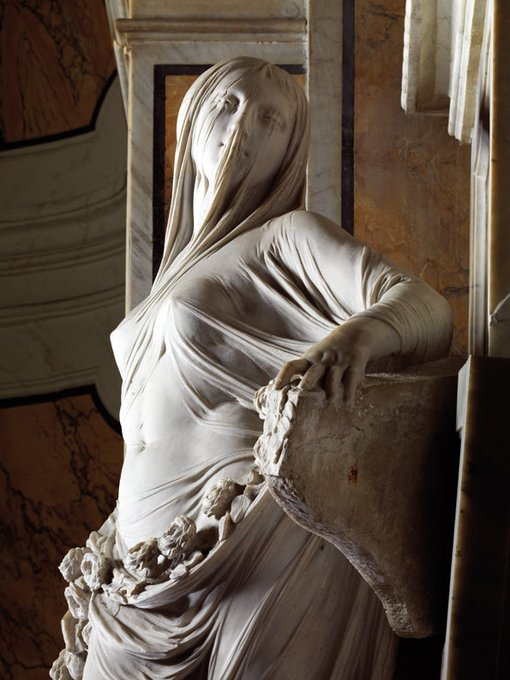
Every fold, every vein, every whisper of fabric made from cold, hard stone.

And yet, centuries later, they still stop us in our tracks.

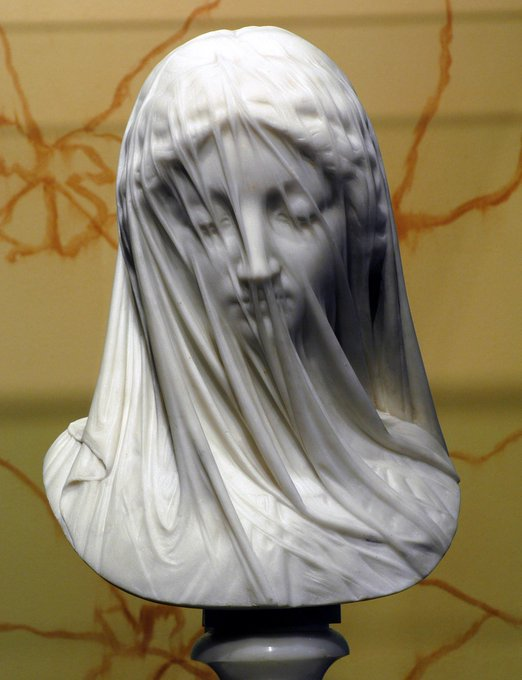
Let’s explore the most lifelike sculptures in history and where to find them: The Veiled Virgin by Giovanni Strazza (1850s) — St. John’s, Canada Her veil looks like silk. You want to lift it. But it’s all carved from one marble block.  Credit: @ArtorOtherThing
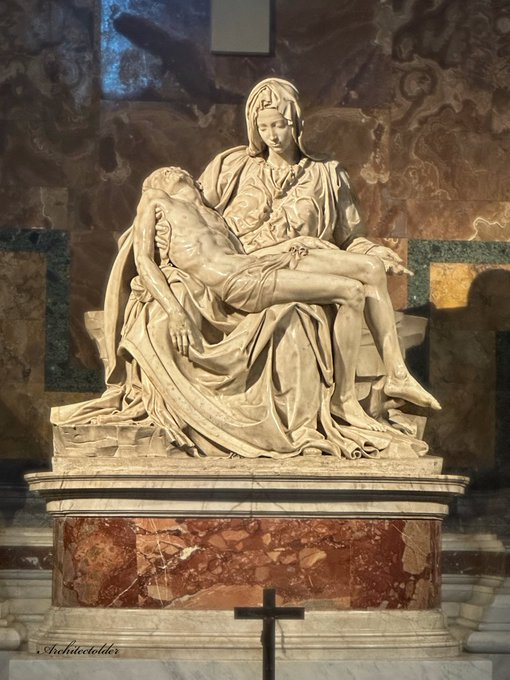
Pietà by Michelangelo (1499) — St. Peter’s Basilica, Vatican City

He was just 24. He signed it out of pride. And he never signed another work again. Credit: @Architectolder
Apollo and Daphne by Gian Lorenzo Bernini (1625) — Rome, Italy

You see roots split from her legs. Leaves grow from her fingers. It’s the exact moment she turns into a tree. Credit: @elonmusk
The Abduction of Proserpina by Bernini (1622) — Rome, Italy

Zoom in: Pluto’s fingers press into her thigh. Marble shouldn’t behave like skin—but it does.
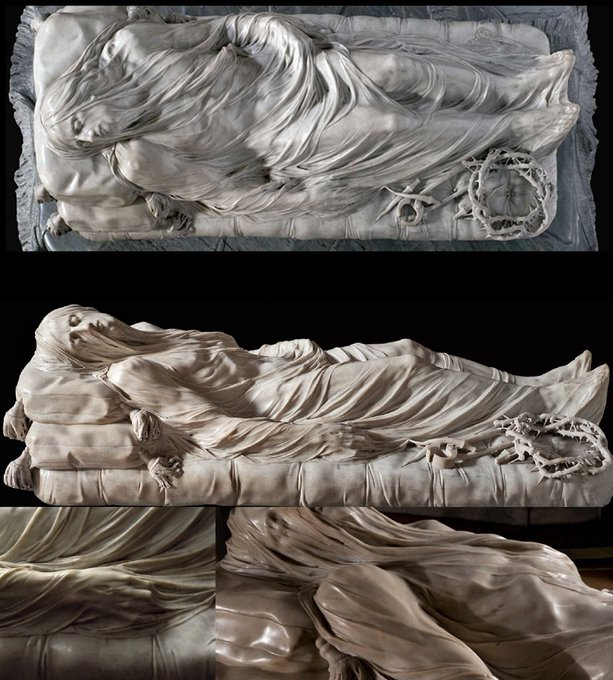
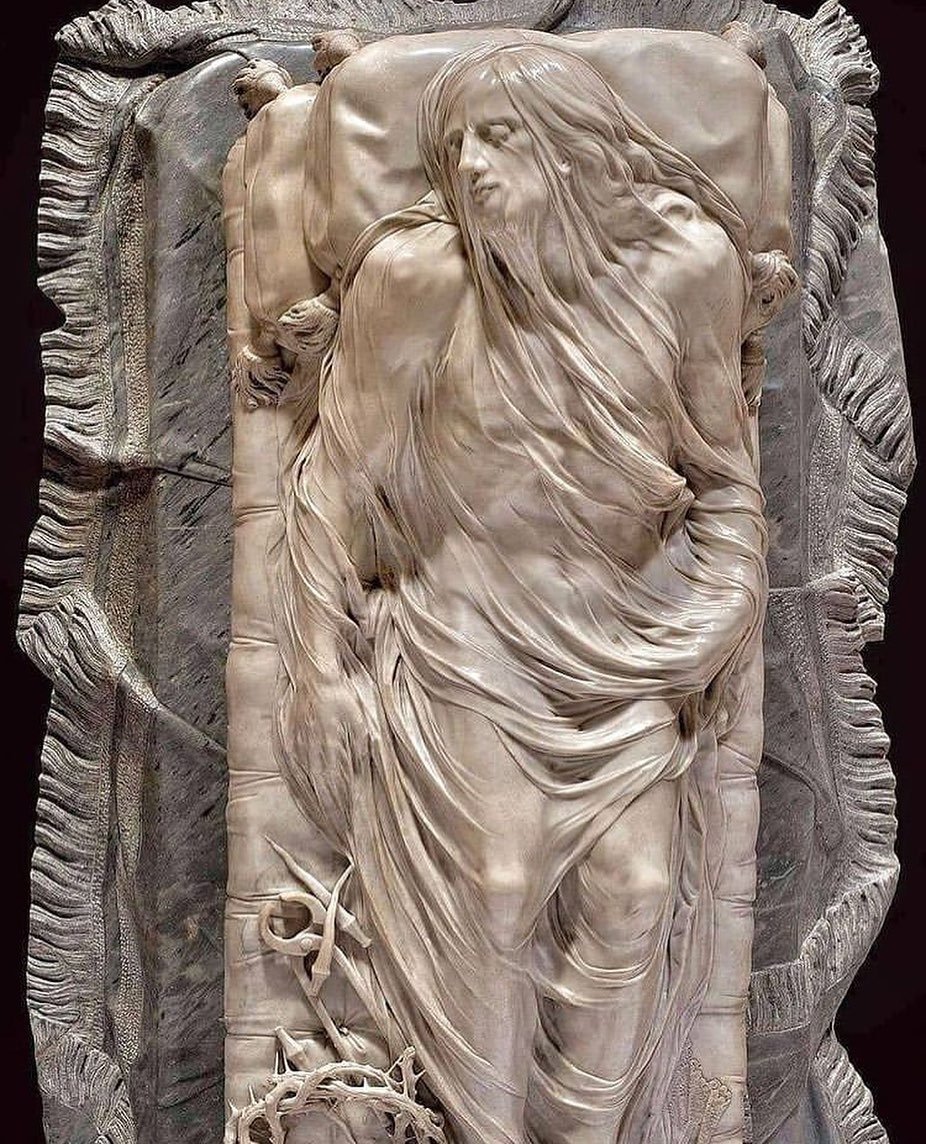
Veiled Christ by Giuseppe Sanmartino (1753) — Naples, Italy

People think the sculptor laid a real cloth over the body. He didn’t. It’s all marble. Credit: @AcademiaAesthe1
Ecstasy of Saint Teresa by Bernini (1652) — Santa Maria della Vittoria, Rome

He hid a skylight above so the sculpture would glow like a divine vision. Credit: @AcademiaAesthe1
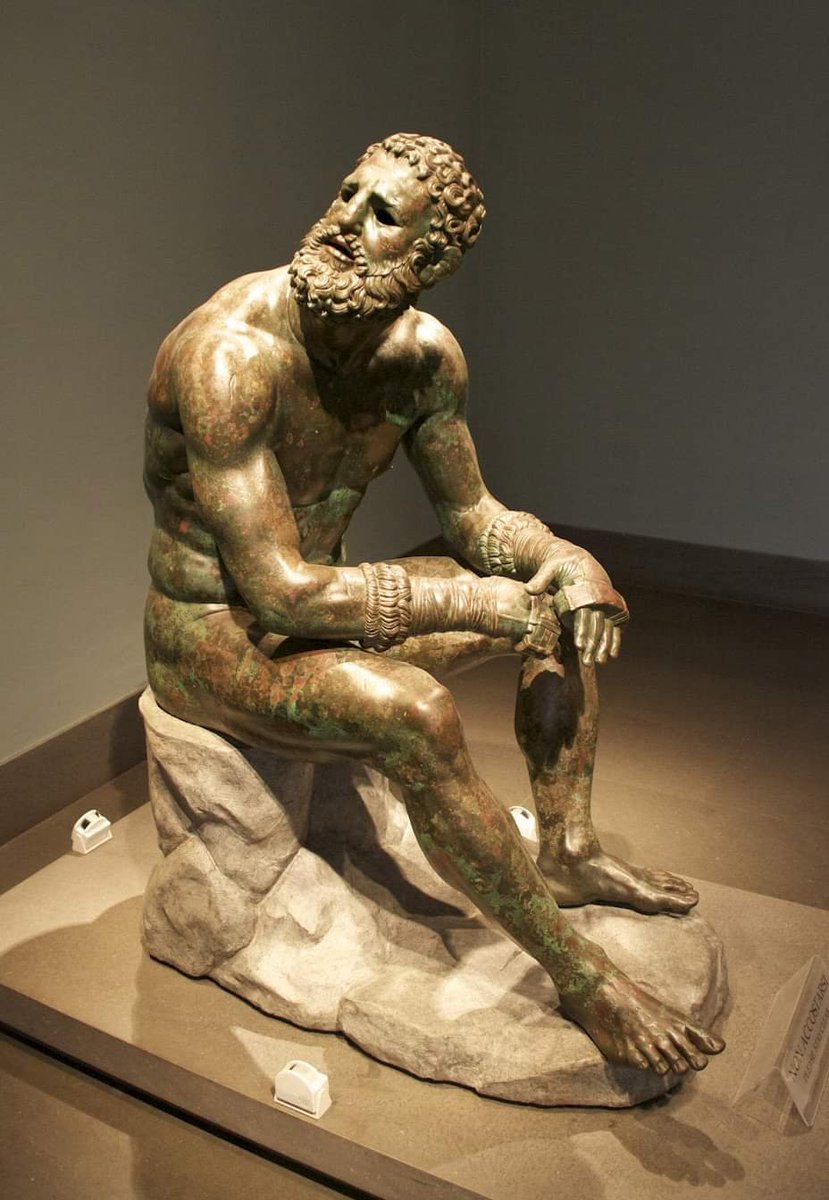
The Boxer at Rest by Apollonius (330–50 BCE) — Rome, Italy

Not marble but bronze—with copper inlays to show his cuts still bleeding. Image
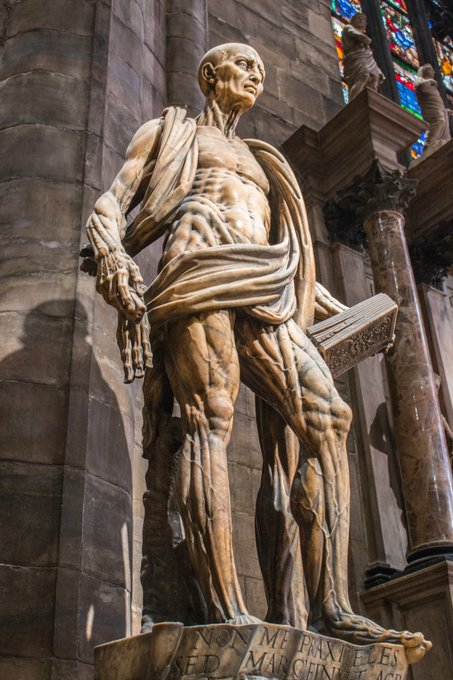
Saint Bartholomew Flayed by Marco d’Agrate (1562) — Milan Cathedral, Italy

He holds his own skin like a coat. And beneath it, you see everything. Credit: @Culture_Crit
Modesty by Antonio Corradini (1752) — Naples, Italy

A veil clings to the marble body as if wet. Corradini carved what should be impossible. Credit: @AcademiaAesthe1
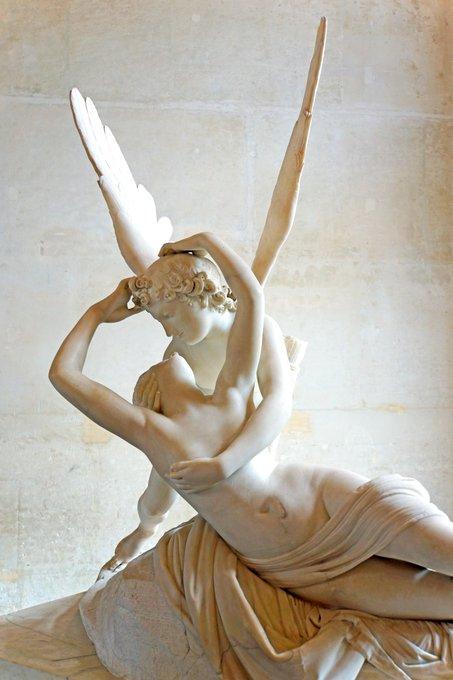
Cupid and Psyche by Antonio Canova (1793) — Louvre, Paris

The moment right before a kiss—so real, even their eyelashes seem to tremble. Credit: @Culture_Crit
If you are enjoying this thread, then you will want to subscribe to our newsletter, The Culture Explorer:
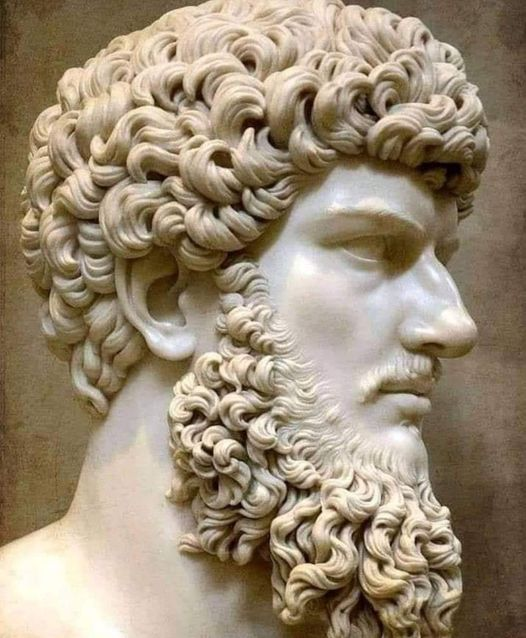
thecultureexplorer.beehiiv.com/subscribeEmperor Lucius Verus (161–169 AD) — Louvre, Paris  Even his beard looks soft. Roman sculptors mastered realism before it had a name. Credit: @romanhistory1
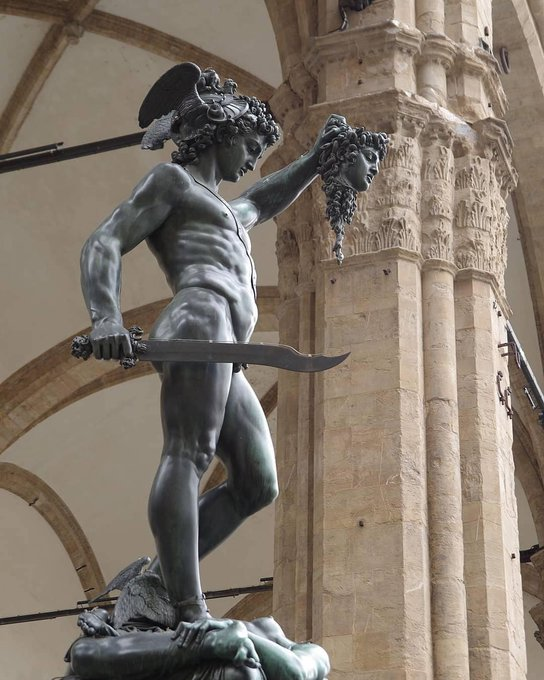
Perseus with the Head of Medusa by Benvenuto Cellini (1554) — Florence, Italy

Cellini made the bronze reflect light so Medusa turns you to stone in real time. Perseus with the Head of Medusa by Benvenuto Cellini (1554), Loggia dei Lanzi, Florence, Italy
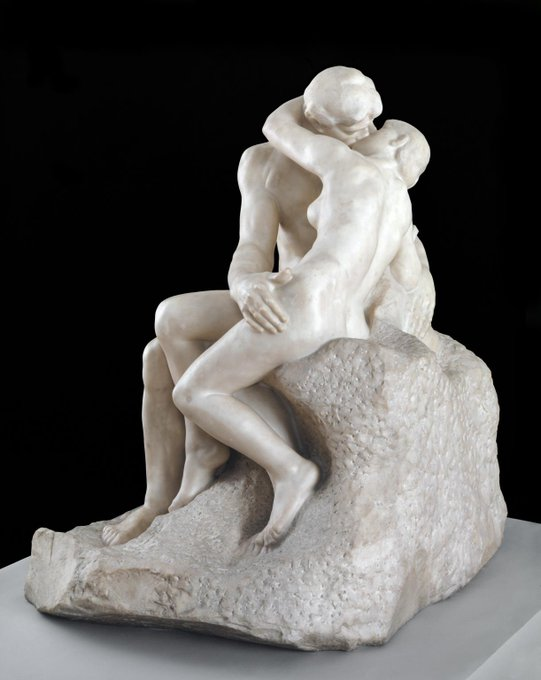
The Kiss by Auguste Rodin (1882) — Rodin Museum, Paris

It was too sensual for its original purpose—so Rodin broke it off into its own work. Credit: @Art_Vanitas The Kiss by Auguste Rodin (1882),  Musée Rodin, Paris, France.
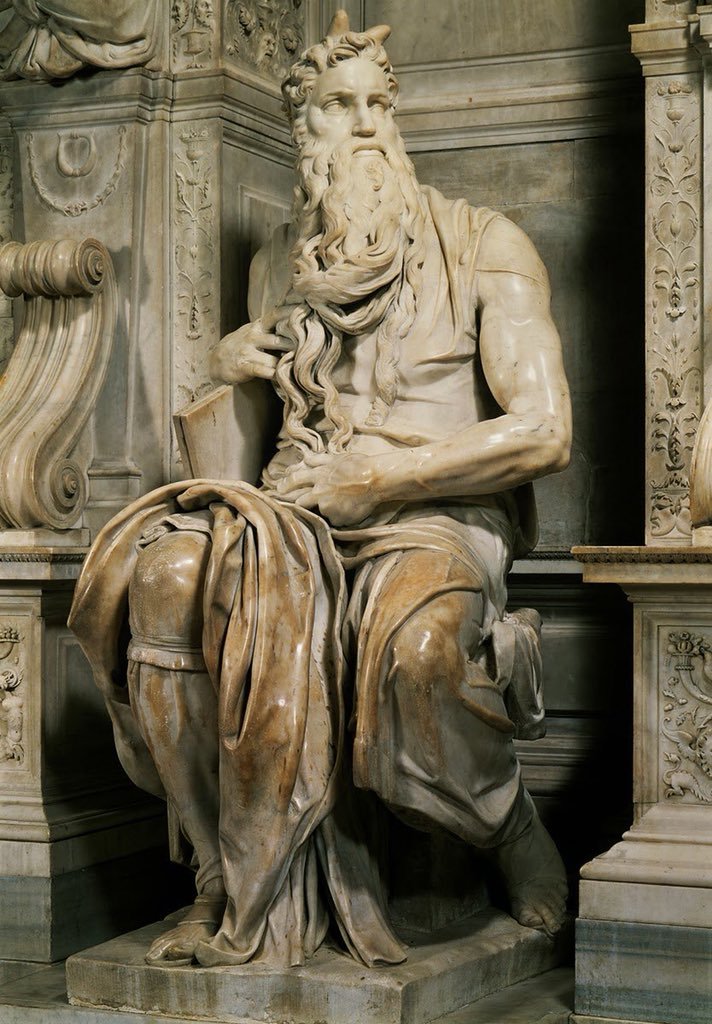
Moses by Michelangelo (1513) — San Pietro in Vincoli, Rome

The horns? A biblical mistranslation. But the fury in Moses’ eyes is all Michelangelo. Credit: @wannartcom
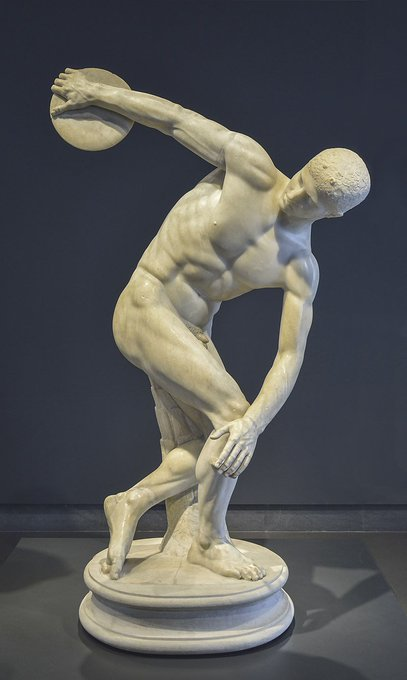
Discobolus by Myron (c. 450 BC) — Rome, Italy

He’s frozen mid-throw. Muscles tense. You can feel the weight in his body. By Livioandronico2013 - Own work, CC BY-SA 4.0 - Wikimedia
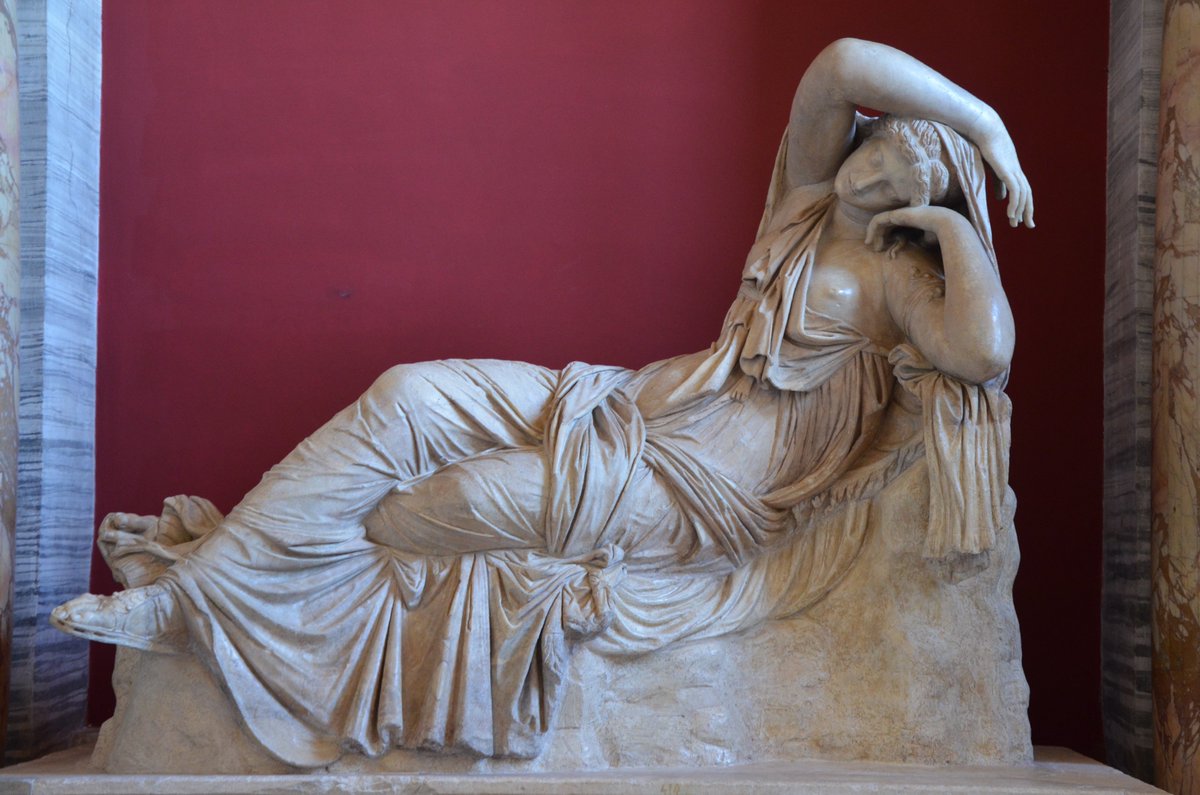
Sleeping Ariadne (2nd century BC, Roman copy) — Vatican Museums

She’s draped in cloth so natural, you expect it to rustle if the wind blew. Credit: @carolemadge
David by Michelangelo (1504) — Florence, Italy

Carved from flawed stone others rejected. Michelangelo saw potential—and made a giant. Image
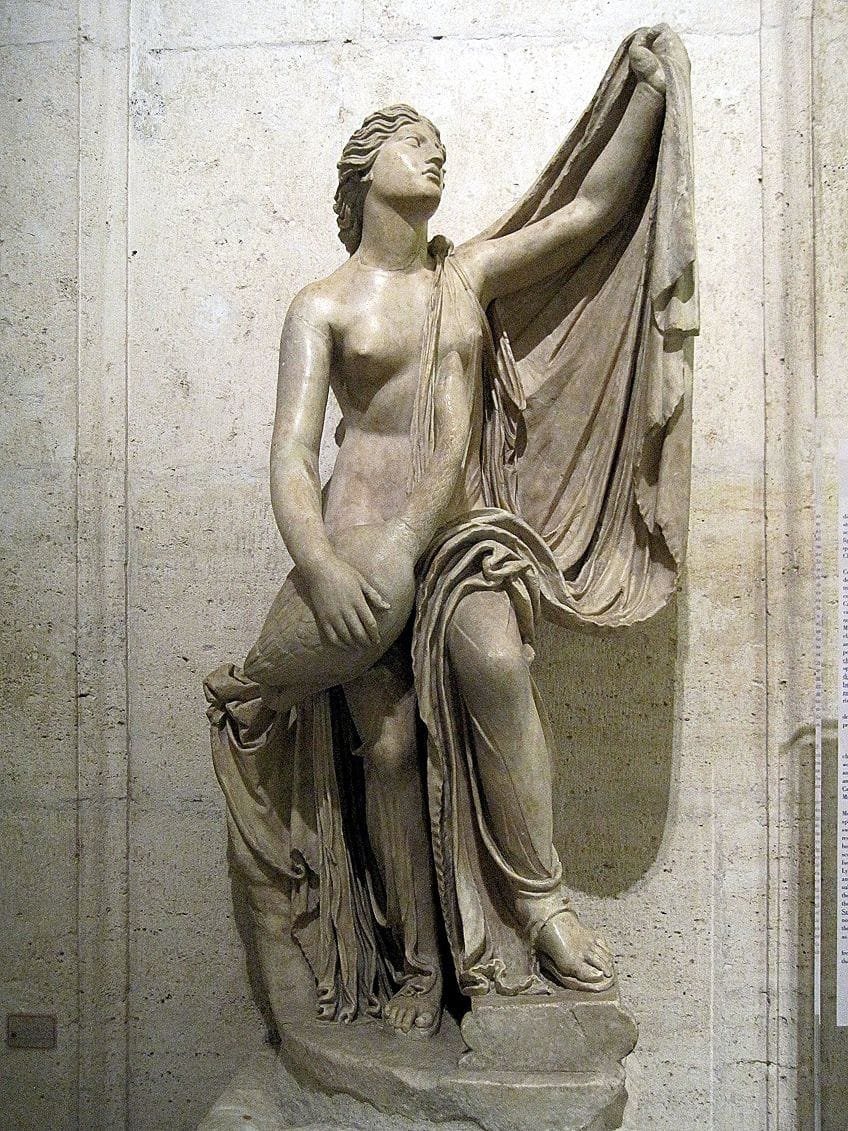
Leda and the Swan by Timotheos (c. 400 BC) — Florence, Italy

Ancient and sensual. Most forget this version, but it’s the most delicate. Image
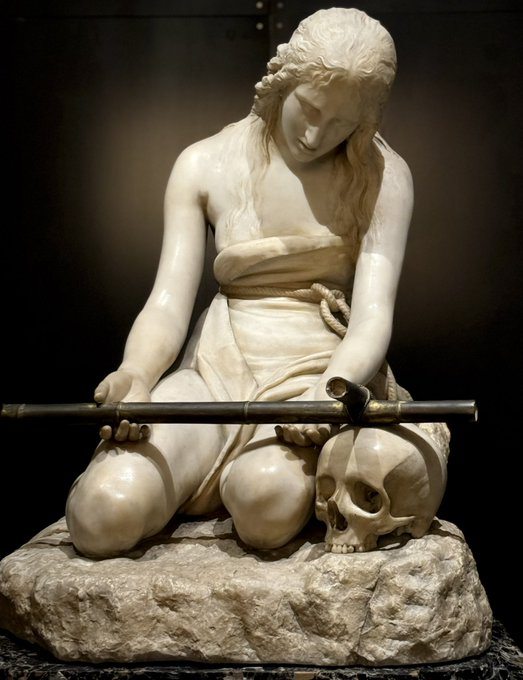
Penitent Magdalene by Canova (1796) — Genoa, Italy
Tears. Matted hair. Eyes closed in anguish. Canova turned marble into emotion. Penitent Magdalene by Antonio Canova (1796), Museo di Arte Antica, Genoa, Italy. Credit: @mamboitaliano__
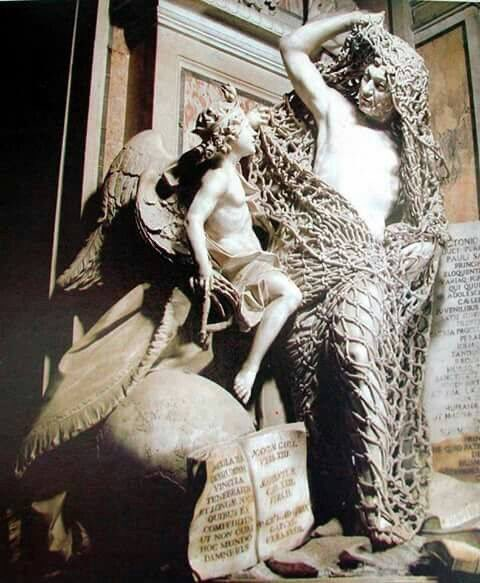
Release from Deception by Francesco Queirolo (1754) — Naples, Italy

He carved a fisherman trapped in a marble net. One wrong strike and the net would collapse. The Release from Deception by Francesco Queirolo (1754), Cappella Sansevero, Naples, Italy. Credit: @AraceliRego
These artists didn’t just sculpt figures.

They bent time, stone, and technique to show what the human hand can do when it refuses to be ordinary.

Which one stunned you most?

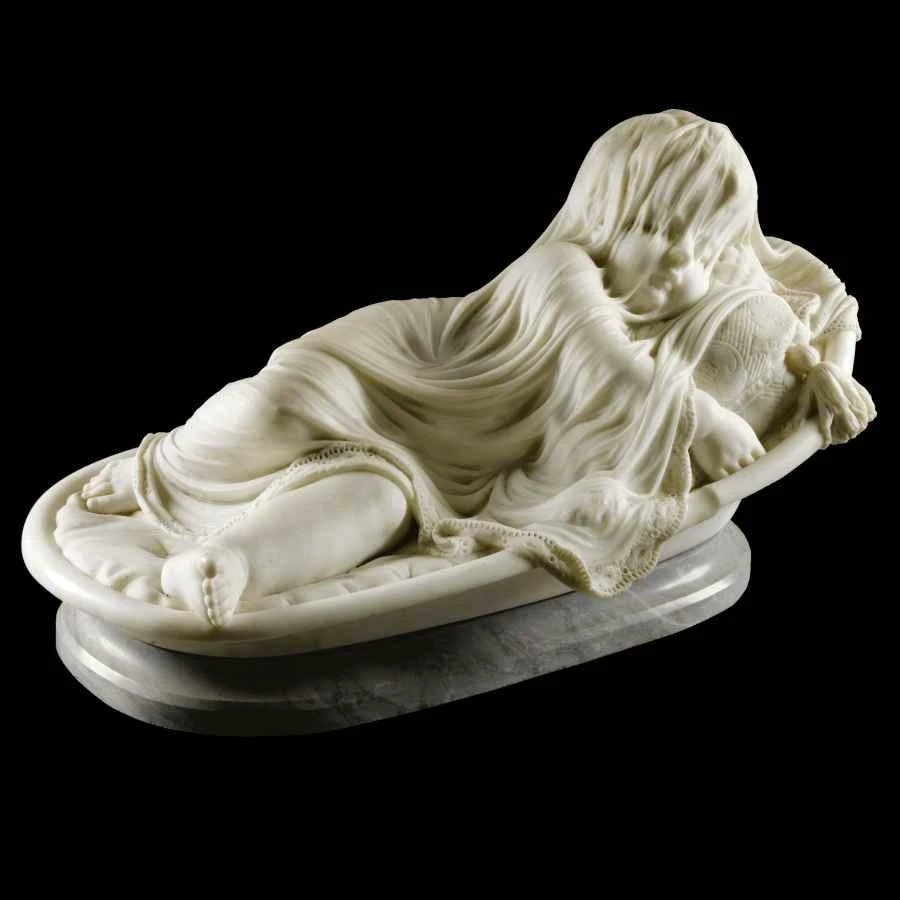
Follow @CultureExploreX for more content like this. The Sleeping Child by Giovan Battista Lombardi (1870) — Milan, Italy A baby at rest. You can almost hear her breathing. Credit: @TaQuIn_MaUvE
• • •

Missing some Tweet in this thread? You can try to force a refresh

 

Keep Current with Culture Explorer

Culture Explorer Profile picture

Stay in touch and get notified when new unrolls are available from this author!

Read all threads

This Thread may be Removed Anytime!

PDF

Twitter may remove this content at anytime! Save it as PDF for later use!

Try unrolling a thread yourself!

how to unroll video
  1. Follow @ThreadReaderApp to mention us!

  2. From a Twitter thread mention us with a keyword "unroll"
@threadreaderapp unroll

Practice here first or read more on our help page!

More from @CultureExploreX

Apr 17
Some sculptures do more than impress. They make stone feel alive.

Leonardo da Vinci had said:
“Beauty perishes in life, but is immortal in art.”

a thread... Image
1. Michelangelo once said the true work of art is only a shadow of divine perfection.

Then he carved the Pietà.

Cold marble became grief, tenderness, and absolute control. It still feels unreal more than 500 years later.

St. Peter’s Basilica, Vatican City.
2. The Veiled Christ by Giuseppe Sanmartino feels impossible.

That veil should not exist in stone. Yet it clings, folds, and breathes across the body of Christ with terrifying precision.

Few sculptures blur the line between craft and miracle like this one.

Cappella Sansevero, Naples.Image
Read 23 tweets
Feb 28
Iran is often reduced to headlines about politics.

But behind them stands one of the oldest continuous civilizations on Earth, where architecture, poetry, and faith shaped beauty for over 2,500 years.

Here’s a journey through Iran’s architectural splendor. 🧵 Image
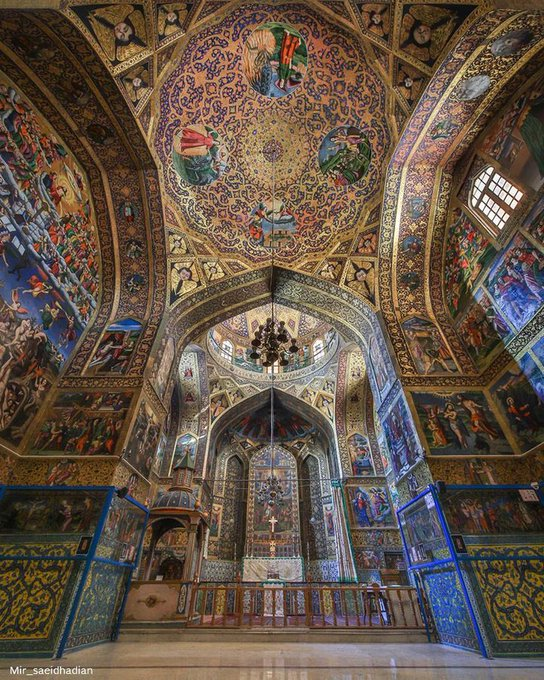
1. Vank Cathedral, Isfahan (1606)

Built by Armenian Christians under Safavid rule, this cathedral blends Persian ornament with Armenian sacred art, a reminder that Iran’s history is deeply multicultural. Credit: @archi_tradition
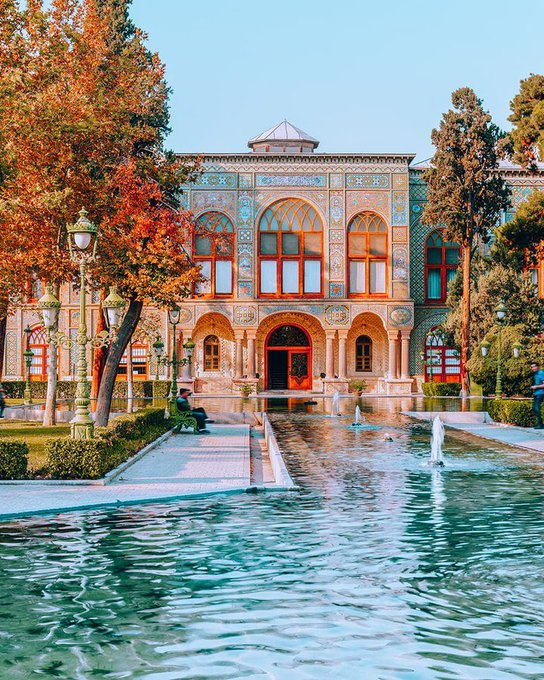
2. Golestan Palace, Tehran (1524)

A Qajar royal complex where Persian tradition meets European influence, reflecting Iran’s encounter with modernity without abandoning its identity. Image
Read 23 tweets
Feb 20
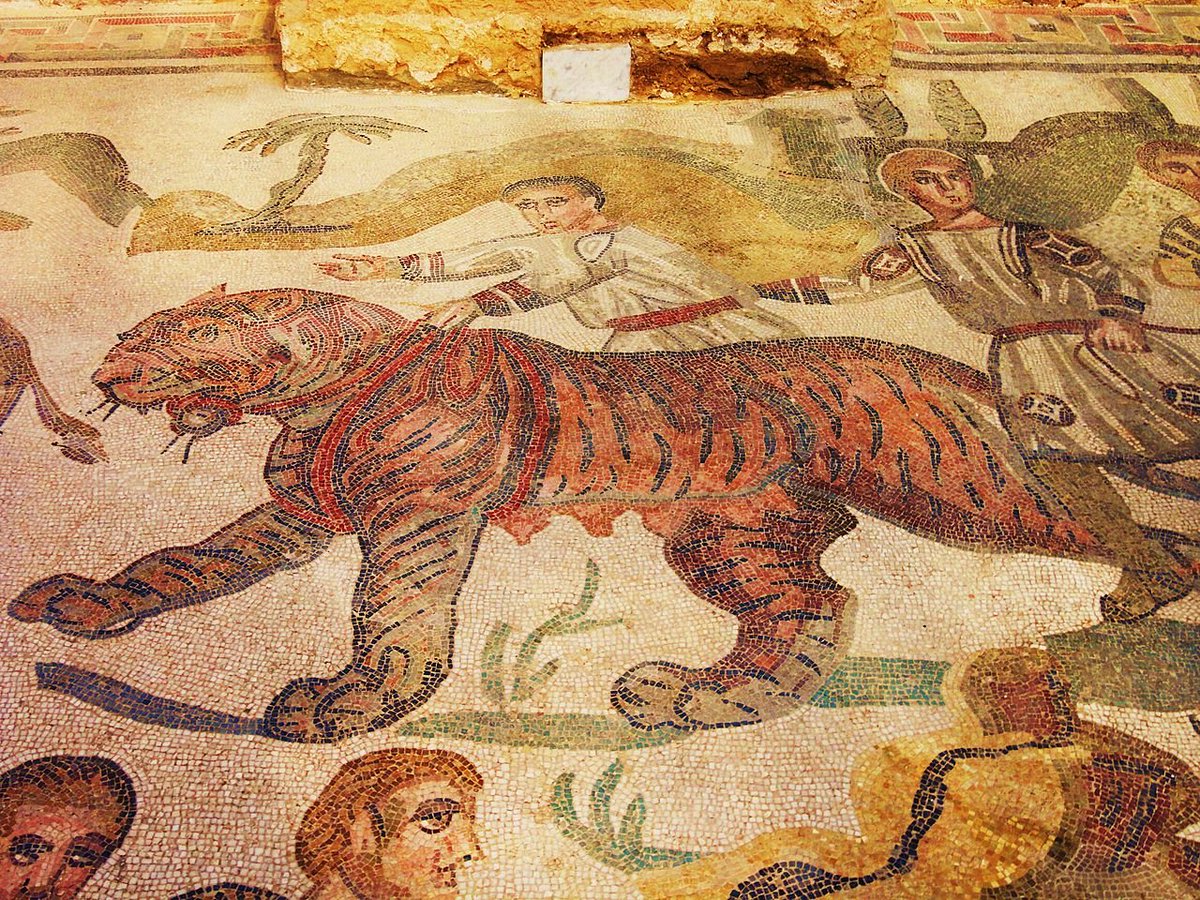
Sicily has survived because it refuses to choose one civilization.

Greeks, Romans, Byzantines, Arabs, Normans, Spaniards. They all arrived certain they would leave their mark.

And none erased what came before.

An island that reminds how civilizations are built. 🧵👇 Image
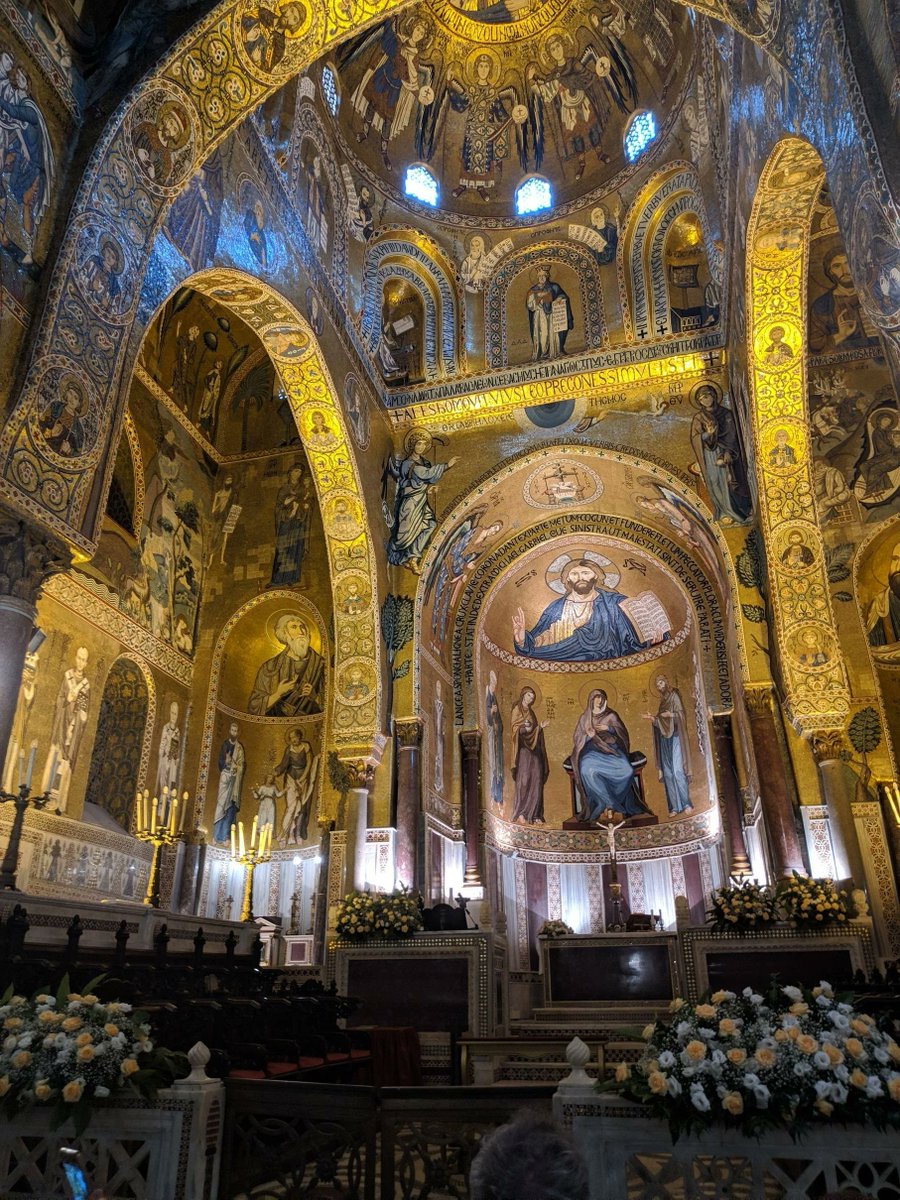
The Palatine Chapel

Step inside and the ceiling alone will stop you.

Byzantine gold mosaics blaze above you. Islamic muqarnas ripple overhead. Latin kings ruled here, but the room speaks Greek and Arabic too.

The Normans did not destroy Sicily’s past. They absorbed it. That is why this chapel feels eternal.Credit: Culture_Crit
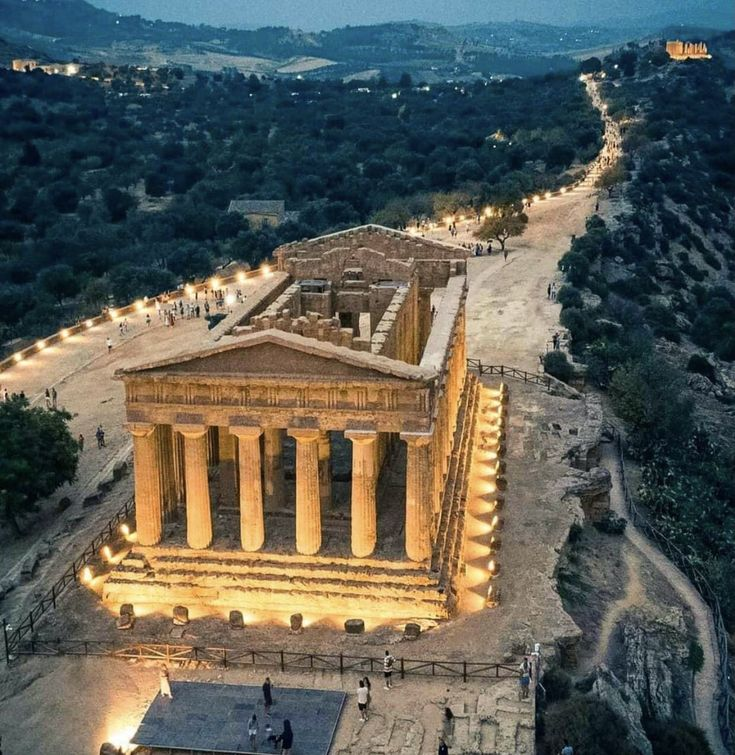
The Valley of the Temples

Before Rome was an empire, these Doric giants already stood in the sun.

The Temple of Concordia still rises with almost defiant symmetry. Two and a half millennia later, its columns barely flinch.

You don’t just see antiquity here. You feel its weight.Photo by Peri Deniz on pinterest pin/55380270411561563/
Read 14 tweets
Feb 3
I didn’t turn to old Christian thinkers because I was looking for religion.

I turned to them because even though success answers many questions, it doesn’t tell you who you are becoming.

Here’s what 2,000 years of Christian thought taught me (🧵) about where to turn when modern life stops making sense.Image
Paul of Tarsus is the worst place you’d expect wisdom from.

He spent years hunting Christians, convinced he was right. Then his entire identity collapsed.

His lesson isn’t about self-improvement. It’s this: It's never too late to change.

Artwork: Conversion on the Way to Damascus by Caravaggio (1601).Image
Origen of Alexandria lost his father to execution as a teenager.

Instead of hardening, he went deeper. He believed truth isn’t meant to be skimmed or consumed.

It’s meant to confront you where you’re avoiding yourself. Image
Read 16 tweets
Jan 9
What if I told you there’s a country with
more UNESCO sites than Egypt,
borders with 15 nations,
and empires older than Rome

yet the world reduces it to nukes and veils?

That country is Iran.
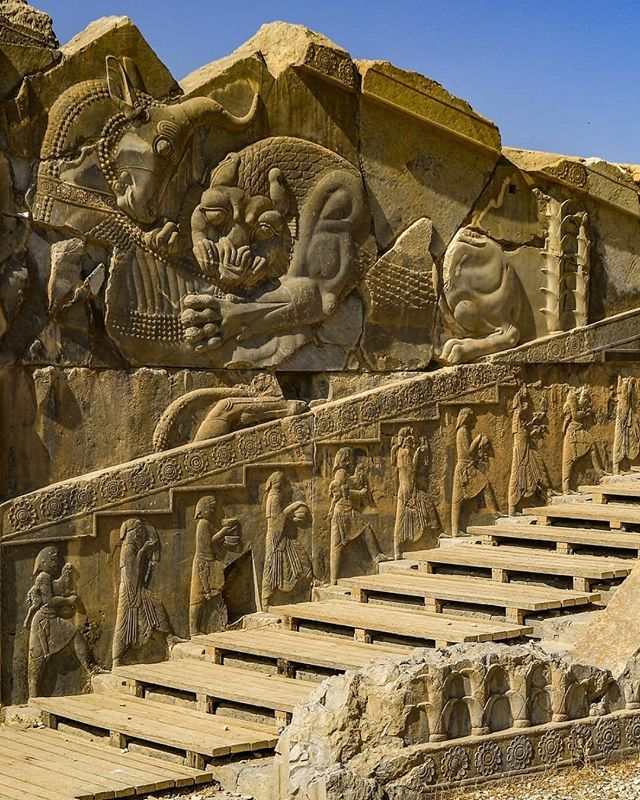
And most people have never really seen it. 🧵 Created around 520 BC, the Bisotun Inscription stands as a monumental testament to the ambition and authority of King Darius the Great of Persia.
Iran isn’t new.
It’s older than the name “Persia.”

Ērān, meaning “land of the Aryans,” was carved into stone nearly 1,700 years ago.
This identity existed long before modern borders.

But the world stopped listening.

“Persia” sounded beautiful.
“Iran” sounded dangerous.
One became poetry. The other became a threat.A rock relief of Ardashir I (224–242 AD) in Naqsh-e Rostam, inscribed "This is the figure of Mazda worshipper, the lord Ardashir, King of Iran." Photo by Wojciech Kocot - Wikimedia, CC BY-SA 4.0.
Iran spans deserts, forests, mountains, and coastlines.
It touches the Caspian Sea and the Persian Gulf.
It borders 15 countries.

It has always been a bridge and a battlefield.
Too strategic to ignore.
Too rooted to erase. Image
Read 13 tweets
Dec 19, 2025
Forget the predictable Christmas destinations.

If you want a December that actually feels like Christmas, these places still get it right.

Snow, bells, candlelight, and streets older than modern life itself.

Here are 23 European towns that turn Christmas into something real. 🧵⤵️Old Town Tallinn, Estonia Christmas Market
Tallinn, Estonia

One of Europe’s oldest Christmas markets, set inside a medieval square that time forgot. Credit: @archeohistories
Florence, Italy

Renaissance stone glowing under festive lights. Christmas surrounded by genius. Credit: @learnitalianpod
Read 26 tweets

Did Thread Reader help you today?

Support us! We are indie developers!


This site is made by just two indie developers on a laptop doing marketing, support and development! Read more about the story.

Become a Premium Member ($3/month or $30/year) and get exclusive features!

Become Premium

Don't want to be a Premium member but still want to support us?

Make a small donation by buying us coffee ($5) or help with server cost ($10)

Donate via Paypal

Or Donate anonymously using crypto!

Ethereum

0xfe58350B80634f60Fa6Dc149a72b4DFbc17D341E copy

Bitcoin

3ATGMxNzCUFzxpMCHL5sWSt4DVtS8UqXpi copy

Thank you for your support!

Follow Us!

:(