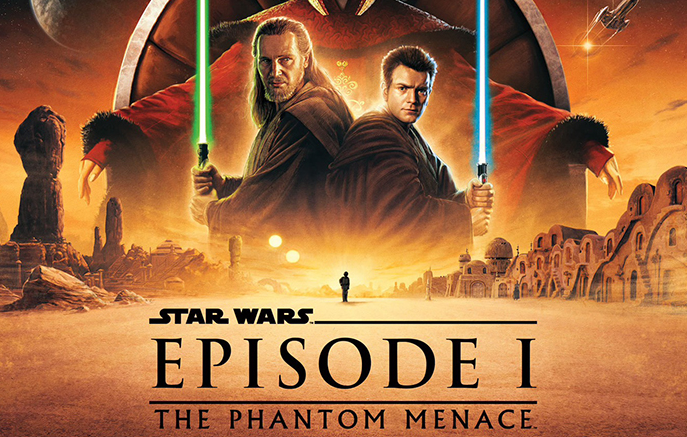
STAR WARS: EPISODE I – THE PHANTOM MENACE was released 26 years ago today. The fourth release in the Star Wars series, and probably the most anticipated movie ever to come out of Hollywood, the story behind the scenes will blast you into oblivion…
1/65
1/65


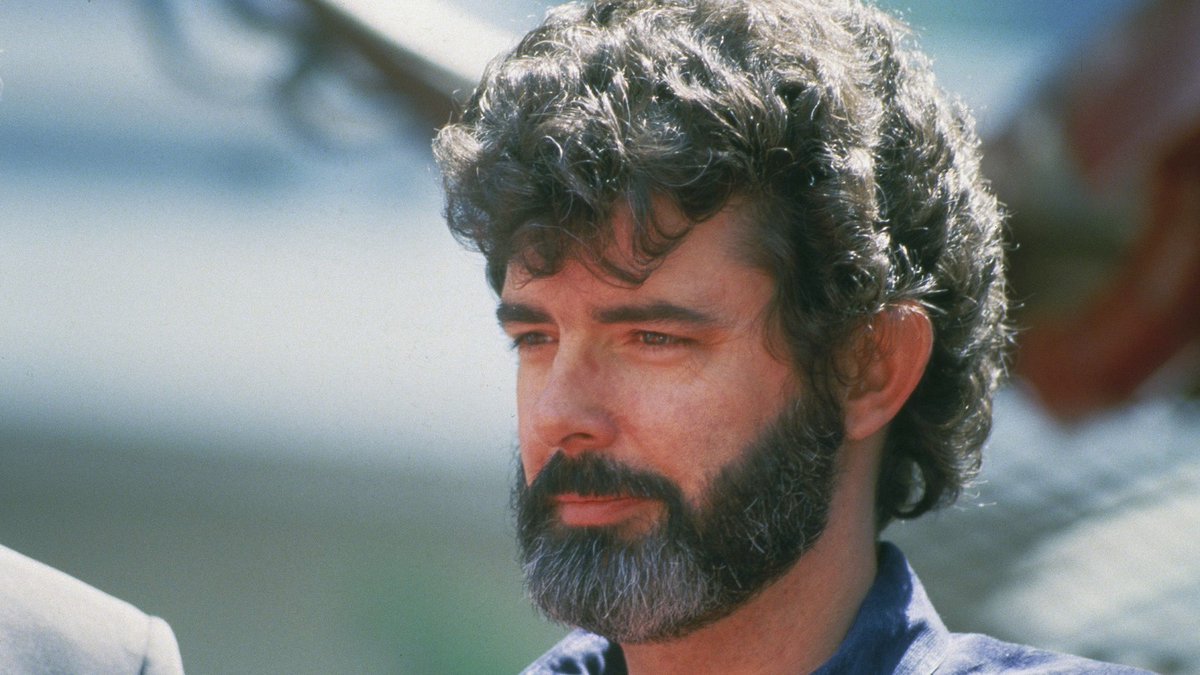
Even before the original trilogy became a huge success, George Lucas had always planned for the Star Wars saga to be told across multiple movies. Having negotiated a studio deal allowing him to retain sequel rights when making the first film, he planned for a total of nine.
2/65
2/65
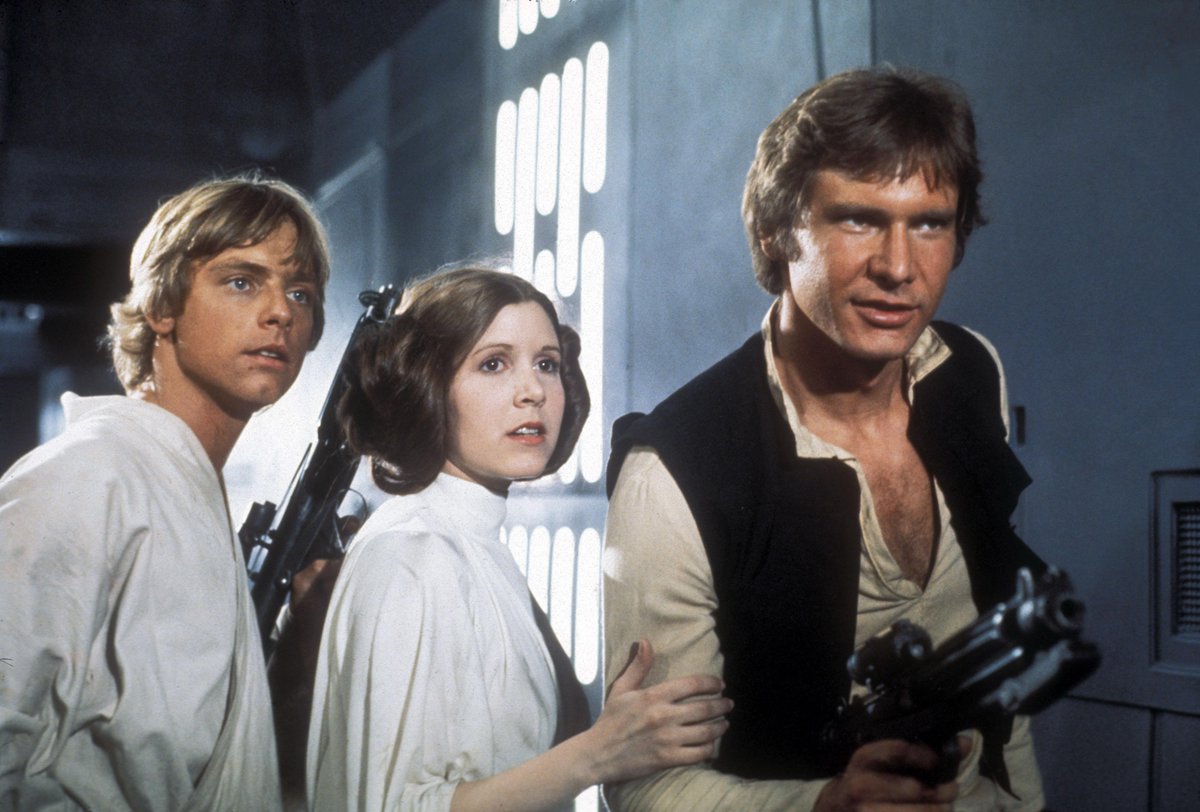
Mark Hamill (Luke Skywalker) would later say that Lucas discussed the idea of an older Luke with him in the mid-1980s, while actress Sybil Danning said Lucas had asked her if she’d be interested in playing a Jedi Witch in a movie set before the originals.
3/65
3/65


In the early 90s, Dark Horse Comics released a series, and author Timothy Zahn published his Thrawn Trilogy – sequels to the movies. Both were a hit and, when Lucas saw CGI developments in films like Jurassic Park, he realised it was time to revisit the world he created.
4/65
4/65


In October 1993, Lucas announced three new Star Wars movies. Set decades before the original films, they would tell the story of Luke’s father, Anakin, and his fall from Jedi Knight to becoming Darth Vader. He began outlining the stories in 1994.
5/65
5/65


With Lucas’ own company, Lucasfilm, producing, he took the idea to the original distributors, 20th Century Fox. They jumped at the chance to fund new Star Wars movies, and cut a deal where Lucas would own the negative of the final cut and merchandising rights.
6/65
6/65

Rick Berman (showrunner of Lucas’ TV hit The Young Indiana Jones Chronicles) was brought in to produce, and Lucas asked one of its writers, Frank Darabont, to pen the script. Lawrence Kasdan (who had co-written two of the first three films) was also asked, but both said no.
7/65
7/65


Lucas decided to write the film himself and, after considering a title of The Beginning, announced the first new film would be called The Phantom Menace – a nod to the Flash Gordon serials that had inspired Lucas when he made the originals.
8/65
8/65

Lucas had only directed one of the first three Star Wars films, and planned to hand those duties over here too. Reportedly, Steven Spielberg, Ron Howard, and Robert Zemeckis were asked. All three declined, saying Lucas should direct it himself.
9/65
9/65


Lucas also approached playwright and theatre director David Hare, offering him the chance to write the film, and co-direct with Lucas. When Hare also said no, Lucas took the decision to direct his first film in more than 20 years.
10/65
10/65


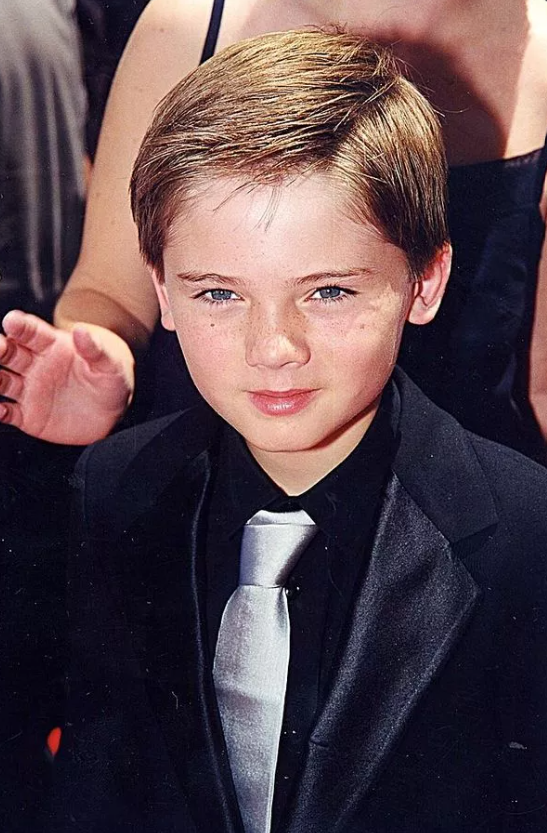
The first film revolved around Anakin as a 9-year-old slave boy and a huge casting call went out with thousands of young hopefuls auditioning. The process came down to two boys, Michael Angarano and Jake Lloyd. Lucas thought Lloyd’s performances had depth, and he was cast.
11/65
11/65

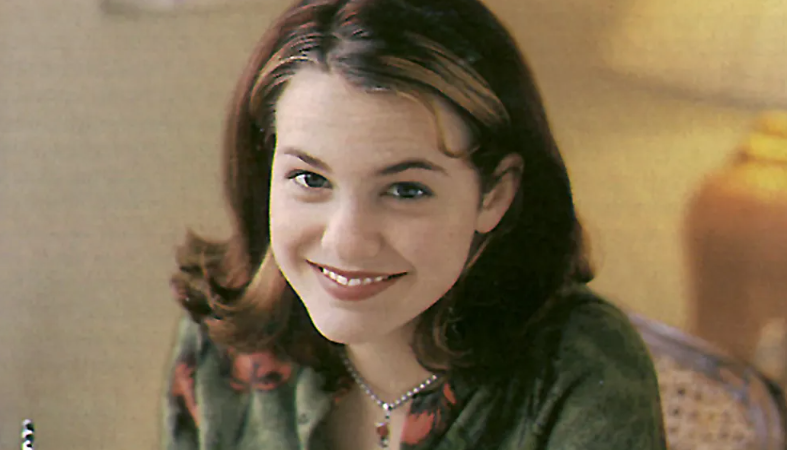
Anakin’s love interest (and mother to Luke and Leia) is Padme Amidala, the 14 year-old Queen of Naboo. 200 young actresses auditioned, including Larisa Oleynik. Leon star Natalie Portman won out, later saying she’d not even seen Star Wars.
12/65
12/65

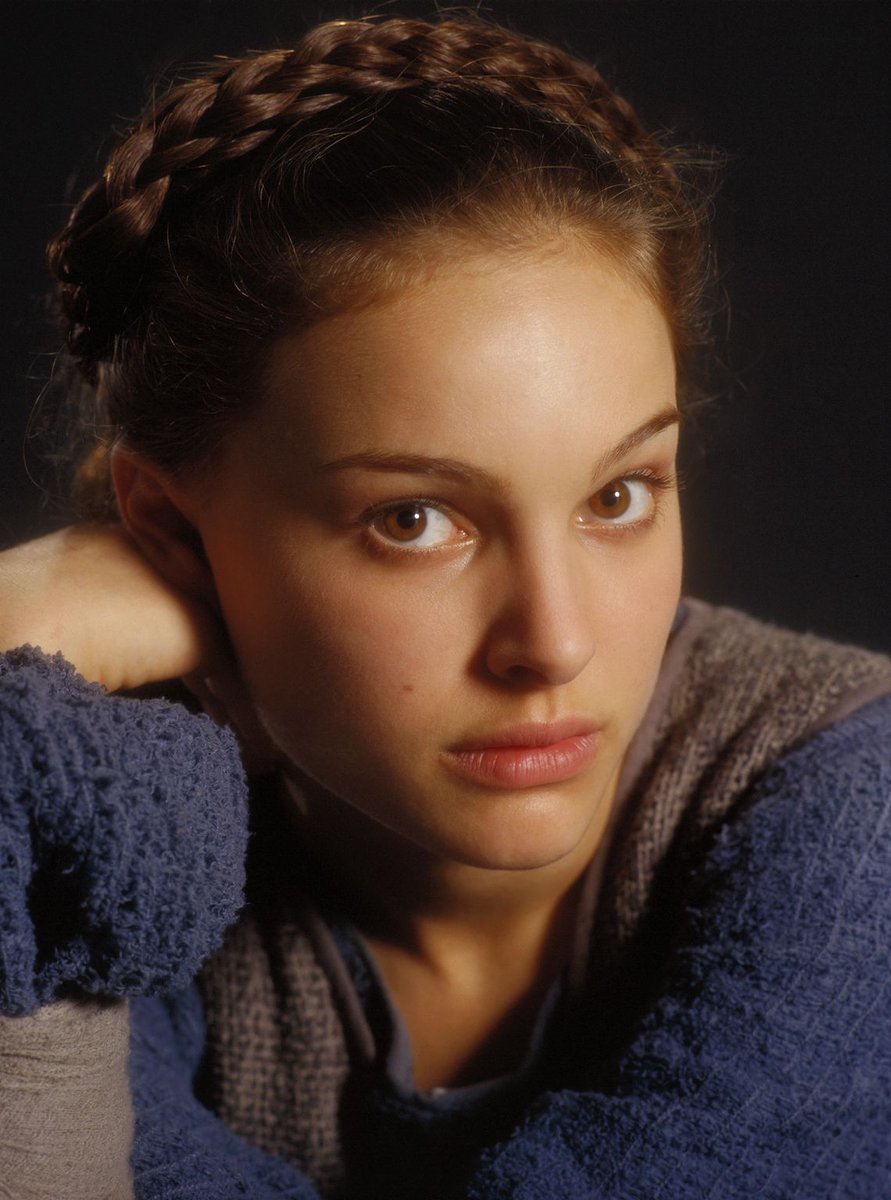
Portman worked extensively with a voice coach to perfect Amidala’s royal dialect, taking inspiration from Hollywood legends Lauren Bacall and Katharine Hepburn. On top of this, the pitch of Portman’s voice was digitally lowered in post-production.
13/65
13/65

Portman was just 18 years old at the time and ended up missing the film’s premiere in New York as she was at home studying for her high school final exams.
14/65
14/65

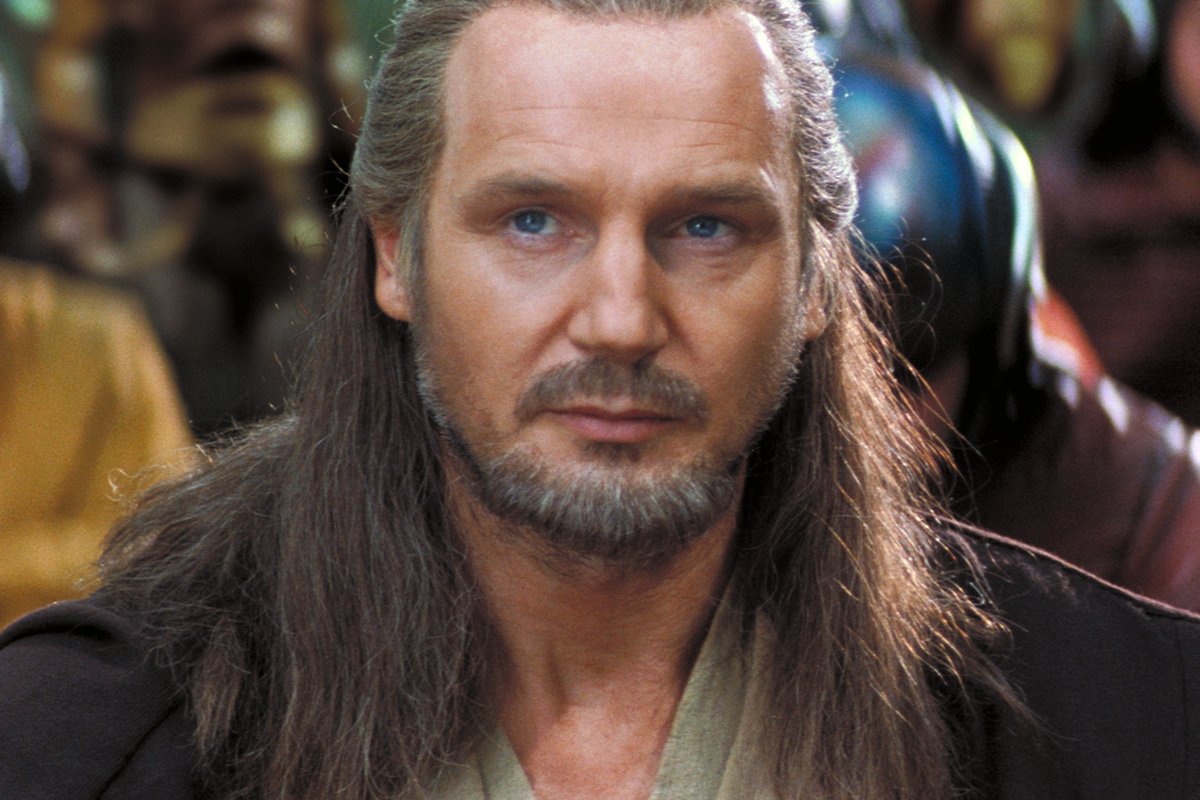
The Jedi Knight who discovered and rescues Anakin is Qui-Gon Jinn. Morgan Freeman, Denzel Washington and Kurt Russell were all considered, before Lucas cast Liam Neeson, calling him “a master actor.”
15/65
15/65

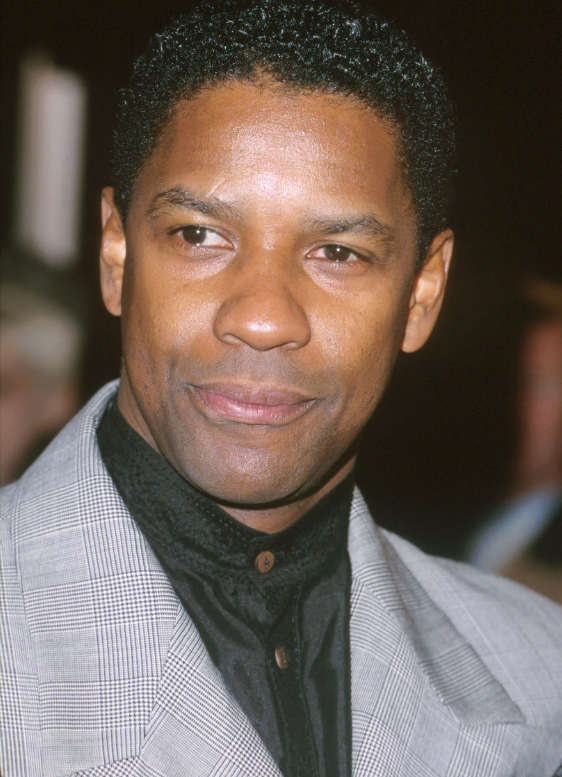


Neeson was reportedly so keen to be in the film that he signed on without having read the script, and performed most of his own stunts. Three stuntmen (Andrew Lawden, Joss Gower and Rob Inch) were on hand to step in throughout, too.
16/65
16/65

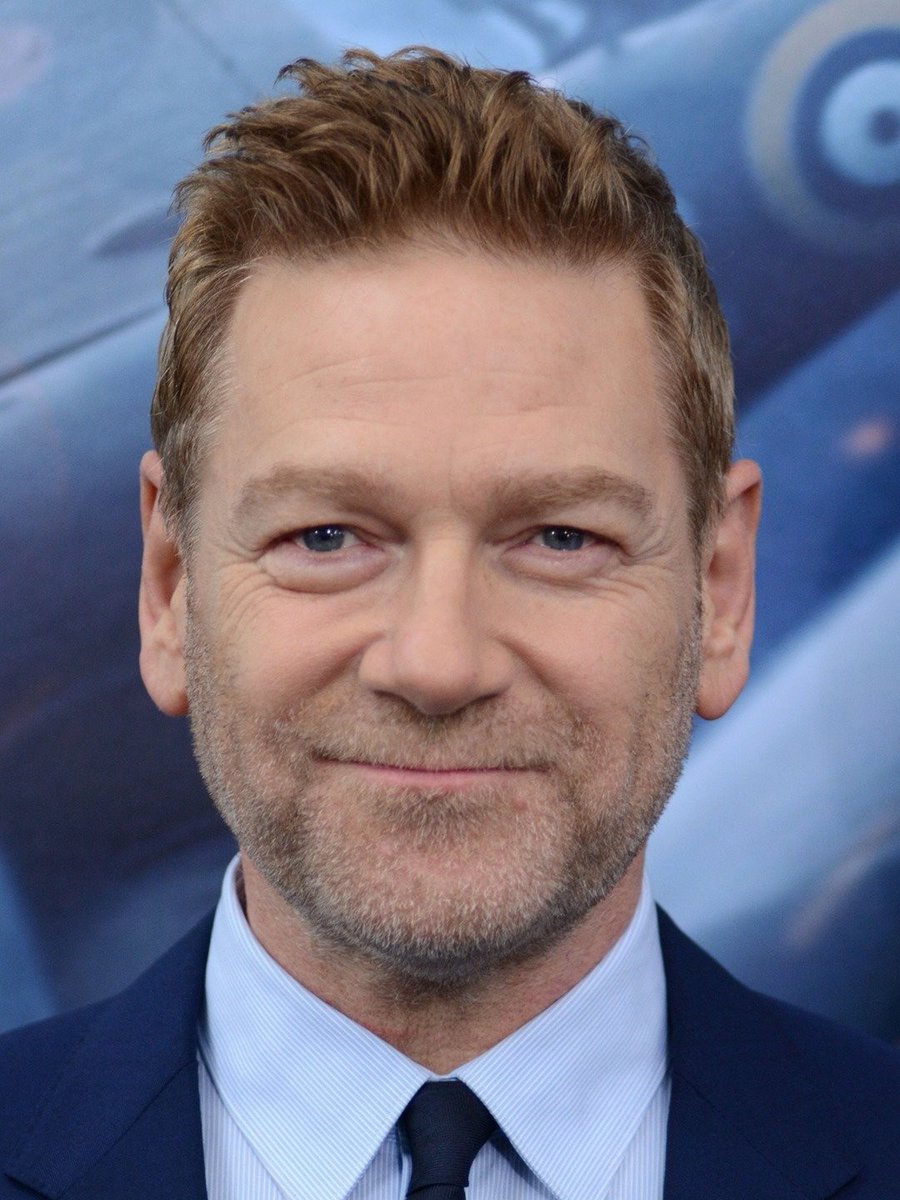
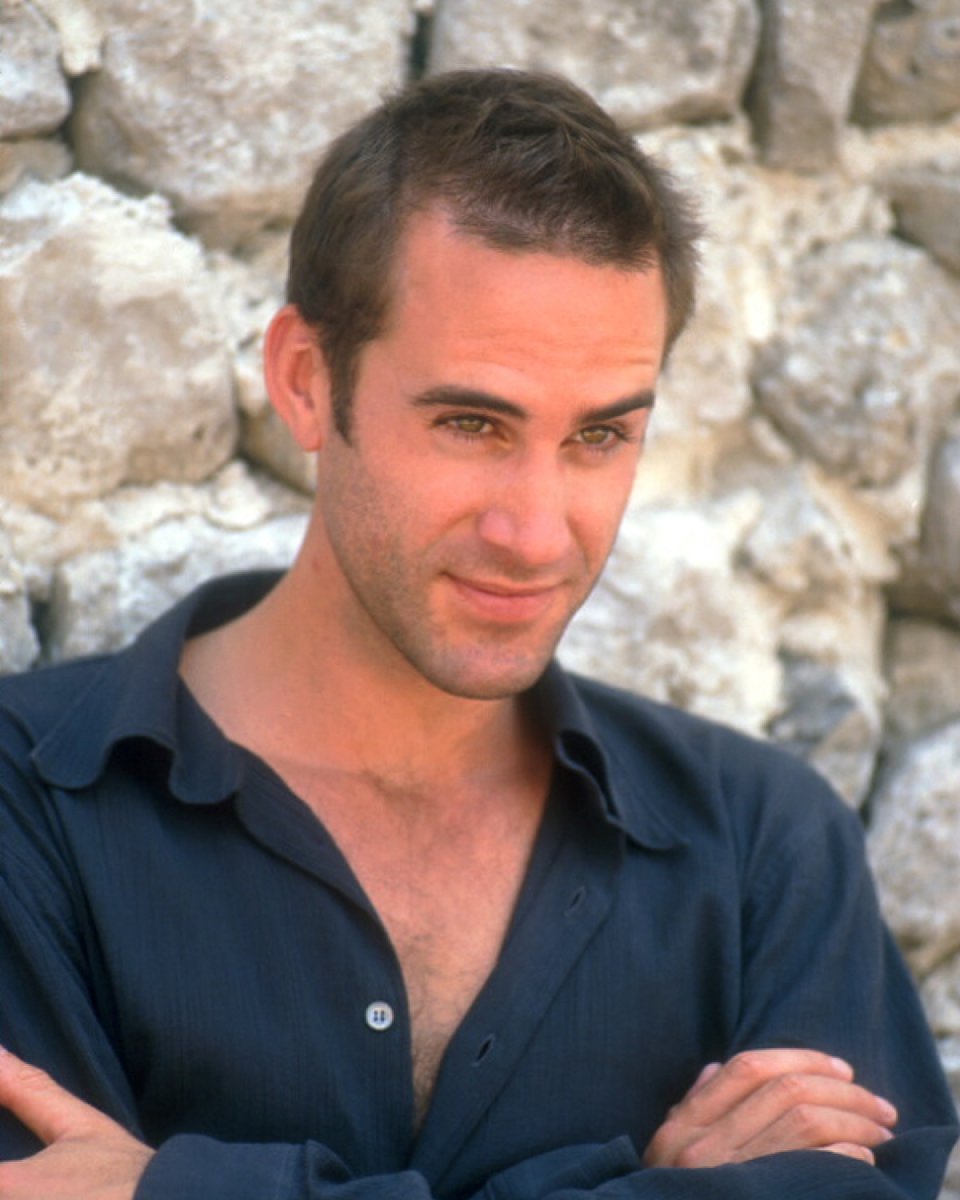
A character returning from the original trilogy was Obi-Wan Kenobi, originally played by Alec Guinness. 50 actors tried out for young Obi-Wan, including Kenneth Branagh, Joseph Fiennes and Gary Oldman, before Ewan McGregor was cast.
17/65
17/65


To prepare for the role, McGregor studied Guinness’ voice and mannerisms extensively. He had another link to the original films – his uncle Denis Lawson played X-Wing pilot, Wedge Antilles in all three of the trilogy.
18/65
18/65
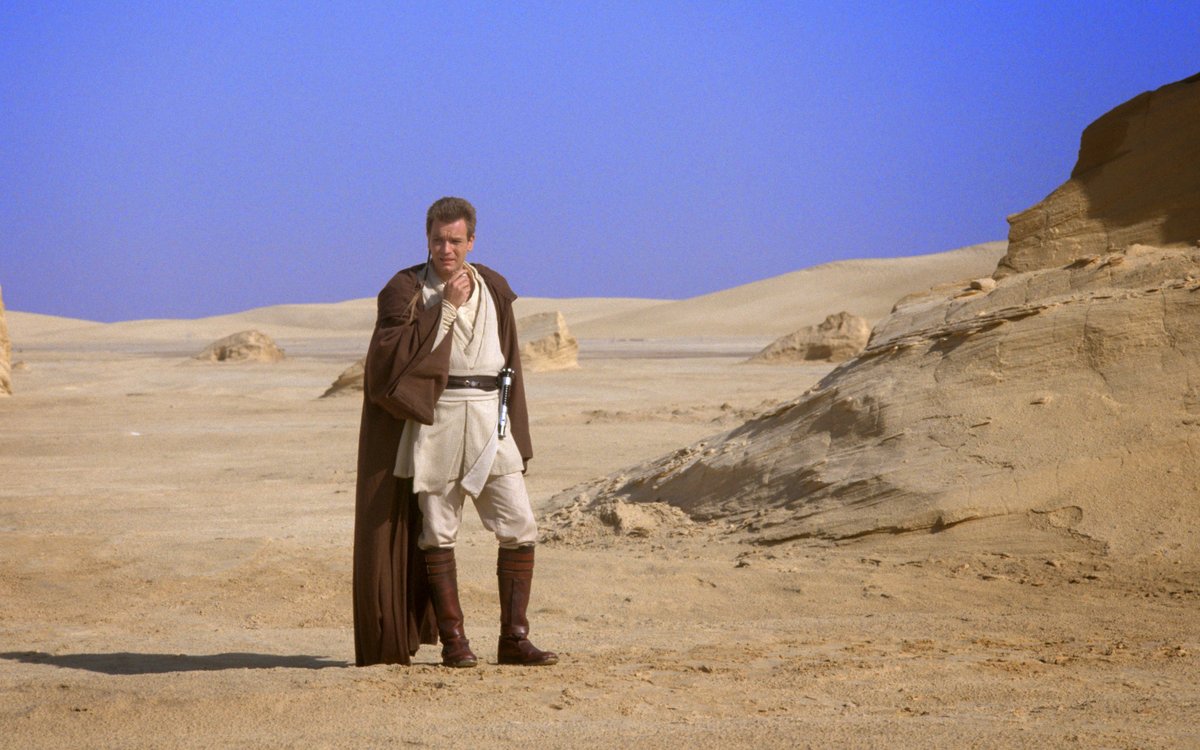


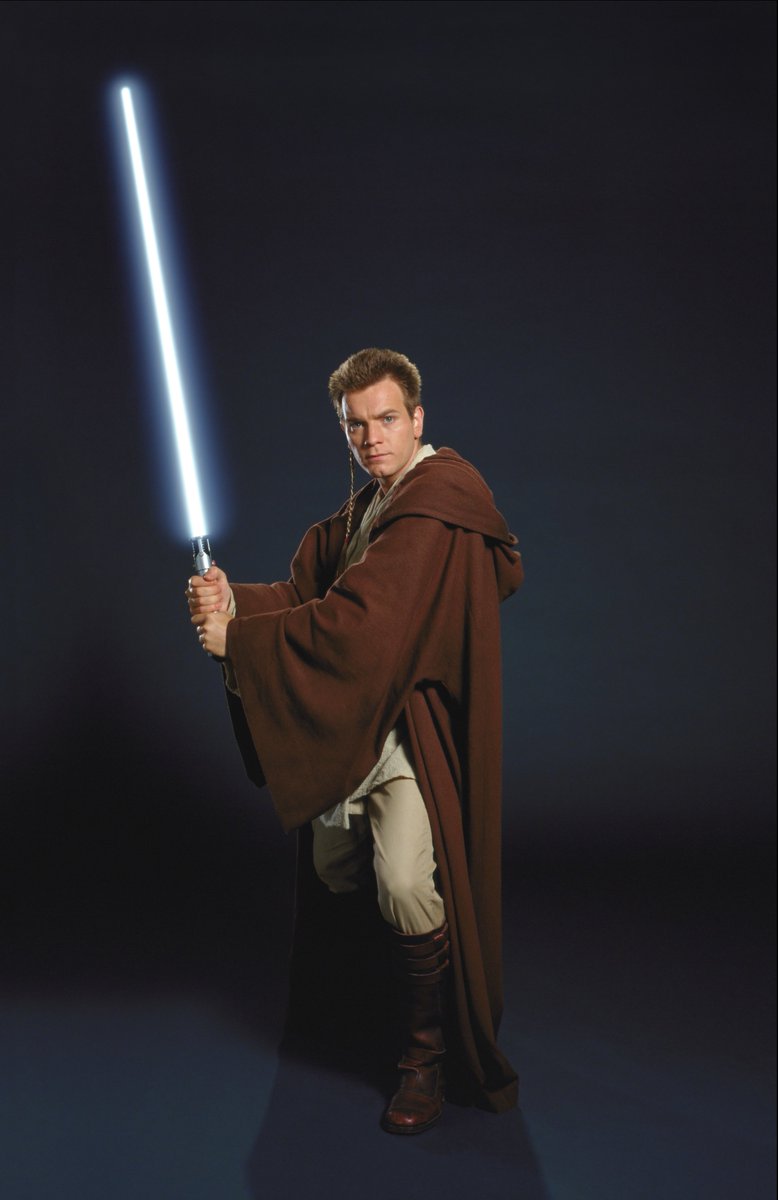
During filming, McGregor and Neeson were shown 20 lightsaber hilts, and given 10 minutes to choose the one their character would use. Filming the duels, McGregor said he kept making lightsaber noises and Lucas had to ask him to sop saying ‘we add that in later.’
19/65
19/65

A new character was clumsy Gungan, Jar Jar Binks. The name came from Lucas’ own son and, according to reports, King of Pop Michael Jackson was desperate to play the part. Lucas decided against casting him, thinking his presence would take over the film.
20/65
20/65


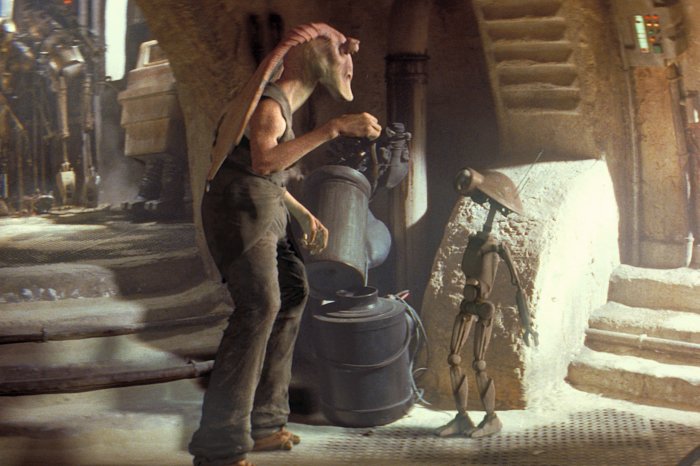
Lucas knew he wanted Jar Jar to be a groundbreaking CGI creation and Trace Beaulieu read for the role. However, having been cast to perform the motion capture for the character, Stomp actor Ahmed Best was hired to provide Jar Jar’s voice, too.
21/65
21/65


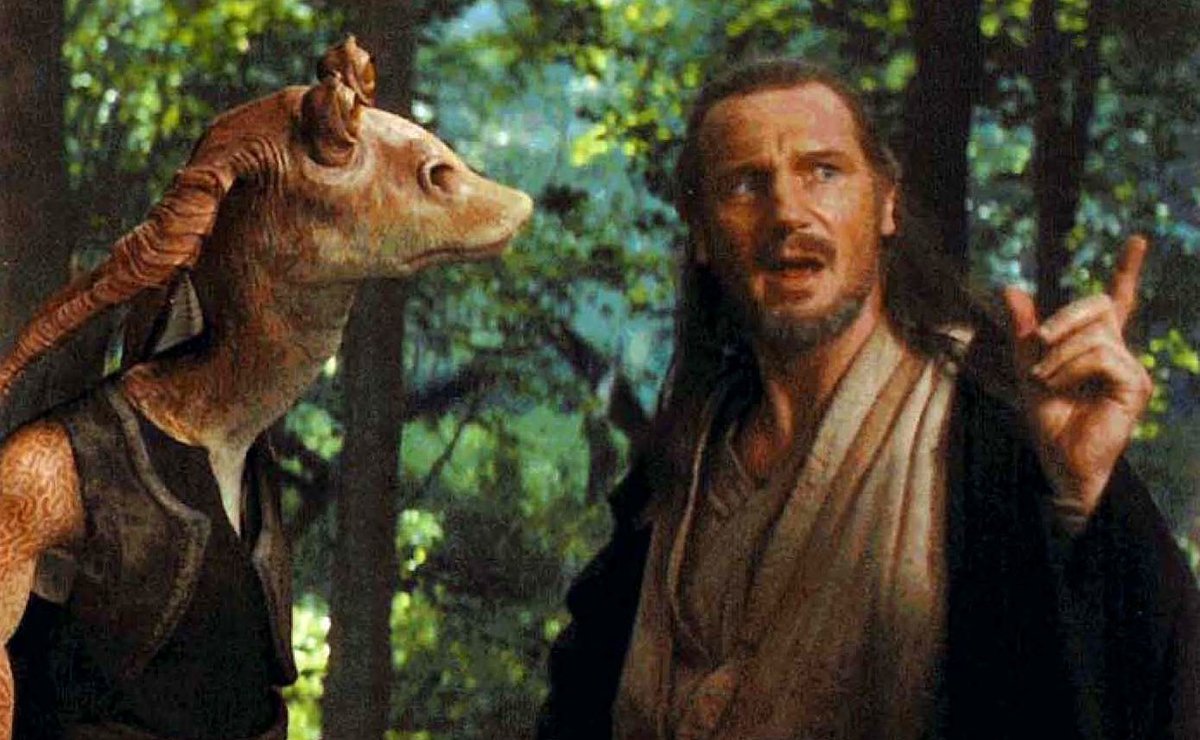

In designing Jar Jar, concept artists took inspiration from billed creatures and dinosaurs, and based his movements on emus and ostriches. He was originally designed to be green and his skin texture was based on frogs and fish.
22/65
22/65

Amidala’s ‘decoy’ in the film was played by 12-year-old Keira Knightley in one of hear earliest roles. She later said she cried every day as the costume was so uncomfortable but said they did such a good job that her own mother struggled to tell herself and Natalie Portman apart.
23/65
23/65


Ian McDiarmid returned as Emperor Palpatine having played him in Return Of The Jedi. When Lucas told him about the role he only said he was playing a Senator. It wasn’t until McDiarmid got to the set that he realised the senator was the future Emperor.
24/65
24/65


The Emperor’s Sith apprentice is Darth Maul. Benicio Del Toro was reported to be up for the part but when he realised how much of his dialogue had been cut, he pulled out. Instead, martial artist Ray Park played the role, with his voice dubbed by Peter Serafinowicz.
25/65
25/65


Maul only has three lines in the film but Serafinowicz said he recorded a lot more dialogue that went unused, including a monologue that was used in a trailer. He was later critical of Lucas’ direction which he said was no more than “make him sound evil.”
26/65
26/65


Maul was designed by artist Iain McCaig. Lucas said to him “Draw me your worst nightmare” and, when he saw what McCaig came up with said “Okay, draw your second worst nightmare.” McCaig experimented with Rorschach patterns in creating Maul’s face tattoos.
27/65
27/65


Jedi Master Mace Windu was designed as an alien before being changed to human. Tupac Shakur expressed an interest in the role before his murder. When Samuel L. Jackson commented on British TV he wanted to be in the movie, casting director Robin Gurland got in touch.
28/65
28/65


Before production started an online fan campaign gained momentum that petitioned for Kenny Baker and Anthony Daniels to reprise their roles from the original trilogy as the droids R2-D2 and C-3PO. Lucas already intended to cast them, and did just that.
29/65
29/65


Darth Maul was a new character but the idea for his double-bladed lightsaber design came from the 1996 comic book series Tales of the Jedi: The Sith War. The longer hilt design came at the request of Ray Park, who said it was more practical that way.
30/65
30/65


In Lucas’ first drafts, there was no Qui-Gon character – Obi-Wan was the only Jedi main character. He was introduced when Lucas wanted to introduce a ‘passing the torch’ narrative theme. Also, the planet of Naboo was Utapau, which shows up in Revenge Of The Sith.
31/65
31/65


John Williams returned to write the score, including Duel Of The Fates. For the choral parts, Williams took inspiration from a centuries-old Celtic poem, The Battle Of The Trees, and had it translated into Sanskrit. He said “I thought something pagan might be effective.”
32/65
32/65


The digital effects were provided by effects studio ILM. The plan was to recreate Yoda digitally but, after some tests, it was decided to use a puppet instead. The only time we see a CGI Yoda is in the scene at the end where he and Obi-Wan discuss Anakin’s future.
33/65
33/65


The Director of Photography was David Tattersall and Lucas had him film two shots on digital (a new technology) rather than film. Apparently, the two digital shots are the moment Qui-Gon takes a sample of Anakin’s blood, and when Obi-Wan is promoted to Jedi Knight.
34/65
34/65

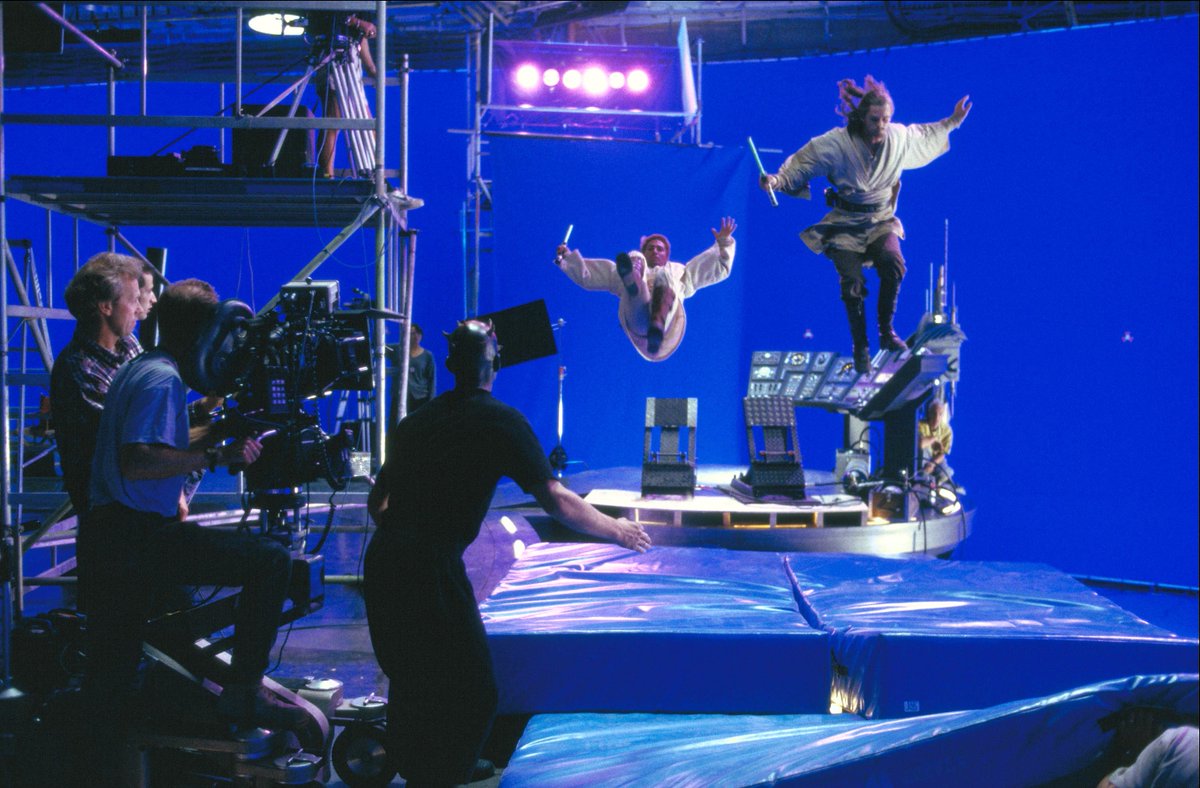

Chroma key (blue screen) was used to extend backgrounds and sets, the idea being it would save in production design time. Liam Neeson is so tall at 6’4” though, that an extra $150,000 had to be spent on building larger sets.
35/65
35/65


Costume designer Trisha Biggar and her team were tasked with creating over 5000 costumes. Biggar worked closely with concept artists to develop colour palettes for the various worlds and cultures, and the whole process took over a year to complete.
36/65
36/65


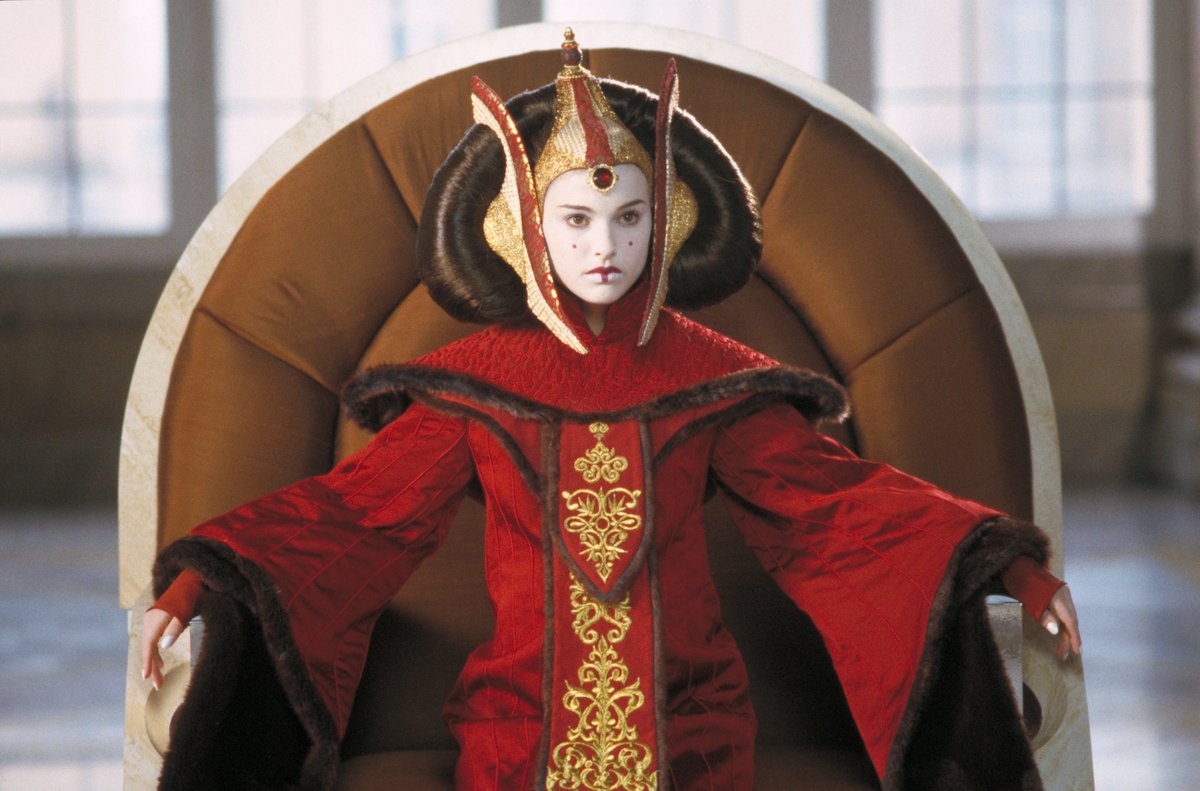
Amidala’s senate dress was modelled after a Mongolian nobility garment. Her throne room dress took influence from Japanese wear and an evening gown that was almost 100 years old. The dress took 8 weeks to design.
37/65
37/65


With C-3PO not yet being complete in the film, this is the only time Anthony Daniels didn’t provide the movements of the character – they were done by puppeteer Michael Lynch. He dressed in a Chroma key colour and manipulated the puppet, and was digitally removed.
38/65
38/65


The head of ILM was John Knoll and later said that, after his first meeting with Lucas, he had no idea how to achieve what he was being asked to do. The end was a mix of established and new techniques and software ILM were creating as they went.
39/65
39/65
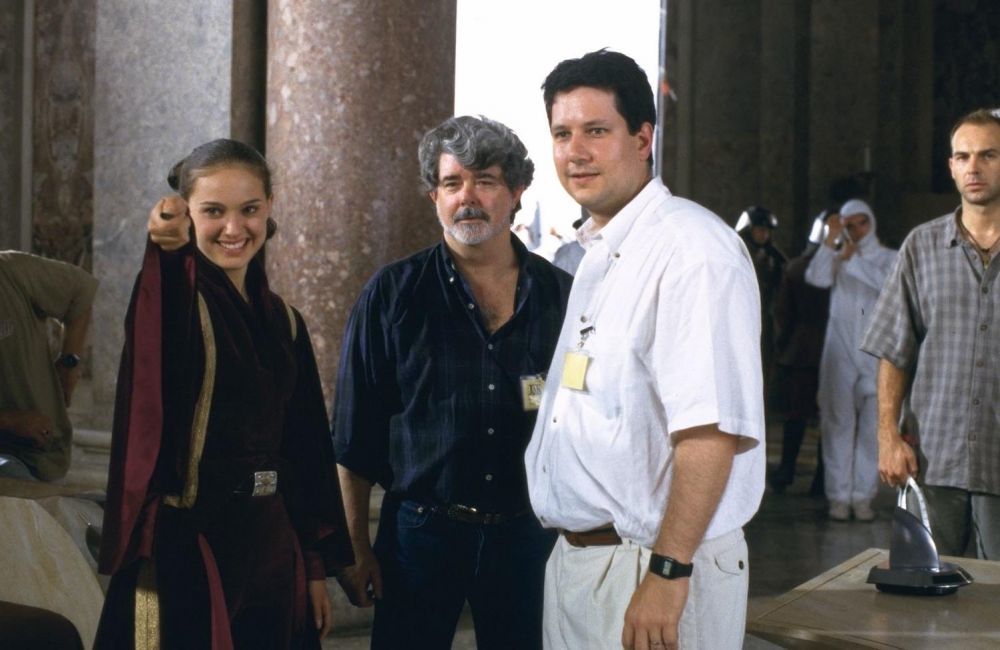

Sound design legend Ben Burtt was involved in the sound effects. The sound of the underwater monsters came from Burtt’s baby daughter at the time. And the sound of the battle tanks hovering was made by running an electric razor over a metal salad bowl.
40/65
40/65
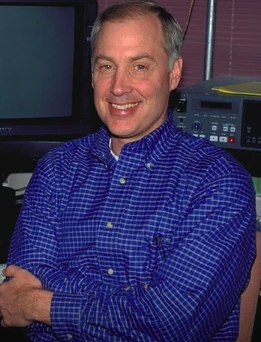

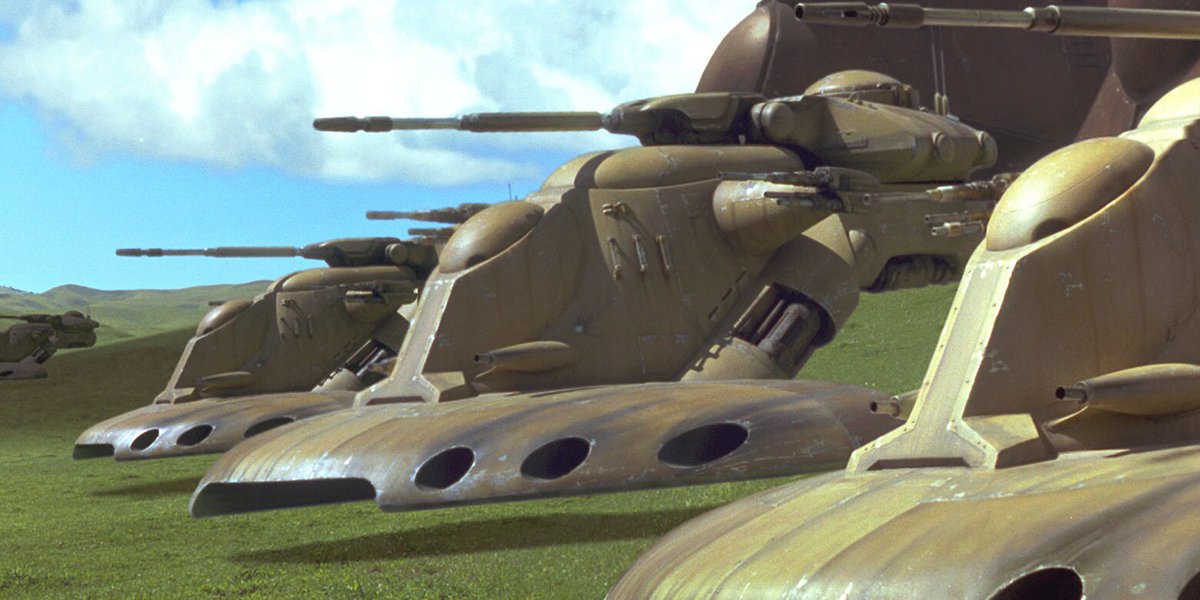
The Tatooine scenes were filmed in Tunisia, as they had been for the 1977 original film. And, like then, a storm hit and stopped production for two days. Lucas said he considered history repeating itself a good omen.
41/65
41/65


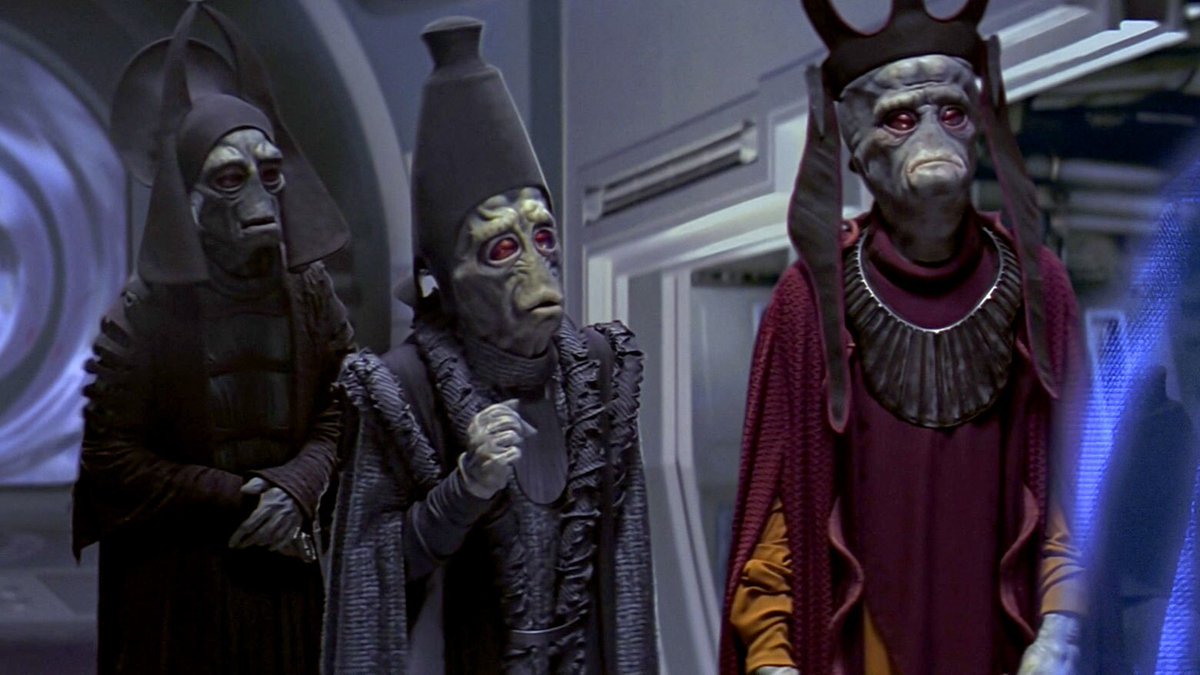
The Neimodians we meet in the opening were originally organic versions of the battle droids. To save on CGI costs they were changed into actors, and animatronic model designer John Coppinger recycled some masks from The Fifth Element.
42/65
42/65
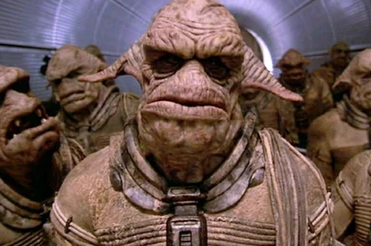
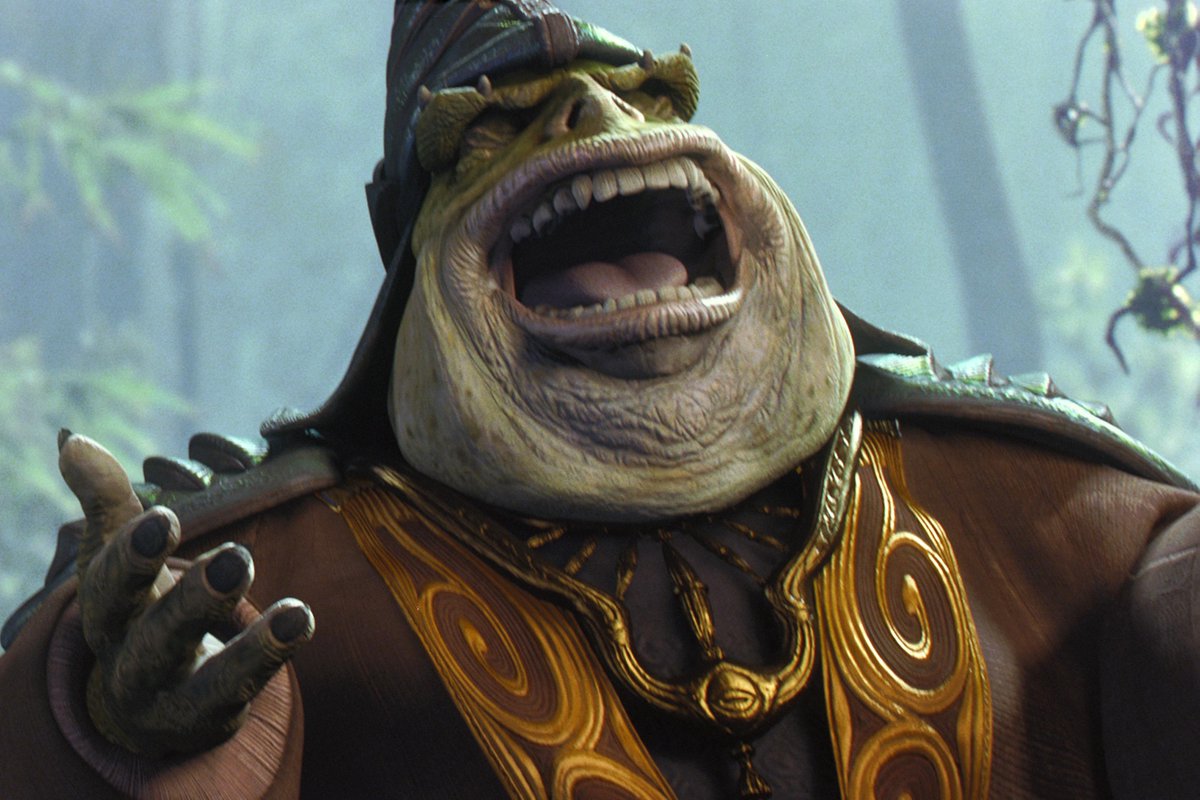
Brian Blessed originally auditioned for the role of Sio Bibble, but Robin Gurland thought him too loud. She instead approached him to play Boss Nass, leader of the Gungan society, as he was a “larger than life character.”
43/65
43/65

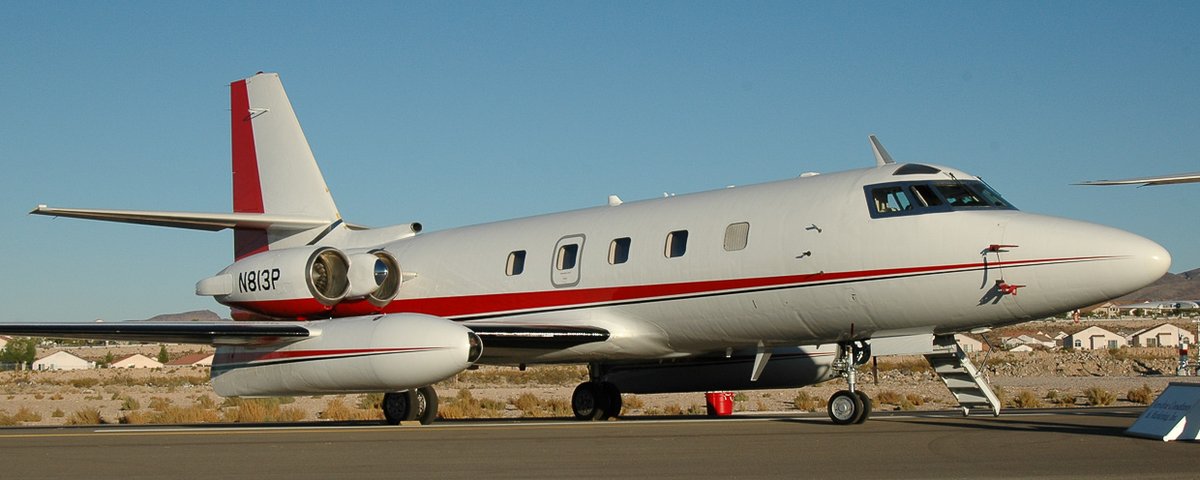
Amidala's ship was designed to be powered by a solar sail but Lucas had it changed to be influenced by a Lockheed jet and 1950s style U.S. automobiles instead. (The sail idea showed up on Count Dooku’s ship on Attack of the Clones).
44/65
44/65


Terence Stamp (Chancellor Valorum) was looking forward to working with Natalie Portman, but disappointed to find she wasn’t on set and he was to act at a piece of paper on the wall. He declined to come back for the sequels saying "Actors prefer to work with actors.”
45/65
45/65

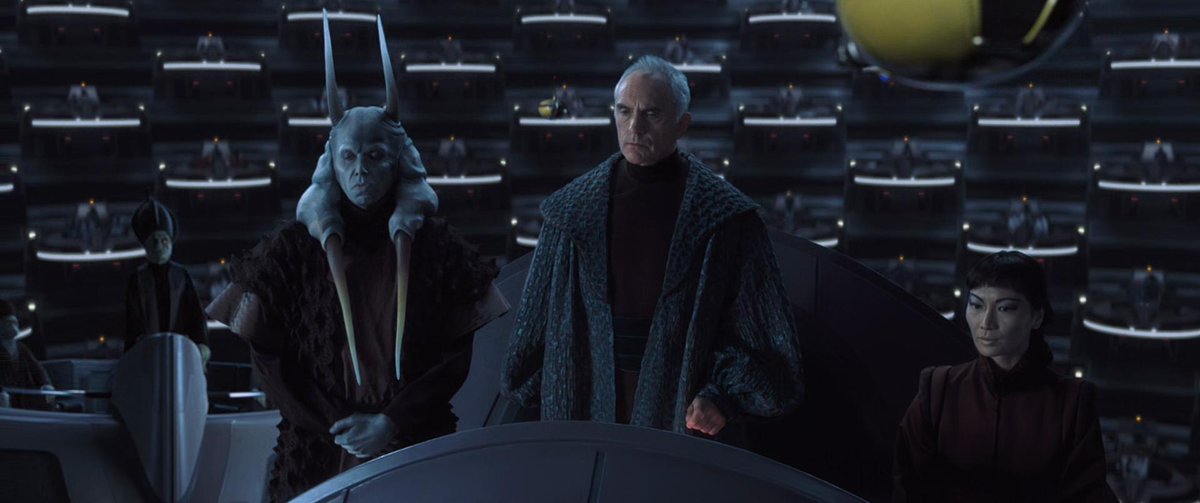
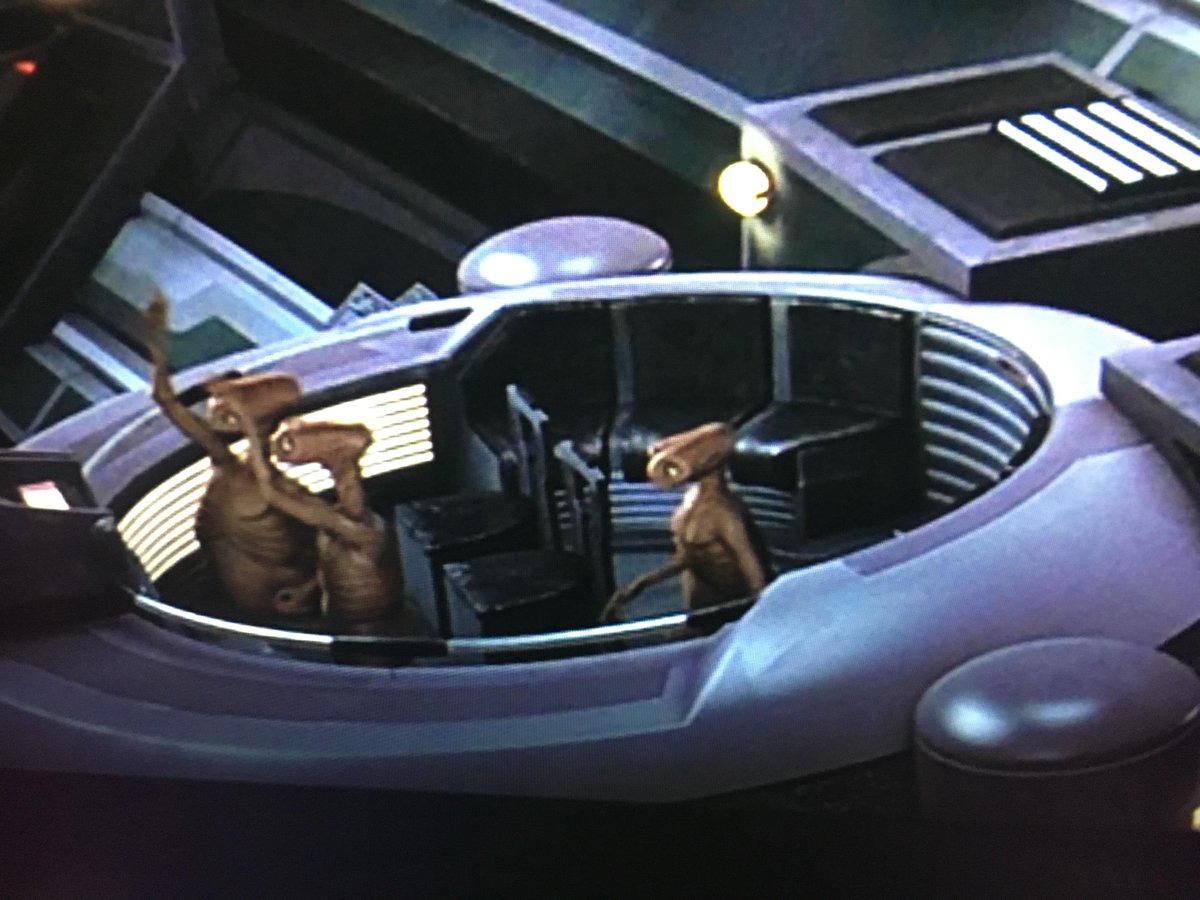
In the Galactic Senate scene, when Amidala asks for a vote of no confidence, we see several other species in various pods. One of the pods is populated with E.T. beings as a tribute to Lucas’ great pal, Steven Spielberg.
46/65
46/65

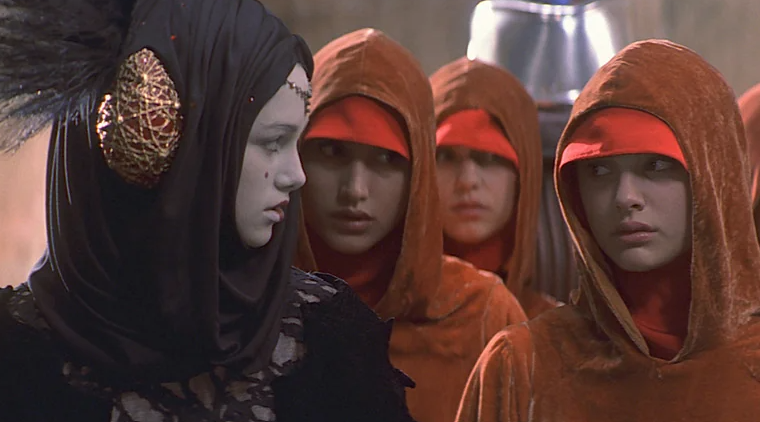
Lucas also did a favour to his filmmaking friend Francis Ford Coppola. Sofia (Francis’ daughter) was about to break into the industry as a director and Lucas offered her a role in his film as Handmaiden Saché, a member of Amidala’s entourage.
47/65
47/65

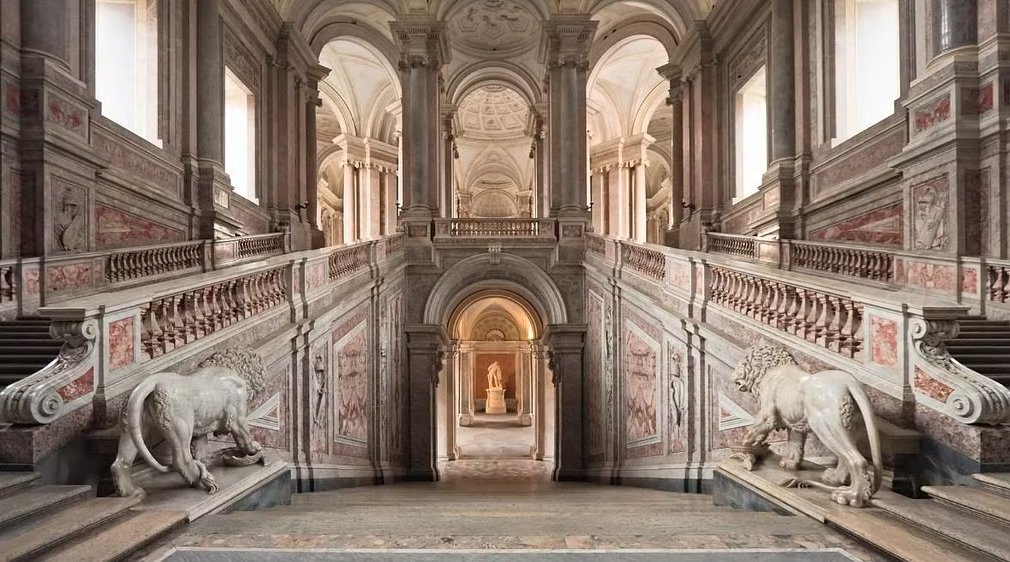
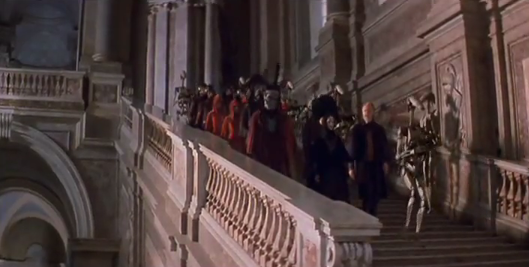
The interiors of the Naboo palace were shot in an Italian palace, the Royal Palace of Caserta, over 4 days. One of the palace curators was there to make sure the crew didn’t damage anything, and played one of Amidala's counselors.
48/65
48/65

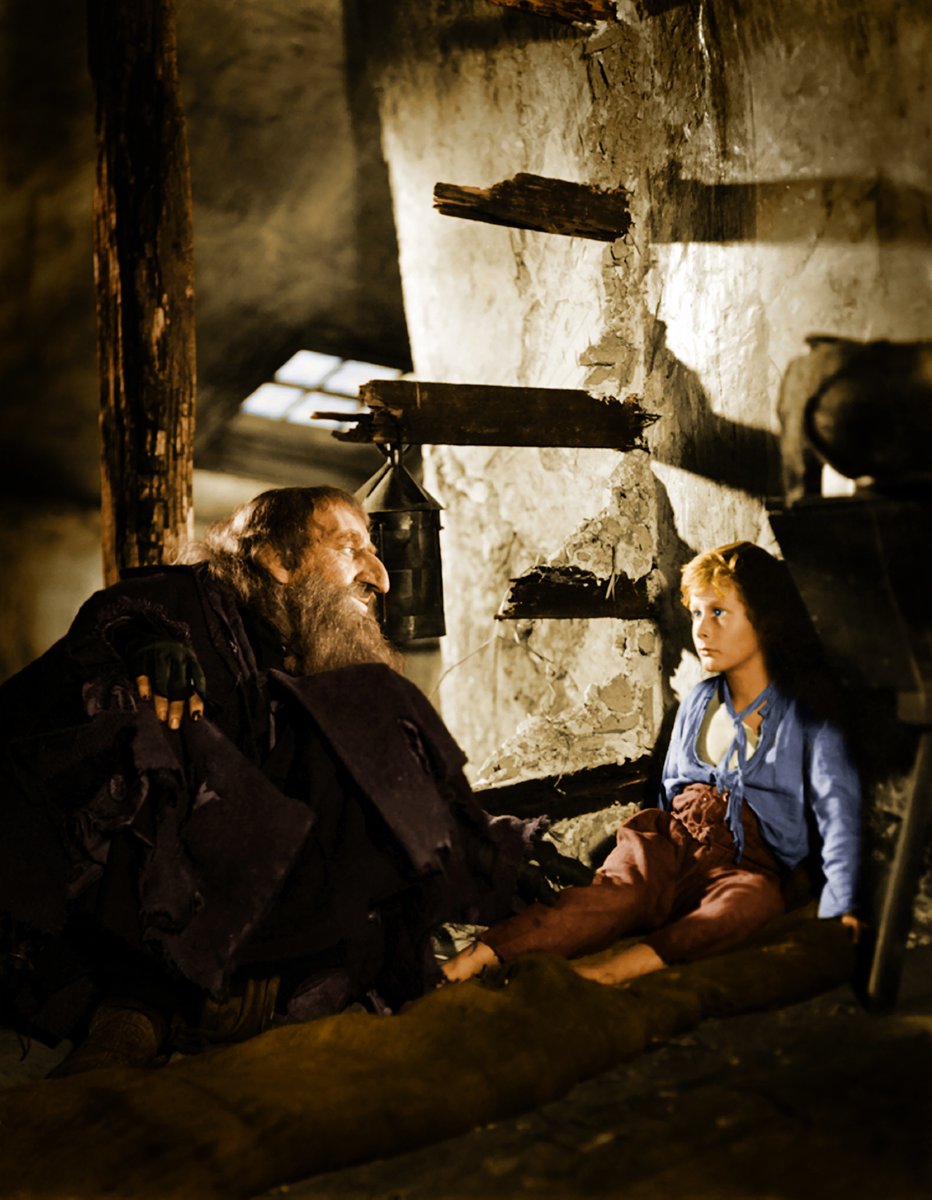
Another largely CGI character is slave owner Watto. Andy Secombe provided the voice and said he based his performance on Alec Guinness’ portrayal of Fagin in Oliver Twist. The script says that Watto is actually disabled – he can’t walk, so he flies.
49/65
49/65

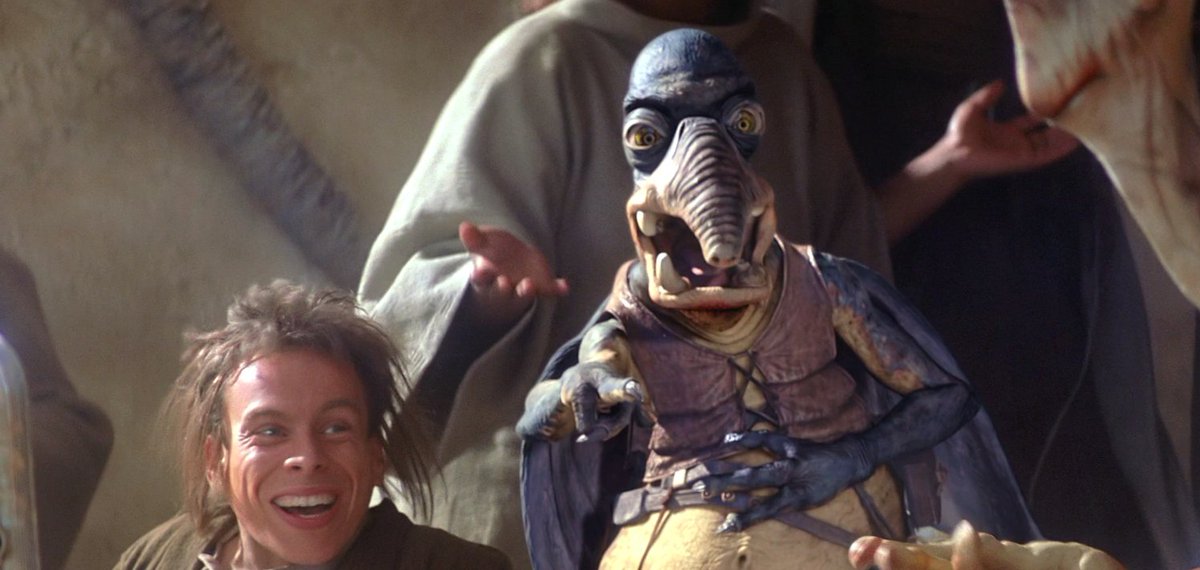
Warwick Davis (Wicket in Return of the Jedi) can be seen next to Watto during the pod race. (He also plays Anakin's friend, Wald). Similarly, the blue haired girl beside Jabba the Hutt before the pod race is wearing the same slave costume worn by Leia in Return of the Jedi.
50/65
50/65

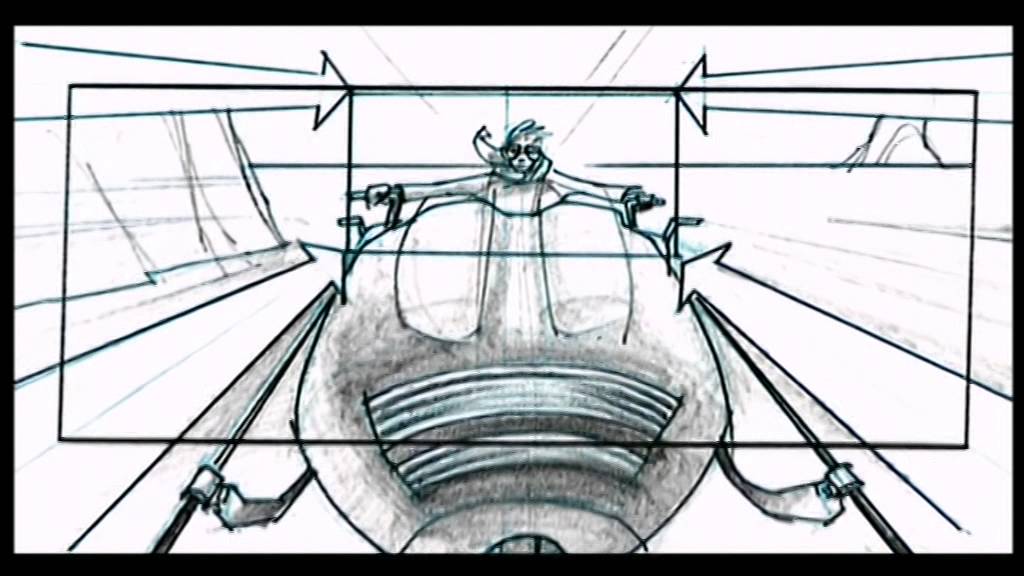
The pod race is the film’s mid-point action sequence. It was storyboarded by Ben Burtt and mostly created by ILM, who studied NASCAR races and crash footage to ensure what they created looked realistic.
51/65
51/65
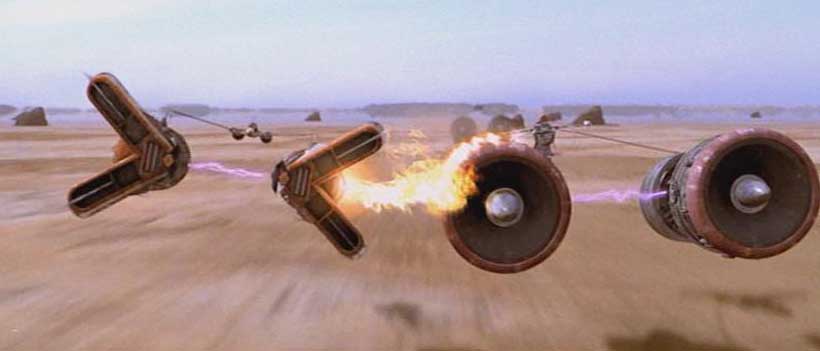


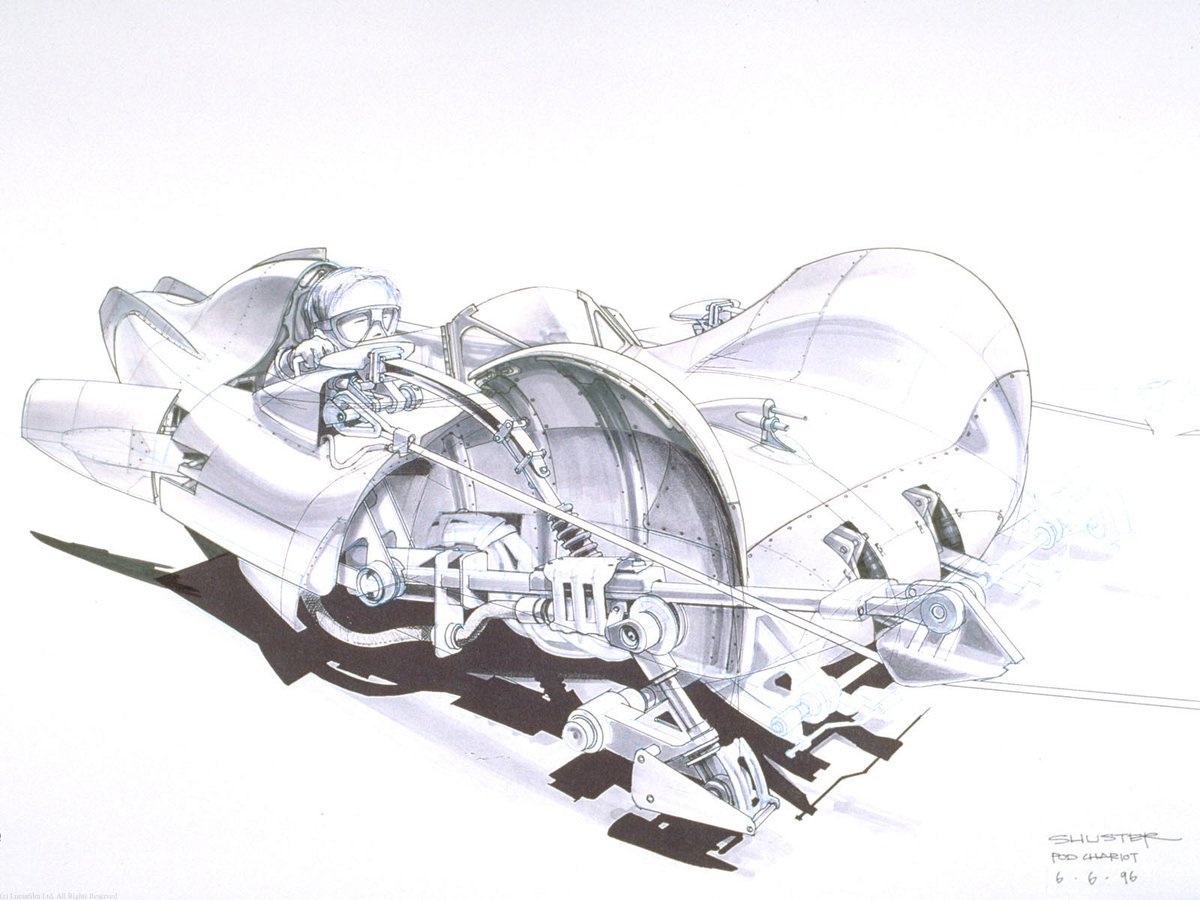
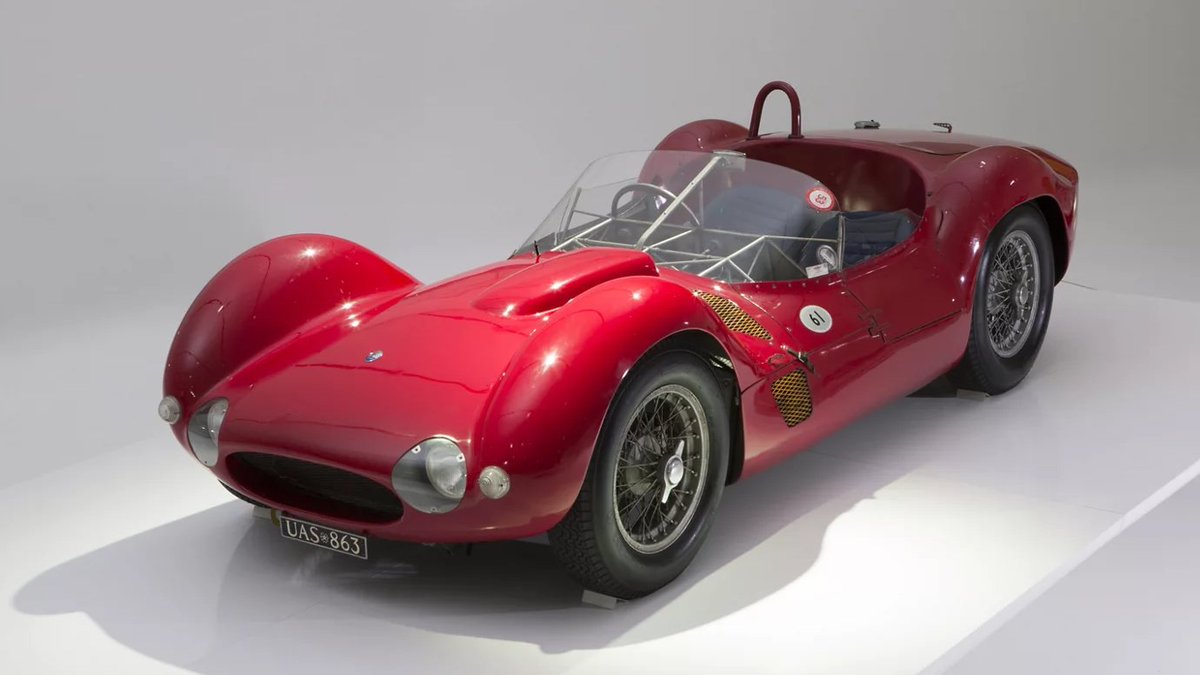
Concept artist Doug Chiang based Anakin’s podracer on one of Lucas’ favourite cars, a 1963 Maserati Birdcage. And ILM built replicas of four Boeing 747 engines and sent them to the shooting location Tunisia, to provide reference in the film.
52/65
52/65

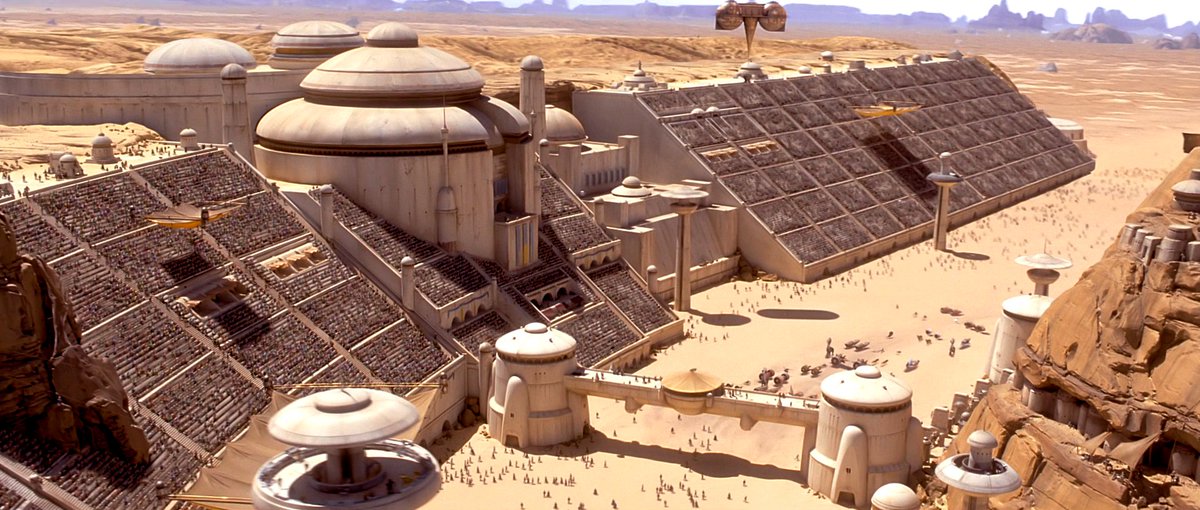
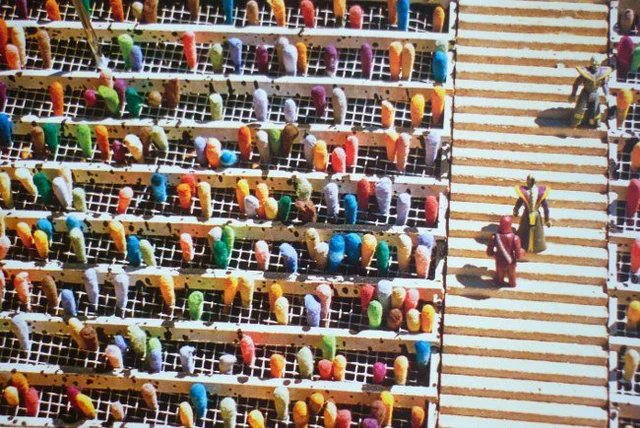
To create the sound of the pod race spectators, Ben Burtt took a recorder to a San Francisco 49ers game, and recorded the crowd. And colored Q-Tips were photographed on a miniature stadium to create the illusion of thousands of fans.
53/65
53/65
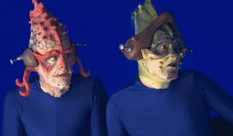
Greg Proops and Scott Capurro provided the voices of the two-headed podrace commentator. They recorded their scenes in full make-up in front of a greenscreen, and it wasn't until the film came out that they discovered that they’d been digitally replaced.
54/65
54/65

Neeson convinced Lucas to keep the scene where Qui-Gon puts his hand on Shmi’s shoulder. Lucas felt it out of character, but Neeson thought there should be an emotional connection. He said "It may be Star Wars, but we've got to have something in there for the adults."
55/65
55/65


There was some inventive prop work. Qui-Gon’s communicator is a decorated Gillette Sensor Excel Razor for Women and on board Amidala’s ship we see three Hewlett-Packard Inkjet cartridges in the background.
56/65
56/65


The climactic lightsaber battle was handled by stunt coordinator Nick Gillard. He said Lucas’ script said “something like, 'A vicious lightsaber battle ensues - seven minutes’" and it was his job to flesh it out. He worked very closely with Neeson, McGregor and Park.
57/65
57/65

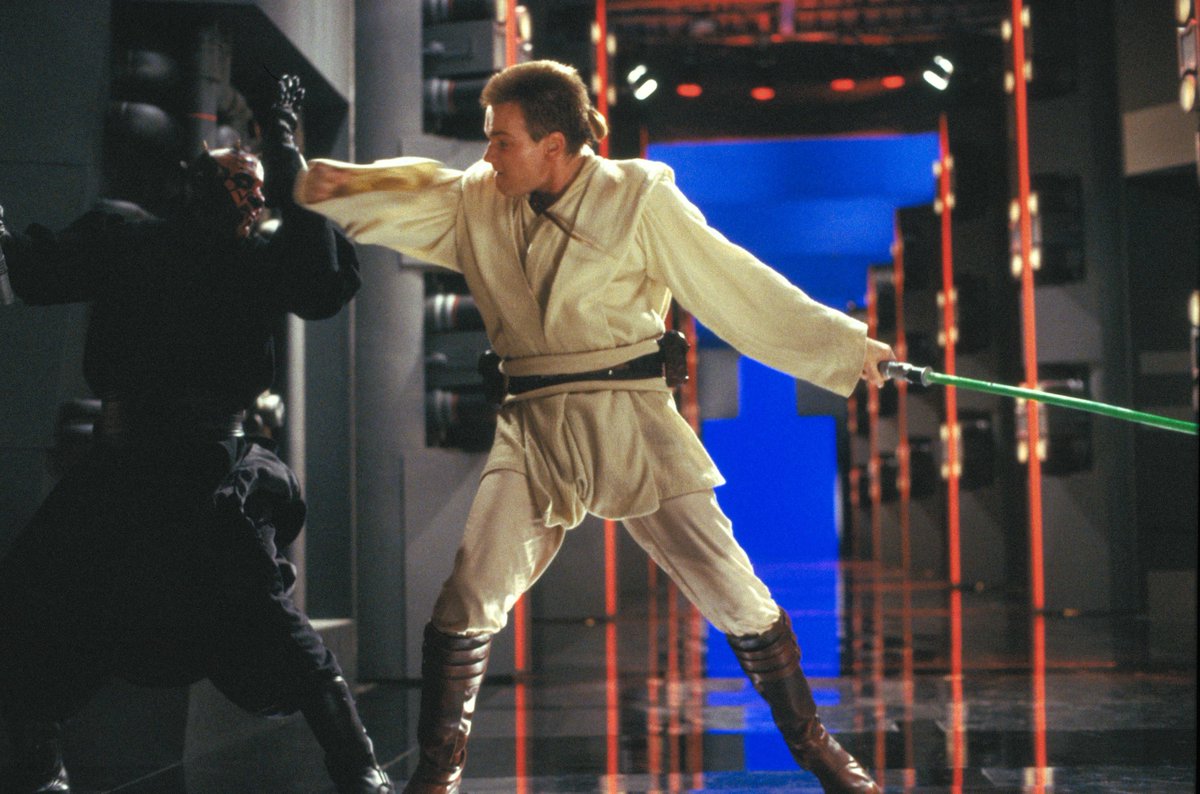

Over 300 aluminium lightsaber blades were built for rehearsals. To create the shot where Obi-Wan is knocked off a platform by Maul, McGergor’s stunt double Andreas Petrides fell 80 feet onto a 15-foot-high airbag, which he called "the biggest airbag we've got in the UK."
58/65
58/65


The original plan was for Maul to simply fall down the chute in one piece but Lucas said “If people like him enough, they're going to assume he gets out of it. So I cut him in half to say this guy's gone, he's history, he ain't coming back. I'll come up with another apprentice."
59/65
59/65


The hype was unprecedented. When the first trailer released, theaters reported 75% of their audiences paying for a movie, then walking out after The Phantom Menace trailer finished. As such, many theaters took to playing the trailer again, after the movie finished.
60/65
60/65
The film released and, predictably, was a mega hit. On a budget of £150m, it grossed $924m at the box office (second only to Titanic) and was nominated for 3 Oscars. The positivity didn’t last…
61/65
61/65


Within weeks, the public had turned on the film. Lucas’ writing/direction and Jake Lloyd’s performance as Anakin were roundly slammed. Lloyd retired from acting (citing bullying) and would later experience mental health issues.
62/65
62/65

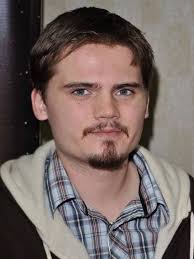
It didn’t stop there. Watto and the Neimoidians were called racist Jewish and Chinese stereotypes. And Jar Jar was called unfunny at best, and a racist, African-American stereotype at worst. Ahmed Best said it got so bad that he considered suicide.
63/65
63/65


In more recent years though, things have got better. A reappraisal of the prequels has resulted in (some fans) becoming fans of The Phantom Menace and both Lloyd and Best have attended conventions to mingle with fans. So things are looking up.
64/65
64/65
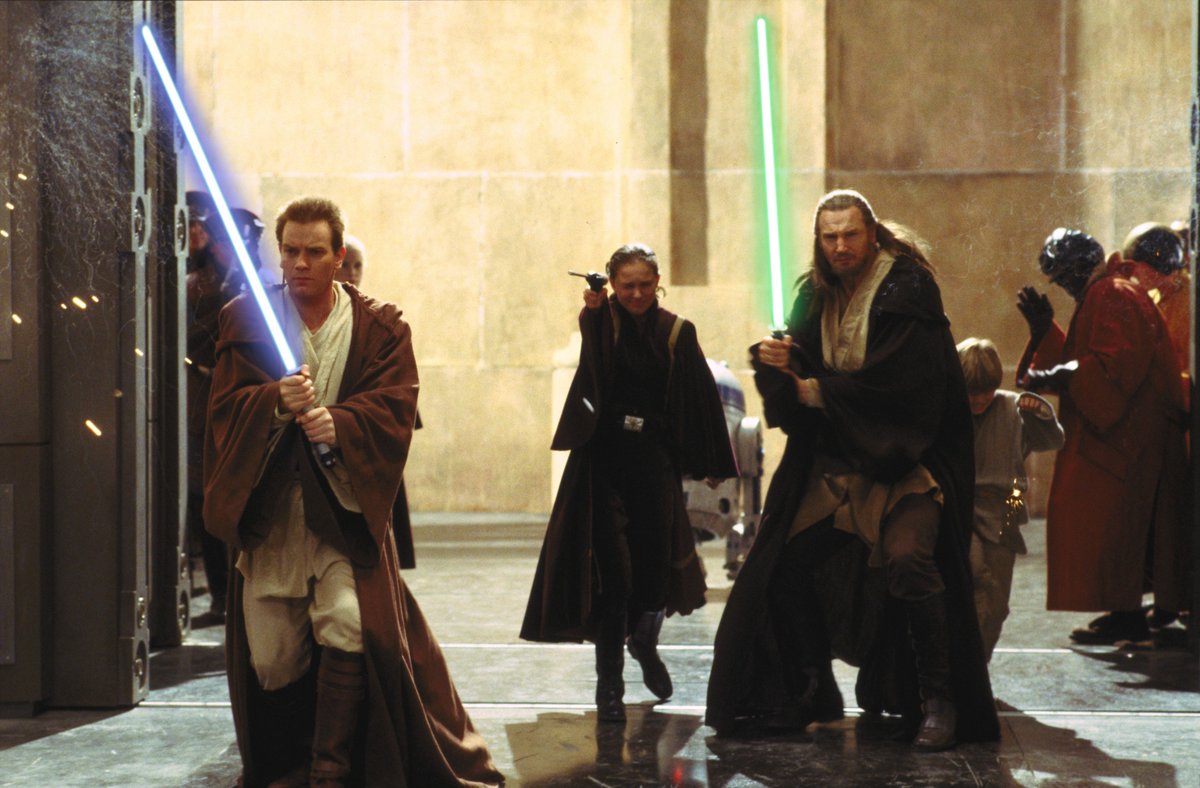

Finally… despite the levels of security around the production, there was a bit of a screw up. The soundtrack released two weeks before the film and featured a couple of tracks that spoiled the ending, called Qui-Gon's Noble End and Qui-Gon's Funeral.
65/65
65/65
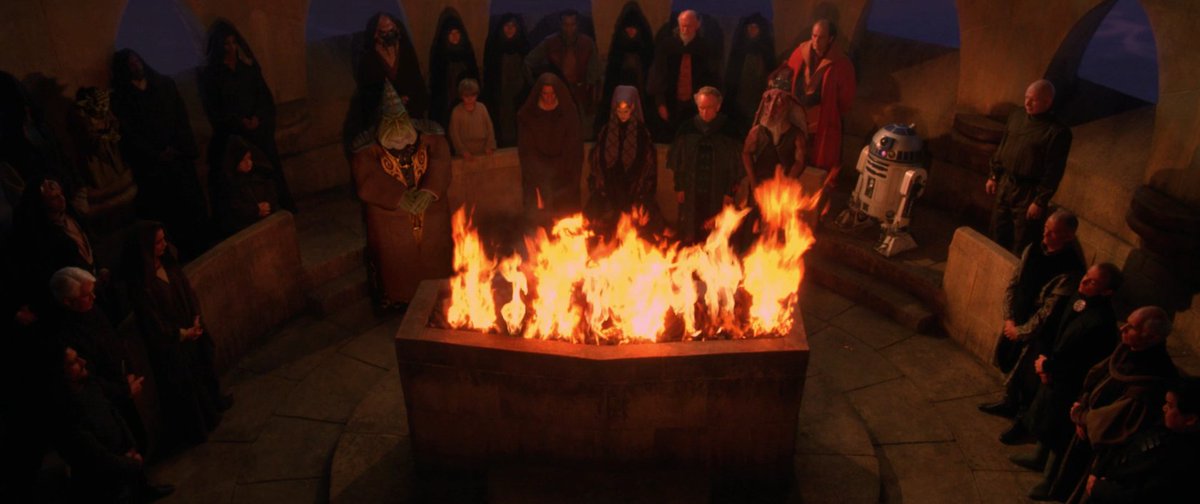

If you liked our story on the making of THE PHANTOM MENACE, please share the opening post…
https://x.com/ATRightMovies/status/1924429880843714747
Our latest podcast is on SICARIO. Full of big laughs and opinions so please give it a listen.
alltherightmovies.com/podcast/sicari…
alltherightmovies.com/podcast/sicari…
• • •
Missing some Tweet in this thread? You can try to
force a refresh