The Incredible Story of Ravindra Kaushik India’s 'Black Tiger'
A Thread on a brave RAW agent who became a nightmare for Pakistan!
Ravindra Kaushik, born on April 11, 1952, in Sri Ganganagar, Rajasthan, was a gifted actor and debater. His performances, especially a mono-act portraying an Indian Army officer resisting enemy interrogation, caught the attention of India's intelligence agency, RAW.
At 23, Kaushik was recruited by RAW. He underwent rigorous training in Delhi, mastering Urdu, Islamic customs, and Pakistani social norms. He adopted the identity 'Nabi Ahmed Shakir,' and underwent circumcision to solidify his cover.
In 1975, Kaushik infiltrated Pakistan. He earned an LLB from Karachi University and joined the Pakistan Army's Military Accounts Department, eventually rising to the rank of Major. He married a local woman named Amanat and had a daughter.
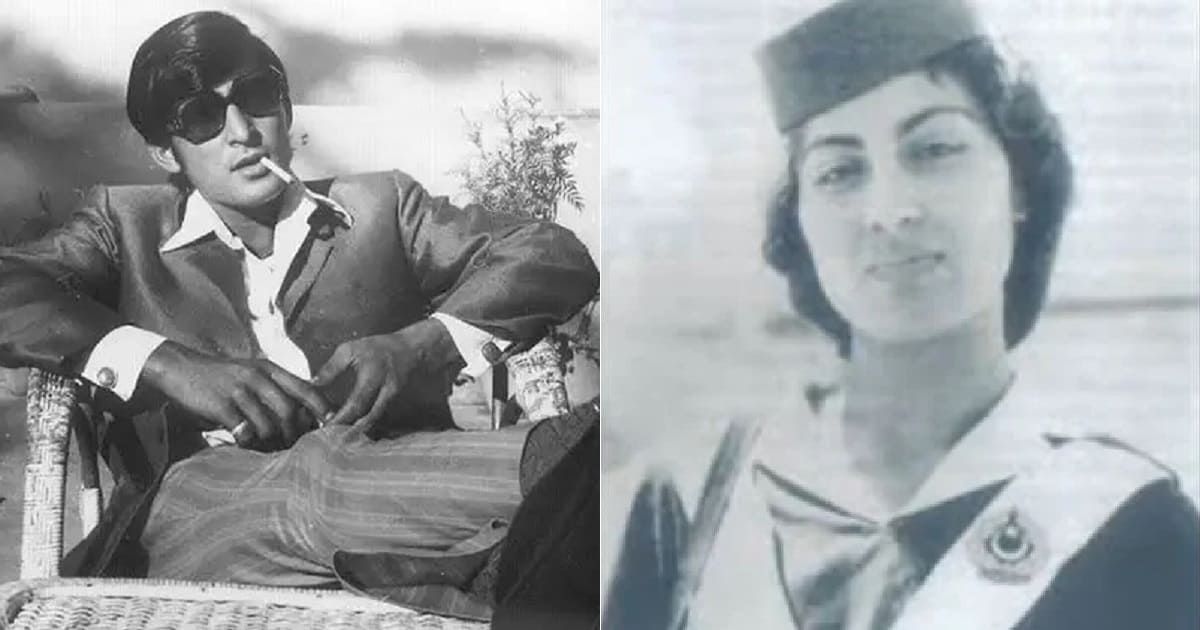
Between 1979 and 1983, Kaushik provided India with invaluable intelligence, reportedly saving thousands of lives. His exceptional service earned him the codename 'Black Tiger' from then-Prime Minister Indira Gandhi.
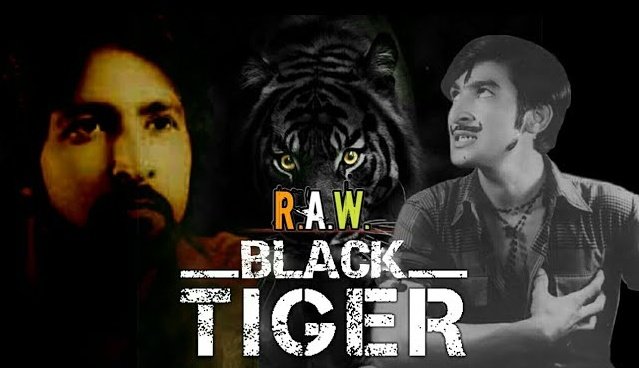
In 1983, Kaushik's cover was blown when another RAW operative, Inyat Masiha, was captured and revealed Kaushik's identity under interrogation. Kaushik was arrested, sentenced to death in 1985, but the sentence was later commuted to life imprisonment.

Kaushik endured 16 years in Pakistani prisons, including Sialkot and Mianwali jails. He died on November 21, 2001, in Multan Central Jail. He was buried behind the prison.
Despite his sacrifices, Kaushik's contributions remained largely unrecognized. His family has sought acknowledgment and support, highlighting the challenges faced by the unsung heroes of intelligence services.
Ravindra Kaushik's legacy as 'The Black Tiger' serves as a testament to the bravery and dedication of spies who operate in the shadows, often without recognition, to safeguard national security.
Follow @ranvijayT90 for more Facts ✨️
• • •
Missing some Tweet in this thread? You can try to
force a refresh

The first thread in history till date that will shock you!
Naag Lok lies deep in the Paatal Lok, described in the Vishnu Purana & Mahabharata. It is a subterranean realm filled with shining palaces of jewels where the Nagas dwell, ruled by Ananta Shesha & Vasuki.
The entrance to Naag Lok is said to exist in hidden caves, deep rivers, and sacred mountains. The Garuda Purana mentions gateways submerged under mighty oceans, guarded fiercely to prevent intruders.
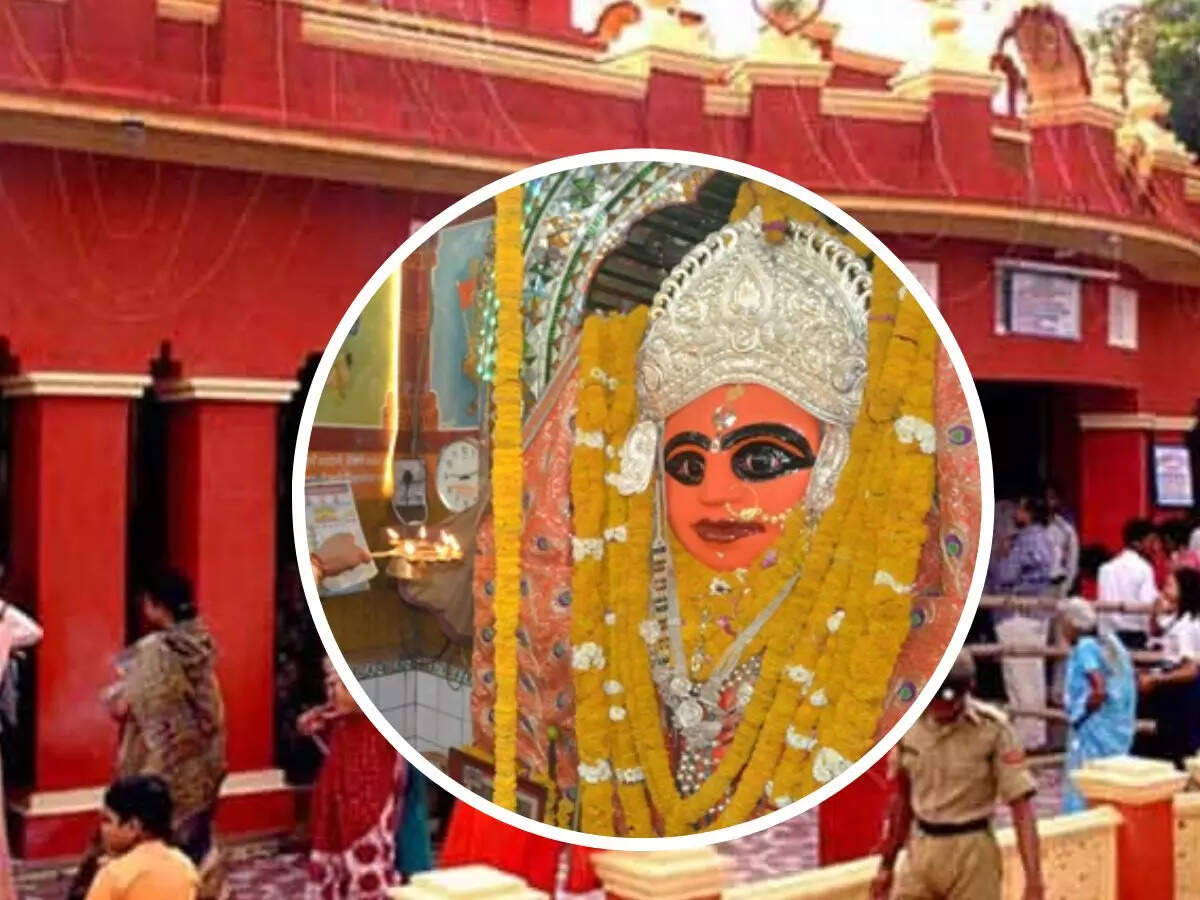
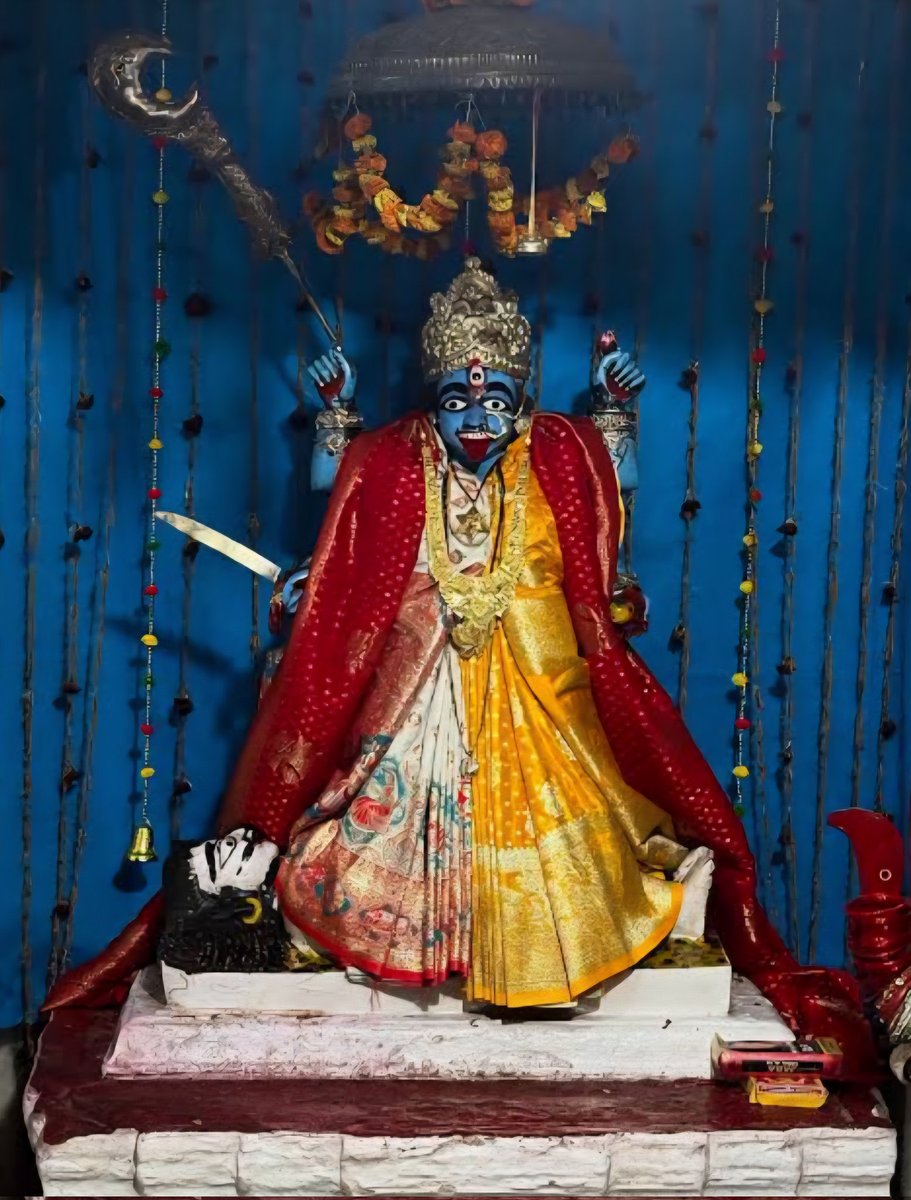
This thread on Dakshineswar Kali Temple will give you goosebumps!
In the heart of Dakshineswar Kali Temple stands the Panchavati grove. Five sacred trees, planted by Rani Rashmoni, radiate an aura that words can barely hold. A space where every leaf feels like a prayer to the Maa.
Sri Ramakrishna chose this grove as his seat of meditation. Under its shade, he entered samādhi and spoke with the Divine Swaroop of Maa as if She were before him. The soil remembers the touch of his sacred ecstasy.
The Somnath Jyotirlinga has always been surrounded by mystery. Ancient texts describe it as a self-manifested Shivling that radiated divine energy. Legends say it was unlike any other murti ever seen in history.
Arab and Persian chronicles recorded that the Shivling at Somnath appeared to float in the air. It did not rest on the ground or any base. Many believed it was held by magnetic forces, a science far ahead of its time.
Hanuman Garhi: The Hidden Energy Vortex of Ayodhya
This thread will give you goosebumps!
Hanuman Garhi in Ayodhya is more than a sacred temple. It is believed by yogis and seekers to be one of Bharat’s hidden energy vortex points, a place where divine frequencies flow continuously through the land.
Such sites are known for subtle electromagnetic currents, astral harmonics, and deep spiritual vibrations. Hanuman Garhi’s presence has often caused sensations of stillness, goosebumps, and inner quiet in those who approach it with devotion.
An old couple, weak and childless, began the yatra to Maa Vaishno Devi. They had little strength, no food, and only faith in their hearts. Each step was a test, yet they whispered “Jai Mata Di” as their only support.
Midway up the steep path, their legs gave out. They sat under a tree, crying quietly. Hunger burned, but they had no money to buy food. With folded hands, they prayed from the heart, “Maa, let us see you once before we die.”