Culture Explorer Profile picture
May 20, 2025 13 tweets 5 min read Read on X
May 20, 325 AD — a Roman emperor convenes 300 bishops in a town called Nicaea.

The goal?
To define who Christ really is.

This council didn’t just change Christianity. It redefined the empire itself.

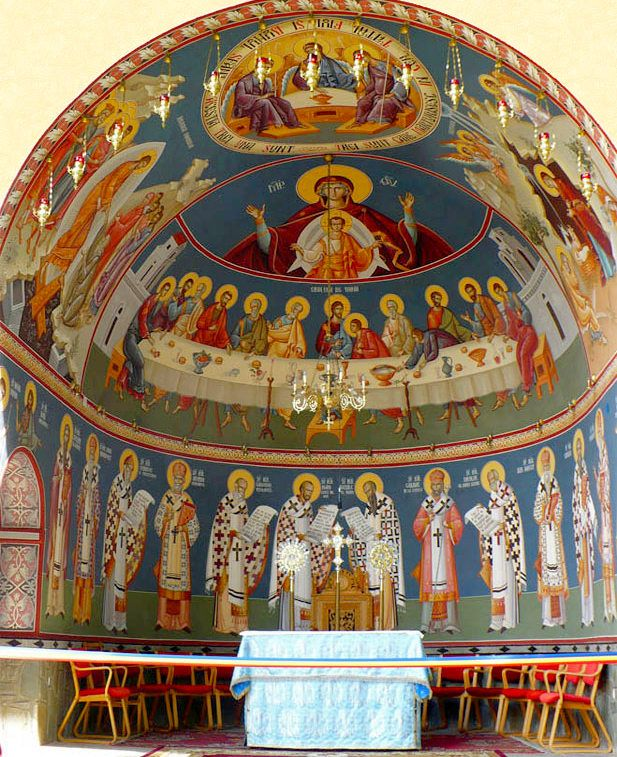
Let’s break down what actually happened at Nicaea... 🧵 The Second Vatican Council (October 11, 1962) Photo By Anne Smith
The emperor was Constantine.

Not a bishop. Not a theologian. A general who claimed victory by a divine vision.

Now he faced a different kind of war: Christians were turning on each other over Christ himself.

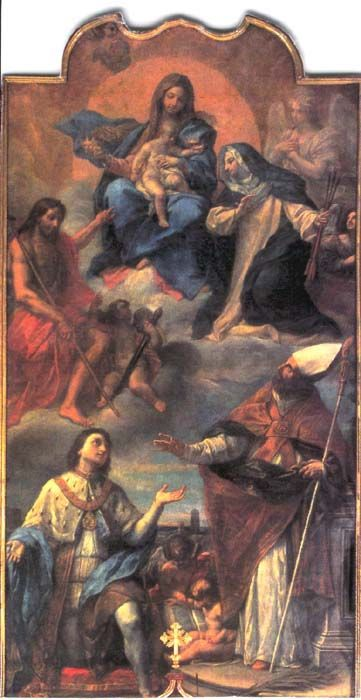
And he wanted unity or else. The Vision of Constantine, Gian Lorenzo Bernini, 1662-1670
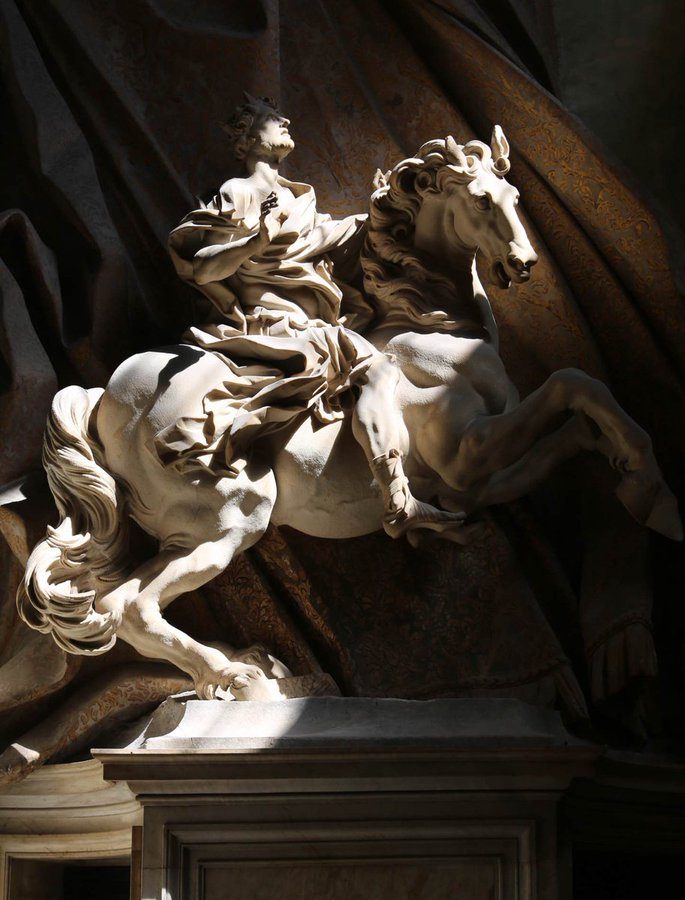
The crisis? A priest named Arius had a dangerous idea:

That Christ was not eternal. That he was created.

If Christ was a created being, he was not equal to God the Father.

To many bishops, this was spiritual treason. But to others, it made logical sense. Fictitious depiction of Arius
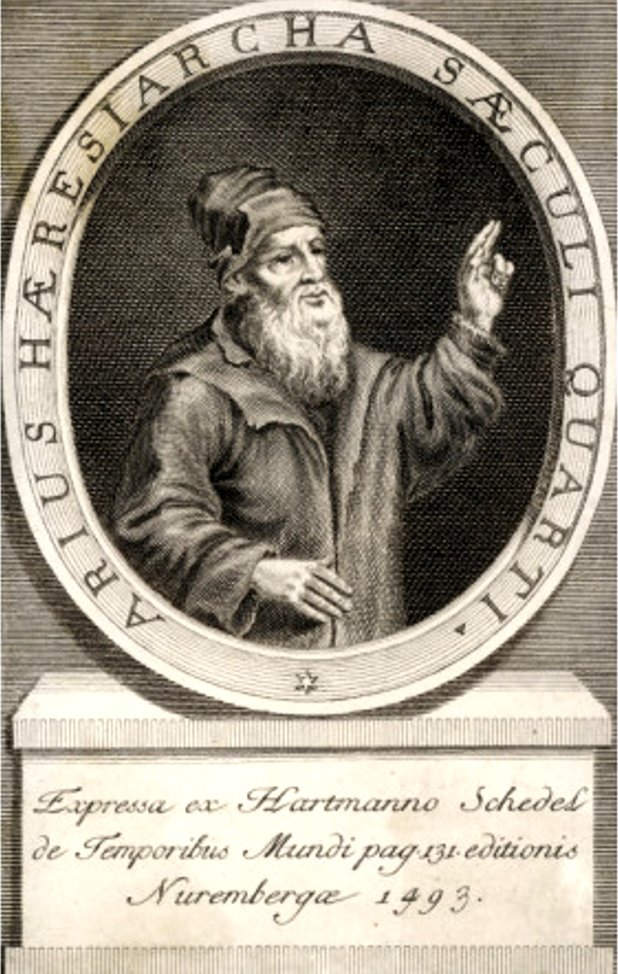
Constantine didn’t care about theological subtleties — at first.

He called the Council to restore peace in the Church, not to craft doctrine.

He even dismissed the dispute as “childish” and sent a letter urging everyone to get along.

He was about to get an education. Icon depicting the Emperor Constantine and the bishops of the First Council of Nicaea (325) holding the Niceno–Constantinopolitan Creed of 381
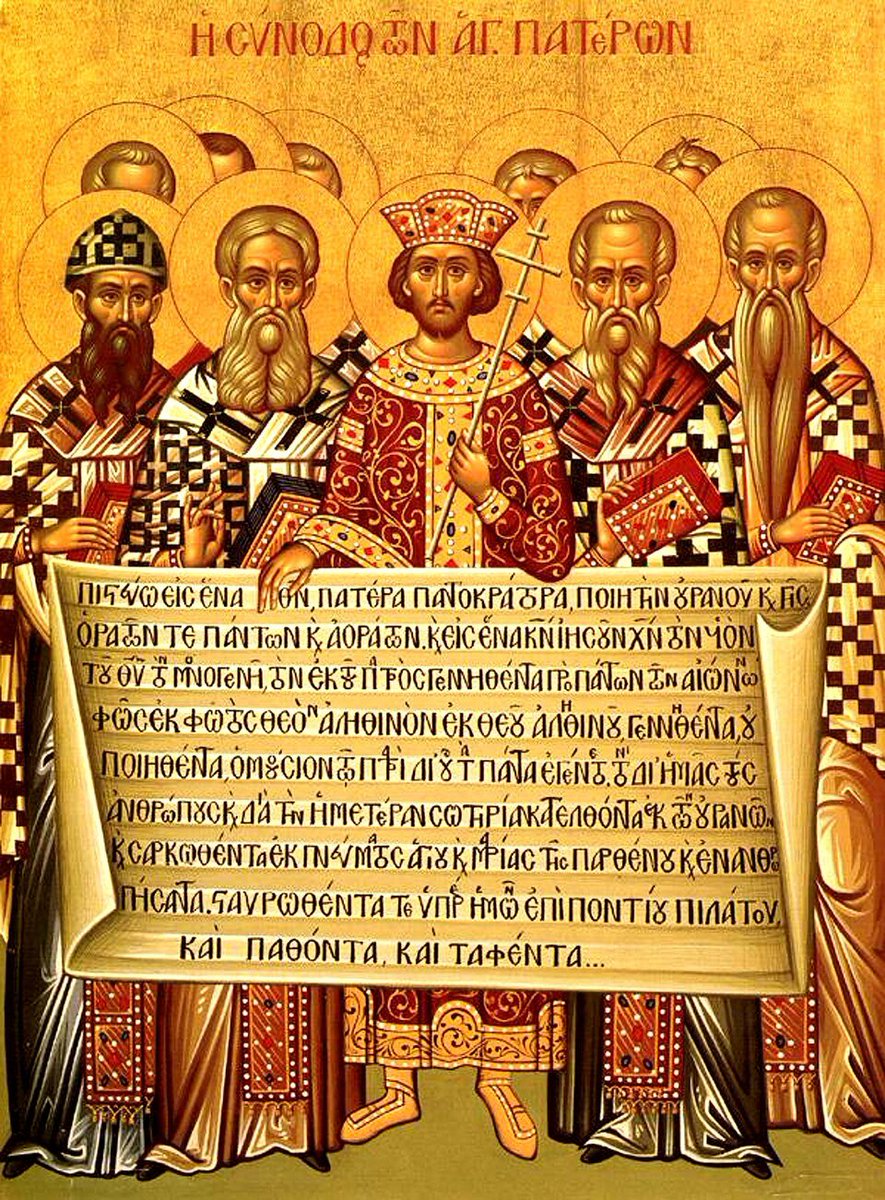
At Nicaea, Constantine sat among bishops as they debated one question:

Is the Son of God of the same substance as the Father?

The Greek word at the heart of it all: homoousios.

It meant Christ wasn’t just like God. He was God. Image
Most bishops were hesitant. The term wasn’t from Scripture. It had never appeared in any creed.

But Constantine pushed for it anyway.

According to eyewitness Eusebius, it was Constantine himself who insisted the word be used.

That moment changed Christian doctrine forever. Image
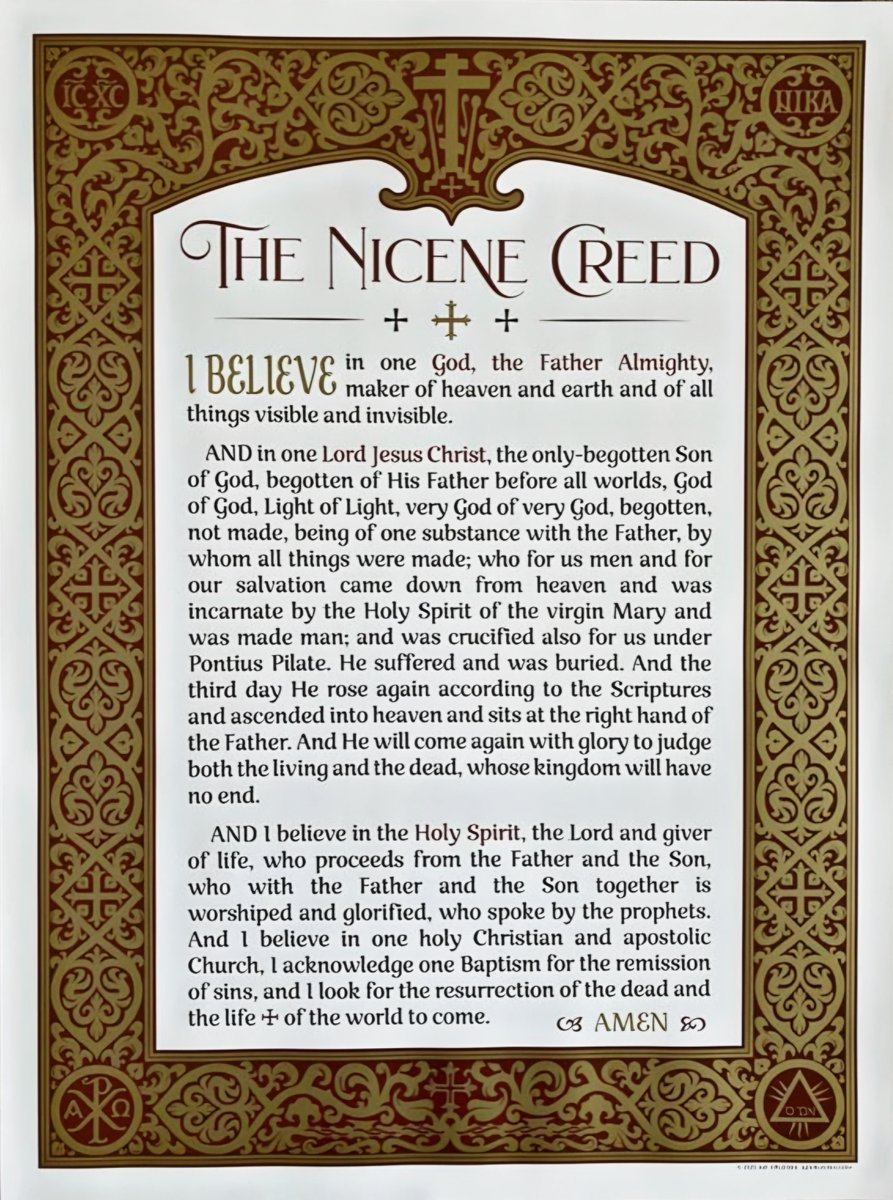
The final result? A creed. The first of its kind.

It declared Christ as “God from God, Light from Light, true God from true God… begotten, not made, of one substance with the Father.”

It anathematized Arius’ teaching, and anyone who said “there was a time when the Son was not.”Image
But Constantine didn’t stop there.

He enforced the decision by imperial decree. He exiled Arius. He burned his writings.

It was the first time in history that heresy was punished not just by bishops, but by the emperor himself.

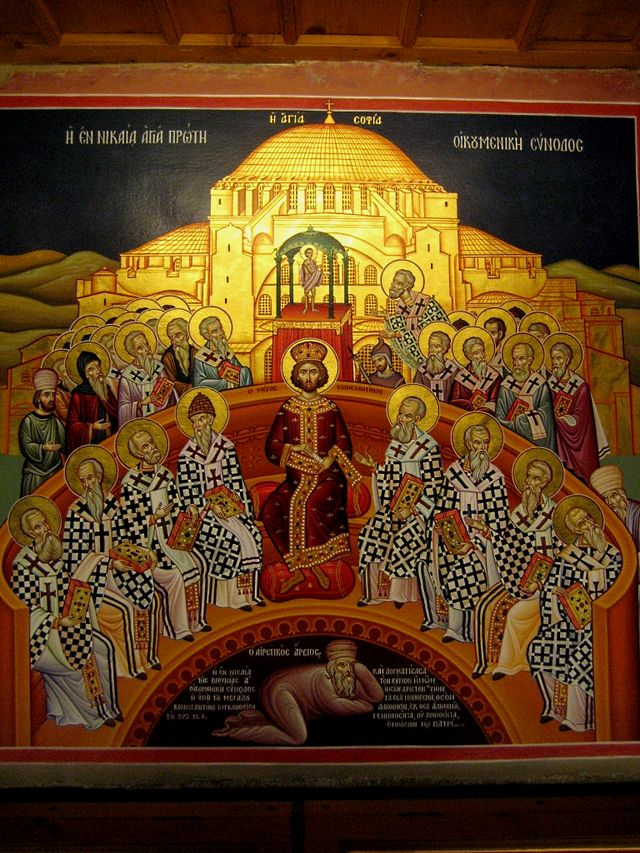
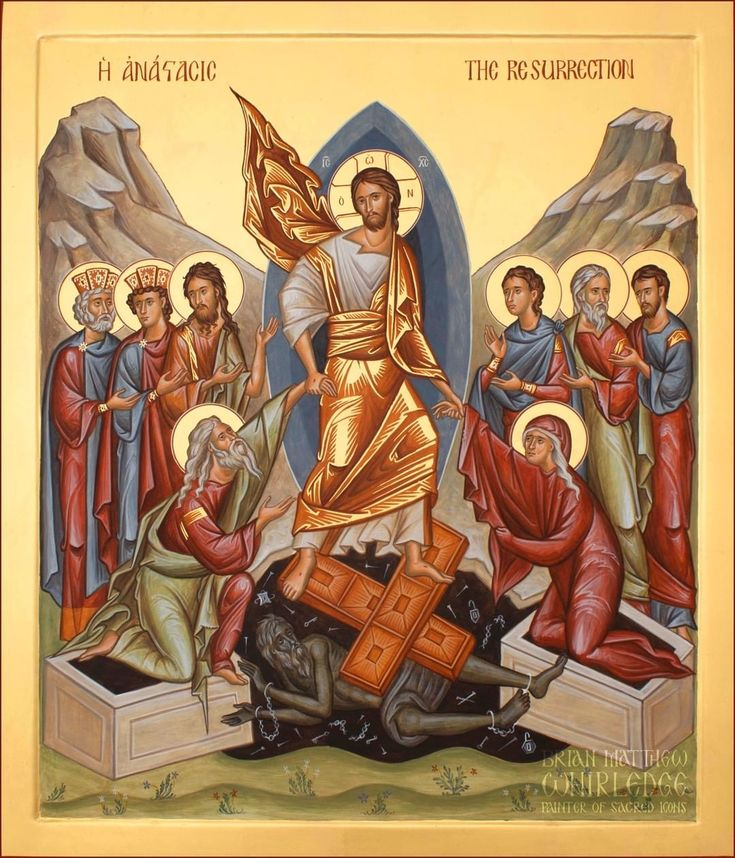
Church and state had just merged. The Council of Nicaea, with Arius depicted as defeated by the council, lying under the feet of Emperor Constantine. The Hagia Sophia is in the background of the icon.
Was Constantine sincere?

Scholars debate it. But what’s clear is this:

Before Nicaea, Constantine spoke of a vague “Supreme Divinity.”

After Nicaea, he called Christ “our Savior.”

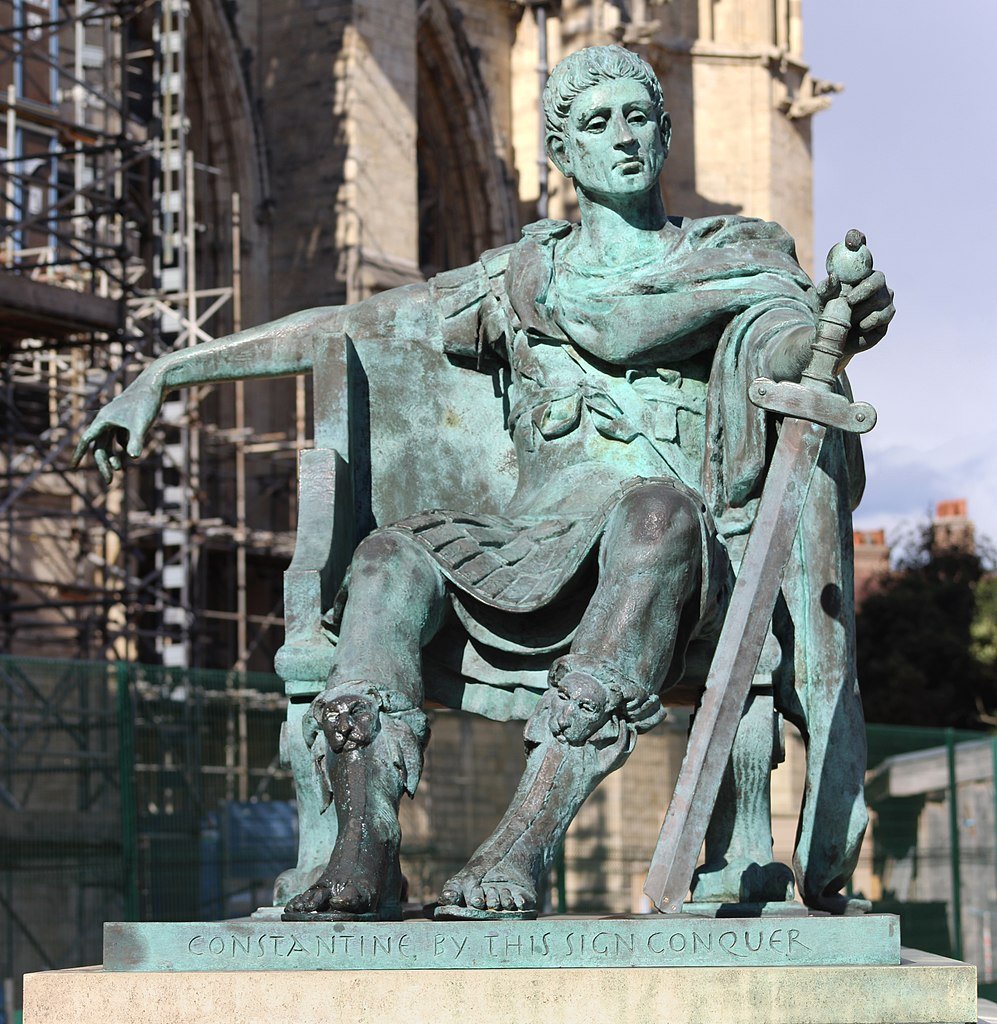
He even wrote that Christ had brought peace to the world through his Passion. Modern bronze statue of Constantine I in York, England, near the spot where he was proclaimed Augustus in 306  Chabe01 • CC BY-SA 4.0
Nicaea wasn’t the end of the story.

The Arian controversy would rage for decades. Emperors would flip sides. Bishops would be exiled and reinstated.

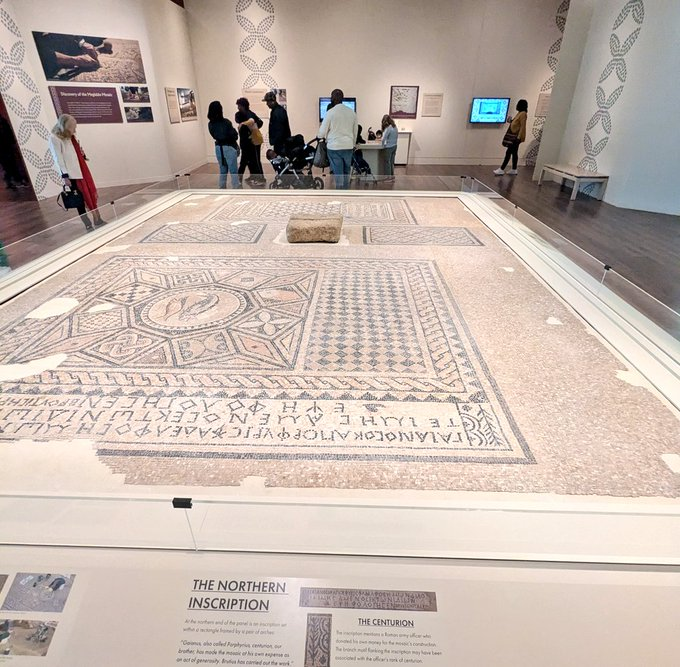
But the core statement from Nicaea — that Christ was consubstantial with the Father — never went away. 100 years before the Nicean Creed affirmed the divinity of Christ, Brutius built this mosaic floor "to God Jesus Christ".  See it for yourself on the 5th floor of The Museum of The Bible. Credit: @familyvisitdc Jonathan Meyer.
Today, that creed is still recited every Sunday by millions across the world.

It began in a pagan imperial palace.

It was shaped by politics, passion, and a theological gamble.

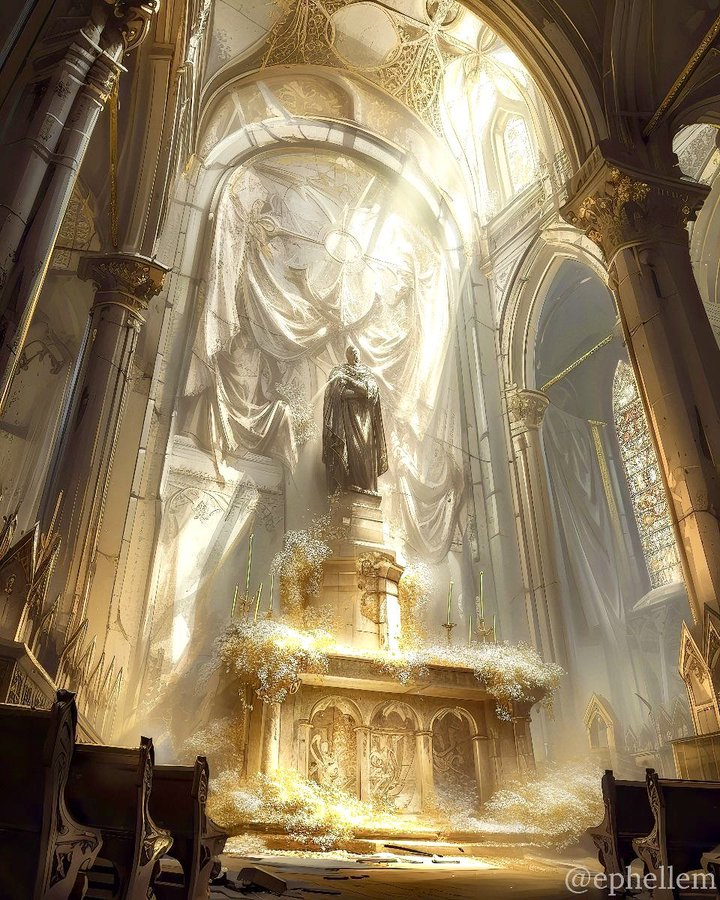
And it was led by a man with no theological training but absolute power. Image
What Constantine learned at Nicaea wasn’t just theology.

He learned that words can unite — or divide — an empire.

And he chose a word that would define Christianity for centuries:

Homoousios.

One substance. One faith. One God. Image
Follow @CultureExploreX for more threads on the crossroads of faith, history, and culture.
And subscribe to our newsletter:
newsletter.thecultureexplorer.comImage

• • •

Missing some Tweet in this thread? You can try to force a refresh

 

Keep Current with Culture Explorer

Culture Explorer Profile picture

Stay in touch and get notified when new unrolls are available from this author!

Read all threads

This Thread may be Removed Anytime!

PDF

Twitter may remove this content at anytime! Save it as PDF for later use!

Try unrolling a thread yourself!

how to unroll video
  1. Follow @ThreadReaderApp to mention us!

  2. From a Twitter thread mention us with a keyword "unroll"
@threadreaderapp unroll

Practice here first or read more on our help page!

More from @CultureExploreX

Feb 3
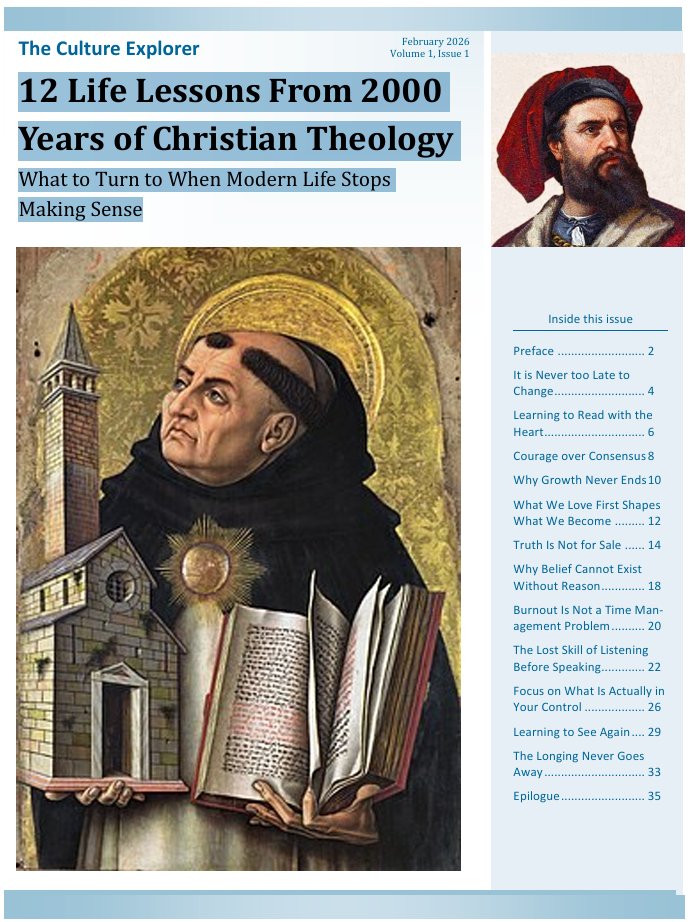
I didn’t turn to old Christian thinkers because I was looking for religion.

I turned to them because even though success answers many questions, it doesn’t tell you who you are becoming.

Here’s what 2,000 years of Christian thought taught me (🧵) about where to turn when modern life stops making sense.Image
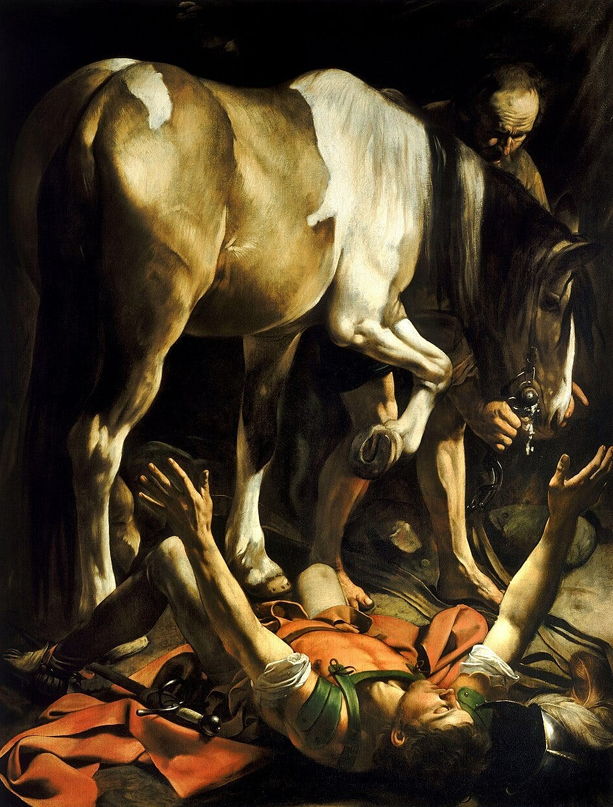
Paul of Tarsus is the worst place you’d expect wisdom from.

He spent years hunting Christians, convinced he was right. Then his entire identity collapsed.

His lesson isn’t about self-improvement. It’s this: It's never too late to change.

Artwork: Conversion on the Way to Damascus by Caravaggio (1601).Image
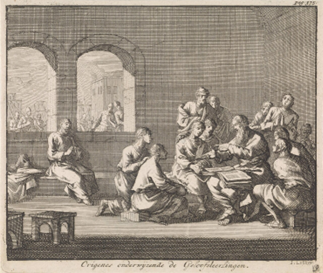
Origen of Alexandria lost his father to execution as a teenager.

Instead of hardening, he went deeper. He believed truth isn’t meant to be skimmed or consumed.

It’s meant to confront you where you’re avoiding yourself. Image
Read 16 tweets
Jan 9
What if I told you there’s a country with
more UNESCO sites than Egypt,
borders with 15 nations,
and empires older than Rome

yet the world reduces it to nukes and veils?

That country is Iran.
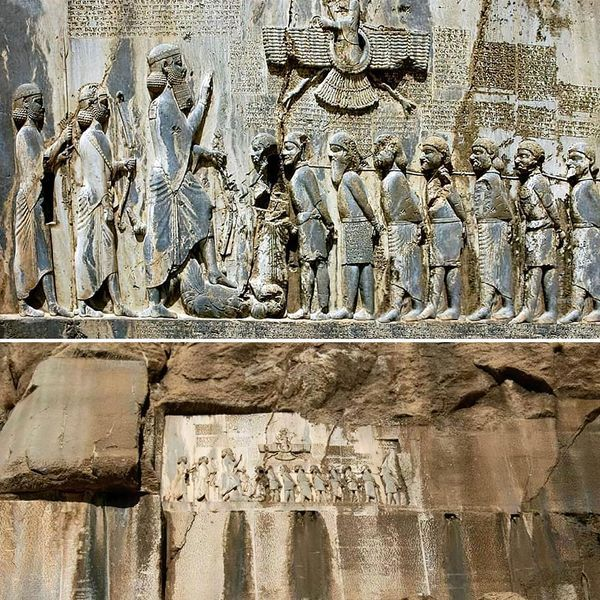
And most people have never really seen it. 🧵 Created around 520 BC, the Bisotun Inscription stands as a monumental testament to the ambition and authority of King Darius the Great of Persia.
Iran isn’t new.
It’s older than the name “Persia.”

Ērān, meaning “land of the Aryans,” was carved into stone nearly 1,700 years ago.
This identity existed long before modern borders.

But the world stopped listening.

“Persia” sounded beautiful.
“Iran” sounded dangerous.
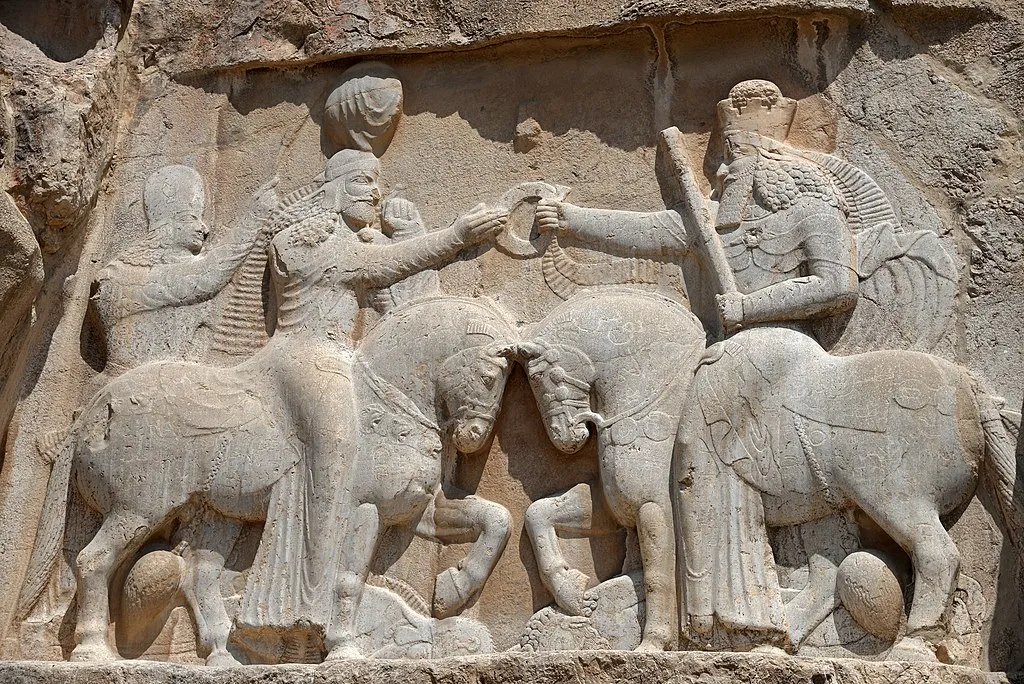
One became poetry. The other became a threat.A rock relief of Ardashir I (224–242 AD) in Naqsh-e Rostam, inscribed "This is the figure of Mazda worshipper, the lord Ardashir, King of Iran." Photo by Wojciech Kocot - Wikimedia, CC BY-SA 4.0.
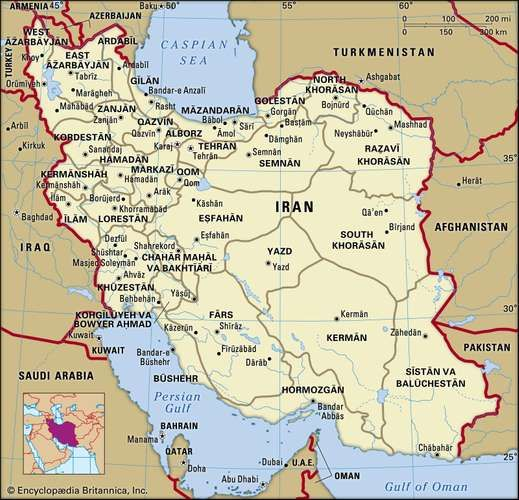
Iran spans deserts, forests, mountains, and coastlines.
It touches the Caspian Sea and the Persian Gulf.
It borders 15 countries.

It has always been a bridge and a battlefield.
Too strategic to ignore.
Too rooted to erase. Image
Read 13 tweets
Dec 19, 2025
Forget the predictable Christmas destinations.

If you want a December that actually feels like Christmas, these places still get it right.

Snow, bells, candlelight, and streets older than modern life itself.

Here are 23 European towns that turn Christmas into something real. 🧵⤵️Old Town Tallinn, Estonia Christmas Market
Tallinn, Estonia

One of Europe’s oldest Christmas markets, set inside a medieval square that time forgot. Credit: @archeohistories
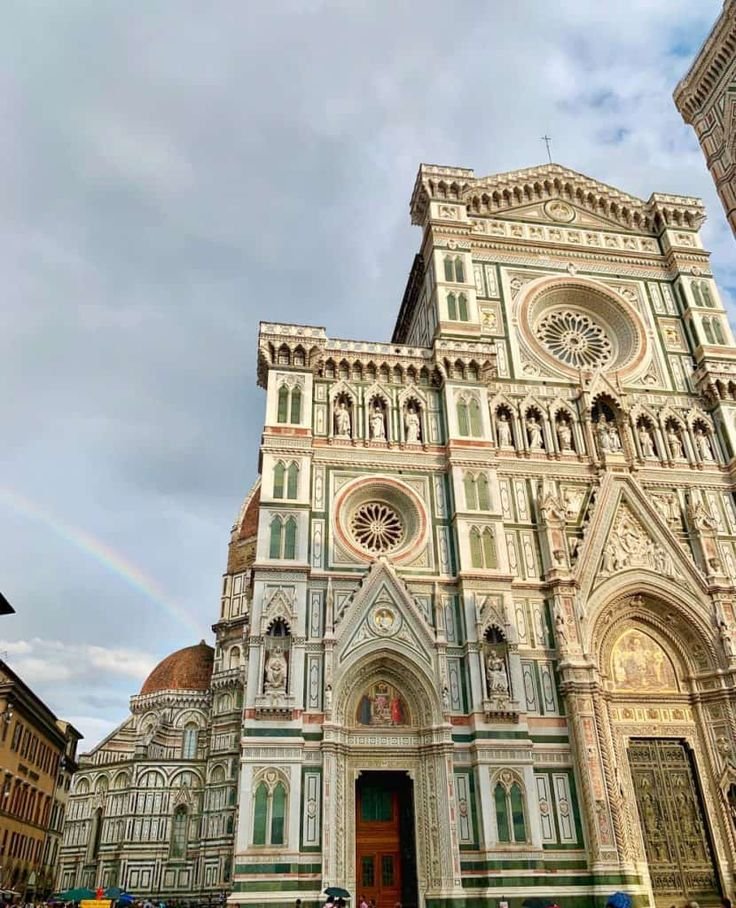
Florence, Italy

Renaissance stone glowing under festive lights. Christmas surrounded by genius. Credit: @learnitalianpod
Read 26 tweets
Dec 18, 2025
Christmas didn’t just change how people worship.

It rewired how the West thinks about identity, guilt, desire, reason, and the soul.

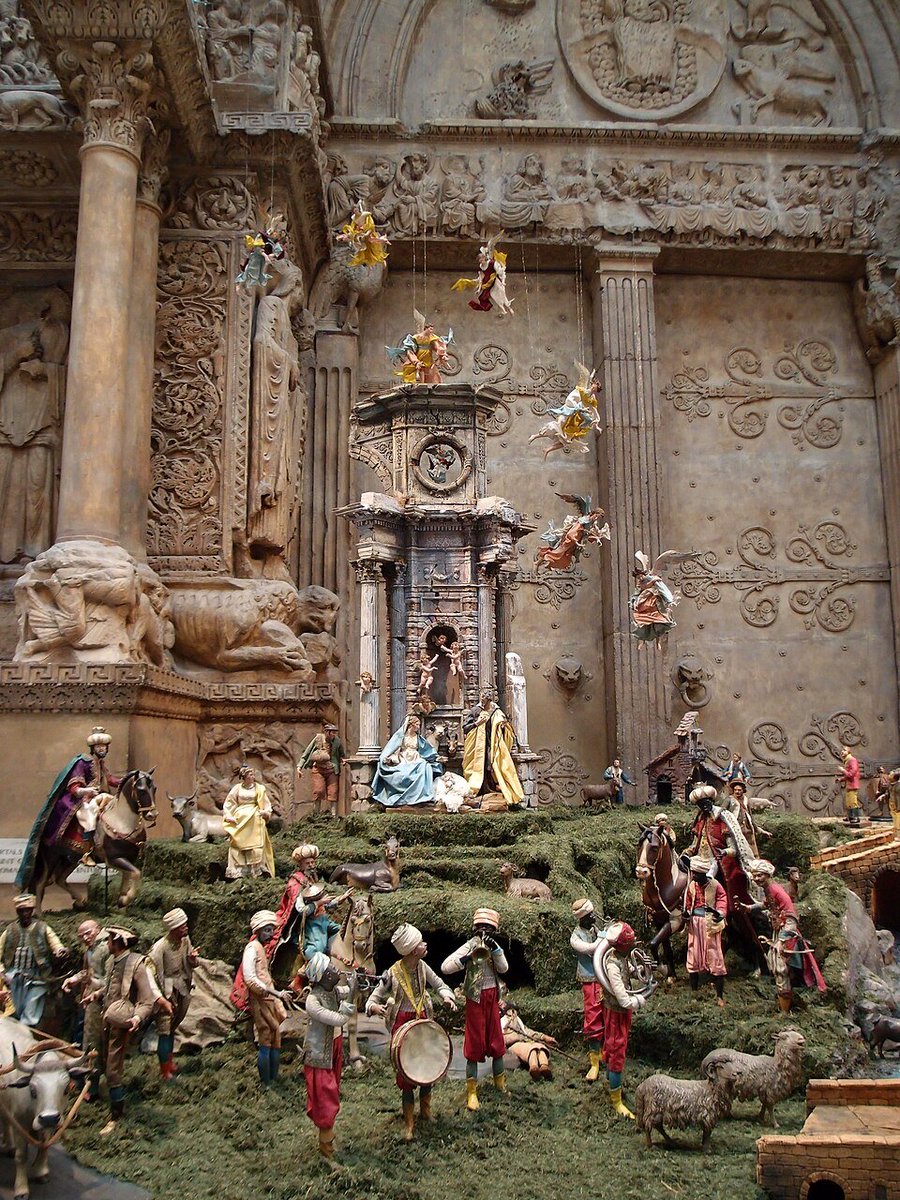
This thread traces the thinkers who quietly shaped your mind, whether you believe or not. 🧵 Neapolitan presepio at the Carnegie Museum of Art in Pittsburgh
Paul the Apostle did something radical in the first century.

He told people their past no longer had the final word. Not birth. Not class. Not failure.

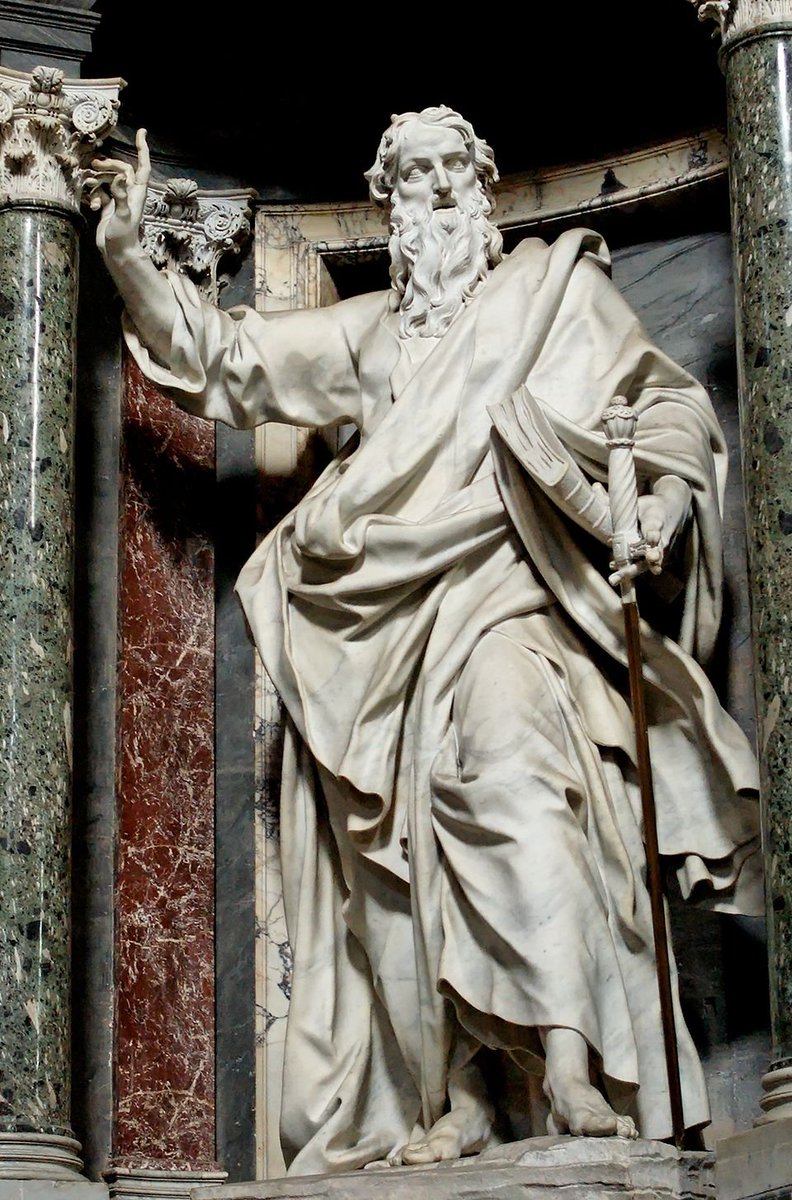
That idea detonated the ancient world. Identity became moral, not tribal. A statue of St. Paul in the Archbasilica of Saint John Lateran by Pierre-Étienne Monnot
Origen of Alexandria shocked early Christians by saying Scripture wasn’t simple on purpose.

He argued that God hid meaning beneath the surface.

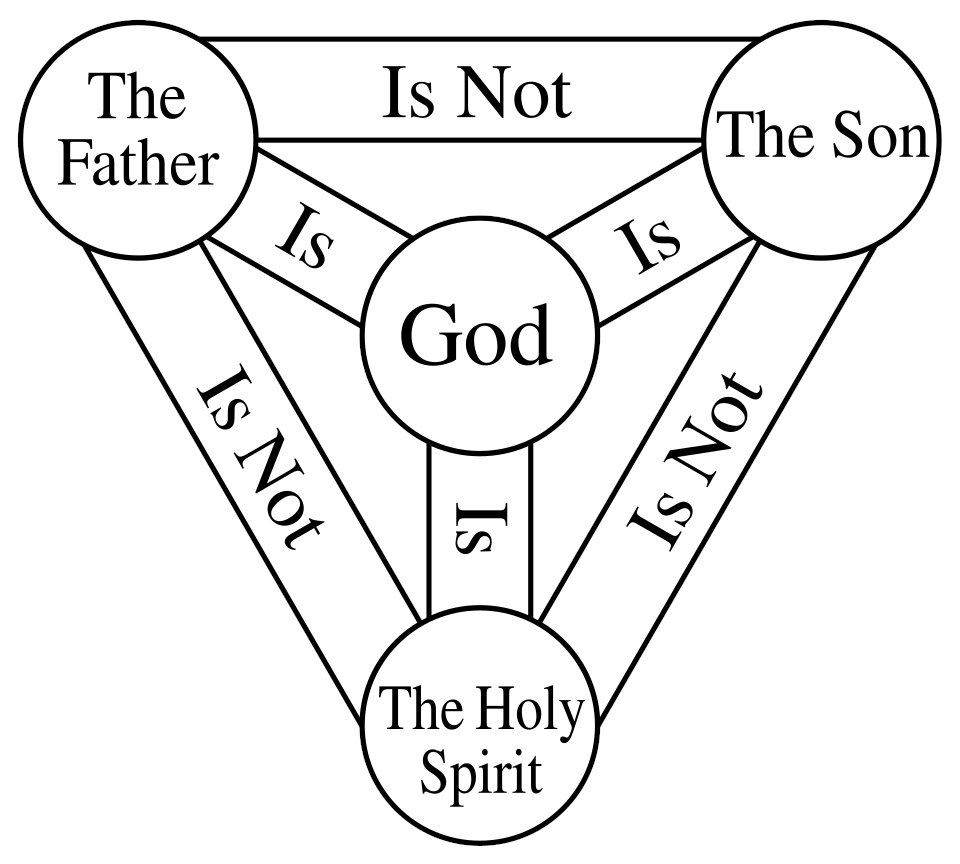
Truth, he said, rewards effort. If reading never costs you anything, you’re not reading deeply enough. Origen significantly contributed to the development of the concept of the Trinity and was among the first to name the Holy Spirit as a member of the Godhead
Read 17 tweets
Dec 10, 2025
We’ve been taught a false story for 150 years that Evolution erased God.

But evidence from science, psychology, and history points to a very different conclusion, one that almost no one is ready to face.

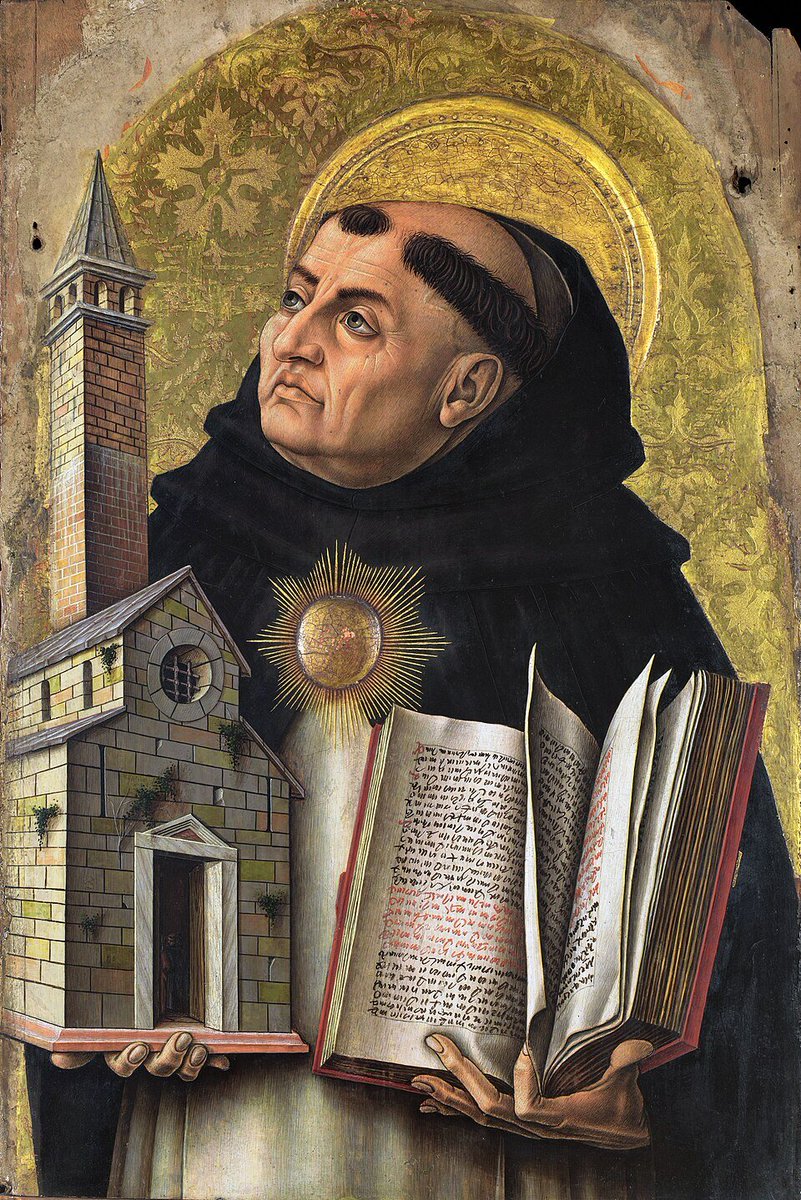
Nature produced a creature that refuses to live by nature’s rules. 🧵 During the 13th century, Saint Thomas Aquinas sought to reconcile Aristotelian philosophy with Augustinian theology. Aquinas employed both reason and faith in the study of metaphysics, moral philosophy, and religion. While Aquinas accepted the existence of God on faith, he offered five proofs of God’s existence to support such a belief.
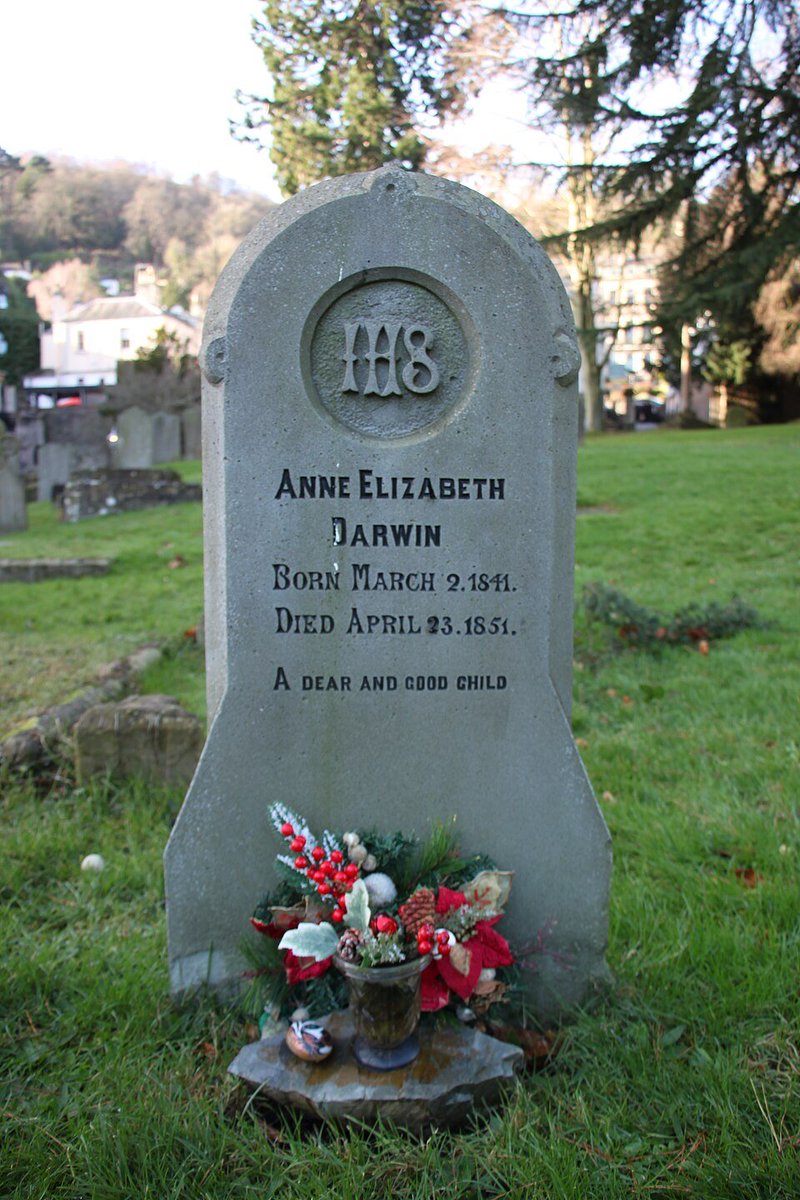
When Darwin buried his daughter Anne, he didn’t lose his faith because of fossils.

He lost it because he couldn’t square a good God with a world full of pain.

Evolution didn’t break him. Grief did. Anne Darwin's grave in Great Malvern.
But here’s something we often forget.

The same evolutionary world that frightened Darwin is the one that produced compassion, loyalty, sacrifice, and love.

Traits no random process should easily create.

Why did nature bother?
No one has a satisfying answer. Hugging is a common display of compassion.
Read 17 tweets
Nov 21, 2025
This inscription was carved into a cliff 2,500 years ago. At first glance you see a king towering over chained rebels.

But this isn’t a carving of victory. It’s a warning.

The ruler who ordered it was watching his world fall apart and trying to warn us that ours will too. 🧵 Image
He didn’t carve this to celebrate power.
He carved it because rebellion nearly shattered the world he ruled.

A man rose up claiming the throne. People believed him. Entire provinces switched allegiance overnight.

Reality and Truth were twisted. Loyalties changed.

The king wasn’t concerned with rebellion, rather he was concerned with confusion.The Behistun Inscription is a multilingual Achaemenid royal inscription and large rock relief on a cliff at Mount Behistun in the Kermanshah Province of Iran.  Photo By Korosh.091 - Own work, CC BY-SA 4.0
The purpose of the inscription was to leave lessons for future generations.

Lesson 1: A civilization dies the moment truth becomes optional.

His empire didn’t collapse because of war or famine. It collapsed because millions accepted a story that wasn’t real. And once people started believing the false king, the entire structure of society twisted with frightening speed.

Truth wasn’t a moral preference to him.
It was the ground everything stood on.
Read 16 tweets

Did Thread Reader help you today?

Support us! We are indie developers!


This site is made by just two indie developers on a laptop doing marketing, support and development! Read more about the story.

Become a Premium Member ($3/month or $30/year) and get exclusive features!

Become Premium

Don't want to be a Premium member but still want to support us?

Make a small donation by buying us coffee ($5) or help with server cost ($10)

Donate via Paypal

Or Donate anonymously using crypto!

Ethereum

0xfe58350B80634f60Fa6Dc149a72b4DFbc17D341E copy

Bitcoin

3ATGMxNzCUFzxpMCHL5sWSt4DVtS8UqXpi copy

Thank you for your support!

Follow Us!

:(