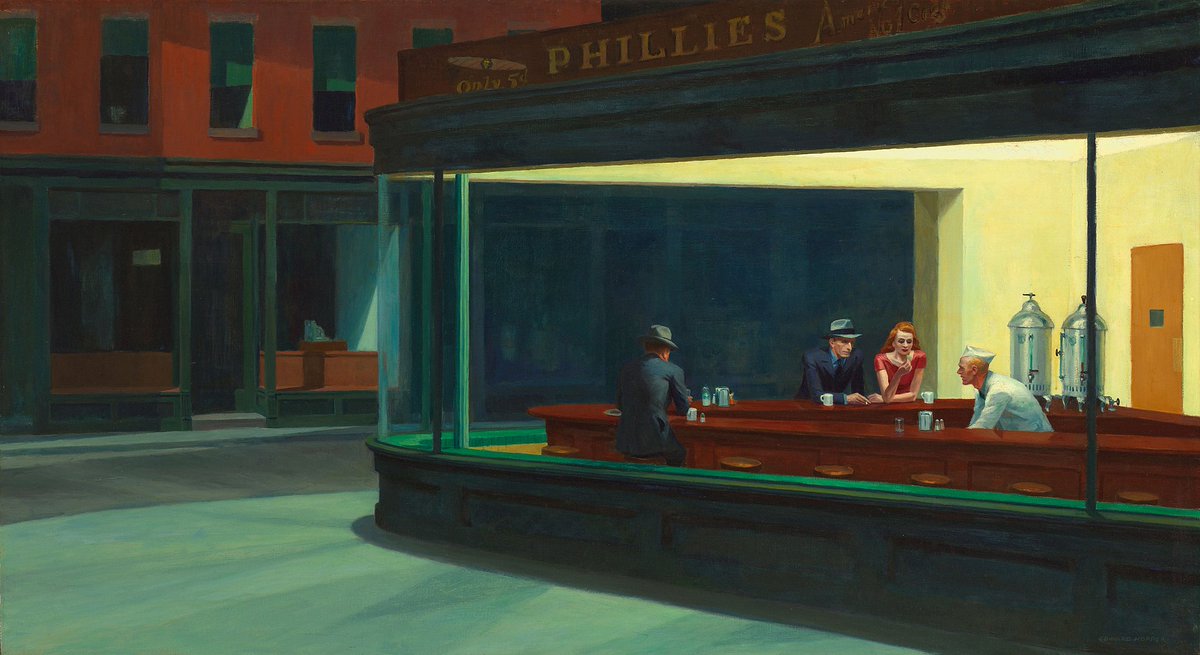
When Vincent van Gogh started painting he didn't use any bright colours — so what happened?
It isn't just about art.
This is a story about how we're all changed by the things we consume, the places we go, and the people we choose to spend time with...
It isn't just about art.
This is a story about how we're all changed by the things we consume, the places we go, and the people we choose to spend time with...

The year is 1881.
A 27 year old former teacher and missionary from the Netherlands called Vincent van Gogh decides to try and become a full-time artist, after being encouraged by his brother Theo.
What does he paint? The peasants of the countryside where his parents lived.
A 27 year old former teacher and missionary from the Netherlands called Vincent van Gogh decides to try and become a full-time artist, after being encouraged by his brother Theo.
What does he paint? The peasants of the countryside where his parents lived.

Vincent van Gogh's early work is unrecognisably different from the vibrant painter now beloved around the world.
Why?
Many reasons, though one of the most important is that he had been influenced by his cousin, the Realist painter Anton Mauve, who painted like this:
Why?
Many reasons, though one of the most important is that he had been influenced by his cousin, the Realist painter Anton Mauve, who painted like this:

Mauve tutored van Gogh in watercolours and oils and even lent him the money to set up a studio in the Hague.
So, in the early 1880s, under Mauve's guidance, van Gogh used darker colours and pursued a subdued, brooding, even grim sort of Realism.
So, in the early 1880s, under Mauve's guidance, van Gogh used darker colours and pursued a subdued, brooding, even grim sort of Realism.
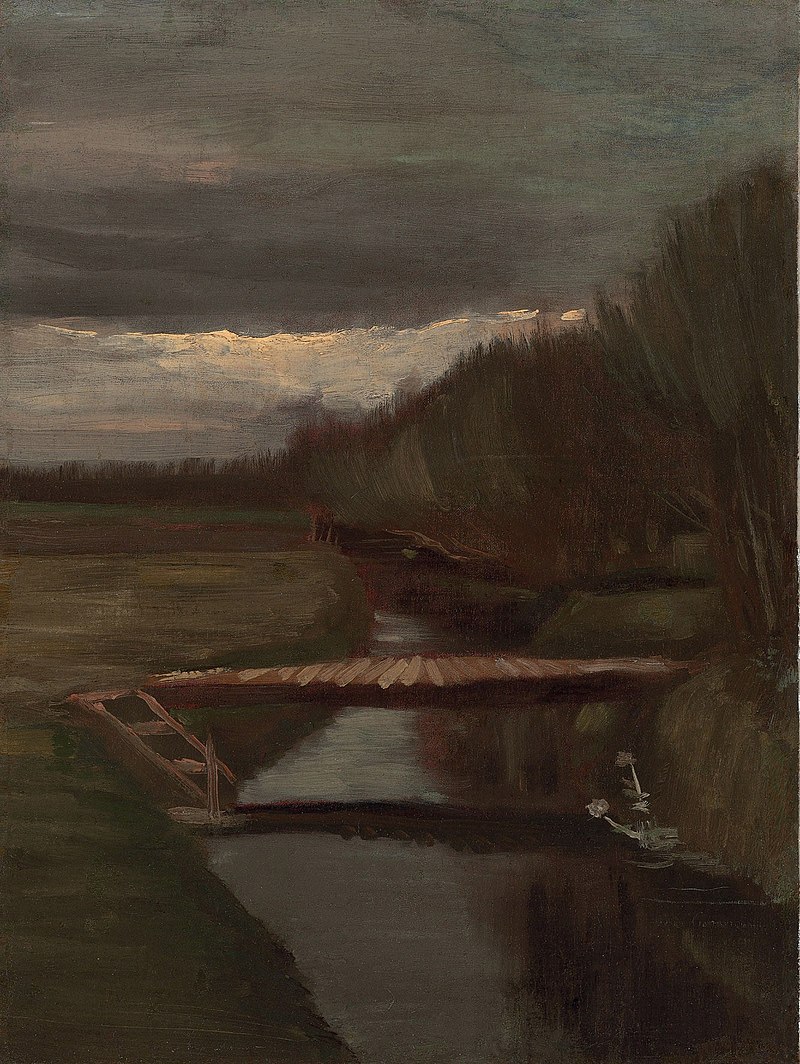
Toward the end of 1883, however, having fallen out with Mauve over his relationship with a prostitute, van Gogh went to live with his parents in a town called Nuenen.
There he made over 200 paintings of the farms and peasants that so fascinated him — still in that gloomy style.
There he made over 200 paintings of the farms and peasants that so fascinated him — still in that gloomy style.

Meanwhile Theo became an art dealer in Paris and, ever-supportive of his brother's dreams, tried to sell Vincent's work.
But people weren't interested.
Theo said they were too dark and advised Vincent to explore the brighter colours of Impressionism, which was then in fashion.
But people weren't interested.
Theo said they were too dark and advised Vincent to explore the brighter colours of Impressionism, which was then in fashion.

Well — Vincent went to Antwerp in Belgium, where he enrolled at the Academy of Fine Arts, in 1886.
There (perhaps unsurprisingly) he clashed with the teachers and their preference for traditional methods of academic art.
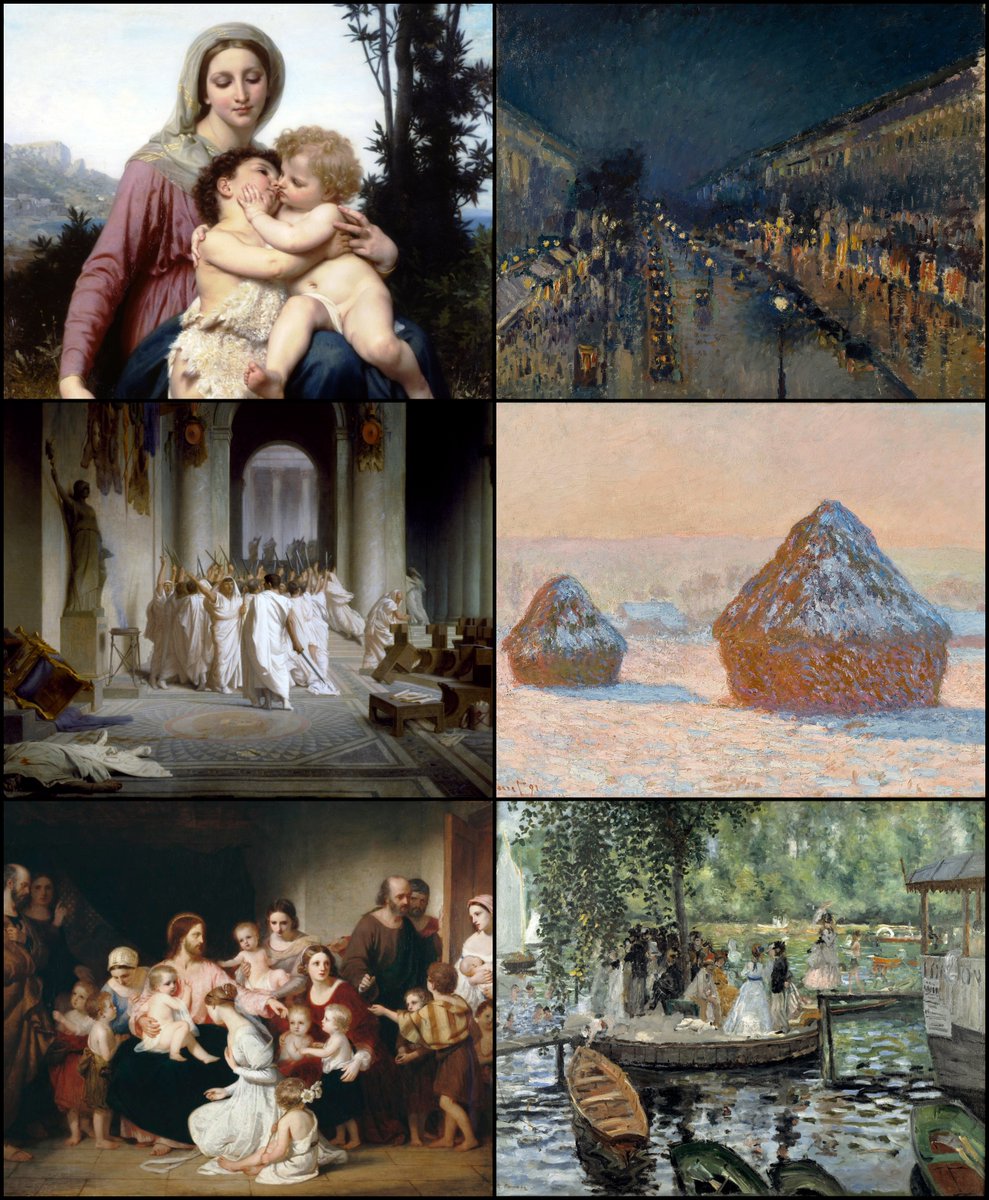
This was the sort of thing they painted:
There (perhaps unsurprisingly) he clashed with the teachers and their preference for traditional methods of academic art.
This was the sort of thing they painted:

Though, in Antwerp, van Gogh was also exposed to the art of the 17th century master Peter Paul Rubens, whose expressive colours and dynamic brushwork were an immense influence on the novice Vincent.
His artistic worldview was expanding.
His artistic worldview was expanding.
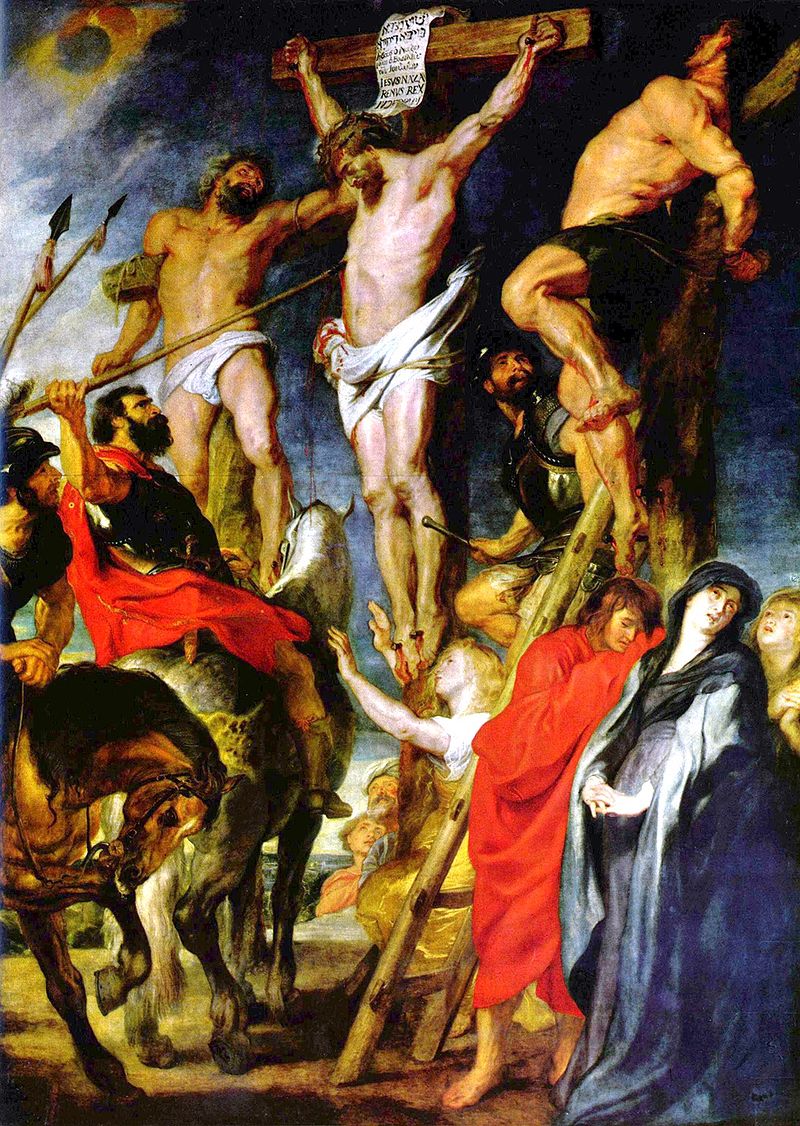
But in 1886, after just three fruitless and frustrating months at the Academy, van Gogh left Antwerp.
He went to live in Paris with Theo, where they rented a flat together on the Rue Lepic.
Everything was about to change...
He went to live in Paris with Theo, where they rented a flat together on the Rue Lepic.
Everything was about to change...
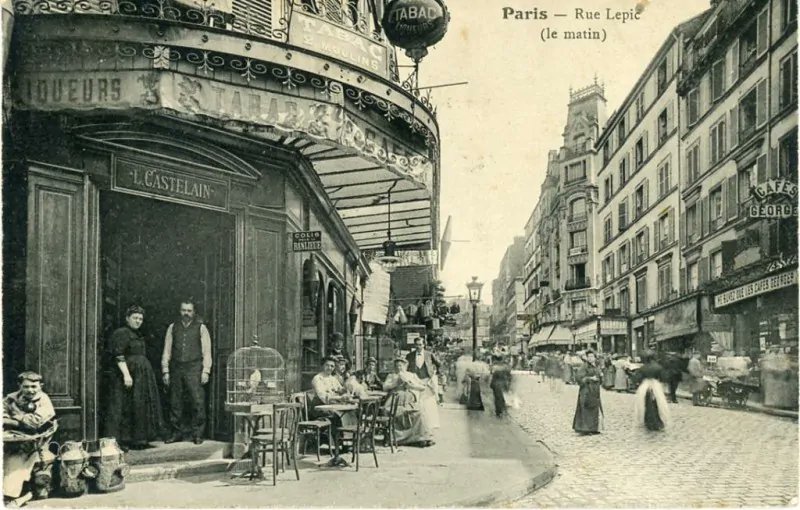
Theo was familiar with the Impressionists and Post-Impressionists working in Paris at the time — and he introduced Vincent to all of them.
He had suddenly become part of a thriving, rebellious, experimental community of artists.
The dream must have seemed closer than ever.
He had suddenly become part of a thriving, rebellious, experimental community of artists.
The dream must have seemed closer than ever.

While studying in Paris at the studio of a painter called Ferdinand Cormon, van Gogh met Henri de Toulouse-Lautrec (later famous for his Art Nouveau posters), who made a portrait of him.
It's easy to see how this new, much more colourful kind of art influenced Vincent.
It's easy to see how this new, much more colourful kind of art influenced Vincent.

And there was one painter in particular he admired, who died shortly after he came to Paris: Alphonse Monticelli.
Van Gogh wrote to the critic Albert Aurier that he owed everything to the flower paintings of Monticelli — and was soon inspired to start painting flowers himself.
Van Gogh wrote to the critic Albert Aurier that he owed everything to the flower paintings of Monticelli — and was soon inspired to start painting flowers himself.

During two years in Paris Vincent van Gogh either worked alongside or learned about painters like Paul Gauguin, Georges Seurat, Paul Signac, Émile Bernard, Paul Cézanne... the list goes on.
All were at the forefront of modern art — this was a long way from Mauve or the Academy.
All were at the forefront of modern art — this was a long way from Mauve or the Academy.

Whether through Pointillism or Cloisonnoism or Post-Impressionism — all experimental, progressive art movements — van Gogh absorbed the lessons of his fellow artists and started applying them.
And thus his work became bolder and more vibrant — colour was seeping in.
And thus his work became bolder and more vibrant — colour was seeping in.

Another colossal influence on van Gogh was Japanese art.
Japan had reopened its borders to international trade in 1854 and Europe was soon flooded with Japanese products.
Including ukiyo-e prints, the most famous of which is now Hokusai's Great Wave Off Kanagawa:
Japan had reopened its borders to international trade in 1854 and Europe was soon flooded with Japanese products.
Including ukiyo-e prints, the most famous of which is now Hokusai's Great Wave Off Kanagawa:

Ukiyo-e came from a wholly different artistic tradition.
They had bold colours, unusual perspectives, and depicted scenes from ordinary life — far from the Academic Art of Europe.
Van Gogh collected ukiyo-e, especially by Hiroshige, and even made his own versions of them:
They had bold colours, unusual perspectives, and depicted scenes from ordinary life — far from the Academic Art of Europe.
Van Gogh collected ukiyo-e, especially by Hiroshige, and even made his own versions of them:

All these modern artists used to gather at the shop of Père Tanguy, something like a father figure for them, or at the Café du Tambourin, run by Agostina Segatori.
They supported one another financially, held exhibitions, and (eventually) changed art forever.
They supported one another financially, held exhibitions, and (eventually) changed art forever.

In August 1888 van Gogh left Paris for the town of Arles, in southern France.
And there the artist now so famous finally emerged, reshaped by what he had learned in Paris.
From the dark and grim Realism of his early days to a world where colour reigned supreme:
And there the artist now so famous finally emerged, reshaped by what he had learned in Paris.
From the dark and grim Realism of his early days to a world where colour reigned supreme:

After leaving Arles van Gogh spent time in an asylum in Saint-Rémy; afterward he moved to Auvers-sur-Oise.
It was then, in his last year, that Vincent's art became even more vibrant, in which not only colour but the very shape of things became miraculously, furiously expressive.
It was then, in his last year, that Vincent's art became even more vibrant, in which not only colour but the very shape of things became miraculously, furiously expressive.

Vincent died in 1890 — his devoted brother Theo died just a few months later.
And so Theo's wife Jo inherited Vincent's art, which was still essentially worthless.
But she worked tirelessly to promote his art and life — it was thanks to Jo that van Gogh's legacy survived.
And so Theo's wife Jo inherited Vincent's art, which was still essentially worthless.
But she worked tirelessly to promote his art and life — it was thanks to Jo that van Gogh's legacy survived.

None of this should detract from van Gogh's special qualities as an artist, nor from the impact his psychological struggles had on his creative work.
But van Gogh's transition in style is absolutely inseparable from the people he met, the places he went, and the art he saw.
But van Gogh's transition in style is absolutely inseparable from the people he met, the places he went, and the art he saw.

Without Mauve, Rubens, Hiroshige, Gauguin, Monticelli, and so many more whose art he learned from, nor without the support of Père Tanguy or Agostina Segatori, nor the devotion of Theo and the efforts of Jo, would the Vincent van Gogh now so beloved around the world have existed.

But this isn't about art.
The story of Vincent's evolution is the story of how profoundly we are all shaped by what we consume and the people we spend time with — life-altering moments surround us.
Something to ponder in the choices we make every day about those things...
The story of Vincent's evolution is the story of how profoundly we are all shaped by what we consume and the people we spend time with — life-altering moments surround us.
Something to ponder in the choices we make every day about those things...
• • •
Missing some Tweet in this thread? You can try to
force a refresh