The Paperclip Profile picture
May 26, 2025 14 tweets 5 min read Read on X
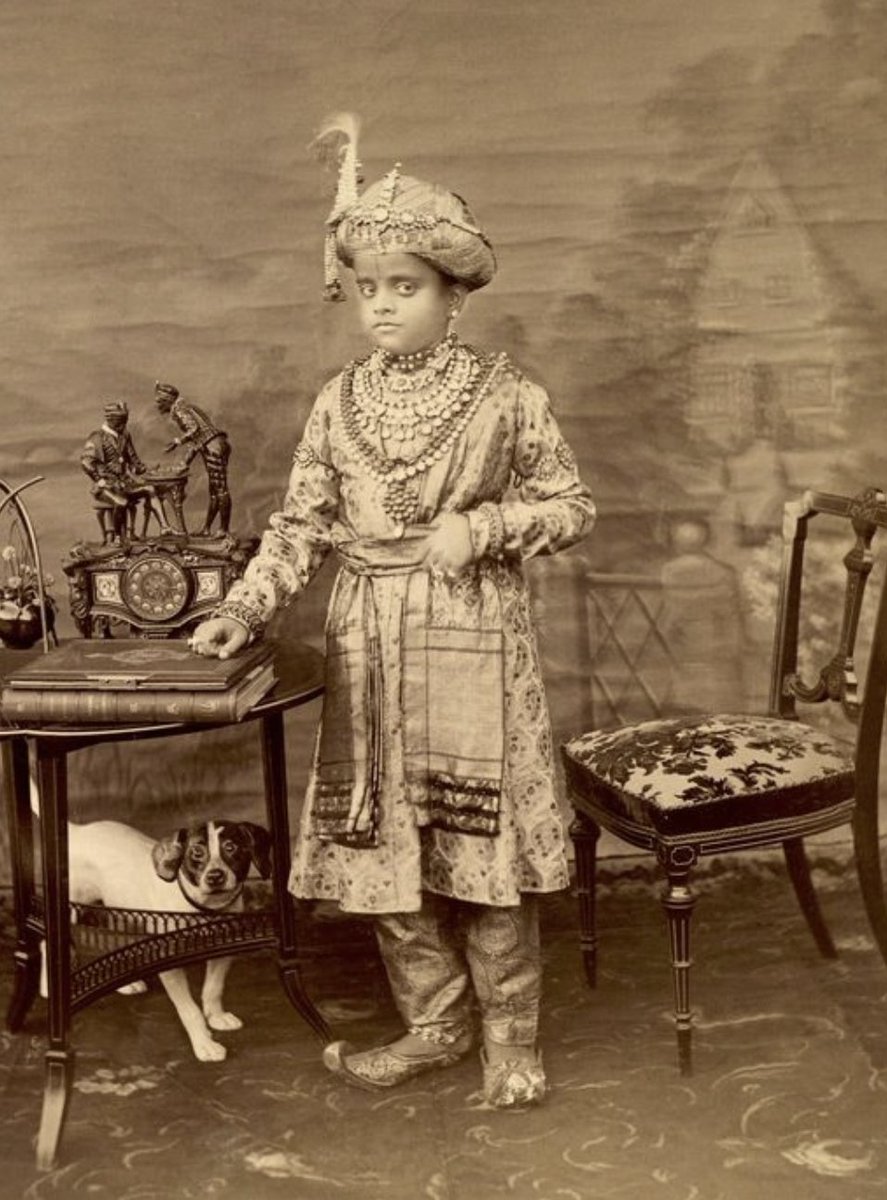
Mysore Pak is in the news for all the wrong reasons. Some shops have reportedly begun renaming the iconic sweet. Mysore Pak is more than that. Its origins trace back to one of India's most progressive and secular rulers—a history that's now ironically under strain. Thread 1/13 Image
As the story goes, in 1935, in the city of Mysore ruled by food connoisseur Maharaja Krishnaraja Wodeyar IV, a creative head chef named Kaksura Madappa created a delectable new sweet treat made of ghee, gram flour, and sugar.
2/13 Image
Thanks to Madappa's culinary genius and the Maharaja's patronage, this delectable treat quickly gained immense popularity and has since become one of India's most iconic desserts. Thus Mysore Pak was born. But there is a layer to this story, just like the sweet. 3/13
And to understand why the history associated to Mysore Pak is relevant to the current context we must revisit the enduring legacy of Maharaja Krishnaraja Wodeyar. His rule from 1902 until his passing in 1940 marked Mysore's golden period. 4/13 Image
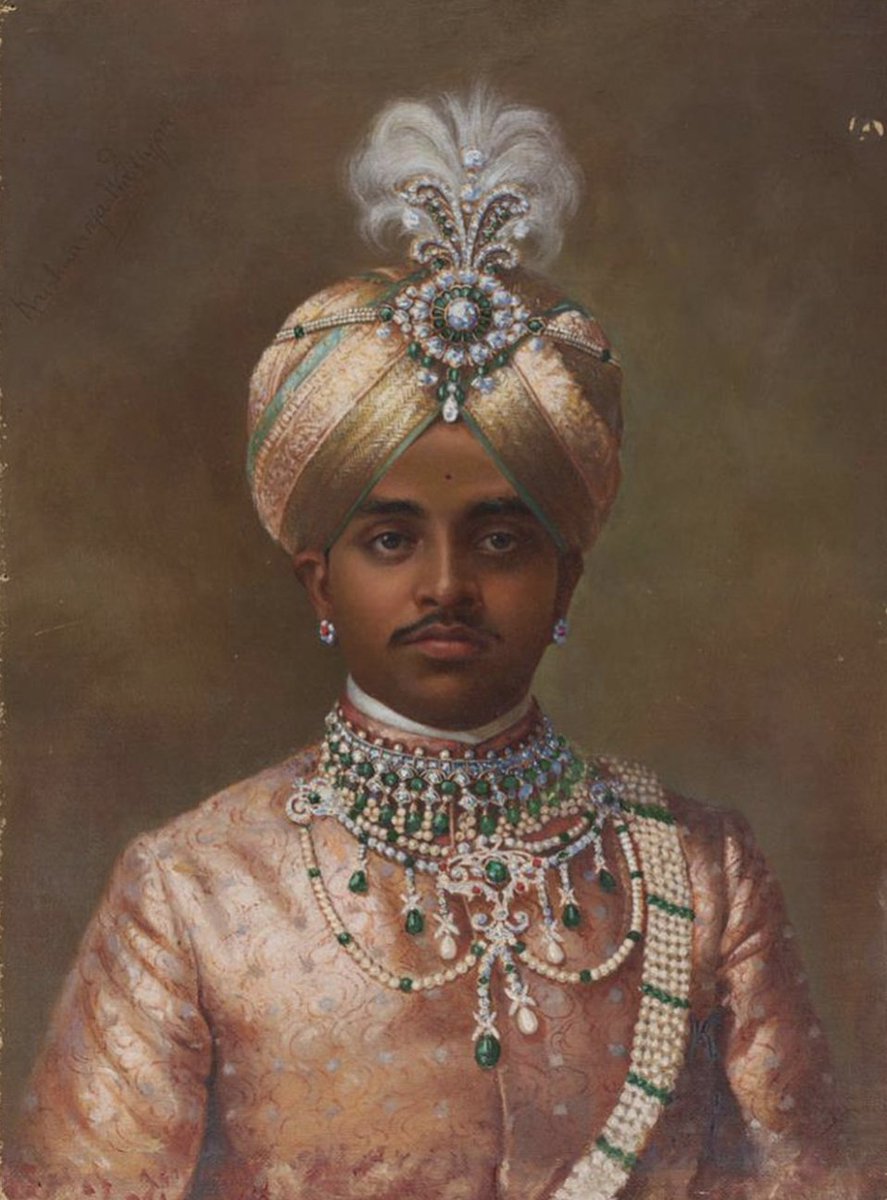
The state achieved significant milestones and progress in diverse areas, including installation of Asia's very first street lights in Bengaluru in August 1905. However, the Maharaja's impact extended beyond mere economic advancement.
5/13 Image
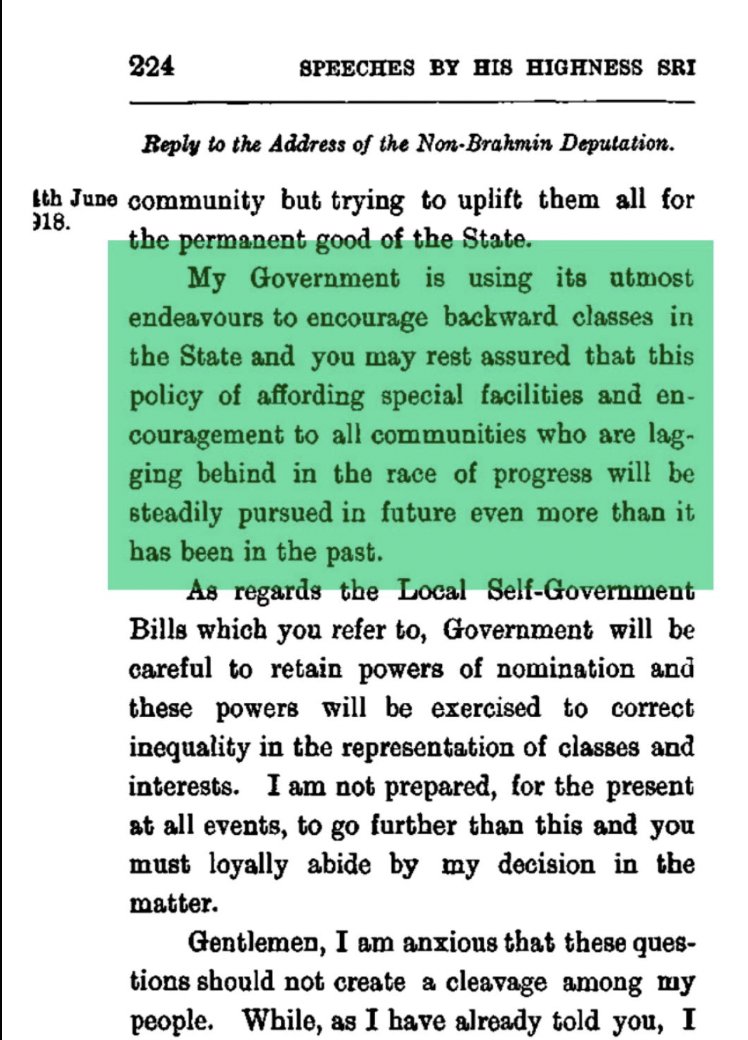
He was a model progressive, liberal and inclusive king. In 1913, his government made primary education mandatory for all, and in 1915, he went even farther, ordering public schools to admit Dalit students.
6/13
This move shook the established order. While the upper castes of both Hindu and Muslim communities withdrew their children from schools with Dalit students, Maharaja Krishnaraja Wodeyar, stood firm against the discriminatory attitude.
7/13 Image
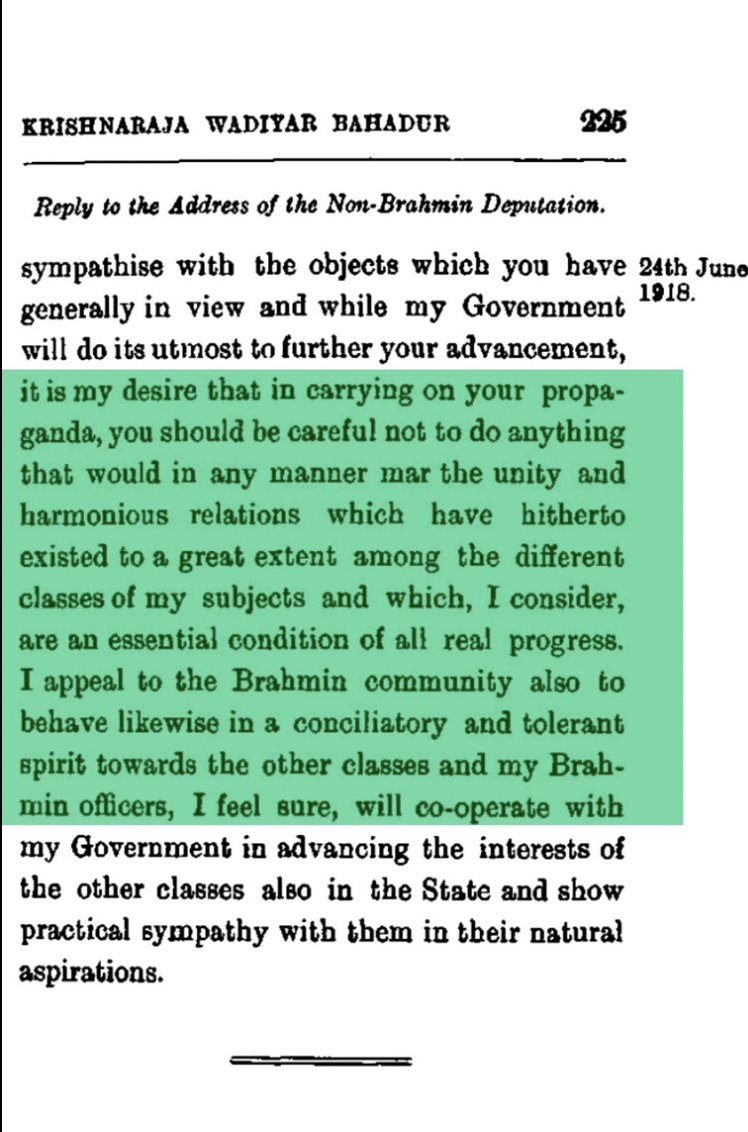
During the Interwar period in India, when the British government was trying to sow seeds of religious division, Maharaja Krishnaraja Wodeyar of Mysore stood out as a leader who worked towards promoting unity among various communities and promoting secular education.
8/13 Image
Not only that, but in the fall of 1936, the Maharaja of Mysore made history by making further dents in the caste system by inviting the oppressed and untouchables to take part in the revered Dasara festival.
9/13
For the first time in nearly 400 years, the Royal palace welcomed those shunned by society, marking a momentous occasion that wouldn't be easily forgotten. He also opened doors for marginalized communities to pursue careers in the government administration.
10/13 Image
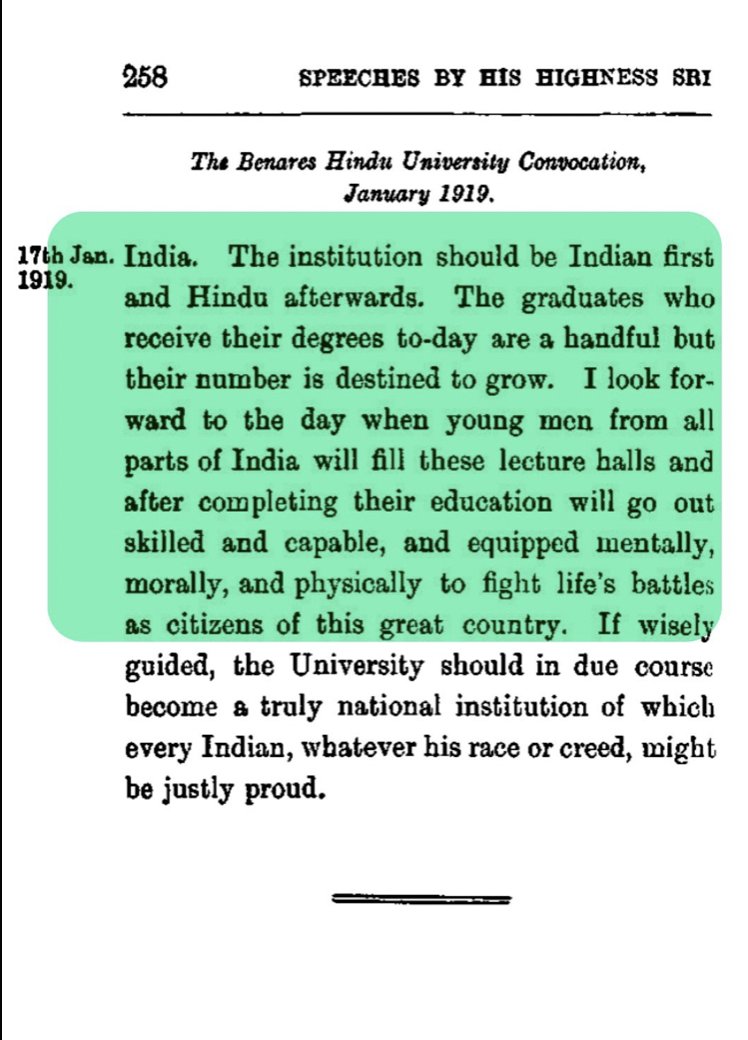
He was a devout Hindu but didn't let that stop him from being a strong advocate of secular culture and inclusivity. Back in 1922, he delivered an inspiring speech in Urdu, standing between a mosque and a temple, imploring people to be Mysorians above all else.
11/13 Image
He proudly inaugurated Masjids in Mysore, championed education for Muslims, and appointed several capable Muslims to government positions, in order to uphold communal unity. No wonder, Gandhi himself named him “Rajarshi” - “The Saint King”.
12/13
Erasing the legacy of Mysore Pak is, in many ways, a fittingly symbolic act—an attempt to erase the legacy of Maharaja Krishnaraja Wodeyar, the visionary who once dreamt of a modern, inclusive, and progressive India long before it became a constitutional promise.
13/13
Source & References

Sources: Empowering downtrodden: King showed the way, The New Indian Express, newindianexpress.com/states/karnata…

KARTIKEYA SHANKAR, The legend of Mysore Pak, timesofindia.indiatimes.com/life-style/foo…

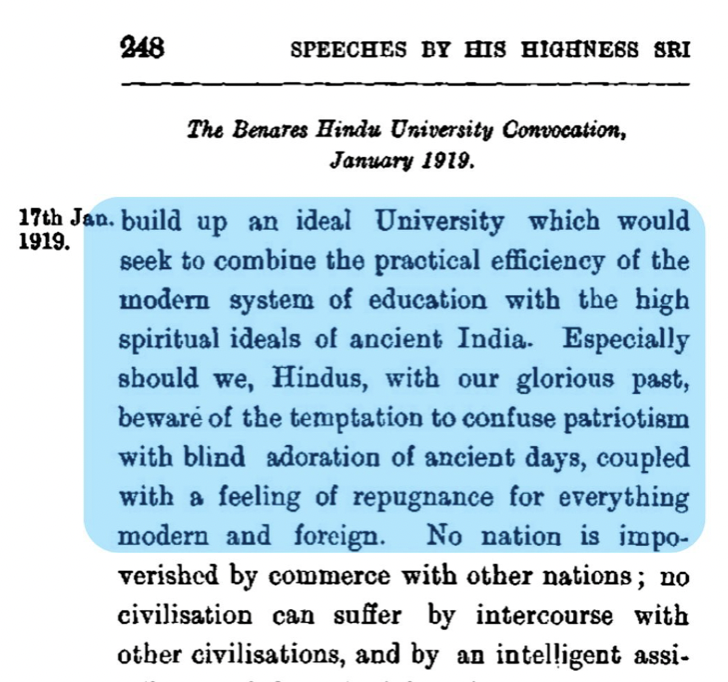
Krishnaraja Wadiyar, Speeches By Krishnaraja Wadiyar, public domain, archive.org Aya IkegamePrincely India Re-imagined - A Historical Anthropology of Mysore from 1799 to the Present, Taylor & Francis

• • •

Missing some Tweet in this thread? You can try to force a refresh

 

Keep Current with The Paperclip

The Paperclip Profile picture

Stay in touch and get notified when new unrolls are available from this author!

Read all threads

This Thread may be Removed Anytime!

PDF

Twitter may remove this content at anytime! Save it as PDF for later use!

Try unrolling a thread yourself!

how to unroll video
  1. Follow @ThreadReaderApp to mention us!

  2. From a Twitter thread mention us with a keyword "unroll"
@threadreaderapp unroll

Practice here first or read more on our help page!

More from @Paperclip_In

Jan 7
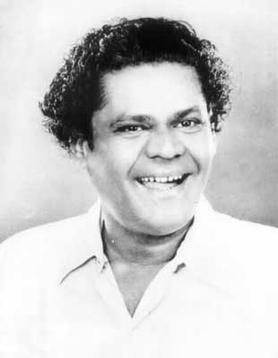
Sunjay Dutt enters the fray in #Dhurandhar and a familiar tune immediately starts playing – a song that has won hearts for nearly 40 years now: Hawa Hawa. Today we tell you about the fascinating yet tragic story of its OG creator. 1/20 Image
In 1987, young Pakistani singer Hassan Jahangir became a household name with his chartbusting song – Hawa Hawa. The song became such a rage that Jahangir earned the nickname – ‘Michael Jackson of Pakistan’. 2/20 Image
The eponymously named album sold 15 million cassettes in India – making Jahangir and Hawa Hawa a household name on both sides of the border. 3/20
Read 21 tweets
Jan 5
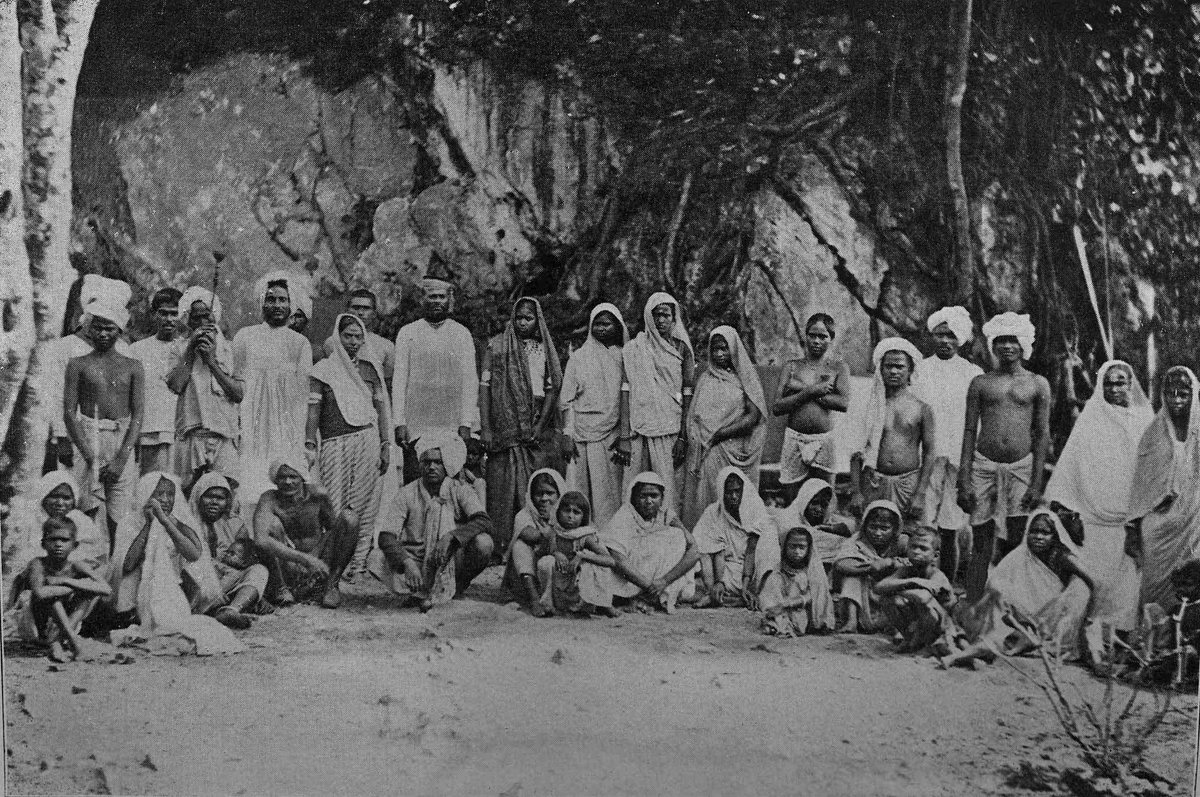
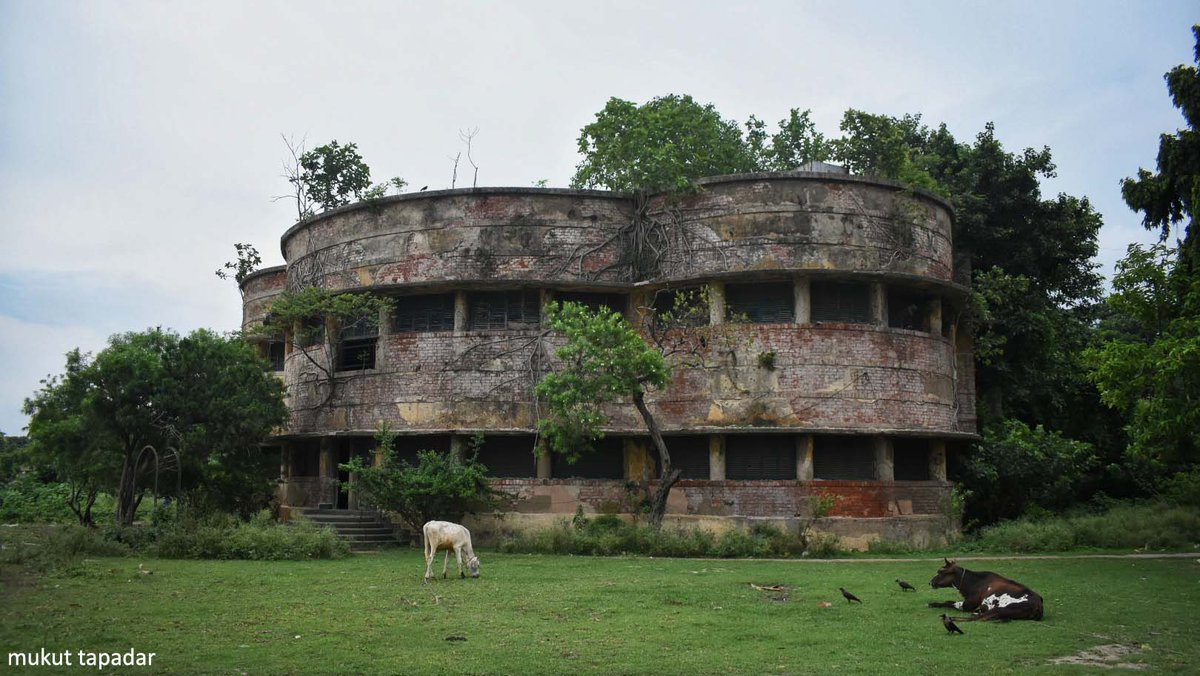
There is a primary school in a quiet village in Bengal with a building named after a Venezuelan revolutionary who helped liberate much of South America. The answer lies in the long, meandering story of India–Venezuela relations. Thread. 1/22 Image
Image
This week, as the world awakes to one of the most startling geopolitical developments in decades — the capture of Venezuelan President Nicolás Maduro by U.S. forces in a dramatic military operation, it’s worth pausing on an unexpected tributary of history. 2/22
In a week when Venezuela has once again crashed into the global news cycle; amid dramatic claims and Washington’s familiar long shadow, it may be worth stepping away from the noise and asking a quieter question: what does Venezuela mean to India, really? 3/22
Read 23 tweets
Dec 25, 2025
Dhurandhar has brought Lyari Town in Karachi back into the conversation. The film only touches it briefly, but there’s a side of Lyari that rarely gets mentioned beside gang violence, and it’s real and alive.

A thread on why Lyari is also called Mini Brazil. 1/20 Image
For decades, Lyari has been known mostly for gang wars, violence, and drug problems. That history is real. Alongside all of that, something else has quietly survived there. And, that is football. 2/20 Image
Those who watched the film may have noticed a few brief scenes where children are playing football. Of course, the film’s premise only allows it to touch on that in passing. But that small detail opens the door to a much deeper and fascinating history. 3/20
Read 21 tweets
Dec 13, 2025
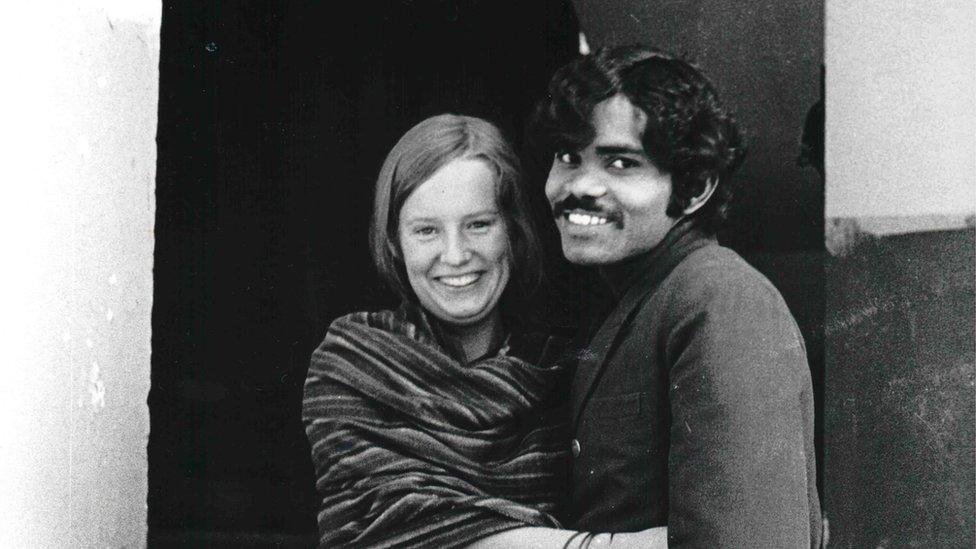
@leomessisite is in India on a three-day tour, visiting Kolkata, Hyderabad, Mumbai, and New Delhi. It’s the perfect moment to revisit how a Pakistani man born in Bhopal helped Argentina win their first World Cup. If you happen to meet Messi, you tell him this story. Thread. 1/18 Image
To unearth the personal accounts for this immensely interesting story, we spoke to Ijaz Chaudhry, an eminent sports journalist with roots in both Pakistan and the UK who has written, reported and spoken in several prestigious sports newspapers and on TV/Radio channels. (2/18)
1978. Argentina was politically turbulent. Democracy was in tatters, the country was in the grip of a dictatorship. That year, Argentina hosted both the hockey and football World Cups. The hockey event was held in March, and the football extravaganza followed in June. (3/18) Image
Read 19 tweets
Dec 11, 2025
The newly-reignited debate over Vande Mataram fanned by opportunistic political actors has again dragged a century-old cultural conversation into a culture war. But long before today’s noise, Rabindranath Tagore had already thought deeply about the song.

Thread. 1/20 Image
Image
Vande Mataram began as a poem in Bankim Chandra Chatterjee’s novel Anandamath (1882). Its early life was literary and regional, an invocation to a mother-figure rooted in Bengal, but it quickly became a political war-cry in the anti-colonial movement. 2/20
There should be no debate about the historic impact of Vande Mataram. It played an undeniably gigantic role in the freedom movement. It was an inspiration heard in protest marches, and used as a rallying cry by revolutionaries, students, and volunteers across the country. 3/20
Read 21 tweets
Dec 8, 2025
Urban India is furious at IndiGo.

If only it was this angry when millions of migrants were walking home on foot.

Thread. 1/18 Image
For a country that prides itself on moving fast, India was strangely unprepared for the week in 2025 when IndiGo—the airline that had become shorthand for middle-class mobility—simply stopped working. 2/18
Aviation in India has always been a performance—a stage where the country acts out its idea of arrival. If the railways carry everyone, aviation is meant to carry those who imagine they have moved beyond the crowds of railway platforms.

3/18 Image
Read 18 tweets

Did Thread Reader help you today?

Support us! We are indie developers!


This site is made by just two indie developers on a laptop doing marketing, support and development! Read more about the story.

Become a Premium Member ($3/month or $30/year) and get exclusive features!

Become Premium

Don't want to be a Premium member but still want to support us?

Make a small donation by buying us coffee ($5) or help with server cost ($10)

Donate via Paypal

Or Donate anonymously using crypto!

Ethereum

0xfe58350B80634f60Fa6Dc149a72b4DFbc17D341E copy

Bitcoin

3ATGMxNzCUFzxpMCHL5sWSt4DVtS8UqXpi copy

Thank you for your support!

Follow Us!

:(