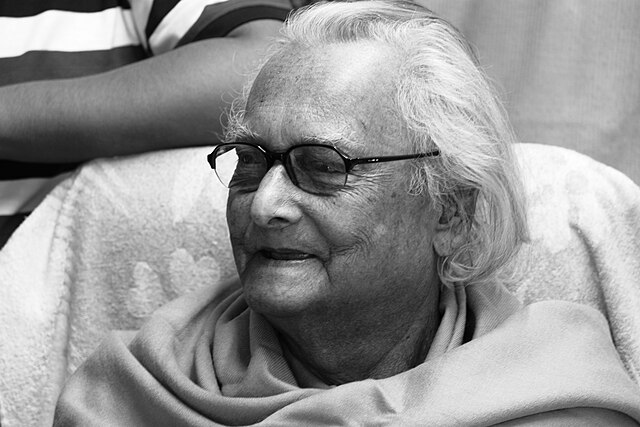
Mysore Pak is in the news for all the wrong reasons. Some shops have reportedly begun renaming the iconic sweet. Mysore Pak is more than that. Its origins trace back to one of India's most progressive and secular rulers—a history that's now ironically under strain. Thread 1/13 

As the story goes, in 1935, in the city of Mysore ruled by food connoisseur Maharaja Krishnaraja Wodeyar IV, a creative head chef named Kaksura Madappa created a delectable new sweet treat made of ghee, gram flour, and sugar.
2/13
2/13

Thanks to Madappa's culinary genius and the Maharaja's patronage, this delectable treat quickly gained immense popularity and has since become one of India's most iconic desserts. Thus Mysore Pak was born. But there is a layer to this story, just like the sweet. 3/13
And to understand why the history associated to Mysore Pak is relevant to the current context we must revisit the enduring legacy of Maharaja Krishnaraja Wodeyar. His rule from 1902 until his passing in 1940 marked Mysore's golden period. 4/13
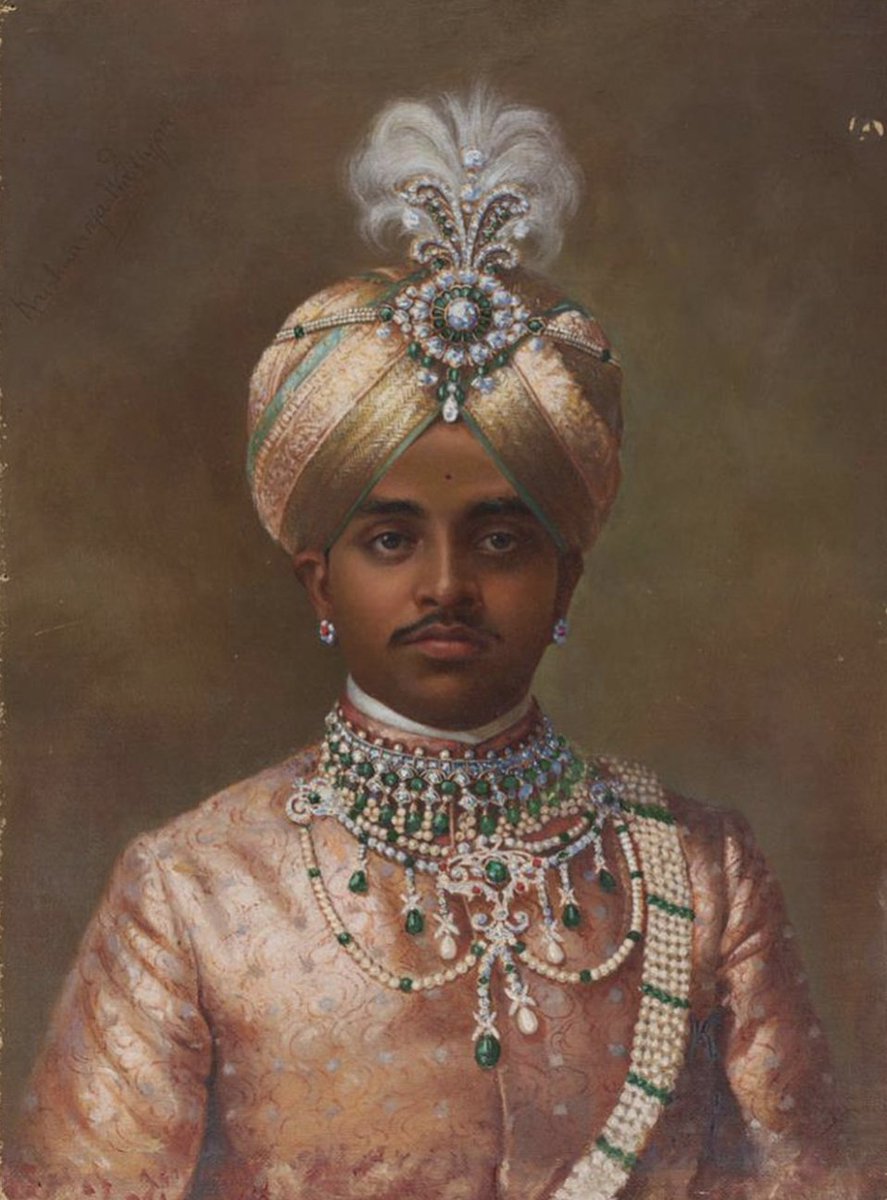
The state achieved significant milestones and progress in diverse areas, including installation of Asia's very first street lights in Bengaluru in August 1905. However, the Maharaja's impact extended beyond mere economic advancement.
5/13
5/13
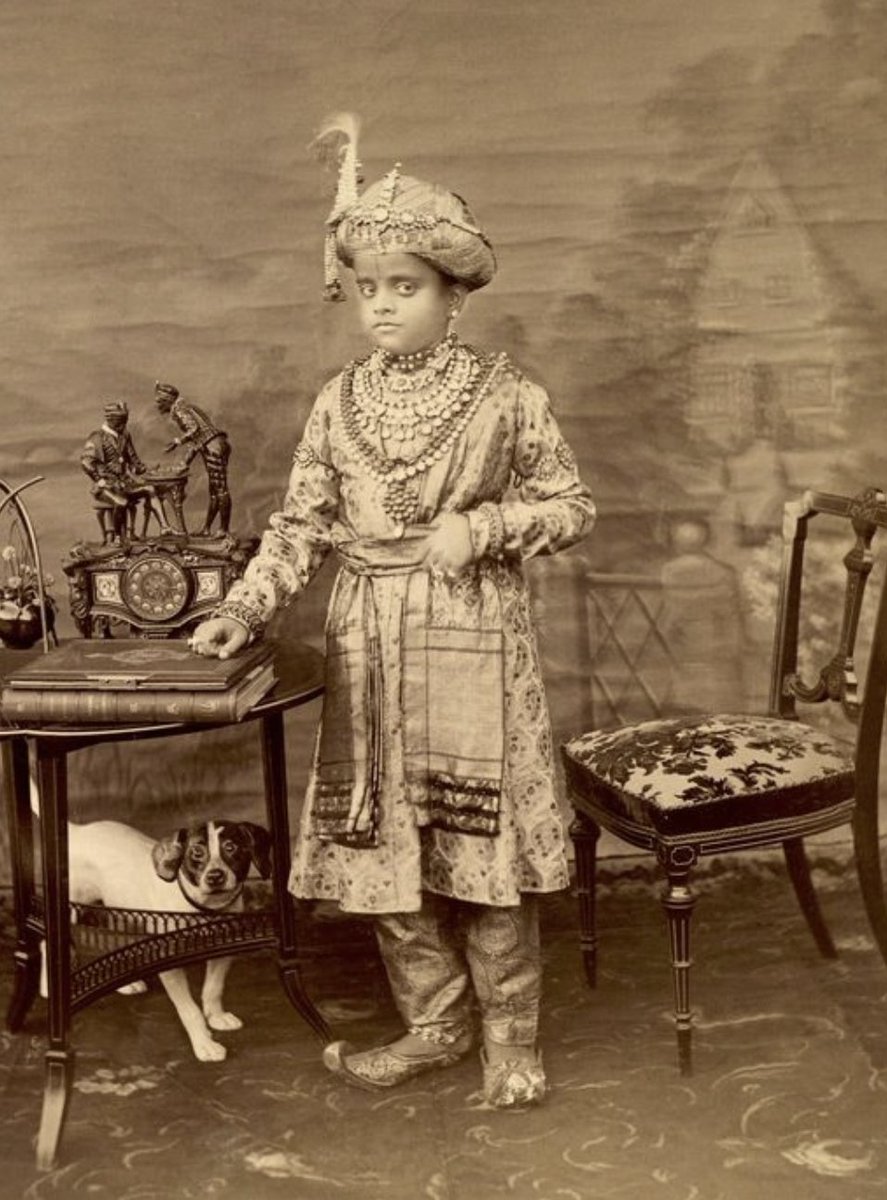
He was a model progressive, liberal and inclusive king. In 1913, his government made primary education mandatory for all, and in 1915, he went even farther, ordering public schools to admit Dalit students.
6/13
6/13
This move shook the established order. While the upper castes of both Hindu and Muslim communities withdrew their children from schools with Dalit students, Maharaja Krishnaraja Wodeyar, stood firm against the discriminatory attitude.
7/13
7/13
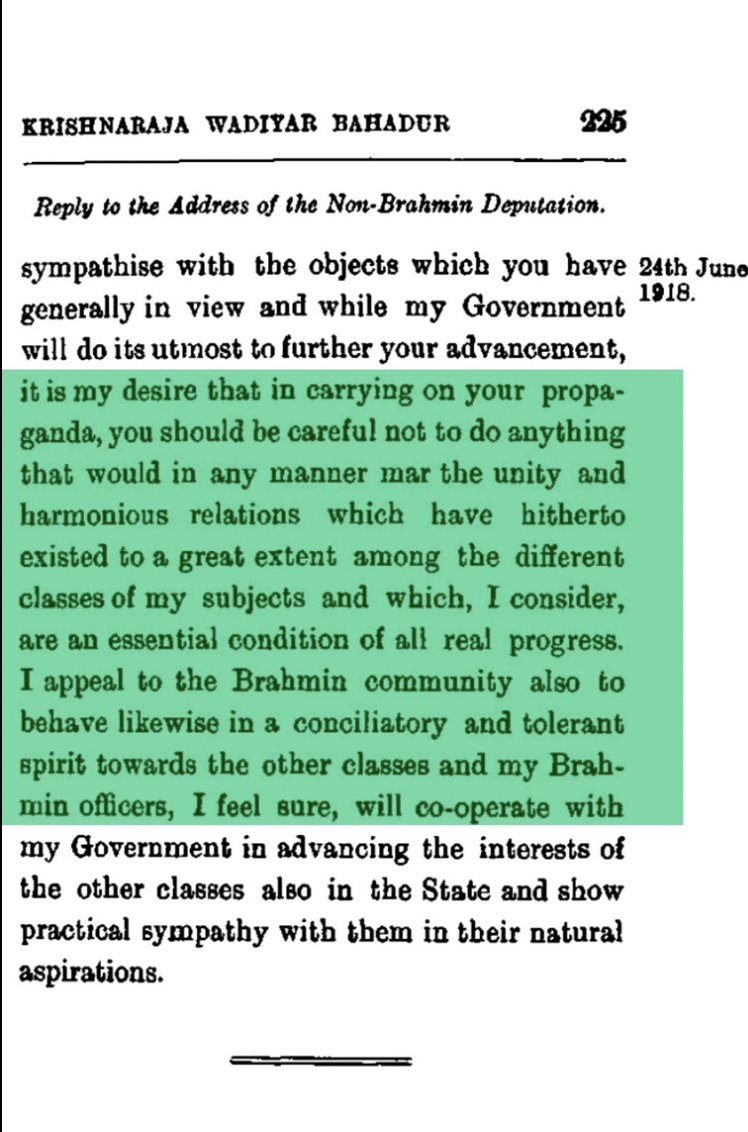
During the Interwar period in India, when the British government was trying to sow seeds of religious division, Maharaja Krishnaraja Wodeyar of Mysore stood out as a leader who worked towards promoting unity among various communities and promoting secular education.
8/13
8/13
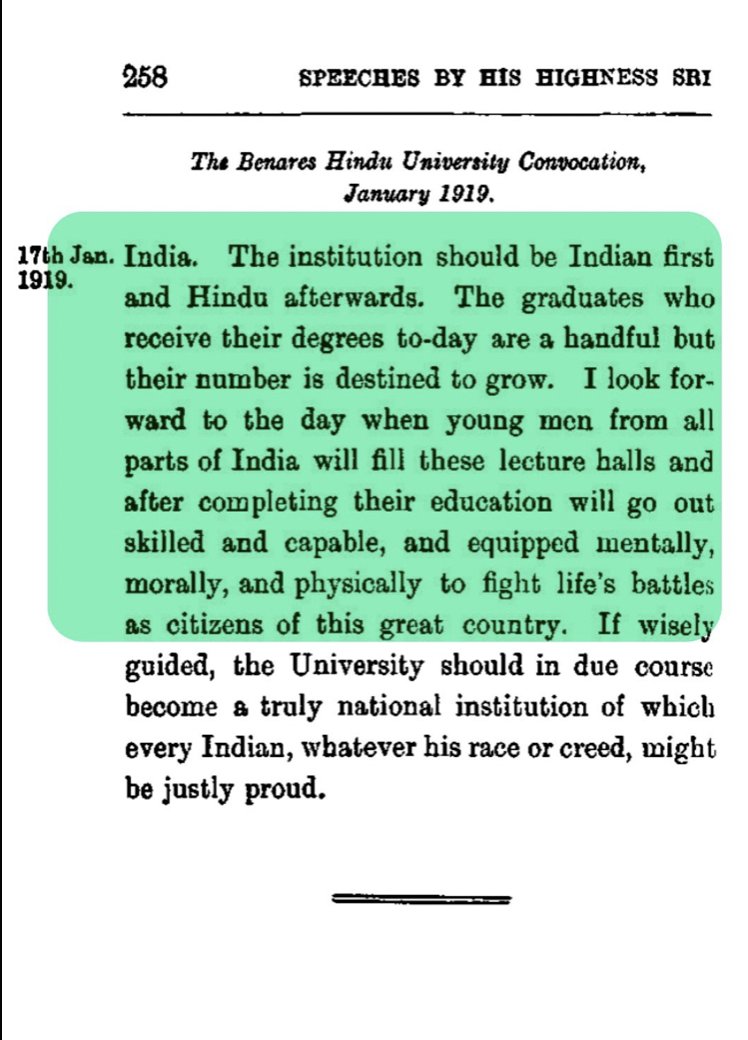
Not only that, but in the fall of 1936, the Maharaja of Mysore made history by making further dents in the caste system by inviting the oppressed and untouchables to take part in the revered Dasara festival.
9/13
9/13
For the first time in nearly 400 years, the Royal palace welcomed those shunned by society, marking a momentous occasion that wouldn't be easily forgotten. He also opened doors for marginalized communities to pursue careers in the government administration.
10/13
10/13
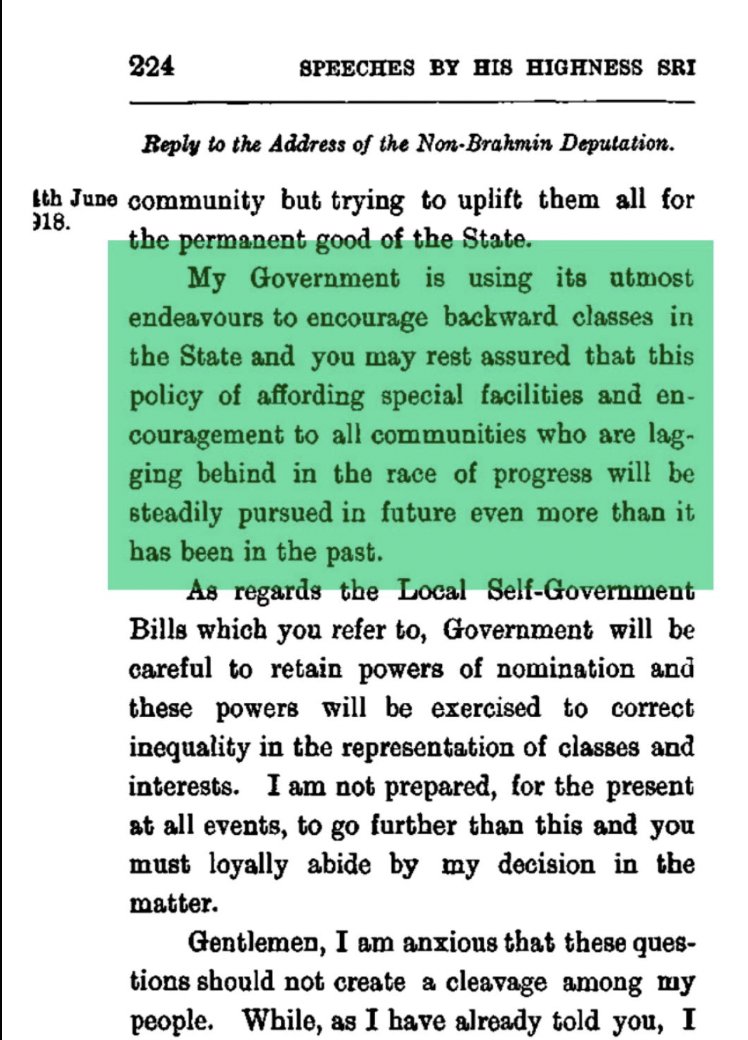
He was a devout Hindu but didn't let that stop him from being a strong advocate of secular culture and inclusivity. Back in 1922, he delivered an inspiring speech in Urdu, standing between a mosque and a temple, imploring people to be Mysorians above all else.
11/13
11/13
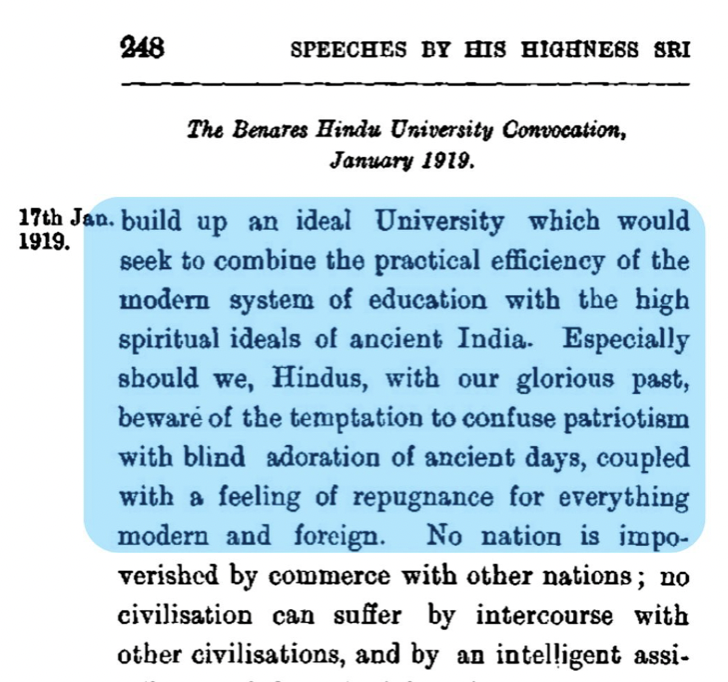
He proudly inaugurated Masjids in Mysore, championed education for Muslims, and appointed several capable Muslims to government positions, in order to uphold communal unity. No wonder, Gandhi himself named him “Rajarshi” - “The Saint King”.
12/13
12/13
Erasing the legacy of Mysore Pak is, in many ways, a fittingly symbolic act—an attempt to erase the legacy of Maharaja Krishnaraja Wodeyar, the visionary who once dreamt of a modern, inclusive, and progressive India long before it became a constitutional promise.
13/13
13/13
Source & References
Sources: Empowering downtrodden: King showed the way, The New Indian Express, newindianexpress.com/states/karnata…
KARTIKEYA SHANKAR, The legend of Mysore Pak, timesofindia.indiatimes.com/life-style/foo…
Krishnaraja Wadiyar, Speeches By Krishnaraja Wadiyar, public domain, archive.org Aya IkegamePrincely India Re-imagined - A Historical Anthropology of Mysore from 1799 to the Present, Taylor & Francis
Sources: Empowering downtrodden: King showed the way, The New Indian Express, newindianexpress.com/states/karnata…
KARTIKEYA SHANKAR, The legend of Mysore Pak, timesofindia.indiatimes.com/life-style/foo…
Krishnaraja Wadiyar, Speeches By Krishnaraja Wadiyar, public domain, archive.org Aya IkegamePrincely India Re-imagined - A Historical Anthropology of Mysore from 1799 to the Present, Taylor & Francis
• • •
Missing some Tweet in this thread? You can try to
force a refresh