The Bible frequently extols "fear of the Lord."
Does that mean God want us to be scared of him?
No. The truth is much deeper.
Let's dive in:🧵
Does that mean God want us to be scared of him?
No. The truth is much deeper.
Let's dive in:🧵
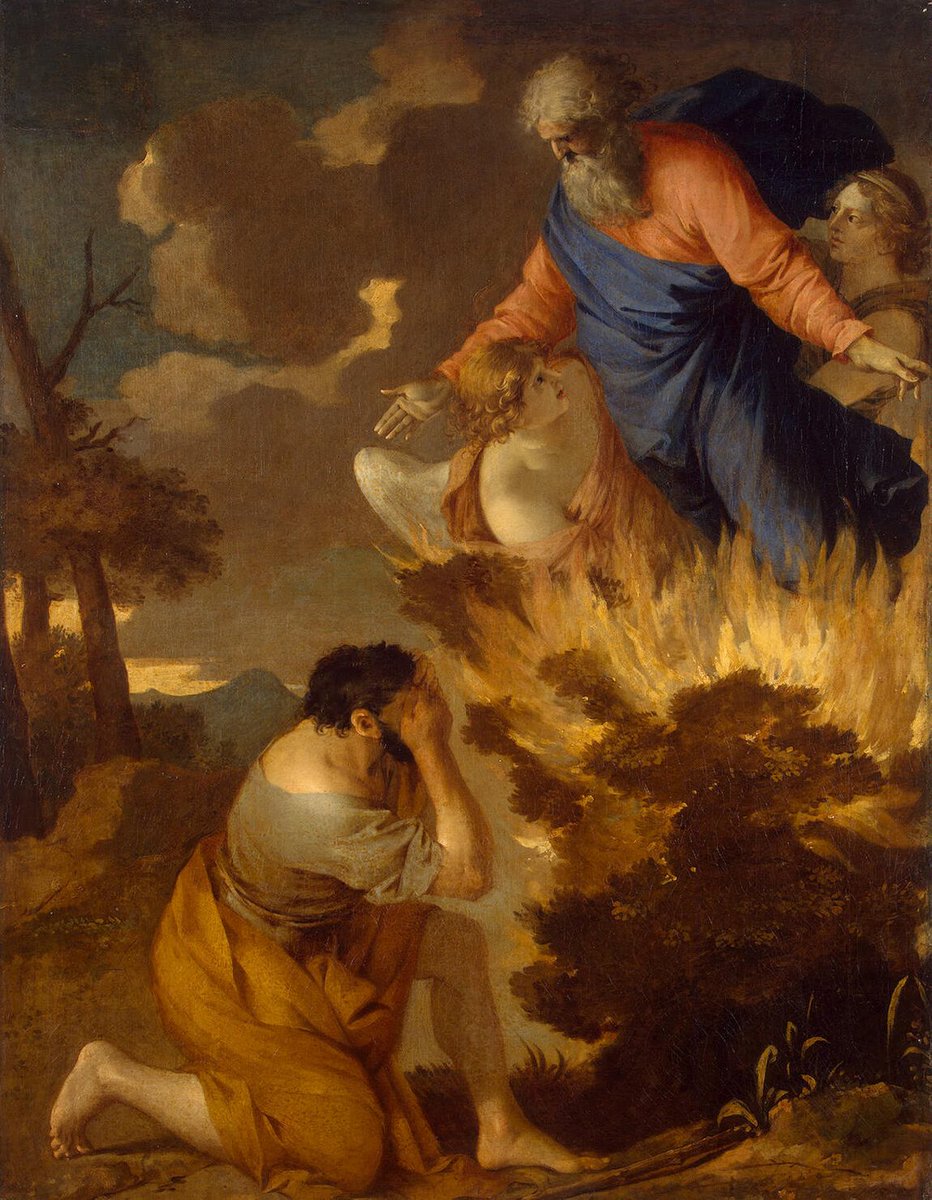
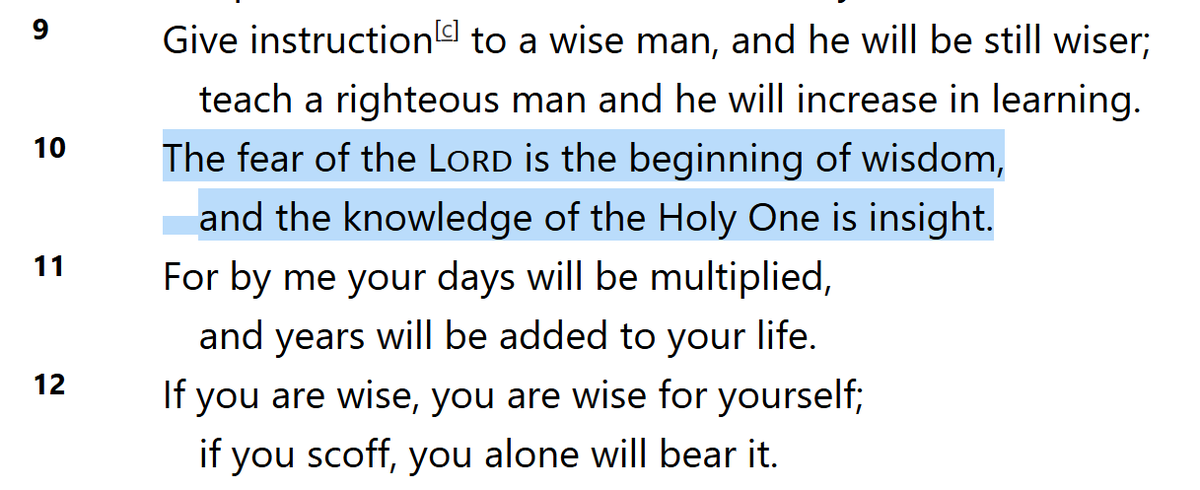
Proverbs 9:10 tells us, “The fear of the Lord is the beginning of wisdom.”
That means we should explain what both “wisdom” and “fear of the Lord” are.
That means we should explain what both “wisdom” and “fear of the Lord” are.
Wisdom from a biblical perspective has nothing to do with book learning.
Wisdom is about knowing how to live rightly and well.
And since we can do neither without living in right relationship to God, wisdom has to be related to God.
Wisdom is about knowing how to live rightly and well.
And since we can do neither without living in right relationship to God, wisdom has to be related to God.
The biblical opposite of “wisdom” is “foolishness.”
“The fool has said in his heart, “there is no God’” (Ps. 14:1).
In short, the fool lives his life as if God did not exist, the wise man as if he does.
“The fool has said in his heart, “there is no God’” (Ps. 14:1).
In short, the fool lives his life as if God did not exist, the wise man as if he does.
God loves us, but God is not just an “old buddy and pal.”
God is God...and we are not.
So one of the things “fear of the Lord” teaches us is to recognize that there is an unbridgeable qualitative difference between Creator and creature, God and me.
God is God...and we are not.
So one of the things “fear of the Lord” teaches us is to recognize that there is an unbridgeable qualitative difference between Creator and creature, God and me.

In the Old Testament, whenever holy men first encounter God, their reaction is fear.
Isaiah, for example, has a vision of God and says, “Woe is me!”
Elijah hides his face when he recognizes God’s whisper outside the cave.
And when Peter recognizes in his miraculous catch of fish who Jesus is, he tells him, “Depart from me, for I am a sinful man.”
Isaiah, for example, has a vision of God and says, “Woe is me!”
Elijah hides his face when he recognizes God’s whisper outside the cave.
And when Peter recognizes in his miraculous catch of fish who Jesus is, he tells him, “Depart from me, for I am a sinful man.”
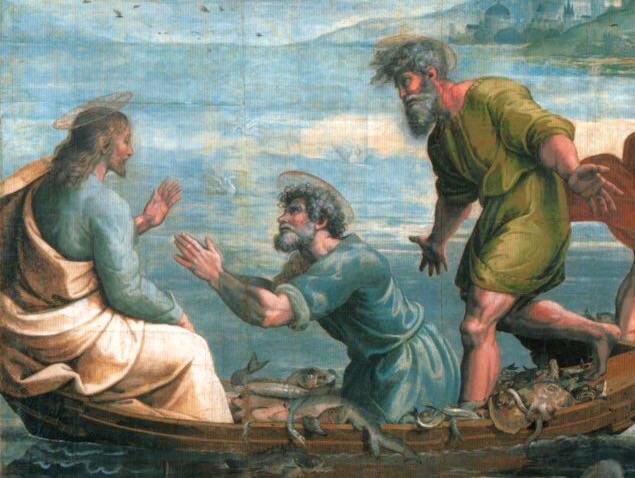
That “fear” comes from a recognition of the disparity between the Thrice-Holy God and us.
It comes from an awareness that we are sinners.
But it also recognizes two other things: that God loves me, and that he wants to save me.
It comes from an awareness that we are sinners.
But it also recognizes two other things: that God loves me, and that he wants to save me.
Continue reading from @JGrondelski: catholic.com/magazine/onlin…
• • •
Missing some Tweet in this thread? You can try to
force a refresh