I think the concept of "introversion" impeded my development as a young person, and I think we need to do away with the introvert/extrovert distinction. It made me feel like socializing and social graces were the province of a certain kind of person that I was not
they used to frame it (maybe they still do) as whether you "get energy" from other people or from being alone. That either being alone was draining and being with others was life-giving, or being with others was draining and being alone is life-giving
my take on this now is that if, as a young person, you are at all unusual, smart, creative, bookish, have some kind of life-of-the-mind, etc, you will be tempted to think of yourself as an introvert, because you won't find as many people to connect with on your terms
you will look around and see other people make friends more easily (because they are more normal and have less idiosyncratic interests) and think, well, I must not be one of those types of people. You burrow into "introversion"
And in doing so you fail to understand that socializing and social graces are a learned skill, and you get less practice doing it, because early on you believed that it was a "you either like this or you don't" thing
an interesting thing is that people who do not have much of a "life-of-the-mind" are CHIEFLY interested in socializing because it's their main form of entertainment. So they get a lot of practice with it from a very early age. It's the main thing to do.
(or at least this was true before TV and social media—TV scratches part of the itch for people whose main interest is socializing, and social media/video scratches it even more, so we're doing a radical experiment in letting people get this nutrient without IRL interaction)
But anyway, unusual people don't "get energy from socializing" because they're having unfulfilling interactions. The interactions are unfulfilling because a) people don't understand the unusual person's interests and b) the unusual person is awkward
You can only address A so much (you can try to get better at trying to share your interests with others in a compelling way, though people may never really respond the way you hope), but you can definitely address B (though theorizing abt what would help and then practicing it)
I still prefer solitary or just-my-husband-and-me activities because I have idiosyncratic interests. But I no longer think this is because I have a "personality type" that doesn't do as well in social situations. Via a social job (restaurant) I have learned the basic skills
As a young person I think it would have been helpful to hear something like: "You're not often going to run into people who want to talk about your specific stuff, but humans do benefit from time with each other in a convivial atmosphere—here are some ways to contribute to that"
the main thing that helps in social situations, if you are a weird person yourself, is to get really good at being interested in other people—asking questions, mirroring back to them, etc. This is how to make sure people think you're all right even if they don't really "get" you
if you become a good question-asker and stop being much of a volunteer-er, in an effort to be likeable and not freak people out, you do risk this outcome, though
but if you understand most socialization as basically "co-regulation," "I'm okay-you're okay," animal-level stuff, that becomes something you can readily participate in as a fellow animal. I want people to feel okay. Working in a restaurant allows a ton of practice with this
this thread helped me start thinking about this more seriously a few years ago
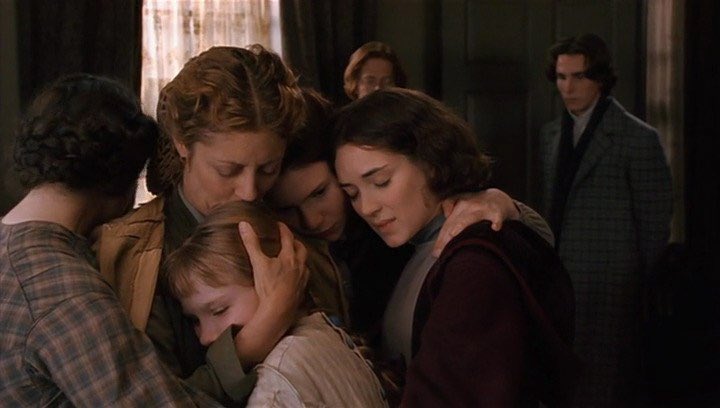
one thing I wasn’t expecting for my mid-30s was for the 1994 Little Women to hit like an absolute freight train, as if I were just now understanding it for the first time. Saw it projected on film on Christmas Day and felt something shift
I used to identify with Jo in a straightforward way; now I feel like I see the whole picture. I said on the way out, half-joking, “Little Women is The Brothers Karamazov for girls.” Each sister represents an archetype/worldview but also warring impulses in a young woman’s life
I also understood it for the first time in the context of the Alcott family’s transcendentalism, teetotaling, money anxiety, etc: this is a story of a family of weird principled homeschoolers whose kids had advantages & disadvantages because of that, & each responded differently
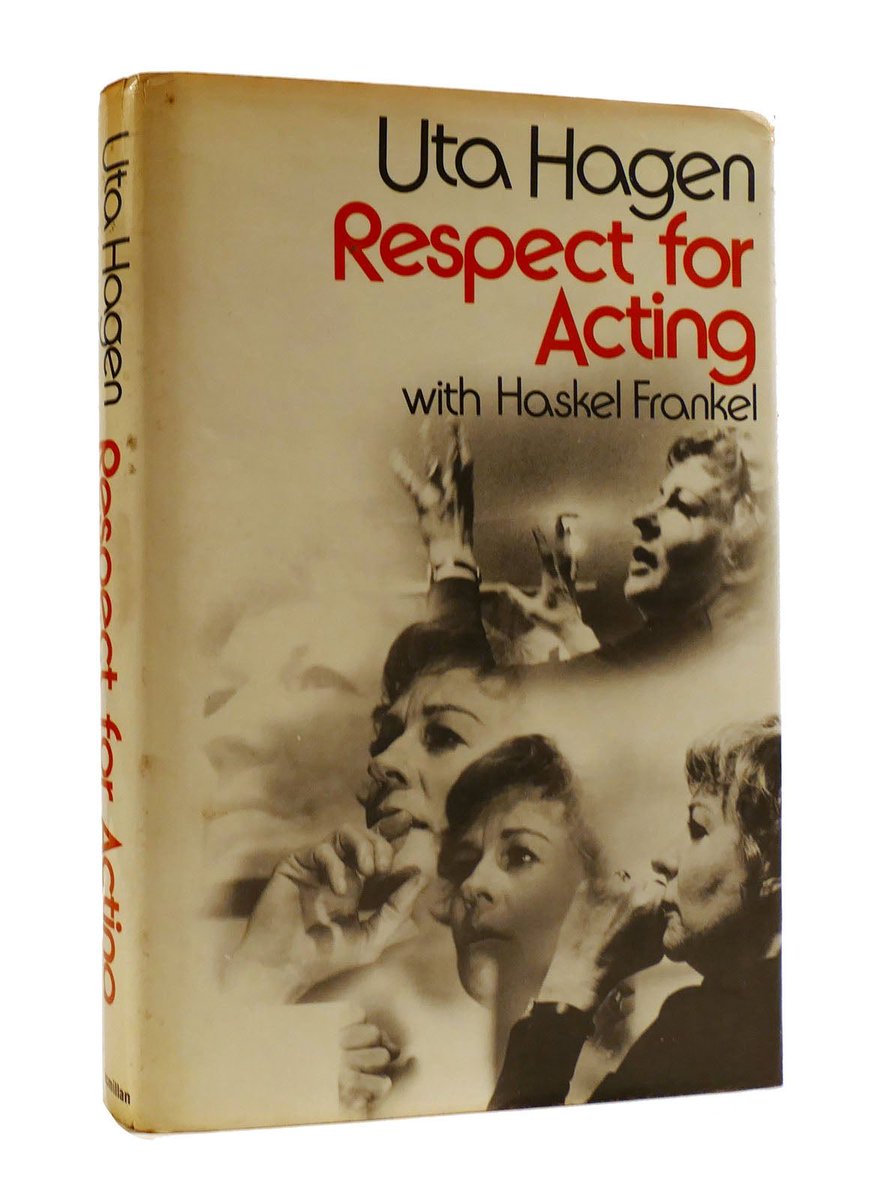
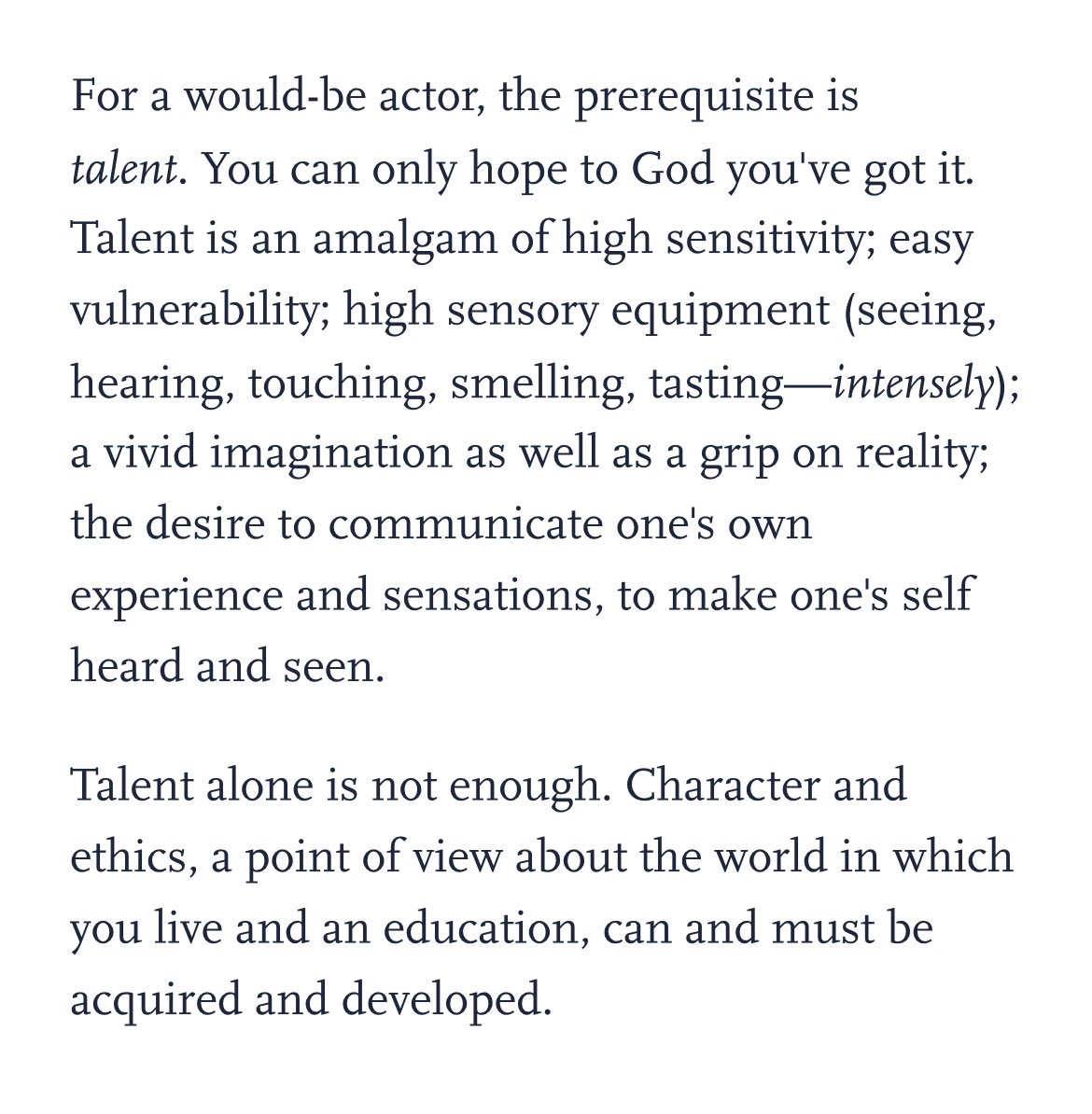
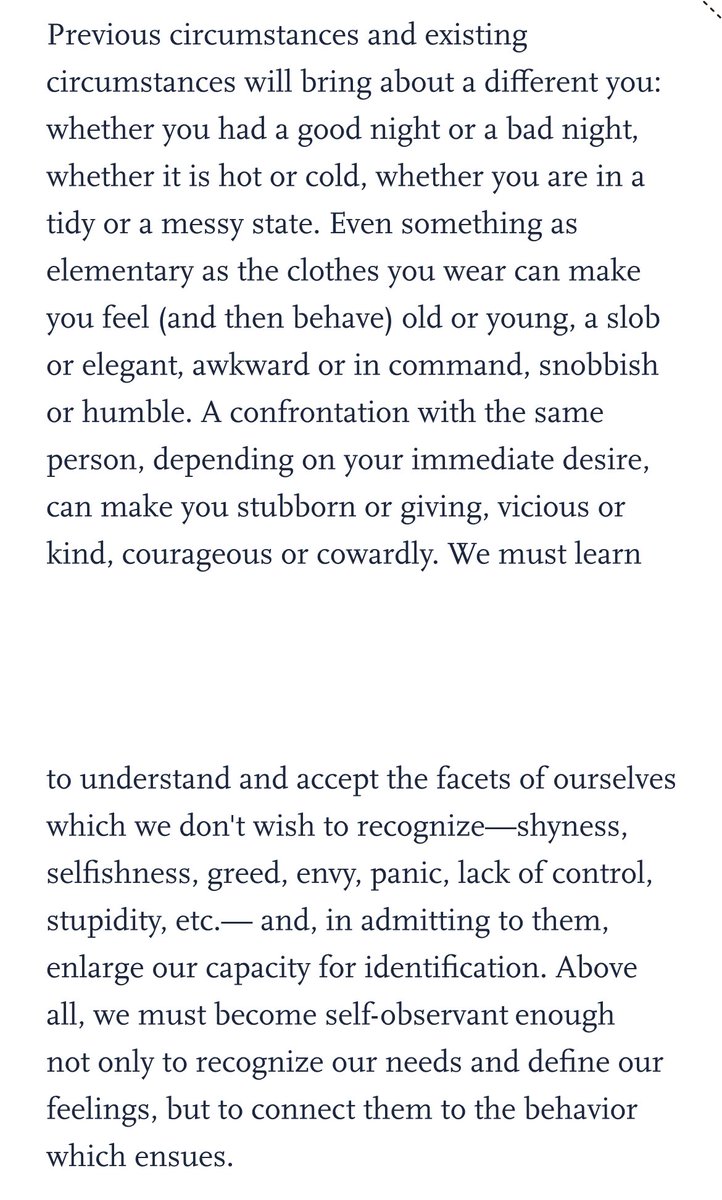
20th century acting manuals are often full of great advice for anyone looking to live an emotionally alert, embodied, thoughtful life. Uta Hagen is one of my favorites
good stuff on the importance of the imagination in engaging with history
a lot of it is about paying attention to both how you feel in a given moment and what you are actually doing with your body in those moments— and she is emphatic that it doesn’t have to make you “self-conscious,” it can give you vitally important information that you can use
SMOOTHIE THOUGHTS: I’ve made a smoothie ~4x a week for 5 years now and have been in better health in that time than I was before, so I think it’s probably doing something. Here are my smoothie recommendations:
You want frozen greens as the base. I think spinach blends up smoother and is more neutral in flavor than any other so that’s what I use. You can buy it frozen. If you want a 16oz smoothie then pile the spinach loosely into the first 8oz of the blender
After this, add your liquid. These days I just use scoop of Greek yogurt and water, but if you’re just getting into smoothies and want to make them more palatable, use your preferred kind of milk. BLEND THIS FIRST. This will ensure no chunks of greens
big secret to happiness is just liking stuff. finding more stuff to like. finding ways to like stuff you didn’t before. recognizing what it feels like to like something and doubling down on that. what feels frivolous is actually the whole ballgame
recently decided to like mowing the lawn. gets you outside. literally touching grass. making nice patterns. extremely straightforward. meditative like doing a prayer labyrinth
a good case for getting into the arts/media as a hobby more seriously: there’s always more music, always more books, always more movies, always more paintings, and even the ones you don’t like as a whole have things TO like
have benefitted lately from a practice I've been calling "reality day," which is basically a media fast. My rules: no social media, video apps, tv, news, spotify, podcasts, or headphones. the idea is forcing yourself to stay engaged with the actual circumstances of your own life
not a revolutionary idea but something that was very revealing in practice. noticed almost instantly that my head became a lot less cluttered, that I didn't feel so many external voices rattling around, and that I could "see in front of me" much better
the social media fast is something almost everyone has tried but adding the "no spotify/no podcasts/no headphones" thing really revealed to me how often I'm engaged with something "somewhere else" rather than with the material in front of me
SOME DUNE ADAPTATION THOUGHTS:
the way I interpreted the book, Paul is the Kwisatz Haderach because he is both Mentat (super-analytical) and Bene Gesserit (super-intuitive). He has been trained in these “masculine” and “feminine” skills and unites them in an unprecedented way
Both Mentat skill (analysis) and Bene Gesserit skill (intuition) allow someone to “see the future” by reading information about the present with a high degree of detail and accuracy. the psychedelic accelerants (spice, the water of life) just heighten what’s already there
so in the book there’s this emphasis that Paul is the product of high-level training (beyond the selective breeding thing), and thus he really does have a unique array of skills that dispose him to leadership and prescience. He’s much more like Marcus Aurelius than Harry Potter