1/
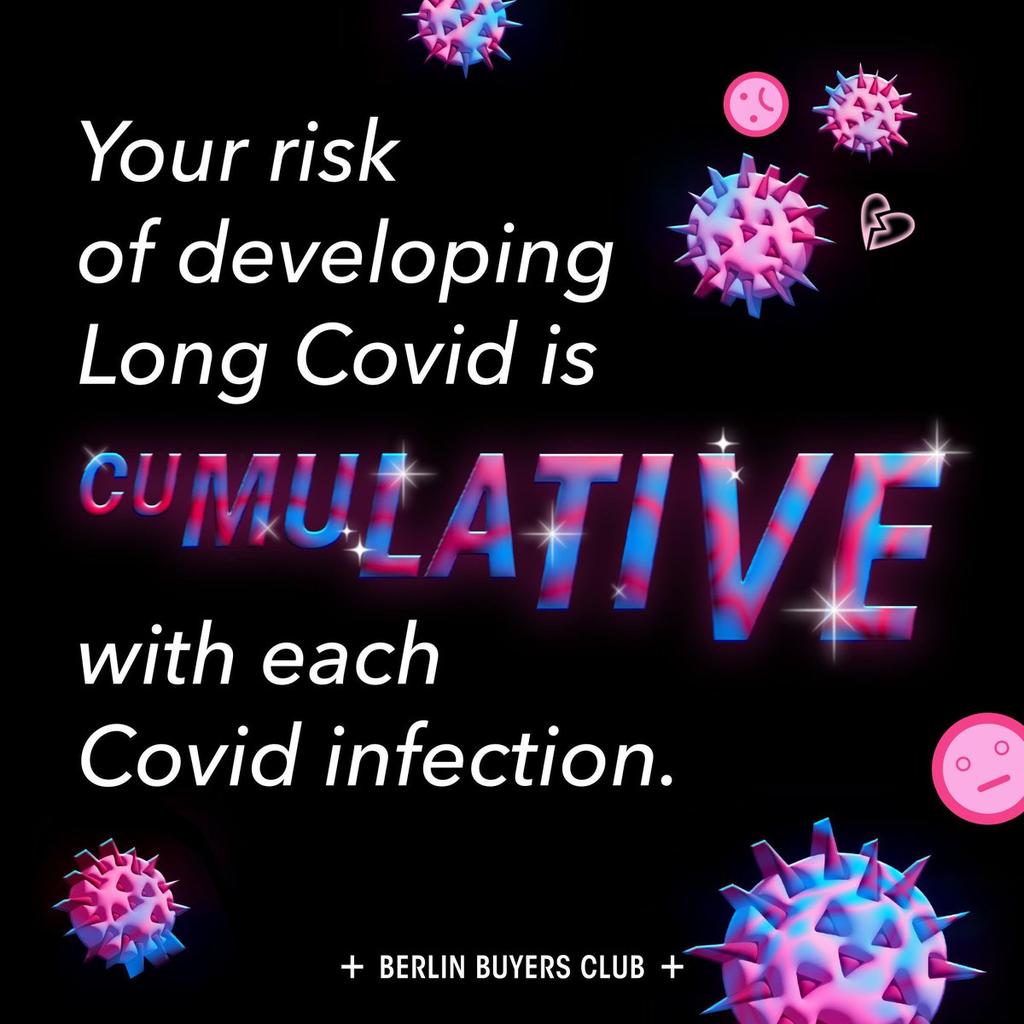
We spend fortunes ensuring our drinking water is pristine – consuming maybe 2-3 liters daily. And rightly so! But what about the 11,000 liters of air we breathe every single day? #CleanAirNow #PublicHealth
We spend fortunes ensuring our drinking water is pristine – consuming maybe 2-3 liters daily. And rightly so! But what about the 11,000 liters of air we breathe every single day? #CleanAirNow #PublicHealth

2/
Think about it: We wouldn't tolerate dirty tap water. Yet, we often overlook the unseen quality of the air in our public spaces. This oversight has real health and economic consequences. #AirQuality #InvisibleThreat
Think about it: We wouldn't tolerate dirty tap water. Yet, we often overlook the unseen quality of the air in our public spaces. This oversight has real health and economic consequences. #AirQuality #InvisibleThreat

3/
Investing in clean indoor air isn't a luxury; it's a fundamental public health necessity. From schools to workplaces, better ventilation & filtration protect us all from airborne pathogens & pollutants. #HealthyBuildings #IndoorAirQuality
Investing in clean indoor air isn't a luxury; it's a fundamental public health necessity. From schools to workplaces, better ventilation & filtration protect us all from airborne pathogens & pollutants. #HealthyBuildings #IndoorAirQuality

4/
Cleaner air means fewer respiratory illnesses, less absenteeism from work & school, and reduced strain on healthcare systems. It's a proactive investment that pays dividends in well-being and productivity. #PreventativeCare #EconomicSense
Cleaner air means fewer respiratory illnesses, less absenteeism from work & school, and reduced strain on healthcare systems. It's a proactive investment that pays dividends in well-being and productivity. #PreventativeCare #EconomicSense

5/
Beyond public spaces, personal respiratory protection like high-quality masks (e.g., FFP2/N95) offers a crucial layer of defense in crowded or high-risk environments. It's about empowering individuals. #MaskUpForCleanAir #PersonalProtection
Beyond public spaces, personal respiratory protection like high-quality masks (e.g., FFP2/N95) offers a crucial layer of defense in crowded or high-risk environments. It's about empowering individuals. #MaskUpForCleanAir #PersonalProtection

6/
The economic argument is clear: the cost of illness, lost productivity, and long-term health issues far outweighs the investment in better air quality infrastructure & accessible personal protection. #HealthEconomics #SmartInvestment
The economic argument is clear: the cost of illness, lost productivity, and long-term health issues far outweighs the investment in better air quality infrastructure & accessible personal protection. #HealthEconomics #SmartInvestment
7/
It's time to elevate air quality to the same level of importance as water quality. We need policy changes, building upgrades, and a shift in public perception. #PrioritizeCleanAir #HealthPolicy
It's time to elevate air quality to the same level of importance as water quality. We need policy changes, building upgrades, and a shift in public perception. #PrioritizeCleanAir #HealthPolicy

/8
Let's advocate for safer, healthier environments for everyone. Because breathing clean air shouldn't be a privilege, it should be a right. What steps can we take to make clean air a reality?
H/T @scott_squires for the amazing poster collection.
#CommunityAction
Let's advocate for safer, healthier environments for everyone. Because breathing clean air shouldn't be a privilege, it should be a right. What steps can we take to make clean air a reality?
H/T @scott_squires for the amazing poster collection.
#CommunityAction

• • •
Missing some Tweet in this thread? You can try to
force a refresh