They were told to find a route to the Pacific.
When Thomas Jefferson sent Lewis & Clark they crossed a continent—and nearly lost their lives doing it.
A journey of grizzly tracks, freezing Rivers & tribal Diplomacy
This is the untamed story of America’s greatest expedition.
When Thomas Jefferson sent Lewis & Clark they crossed a continent—and nearly lost their lives doing it.
A journey of grizzly tracks, freezing Rivers & tribal Diplomacy
This is the untamed story of America’s greatest expedition.

The year is 1804.
The United States ends at the Mississippi River.
Beyond it? Wilderness. Mountains. Myths.
President Jefferson has just doubled the nation's size with the Louisiana Purchase.
Now he wants to see what he bought.
The United States ends at the Mississippi River.
Beyond it? Wilderness. Mountains. Myths.
President Jefferson has just doubled the nation's size with the Louisiana Purchase.
Now he wants to see what he bought.

Jefferson tasks Meriwether Lewis (his former secretary) with a mission that sounds simple:
Explore the new land, chart a route to the Pacific, and make peace with the tribes.
In reality, it's a suicide mission in disguise.
Explore the new land, chart a route to the Pacific, and make peace with the tribes.
In reality, it's a suicide mission in disguise.

Lewis recruits William Clark, a seasoned frontiersman and mapmaker.
Together, they form the Corps of Discovery:
45 men, 1 boat, 0 maps.
And 8,000 miles of uncertainty ahead.
Together, they form the Corps of Discovery:
45 men, 1 boat, 0 maps.
And 8,000 miles of uncertainty ahead.

They set off from St. Louis in May 1804, heading up the Missouri River.
Supplies? Powdered soup, ink, beads for trade, rifles—and a portable microscope.
They’re not just explorers. They’re scientists, diplomats, and soldiers rolled into one.
Supplies? Powdered soup, ink, beads for trade, rifles—and a portable microscope.
They’re not just explorers. They’re scientists, diplomats, and soldiers rolled into one.
From day one, the expedition is grueling.
Sweltering heat, swarms of mosquitoes, and brutal currents wear down the men.
Every inch upstream must be earned.
They row, pole, drag, and pray their way west.
Sweltering heat, swarms of mosquitoes, and brutal currents wear down the men.
Every inch upstream must be earned.
They row, pole, drag, and pray their way west.

They meet the Sioux, one of many powerful tribes that dominate the plains.
The encounters are tense.
Guns are shown. Words are mistranslated.
One wrong move and peace turns to blood.
The encounters are tense.
Guns are shown. Words are mistranslated.
One wrong move and peace turns to blood.

That winter, they build Fort Mandan near modern North Dakota.
It’s here they meet a French fur trapper—Toussaint Charbonneau—and his Shoshone wife: Sacagawea.
She changes everything.
It’s here they meet a French fur trapper—Toussaint Charbonneau—and his Shoshone wife: Sacagawea.
She changes everything.

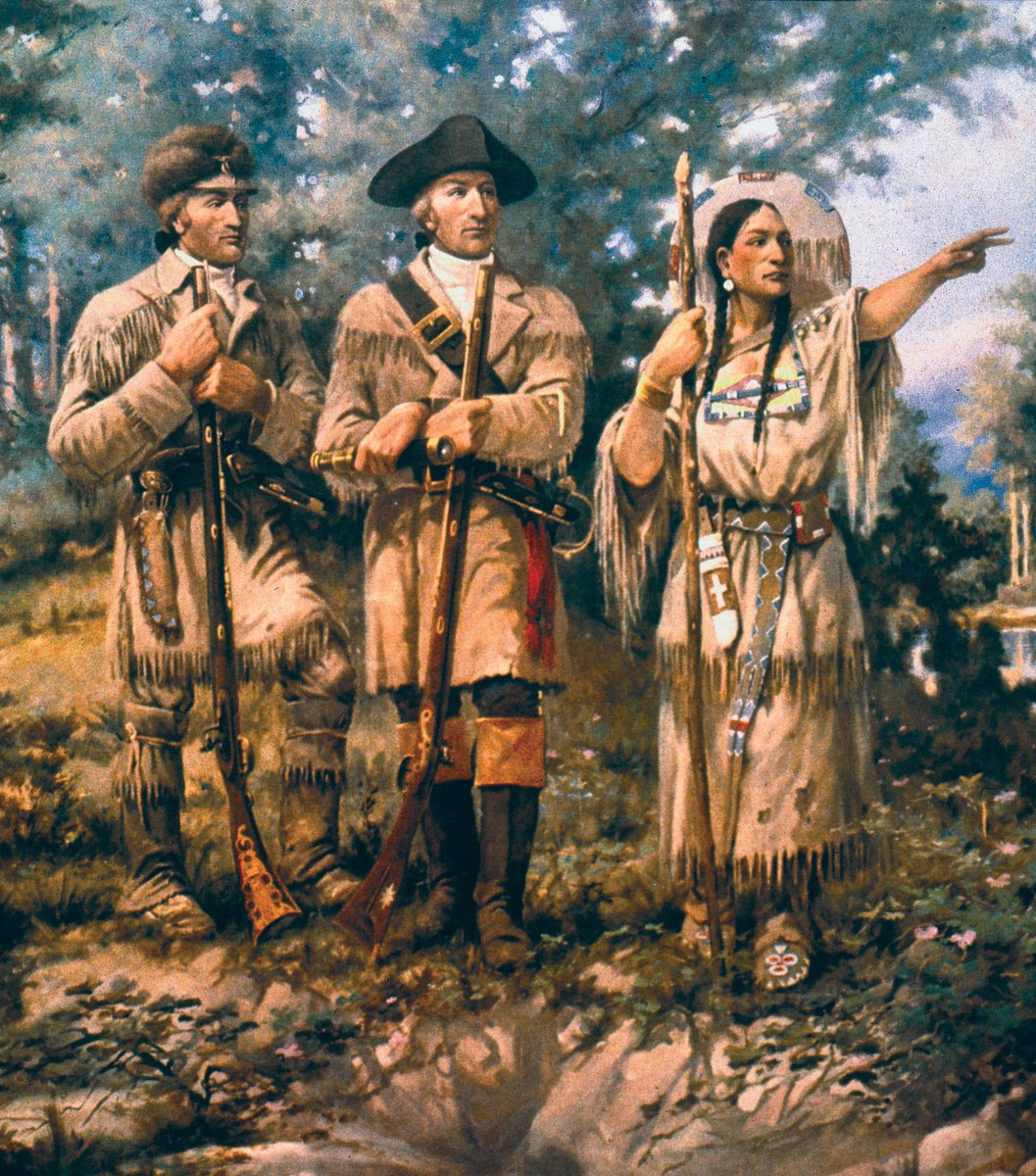
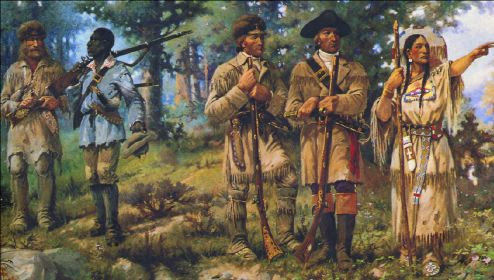
Sacagawea is no mere translator.
She’s a guide, a cultural bridge, and a symbol of peace.
Her infant son, strapped to her back, tells wary tribes:
“We come in peace.”
She’s a guide, a cultural bridge, and a symbol of peace.
Her infant son, strapped to her back, tells wary tribes:
“We come in peace.”
In spring 1805, they set off again.
Rivers grow colder. The land rises.
They haul canoes across muddy plains—backs breaking, boots rotting.
Then the mountains appear.
Rivers grow colder. The land rises.
They haul canoes across muddy plains—backs breaking, boots rotting.
Then the mountains appear.
The Rockies weren’t on any map.
And one doesn't just cross them.
They’re starving. Exhausted. Freezing.
They climb anyway.
And one doesn't just cross them.
They’re starving. Exhausted. Freezing.
They climb anyway.

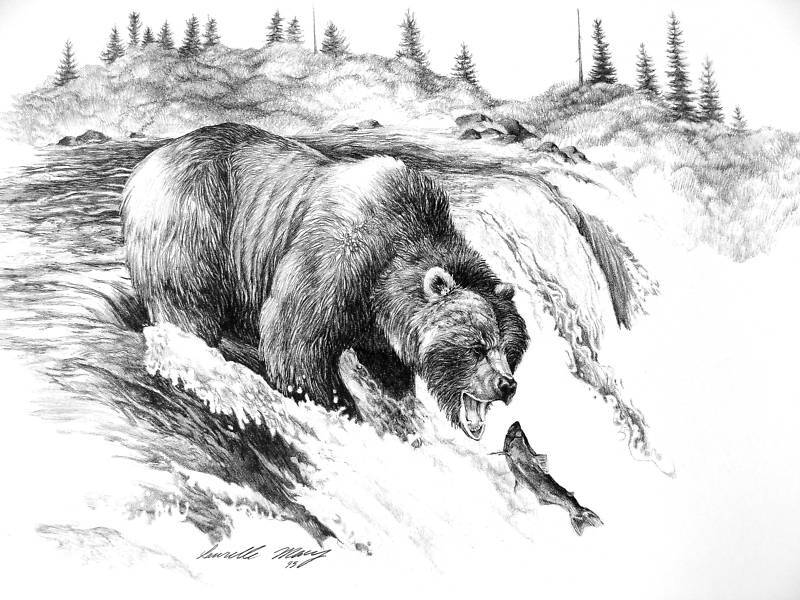
Grizzlies stalk their camps.
One bear takes six shots before falling.
Lewis writes:
"I find that the curiosity of our party is pretty well satisfied with respect to this animal."
One bear takes six shots before falling.
Lewis writes:
"I find that the curiosity of our party is pretty well satisfied with respect to this animal."
The Corps meets the Shoshone—Sacagawea’s people.
A twist of fate: their chief is her long-lost brother, Cameahwait.
The reunion brings tears—and horses.
Without them, the expedition likely ends in the Rockies.
A twist of fate: their chief is her long-lost brother, Cameahwait.
The reunion brings tears—and horses.
Without them, the expedition likely ends in the Rockies.

Crossing the Bitterroot Mountains, the men are near death.
Snowblind, starving, half-frozen.
They eat candle wax and raw meat to survive.
Snowblind, starving, half-frozen.
They eat candle wax and raw meat to survive.
Then, salvation:
They stumble into the lands of the Nez Perce.
A tribe who could have wiped them out—but chose to save them.
They stumble into the lands of the Nez Perce.
A tribe who could have wiped them out—but chose to save them.
The Nez Perce feed, shelter, and even guard their supplies.
Lewis and Clark are revived.
With dugout canoes, they ride the Clearwater River—then the Snake—then the mighty Columbia.
The Pacific is close.
Lewis and Clark are revived.
With dugout canoes, they ride the Clearwater River—then the Snake—then the mighty Columbia.
The Pacific is close.
On November 7, 1805—they see the ocean.
Clark writes:
“Ocean in view! O! the joy.”
They’ve done it. They’ve reached the Pacific.
Clark writes:
“Ocean in view! O! the joy.”
They’ve done it. They’ve reached the Pacific.

But winter on the coast is brutal.
Relentless rain. Miserable cold.
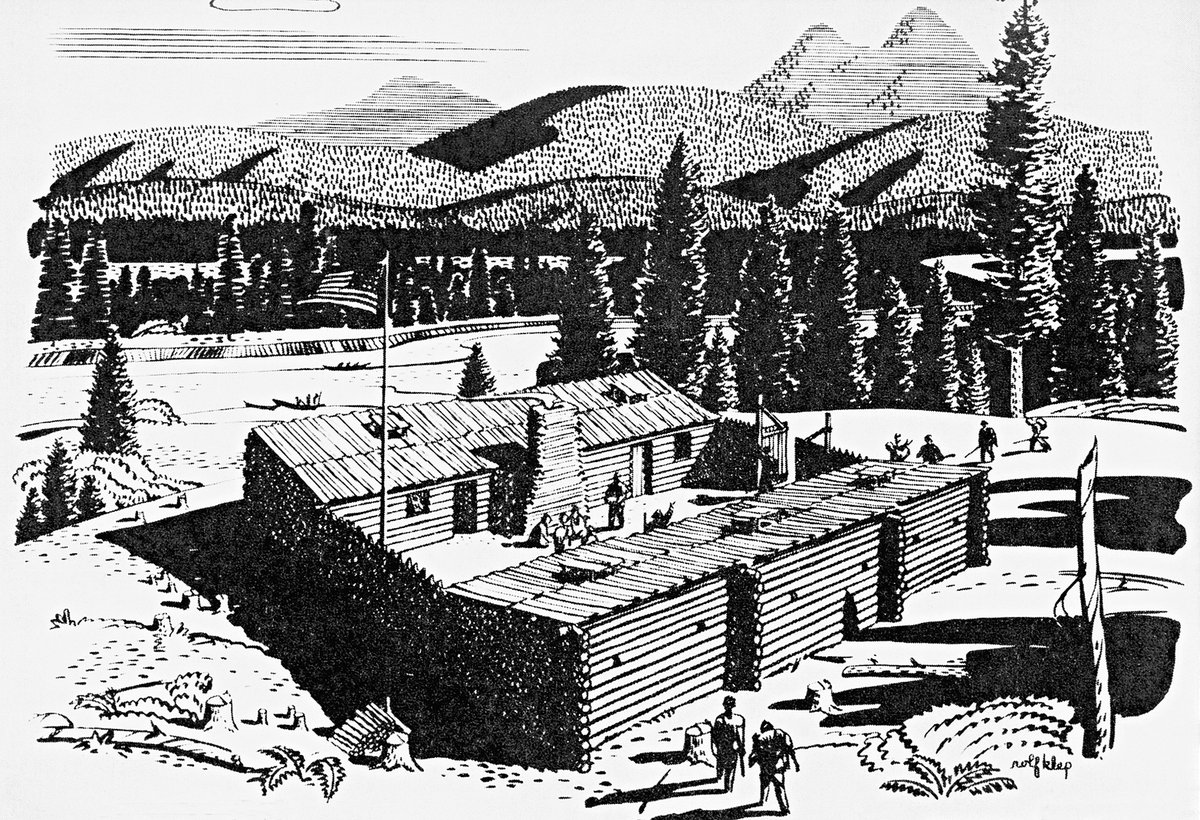
They build Fort Clatsop, where they spend the winter of 1805–06.
Morale dips. Food spoils. Clothes rot.
Relentless rain. Miserable cold.
They build Fort Clatsop, where they spend the winter of 1805–06.
Morale dips. Food spoils. Clothes rot.
Come spring, they vote on where to return.
Yes—vote.
Including Sacagawea and York, Clark’s Black slave.
It’s the first recorded instance of a woman and a Black man voting in U.S. history.
Yes—vote.
Including Sacagawea and York, Clark’s Black slave.
It’s the first recorded instance of a woman and a Black man voting in U.S. history.
The journey back is no victory lap.
Rivers flood. Paths vanish.
They split into two teams to explore more land—doubling the risk.
Rivers flood. Paths vanish.
They split into two teams to explore more land—doubling the risk.
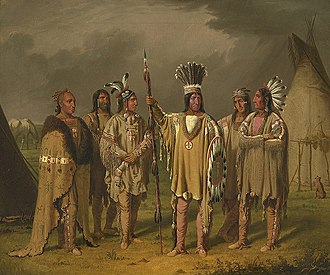
Lewis has a deadly run-in with the Blackfeet.
They try to steal his horses.
He kills two in the fight—the expedition’s only major bloodshed.
They try to steal his horses.
He kills two in the fight—the expedition’s only major bloodshed.
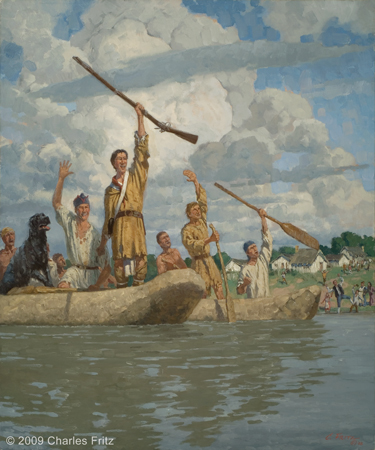
By September 1806, they return to St. Louis.
Tattered. Thin. Hardened.
But alive.
They left nobodies.
They return as national heroes.
Tattered. Thin. Hardened.
But alive.
They left nobodies.
They return as national heroes.
They mapped rivers, recorded 178 new plants, 122 animals, and made peaceful contact with over 50 tribes.
They wrote the first American chapter in the story of the West.
They wrote the first American chapter in the story of the West.
But the story doesn’t end well for all.
Sacagawea vanishes from the records by 1812.
York asked for freedom—and was denied.
Lewis, plagued by depression, dies mysteriously in 1809. Possibly suicide.
Sacagawea vanishes from the records by 1812.
York asked for freedom—and was denied.
Lewis, plagued by depression, dies mysteriously in 1809. Possibly suicide.
Clark lives on as a respected governor.
But the frontier he helped open will soon be flooded—not with explorers, but settlers.
And the tribes?
Many will be forced from the lands he once crossed in peace.
But the frontier he helped open will soon be flooded—not with explorers, but settlers.
And the tribes?
Many will be forced from the lands he once crossed in peace.
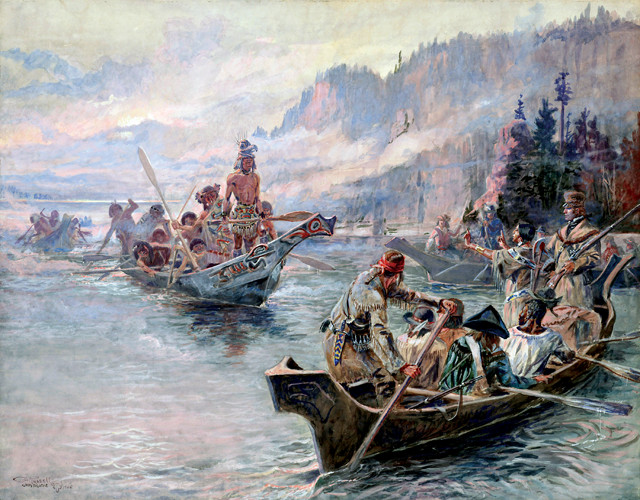
The Lewis & Clark Expedition is often celebrated as triumph—
But it was also a turning point.
The opening act of a coming storm for Native America.
But it was also a turning point.
The opening act of a coming storm for Native America.
Still, their journey remains unmatched:
8,000 miles.
2 years, 4 months, 10 days.
No mutiny. One death.
And a new map of a wild continent.
8,000 miles.
2 years, 4 months, 10 days.
No mutiny. One death.
And a new map of a wild continent.
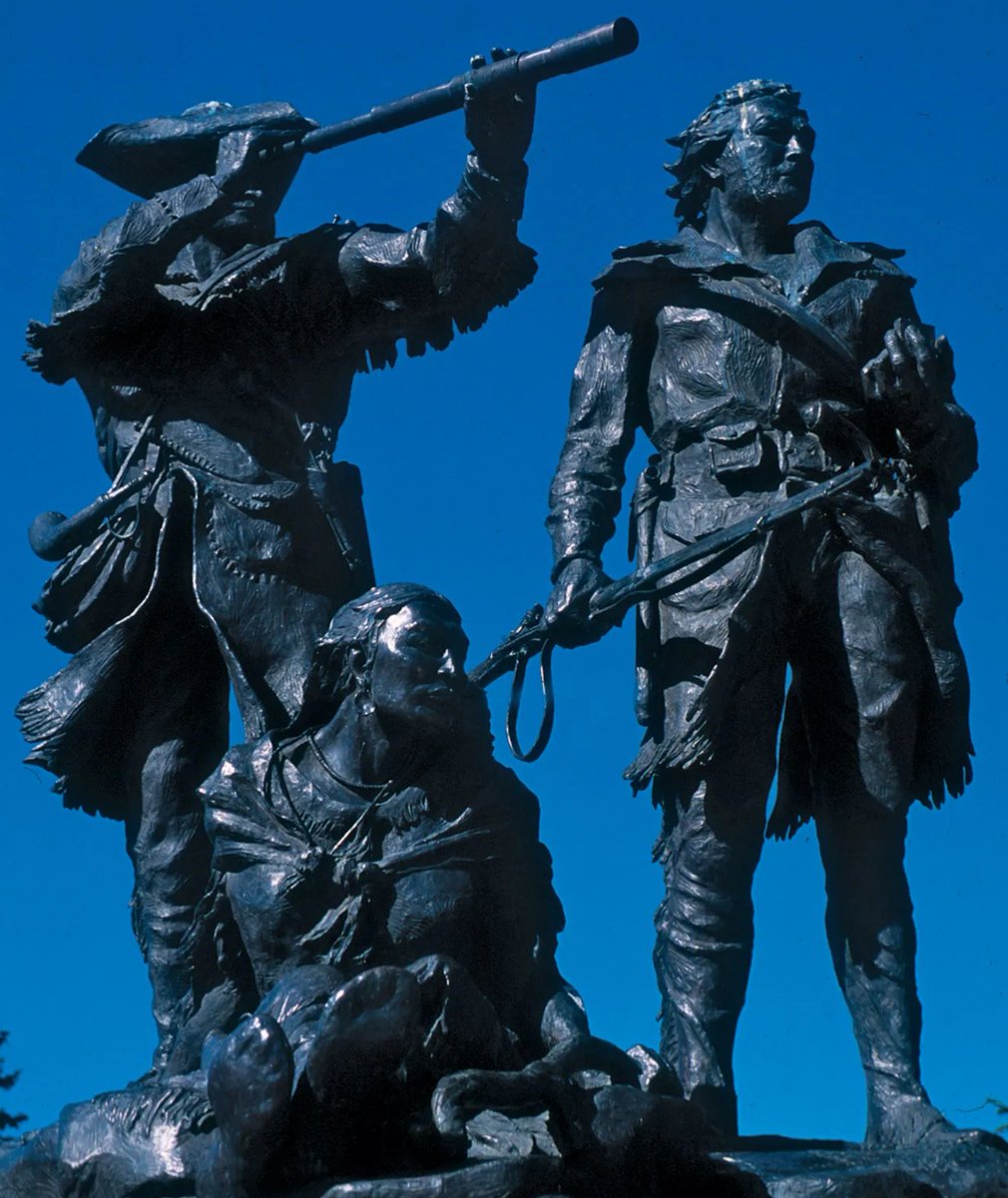
Thanks for sticking with me.
If you see yourself as an explorer, there’s no better companion than the LEGACY app.
Discover history’s greatest heroes, events, and wonders—wherever you go.
Best of all? It’s completely free.
If you see yourself as an explorer, there’s no better companion than the LEGACY app.
Discover history’s greatest heroes, events, and wonders—wherever you go.
Best of all? It’s completely free.


• • •
Missing some Tweet in this thread? You can try to
force a refresh