Culture Explorer Profile picture
Jun 6, 2025 19 tweets 7 min read Read on X
You think you know ancient history?
Egypt. Persia. Greece. Rome.

But that’s just the surface.

There were other empires: older, stranger, forgotten.
They shaped our world... then vanished.

Here are 15 ancient civilizations you’ve never heard of but should have. 🧵👇 Delphi: The Center of the World Credit: theelegantaesthetic
The Kingdom of Aksum (Ethiopia)

They built obelisks that rivaled Rome.
Minted coins. Ruled trade routes. Converted to Christianity before Europe did.

And now? Archaeologists just found their Moon temple. Aksum's obelisks and royal tombs reveal the grandeur of the ancient Kingdom of Aksum, a major trading power. Credit: @AvatarDomy
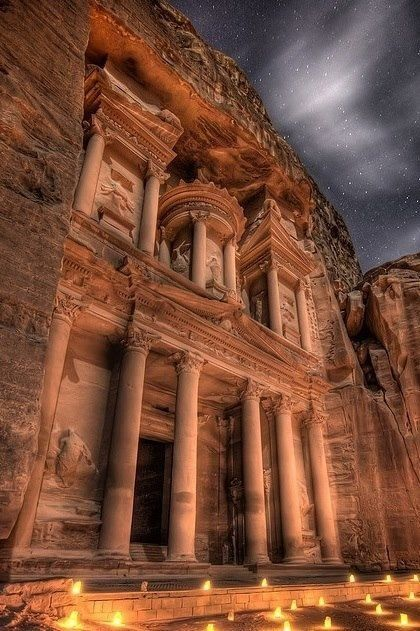
The Nabataeans (Jordan)

Yes, Petra. But they weren’t just architects of beauty.

They engineered secret cisterns in the desert, turning sand into city.
2,000 years later, some still work.

They didn’t find water. They built it. Hegra, also known as Mada’in Salih, is Saudi Arabia’s first UNESCO World Heritage Site, carved into rock by the Nabataeans before the 1st century AD. Once a bustling trade hub, its 111 rock-cut tombs and unique blend of Greek, Roman, and Egyptian influences now captivate travelers seeking its mysteries. Credit: @histories_arch
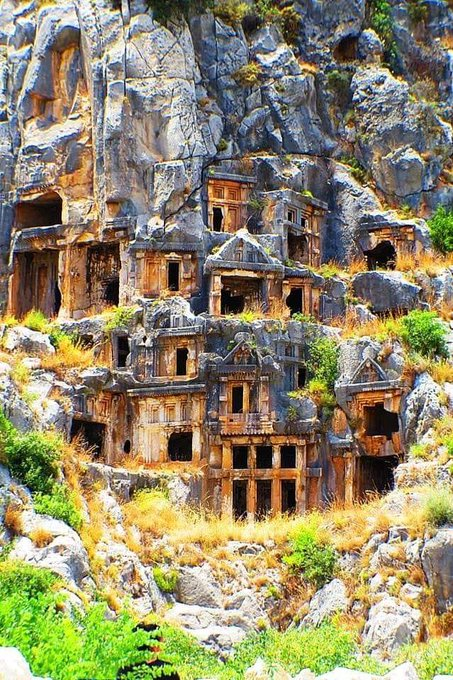
The Lycians (Turkey)

They carved tombs into cliffs to send the dead skyward.

No empire ever honored its ancestors like this. Lycian Rock Tombs located in the ancient city of Myra. Antalya Credit: @ancientorigins
Indus Valley Civilization (Pakistan/India)

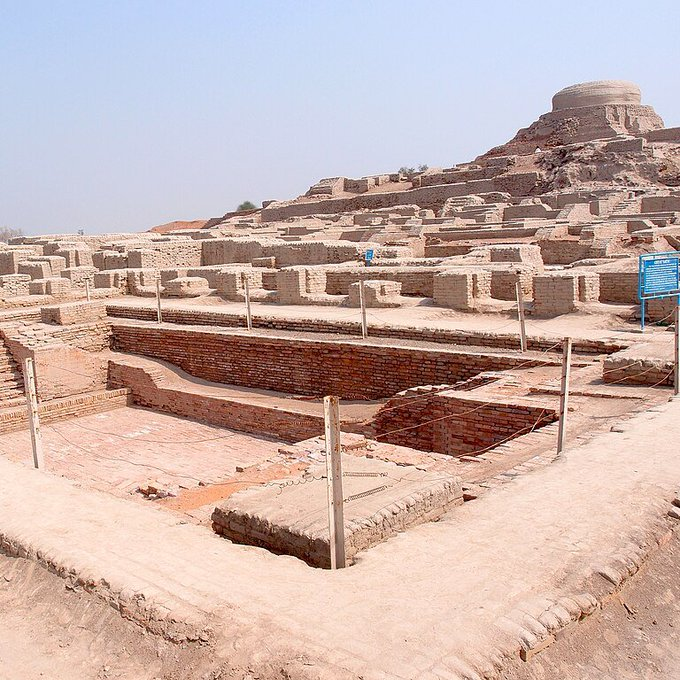
Public baths. Drainage systems. Gridded cities.

But no kings. No temples. No armies.

Who ruled them? No one knows.

Mohenjo-Daro was a mystery wrapped in symmetry. Mohenjo-Daro, Pakistan built around 2500 BC View of the site's Great Bath, showing the surrounding urban layout Credit: By Saqib Qayyum - Own work, CC BY-SA 3.0 - Wikipedia
The Moche (Peru)

They didn’t hide their truth.

Pottery shows warriors, blood, gods—and sex.

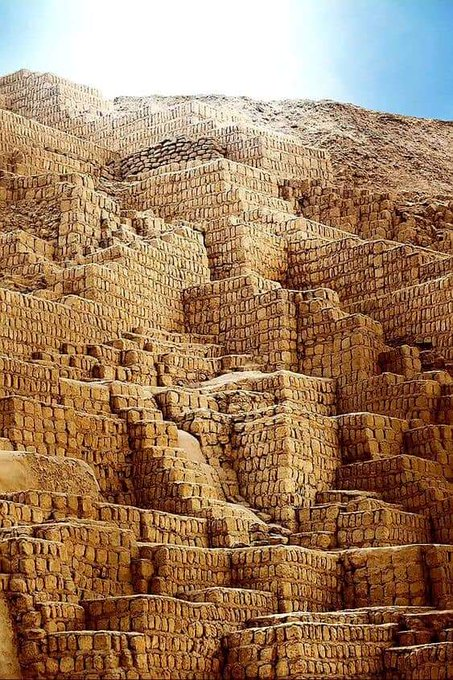
Their art isn’t polite. It’s raw. It’s human. Huaca del Sol, an ancient Moche pyramid in Peru, is one of the largest adobe brick structures in the Americas. Once a ceremonial and political center, it’s still revealing secrets about the Moche civilization through its intricate murals and buried treasures. Credit: @archeo-histories
The Scythians (Eurasian Steppe)

Horse-riding warriors buried in permafrost.

Golden armor. Braided hair. Tattoos that told stories.

Their tombs were poems. Image
Tarim Basin Mummies (China)

2,000 BC. A desert in China.
Red-haired mummies wearing plaid.

Trade? Migration? Or something deeper?

Their silence is louder than our theories. Credit: @archaeo-Histories
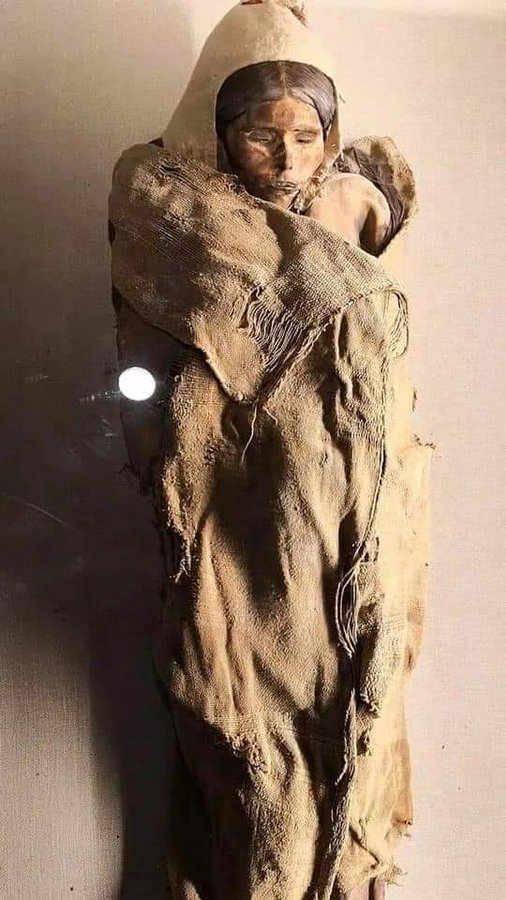
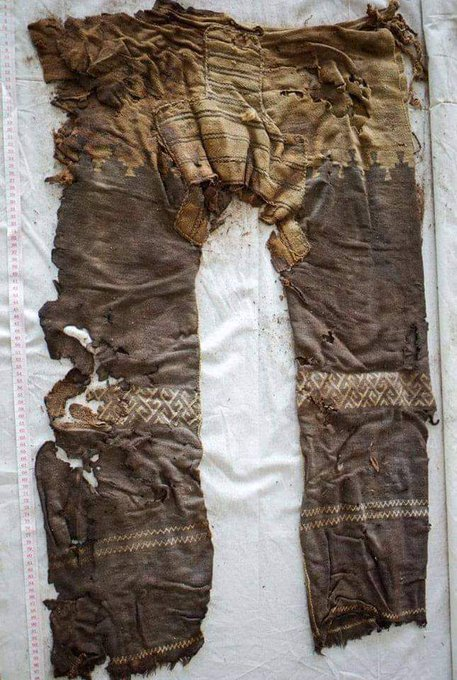
Oldest men's pants found in China, embroidered with a Slavic motif.  Credit: AndTartary and antiquity @andtartary2
The Hittites (Turkey)

They fought Egypt to a standstill—and made peace.

Their archives held contracts, myths, and the oldest treaty ever found.

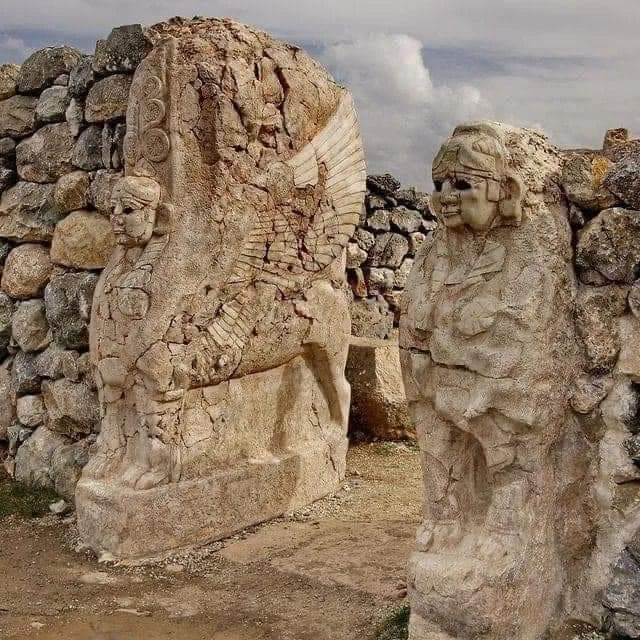
A paper trail of power. Ruins of Sphinx Gate (17th-13th Century BC), Hattusa, former capital of the Hittite Empire, in present-day Türkiye. Credit: @archeohistories
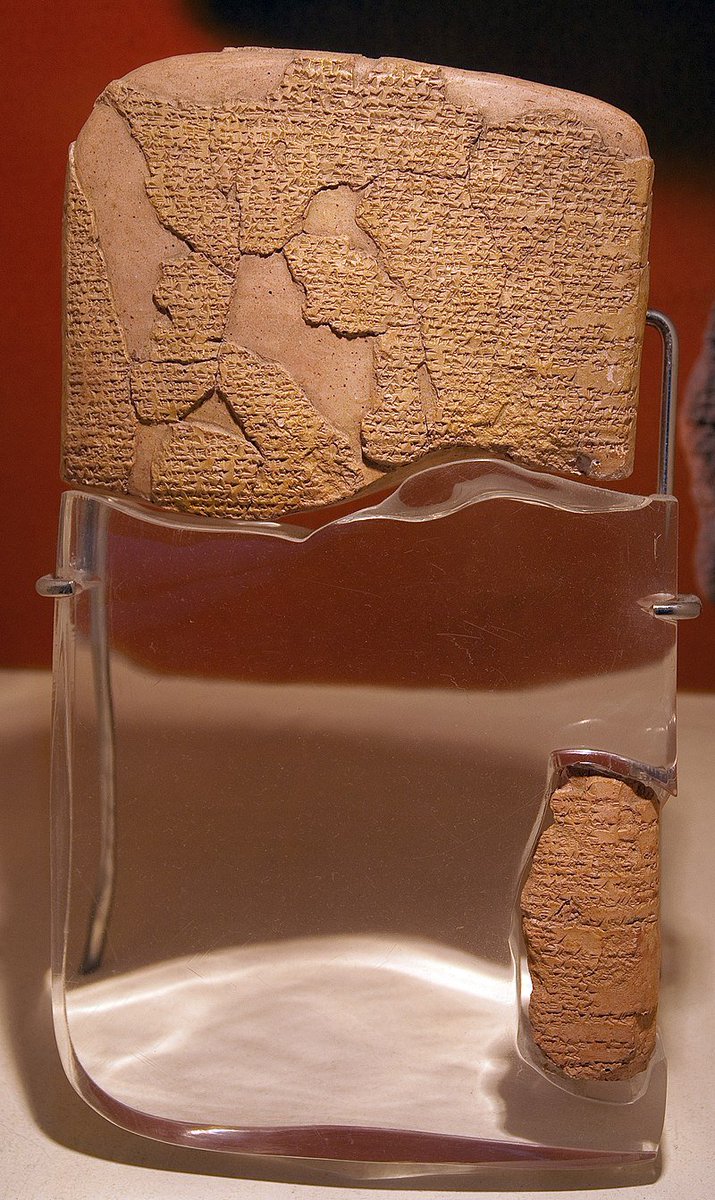
Egypto-Hittite Peace Treaty (c. 1258 BC) between Hattusili III and Ramesses II, the earliest known surviving peace treaty, sometimes called the Treaty of Kadesh after the Battle of Kadesh (Istanbul Archaeology Museum). Photo taken by Iocanus. Wikimedia CC BY 3.0.
The Chachapoya (Peru)

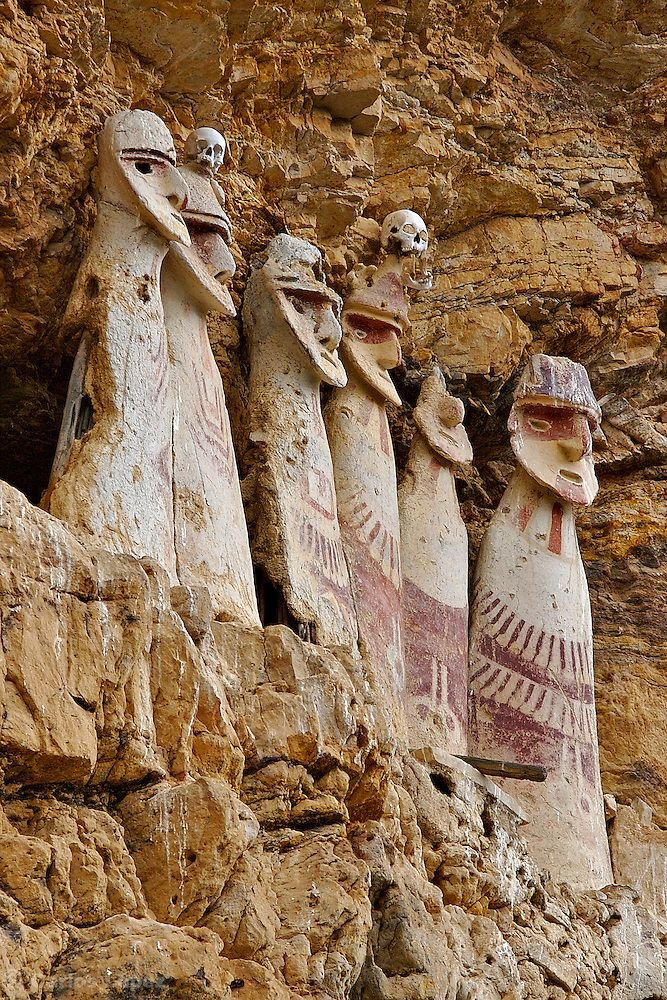
The “Cloud People” built Kuelap in the sky.
And buried their dead in cliffside tombs—gazing over valleys forever.

Their ghosts still watch. SARCOFAGOS DE KARAJIA | Carlos Lopez
Like stories like this?

I uncover lost empires, ancient art, and hidden culture.

Join the newsletter: newsletter.thecultureexplorer.com/subscribeImage
The Etruscans (Italy)
Before Rome ruled, it borrowed.

Etruscans gave them togas, architecture, even divination.

In their tombs? Mirrors, perfumes, and music.

They lived richly—and died beautifully.
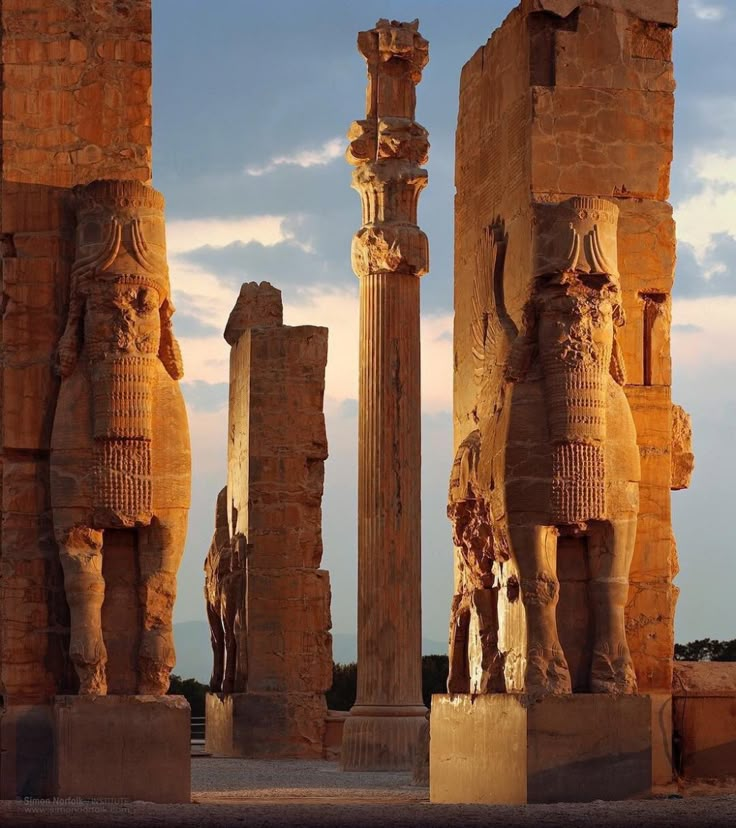
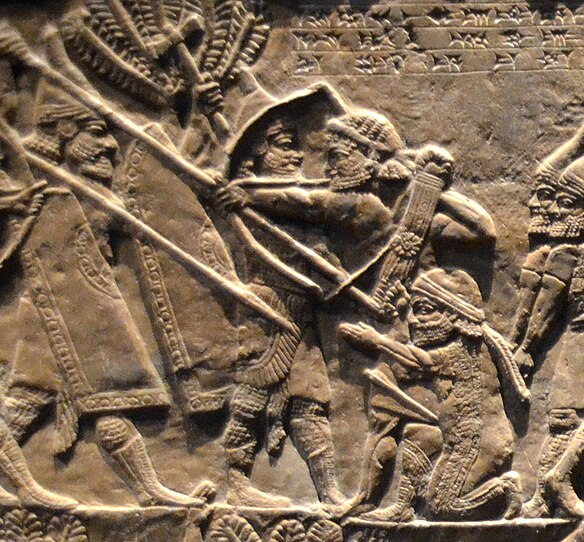
The Kingdom of Elam (Iran)

Before Persia—there was Elam.

At Chogha Zanbil, they stacked mudbrick into sacred ziggurats.

And in the ruins? Laws, recipes, and love letters written in cuneiform. The Ziggurat of Chogha Zanbil is an ancient temple complex located in the Khuzestan province of southwestern Iran. Photo Credit: @johnlopez2nd John the Alchemist
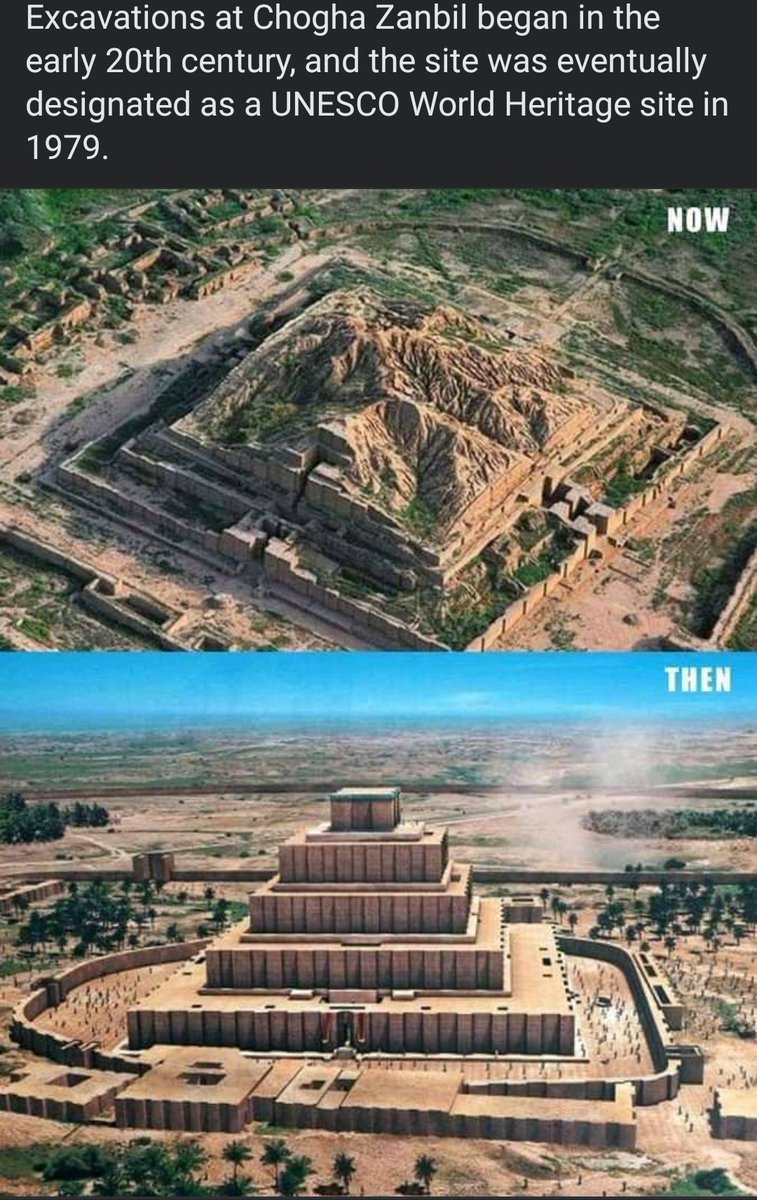
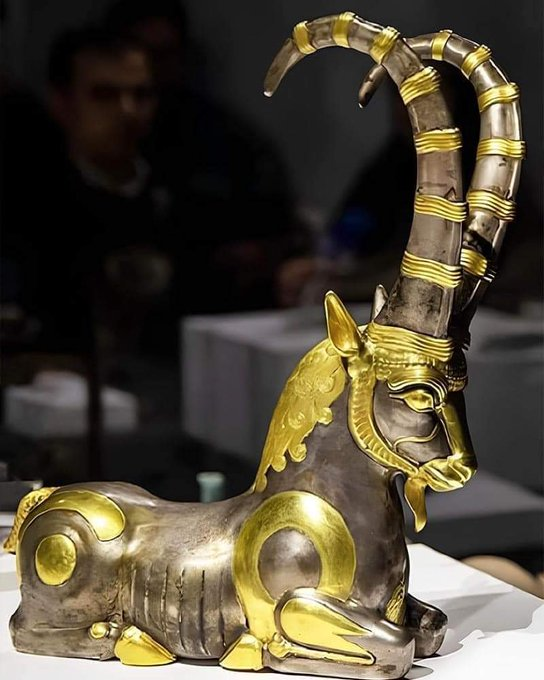
Elamite Ibex Statue from 2nd Millennium BC, Persia (ancient Iran). Photo credit: @Dr_TheHistories
Elamite archer fighting against the Neo-Assyrian troops of Ashurbanipal, and protecting wounded king Teumman (kneeling), at the Battle of Ulai, 653 BC.
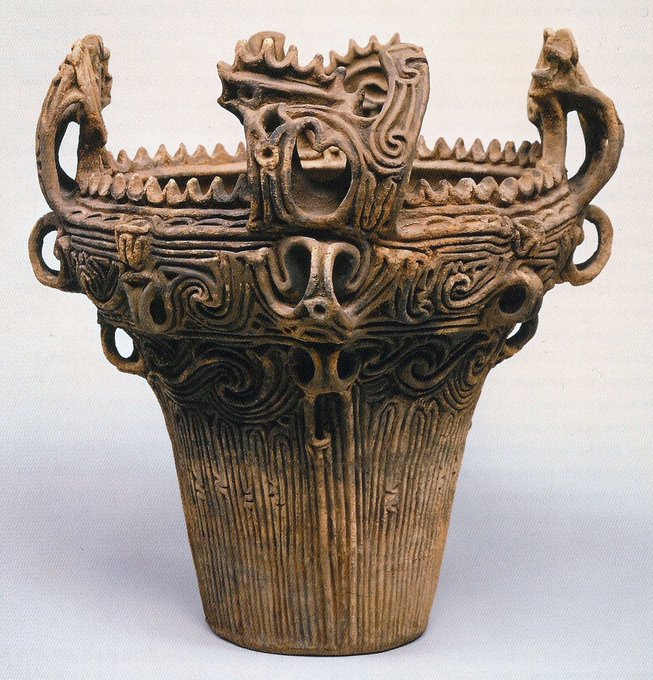
The Jomon (Japan)

Before pyramids. Before farming.

The Jomon made pottery with swirling, hypnotic patterns—14,000 years ago.

Oldest known ceramic culture in the world. A 13,000 year old Dogu statue made by the ancient Jomon culture of Japan Credit: @johnlopez2nd
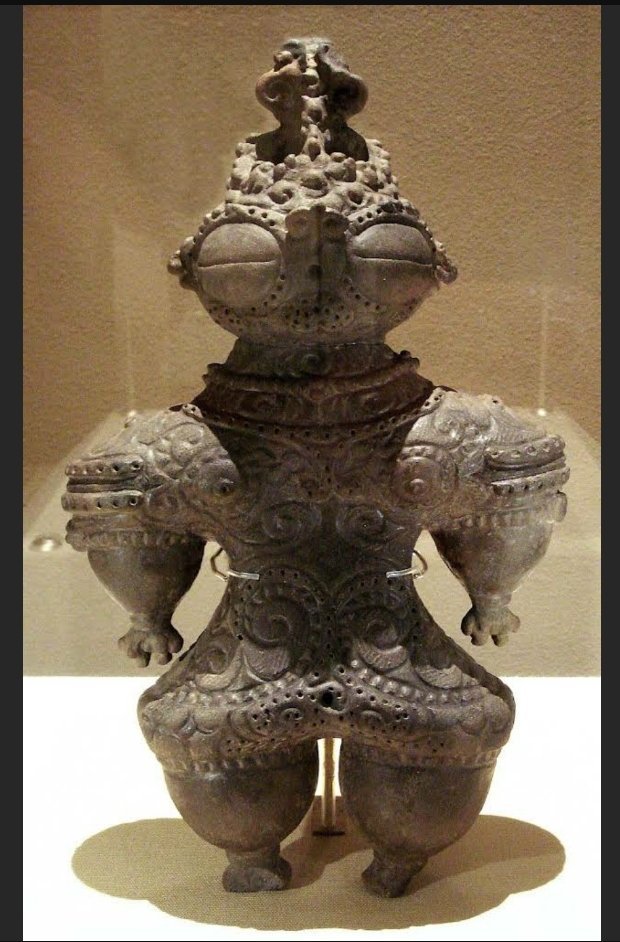
During the Jomon Period, Japan's neolithic age (c. 12,000-300 BCE), women are believed to be the creators of the intricate pottery of the era. Credit: @womensart1
The Olmecs (Mexico)

They carved heads bigger than men.
And left symbols we still can’t read.

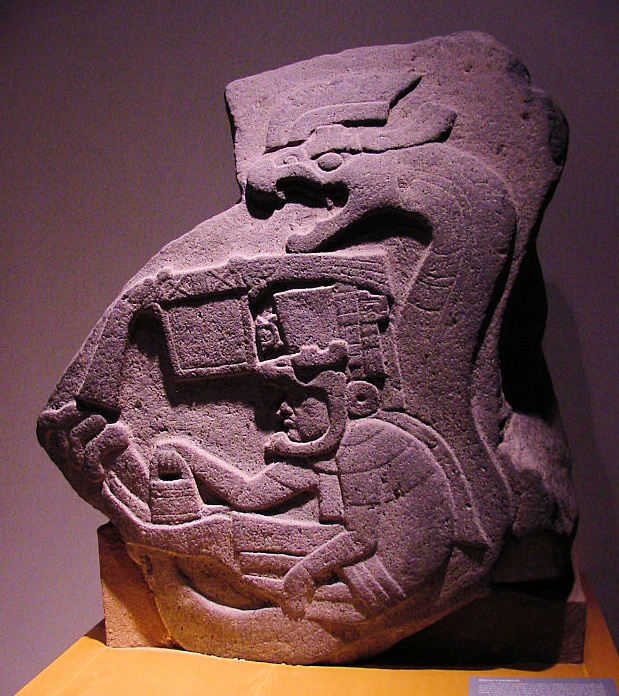
They may have invented writing in the Americas.

But their faces stare at us, daring us to understand. La Venta stele 19 with an early depiction of a feathered serpent. By Audrey and George Delange - Audrey and George Delange, Attribution,
The Nok (Nigeria)

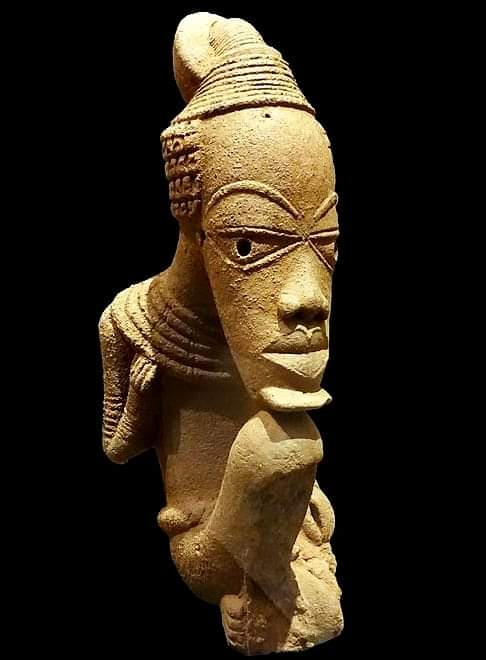
Terracotta figures with haunting, hollow eyes.

Were they spirits? Gods? Ancestors?

We still don’t know. But they used iron tools before much of Europe. Image
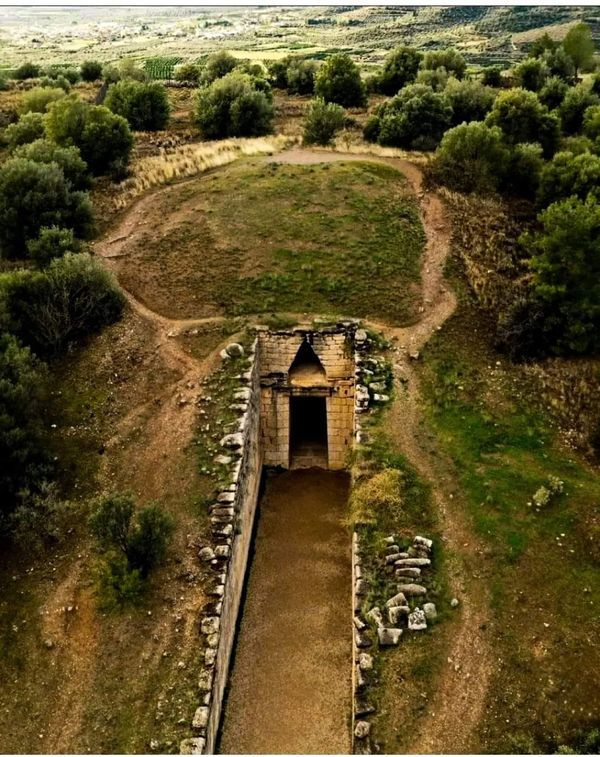
The Mycenaeans (Greece)

Before Socrates. Before Sparta.

There were the Mycenaeans—builders of fortresses, writers of Linear B, and possibly…

The origin of the Trojan War. Image
We call them forgotten.
But they shaped everything.

Cities. Stories. Scripts. Secrets.

Which one shocked you most? Image
And if you want more untold stories from the ancient world:

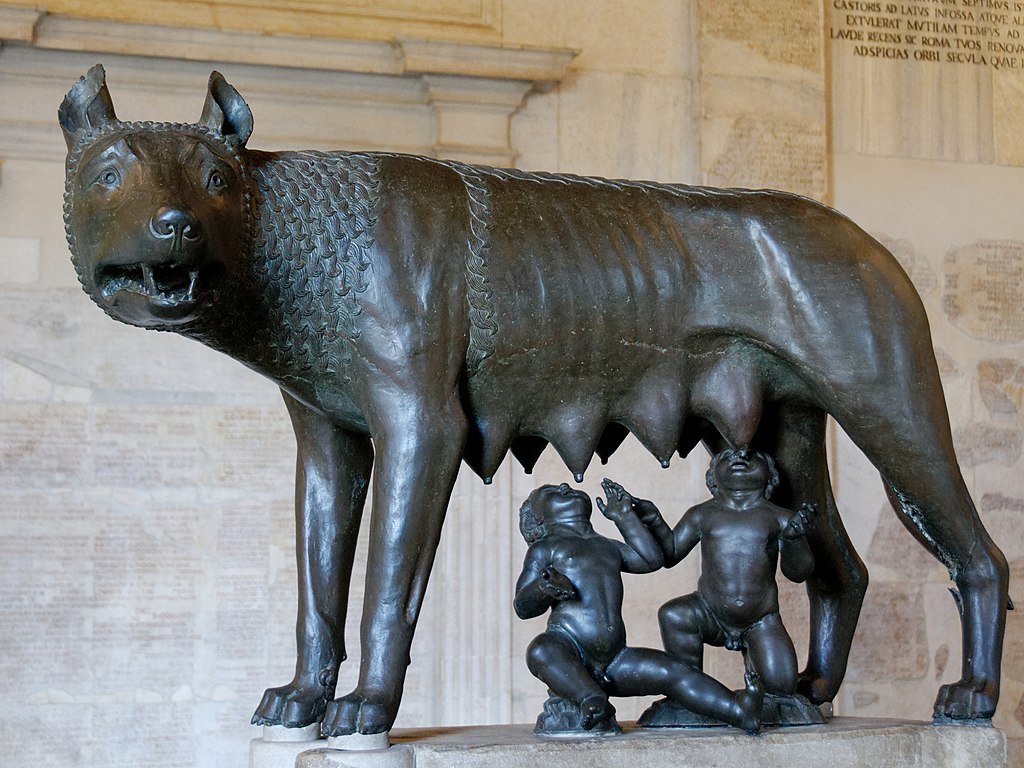
follow @CultureExploreX and click on the notification icon 🔔so you receive the latest threads in real time. The Capitoline Wolf, long considered an Etruscan bronze, feeding the twins Romulus and Remus.
• • •

Missing some Tweet in this thread? You can try to force a refresh

 

Keep Current with Culture Explorer

Culture Explorer Profile picture

Stay in touch and get notified when new unrolls are available from this author!

Read all threads

This Thread may be Removed Anytime!

PDF

Twitter may remove this content at anytime! Save it as PDF for later use!

Try unrolling a thread yourself!

how to unroll video
  1. Follow @ThreadReaderApp to mention us!

  2. From a Twitter thread mention us with a keyword "unroll"
@threadreaderapp unroll

Practice here first or read more on our help page!

More from @CultureExploreX

Feb 3
I didn’t turn to old Christian thinkers because I was looking for religion.

I turned to them because even though success answers many questions, it doesn’t tell you who you are becoming.

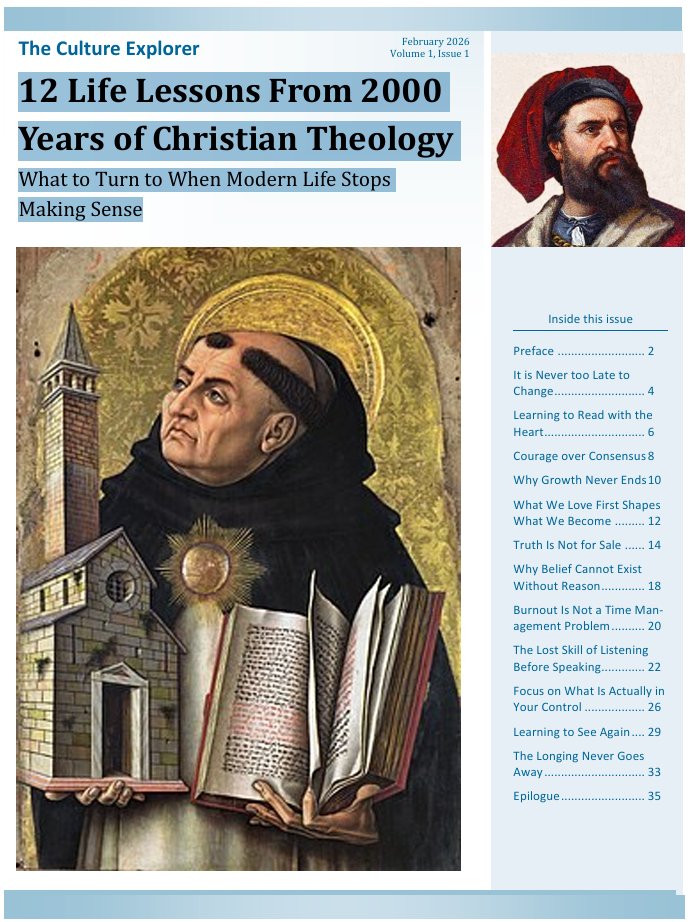
Here’s what 2,000 years of Christian thought taught me (🧵) about where to turn when modern life stops making sense.Image
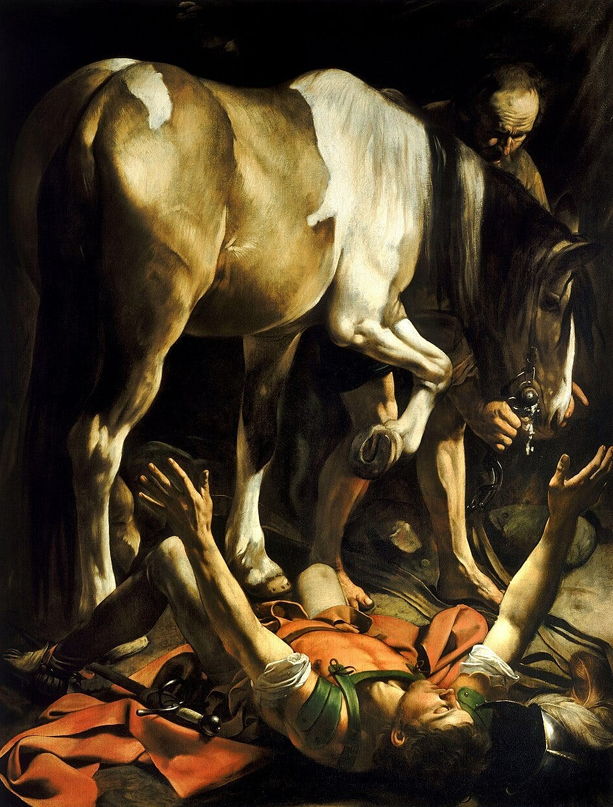
Paul of Tarsus is the worst place you’d expect wisdom from.

He spent years hunting Christians, convinced he was right. Then his entire identity collapsed.

His lesson isn’t about self-improvement. It’s this: It's never too late to change.

Artwork: Conversion on the Way to Damascus by Caravaggio (1601).Image
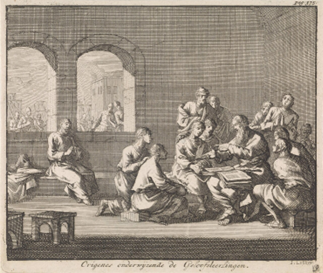
Origen of Alexandria lost his father to execution as a teenager.

Instead of hardening, he went deeper. He believed truth isn’t meant to be skimmed or consumed.

It’s meant to confront you where you’re avoiding yourself. Image
Read 16 tweets
Jan 9
What if I told you there’s a country with
more UNESCO sites than Egypt,
borders with 15 nations,
and empires older than Rome

yet the world reduces it to nukes and veils?

That country is Iran.
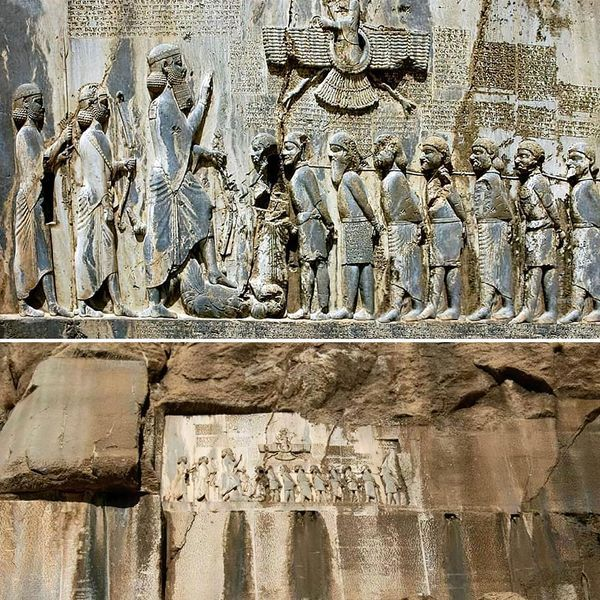
And most people have never really seen it. 🧵 Created around 520 BC, the Bisotun Inscription stands as a monumental testament to the ambition and authority of King Darius the Great of Persia.
Iran isn’t new.
It’s older than the name “Persia.”

Ērān, meaning “land of the Aryans,” was carved into stone nearly 1,700 years ago.
This identity existed long before modern borders.

But the world stopped listening.

“Persia” sounded beautiful.
“Iran” sounded dangerous.
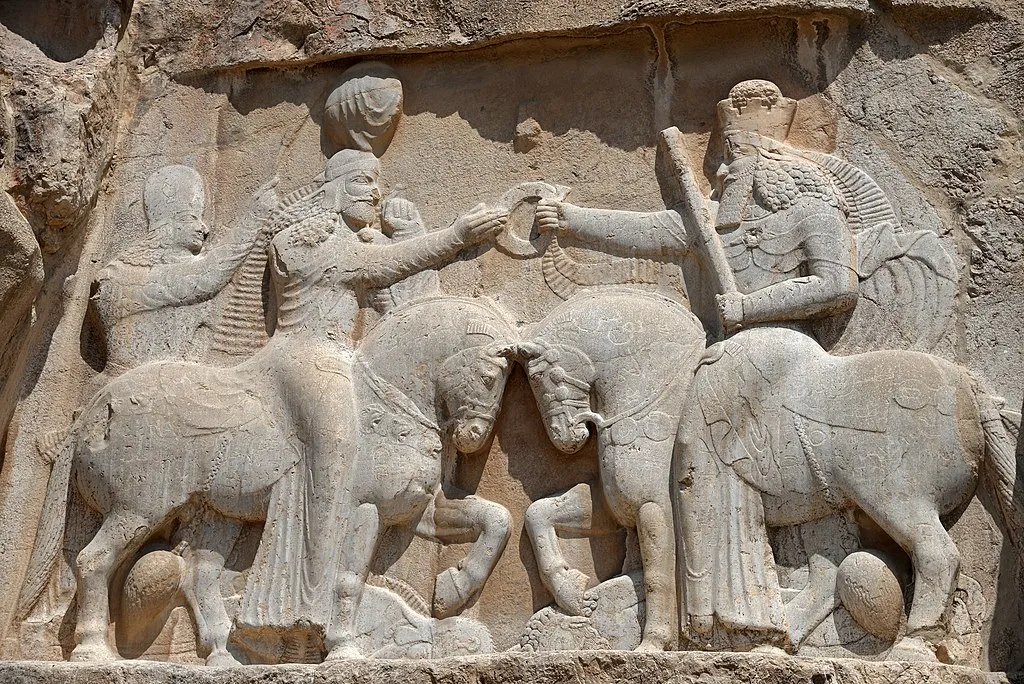
One became poetry. The other became a threat.A rock relief of Ardashir I (224–242 AD) in Naqsh-e Rostam, inscribed "This is the figure of Mazda worshipper, the lord Ardashir, King of Iran." Photo by Wojciech Kocot - Wikimedia, CC BY-SA 4.0.
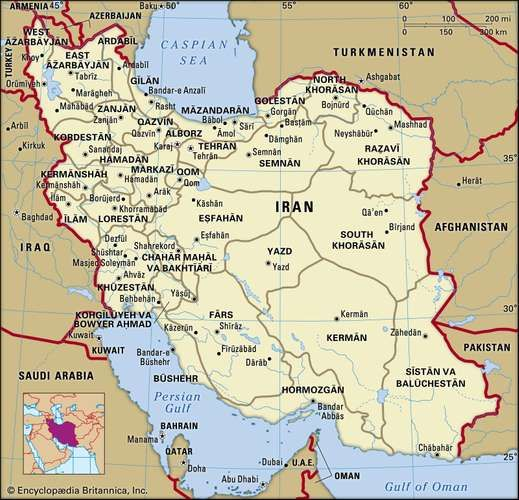
Iran spans deserts, forests, mountains, and coastlines.
It touches the Caspian Sea and the Persian Gulf.
It borders 15 countries.

It has always been a bridge and a battlefield.
Too strategic to ignore.
Too rooted to erase. Image
Read 13 tweets
Dec 19, 2025
Forget the predictable Christmas destinations.

If you want a December that actually feels like Christmas, these places still get it right.

Snow, bells, candlelight, and streets older than modern life itself.

Here are 23 European towns that turn Christmas into something real. 🧵⤵️Old Town Tallinn, Estonia Christmas Market
Tallinn, Estonia

One of Europe’s oldest Christmas markets, set inside a medieval square that time forgot. Credit: @archeohistories
Florence, Italy

Renaissance stone glowing under festive lights. Christmas surrounded by genius. Credit: @learnitalianpod
Read 26 tweets
Dec 18, 2025
Christmas didn’t just change how people worship.

It rewired how the West thinks about identity, guilt, desire, reason, and the soul.

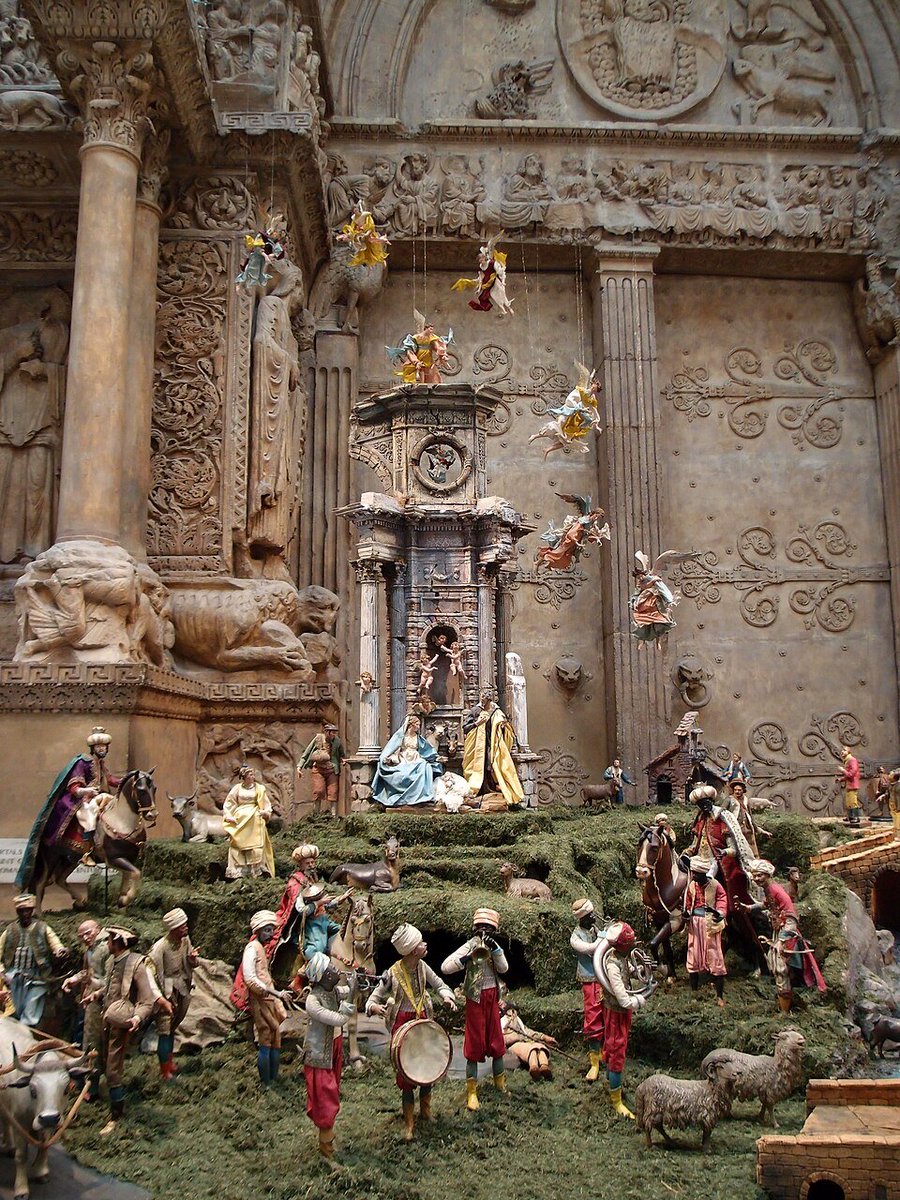
This thread traces the thinkers who quietly shaped your mind, whether you believe or not. 🧵 Neapolitan presepio at the Carnegie Museum of Art in Pittsburgh
Paul the Apostle did something radical in the first century.

He told people their past no longer had the final word. Not birth. Not class. Not failure.

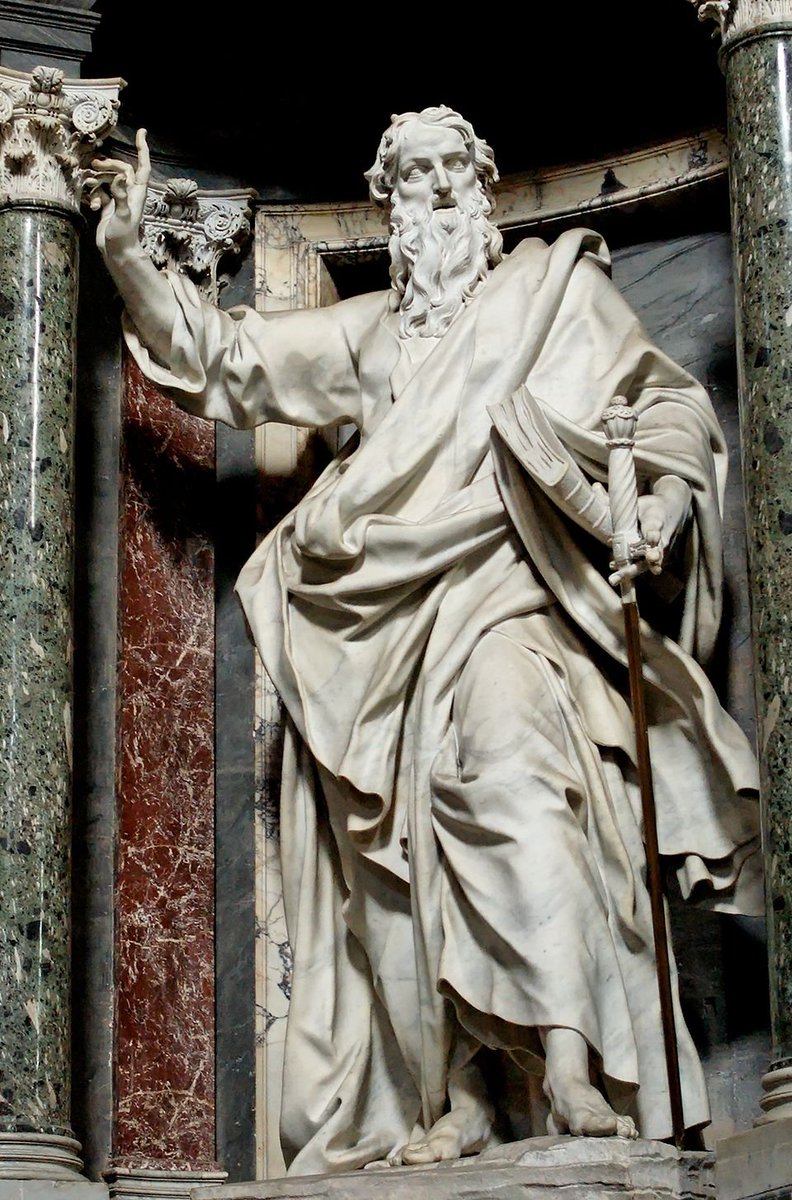
That idea detonated the ancient world. Identity became moral, not tribal. A statue of St. Paul in the Archbasilica of Saint John Lateran by Pierre-Étienne Monnot
Origen of Alexandria shocked early Christians by saying Scripture wasn’t simple on purpose.

He argued that God hid meaning beneath the surface.

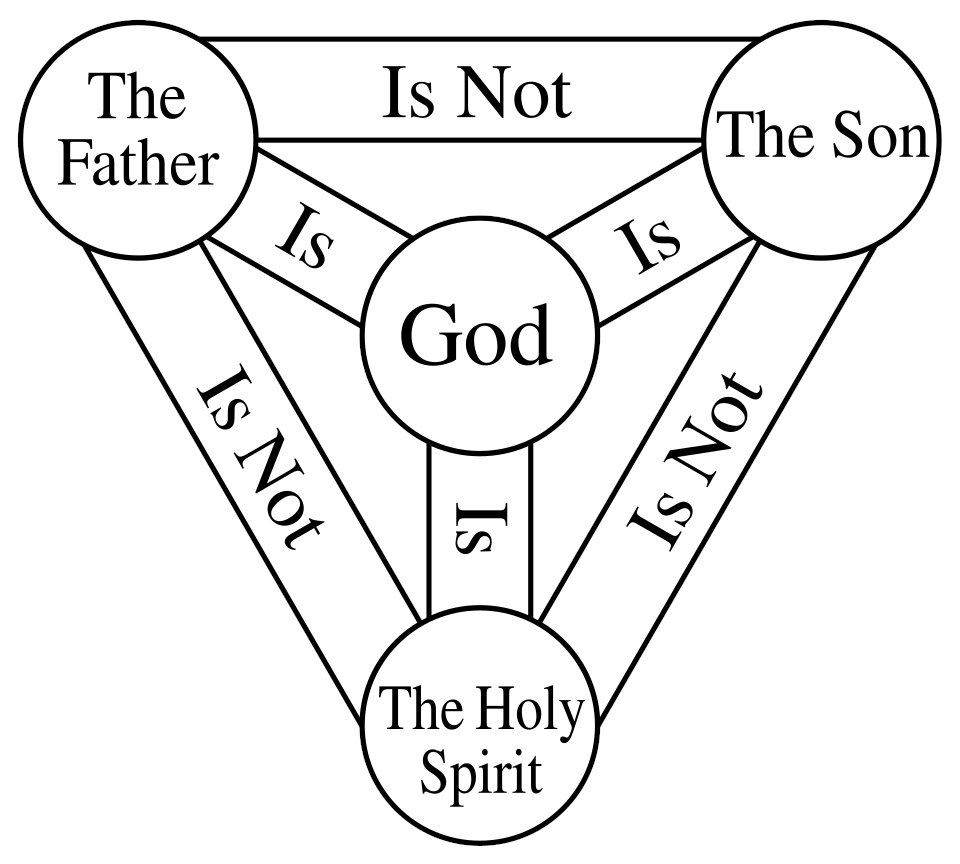
Truth, he said, rewards effort. If reading never costs you anything, you’re not reading deeply enough. Origen significantly contributed to the development of the concept of the Trinity and was among the first to name the Holy Spirit as a member of the Godhead
Read 17 tweets
Dec 10, 2025
We’ve been taught a false story for 150 years that Evolution erased God.

But evidence from science, psychology, and history points to a very different conclusion, one that almost no one is ready to face.

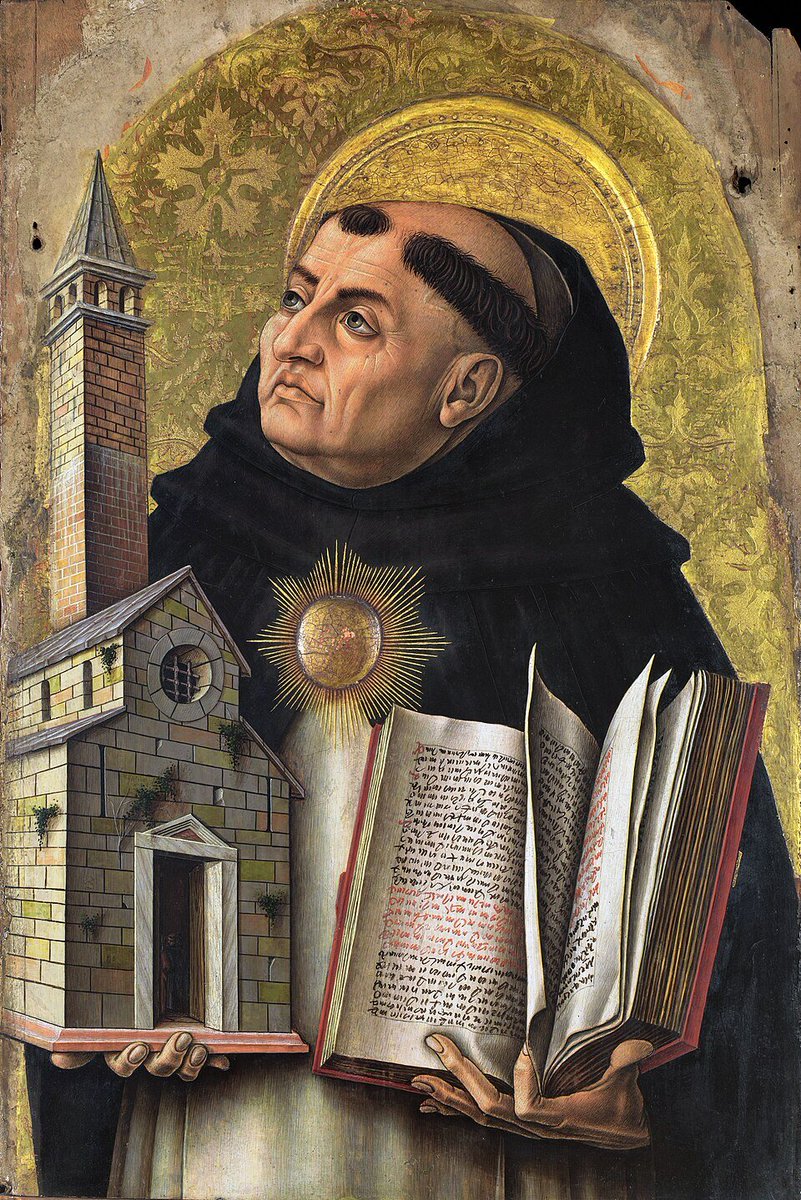
Nature produced a creature that refuses to live by nature’s rules. 🧵 During the 13th century, Saint Thomas Aquinas sought to reconcile Aristotelian philosophy with Augustinian theology. Aquinas employed both reason and faith in the study of metaphysics, moral philosophy, and religion. While Aquinas accepted the existence of God on faith, he offered five proofs of God’s existence to support such a belief.
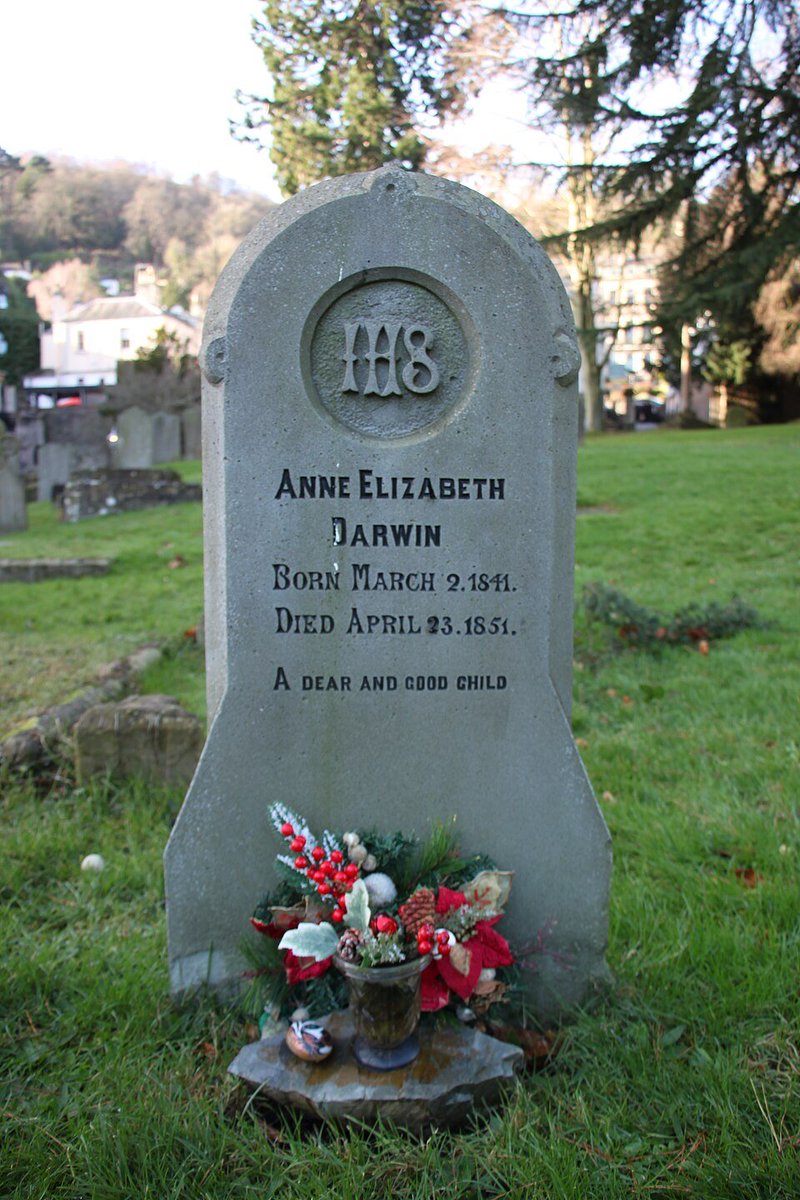
When Darwin buried his daughter Anne, he didn’t lose his faith because of fossils.

He lost it because he couldn’t square a good God with a world full of pain.

Evolution didn’t break him. Grief did. Anne Darwin's grave in Great Malvern.
But here’s something we often forget.

The same evolutionary world that frightened Darwin is the one that produced compassion, loyalty, sacrifice, and love.

Traits no random process should easily create.

Why did nature bother?
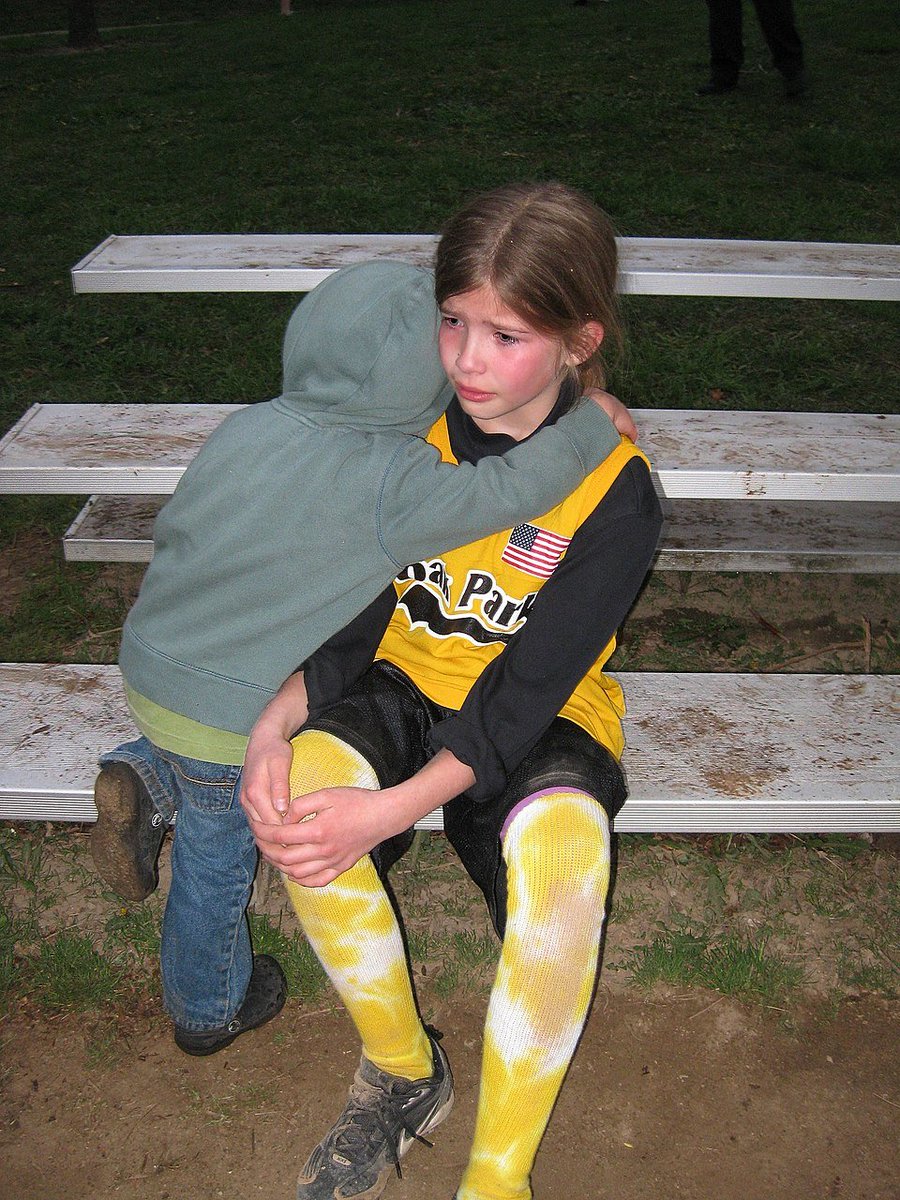
No one has a satisfying answer. Hugging is a common display of compassion.
Read 17 tweets
Nov 21, 2025
This inscription was carved into a cliff 2,500 years ago. At first glance you see a king towering over chained rebels.

But this isn’t a carving of victory. It’s a warning.

The ruler who ordered it was watching his world fall apart and trying to warn us that ours will too. 🧵 Image
He didn’t carve this to celebrate power.
He carved it because rebellion nearly shattered the world he ruled.

A man rose up claiming the throne. People believed him. Entire provinces switched allegiance overnight.

Reality and Truth were twisted. Loyalties changed.

The king wasn’t concerned with rebellion, rather he was concerned with confusion.The Behistun Inscription is a multilingual Achaemenid royal inscription and large rock relief on a cliff at Mount Behistun in the Kermanshah Province of Iran.  Photo By Korosh.091 - Own work, CC BY-SA 4.0
The purpose of the inscription was to leave lessons for future generations.

Lesson 1: A civilization dies the moment truth becomes optional.

His empire didn’t collapse because of war or famine. It collapsed because millions accepted a story that wasn’t real. And once people started believing the false king, the entire structure of society twisted with frightening speed.

Truth wasn’t a moral preference to him.
It was the ground everything stood on.
Read 16 tweets

Did Thread Reader help you today?

Support us! We are indie developers!


This site is made by just two indie developers on a laptop doing marketing, support and development! Read more about the story.

Become a Premium Member ($3/month or $30/year) and get exclusive features!

Become Premium

Don't want to be a Premium member but still want to support us?

Make a small donation by buying us coffee ($5) or help with server cost ($10)

Donate via Paypal

Or Donate anonymously using crypto!

Ethereum

0xfe58350B80634f60Fa6Dc149a72b4DFbc17D341E copy

Bitcoin

3ATGMxNzCUFzxpMCHL5sWSt4DVtS8UqXpi copy

Thank you for your support!

Follow Us!

:(