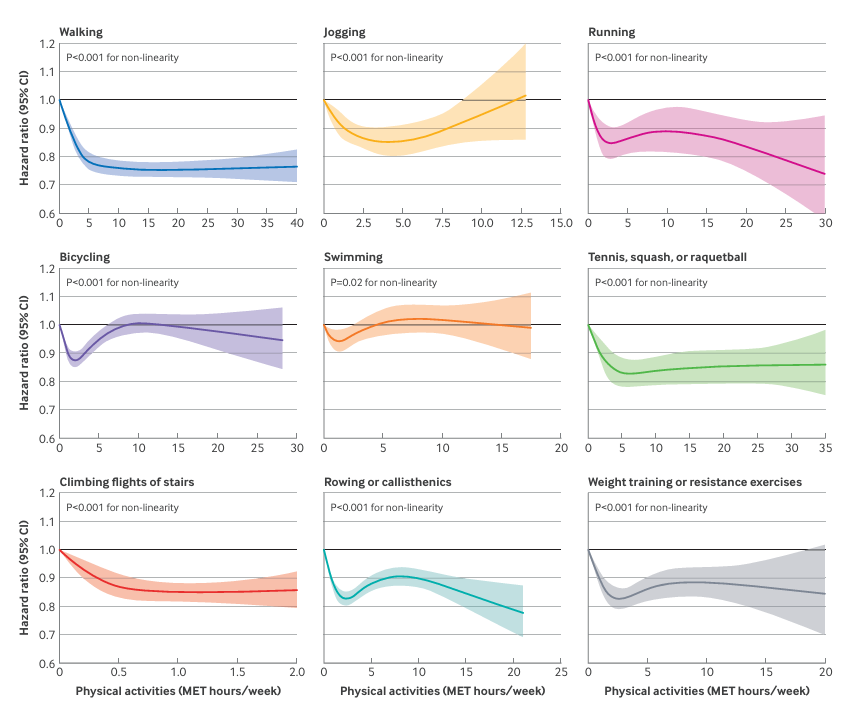
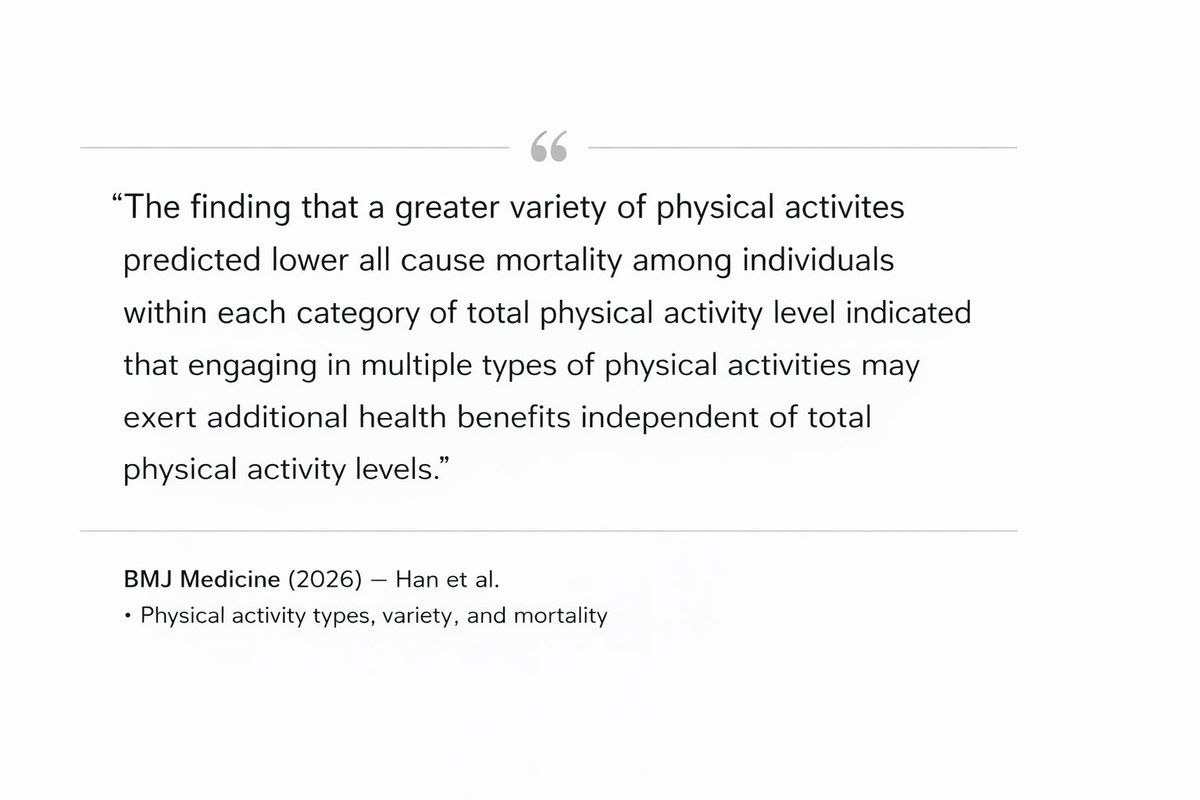
The Amish have just a 4% obesity rate—9x lower than most Americans.
They're less anxious and live longer than most of us.
Their secret? Not restrictive diets, gyms, or fitness trackers.
But 10 simple habits that let them age without decline:🧵
They're less anxious and live longer than most of us.
Their secret? Not restrictive diets, gyms, or fitness trackers.
But 10 simple habits that let them age without decline:🧵

Only 4% of Amish adults are obese.
Compare that to 31-36% of typical Americans.
Amish children are 1/3rd as likely to be obese as their peers.
This translates to 50% lower rates of Type 2 diabetes.
On top of this:
Compare that to 31-36% of typical Americans.
Amish children are 1/3rd as likely to be obese as their peers.
This translates to 50% lower rates of Type 2 diabetes.
On top of this:
Amish men average 18,425 steps per day.
Women average 14,196 steps daily.
That's 3-4x more than typical Americans who manage under 5,000 steps.
No fitness trackers. No gym memberships.
Here's how they're outliving us all:
Women average 14,196 steps daily.
That's 3-4x more than typical Americans who manage under 5,000 steps.
No fitness trackers. No gym memberships.
Here's how they're outliving us all:
1. Massive physical activity without trying.
Daily manual labour: farming, construction, chores.
From age 6 to 60, no decline in activity levels:
• Walking 100 steps outdoors before breakfast
• Dough Kneading: 12 min upper body workout
• Never sit 20+ min without movement
Daily manual labour: farming, construction, chores.
From age 6 to 60, no decline in activity levels:
• Walking 100 steps outdoors before breakfast
• Dough Kneading: 12 min upper body workout
• Never sit 20+ min without movement
2. They eat real food from their own land.
Home-raised meats, garden vegetables, fresh bread baked daily.
• 4-Hour Harvest Rule: Eat vegetables within 4 hours of picking
• Two Sweeteners: Only honey & maple syrup, max 1 tbsp daily
Home-raised meats, garden vegetables, fresh bread baked daily.
• 4-Hour Harvest Rule: Eat vegetables within 4 hours of picking
• Two Sweeteners: Only honey & maple syrup, max 1 tbsp daily
3. They consume fermented foods several times weekly.
Fermented foods like sauerkraut boost gut health and immunity.
The Amish have:
• 3 tbsp fermented vegetables before each meal
• 8 oz bone broth daily for joint health
Fermented foods like sauerkraut boost gut health and immunity.
The Amish have:
• 3 tbsp fermented vegetables before each meal
• 8 oz bone broth daily for joint health
4. They eat their main meal at midday.
This aligns with circadian rhythms for optimal digestion.
The digestive system is naturally strongest at this time.
• Largest meal 11:30 AM - 12:30 PM when sun is the highest
• No drinks 20 min before, during, or after meals
This aligns with circadian rhythms for optimal digestion.
The digestive system is naturally strongest at this time.
• Largest meal 11:30 AM - 12:30 PM when sun is the highest
• No drinks 20 min before, during, or after meals
5. Virtually zero screen time.
Most Amish people avoid TVs, computers, smartphones, tablets.
This means better sleep and lower anxiety rates. They:
• Wake naturally between 4:30-5:00 AM without alarms
• Get immediate morning sunlight: resets rhythms
Most Amish people avoid TVs, computers, smartphones, tablets.
This means better sleep and lower anxiety rates. They:
• Wake naturally between 4:30-5:00 AM without alarms
• Get immediate morning sunlight: resets rhythms
6. They use traditional food preparation methods.
Food is preserved through canning, pickling, fermenting.
This maximizes nutrient retention.
• 1 tbsp apple cider vinegar 15 min before eating
• Dandelion leaves before sweet foods to aid digestion
Food is preserved through canning, pickling, fermenting.
This maximizes nutrient retention.
• 1 tbsp apple cider vinegar 15 min before eating
• Dandelion leaves before sweet foods to aid digestion
7. Minimal exposure to modern toxins.
No cars mean less air pollution exposure.
Minimal processed foods mean fewer synthetic chemicals.
Amish children have lower asthma rates due to farm environments.
No cars mean less air pollution exposure.
Minimal processed foods mean fewer synthetic chemicals.
Amish children have lower asthma rates due to farm environments.
8. Tobacco and alcohol use is extremely rare.
This contributes to 63% lower tobacco-related cancer rates.
Overall cancer rates are 40% lower than the general population.
Their bodies aren't constantly fighting chemical assault.
This contributes to 63% lower tobacco-related cancer rates.
Overall cancer rates are 40% lower than the general population.
Their bodies aren't constantly fighting chemical assault.
9. They align sleep with natural rhythms.
From 9:00 PM to 4:30 AM consistently.
• Small cylindrical pillow under neck for spine alignment
• Zero electronics before sleep, only conversation and prayer
This supports healthy hormone production and restorative sleep.
From 9:00 PM to 4:30 AM consistently.
• Small cylindrical pillow under neck for spine alignment
• Zero electronics before sleep, only conversation and prayer
This supports healthy hormone production and restorative sleep.
10. Strong community bonds support mental health.
Their life revolves around family, church, community.
They have↓ depression and anxiety rates than average.
• Evening gratitude circle: Family shares 3 appreciations before bed
• Memory games weekly to keep minds sharp
Their life revolves around family, church, community.
They have↓ depression and anxiety rates than average.
• Evening gratitude circle: Family shares 3 appreciations before bed
• Memory games weekly to keep minds sharp
These aren't isolated habits.
They're part of a complete lifestyle aligned with human biology.
Each element reinforces the others, creating compound health benefits.
The Amish prove that health isn't about expensive supplements or gym memberships.
They're part of a complete lifestyle aligned with human biology.
Each element reinforces the others, creating compound health benefits.
The Amish prove that health isn't about expensive supplements or gym memberships.
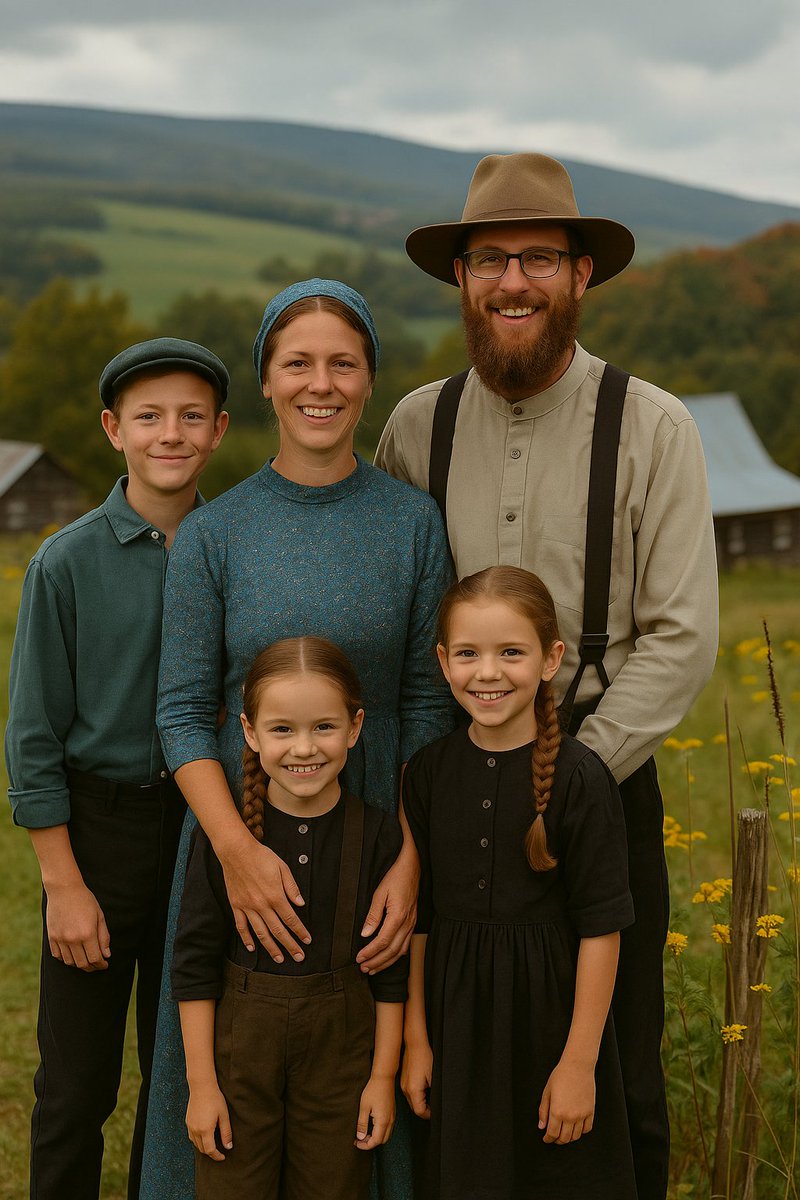
It's about returning to practices that humans evolved with.
Natural movement, real food, strong communities, and respect for circadian rhythms.
Modern medicine is finally catching up to what they never abandoned.
Health isn't complicated when you align with human biology.
Natural movement, real food, strong communities, and respect for circadian rhythms.
Modern medicine is finally catching up to what they never abandoned.
Health isn't complicated when you align with human biology.
Thanks for reading!
If you found this helpful, follow me @SammyRArmstrong for more simple longevity insights that actually work.
Repost for your network:🔄
If you found this helpful, follow me @SammyRArmstrong for more simple longevity insights that actually work.
Repost for your network:🔄
https://twitter.com/1876116766671486977/status/1931045935607673317
Video/ Image credits:
• How Amish Stay Healthy Without Modern Medicine | Elderly Wisdom
youtube.com/watch?v=LaWIgC…
• 30 Things Amish Seniors Do Everyday To Live Until 100 Years | Elderly Wisdom
youtube.com/watch?v=pjhJ1h…
• How Amish Stay Healthy Without Modern Medicine | Elderly Wisdom
youtube.com/watch?v=LaWIgC…
• 30 Things Amish Seniors Do Everyday To Live Until 100 Years | Elderly Wisdom
youtube.com/watch?v=pjhJ1h…
• • •
Missing some Tweet in this thread? You can try to
force a refresh