We talk about modern progress.
But what if we're still living in a Roman world?
Because 2,000 years ago, Rome built more than an empire.
It built the foundation of modern civilization.
This isn’t nostalgia. It’s fact.
Let me show you how Rome shaped your world 🧵👇
But what if we're still living in a Roman world?
Because 2,000 years ago, Rome built more than an empire.
It built the foundation of modern civilization.
This isn’t nostalgia. It’s fact.
Let me show you how Rome shaped your world 🧵👇

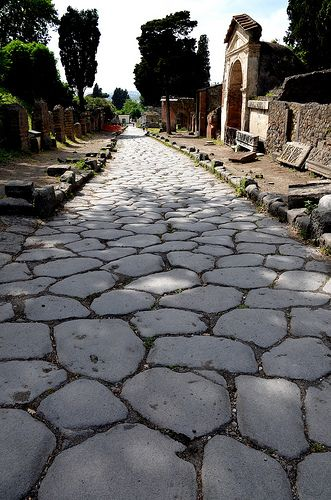
Roads that still work.
Rome built over 250,000 miles of roads, most paved with stone.
They connected a continent and became the model for modern highways.
Some are still visible, even walkable, today.
Mobility was power. Rome understood that.
Rome built over 250,000 miles of roads, most paved with stone.
They connected a continent and became the model for modern highways.
Some are still visible, even walkable, today.
Mobility was power. Rome understood that.
Concrete that outlasted empires.
The Pantheon still stands because of it.
Roman concrete wasn’t just strong, it healed itself. A mix of volcanic ash and lime made it durable beyond belief.
Modern engineers are still studying the formula.
The Pantheon still stands because of it.
Roman concrete wasn’t just strong, it healed itself. A mix of volcanic ash and lime made it durable beyond belief.
Modern engineers are still studying the formula.
The arch that changed architecture.
Romans didn’t invent it, but they mastered it.
The arch made aqueducts possible.
It made stadiums massive.
And it laid the groundwork for cathedrals, domes, and bridges.
Romans didn’t invent it, but they mastered it.
The arch made aqueducts possible.
It made stadiums massive.
And it laid the groundwork for cathedrals, domes, and bridges.
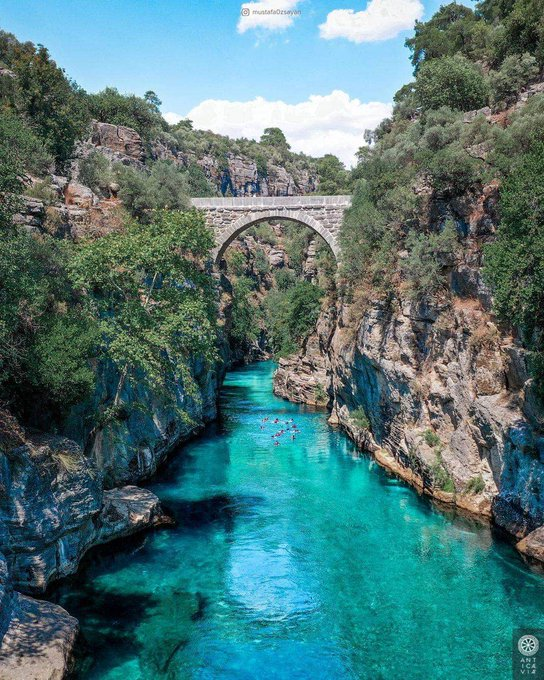
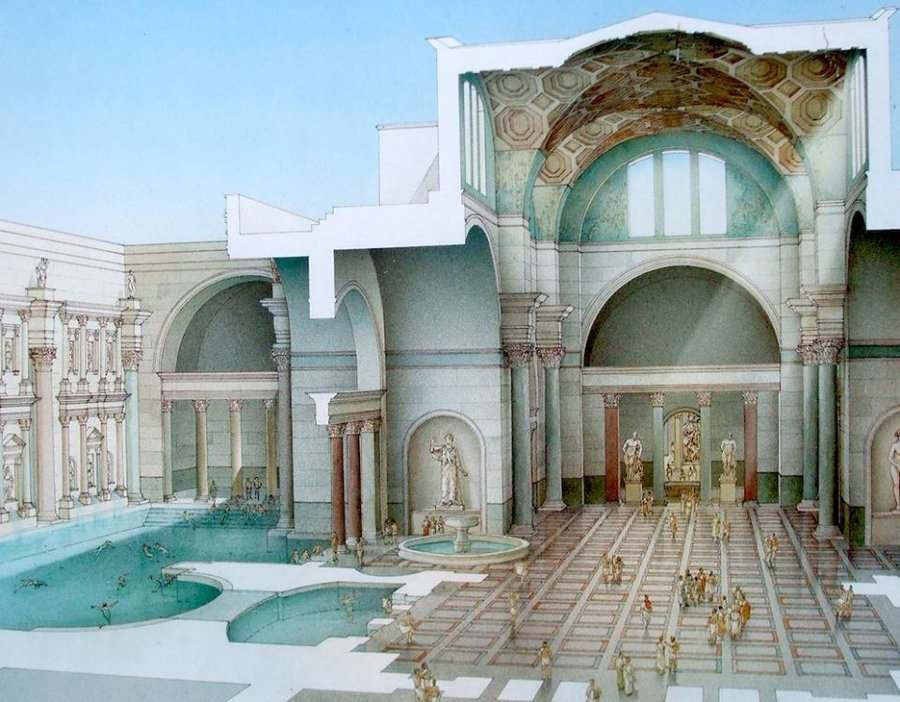
Gravity-powered water systems.
Aqueducts brought clean water across miles of terrain with no pumps.
Rome's plumbing system was so advanced, some cities had cleaner water than parts of the world today.
Aqueducts brought clean water across miles of terrain with no pumps.
Rome's plumbing system was so advanced, some cities had cleaner water than parts of the world today.
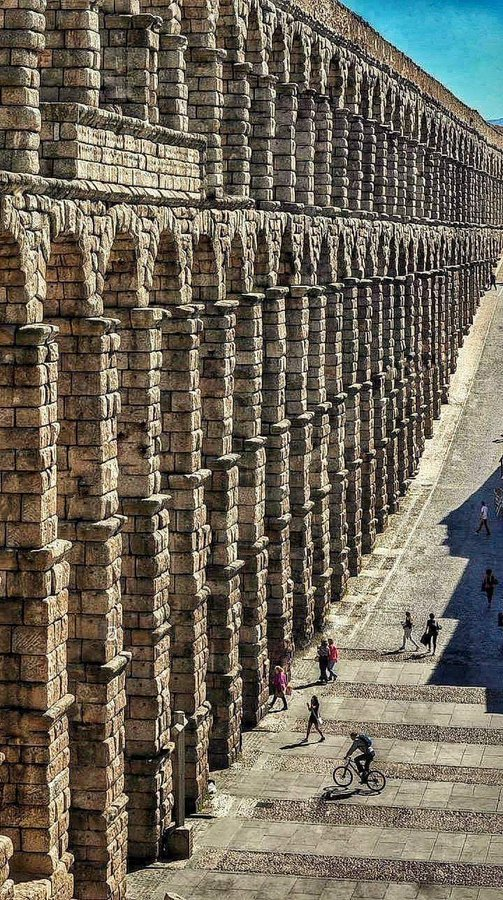
The first organized fire department.
Meet the Vigiles.
Rome’s firefighters patrolled streets, stopped arson, and kept order.
Your local fire service? It started here.
Meet the Vigiles.
Rome’s firefighters patrolled streets, stopped arson, and kept order.
Your local fire service? It started here.
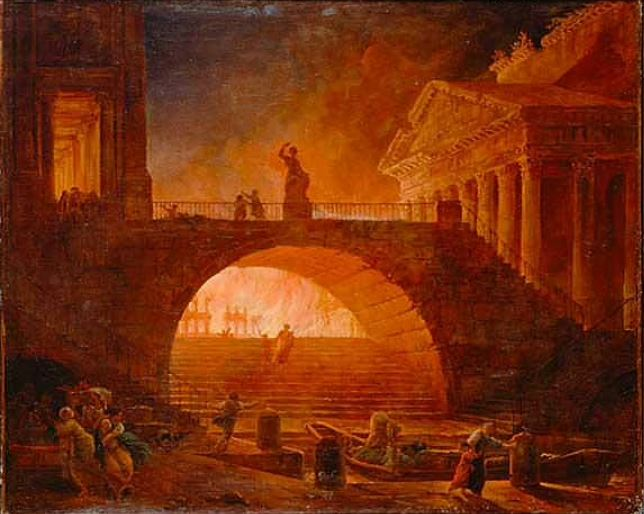
Industrial power before steam.
Roman engineers harnessed watermills to grind grain, saw wood, and run factories.
This was pre-modern industry in the 1st century.
Roman engineers harnessed watermills to grind grain, saw wood, and run factories.
This was pre-modern industry in the 1st century.
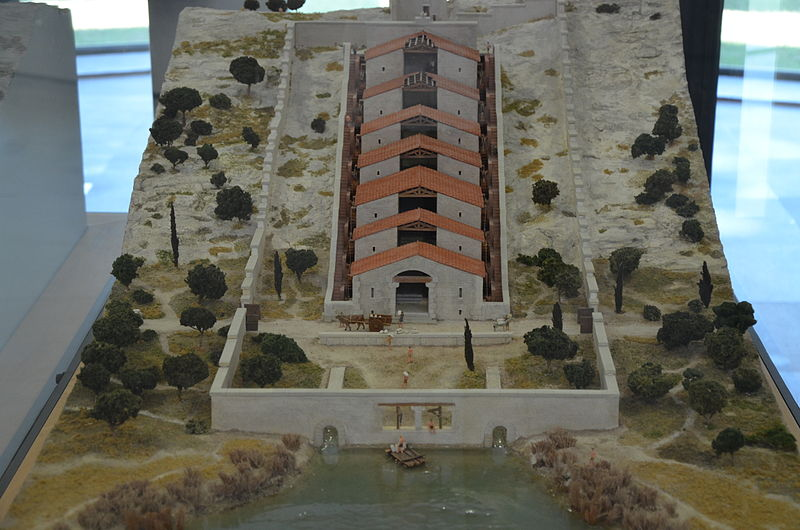
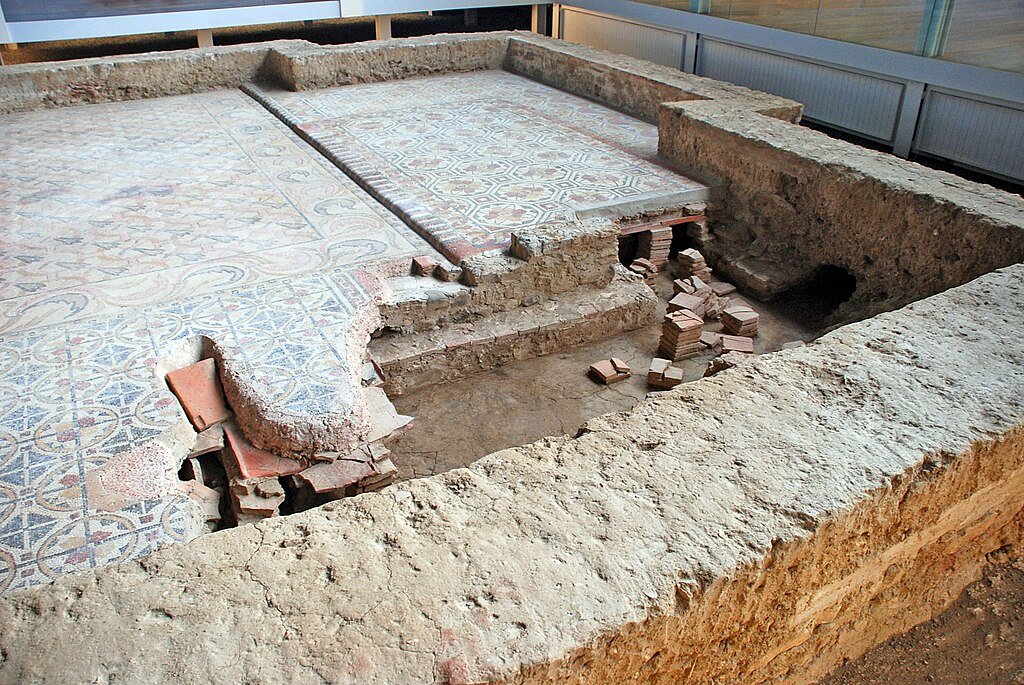
Central heating, ancient style.
The hypocaust system channeled heat under floors and through walls.
Bathhouses and villas were kept warm without fireplaces.
It’s the ancestor of modern HVAC.
The hypocaust system channeled heat under floors and through walls.
Bathhouses and villas were kept warm without fireplaces.
It’s the ancestor of modern HVAC.
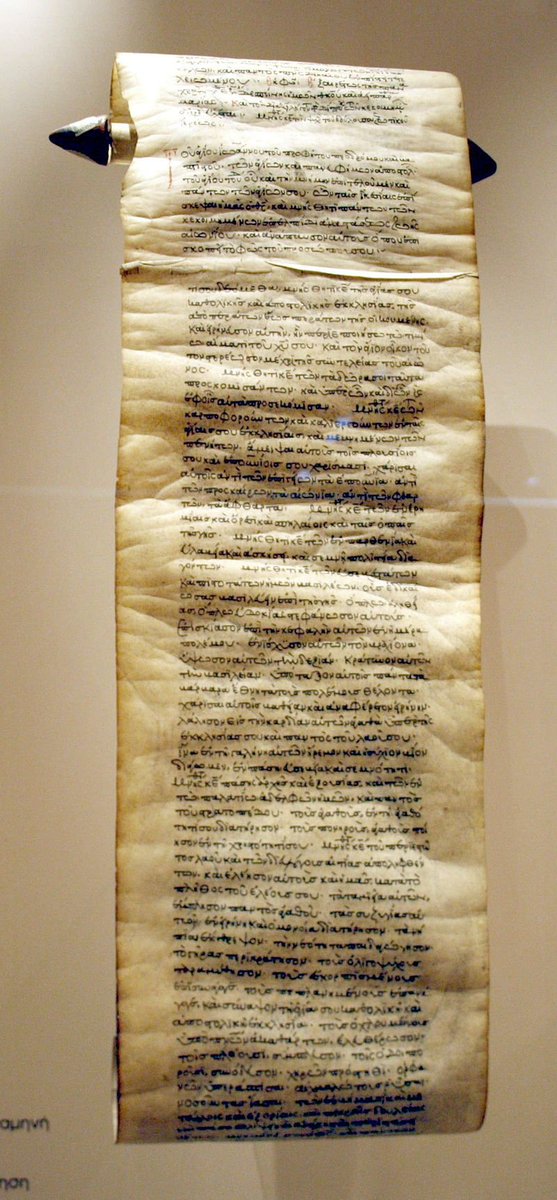
Scrolls were old news.
Rome popularized the codex—bound pages instead of scrolls.
Easier to copy. Easier to read.
And the reason books look like books today.
Rome popularized the codex—bound pages instead of scrolls.
Easier to copy. Easier to read.
And the reason books look like books today.
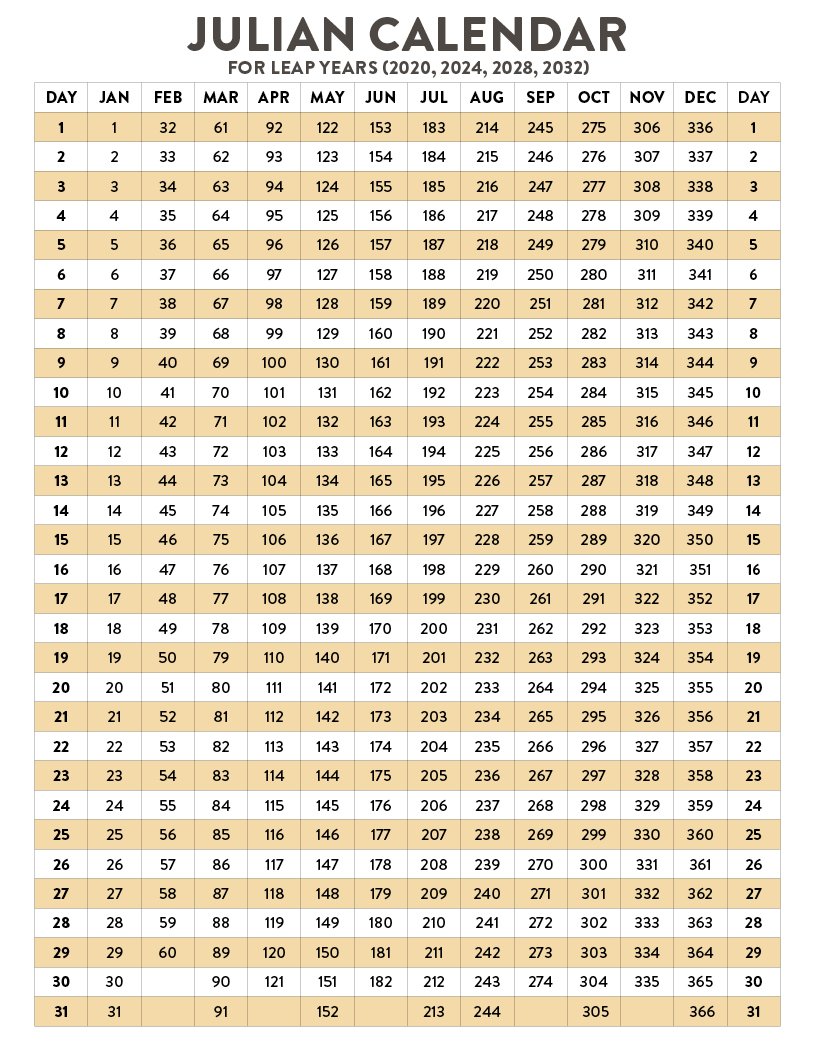
The calendar you still use.
Julius Caesar’s Julian calendar standardized time across the empire.
It’s the basis for the Gregorian one we use today.
Time itself was unified by Rome.
Julius Caesar’s Julian calendar standardized time across the empire.
It’s the basis for the Gregorian one we use today.
Time itself was unified by Rome.
Before we continue, if you are enjoying this thread, then join 4300+ others and subscribe to my newsletter.
Twice a week I share cultural deep dives you won’t get on X:
newsletter.thecultureexplorer.com/subscribe
Twice a week I share cultural deep dives you won’t get on X:
newsletter.thecultureexplorer.com/subscribe
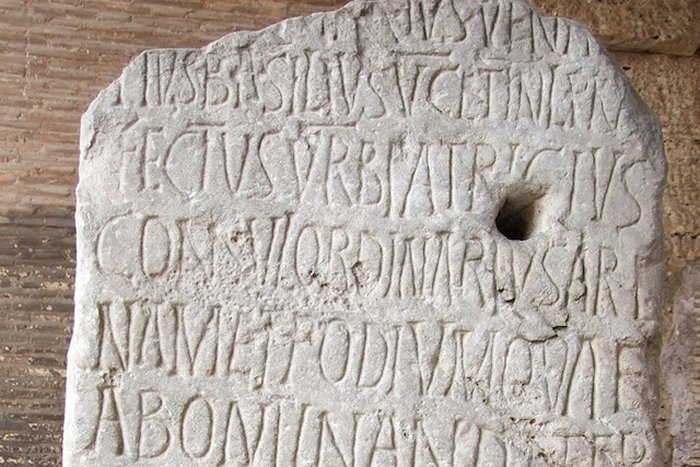
Breaking news—carved in stone.
The Acta Diurna was posted daily in Roman forums.
Public announcements, laws, and events shared with citizens.
It was the prototype for newspapers.
The Acta Diurna was posted daily in Roman forums.
Public announcements, laws, and events shared with citizens.
It was the prototype for newspapers.
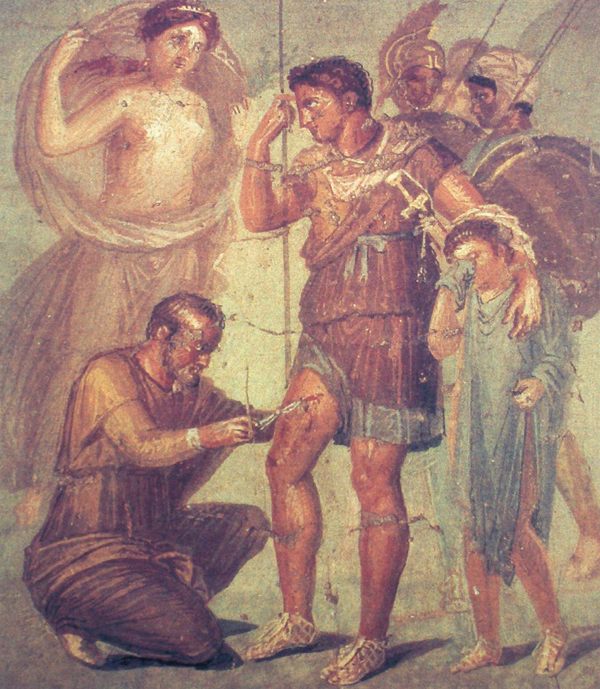
Roman medics saved lives with surgical tools.
They had scalpels, forceps, and bone drills.
Wounds were treated quickly on the battlefield—sometimes even sterilized.
A glimpse into the roots of modern medicine.
They had scalpels, forceps, and bone drills.
Wounds were treated quickly on the battlefield—sometimes even sterilized.
A glimpse into the roots of modern medicine.
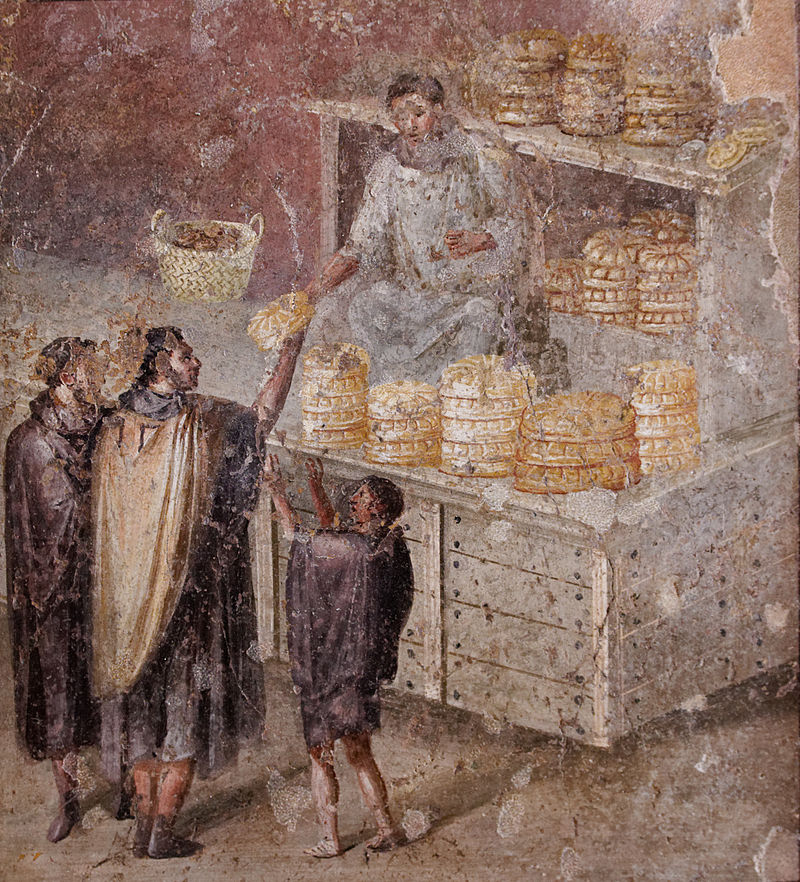
A welfare system that fed millions.
Rome’s Annona distributed grain to the poor.
This wasn’t charity—it was policy.
A state-run safety net to keep order and peace.
Rome’s Annona distributed grain to the poor.
This wasn’t charity—it was policy.
A state-run safety net to keep order and peace.
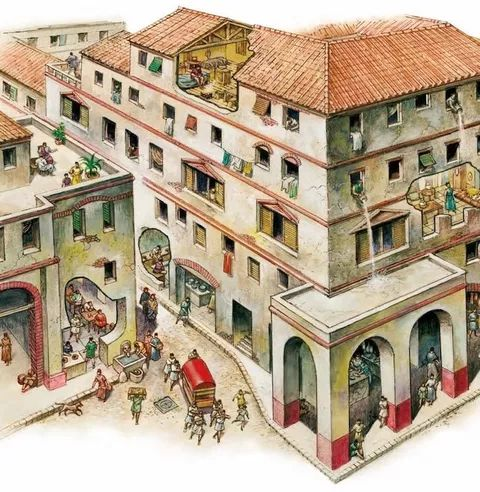
Apartment complexes? Not new.
Rome built insulae, multi-story buildings for urban living.
They could house dozens of families. Some were over five stories tall.
Rome was dense before it was trendy.
Rome built insulae, multi-story buildings for urban living.
They could house dozens of families. Some were over five stories tall.
Rome was dense before it was trendy.
Let there be light through glass.
Romans used glass windows in bathhouses and homes.
What started as luxury became standard utility.
Architecture was never the same.
Romans used glass windows in bathhouses and homes.
What started as luxury became standard utility.
Architecture was never the same.
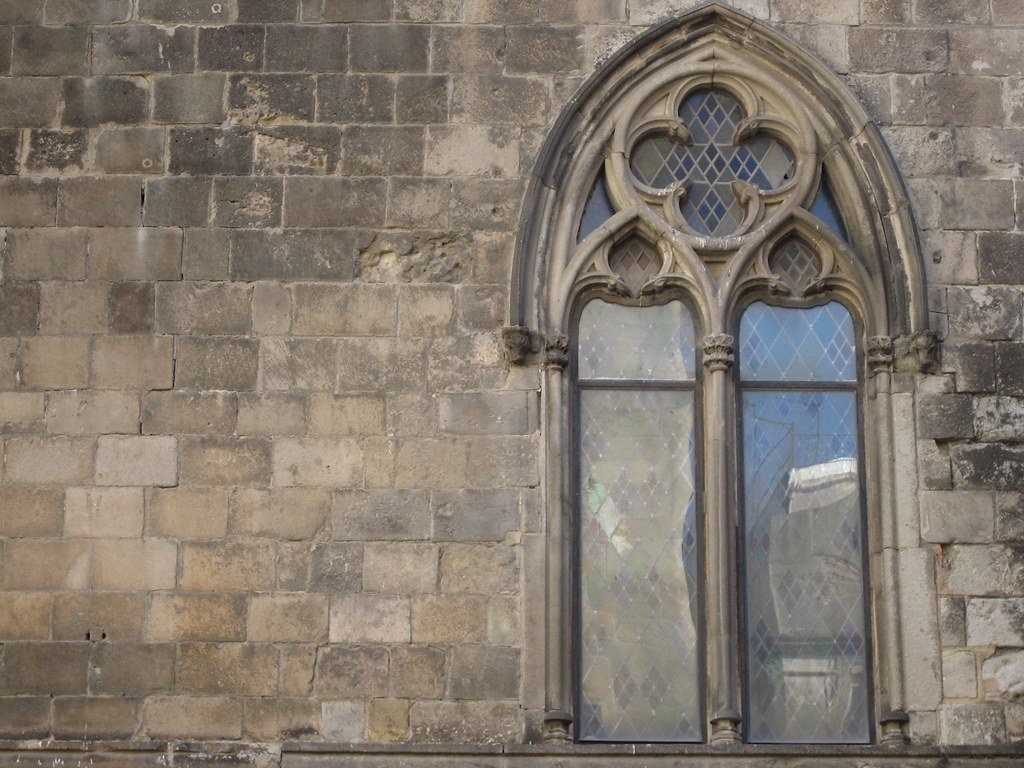
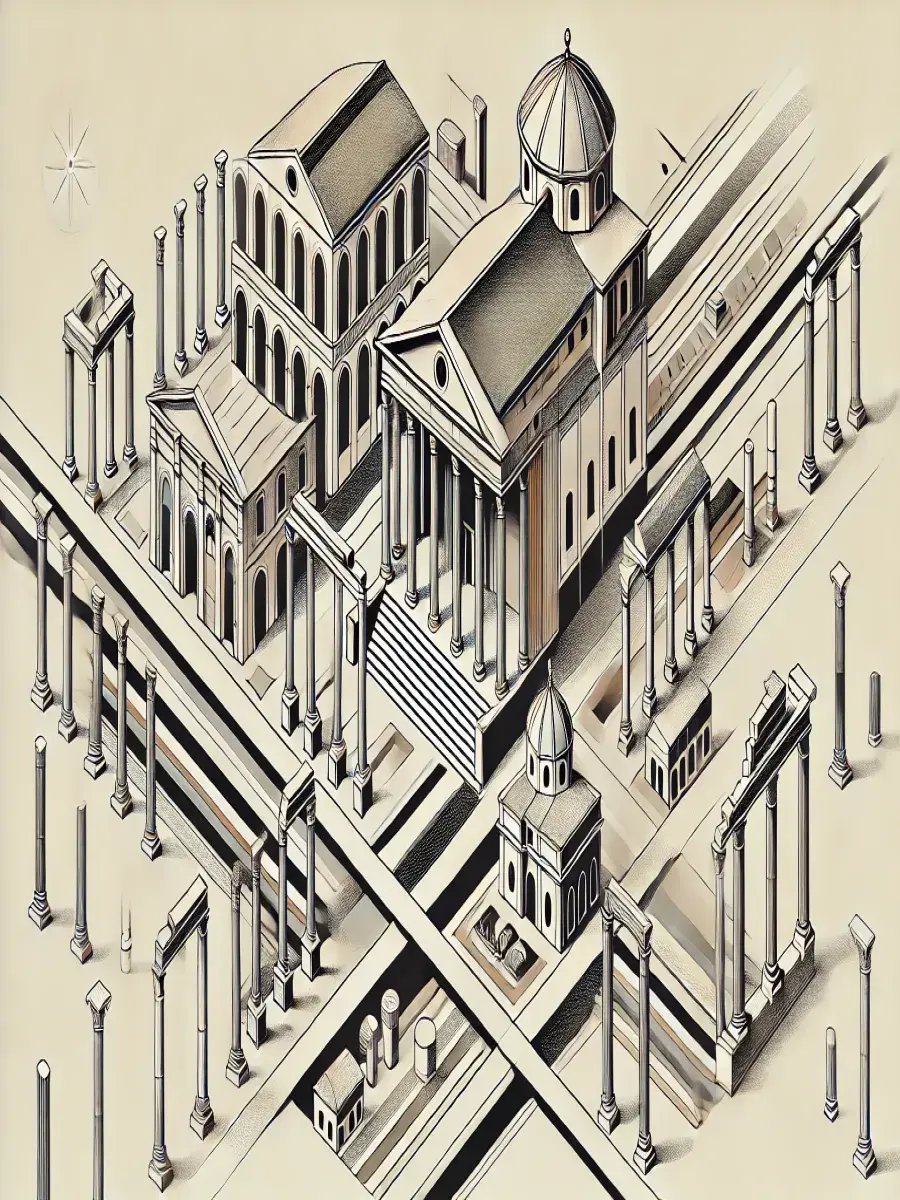
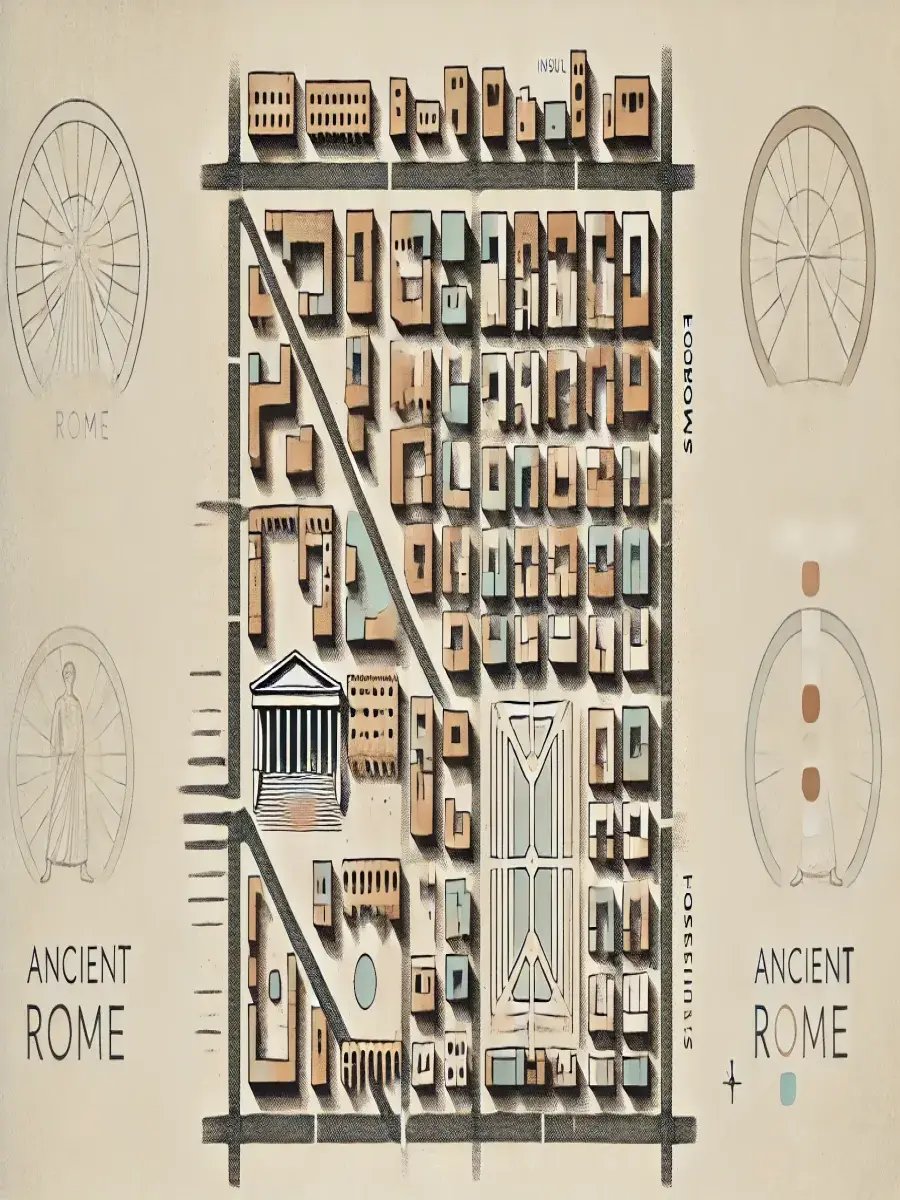
Urban planning with precision.
Grids, zones, wide roads, sewage—Rome’s cities were designed for growth.
You can still see the influence in city layouts across Europe and the Americas.
Grids, zones, wide roads, sewage—Rome’s cities were designed for growth.
You can still see the influence in city layouts across Europe and the Americas.

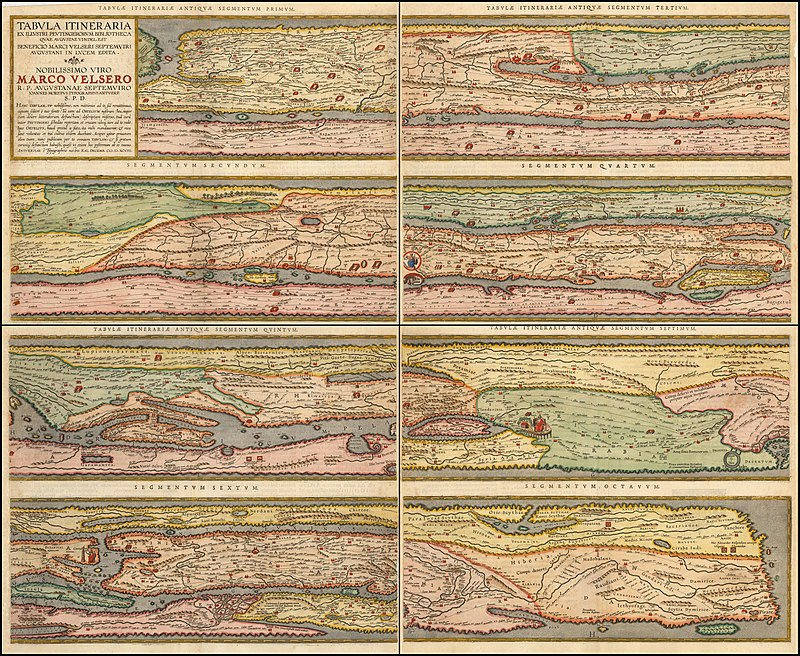
The Roman postal service.
The Cursus Publicus moved letters across the empire in days.
Couriers, stations, roads—all with official seals.
It wasn’t fast for today—but it was revolutionary then.
The Cursus Publicus moved letters across the empire in days.
Couriers, stations, roads—all with official seals.
It wasn’t fast for today—but it was revolutionary then.
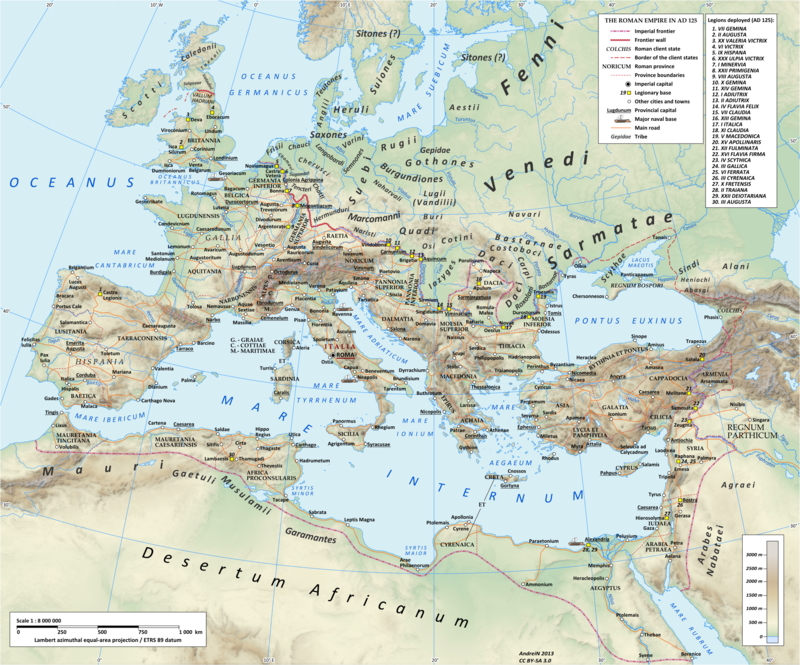
Rome fell, but its system didn’t.
Law, roads, books, plumbing, cities—you’re still living in Rome’s shadow.
The question isn’t "What did Rome leave behind?"
It’s: "Have we ever really moved on?"
Law, roads, books, plumbing, cities—you’re still living in Rome’s shadow.
The question isn’t "What did Rome leave behind?"
It’s: "Have we ever really moved on?"
if you enjoyed this, share the first post with others and follow @CultureExploreX for more history that still shapes your world.
• • •
Missing some Tweet in this thread? You can try to
force a refresh