Most people think sexual energy is just about sex.
Ancient traditions knew it as "kundalini", a life force that can literally rewire your brain and nervous system.
Modern somatic therapy proves they were right.
Here's how to harness this primal energy: 🧵
Ancient traditions knew it as "kundalini", a life force that can literally rewire your brain and nervous system.
Modern somatic therapy proves they were right.
Here's how to harness this primal energy: 🧵


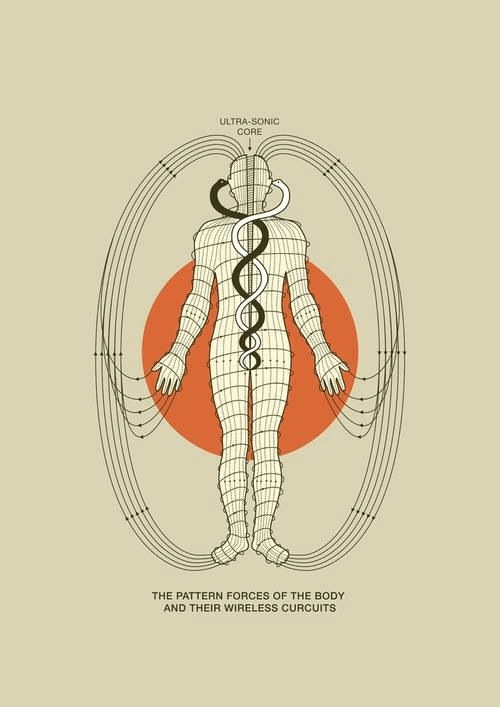
Kundalini literally means "coiled serpent" in Sanskrit.
It's dormant life-force energy sitting at the base of your spine.
The same energy behind sexual arousal is identical to what we call spiritual awakening.
We've just been taught to waste it through porn and sex.
It's dormant life-force energy sitting at the base of your spine.
The same energy behind sexual arousal is identical to what we call spiritual awakening.
We've just been taught to waste it through porn and sex.
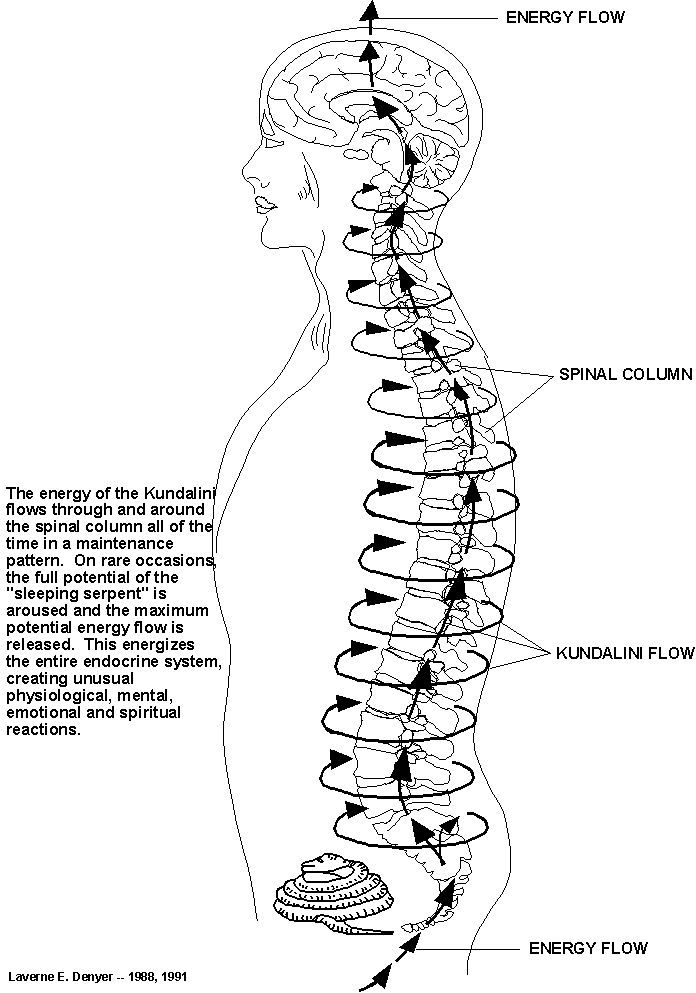
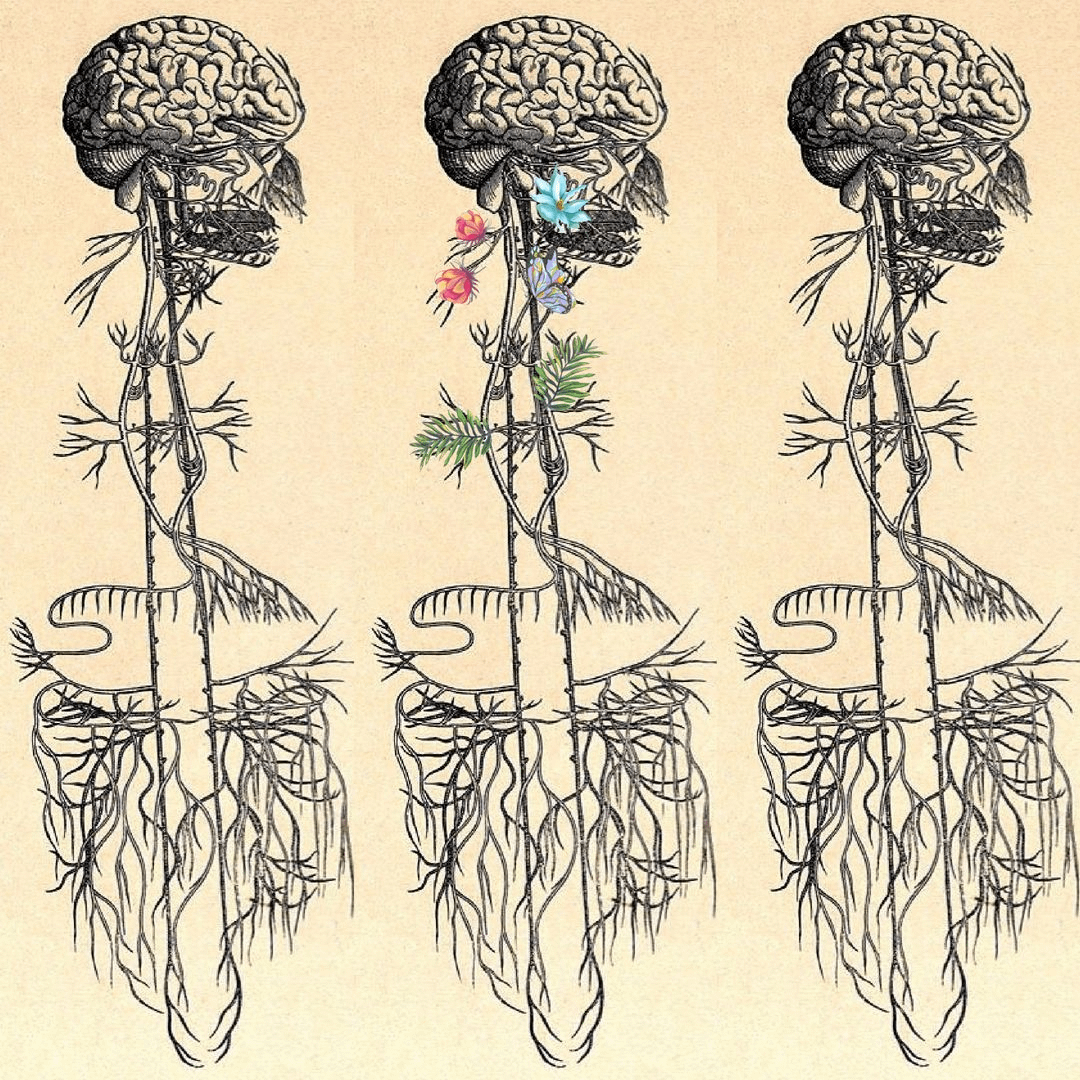
This primal energy lies dormant in most people, blocked by stress, trauma, and unconscious living.
Once awakened, it begins to rise through the spine, moving through seven energy centers.
Before dismissing it as woo-woo, know that Kundalini is also neurological ↓
Once awakened, it begins to rise through the spine, moving through seven energy centers.
Before dismissing it as woo-woo, know that Kundalini is also neurological ↓

Kundalini activates ancient parts of your brain (limbic system).
It triggers neuroplastic changes, i.e. rewiring how you process emotion, memory, intuition, and awareness.
Over time, you become more connected, calm, and creative.
So, how to harness it?
It triggers neuroplastic changes, i.e. rewiring how you process emotion, memory, intuition, and awareness.
Over time, you become more connected, calm, and creative.
So, how to harness it?

The bridge between trauma healing & kundalini awakening are the neurogenic tremors.
Your body naturally wants to shake.
Animals do this instinctively after surviving a threat, they tremor to discharge the stress.
Humans suppress this reflex. That's why we stay stuck.
Your body naturally wants to shake.
Animals do this instinctively after surviving a threat, they tremor to discharge the stress.
Humans suppress this reflex. That's why we stay stuck.
I discovered Tension & Trauma Releasing Exercises (TRE) during my burnout in grad school.
Simple movements that trigger involuntary shaking.
Within minutes, my nervous system started discharging years of stored tension.
It felt erotic, alive, electric, but not sexual.
Simple movements that trigger involuntary shaking.
Within minutes, my nervous system started discharging years of stored tension.
It felt erotic, alive, electric, but not sexual.
The shaking isn't random.
It activates your reptilian brain and limbic system, the primitive parts that modern life has shut down.
These ancient brain regions control creativity, intuition, and life force.
Kundalini awakening literally turns them back on.
It activates your reptilian brain and limbic system, the primitive parts that modern life has shut down.
These ancient brain regions control creativity, intuition, and life force.
Kundalini awakening literally turns them back on.

On top of tremors, controlled breathing patterns can induce non-ordinary states where old emotions surface and resolve.
Holotropic breathwork puts you in a "dream-like" state where trauma becomes accessible.
It's like therapy at warp speed.
Holotropic breathwork puts you in a "dream-like" state where trauma becomes accessible.
It's like therapy at warp speed.

The goal with harnessing your sexual energy is integration where that wild kundalini fire becomes a steady river of vitality flowing through your daily life.
Let's talk about how to achieve this integration:
Let's talk about how to achieve this integration:

→ TRE (trauma releasing tremors) ↓
TRE releases trauma held in psoas (a deep core muscle near the base of the spine).
Once the tension is released from this area, people report "heat" running up the spine, involuntary body movements, emotional catharsis, etc.
TRE releases trauma held in psoas (a deep core muscle near the base of the spine).
Once the tension is released from this area, people report "heat" running up the spine, involuntary body movements, emotional catharsis, etc.
2) Holotropic breathwork
It can trigger kundalini-like experiences through deep, circular breathing (no pauses between breaths) for 2-3 hours with music.
Never attempt this alone. Work with certified facilitators only.
It can trigger kundalini-like experiences through deep, circular breathing (no pauses between breaths) for 2-3 hours with music.
Never attempt this alone. Work with certified facilitators only.
3) Somatic therapy awakens kundalini by releasing trauma trapped in your nervous system.
It works "bottom-up", freeing frozen energy through body awareness, not forcing it upward through intense practices.
Master this method in my free course: bodymindaccelerator.com
It works "bottom-up", freeing frozen energy through body awareness, not forcing it upward through intense practices.
Master this method in my free course: bodymindaccelerator.com
I've seen clients redirect awakened kundalini energy into explosive creative projects, laser-sharp focus at work, heightened intuitive abilities, etc.
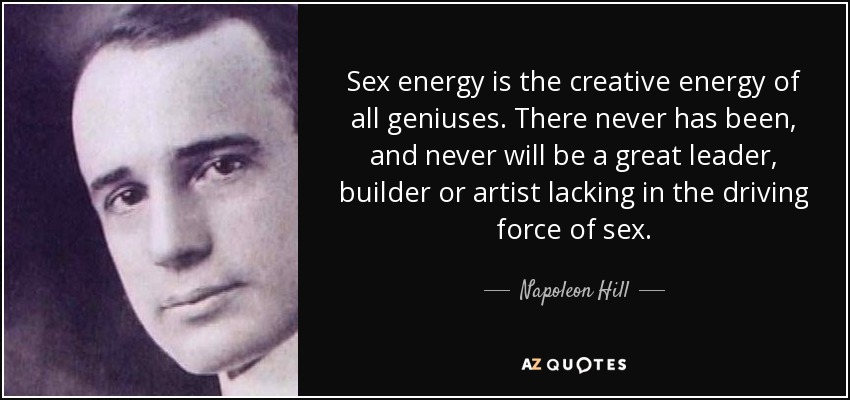
As Napoleon Hill says: "...it's the energy of all geniuses."
As Napoleon Hill says: "...it's the energy of all geniuses."
The bottom line is, real transformation is coiled at the base of your spine, waiting for you to give it permission to move.
Your sexual energy is your spiritual energy.
Stop wasting it and start transmuting it into something bigger than yourself.
Your sexual energy is your spiritual energy.
Stop wasting it and start transmuting it into something bigger than yourself.
I hope you've found this thread helpful.
Follow me @IamProHuman for more.
Like/Repost the quote below if you can:
Follow me @IamProHuman for more.
Like/Repost the quote below if you can:
https://twitter.com/1486152789822558209/status/1934623706971770945
• • •
Missing some Tweet in this thread? You can try to
force a refresh