Students For Liberty Profile picture
Jun 24, 2025 9 tweets 4 min read Read on X
Ayn Rand predicted in the 1960s everything happening now.

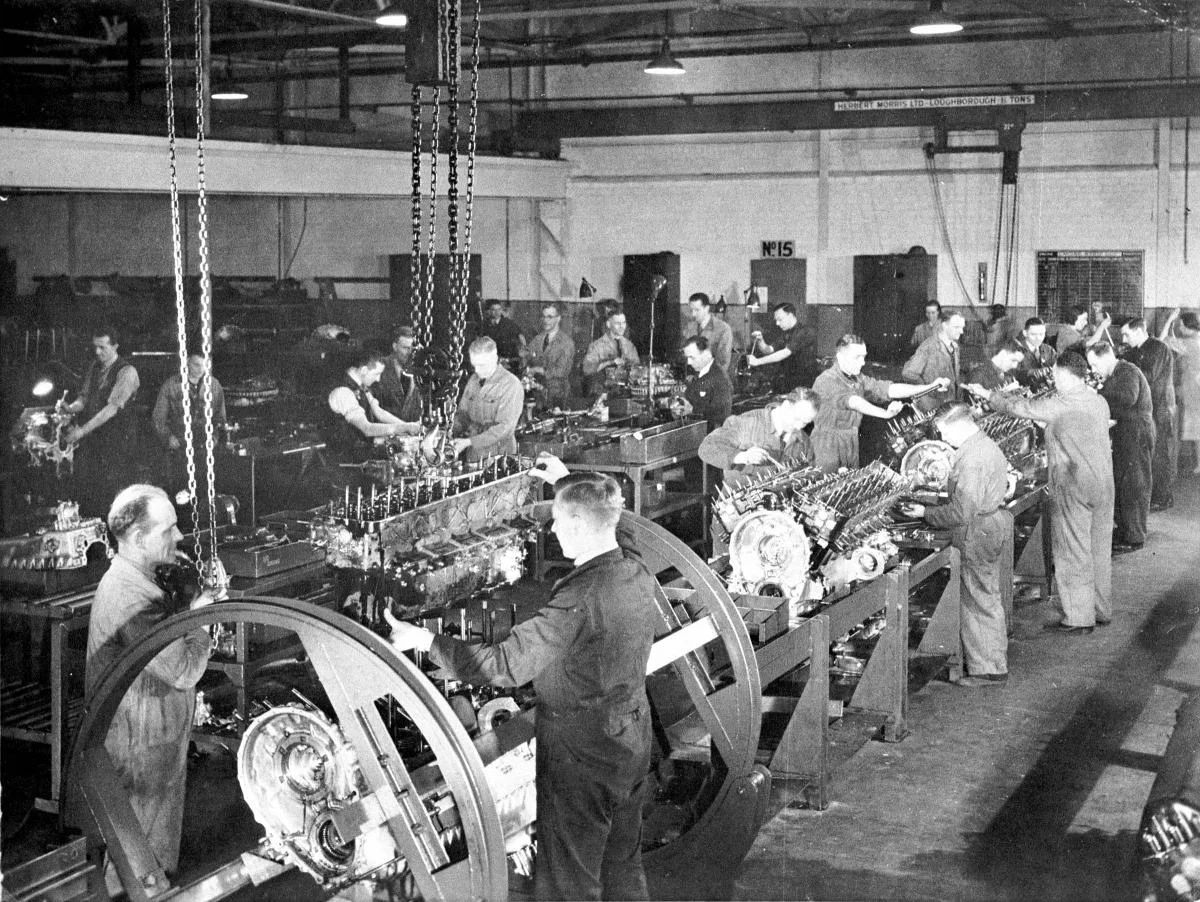
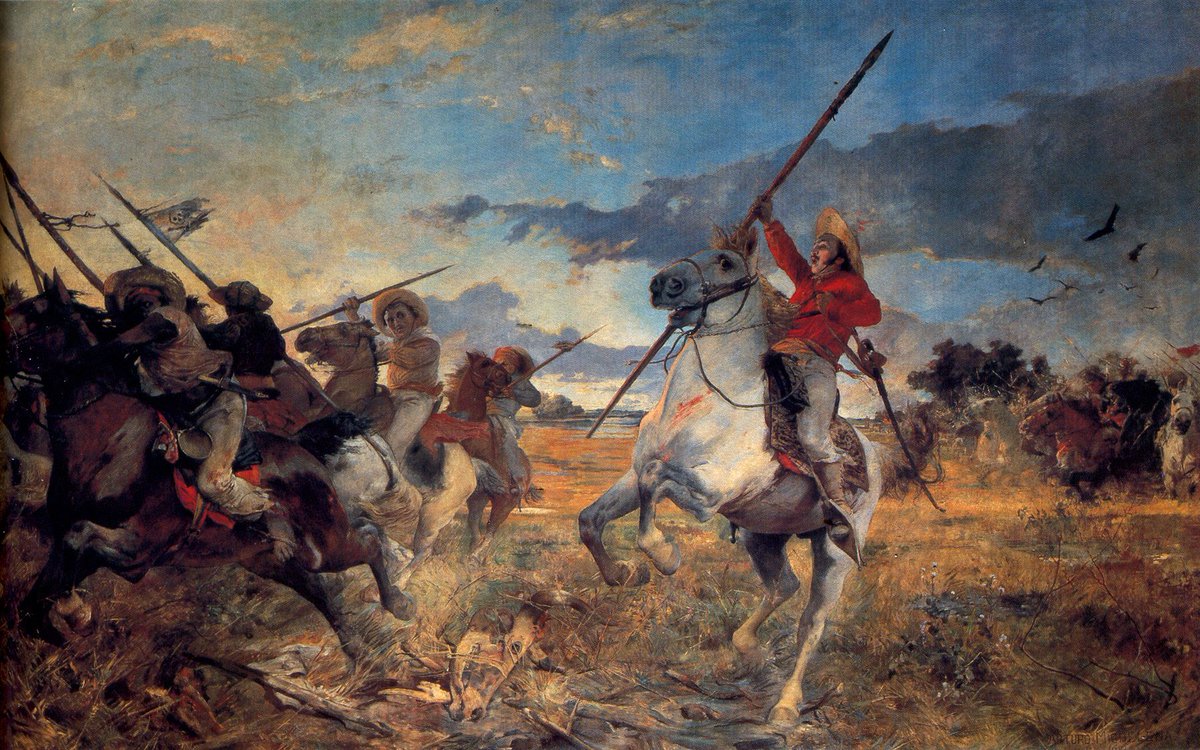
Campus extremists. Environmental policies advocating human poverty. Race as a criterion for everything. Hatred of success.

This isn't a description of 2025. It's what she warned about 60 years ago. 🧵 Image
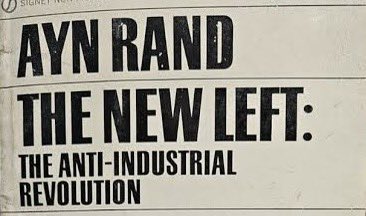
In The New Left: The Anti-Industrial Revolution (1971), Rand collected essays from the 1960s describing a disturbing trend:

Students solving political disputes through brute force instead of logic, reason, and persuasion.

Sound familiar? Image
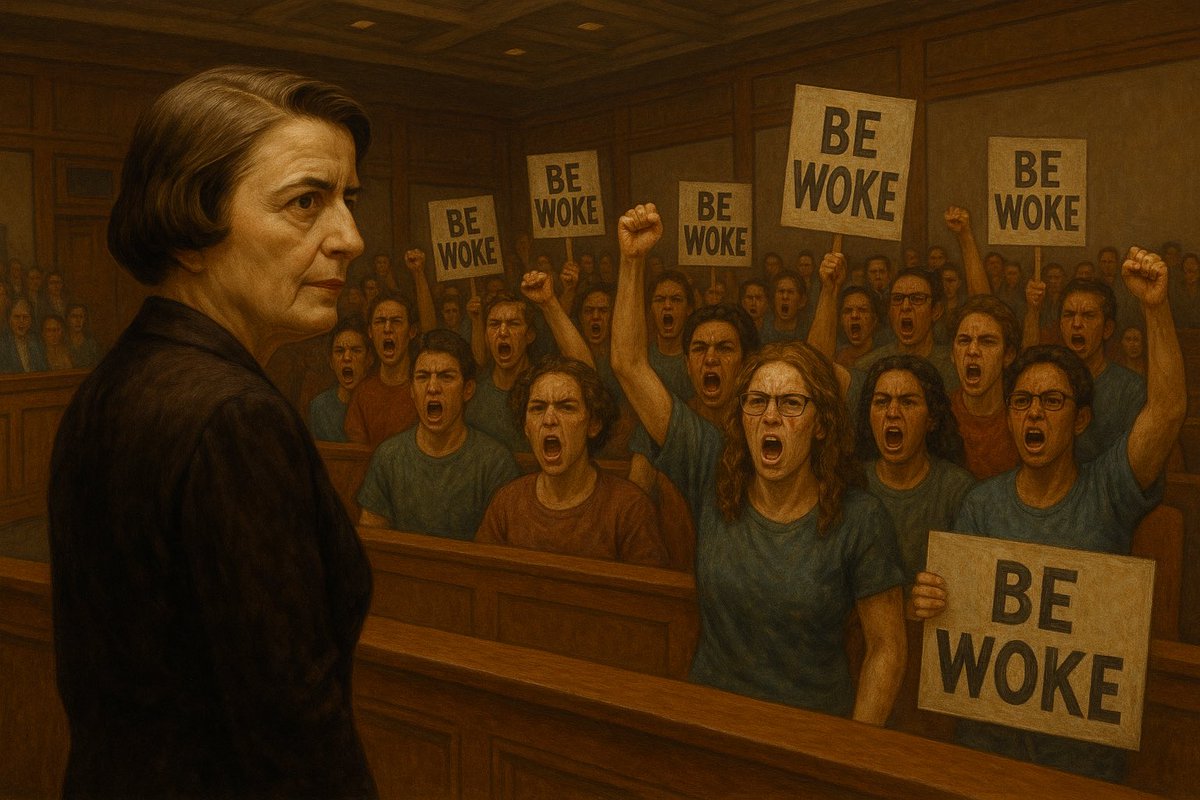
Rand saw students demanding and disrupting college activities until their demands were met.

Today's campus environment mirrors exactly what she described almost 60 years ago.

The playbook hasn't changed. Only the scale. Image
At the time, she noted the student movement was unpopular—but they weren't there for immediate victory.

They were there to test limits.
As she put it: "The uncontested absurdities of today are the accepted slogans of tomorrow." Image
"[Uncontested absurdities] come to be accepted by degrees, by precedent, by implication, by erosion, by default, by dint of constant pressure on one side and constant retreat on the other—until they are suddenly declared to be the country's official ideology." Image
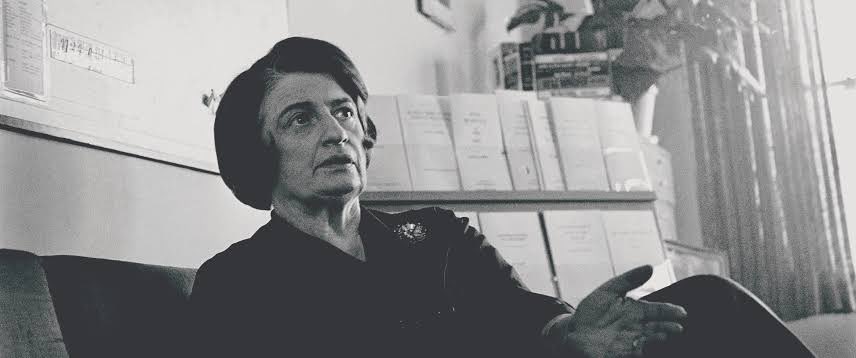
Rand's key insight: While everyone worried about the results of campus chaos, few addressed the root cause.

"Every possible question was raised and considered, except: What are the students taught to think?"
That's still the question no one wants to answer. Image
What students are taught to think matters immensely.

When you teach people that:
→ Success is evil
→ Human prosperity is environmental destruction
→ Race determines everything
→ Force trumps reason
You get exactly what we have now. Image
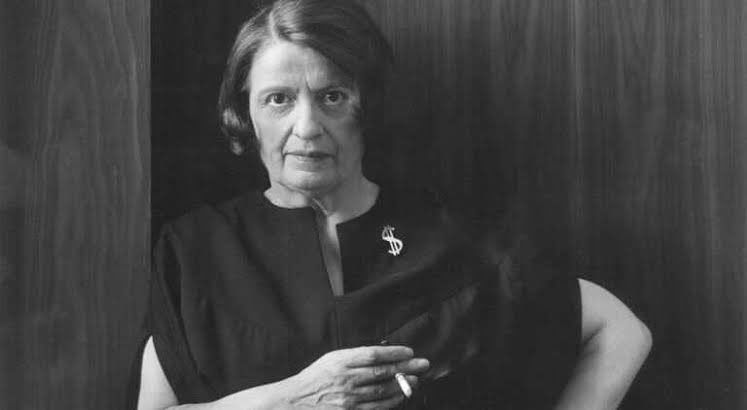
Rand's warning: "When brute force is on the march, compromise is the red carpet."

She called for arming ourselves with reason and morality—not physical fights.

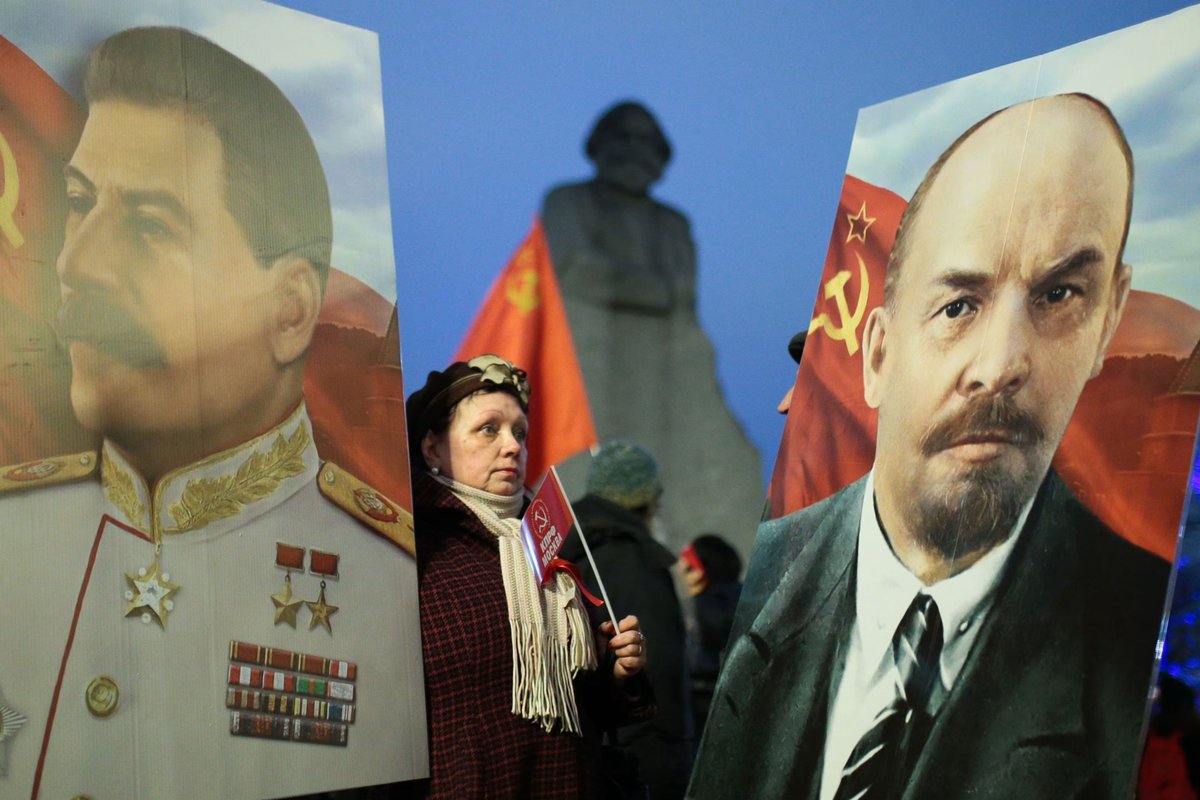
Don't shy away from calling out authoritarian ideologies like socialism or fascism. Image
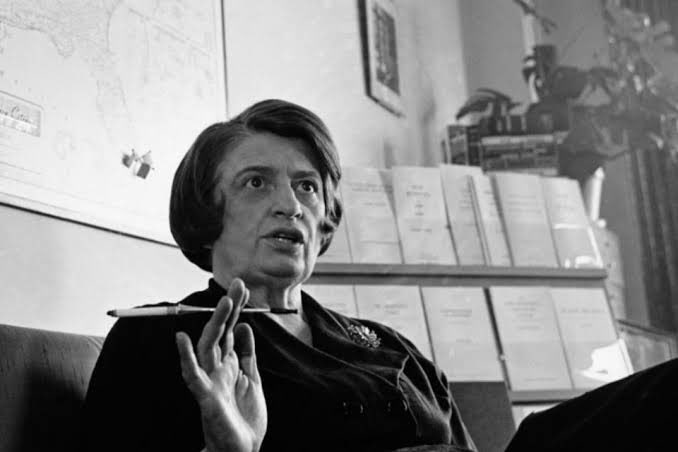
Rand was right: ideas move history — and students are often the first battleground.

If you want to be the one leading the defense of liberty on your campus — not just reacting to the chaos — the Local Coordinator Program is for you.

Join a global network of students from over 100 countries learning to challenge collectivism with clarity, courage, and action.

👉 Become a Local Coordinator: join.studentsforliberty.orgImage

• • •

Missing some Tweet in this thread? You can try to force a refresh

 

Keep Current with Students For Liberty

Students For Liberty Profile picture

Stay in touch and get notified when new unrolls are available from this author!

Read all threads

This Thread may be Removed Anytime!

PDF

Twitter may remove this content at anytime! Save it as PDF for later use!

Try unrolling a thread yourself!

how to unroll video
  1. Follow @ThreadReaderApp to mention us!

  2. From a Twitter thread mention us with a keyword "unroll"
@threadreaderapp unroll

Practice here first or read more on our help page!

More from @sfliberty

Feb 7
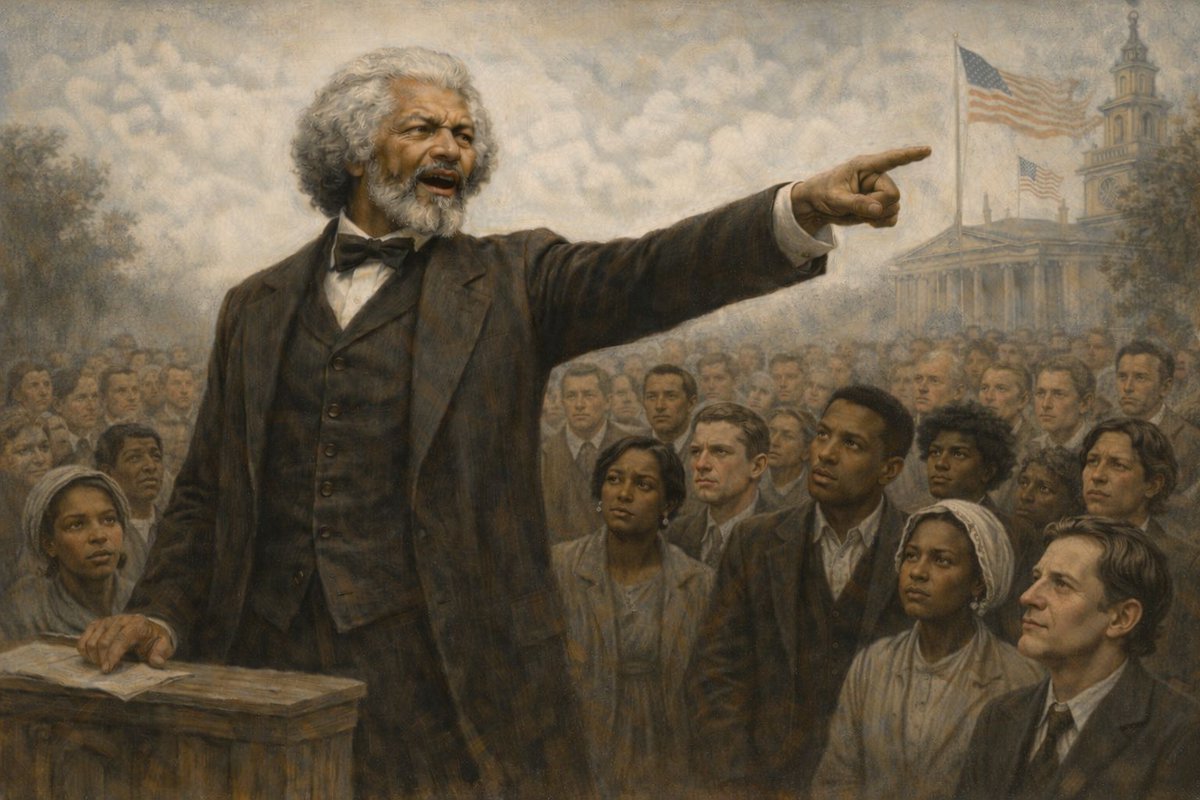
Boston, 1860: Anti-slavery activists are attacked at a public meeting for speaking against popular opinion.

Instead of arresting the mob, Boston officials arrested the speakers.

Free speech was buried in the "Cradle of Liberty" for "public safety".

Frederick Douglass's response became the ultimate defense of free speech. 🧵Image
Boston, the "Cradle of Liberty", where American independence was born.

Abolitionists gathered at Tremont Temple to honor John Brown, executed one year earlier for his raid on Harpers Ferry.

Pro-slavery mobs stormed the meeting. Fists flew. Speakers were dragged from the stage.

Boston's mayor refused to protect the abolitionists. Instead, officials shut it down "to preserve order."Image
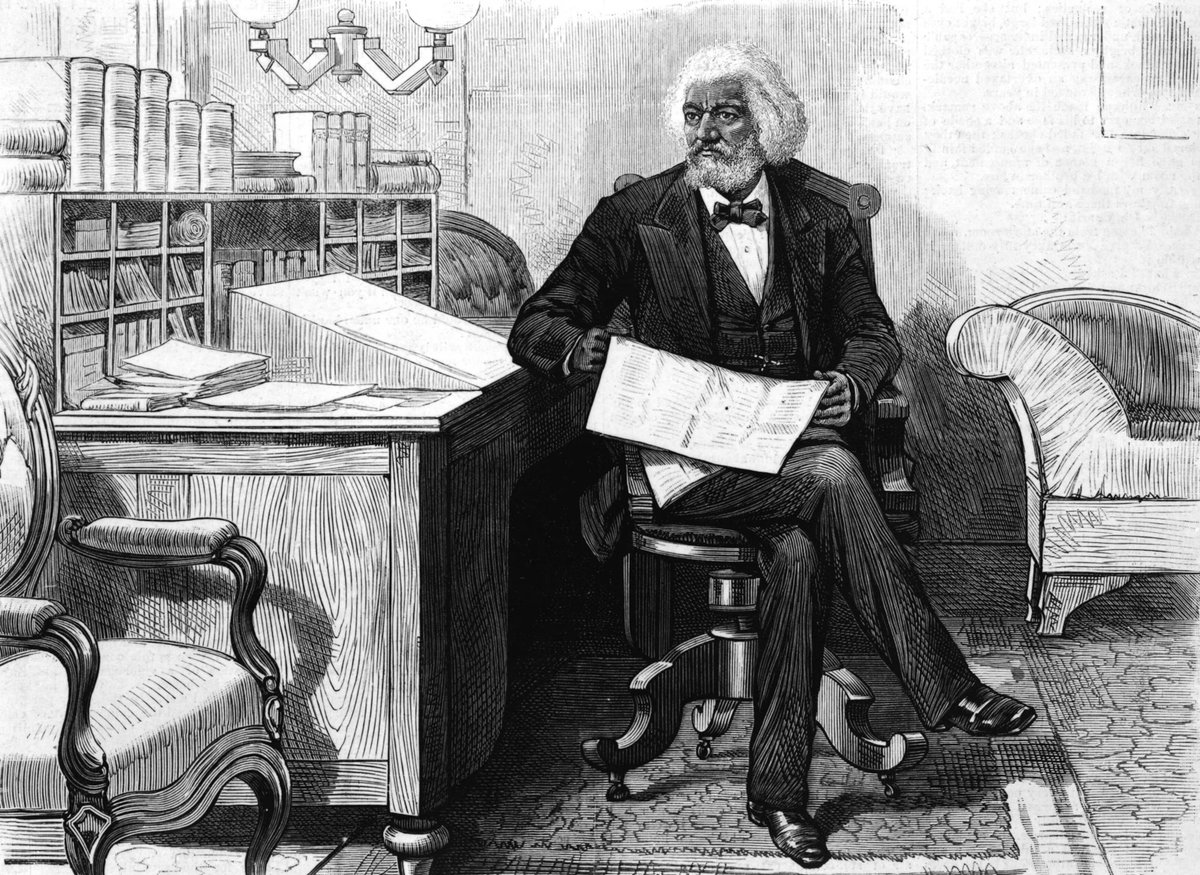
Weeks later, Frederick Douglass sat down and wrote something that cut straight to the mechanism.

His "Plea for Freedom of Speech in Boston" didn't just defend the abolitionists.

It exposed the institutional logic that makes censorship inevitable when authorities value "order" over rights.Image
Read 9 tweets
Feb 4
Ronald Coase set out to prove that Socialism was superior to the chaos of the market.

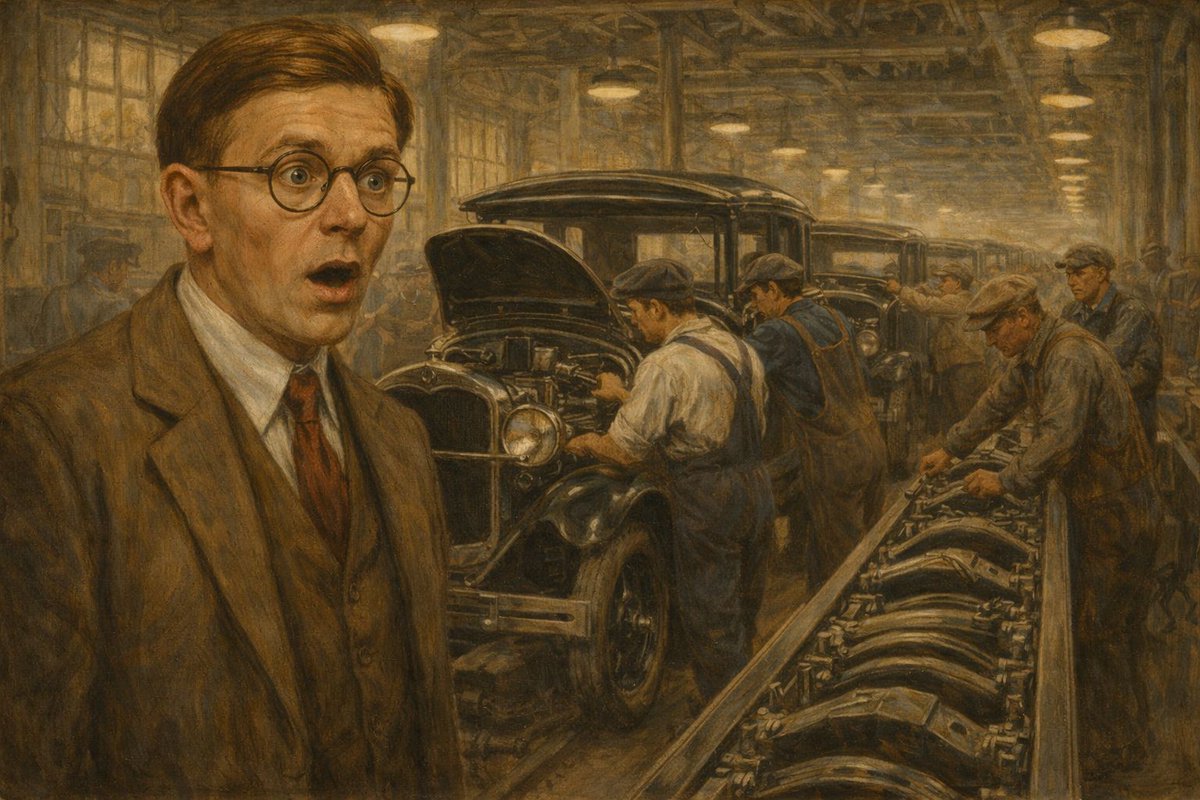
So he went to America to see how giant industries were actually managed.

What he found destroyed his worldview. And won him a Nobel Prize.

This is the story of how a young socialist became one of the most important economists of the 20th century by following evidence over ideology. 🧵Image
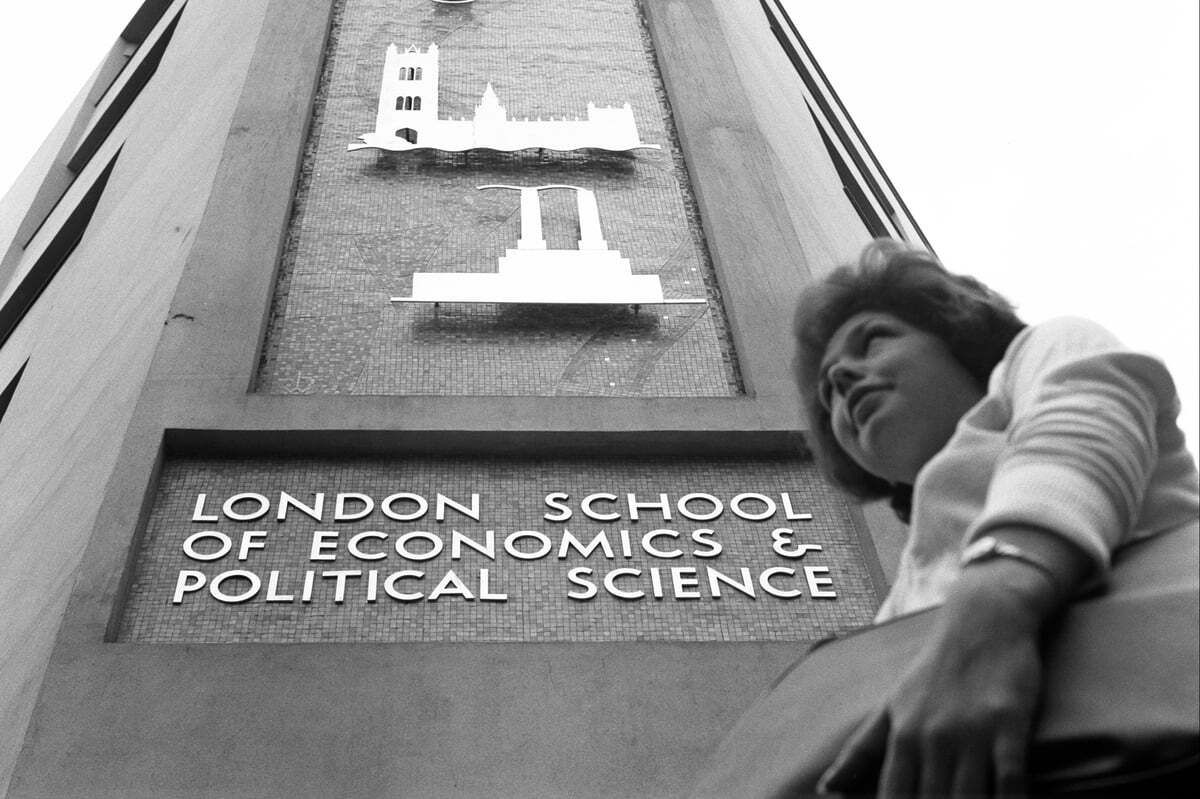
London, 1929. A 19-year-old economics student at LSE calls himself a "soft socialist."

The intellectual consensus seemed obvious: markets were chaos, central planning was science.

His professors had a compelling argument: businesses are already mini-planned economies. If planning works inside firms, why not scale it to entire nations?Image
For young Coase, the logic felt inevitable. Scientific management promised order. The invisible hand looked like randomness.

But in 1931, he won a scholarship that would change everything: a chance to study American industry firsthand.

He went expecting to document techniques for improving socialist planning. He found something that shattered his worldview instead.Image
Read 14 tweets
Jan 15
Frédéric Bastiat had 6 years to change economics forever.

Most economists spend decades writing papers five people read. Bastiat was an unknown farmer with tuberculosis.

By the time he died, he'd built a movement that's still winning arguments 175 years later.

You have four years of college. 🧵Image
Here's what most students tell themselves:

"I need more credentials first."
"I need the right connections."
"I need the perfect moment to start."

Bastiat had none of these when he began in 1844.

He had a failing farm, terminal illness, and six years left to live.

He didn't wait for permission.Image
Let me show you what's possible when you stop waiting.

1844: Unknown farmer in rural France. No academic position. No political connections. Just ideas he needed the world to hear.

1846: Leading the French Free Trade Association, corresponding with major British economists.

1848: Elected to French Parliament.Image
Read 9 tweets
Jan 7
Everyone Wants Democratic Transition for Venezuela

But how do you restore democracy in a kleptocratic state captured by criminal elites?

To understand the problem, you need to understand how Venezuela got here. This story is a stark reminder that freedom isn't lost overnight, but slowly dismantled, one piece at a time. 🧵Image
The Liberation Myth: Venezuela Started With a Promise

In 1811, Simon Bolivar liberated Venezuela from Spanish rule. He dreamed of a unified, free South America built on republican ideals.

But Bolivar's revolution created a nation, not stability. What followed was a century of chaos.Image
A Century of Strongmen: The 19th Century Belonged to Caudillos

After independence came civil wars, military coups, and regional warlords fighting for control. Venezuela cycled through dozens of governments.

Power didn't come from elections. It came from controlling enough armed men to take Caracas. Whoever seized the capital claimed to speak for the nation.

Democracy was a promise constantly deferred.Image
Read 24 tweets
Jan 5
“I'm against Maduro, but I think what Trump did was wrong.”

This sentence sounds reasonable, balanced, and mature. The kind of thing a serious person would say to avoid seeming radical.

The problem is that this sentence is, morally, one of the worst possible positions on Venezuela. 🧵Image
Not because it's moderate. But because it's a conscious escape. That "but" isn't prudence. It's a silent plea for moral exoneration.

The attempt to appear sophisticated while avoiding the thing that morality often demands: to hierarchize evil. To say what is worse. To choose. Image
Let's be clear about what we're "balancing" here.

Under Maduro's "socialism of the 21st century," Venezuela collapsed into hyperinflation exceeding 1,000,000%. Systematic scarcity created mass starvation. Venezuelans resorted to eating dogs and scavenging trash to survive.

These aren't political talking points. These are documented atrocities.Image
Read 12 tweets
Dec 21, 2025
They predicted the Great Depression. Then the 2008 crash. Then 2020's inflation surge.

A group of economists spent 150 years warning about the same pattern.

Nobody in power listened.

And every time, they were proven right.

This is the story of the Austrian School. 🧵 Image
Modern economics had a fatal flaw.

For decades, mainstream economists treated the economy like a machine. Pull this lever, push that button, adjust interest rates here; boom, everything works perfectly.

But economies aren't machines. They're millions of people making billions of decisions every single day.

You can't predict human action with mathematical precision. The Austrian School understood this from day one.Image
It started in Vienna in 1871 when Carl Menger published Principles of Economics and asked a deceptively simple question: Why do people value things?

His answer shattered centuries of economic thinking.

Value isn't objective. It's subjective, based on individual human needs and desires.
Not labor hours. Not production costs. Human preferences.Image
Read 14 tweets

Did Thread Reader help you today?

Support us! We are indie developers!


This site is made by just two indie developers on a laptop doing marketing, support and development! Read more about the story.

Become a Premium Member ($3/month or $30/year) and get exclusive features!

Become Premium

Don't want to be a Premium member but still want to support us?

Make a small donation by buying us coffee ($5) or help with server cost ($10)

Donate via Paypal

Or Donate anonymously using crypto!

Ethereum

0xfe58350B80634f60Fa6Dc149a72b4DFbc17D341E copy

Bitcoin

3ATGMxNzCUFzxpMCHL5sWSt4DVtS8UqXpi copy

Thank you for your support!

Follow Us!

:(