The Lost City of Troy was once thought to be pure myth.
Then, one German archaeologist defied every expert
And uncovered a secret that had been buried for 3,000 years.
This is the real story of the city that was never supposed to exist:
Then, one German archaeologist defied every expert
And uncovered a secret that had been buried for 3,000 years.
This is the real story of the city that was never supposed to exist:


For centuries, scholars searched for Troy, the city Homer described in The Iliad.
Kings. Gods. A stolen queen named Helen.
And a wooden horse that ended a 10-year siege.
But was any of it real?
Or just epic poetry?
Kings. Gods. A stolen queen named Helen.
And a wooden horse that ended a 10-year siege.
But was any of it real?
Or just epic poetry?
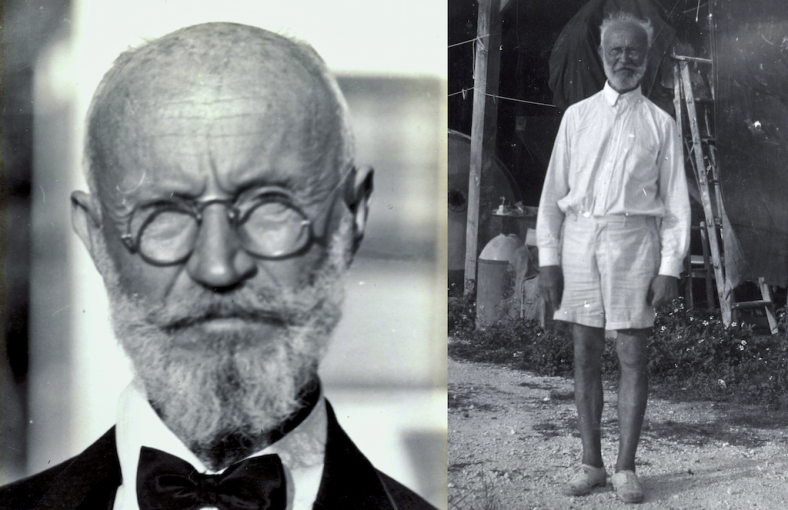
In 1871, a German businessman-turned-archaeologist named Heinrich Schliemann believed he had found Troy.
He excavated a site called Hissarlik in northwest Turkey.
What he discovered changed archaeology forever.
He excavated a site called Hissarlik in northwest Turkey.
What he discovered changed archaeology forever.


He didn’t find one city.
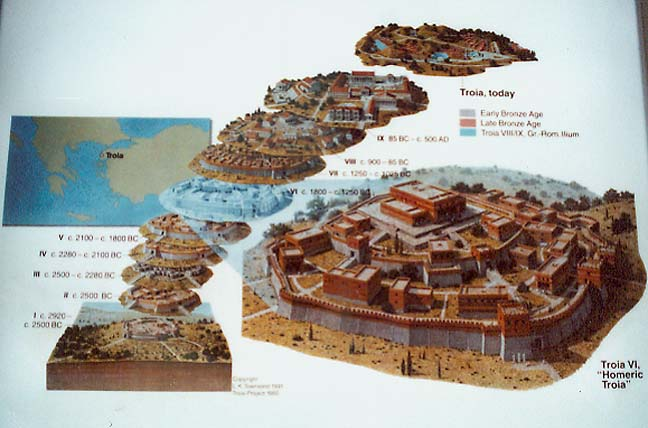
He found nine layers of cities, built on top of each other, dating back 5,000 years.
But Schliemann made a fatal error…
He dug too deep, too fast and destroyed parts of the real Troy in the process.
He found nine layers of cities, built on top of each other, dating back 5,000 years.
But Schliemann made a fatal error…
He dug too deep, too fast and destroyed parts of the real Troy in the process.
At one point, he uncovered a golden treasure and claimed it belonged to King Priam, the Trojan king in Homer’s story.
The press went wild.
But experts later proved the treasure was over 1,000 years too old to be Priam’s.
It was beautiful but from the wrong era.
The press went wild.
But experts later proved the treasure was over 1,000 years too old to be Priam’s.
It was beautiful but from the wrong era.
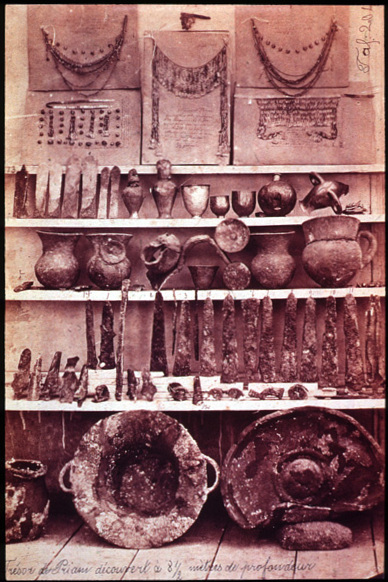
Schliemann’s Troy claim fell apart.
For decades, historians remained skeptical.
That is… until 1988.
A German archaeologist named Manfred Korfmann returned to Hissarlik with new tools, new funding, and a mission to solve the riddle for good.
For decades, historians remained skeptical.
That is… until 1988.
A German archaeologist named Manfred Korfmann returned to Hissarlik with new tools, new funding, and a mission to solve the riddle for good.
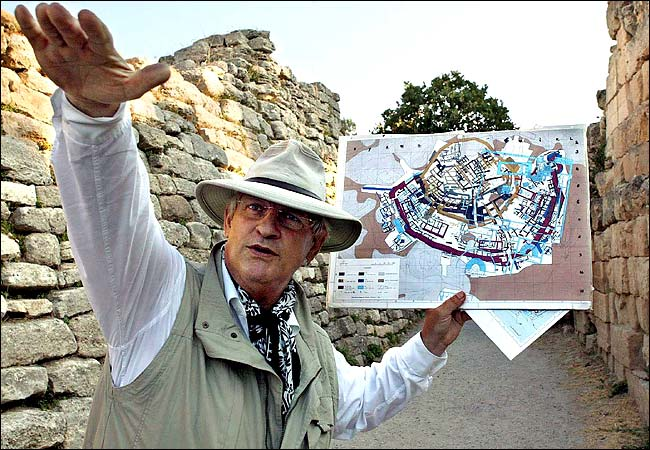
Korfmann focused on layer six, which dated to around 1250 BC, the time of the legendary war.
But it looked too small.
Barely the size of the Tower of London.
So his team used magnetic scanning on the surrounding area…
And what they found stunned the world.
But it looked too small.
Barely the size of the Tower of London.
So his team used magnetic scanning on the surrounding area…
And what they found stunned the world.
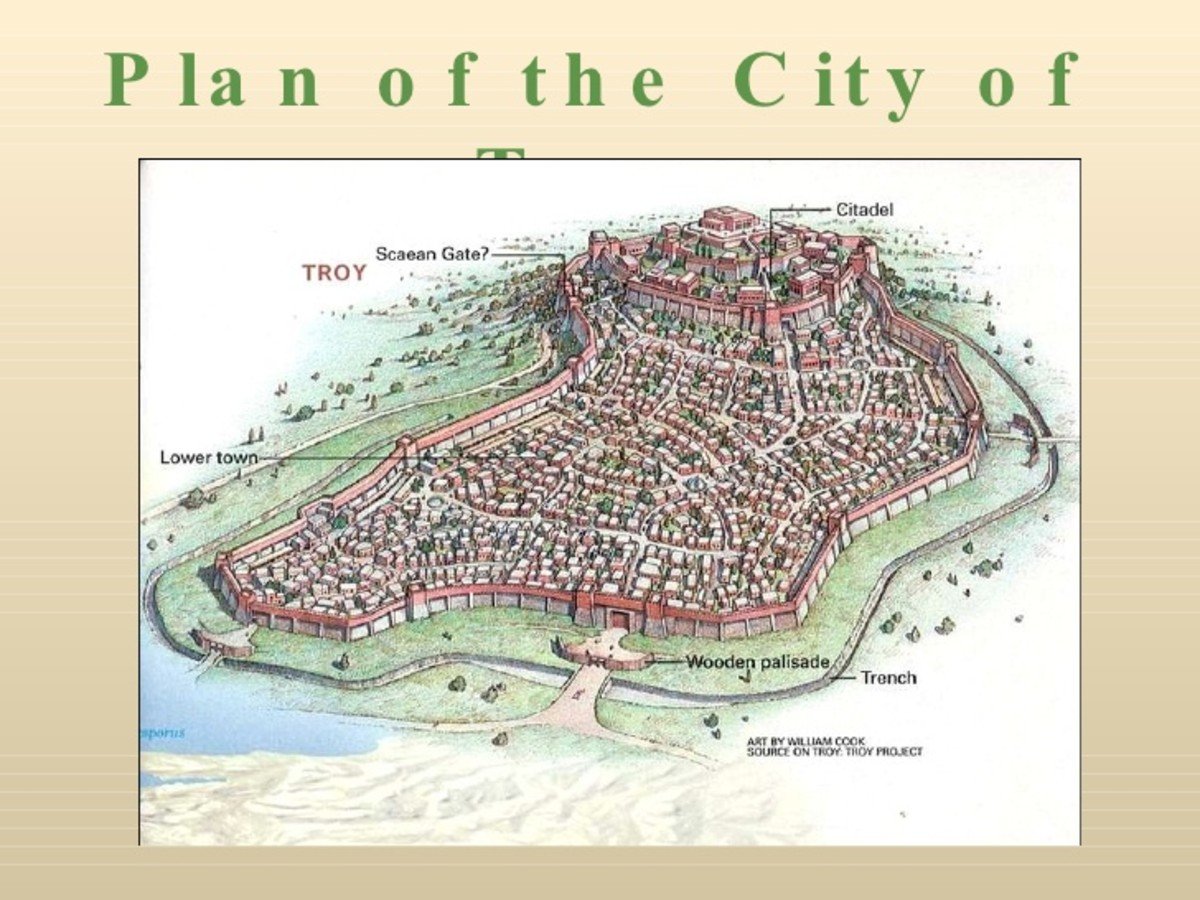
Buried beneath farmland was a massive defensive ditch, 4 meters wide, cut into bedrock.
This wasn’t a village. It was a fortified city.
13x bigger than originally thought. Home to up to 10,000 people.
The size finally matched Homer’s epic.
This wasn’t a village. It was a fortified city.
13x bigger than originally thought. Home to up to 10,000 people.
The size finally matched Homer’s epic.
But that’s not all.
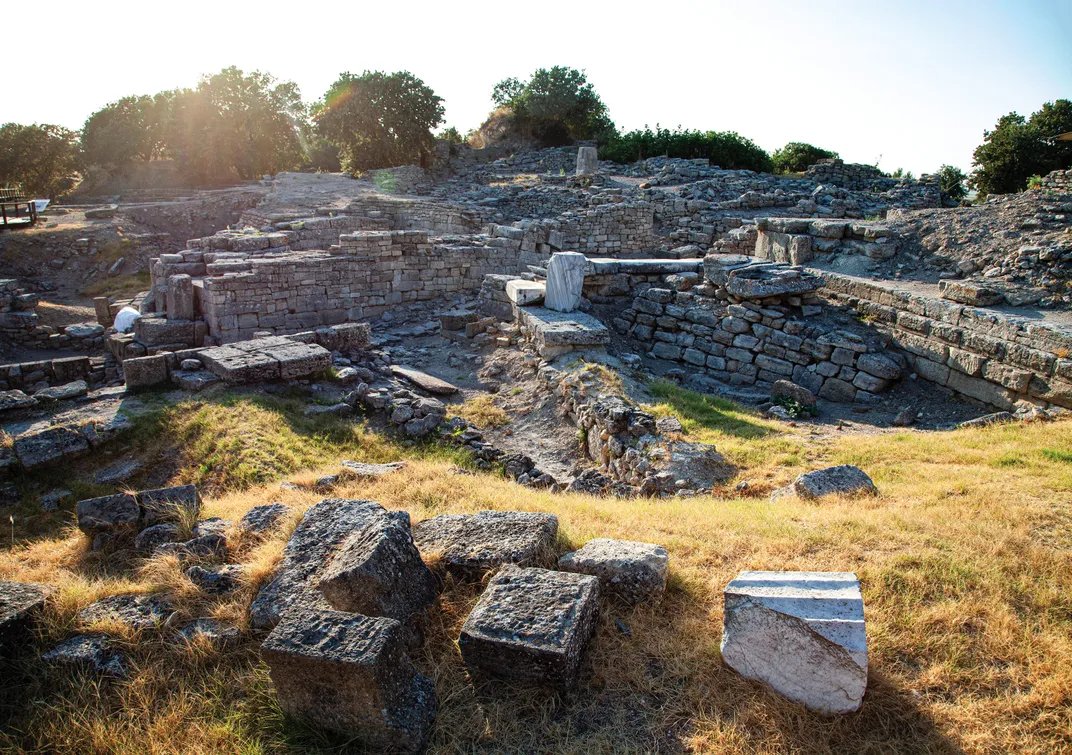
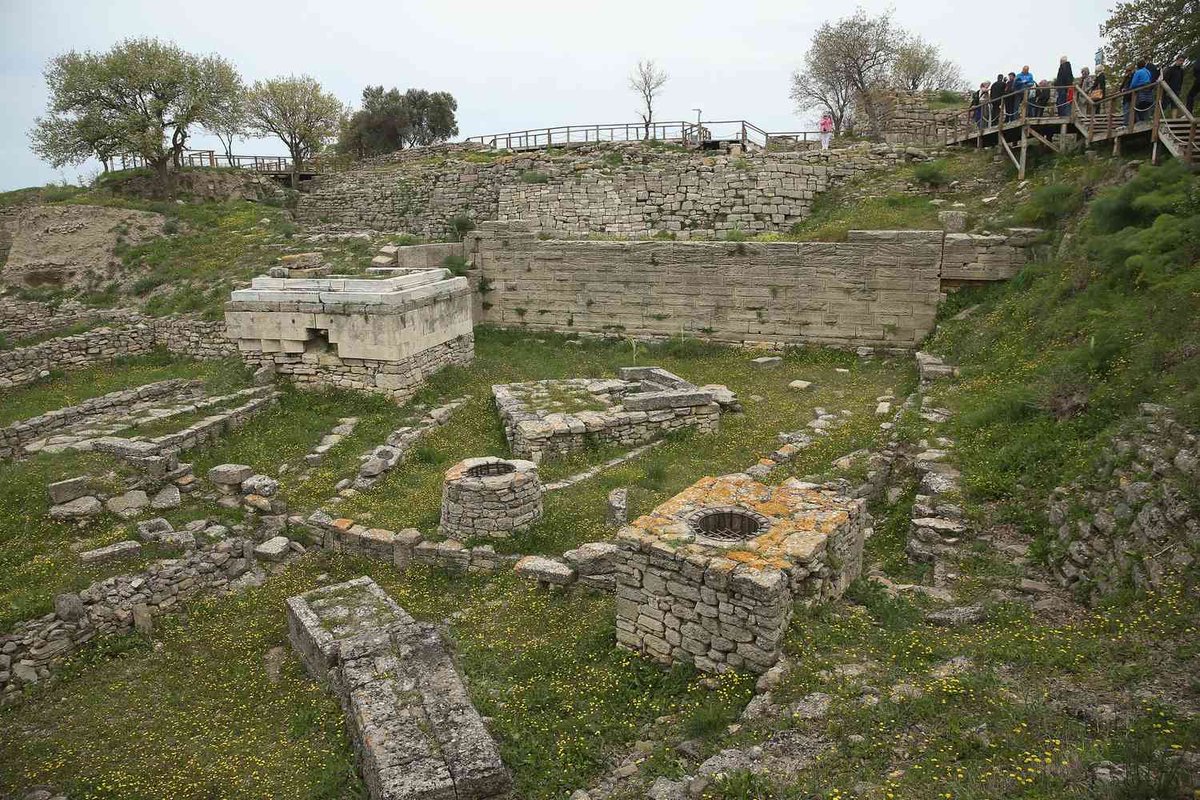
They found evidence of:
— Burned walls
— Bronze arrowheads
— Human and horse skeletons
— A layer of destruction dated to ~1250 BC
Exactly when Homer said Troy burned.
They found evidence of:
— Burned walls
— Bronze arrowheads
— Human and horse skeletons
— A layer of destruction dated to ~1250 BC
Exactly when Homer said Troy burned.
There was one more problem:
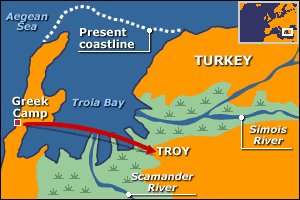
Troy was described as a coastal city.
But Hissarlik sits 4 miles inland.
Then, geophysicists drilled into the Earth.
They found ancient marine sediments beneath the surface.
3,000 years ago, this was a bustling port city.
Troy was described as a coastal city.
But Hissarlik sits 4 miles inland.
Then, geophysicists drilled into the Earth.
They found ancient marine sediments beneath the surface.
3,000 years ago, this was a bustling port city.
Still, experts wanted more proof.
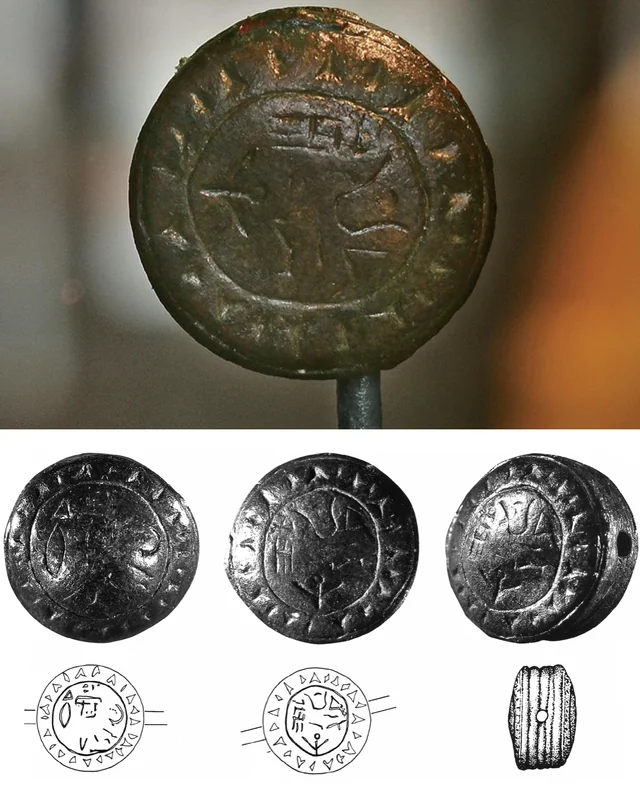
Then Korfmann’s team found a seal from ~1100 BC, written in an ancient Anatolian language.
It referenced a place called Wilusa, a city ruled by a king allied to the Hittites.
In Homer’s Greek, Troy is called Ilios.
Wilusa = Ilios.
Then Korfmann’s team found a seal from ~1100 BC, written in an ancient Anatolian language.
It referenced a place called Wilusa, a city ruled by a king allied to the Hittites.
In Homer’s Greek, Troy is called Ilios.
Wilusa = Ilios.
And it gets better.
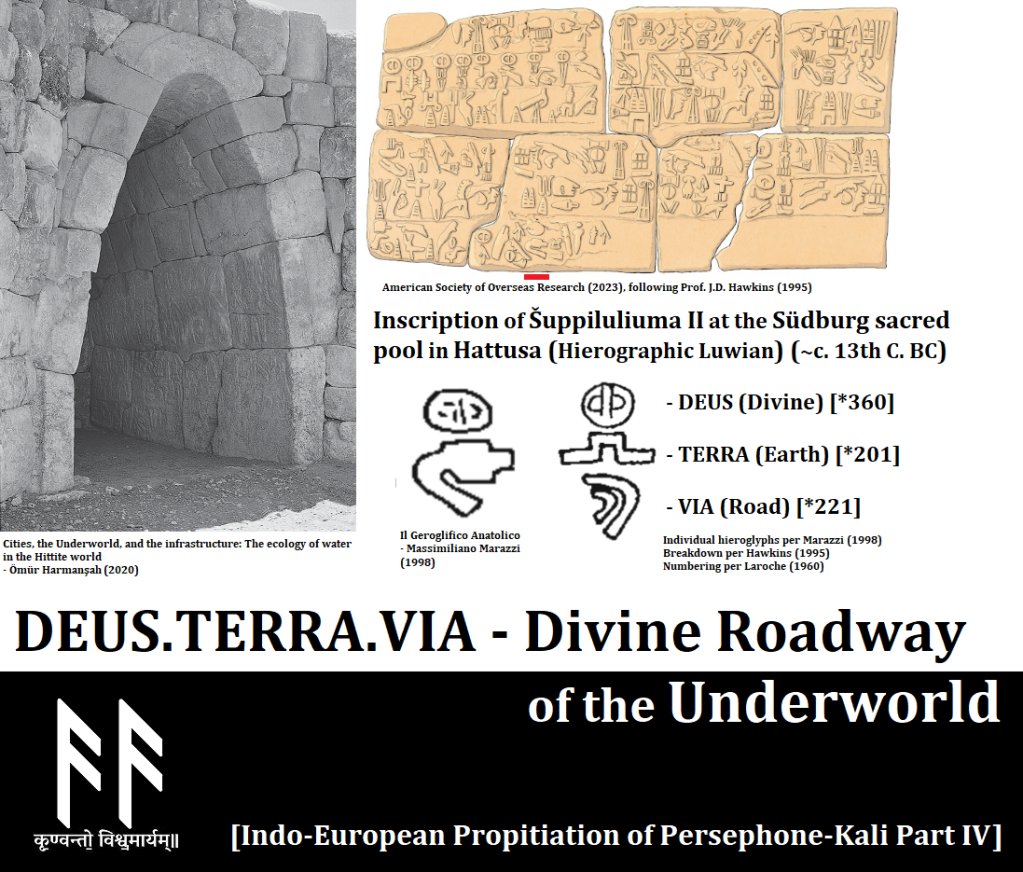
Hittite records described Wilusa as a sacred city with an underground stream called the “Divine Earth Road.”
Guess what Korfmann found under Troy?
A massive ancient drainage tunnel, 100m long, still filled with freshwater.
Hittite records described Wilusa as a sacred city with an underground stream called the “Divine Earth Road.”
Guess what Korfmann found under Troy?
A massive ancient drainage tunnel, 100m long, still filled with freshwater.
Today, the site of Troy is accepted by most historians and archaeologists.
We may never find the Trojan Horse. We may never prove Helen existed.
But the city was real. The war was real.
And the legend lives on because it was built on truth.
We may never find the Trojan Horse. We may never prove Helen existed.
But the city was real. The war was real.
And the legend lives on because it was built on truth.
Troy didn’t just die.
500 years later, the Romans rebuilt it as a sacred city called Ilium.
They believed they were descendants of Trojan heroes.
Even Julius Caesar made a pilgrimage there.
Troy became a place of worship, where myth became memory.
500 years later, the Romans rebuilt it as a sacred city called Ilium.
They believed they were descendants of Trojan heroes.
Even Julius Caesar made a pilgrimage there.
Troy became a place of worship, where myth became memory.
• • •
Missing some Tweet in this thread? You can try to
force a refresh