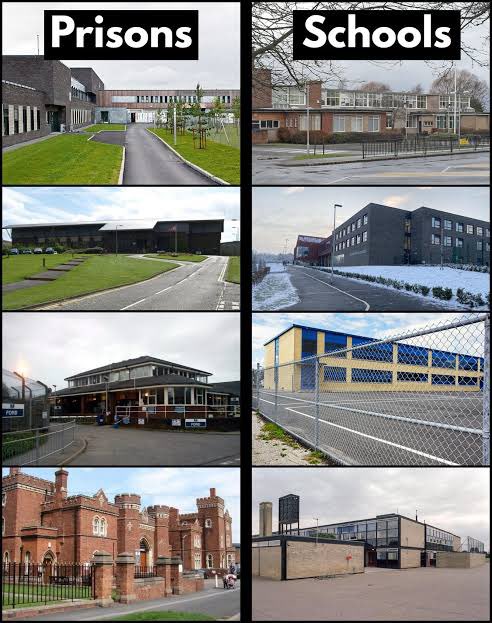
School feels like a prison? That's not a bug. That's a feature.
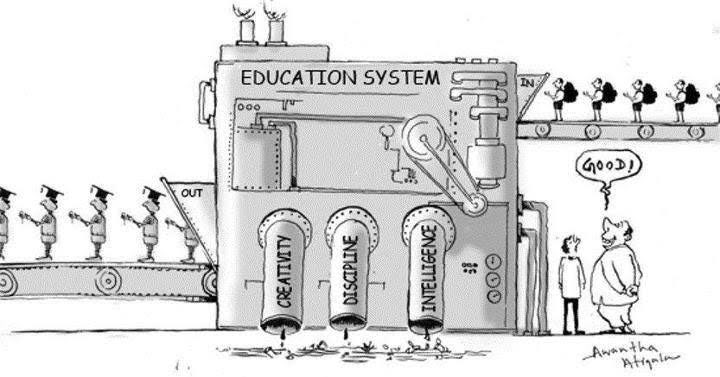
The modern education system wasn't created to enlighten minds—it was designed to break them into compliance. 🧵
The modern education system wasn't created to enlighten minds—it was designed to break them into compliance. 🧵

Think back to high school.
Did you ever feel trapped in a machine with its own purposes, completely disconnected from what you wanted to learn?
That feeling reveals something fundamental: you weren't imagining the prison-like atmosphere. It was engineered that way.
Did you ever feel trapped in a machine with its own purposes, completely disconnected from what you wanted to learn?
That feeling reveals something fundamental: you weren't imagining the prison-like atmosphere. It was engineered that way.

The modern school system wasn't created for learning. It was invented by Prussians after their crushing defeat by Napoleon in 1806.
They needed obedient citizens who would follow orders without question.
So they created the world's first compulsory education system—not to enlighten minds, but to break them into compliance.
Before then, education happened in countless different ways. What we call "school" is actually a recent invention with a very specific purpose.
They needed obedient citizens who would follow orders without question.
So they created the world's first compulsory education system—not to enlighten minds, but to break them into compliance.
Before then, education happened in countless different ways. What we call "school" is actually a recent invention with a very specific purpose.

Ayn Rand called modern educators "comprachicos of the mind"—after 17th century groups who bought children and systematically deformed their bodies for entertainment.
Today's version is more sophisticated: they don't break bodies, they break minds. And parents deliver the children willingly, calling it "education."
The method is the same—take something naturally growing and force it into an unnatural shape.
Today's version is more sophisticated: they don't break bodies, they break minds. And parents deliver the children willingly, calling it "education."
The method is the same—take something naturally growing and force it into an unnatural shape.

This explains everything you hated about school:
— rigid time blocks like factory shifts;
— hierarchical authoritarian structure;
— students grouped by age not ability;
— predetermined career tracks.
These aren't bugs, they're features. The system is working exactly as designed to produce compliance, not curiosity.
— rigid time blocks like factory shifts;
— hierarchical authoritarian structure;
— students grouped by age not ability;
— predetermined career tracks.
These aren't bugs, they're features. The system is working exactly as designed to produce compliance, not curiosity.
The sad irony is that many teachers genuinely believe education is their purpose.
They work incredibly hard to actually teach their students. But the entire system they're trapped in is hostile to real learning.
They're constantly fighting upstream against a structure designed to produce conformity, not critical thinking.
Any real education that happens is almost by accident.
They work incredibly hard to actually teach their students. But the entire system they're trapped in is hostile to real learning.
They're constantly fighting upstream against a structure designed to produce conformity, not critical thinking.
Any real education that happens is almost by accident.
We've made a catastrophic mistake: we think schooling and education are the same thing.
Real education is driven by curiosity, happens throughout life, and develops your ability to think and question.
Schooling is about control, happens during one stage of life, and is standardized to produce uniformity.
Real education is driven by curiosity, happens throughout life, and develops your ability to think and question.
Schooling is about control, happens during one stage of life, and is standardized to produce uniformity.

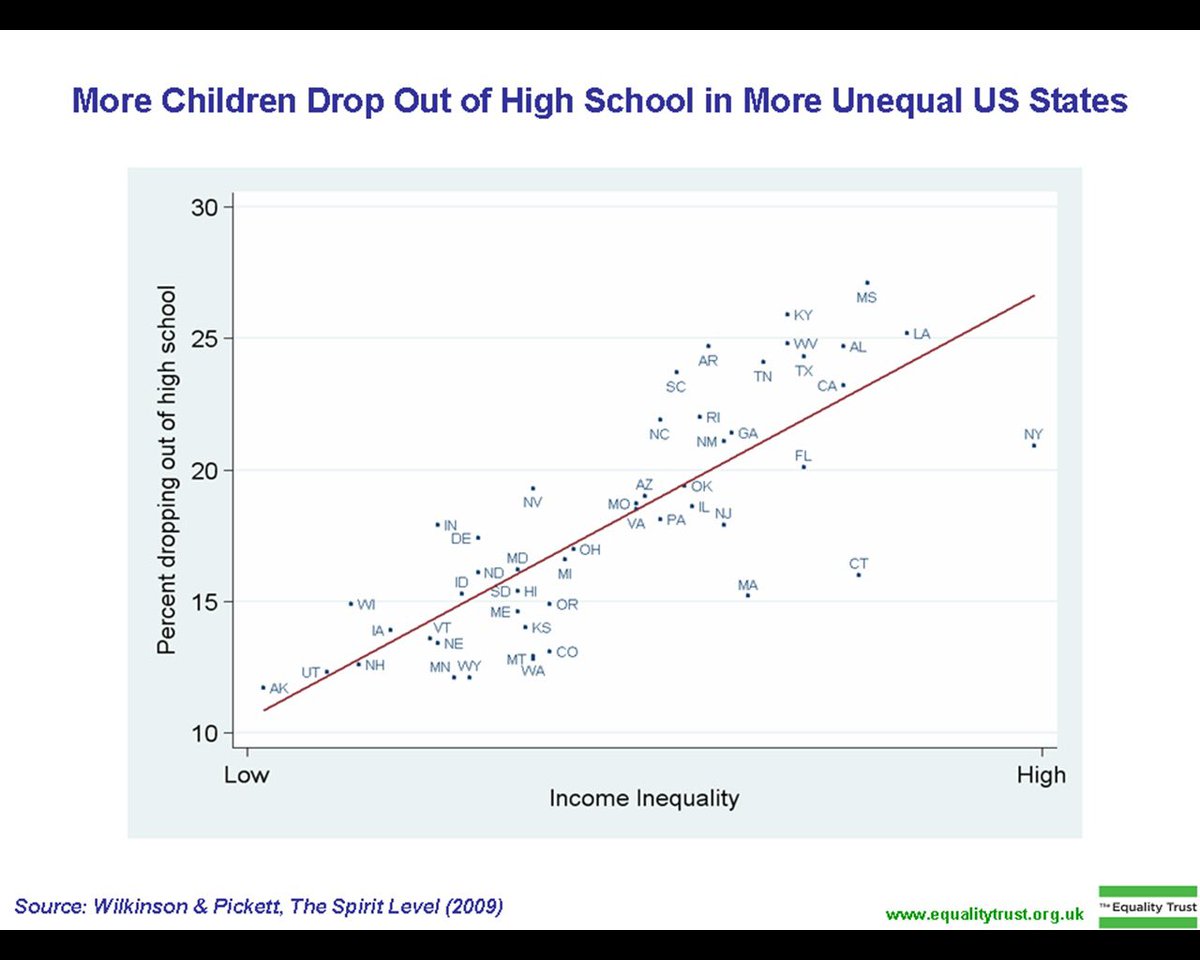
The result? Students who can recite information but can't think independently.
Who seek approval from authority rather than trusting their own judgment.
Who've been conditioned to fear the very tool they need for survival: reason.
Understanding this difference is liberating.
Your frustration with school wasn't personal failure—it was a natural response to an unnatural system designed to break independent minds.
Who seek approval from authority rather than trusting their own judgment.
Who've been conditioned to fear the very tool they need for survival: reason.
Understanding this difference is liberating.
Your frustration with school wasn't personal failure—it was a natural response to an unnatural system designed to break independent minds.
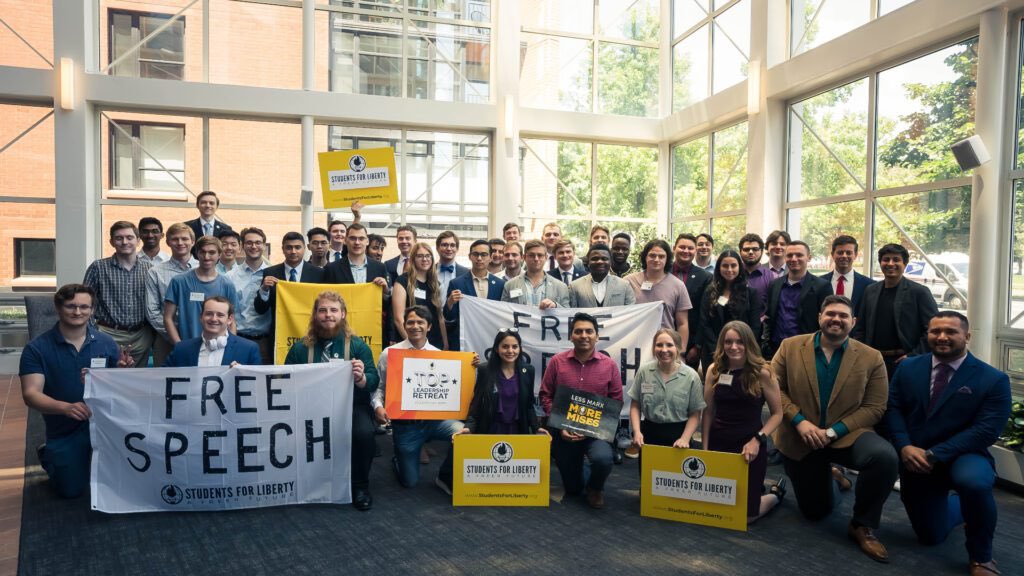
Ready to reclaim real education while navigating the academic system?
The first step is understanding how to stay intellectually free in an environment designed to suppress independent thinking.
Learn more on 👉 go.studentsforliberty.org/college-surviv…
The first step is understanding how to stay intellectually free in an environment designed to suppress independent thinking.
Learn more on 👉 go.studentsforliberty.org/college-surviv…
• • •
Missing some Tweet in this thread? You can try to
force a refresh