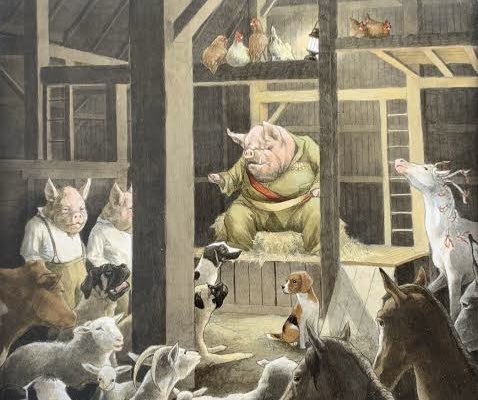
"Sweden is proof socialism works!"
Your professor loves this story. Politicians too. But there's one problem: Sweden got rich BEFORE it tried socialism.
And when they actually tried it, everything fell apart. 🧵
Your professor loves this story. Politicians too. But there's one problem: Sweden got rich BEFORE it tried socialism.
And when they actually tried it, everything fell apart. 🧵

Every campus economics debate ends the same way.
Someone drops the Sweden card: "High taxes, big welfare—and they're rich and happy!"
This myth has become the ultimate trump card against free market arguments. But what if the entire foundation of this story is backwards?
Someone drops the Sweden card: "High taxes, big welfare—and they're rich and happy!"
This myth has become the ultimate trump card against free market arguments. But what if the entire foundation of this story is backwards?

150 years ago, Sweden was dirt poor—poorer than Congo at the time.
Life expectancy was half the average of developing countries. Families mixed tree bark into bread to survive famine.
In Stockholm, 1,400 people crammed into buildings with only 200 one-room flats.
As Swedish author Vilhelm Moberg wrote: "Of all the wondrous adventures of the Swedish people, none is more remarkable than this: that it survived all of them."
Life expectancy was half the average of developing countries. Families mixed tree bark into bread to survive famine.
In Stockholm, 1,400 people crammed into buildings with only 200 one-room flats.
As Swedish author Vilhelm Moberg wrote: "Of all the wondrous adventures of the Swedish people, none is more remarkable than this: that it survived all of them."

Sweden's escape from poverty was led by the progressives of their time—but not the kind you'd expect.
Anders Chydenius and Lars Johan Hierta were radical reformers fighting the conservative establishment.
These liberal revolutionaries were the campus activists of 1800s Sweden—except they fought FOR free markets, not against them. They abolished guild restrictions, slashed tariffs, expanded property rights, and deregulated banking.
Anders Chydenius and Lars Johan Hierta were radical reformers fighting the conservative establishment.
These liberal revolutionaries were the campus activists of 1800s Sweden—except they fought FOR free markets, not against them. They abolished guild restrictions, slashed tariffs, expanded property rights, and deregulated banking.

The results were astonishing.
— Between 1850 and 1950, Sweden's income per capita increased eightfold. Life expectancy rose 28 years.
— Infant mortality plunged from 15% to 2%.
— By 1950, Sweden was the 4th richest country in the world.
— All while government spending stayed at just 6% of national income in 1900.
— Between 1850 and 1950, Sweden's income per capita increased eightfold. Life expectancy rose 28 years.
— Infant mortality plunged from 15% to 2%.
— By 1950, Sweden was the 4th richest country in the world.
— All while government spending stayed at just 6% of national income in 1900.

Sweden only turned toward big government in the 1970s. And it nearly wrecked the economy.
— Public spending soared from 31% to 60% of GDP.
— Growth rates halved. By 1990, private enterprise had created no net new jobs since 1950.
— Sweden fell from 4th richest country in the OECD to 14th between 1970 and 2000.
— Public spending soared from 31% to 60% of GDP.
— Growth rates halved. By 1990, private enterprise had created no net new jobs since 1950.
— Sweden fell from 4th richest country in the OECD to 14th between 1970 and 2000.
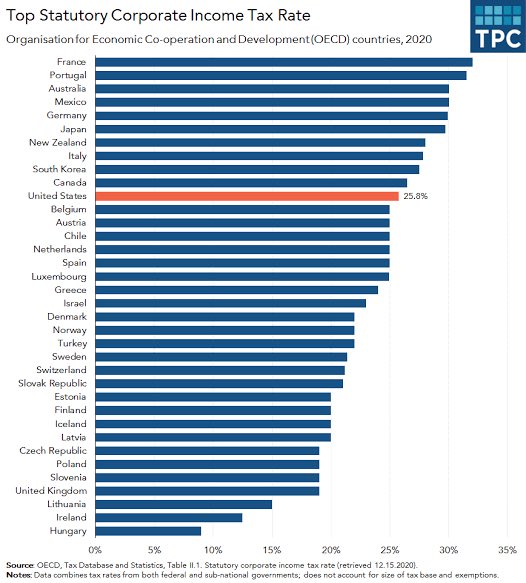
Even beloved authors fled the system. Astrid Lindgren, creator of Pippi Longstocking, calculated: "If I make 1 million kronor in profit, the government takes 102%. I'd owe more than I earned."
Ingvar Kamprad, founder of IKEA, fled to Switzerland. Ingmar Bergman was arrested for tax evasion and left the country.
This is what happens when you implement the policies progressives call "fair share."
Ingvar Kamprad, founder of IKEA, fled to Switzerland. Ingmar Bergman was arrested for tax evasion and left the country.
This is what happens when you implement the policies progressives call "fair share."
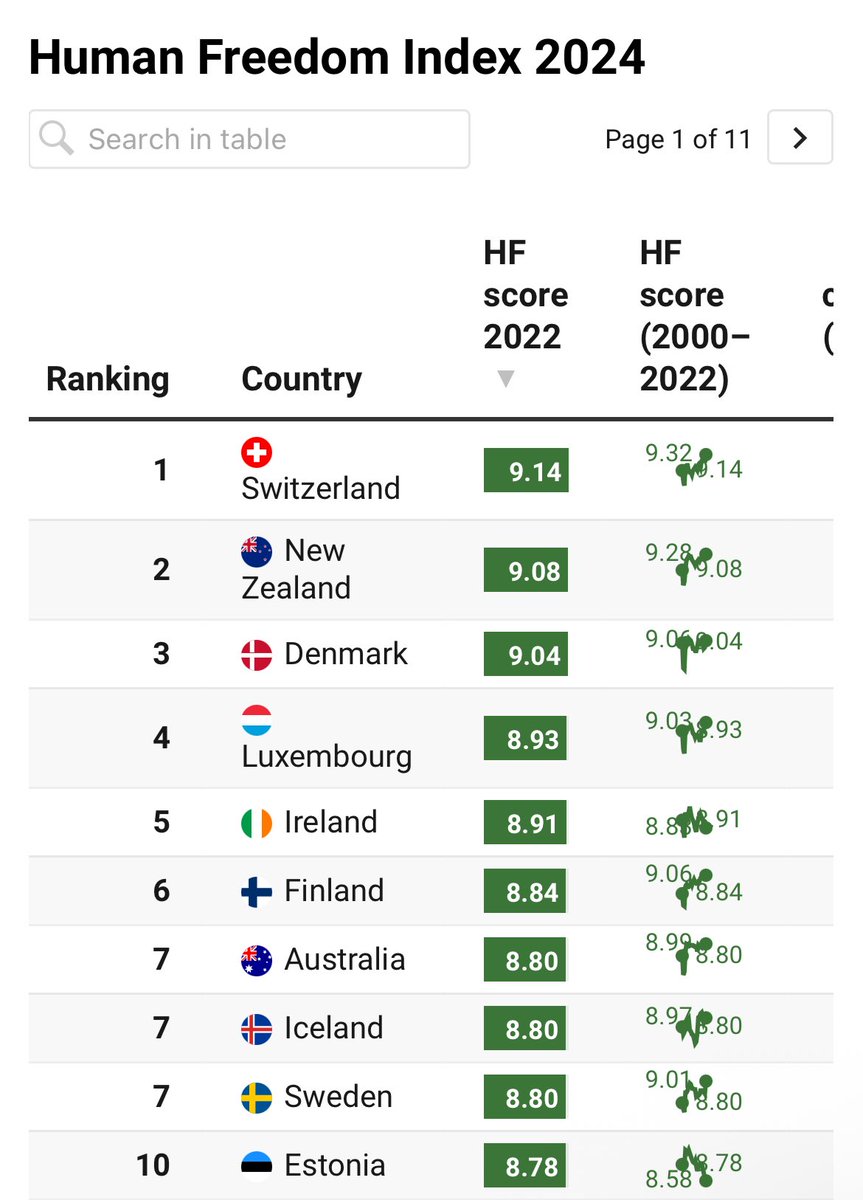
Sweden saved itself in the 1990s by returning to free markets:
— slashed top tax rates;
— abolished wealth taxes;
— introduced school vouchers;
— allowed private healthcare options.
Result: Sweden started outperforming Europe again. Free markets worked—again.
— slashed top tax rates;
— abolished wealth taxes;
— introduced school vouchers;
— allowed private healthcare options.
Result: Sweden started outperforming Europe again. Free markets worked—again.

When your professor uses Sweden as proof socialism works, they're either ignorant of basic economic history or deliberately misleading you.
The policies that made Sweden decline in the 1970s are exactly what progressives want today: massive spending, high taxes, wealth taxes, government control of healthcare.
Sweden tried this playbook. It failed. They reversed course. We're about to repeat their mistakes.
The policies that made Sweden decline in the 1970s are exactly what progressives want today: massive spending, high taxes, wealth taxes, government control of healthcare.
Sweden tried this playbook. It failed. They reversed course. We're about to repeat their mistakes.

Knowing the truth about Sweden changes everything about campus economics debates. But knowing facts and surviving those debates without burning bridges are different skills. Ready to challenge myths while building respect?
👉 go.studentsforliberty.org/college-surviv…
👉 go.studentsforliberty.org/college-surviv…

Sources:
Norberg, J. "How laissez-faire made Sweden Rich" & "The Mirage of Swedish Socialism"
@johanknorberg
Avaliable at: libertarianism.org/publications/e…
And: iea.org.uk/publications/t…
Norberg, J. "How laissez-faire made Sweden Rich" & "The Mirage of Swedish Socialism"
@johanknorberg
Avaliable at: libertarianism.org/publications/e…
And: iea.org.uk/publications/t…
• • •
Missing some Tweet in this thread? You can try to
force a refresh