Offended by Respect: Kerala’s Guru Puja Controversy Reveals the Left’s Deep Intolerance
After the so‑called "Bharat Bandh" that was force‑enforced only in Kerala and ignored by the rest of the country, yet another controversy is brewing, this time around Sanatana Dharma.
No surprises there.
Targeting Sanatana traditions has become something of a political art form, perfected first by the Communists and increasingly now by the Congress.
Did you know that July 10th was Guru Purnima, the sacred day when students traditionally express gratitude to their Gurus?
Across India, schools observed this occasion with reverence. But in Kerala, several schools, especially those under the Bharatiya Vidya Niketan umbrella, conducted Guru Puja, including the age‑old tradition of washing the teacher’s feet (Pada Puja).
As expected, the "liberals" in Kerala are outraged.
1/7
After the so‑called "Bharat Bandh" that was force‑enforced only in Kerala and ignored by the rest of the country, yet another controversy is brewing, this time around Sanatana Dharma.
No surprises there.
Targeting Sanatana traditions has become something of a political art form, perfected first by the Communists and increasingly now by the Congress.
Did you know that July 10th was Guru Purnima, the sacred day when students traditionally express gratitude to their Gurus?
Across India, schools observed this occasion with reverence. But in Kerala, several schools, especially those under the Bharatiya Vidya Niketan umbrella, conducted Guru Puja, including the age‑old tradition of washing the teacher’s feet (Pada Puja).
As expected, the "liberals" in Kerala are outraged.
1/7

The “Crime”?
You might be wondering what exactly the "crime" is here. It's simple: children honoring their teachers is the crime. Yes, you heard that right.
The Youth Congress filed complaints, calling the act “despicable.”
The Child Rights Commission jumped in, claiming it violated the self‑esteem of children, and directed the police to file a report.
DYFI and AIYF protested too.
Watch the video of one such ritual that was conducted. In this case, the teachers at a school washed the feet of a retired teacher.
2/7
You might be wondering what exactly the "crime" is here. It's simple: children honoring their teachers is the crime. Yes, you heard that right.
The Youth Congress filed complaints, calling the act “despicable.”
The Child Rights Commission jumped in, claiming it violated the self‑esteem of children, and directed the police to file a report.
DYFI and AIYF protested too.
Watch the video of one such ritual that was conducted. In this case, the teachers at a school washed the feet of a retired teacher.
2/7
Education Minister V. Sivankutty condemned the practice as “deeply objectionable,” saying it encourages a slave mentality and runs counter to the purpose of education, which is to foster progressive thinking, self‑awareness, and rights earned through struggle, not ancient ritual submissiveness.
He has now ordered an inquiry into the practices.
3/7
He has now ordered an inquiry into the practices.
3/7

Where Were the Guru Puja Rituals Conducted?
The Guru Purnima rituals, including the traditional Pada Puja, were held across multiple schools in Kerala:
At Vivekodayam Vidyamandir, Annamanada (Thrissur) a retired teacher, Lathika Achuthan, was honoured by students, and she in turn touched the students' feet in gratitude
In all cases, school authorities clarified that the ceremonies were purely symbolic, conducted with mutual respect, and aimed at reinforcing the value of Guru-Shishya tradition, not to demean or degrade students in any way.
4/7
The Guru Purnima rituals, including the traditional Pada Puja, were held across multiple schools in Kerala:
At Vivekodayam Vidyamandir, Annamanada (Thrissur) a retired teacher, Lathika Achuthan, was honoured by students, and she in turn touched the students' feet in gratitude
In all cases, school authorities clarified that the ceremonies were purely symbolic, conducted with mutual respect, and aimed at reinforcing the value of Guru-Shishya tradition, not to demean or degrade students in any way.
4/7

Political & Cultural Hypocrisy
A couple of days ago, I posted a video of communist‑affiliated college students shouting vile, abusive slogans outside their principal’s office, unfit for repetition.
In left-dominated Kerala, abusing a teacher is normal. But a ritual rooted in our civilization to honor our acharyas is not allowed in "God's own country." Do you see the irony there?
5/7
A couple of days ago, I posted a video of communist‑affiliated college students shouting vile, abusive slogans outside their principal’s office, unfit for repetition.
In left-dominated Kerala, abusing a teacher is normal. But a ritual rooted in our civilization to honor our acharyas is not allowed in "God's own country." Do you see the irony there?
5/7
Importance of Guru Purnima
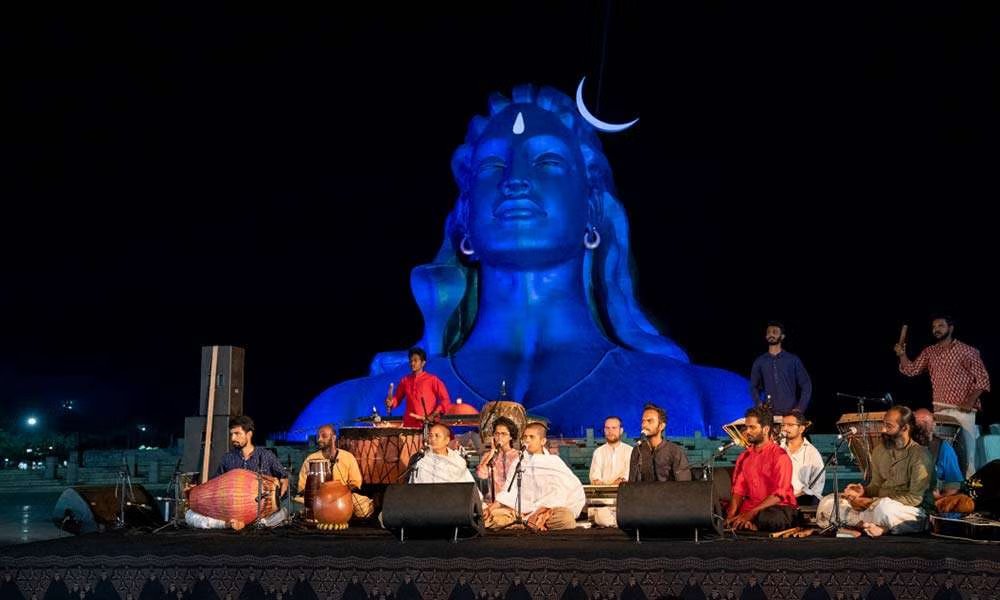
Guru Purnima, celebrated on the first full moon after the summer solstice (Ashadha month), marks the historic day when Shiva, the Adiyogi (first Yogi and Guru), transmitted the sacred Yogic sciences to the seven sages, the Saptarishis. This event symbolizes the beginning of the Guru‑Shishya tradition, where knowledge is passed from teacher to disciple.
The word “Guru” means “dispeller of darkness,” one who removes ignorance and guides the seeker toward self-realization. On this day, seekers honor their Gurus with gratitude and seek their blessings. It is also considered an auspicious time for spiritual practices like meditation and yoga.
6/7
Guru Purnima, celebrated on the first full moon after the summer solstice (Ashadha month), marks the historic day when Shiva, the Adiyogi (first Yogi and Guru), transmitted the sacred Yogic sciences to the seven sages, the Saptarishis. This event symbolizes the beginning of the Guru‑Shishya tradition, where knowledge is passed from teacher to disciple.
The word “Guru” means “dispeller of darkness,” one who removes ignorance and guides the seeker toward self-realization. On this day, seekers honor their Gurus with gratitude and seek their blessings. It is also considered an auspicious time for spiritual practices like meditation and yoga.
6/7
The Real Question
How is washing a teacher’s feet, with full consent, in the sacred context of Guru Purnima, suddenly "objectionable?"
Yet, forcing schoolchildren into political protests and hartals is perfectly acceptable.
We know that this isn’t about child rights. Once again, it’s a blatant ideological attack on Sanatana Dharma. This is not the first, and this won't be the last.
To those losing sleep over the resurgence of our ancient traditions in Kerala:
Do whatever you want. But these customs will continue, unapologetically and unshaken, as they have for millennia.
No one asked, and no one ever will ask, for your permission or approval.
7/7
How is washing a teacher’s feet, with full consent, in the sacred context of Guru Purnima, suddenly "objectionable?"
Yet, forcing schoolchildren into political protests and hartals is perfectly acceptable.
We know that this isn’t about child rights. Once again, it’s a blatant ideological attack on Sanatana Dharma. This is not the first, and this won't be the last.
To those losing sleep over the resurgence of our ancient traditions in Kerala:
Do whatever you want. But these customs will continue, unapologetically and unshaken, as they have for millennia.
No one asked, and no one ever will ask, for your permission or approval.
7/7
• • •
Missing some Tweet in this thread? You can try to
force a refresh