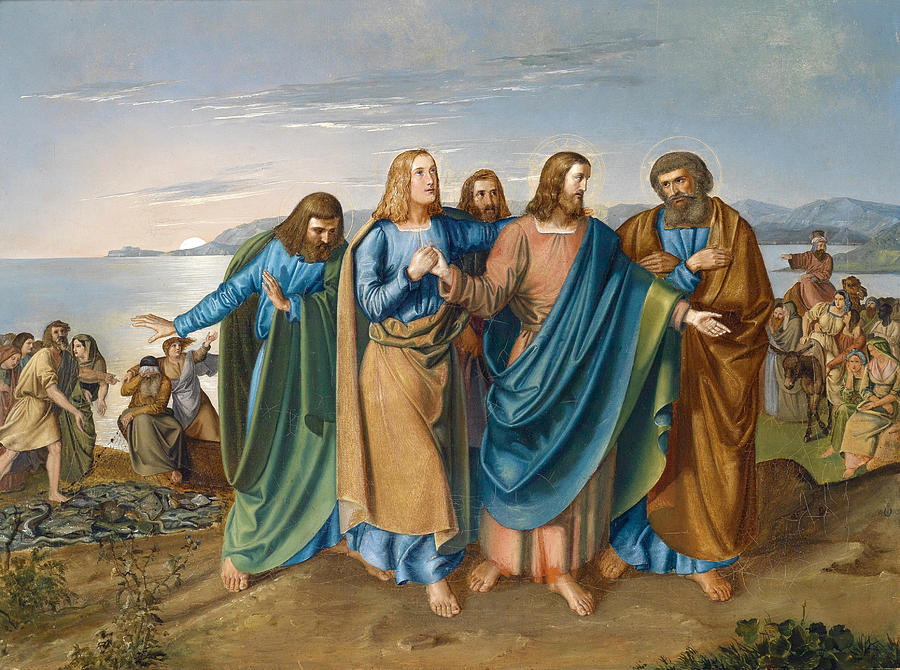
Every year—even today—thousands gather in Naples to witness a miracle.
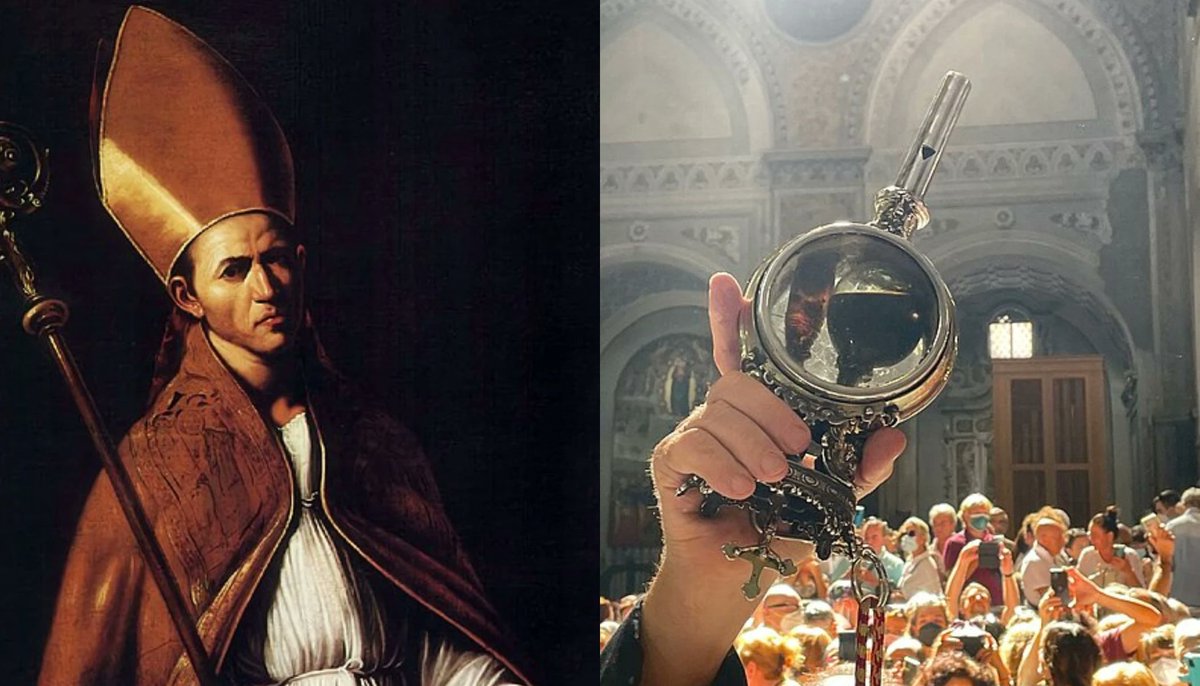
A vial holding the 1,700-year-old blood of St. Januarius turns from a crusted solid to bright flowing liquid.
It’s done this for 600+ years on three fixed dates—unless doom is near.
The strange miracle 🧵:
A vial holding the 1,700-year-old blood of St. Januarius turns from a crusted solid to bright flowing liquid.
It’s done this for 600+ years on three fixed dates—unless doom is near.
The strange miracle 🧵:

St. Januarius was a bishop of Benevento, martyred during the Roman persecutions around 305 AD.
His relics were later brought to Naples, where he became the city’s beloved patron saint. His blood was said to have been collected after his death.
(Source: Catholic News Agency, 2024)
His relics were later brought to Naples, where he became the city’s beloved patron saint. His blood was said to have been collected after his death.
(Source: Catholic News Agency, 2024)

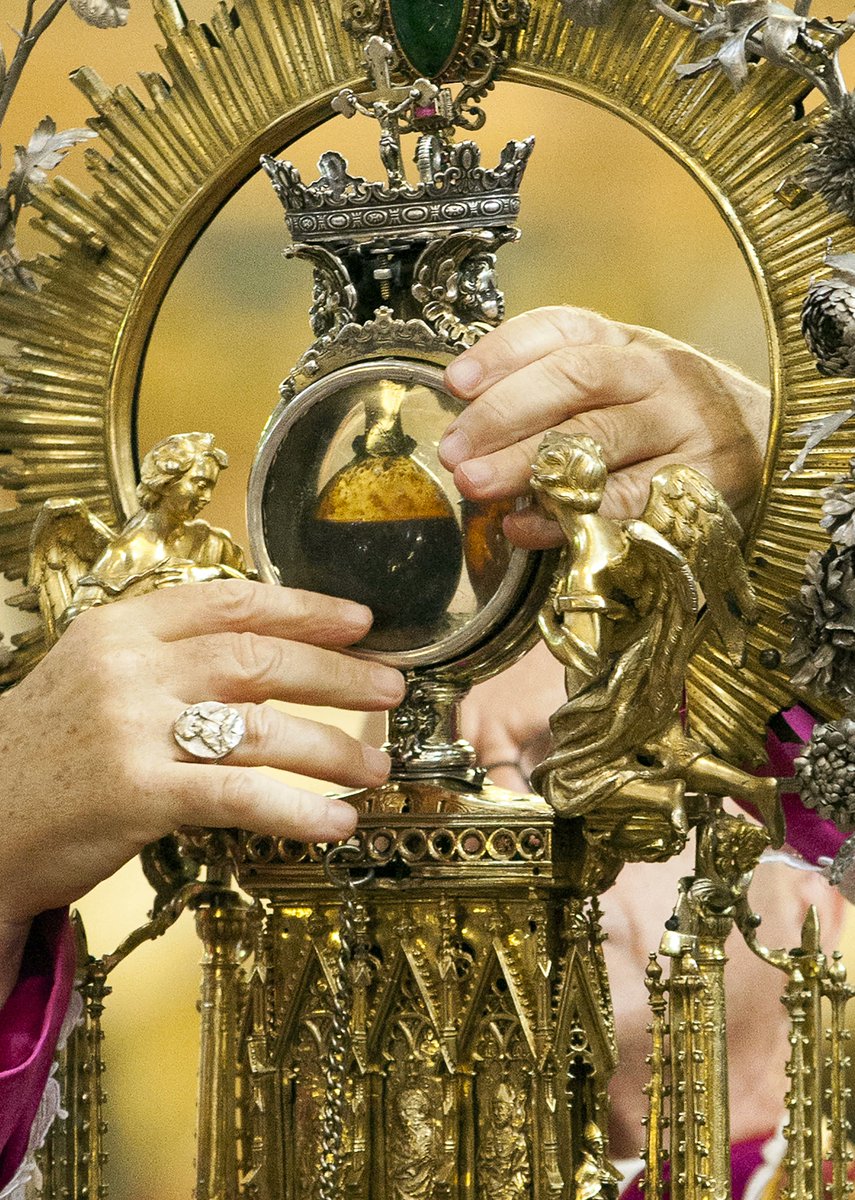
The blood is kept in two sealed glass ampoules inside a metal reliquary.
The first recorded liquefaction occurred in 1389. Since then, it’s been witnessed publicly for over 600 years.
(Source: Treasures of the San Gennaro Chapel, Wikipedia)
The first recorded liquefaction occurred in 1389. Since then, it’s been witnessed publicly for over 600 years.
(Source: Treasures of the San Gennaro Chapel, Wikipedia)
It happens on three fixed days:
—September 19 (his feast day)
—First Saturday in May
—December 16 (marking a 1631 volcanic eruption)
On these days, the vial is removed and displayed. The crowd waits in suspense.
(Source: Catholic News Agency, 2024)
—September 19 (his feast day)
—First Saturday in May
—December 16 (marking a 1631 volcanic eruption)
On these days, the vial is removed and displayed. The crowd waits in suspense.
(Source: Catholic News Agency, 2024)
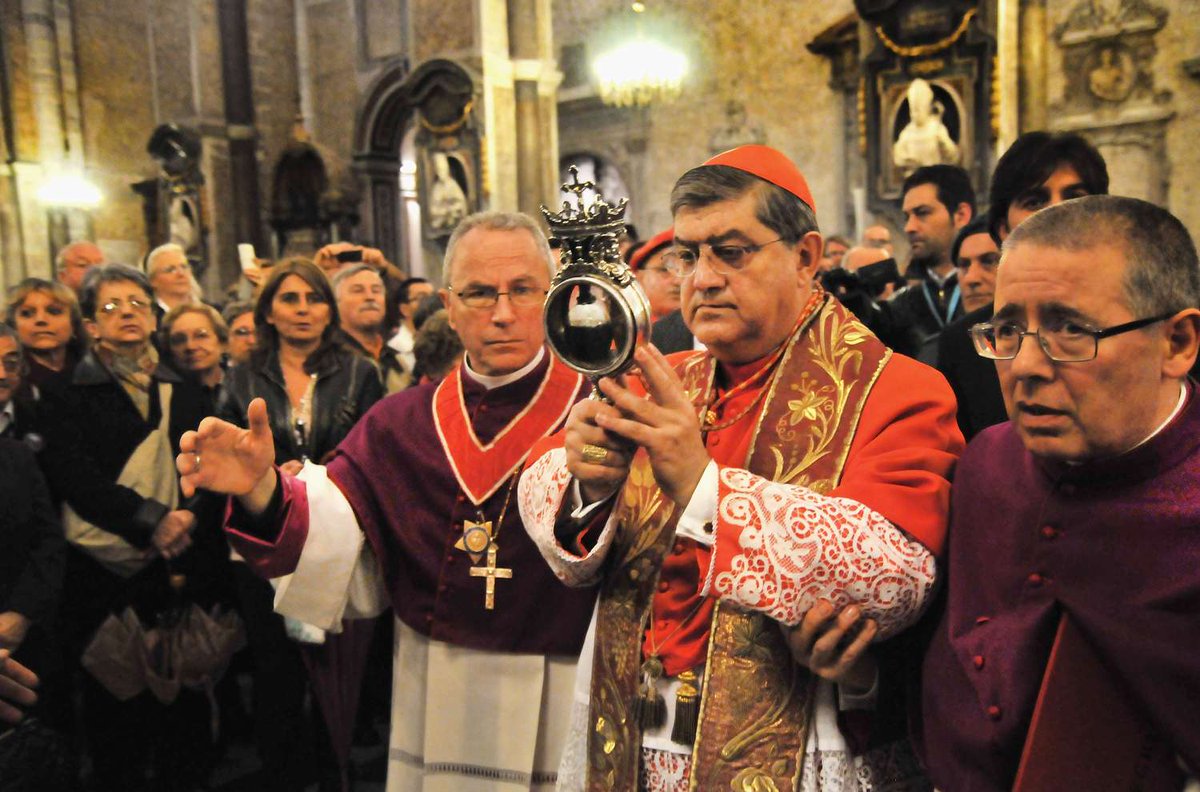
Sometimes it liquefies instantly. Sometimes it takes hours.
Each time, a crusted red mass transforms—visibly—into flowing red liquid.
This is broadcast live on Italian TV and witnessed by thousands.
(Source: Smithsonian Magazine, 2013)
Each time, a crusted red mass transforms—visibly—into flowing red liquid.
This is broadcast live on Italian TV and witnessed by thousands.
(Source: Smithsonian Magazine, 2013)
When it doesn’t liquefy, people get nervous.
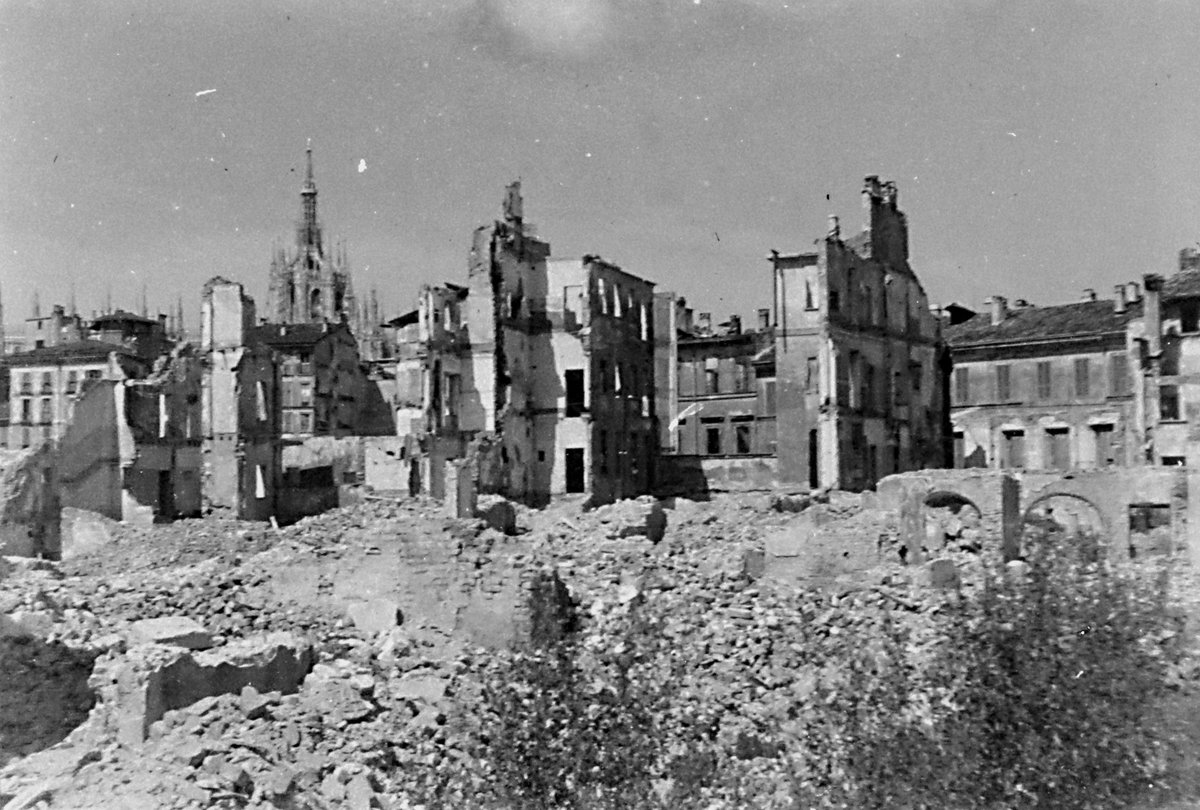
1939: failed liquefaction. WWII followed.
1980: failed liquefaction. A deadly earthquake struck southern Italy weeks later.
To Neapolitans, the miracle is a barometer of the year ahead.
(Source: National Catholic Register, 2024)
1939: failed liquefaction. WWII followed.
1980: failed liquefaction. A deadly earthquake struck southern Italy weeks later.
To Neapolitans, the miracle is a barometer of the year ahead.
(Source: National Catholic Register, 2024)
Skeptics have tried reproducing it.
In 1991, chemists created a red gel using iron oxide that mimics liquefaction when shaken—called a thixotropic compound.
It worked—but only with opened, recreated materials.
(Source: Washington Post, Dec. 1991)
In 1991, chemists created a red gel using iron oxide that mimics liquefaction when shaken—called a thixotropic compound.
It worked—but only with opened, recreated materials.
(Source: Washington Post, Dec. 1991)
The Naples vial has never been opened.
Its contents remain untested, untampered.
No chemical samples have been taken.
Even skeptics admit: no one knows exactly what’s inside—or why it behaves this way.
(Source: Garlaschelli & Ramaccini, 1991; CNA 2024)
Its contents remain untested, untampered.
No chemical samples have been taken.
Even skeptics admit: no one knows exactly what’s inside—or why it behaves this way.
(Source: Garlaschelli & Ramaccini, 1991; CNA 2024)

In 2010, a group of chemists showed that under lab conditions, dried blood can appear to re-liquefy—if it’s stored in custom glass, exposed to precise vibrations, and treated with specific proteins.
But that study used modern samples, open containers, and manipulated conditions.
It proves nothing about a sealed, 600-year-old relic no one’s ever tested.
(Source: Garlaschelli et al., 2010)
But that study used modern samples, open containers, and manipulated conditions.
It proves nothing about a sealed, 600-year-old relic no one’s ever tested.
(Source: Garlaschelli et al., 2010)
The Church doesn’t require belief.
It doesn’t officially call it a miracle.
But it allows the display and encourages prayer.
(Source: Catholic News Agency, Dec. 16, 2024)
It doesn’t officially call it a miracle.
But it allows the display and encourages prayer.
(Source: Catholic News Agency, Dec. 16, 2024)

When the blood liquefies, the celebration begins:
Cannon fire. Bell ringing. Handkerchiefs waving.
The “relatives of San Gennaro,” a lay brotherhood, weep with joy.
To Naples, this isn’t spectacle. It’s a divine tradition.
(Source: Wikipedia – Miracle of the Blood of Saint Januarius)
Cannon fire. Bell ringing. Handkerchiefs waving.
The “relatives of San Gennaro,” a lay brotherhood, weep with joy.
To Naples, this isn’t spectacle. It’s a divine tradition.
(Source: Wikipedia – Miracle of the Blood of Saint Januarius)

Even across the Atlantic, the miracle lives on.
Each year, New York’s Little Italy holds a parade for St. Januarius.
The story has crossed oceans and centuries—still binding believers to a mystery that remains alive.
(Source: Little Italy NYC, Feast of San Gennaro)
Each year, New York’s Little Italy holds a parade for St. Januarius.
The story has crossed oceans and centuries—still binding believers to a mystery that remains alive.
(Source: Little Italy NYC, Feast of San Gennaro)
On September 19, 2025, the relic will be brought out again. And the world will watch to see:
Will the blood of a martyr from the 3rd century stir again?
(Source: CNA, 2024 Feast Schedule)
Will the blood of a martyr from the 3rd century stir again?
(Source: CNA, 2024 Feast Schedule)
NOTE: I should have mentioned but last time the blood did not liquefy was December 2020 (covid).
Thanks for reading hit follow if these threads are your type of thing: @penn_williamE.
Thanks for reading hit follow if these threads are your type of thing: @penn_williamE.
• • •
Missing some Tweet in this thread? You can try to
force a refresh