Manifest History Profile picture
Jul 16, 2025 8 tweets 3 min read Read on X
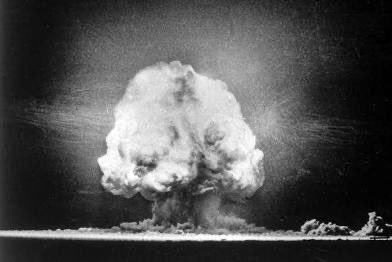
1/8 On this day in 1945, the world changed forever. In the remote deserts of New Mexico, the Manhattan Project successfully detonated the first atomic bomb in a test code-named “Trinity.” This marked the dawn of the nuclear age. Let’s dive into the history of this secretive endeavor. 🧵Image
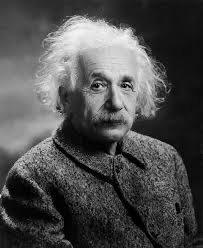
2/8 The Manhattan Project began in earnest in 1942, amid fears that Nazi Germany was developing atomic weapons. Sparked by a letter from Albert Einstein to President FDR in 1939, warning of uranium’s potential, the U.S. launched a massive, top-secret program to beat the Axis powers to the bomb.Image
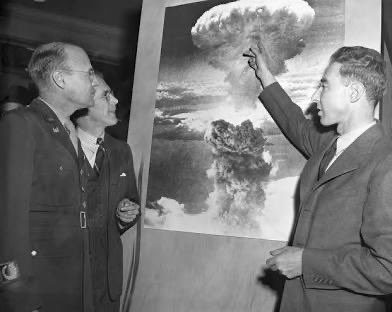
3/8 Led by General Leslie Groves of the U.S. Army Corps of Engineers, with physicist J. Robert Oppenheimer as scientific director, the project employed over 130,000 people across sites like Los Alamos (NM), Oak Ridge (TN), and Hanford (WA). It cost nearly $2 billion—equivalent to about $30 billion today.Image
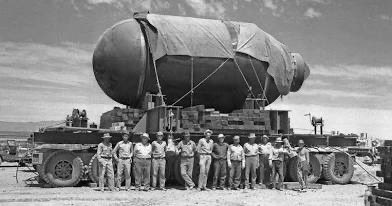
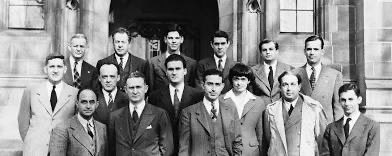
4/8 Development was a race against time. Scientists tackled enriching uranium and producing plutonium, overcoming immense technical hurdles. Key breakthroughs included the chain reaction demonstrated by Enrico Fermi in 1942 under a Chicago stadium, proving fission was viable for a weapon.Image
5/8 Challenges abounded: espionage (like the Soviet spy Klaus Fuchs), ethical debates among scientists, and the sheer scale of industrial effort. Oppenheimer famously quoted the Bhagavad Gita after Trinity: “Now I am become Death, the destroyer of worlds,” reflecting the project’s profound moral weight.Image
6/8 The aftermath was immediate and devastating. Just weeks after Trinity, on August 6, 1945, the U.S. dropped “Little Boy” on Hiroshima, killing ~70,000 instantly. Nagasaki followed on August 9 with “Fat Man,” claiming ~40,000 lives. Japan surrendered on August 15, ending WWII. Image
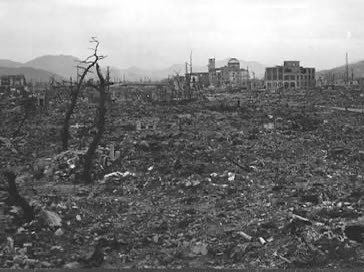
7/8 But the legacy extended far beyond. The bombings sparked global debates on nuclear ethics, led to the Cold War arms race, and the establishment of the Atomic Energy Commission. Hiroshima and Nagasaki survivors (hibakusha) became symbols of the human cost, advocating for disarmament.Image
8/8 Today, the Manhattan Project reminds us of science’s dual edge—innovation and destruction. Similar to the world we are about to enter with the advancement of AI. What are your thoughts on this pivotal moment in history? #ManhattanProject #OnThisDay Image
• • •

Missing some Tweet in this thread? You can try to force a refresh

 

Keep Current with Manifest History

Manifest History Profile picture

Stay in touch and get notified when new unrolls are available from this author!

Read all threads

This Thread may be Removed Anytime!

PDF

Twitter may remove this content at anytime! Save it as PDF for later use!

Try unrolling a thread yourself!

how to unroll video
  1. Follow @ThreadReaderApp to mention us!

  2. From a Twitter thread mention us with a keyword "unroll"
@threadreaderapp unroll

Practice here first or read more on our help page!

More from @ManifestHistory

Jan 15
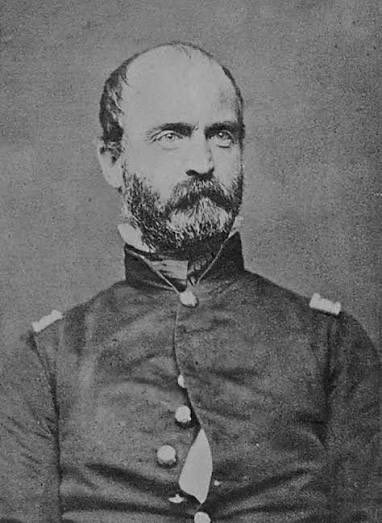
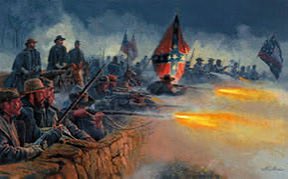
🧵 1/ Even though he was “just” a brigadier general in the Confederate Army, Lewis Armistead is my favorite Civil War general. The bravery he displayed at Gettysburg—leading his men over the stone wall in Pickett’s Charge, hat on sword tip—is admirable and the stuff of legend. Let’s trace his life from North Carolina roots to that fateful day.Image
2/ Lewis Addison Armistead was born February 18, 1817, in New Bern, North Carolina, into a military family—his father fought in the War of 1812, and his grandfather was a Revolutionary War hero. Raised in Virginia, young Lewis attended West Point in 1833 but was expelled in 1836 after breaking a plate over fellow cadet Jubal Early’s head during a mess hall brawl (though academic issues played a role too). Undeterred, he joined the U.S. Army in 1839 as a second lieutenant through family connections.

(Walker Keith Armistead, father of Lewis)Image
3/ Armistead first proved his worth during the Mexican-American War (1846-1848): He fought bravely at Contreras and Churubusco, earning brevets to captain and major for gallantry at Chapultepec, where he was wounded. He proved his mettle as a frontline leader. He married twice—first to Cecelia Lee (cousin of Robert E. Lee) in 1844, with two children and after her death, to Cornelia Jamieson in 1850, with one more kid (who died young). Stationed on the frontier, he formed a close friendship with future Union General Winfield Scott Hancock.Image
Read 7 tweets
Dec 13, 2025
The Battle of Fredericksburg Reaches Its Bloody Climax

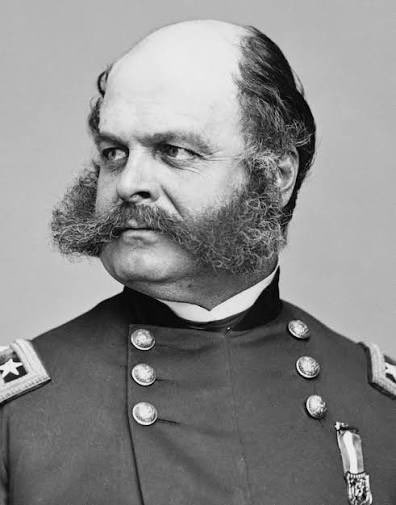
1/ On this day, December 13, 1862, the Battle of Fredericksburg raged in Virginia—a devastating Union defeat and a resounding Confederate victory in the Civil War’s Eastern Theater. General Ambrose Burnside’s 120,000 troops assaulted General Robert E. Lee’s 78,000 Confederates entrenched on Marye’s Heights. The day’s futile charges cost ~18,000 casualties, mostly Union, in one of the war’s most lopsided slaughters. This thread details the campaign’s context, the assault’s horror, and its impact—a low point that tested Northern resolve.Image
Background to the Fredericksburg Campaign

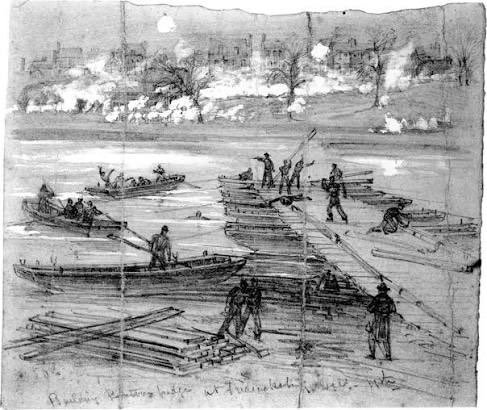
2/ By fall 1862, President Abraham Lincoln sought aggressive action after General George B. McClellan’s slow Peninsula Campaign. He appointed Ambrose Burnside to lead the Army of the Potomac, hoping for a swift strike on Richmond. Burnside planned to cross the Rappahannock River at Fredericksburg and march south before Lee could react. Delays in pontoon bridges allowed Lee to fortify the heights west of town. By December, both armies faced off across the river—Union superiority in numbers offset by Confederate positions on high ground overlooking open fields.Image
Lead-Up to the Battle of December 13

3/ On December 11, Union engineers bridged the Rappahannock under fire; troops crossed into Fredericksburg, looting the town amid skirmishes. Burnside positioned his army for assault: Franklin’s Left Grand Division south, Sumner’s Right Grand Division at Marye’s Heights. Lee entrenched with Longstreet on the heights and Jackson south. December 12 saw artillery duels and probes; Burnside finalized plans despite warnings of slaughter. Dawn December 13 brought fog, masking Union movements as troops formed for the doomed charges.Image
Read 10 tweets
Nov 22, 2025
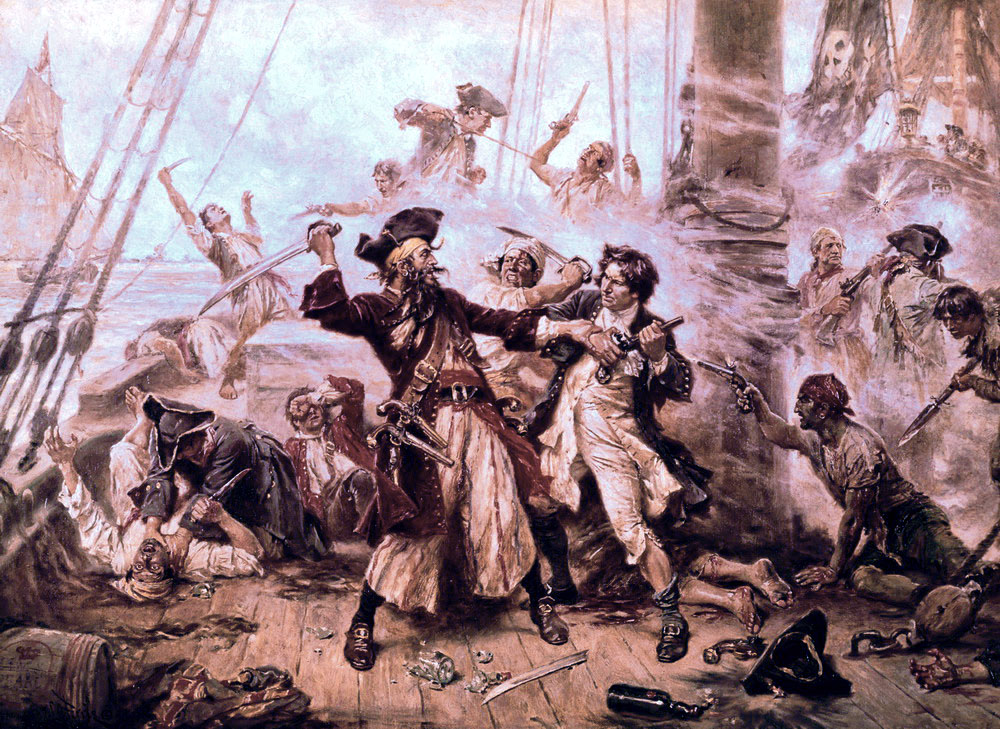
OTD: Blackbeard is Defeated 🧵

1/ Often overshadowed by the JFK assassination, but the notorious pirate Blackbeard was also killed on this day in 1718. Let's dive into the tale of Edward Teach, the fearsome buccaneer who terrorized the seas. Image
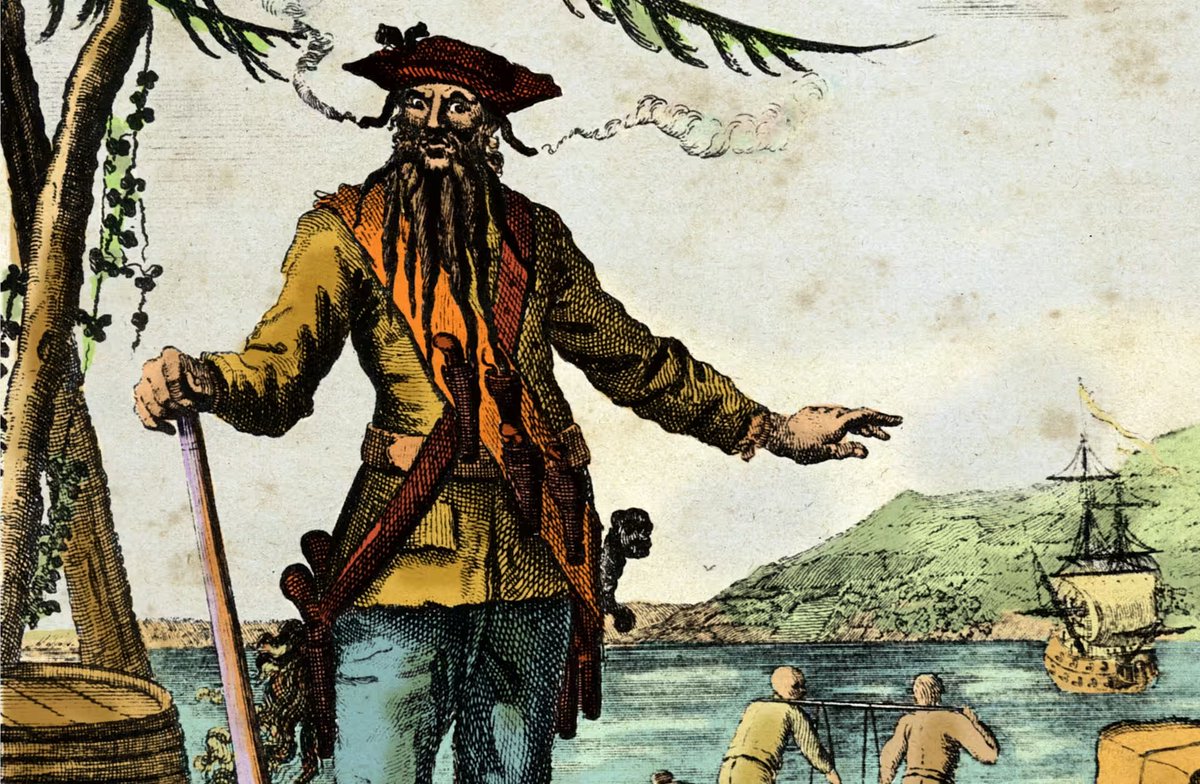
2/ Blackbeard, born Edward Teach around 1680 in Bristol, England, rose from a privateer during Queen Anne's War to one of history's most infamous pirates. He captured ships off the American colonies, amassing a fleet and striking fear with his wild beard braided and lit with slow-burning fuses during battles.Image
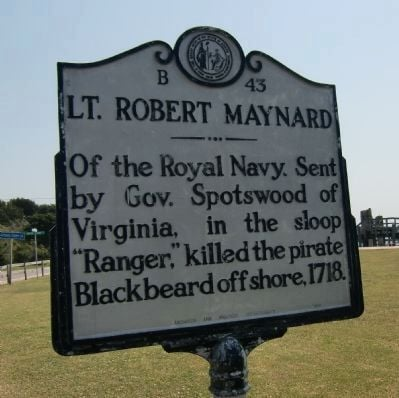
3/ His flagship, Queen Anne's Revenge, was a captured French slave ship armed to the teeth. In 1718, he blockaded Charleston, SC, demanding medical supplies as ransom. But his reign ended when Virginia's Lt. Gov. Spotswood sent Lt. Robert Maynard to hunt him down. Image
Read 5 tweets
Nov 22, 2025
JFK Assassination🧵

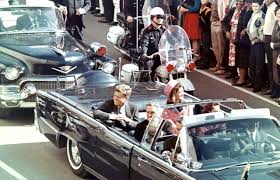
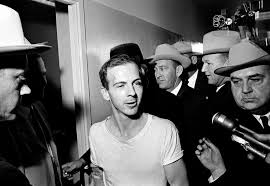
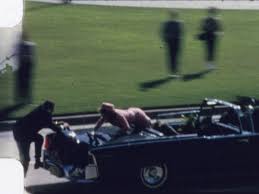
1/ On this day in 1963, President John F. Kennedy was assassinated in Dallas, Texas—shot while riding in an open limousine through Dealey Plaza. The official story pins it all on Lee Harvey Oswald, a lone gunman firing from the Texas School Book Depository. But the more you dig, the more holes appear in that narrative. Let's dive into some of the issues with the JFK assassination.Image
2/ Oswald’s rifle and marksmanship: The Warren Commission claimed he fired three shots in 6–8 seconds with a cheap, poorly maintained Mannlicher-Carcano—hitting JFK twice from 88 yards. Yet Oswald was rated a poor shot in the Marines, the rifle’s scope was misaligned, and while not impossible, some experts struggled with the shots.Image
3/ The “magic bullet”: One bullet (CE 399) supposedly caused seven wounds in JFK and Governor Connally, changed direction mid-air, shattered bones, then emerged nearly pristine on a Parkland stretcher. Ballistics experts and physicists call it impossible—defying Newton’s laws. The bullet’s chain of custody is also broken; it was “found” with no solid provenance.Image
Read 10 tweets
Nov 18, 2025
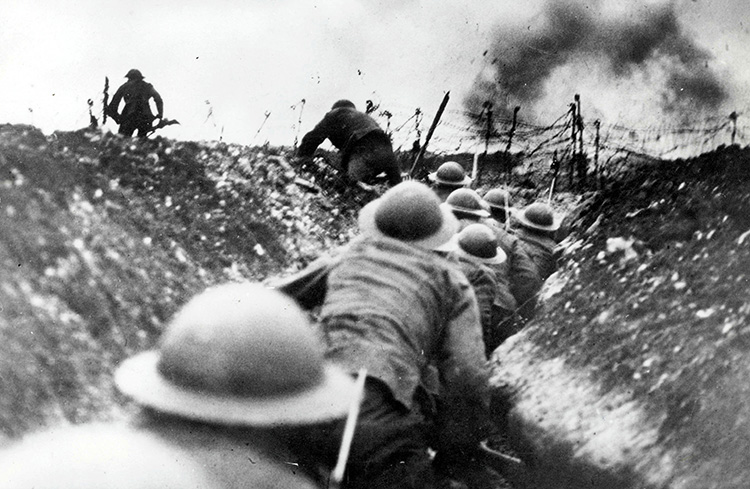
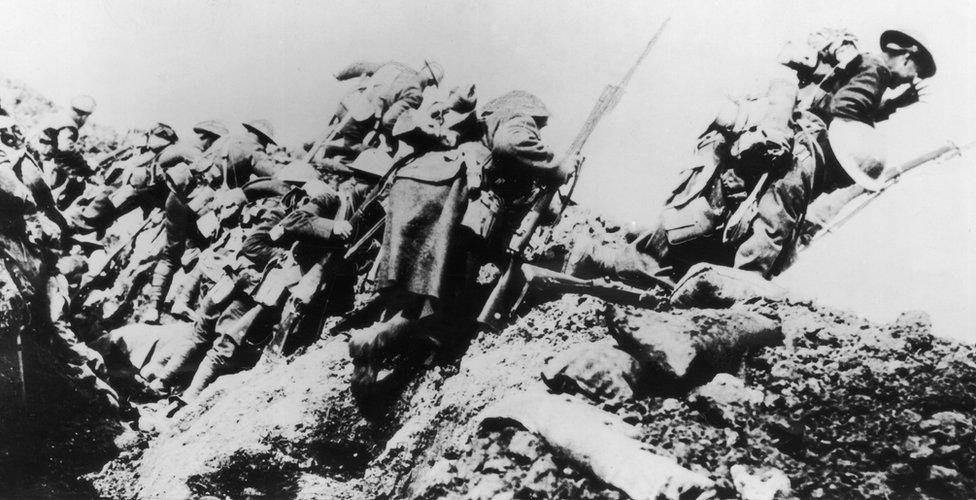
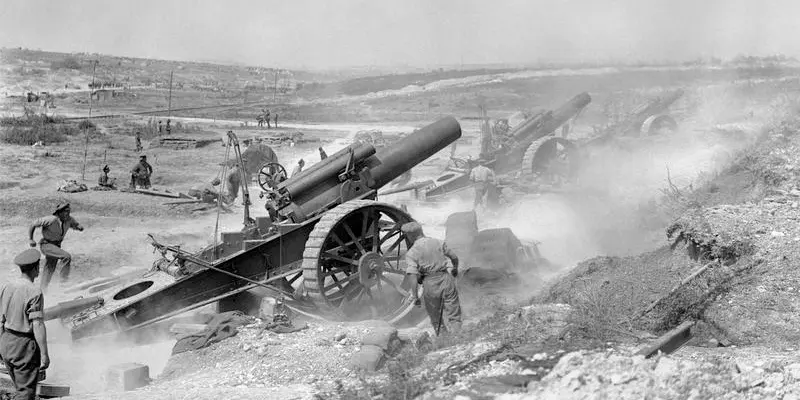
🧵 1/ On this day in 1916, the Battle of the Somme finally comes to an end after 141 days of unimaginable slaughter—one of the bloodiest battles in human history, where British, French, and Commonwealth forces attacked German lines along a 15-mile front in northern France. What began as a grand Allied offensive to break the deadlock of trench warfare ended in a muddy stalemate. Let's unpack the scale, the horror, and what it ultimately amounted to.Image
2/ The Somme was planned as a joint Franco-British breakthrough to relieve pressure on Verdun and break through German defenses. General Douglas Haig commanded the British effort, pinning hopes on a week-long artillery barrage (1.7 million shells) to destroy barbed wire and trenches. On July 1, 1916—still the British Army's bloodiest day—120,000 men went over the top at 7:30 a.m. expecting a walkover. Instead, intact German machine guns mowed them down: 57,470 British casualties, 19,240 dead in hours.Image
3/ The scale was staggering: Over 3 million men fought (1.1M British/Commonwealth, 900K French, 1M German). The front stretched 25 miles by battle's end. Artillery fired 30 million shells; tanks debuted (British Mark I, September 15) but in tiny numbers (49 total, most broke down). Advances averaged 5-6 miles at deepest points—gained little by little through places like Delville Wood, High Wood, and the Ancre Valley.Image
Read 7 tweets
Nov 17, 2025
The Siege of Knoxvill Begins🧵

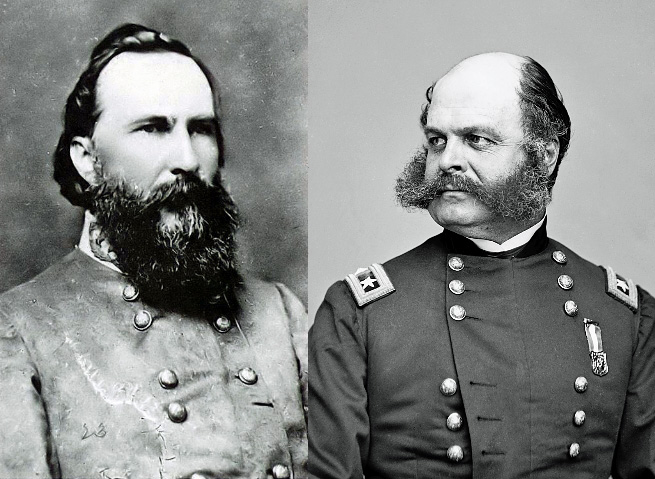
1/ On this day in 1863, Confederate Lt. Gen. James Longstreet launched the Siege of Knoxville, Tennessee, opening his campaign to wrest the vital East Tennessee rail hub from Union Maj. Gen. Ambrose Burnside. Ordered by Braxton Bragg after Chickamauga to cut Federal supply lines and reclaim the region for the Confederacy, Longstreet’s 15,000 men faced a dug-in Union garrison of 5,000 in a cold, muddy, and ultimately frustrating 20-day operation. Let’s examine what took place.Image
2/ Longstreet’s Army of Northern Virginia veterans (Hood’s and McLaws’s divisions) detached from Chattanooga in early November, riding trains and marching 400 miles in bitter weather. Morale was high at first—Knoxville was lightly held, East Tennessee had strong Confederate sympathy, and reclaiming it would threaten Burnside’s supply line to Chattanooga and possibly force Grant to divert troops. Longstreet believed a quick strike could defeat Burnside and reopen the Virginia & Tennessee Railroad.Image
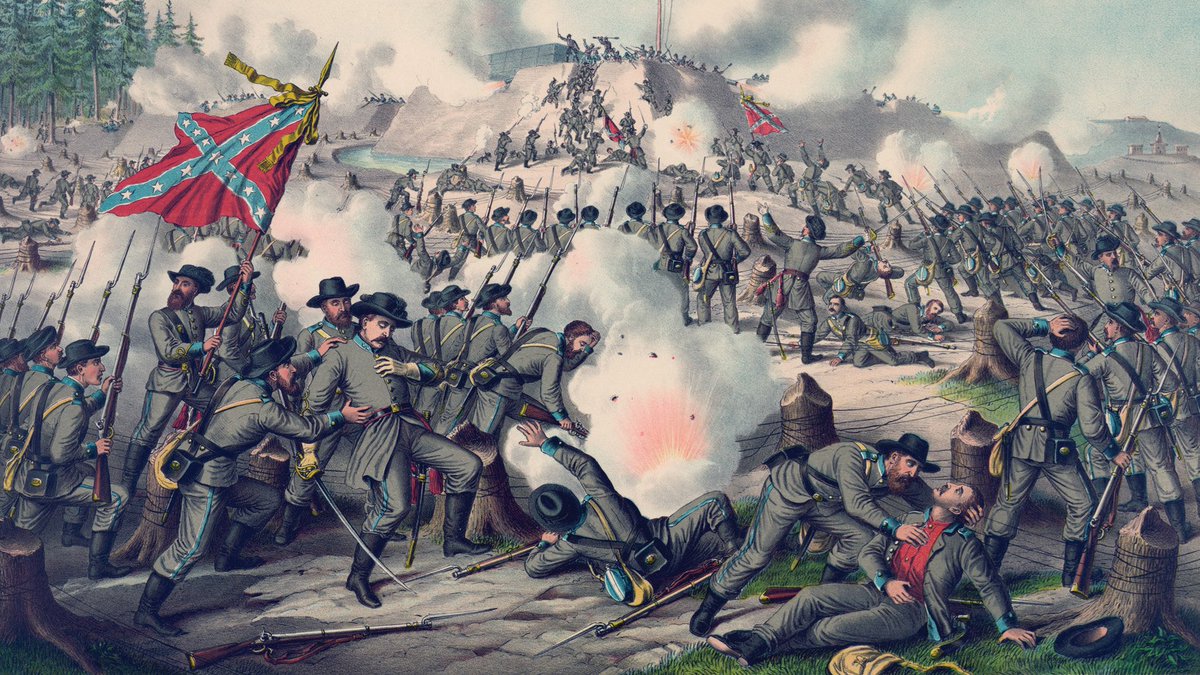
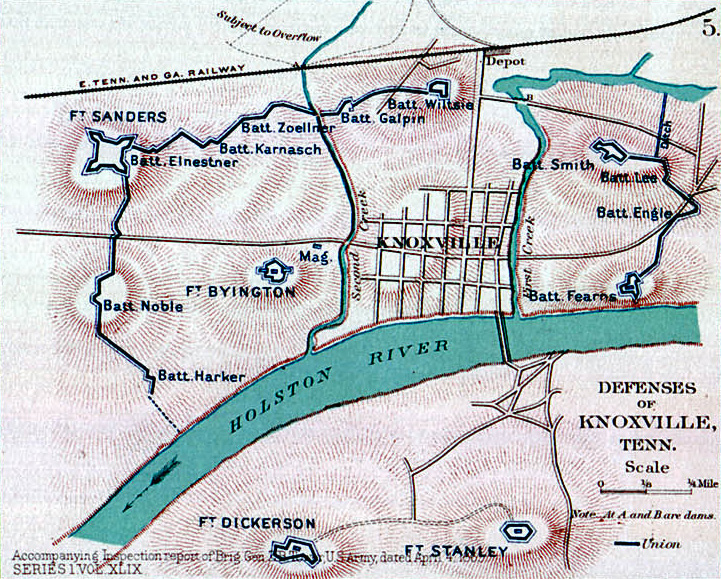
3/ By November 17, Longstreet’s lead elements under Maj. Gen. Lafayette McLaws approached Knoxville from the south and west, cutting telegraph lines and skirmishing at Campbell’s Station. Burnside fell back into the city’s formidable defenses—Fort Sanders (a bastion northwest of town) anchored a ring of earthworks, rifle pits, and wire entanglements. Longstreet surrounded the city but lacked heavy siege guns and adequate winter clothing; his men froze in the cold Tennessee rain.Image
Read 8 tweets

Did Thread Reader help you today?

Support us! We are indie developers!


This site is made by just two indie developers on a laptop doing marketing, support and development! Read more about the story.

Become a Premium Member ($3/month or $30/year) and get exclusive features!

Become Premium

Don't want to be a Premium member but still want to support us?

Make a small donation by buying us coffee ($5) or help with server cost ($10)

Donate via Paypal

Or Donate anonymously using crypto!

Ethereum

0xfe58350B80634f60Fa6Dc149a72b4DFbc17D341E copy

Bitcoin

3ATGMxNzCUFzxpMCHL5sWSt4DVtS8UqXpi copy

Thank you for your support!

Follow Us!

:(