The FDA is literally preventing Americans from protecting themselves from cancer.
While people in the US burn with decades-old sunscreen formulas, Europeans and Australians enjoy superior protection that the American government won't let its citizens buy.
The bureaucracy is so broken that one company has spent 20 years and $18 million trying to get FDA approval for a single sunscreen ingredient. 🧵
While people in the US burn with decades-old sunscreen formulas, Europeans and Australians enjoy superior protection that the American government won't let its citizens buy.
The bureaucracy is so broken that one company has spent 20 years and $18 million trying to get FDA approval for a single sunscreen ingredient. 🧵
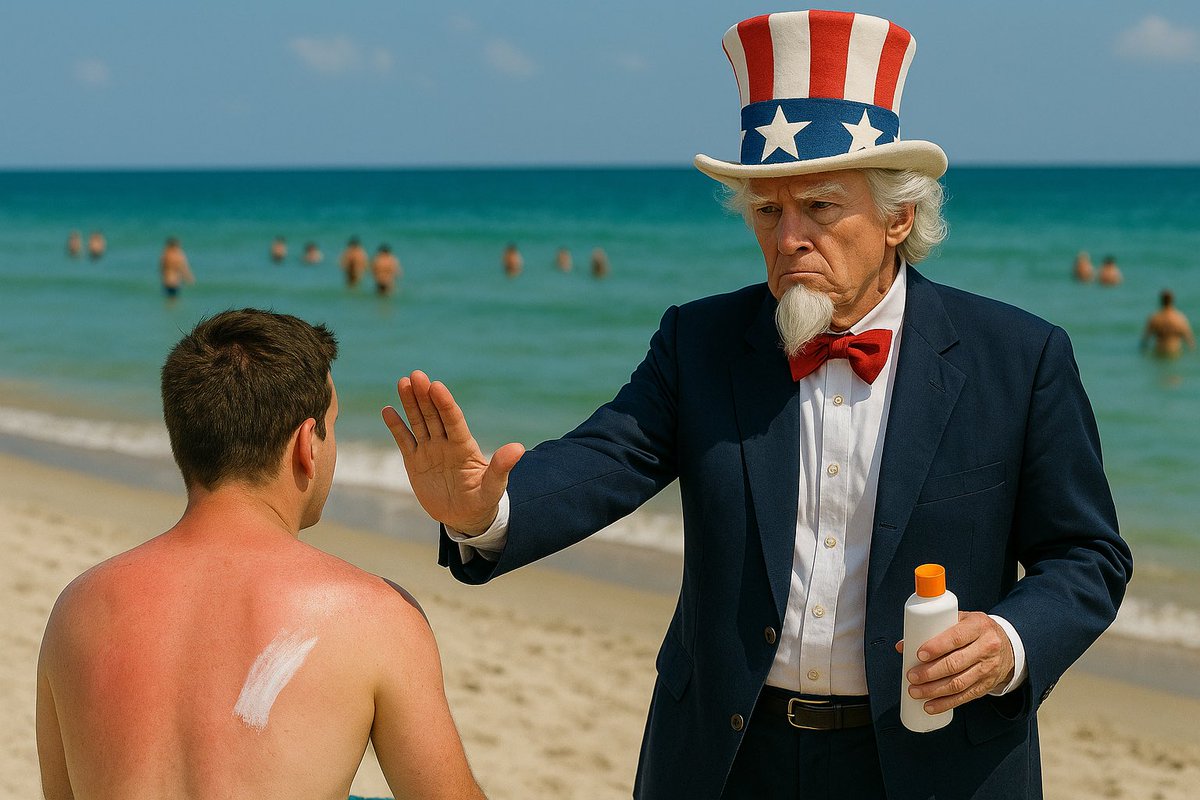
The FDA hasn't approved a new sunscreen ingredient since 1999.
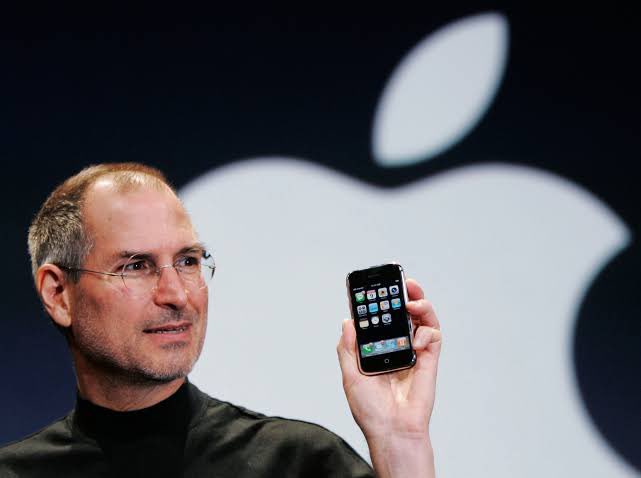
Let that sink in. Your smartphone has been updated thousands of times since then, but your cancer protection is stuck in the Clinton administration.
Meanwhile, dermatologists routinely recommend sunscreens from Australia, Europe, and Asia that Americans can't legally access.
Let that sink in. Your smartphone has been updated thousands of times since then, but your cancer protection is stuck in the Clinton administration.
Meanwhile, dermatologists routinely recommend sunscreens from Australia, Europe, and Asia that Americans can't legally access.
International sunscreens contain newer UVA filters like bemotrizinol that offer stronger, broader protection.
US sunscreens focus mainly on preventing sunburn but provide weaker coverage against the deeper skin damage that causes cancer and aging. Europeans got bemotrizinol in 2000. Australians in 2004. Even Canadians got it in 2023.
US sunscreens focus mainly on preventing sunburn but provide weaker coverage against the deeper skin damage that causes cancer and aging. Europeans got bemotrizinol in 2000. Australians in 2004. Even Canadians got it in 2023.
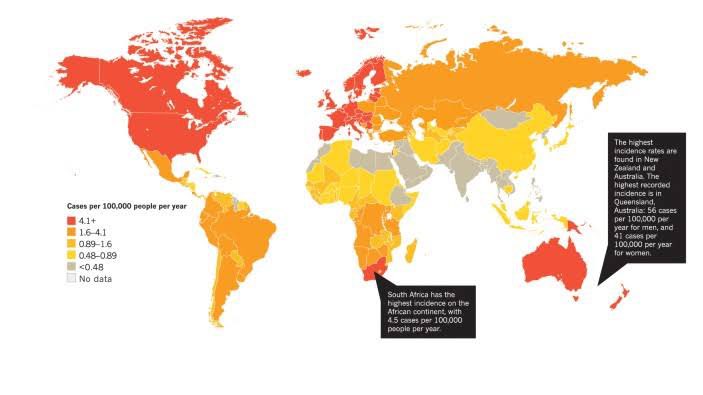
Why the delay? Because a 1938 law classifies sunscreen as an over-the-counter drug requiring lengthy clinical trials, while most countries treat it as a cosmetic product.
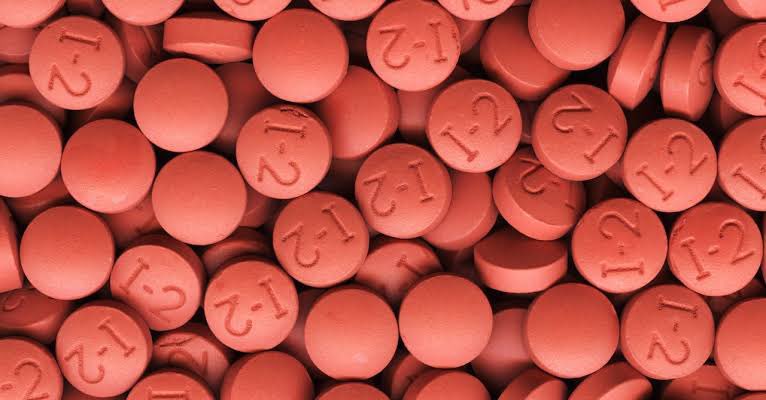
Think about this: you can walk into any store and buy ibuprofen, which can cause stomach ulcers, kidney damage, and heart problems. But sunscreen gets stuck in an 86-year-old regulatory framework that nobody bothered to update.
Think about this: you can walk into any store and buy ibuprofen, which can cause stomach ulcers, kidney damage, and heart problems. But sunscreen gets stuck in an 86-year-old regulatory framework that nobody bothered to update.
The absurdity gets worse.
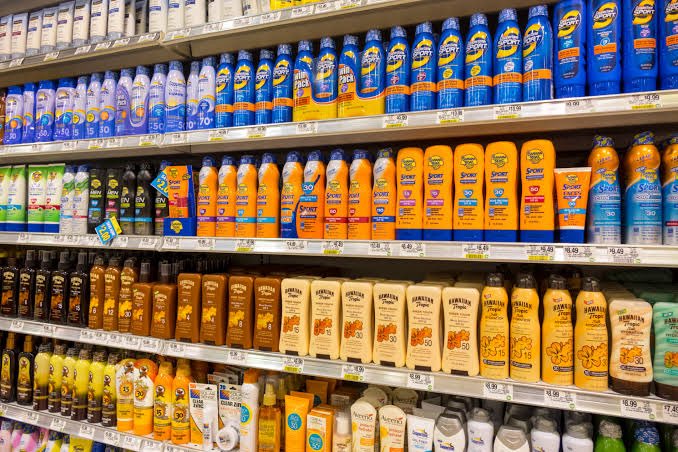
Americans literally stock up on superior sunscreens when traveling abroad because they know the difference. But not everyone can afford international travel to protect their family from cancer.
The FDA is creating a two-tiered system: good protection for the wealthy, inferior protection for everyone else.
Americans literally stock up on superior sunscreens when traveling abroad because they know the difference. But not everyone can afford international travel to protect their family from cancer.
The FDA is creating a two-tiered system: good protection for the wealthy, inferior protection for everyone else.
This is "drug lag" in action, the additional time FDA requirements force consumers to wait before accessing better products.
As @dr4liberty noticed in his article published by CATO Institute (cato.org/blog/bureaucra…): "Drug lag is cruelest to terminally ill patients, to whom it denies the right to try to save their lives by using drugs that have already been proven safe but are awaiting efficacy approval. Many seriously ill Americans die waiting for the FDA to approve drugs that regulators in other countries have already approved."
People are literally dying waiting for treatments available elsewhere.
As @dr4liberty noticed in his article published by CATO Institute (cato.org/blog/bureaucra…): "Drug lag is cruelest to terminally ill patients, to whom it denies the right to try to save their lives by using drugs that have already been proven safe but are awaiting efficacy approval. Many seriously ill Americans die waiting for the FDA to approve drugs that regulators in other countries have already approved."
People are literally dying waiting for treatments available elsewhere.
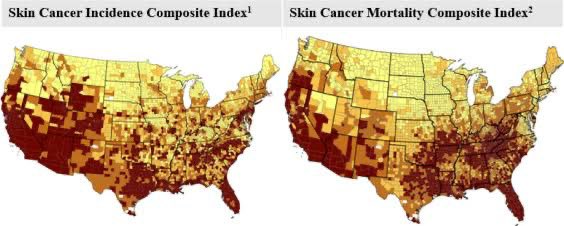
Even if bemotrizinol gets approved tomorrow, there are several other proven sun filters Americans still can't access: Tinosorb M, Mexoryl SX, Mexoryl XL, and Uvinal A Plus.
Each one requires the same bureaucratic marathon. Each delay means more cancer cases that could have been prevented.
Each one requires the same bureaucratic marathon. Each delay means more cancer cases that could have been prevented.
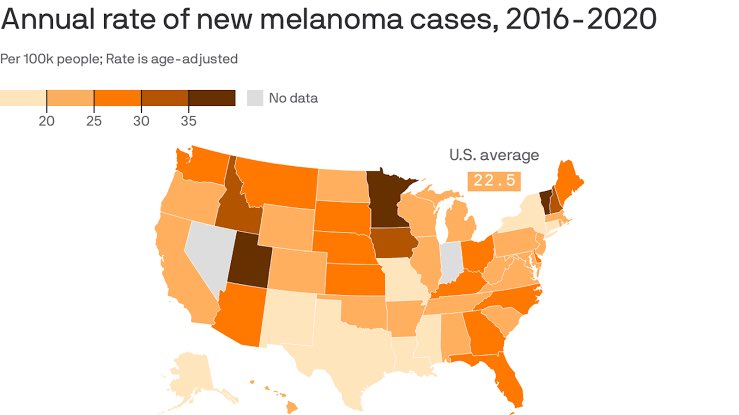
The real tragedy? We'll never know how many people got skin cancer because they couldn't access better sunscreen.
The FDA can point to their "rigorous safety standards." But they can't point to the families who never had to deal with preventable cancer diagnoses.
Bureaucrats measure their success by procedures followed, not lives improved.
The FDA can point to their "rigorous safety standards." But they can't point to the families who never had to deal with preventable cancer diagnoses.
Bureaucrats measure their success by procedures followed, not lives improved.
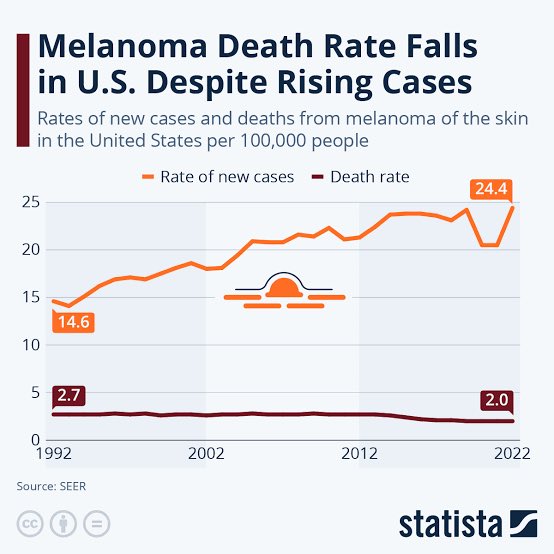
How many cases of skin cancer could have been prevented if Americans had access to the world's best sunscreens? We'll never know—but the delay is indefensible.
Want to learn how to spot these kinds of government failures before they become obvious?
Check out our free 5-day course: How to Not Be An NPC—Think Like Thomas Sowell
👉 go.studentsforliberty.org/npc-sowell/
Want to learn how to spot these kinds of government failures before they become obvious?
Check out our free 5-day course: How to Not Be An NPC—Think Like Thomas Sowell
👉 go.studentsforliberty.org/npc-sowell/
• • •
Missing some Tweet in this thread? You can try to
force a refresh