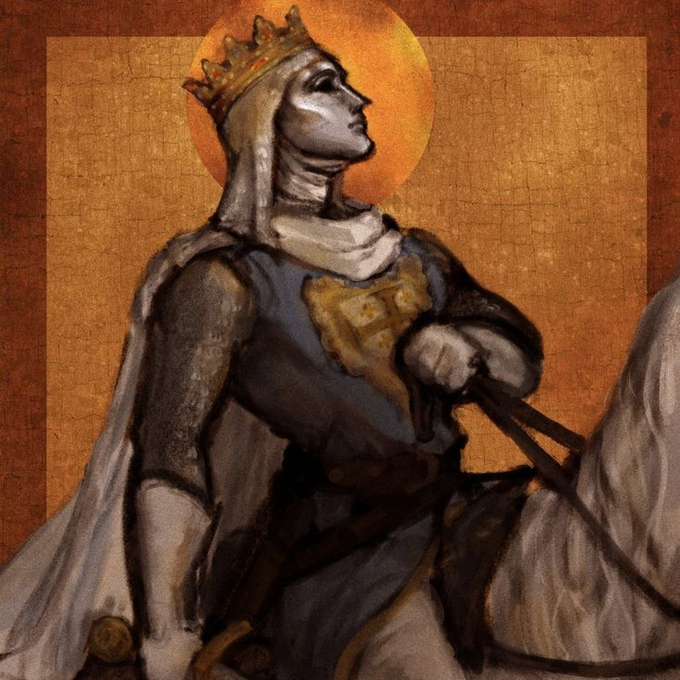
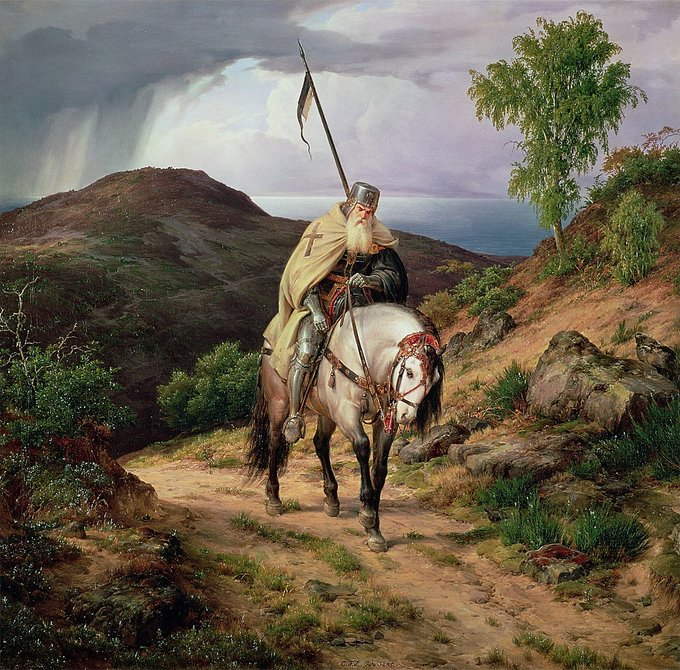
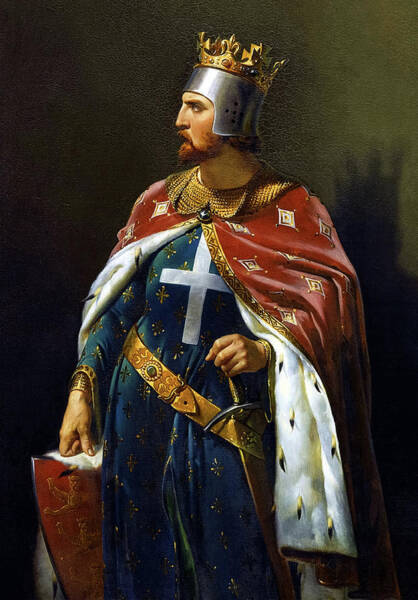
When the crusader knights retook Jerusalem in 1099, they not only seized the city, they reestablished law and order.
In the deserts and fortresses of the East, they raised Christian kingdoms amidst the Islamic sea.
The Laws of the Christian Crusader States - a 🧵
In the deserts and fortresses of the East, they raised Christian kingdoms amidst the Islamic sea.
The Laws of the Christian Crusader States - a 🧵
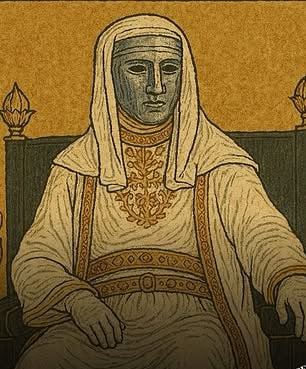

It was necessary to create laws, organize justice, and maintain order.
Thus were born the Laws of the Crusader States, one of the most fascinating legal codes of the Middle Ages.
The most famous code of the crusaders was the Assizes of Jerusalem, also known as the Assizes of the Kingdom of the Holy Land.
It was a set of laws that established the rights, duties, and obligations of each social class in the Kingdom of Jerusalem.
Its origin dates back to the first crusader king, Baldwin I, who reigned from 1100 to 1118.
Thus were born the Laws of the Crusader States, one of the most fascinating legal codes of the Middle Ages.
The most famous code of the crusaders was the Assizes of Jerusalem, also known as the Assizes of the Kingdom of the Holy Land.
It was a set of laws that established the rights, duties, and obligations of each social class in the Kingdom of Jerusalem.
Its origin dates back to the first crusader king, Baldwin I, who reigned from 1100 to 1118.

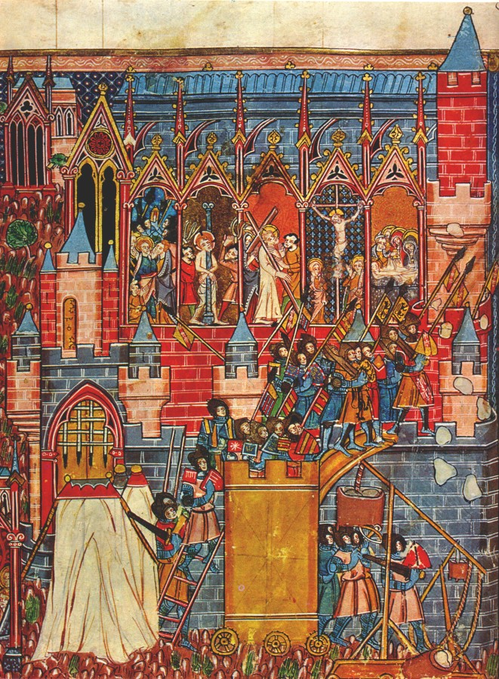
But it was in the 13th century, under King Amaury II of Lusignan, that the Assizes were compiled and organized.
It was a sophisticated code, combining elements of European feudal law with the specific needs of the Holy Land.
The Assizes established the social hierarchy of the Kingdom of Jerusalem:
>The King: Supreme ruler, but limited by the council of barons.
>The Barons: Feudal lords who managed their lands and had autonomy in their domains.
>The Knights: Warriors who defended the kingdom and received fiefs as payment.
>The Merchants: Mainly Italians and French, who dominated commerce in the cities.
>Eastern Christians: Greeks, Armenians, and Syrians, who lived under their own laws but owed loyalty to the king.
It was a sophisticated code, combining elements of European feudal law with the specific needs of the Holy Land.
The Assizes established the social hierarchy of the Kingdom of Jerusalem:
>The King: Supreme ruler, but limited by the council of barons.
>The Barons: Feudal lords who managed their lands and had autonomy in their domains.
>The Knights: Warriors who defended the kingdom and received fiefs as payment.
>The Merchants: Mainly Italians and French, who dominated commerce in the cities.
>Eastern Christians: Greeks, Armenians, and Syrians, who lived under their own laws but owed loyalty to the king.
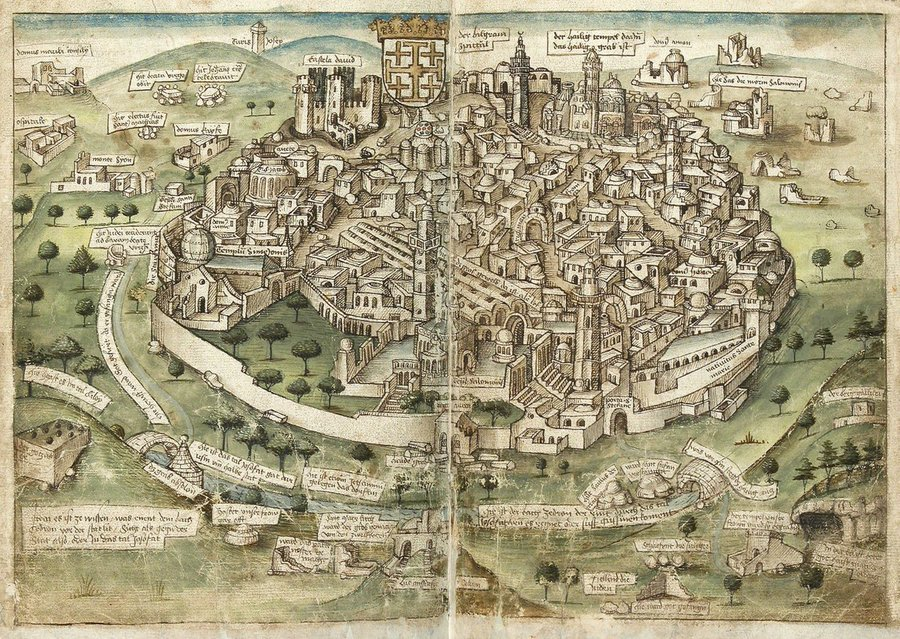
Each group had clearly defined rights, ensuring a stable social order.
The center of the legal system was the Haute Cour (High Court), formed by the barons and presided over by the king.
It was responsible for judging:
>Cases of treason and serious crimes
>Disputes among nobles
>Decisions on war and diplomacy
There were also lower courts for knights and merchants, and special tribunals for Eastern Christians and Muslims.
The system was more organized than many kingdoms in Europe at the time.
The center of the legal system was the Haute Cour (High Court), formed by the barons and presided over by the king.
It was responsible for judging:
>Cases of treason and serious crimes
>Disputes among nobles
>Decisions on war and diplomacy
There were also lower courts for knights and merchants, and special tribunals for Eastern Christians and Muslims.
The system was more organized than many kingdoms in Europe at the time.
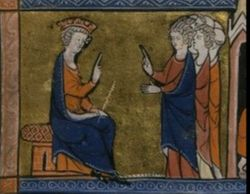

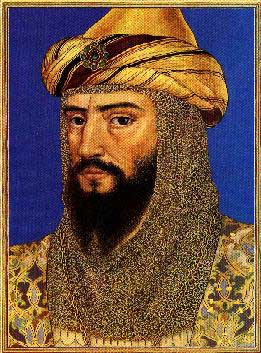
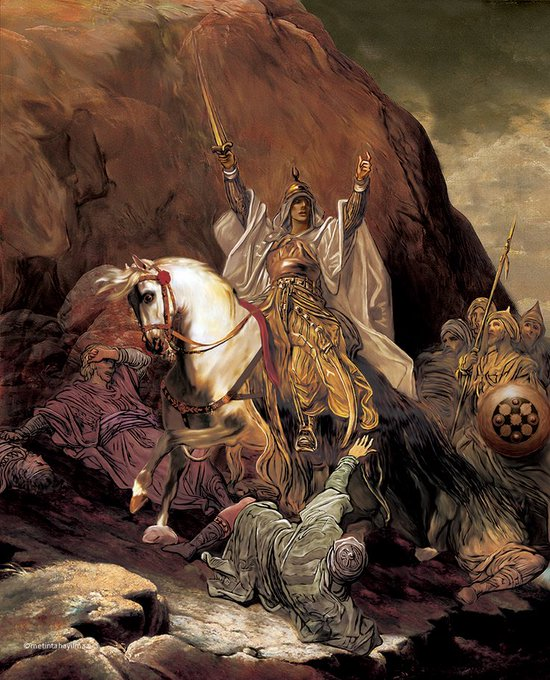
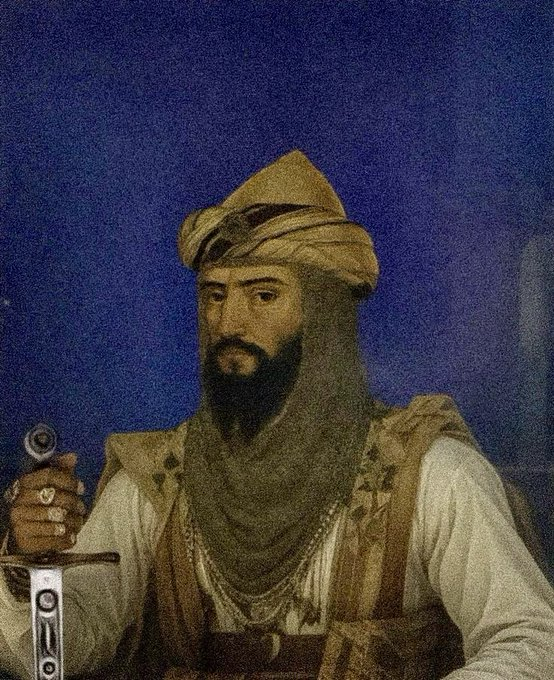
The crusaders faced powerful enemies, such as Saladin and the Muslim armies.
Therefore, the laws decreed that every free man had to help in the preservation of the Christian states.
>The knights had the duty to defend the kingdom at any moment.
>Peasants and merchants had to contribute with supplies and fortifications.
>The castles were kept on constant alert and had to resist until the last man.
It was this discipline that ensured the survival of the Crusader States for almost two centuries.
Therefore, the laws decreed that every free man had to help in the preservation of the Christian states.
>The knights had the duty to defend the kingdom at any moment.
>Peasants and merchants had to contribute with supplies and fortifications.
>The castles were kept on constant alert and had to resist until the last man.
It was this discipline that ensured the survival of the Crusader States for almost two centuries.
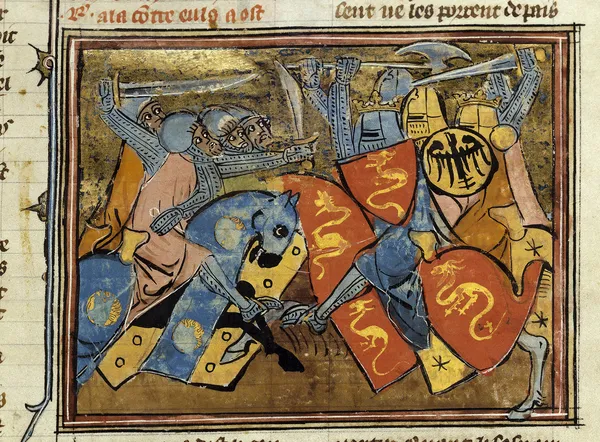
Knights of military orders such as the Templars and Hospitallers were not under the authority of the king.
They had their own tribunals, internal rules, and laws, approved by the Pope.
At the same time, they served as guardians of justice and protectors of pilgrims.
In times of war, the military orders were on the front lines, often commanding independent armies.
This created a complex relationship between the crusader kings and the monastic knights.
They had their own tribunals, internal rules, and laws, approved by the Pope.
At the same time, they served as guardians of justice and protectors of pilgrims.
In times of war, the military orders were on the front lines, often commanding independent armies.
This created a complex relationship between the crusader kings and the monastic knights.
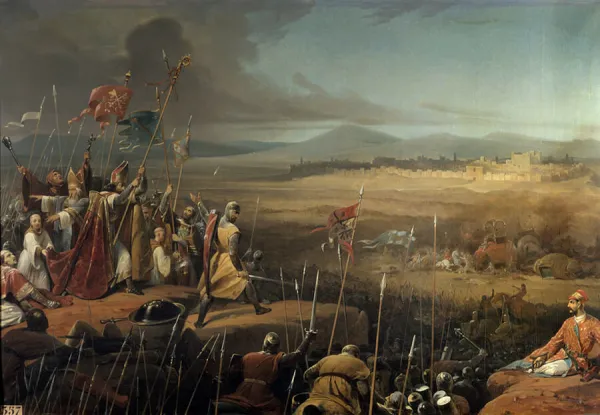
The crusader laws protected Christian pilgrims, ensuring they had free access to the holy places.
The Church also had a fundamental role in government:
>The Patriarch of Jerusalem was nearly as powerful as the king.
>Bishops managed lands and revenues.
>Churches had their own courts to judge religious matters.
Over time, the Crusader States weakened.
The defeat at Hattin (1187) marked the beginning of the end. Jerusalem fell to Saladin, and the crusaders were pushed back to the coast.
The last strongholds, like Acre, held out until 1291, when the Muslims took power.
The Church also had a fundamental role in government:
>The Patriarch of Jerusalem was nearly as powerful as the king.
>Bishops managed lands and revenues.
>Churches had their own courts to judge religious matters.
Over time, the Crusader States weakened.
The defeat at Hattin (1187) marked the beginning of the end. Jerusalem fell to Saladin, and the crusaders were pushed back to the coast.
The last strongholds, like Acre, held out until 1291, when the Muslims took power.
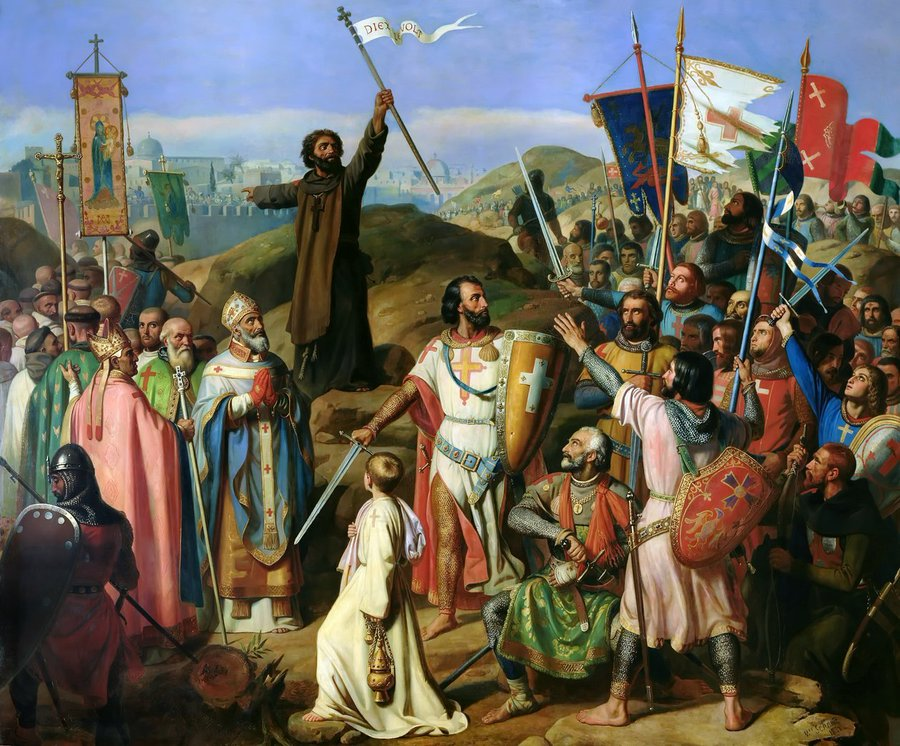
But the laws of the crusaders were not forgotten.
The Assizes of Jerusalem influenced European medieval codes, especially in the Kingdom of Cyprus and in the courts of the Order of Malta.
And the idea of a Christian legal code, made to govern a kingdom at war for the faith, echoed through the centuries.
The Assizes of Jerusalem were one of the first examples of a legal code that unified different peoples under a single Christian order.
The crusaders knew that without law, there is no kingdom, and without faith, there is no true law.
The Assizes of Jerusalem influenced European medieval codes, especially in the Kingdom of Cyprus and in the courts of the Order of Malta.
And the idea of a Christian legal code, made to govern a kingdom at war for the faith, echoed through the centuries.
The Assizes of Jerusalem were one of the first examples of a legal code that unified different peoples under a single Christian order.
The crusaders knew that without law, there is no kingdom, and without faith, there is no true law.
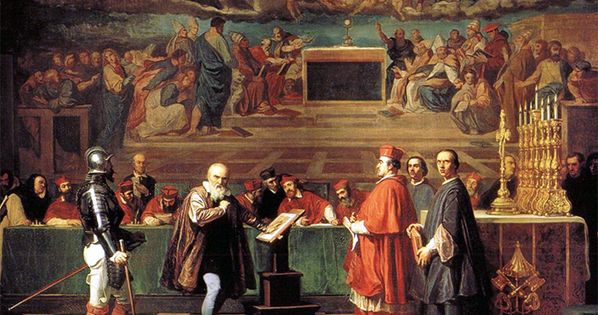
Let their legacy not be forgotten, may it continue to inspire defenders of truth, justice, and Christendom, until the trumpet sounds at the end of days.
"For justice will return to the righteous, and all the upright in heart will follow it." - Psalm 94,15
"For justice will return to the righteous, and all the upright in heart will follow it." - Psalm 94,15
If you want to support our work check out our merch: You get some quality clothing while helping us grow the page and produce better content! tradwest.net

• • •
Missing some Tweet in this thread? You can try to
force a refresh